产教融合

Search documents
稳就业 高校在行动
Ren Min Ri Bao· 2025-06-10 22:00
Group 1: Employment Strategies of Universities - Peking University implements the "Red-Green-Blue" employment guidance strategy, encouraging students to contribute to national needs through various sectors, including grassroots and defense industries [1][2] - Tsinghua University organizes "Job Seeking" practical activities, allowing students to engage directly with key industries, enhancing their understanding of career prospects [3][4] - Beijing Normal University promotes teaching positions in central and western regions through the "Four Good Teachers" initiative, providing financial incentives for graduates to teach in underprivileged areas [5][6] Group 2: Employment Trends and Statistics - In 2024, over 10% of Peking University graduates are expected to work in western and northeastern regions, a steady increase from previous years; employment in high-end manufacturing, such as chips, rose from 2.1% in 2020 to 6.8% in 2024 [2] - Tsinghua University has sent over 2,300 graduates to the manufacturing and energy sectors in the past five years, with a growing number each year [4] - Zhejiang University has developed a mission-driven employment education system, sending approximately 500 students annually to grassroots positions across 14 provinces [7][8] Group 3: Collaboration with Industries - Renmin University of China collaborates with over 400 companies to create stable employment and internship bases, enhancing the alignment between talent cultivation and industry needs [10][11] - Xi'an Jiaotong University has established partnerships with companies like ZTE to facilitate targeted talent training and employment opportunities, creating a replicable model for school-enterprise collaboration [11][12] - Hefei University of Technology has formed long-term partnerships with 140 companies, focusing on practical training and industry alignment to improve student employability [13][14] Group 4: Innovative Educational Approaches - The "Order Class" model at Inner Mongolia Electronic Information Vocational Technical College allows students to secure jobs before graduation through tailored training programs designed in collaboration with companies [15][16] - Zhejiang University utilizes digital tools to enhance job matching, creating employment communities and regional groups to provide targeted job information to students [8] - The "Job Seeking" initiative at Tsinghua University aims to bridge the information gap between students and employers, improving job matching and career readiness [3][4]
AI当职业“红娘” 浙江让毕业生和岗位“双向奔赴”
Zhong Guo Xin Wen Wang· 2025-06-10 11:12
中新网杭州6月10日电 题:AI当职业"红娘" 浙江让毕业生和岗位"双向奔赴" 作者 林波 曹丹 "AI模拟面试不仅还原了真实求职场景,还能回放分析自己的表现,让我在正式面试时更加从容。"浙江 大学2025届经济学院硕士研究生杨涵驿的求职经历,折射出高校就业服务正在发生的智能化变革。 2025年,浙江高校毕业生达44.5万人,创历史新高。面对就业新形势,浙江高校正通过差异化路径破解 就业难题。 浙江大学依托数字技术构建智能化就业服务体系,该校师生自主研发的"AI生涯导师"智能体正在内测阶 段。该智能体整合了学校政策、就业指南等官方资源,更汇聚了校友的职业发展数据,为学生提供精准 岗位推荐和职业规划建议。 "我们通过人岗智配模型,能实现企业需求与学生特质的精准匹配。"浙江大学就业指导与服务中心主任 曹磊介绍道,该系统在AI简历智写、AI模拟面试等功能上迭代,采用动态机器学习算法,构建了从数 据挖掘到智能匹配,再到精准推送和反馈优化的完整闭环体系,"未来将帮助学生实现'一键就业'"。 在2024年秋季招聘时,他凭借在嵌入式特色课程班积累的经验和知识,顺利进入海康威视工作,"在面 试过程中,我之前在课程班学到的知识 ...


西安交大:校企携手,打造“1+1>2”领航就业新模本
Zhong Guo Qing Nian Bao· 2025-06-10 10:29
"职场直通车",开进大学校园 李乐提到的"兴人类"职业发展协会,2011年由中兴通讯在西安交大设立。从那时起,双方围绕职业发展 主题,将一系列涵盖职业生涯发展教育的"职场直通车"开进交大校园—— 从中兴专家带来前沿技术讲座、与学生讨论交流,到引领学子走进中兴研发基地,感受行业发展现状, 再到制作"职业指导微课程",由中兴HR(人力资源管理者)为毕业生讲解用人需求新变化、提供"一对 一"求职咨询……不一而足。 在西安交大,像李乐这样"顺理成章"签约中兴的毕业生还有不少。近5年来,该校先后有数百名毕业生 入职中兴通讯。截至目前,中兴拥有西安交大在职校友近千名,其中80%以上为硕博毕业生。 记者采访获悉,西安交大与中兴通讯深度合作,探索形成的校企联合育人促就业模式,倍增 出"1+1>2"的协同效应,入选教育部供需对接就业育人项目优秀案例,成为推动高校毕业生供需精准对 接的可复制模板。 在"兴人类"职业发展协会,李乐得以参与"中兴捧月"系列活动中的两项品牌活动:全球精英挑战赛和模 拟面试大赛。 中青报·中青网记者 孙海华 前不久,西安交通大学应届毕业生李乐与中兴通讯成功签约。在他看来,能够顺利签约并非取决于关键 时刻 ...

国泰航空与中飞院空中乘务学院签署合作备忘录 共育高质量民航人才
Zhong Guo Min Hang Wang· 2025-06-10 07:36
Core Viewpoint - Cathay Pacific and the Civil Aviation Flight University of China have signed a memorandum of cooperation to enhance high-quality talent cultivation in the civil aviation sector, focusing on cultural dissemination and digital service innovation [1][2]. Group 1: Partnership Development - The recent signing is a deepening of the partnership established in December 2023, aimed at improving the composite capabilities and international competitiveness of aviation talent through training and resource sharing [1][2]. - The "Chinese Culture Education Training" program, launched in September 2024, has successfully conducted over 90 training sessions, benefiting more than 3,800 new cabin crew members at Cathay Pacific [1]. Group 2: Focus Areas of Cooperation - The new memorandum emphasizes the joint cultivation of aviation service talents with skills in Chinese language communication and cultural promotion [2]. - It includes the development of digital service courses and smart teaching platforms, as well as the enhancement of faculty development and quality educational resource sharing [2]. - The collaboration aims to create a benchmark project for industry-education integration, with replicable and promotable experiences to drive innovation in civil aviation education [2].

《意见》解析:民生关切下的「上好学」之路
3 6 Ke· 2025-06-10 04:31
Group 1: Early Childhood Education - The release of the "Opinions" document brings hope for the development of inclusive childcare services, addressing the scarcity of affordable childcare resources for working families [2][3] - The goal is to achieve over 80% coverage of embedded inclusive childcare in communities of large cities within approximately 10 years, significantly alleviating parenting pressures and promoting female employment [2][3] Group 2: K12 Education - The "Opinions" emphasize the need for quality and equitable development in K12 education, addressing long-standing concerns about resource imbalance [4][5] - A plan to expand quality school capacity and improve weak schools through group management and support is outlined, aiming to enhance educational equity [4][5] - The initiative includes a target to standardize all compulsory education schools within about 5 years, which will help reduce educational disparities between urban and rural areas [5][6] - The construction of over 1,000 quality high schools, particularly in county areas, is expected to improve educational conditions and provide better opportunities for rural students [6] Group 3: Vocational Education - The "Opinions" highlight the importance of vocational education in developing skilled talent and aligning educational offerings with market needs [7][8] - The focus on "industry-education integration" aims to connect vocational institutions with industry, ensuring that training meets current economic demands [7] - The introduction of "micro-majors" allows for flexible, targeted training in high-demand skills, enhancing employability for various demographics [8] Group 4: Employment Support - The "Opinions" stress the importance of employment as a key aspect of livelihood, with measures to improve social insurance access for flexible workers and migrant workers [9] - The removal of household registration restrictions for social insurance participation will benefit approximately 280 million migrant workers and 84 million new economy workers [9] - The implementation of labor-based assistance programs aims to create job opportunities for low-income populations, enhancing their income and dignity [9]
我省校企共建的60个“工程师班”就业率保持在90%以上学徒变师傅,毕业就业“无缝”衔接
Xin Hua Ri Bao· 2025-06-09 23:27
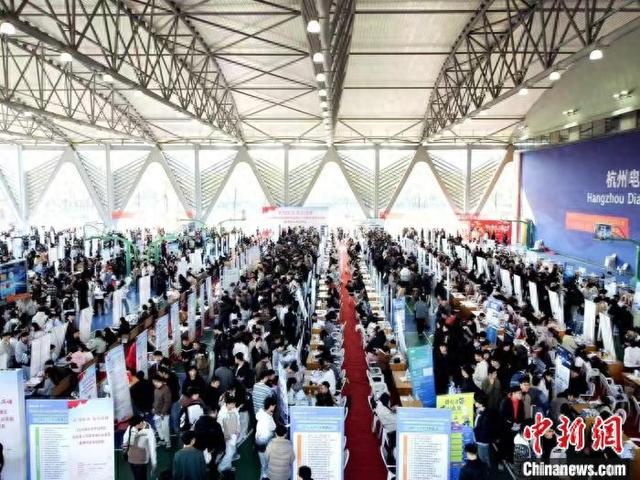
5月28日,南京信息职业技术学院"双选会"现场人头攒动,智能制造学院学生黄盟龙攥着简历直奔 英格索兰(中国)工业设备制造有限公司招聘展位,这是他心仪已久的企业,如果"双选"成功,他将在 企业现场工程师班进行为期一年的跟岗学习、顶岗实习,通过企业考核后,转正成为正式员工。 现场,和信精密科技有限公司工程师班带来20个左右岗位需求。"毕业的学生达到近100%就业率, 我们去年留用的孩子,不少成了技术主力。"公司人力专员蔡国梅说,工程师班学生上手快、潜力大, 优秀者毕业一两年就可达到中级技术员水平,3—5年可达到高级电气工程师水平。 让学生比同龄人更早锚定职业坐标,通过"做中学"积累起就业竞争力。在南信院常熟工程师班,应 届毕业生朱一鸣正埋头钻研设备操作技巧。2022年,他进入常熟工程师班,前两年在校完成课程学习, 第三年进入企业顶岗实习。"企业深度参与贯穿工程师班培养全程,我们的课程表校企一起排,大二时 企业工程师就来教实操。"朱一鸣告诉记者,今年6月他将结束为期一年的企业实习,以"助理工程师"身 份入职仁烁光能(常熟)有限公司。还没毕业,他就从学徒"跳"到带教师傅,如今是工段负责人。 "我们计划进一步扩大订单班 ...
为稳就业出更多实招暖招(人民时评)
Ren Min Ri Bao· 2025-06-09 22:00
分级分类、量身定制惠企服务,降低企业招聘、用人的制度性成本,有利于激发稳岗扩岗的内生动力 想青年所想,急青年所急,多些直击痛点、响应诉求的实招暖招 前不久,教育部等七部门联合印发通知,决定开展重点群体促就业"国聘行动",推出各项务实举措促进 高校毕业生高质量充分就业。就业是最基本的民生,各地各部门如何创新举措,切实把通知要求落到实 处,为高校毕业生就业出更多实招暖招?近期,笔者到广东采访,当地的一些做法具有启发意义。 就业有补贴、创业有扶持、创新有资助、求职有住所、落户有补助……今年以来,广东实施"百万英才 汇南粤"行动计划,旨在吸纳100万高校毕业生来粤就业创业,为落实落细高校毕业生就业工作提供了有 益借鉴。 企业是吸纳高校毕业生就业的主渠道。提高企业稳岗扩岗的积极性,就业服务先要立足差异性,增强针 对性。例如,大型企业用人数量多、门类广,新项目落地之初难免遇到招工难,河源市一处产业园成立 服务专班,根据岗位需求"一企一策"组织专场招聘会,有效提升招聘时效。小微企业缺乏专人管理人力 资源,深圳市坪山区提供劳动关系托管服务,从指导入职手续到代管薪酬、社保,大幅减轻企业管理压 力。对初创企业而言,除了租金减免、 ...
第五届会展数智化教学研讨会暨全国数字会展产教融合共同体会议在绍兴举办
Zhong Guo Jing Ji Wang· 2025-06-09 09:17
中国经济网6月9日讯(记者 周宇宁)第五届会展数智化教学研讨会暨全国数字会展产教融合共同体会 议(以下简称"会议") 6月6 日至7日在浙江绍兴举办,吸引了来自北京、四川、广东、河北、新疆等全 国20余个省市的200余位会展领域专家、院校代表、企业负责人和学生代表参会,围绕"数字赋能 智领 未来"的主题,共探会展业数智化转型与产教融合新路径。 会议由浙江省会展学会、浙江省东方会展产业研究院、浙江农业商贸职业学院、浙江越秀外国语学院、 西安远华软件有限责任公司联合主办,全国数字会展产教融合共同体、浙江农业商贸职业学院、重庆文 理学院、西安远华软件有限责任公司共同承办。 在6月6日举办的全国数字会展产教融合共同体理事会议上,审议通过《全国数字会展产教融合共同体章 程》,完成组织架构设置,设立首批专委会,并通过《2025 年度工作计划》。与会代表聚焦"数字会展 与产教融合深度发展路径"展开研讨,为深化会展教育与产业数字化融合奠定制度基础。 在6月7日举办第五届会展数智化教学研讨会暨全国数字会展产教融合共同体会议开幕式和主论坛上,中 国会展经济研究会会长曲维玺在通过视频致辞,他在肯定研讨会"数字赋能 智领未来"主题前 ...
闽南师范大学:理论实战双轨并行 培养“产教融合型”人才
Zhong Guo Xin Wen Wang· 2025-06-09 08:58
Core Insights - The collaboration between Minnan Normal University and Yan Zhi Wu is aimed at enhancing talent cultivation in the advertising industry through practical teaching activities [1][5] - The initiative represents a significant step in integrating education with industry needs, particularly in the health and wellness sector, focusing on the young consumer market [3][5] Group 1: Educational Collaboration - The advertising students engaged in a hands-on learning experience at Yan Zhi Wu, exploring the cultural and technological aspects of bird's nest products [3] - Students presented marketing strategies targeting younger demographics, emphasizing trends like "light health," "ingredient-focused," and "scenario-based consumption" [3][5] - The project reflects a dual-track training model that combines theoretical knowledge with practical application, enhancing students' readiness for the job market [5] Group 2: Industry Engagement - The partnership with Yan Zhi Wu allows students to gain insights into the operational standards of the bird's nest industry, including raw material selection and quality control [3] - The collaboration has introduced industry mentors to provide comprehensive guidance, further bridging the gap between academic learning and real-world application [5] - The initiative aims to create a sustainable mechanism for integrating enterprise projects into the classroom, ensuring that educational practices align with industry demands [5]

宜宾三年科技型中小企业增长60% 斩获部省科技奖6项
Zhong Guo Fa Zhan Wang· 2025-06-09 08:11
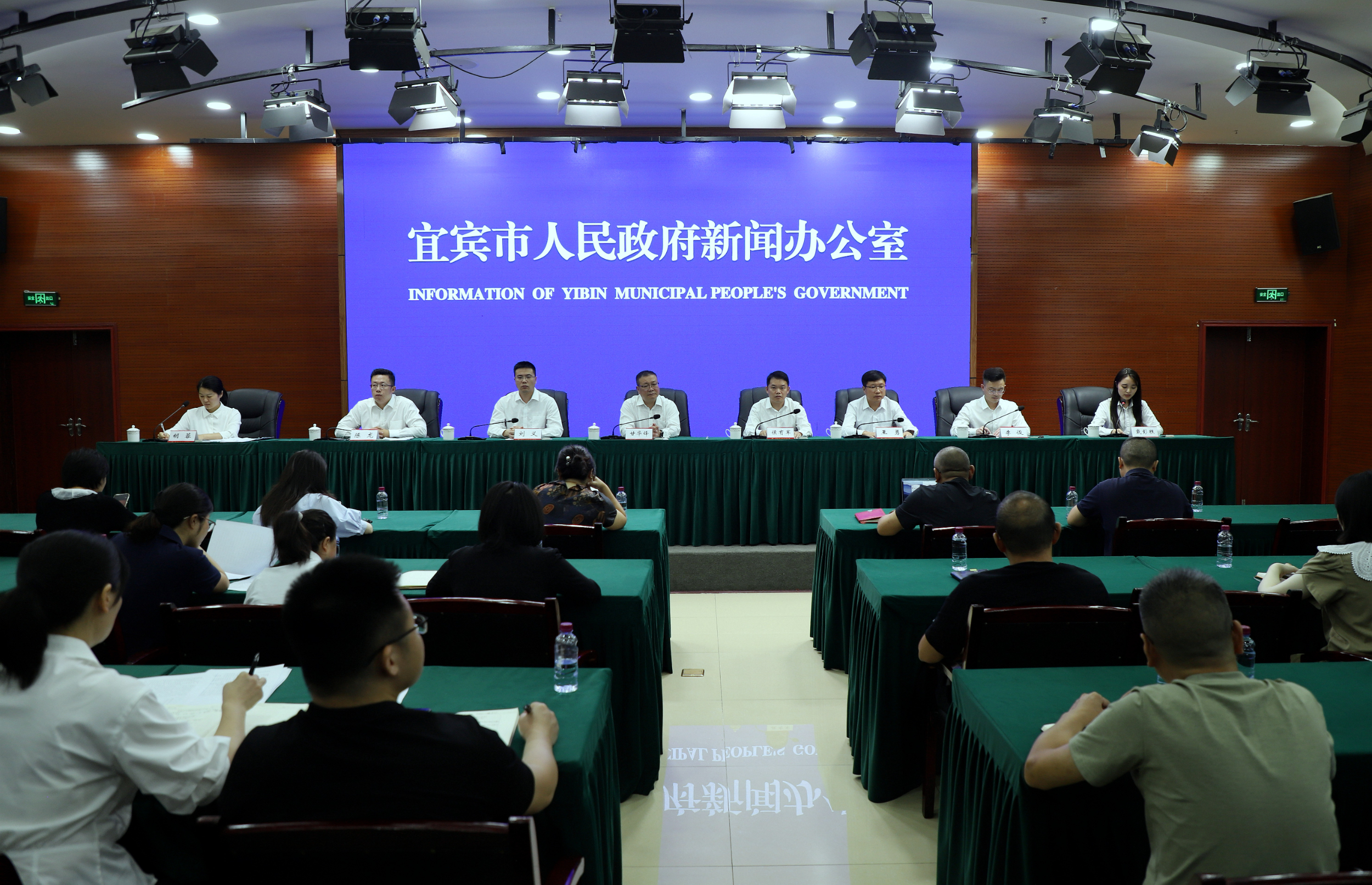
中国发展网讯 作为"科技创新体集群"的首提地的四川宜宾,承担着推动高校、科研院所等科技创新体从分散走向凝聚,形成更具竞争力集群,更好服务产 业发展的重要任务。近年来,在绿色新能源、数字经济新蓝海等新赛道频频实现"弯道超车"的宜宾,究竟在科技创新方面有哪些利好举措,取得了哪些成 绩?6月6日,宜宾市政府召开的新闻发布会上给出了答案。 宜宾市鲜明大抓科技的导向,汇聚全市优质资源大力推进科技创新,构建起"科技主统、部门联动、市区一体、国资赋能的"大科创"格局。高规格成立市委 科技委,统筹全市科技战略部署、资源配置、重大项目等,完善"抓项目、促转化、引人才、拓空间、建平台、强基金、育主体"工作体系。 三年来,宜宾安排财政科技资金30亿元,优化组建10亿元创新创业股权投资基金,出台6个方面22条科创支持政策、单项奖补高达1亿元,以"大投入"带 动"大产出"。 截至2024年,科技型中小企业达1747家、较2021年增长60%;高新技术企业达480家、三年翻番;规上高新技术产业营收较2021年增长64%,达1697亿元; 技术合同成交额突破100亿元,1年实现倍增。 招引高能级平台构建"一流科创圈" 宜宾构建探索"科技招 ...