产业升级

Search documents
东南亚不想给中国做“踏板”?美国关税威胁下,中国制造业咋破局
Sou Hu Cai Jing· 2025-12-17 11:20
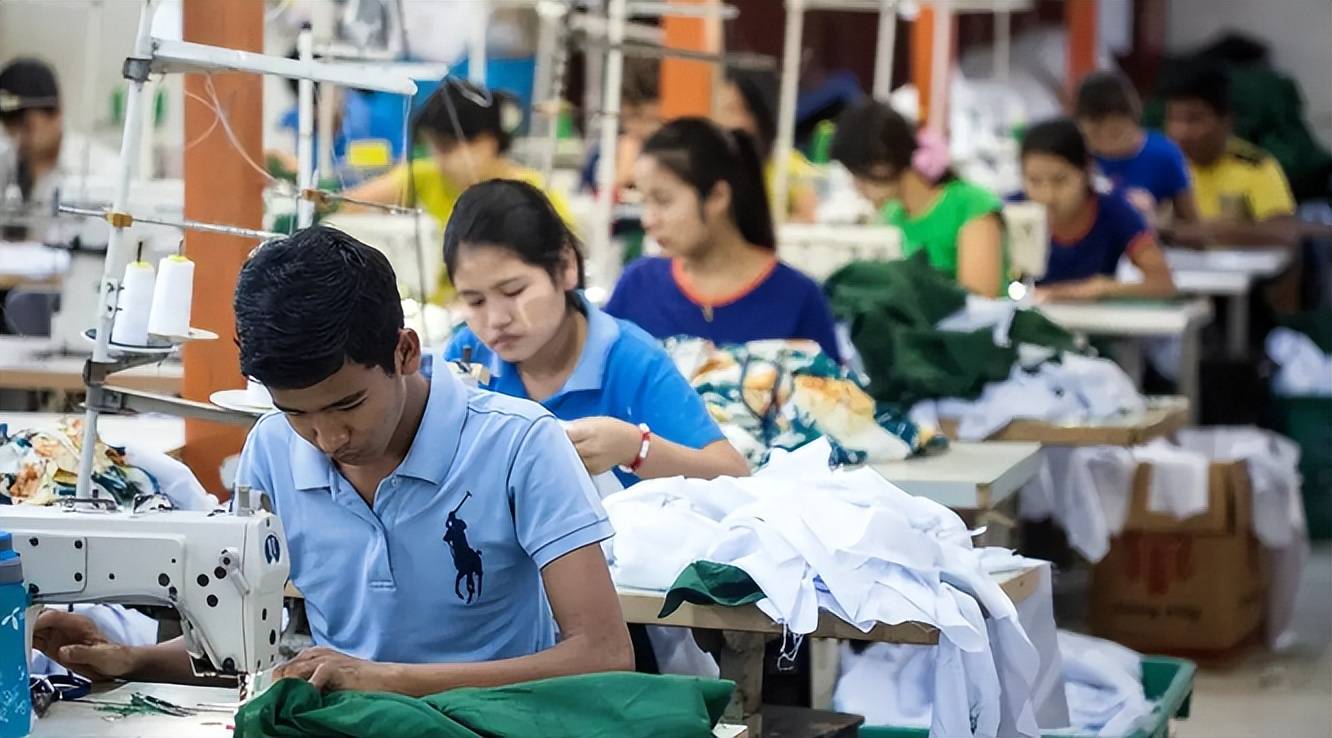
Core Insights - The article discusses the changing trade dynamics between Southeast Asia, Mexico, and the U.S. amid the U.S.-China trade tensions, highlighting how these regions have previously benefited from a "labeling" strategy to access the U.S. market [1][3][18] Group 1: Trade Dynamics - Southeast Asia and Mexico have acted as intermediaries for Chinese goods, allowing products to be labeled as locally made to avoid tariffs [1][4] - The "China Plus One" strategy has led multinational companies to shift assembly lines from China to Southeast Asia, impacting local economies [4][8] - New U.S. tariff regulations are targeting the supply chain origins, meaning that products with core components from China face higher tariffs, disrupting the previous trade model [6][10] Group 2: Economic Impact - Southeast Asian countries like Malaysia have seen a surge in exports as companies rush to sell products before new tariffs take effect, indicating a panic response to changing regulations [8][12] - Mexico's automotive industry is particularly vulnerable, facing increased tariffs on Chinese vehicles, which could harm local manufacturing and economic stability [10][12] - Both regions are caught in a dilemma of needing Chinese supply chains while trying to appease U.S. trade demands, leading to potential long-term economic consequences [12][14] Group 3: Future Outlook - The article suggests that the era of easy profits from "labeling" is over, and true competitiveness will rely on core technologies and complete supply chains [16][18] - Countries like Vietnam and Mexico are struggling to upgrade their industries due to a lack of technology and capital, making it difficult to transition from assembly to manufacturing [16][18] - The need for countries to rethink their strategies in light of U.S.-China tensions is emphasized, as reliance on Chinese supply chains may become a liability [12][18]

协创数据(300857.SZ):拟投资光芯片、光模块研发和生产建设项目
Ge Long Hui A P P· 2025-12-17 10:27
Core Viewpoint - The company has signed a cooperation agreement with the Guangzhou Development Zone Management Committee to invest in a research and production project for optical chips and modules, aiming for industrial upgrade and mutual benefits [1] Group 1: Project Details - The project involves the establishment of a research and production facility for optical modules in the Guangzhou Development Zone [1] - The focus will be on developing ultra-low power optical modules using self-developed chips, suitable for high-end applications such as AI computing centers and supercomputing centers [1]

山东未来蓝图的“高频词”,济南准备这样“破题”
Feng Huang Wang Cai Jing· 2025-12-17 06:41
Group 1: Economic Development and Growth - Shandong Province's 14th Five-Year Plan emphasizes high-quality development, with a focus on Jinan as a key city for economic growth [1][2] - Jinan's GDP reached 10,433.7 billion yuan in the first three quarters of 2025, marking a 5.4% year-on-year increase, with an annual total expected to exceed 1.4 trillion yuan [1] - The city aims to convert policy benefits into tangible development results, contributing significantly to Shandong's high-quality growth [1] Group 2: Innovation and Technology - The plan highlights the importance of nurturing leading technology enterprises and supporting high-tech and small-to-medium enterprises [2] - Jinan's global innovation ranking improved to 27th in the 2025 Nature Index, reflecting significant advancements in research and development [3] - R&D investment in Jinan surpassed 40 billion yuan in 2024, a notable increase from 22.55 billion yuan in 2020, with technology contract transactions reaching 92.61 billion yuan, up 179% [3] Group 3: Green Development - The 2025 Shandong Green Low-Carbon High-Quality Development Conference emphasized the need for a new energy system and ecological protection [6] - Jinan is positioned as a core city for green low-carbon development, integrating these principles into all aspects of economic and social development [6][7] - The city has seen a 23.5% reduction in energy consumption per unit of GDP from 2021 to 2024, with renewable energy generation growing at an annual rate of 25.34% [7] Group 4: Industrial Structure and Modernization - The plan calls for the cultivation of emerging industries and future-oriented sectors, with a focus on robotics as a key area for new productivity [10] - Jinan's industrial strategy includes 13 landmark industrial chains and 34 key industrial chains, covering critical sectors such as electronic information and advanced materials [11] - The city aims to enhance industrial foundations and modernize supply chains, driving significant industrial growth in the coming five years [12]
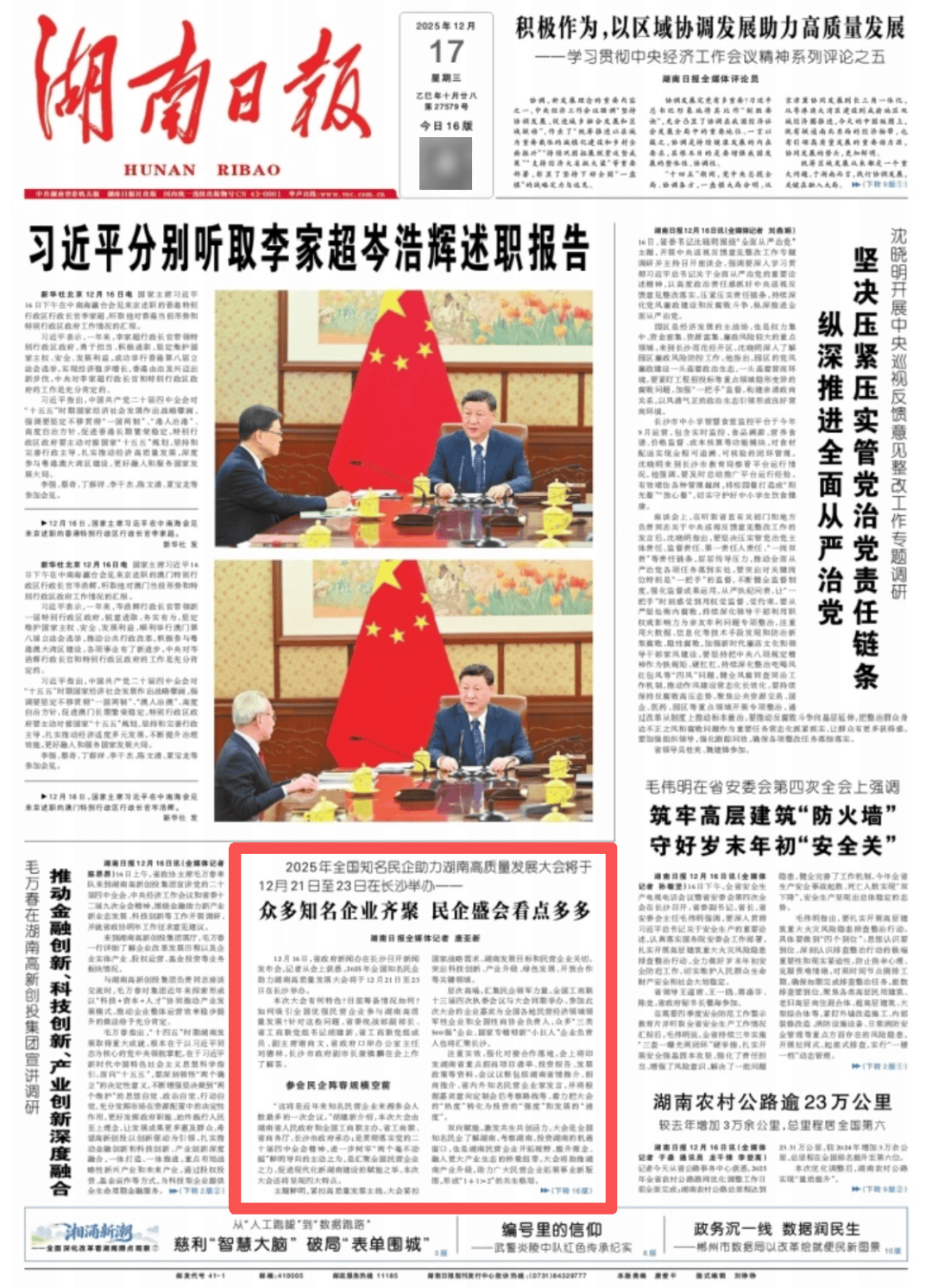
众多知名企业齐聚 民企盛会看点多多
Sou Hu Cai Jing· 2025-12-17 04:24
Group 1 - The upcoming "National Famous Private Enterprises Assist Hunan High-Quality Development Conference" will be held from December 21 to 23 in Changsha, aiming to attract strong private enterprises nationwide to participate [8][10] - This conference is expected to have the largest participation of well-known private enterprises in recent years, highlighting the importance of private sector engagement in Hunan's economic development [11][12] - The conference will focus on key areas such as technological innovation, industrial upgrading, green development, and open cooperation, aligning with national strategic needs and Hunan's development goals [12][13] Group 2 - Hunan's private economy has significantly increased in scale and strength, supporting high-quality economic and social development, with 777.7 million private economic entities as of November, including 204.5 million private enterprises [13][14] - The private sector contributes over 80% of the national "specialized and innovative" small giant enterprises and 90% of Hunan's high-tech enterprises, indicating a robust entrepreneurial ecosystem [13][14] - The province's private enterprises accounted for 67.9% of the GDP and 65.4% of total investments, showcasing their critical role in the local economy [13][14] Group 3 - Hunan is implementing various measures to enhance its investment appeal, including optimizing the business environment and promoting a collaborative approach to attract investments [15][16] - The province aims to leverage its cost advantages, conduct precise industrial chain investments, and improve the "Hunan Investment" brand through innovative strategies [15][16] - Changsha will serve as a showcase for national cooperation, focusing on industrial empowerment, environmental optimization, and service quality to attract more enterprises and talent [15][16]
11月经济数据解读
2025-12-17 02:27
Summary of Economic Data and Industry Insights Industry Overview - The economic data for November indicates a GDP growth rate of approximately 4%, remaining stable but at a relatively low level, with a narrowing supply-demand gap and an improvement in the supply-strong, demand-weak scenario compared to October [1][2] - The manufacturing sector shows a clear trend towards high-end development, with production growth in high-tech industries such as equipment manufacturing and electronic communications rising against the trend [1][3] - Emerging industries, including low-altitude economy, industrial robots, and new energy supply chains, are performing well, suggesting potential investment opportunities in related stocks [1][3] Key Economic Indicators - Consumer goods consumption has rapidly declined due to a drop in demand for new products and preemptive demand effects, leading to a decrease in retail sales [1][5] - The service sector's production index has shown resilience, particularly in modern services like information transmission, leasing, and business services, despite an overall decline [4] Consumer Trends - The structure of consumer demand is primarily focused on three main lines: essential goods (e.g., food), new industries (e.g., home appliances), and some upgraded products (e.g., jewelry) [5] - The restaurant sector rebounded after a low point mid-year but saw a slight decline in November [5] - The 2026 outlook suggests that new policies will likely continue to support consumer demand, particularly in service consumption areas such as cultural tourism, elderly care, and healthcare [5] Employment and Unemployment - The unemployment rate has shown some improvement, but remains relatively high, putting pressure on employment and consumer confidence [6] - Policies aimed at improving the job market, income distribution, and social security systems are crucial for enhancing consumer spending and stock market performance [6] Investment Landscape - Fixed asset investment in November saw a year-on-year decline of over 10%, with real estate investment rapidly decreasing [7] - Infrastructure investment is expected to face challenges in 2026 due to local government debt pressures and weak real estate chains, although there is potential for stabilization with policy support [7][8] - High-end manufacturing shows signs of recovery, and industrial upgrades are seen as a long-term growth driver [7] Future Economic Policies - The macroeconomic policy for 2026 will focus more on supply-side reforms, optimizing supply, and expanding domestic demand [9] - The central economic work conference emphasizes the need to enhance supply-side priorities to improve economic efficiency and address long-term low inflation and supply-demand imbalances [9] - The anticipated economic environment for 2026 suggests a GDP growth rate of around 4.9%, close to 5%, despite ongoing economic fluctuations [8]
2025年11月经济增长数据点评:服务消费增速加快
Ping An Securities· 2025-12-17 01:55
Economic Growth Overview - In November 2025, China's industrial added value grew by 4.8% year-on-year, slightly down by 0.1 percentage points from the previous month[3] - The service production index increased by 4.2% year-on-year, a decrease of 0.4 percentage points compared to October[3] - Retail sales of consumer goods rose by 1.3% year-on-year, down 1.6 percentage points from the previous month[3] Sector Performance - High-tech manufacturing added value increased by 8.4%, accelerating by 1.2 percentage points from the previous month, outpacing the overall industrial growth rate by 3.6 percentage points[3] - The export delivery value showed a marginal recovery, with a year-on-year decline of 0.1%, improving by 2.0 percentage points from October[3] - The service retail sales grew by 5.4% year-on-year from January to November, with a 0.1 percentage point increase compared to the previous month[3] Investment Trends - Fixed asset investment saw a cumulative year-on-year decline of 2.6% from January to November, a drop of 0.9 percentage points from the previous month[3] - Infrastructure and manufacturing investments maintained expansion, with cumulative year-on-year growth rates of 0.1% and 1.9%, respectively[3] - Equipment purchase investment rose by 12.2% year-on-year, contributing 1.8 percentage points to overall investment growth[3] Risks and Outlook - Risks include potential underperformance of growth stabilization policies, unexpected severity of overseas economic downturns, and escalation of geopolitical conflicts[3]
特朗普心心念念的东西,中方转头给了别国,美国专家直呼拿中国没辙了
Sou Hu Cai Jing· 2025-12-16 23:35
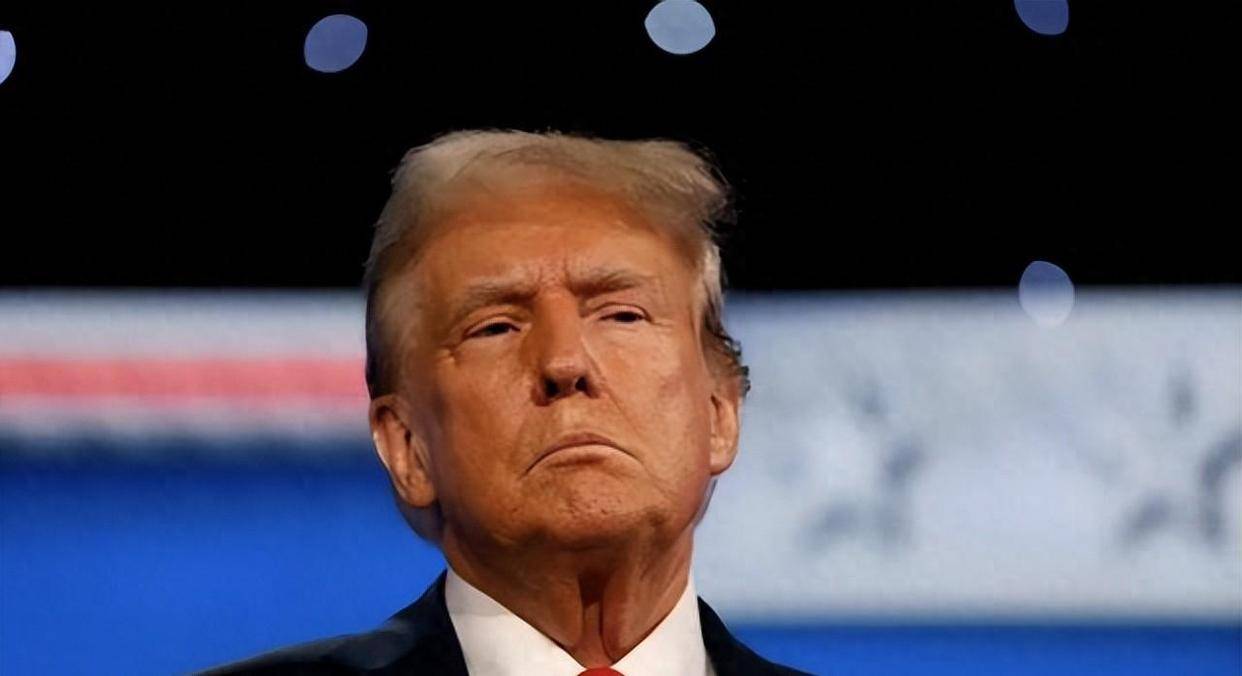
Group 1 - The article discusses the renewed trade policies under Trump's second term, focusing on aggressive tariffs and sanctions aimed at China, particularly in sectors like semiconductors and high-end manufacturing [1][11] - Trump's administration aims to leverage tariffs as a negotiation tool to gain an upper hand in trade discussions, believing that economic pressure will force China to concede on issues like intellectual property and market access [1][11] - The response from China has been measured, with a focus on diversifying its export markets and strengthening regional partnerships, indicating a shift in its economic strategy away from reliance on the U.S. [1][11] Group 2 - The article highlights the impact of tariffs on U.S. consumers, noting that prices for various goods have increased by 10% to 20%, contributing to inflation concerns [1][11] - Despite the imposition of tariffs, China's export performance remains strong, with significant growth in exports to ASEAN, the EU, and the Middle East, suggesting a reduced dependency on the U.S. market [1][11] - The article points out that the U.S. trade deficit with China has decreased, but the overall trade deficit has widened, indicating structural issues within the U.S. economy [1][11] Group 3 - The article emphasizes the long-term strategic differences between the U.S. and China, with the U.S. focusing on short-term gains through tariffs while China invests in technology and infrastructure for future growth [1][11] - It notes that the U.S. is losing its position as the sole rule-maker in global trade, as other countries are increasingly seeking multilateral cooperation over unilateral actions [1][11] - The narrative suggests that the ongoing trade tensions are not just about tariffs but reflect deeper ideological differences regarding economic governance and global trade practices [1][11]
从网红流量到经典长红的辩证之道
Xin Hua Ri Bao· 2025-12-16 22:54
Core Insights - Nanjing has emerged as a prominent tourist destination during the 2025 National Day and Mid-Autumn Festival holiday, receiving over 20 million visitors and generating a total tourism revenue of 27.94 billion yuan, highlighting its status as a "internet celebrity" city [1] - The city's success is attributed to the integration of its rich historical culture with modern economic dynamics, showcasing a model for transforming transient popularity into lasting value [1] Group 1: Nanjing's Unique Appeal - Nanjing's "internet celebrity" status is derived from its unique combination of historical depth, modern aesthetics, and warm local culture, providing visitors with a profound sense of belonging [2] - The historical significance of Nanjing is evident through its cultural heritage, with nearly one million visitors to cultural and historical venues during the holiday, reflecting a deep recognition of its cultural identity [2] - Modern artistic expressions, such as the 3D immersive water curtain film at Xuanwu Lake and the immersive performances in historical districts, enhance the city's appeal by merging tradition with contemporary technology [2] Group 2: Economic and Developmental Foundations - Nanjing's robust educational and scientific resources, including 53 universities and 830,000 students, serve as a foundation for innovation and economic vitality, positioning the city as a leader in research and development [3] - The city has successfully transitioned from traditional industries to six emerging industrial clusters, establishing itself as a major software hub and attracting high-quality talent, which fosters a positive cycle of industry, talent, and urban appeal [4] Group 3: Cultural and Community Engagement - The city's governance model emphasizes community involvement and urban beautification, reflecting a commitment to enhancing the quality of life for residents and visitors alike [5] - Nanjing's high density of maternal and child facilities and initiatives like rural tourism programs demonstrate the city's inclusivity and respect for diverse community needs [6] - The friendly attitude of residents contributes significantly to the city's lasting appeal, creating a welcoming environment for tourists and fostering memorable experiences [6]
年内收购5家上市公司 湖北国资搭“台”补链强链
Shang Hai Zheng Quan Bao· 2025-12-16 18:36
Core Viewpoint - Hubei state-owned assets are actively acquiring stakes in listed companies to enhance industrial upgrading and regional economic development, with a focus on strategic emerging industries such as new energy and semiconductors [1][2][3] Group 1: Acquisition Activities - Jingjiang Industry, a subsidiary of Hubei state-owned assets, proposed a 2.437 billion yuan acquisition plan to acquire an 18.66% stake in ST Yishite, aiming for control through voting rights arrangements [1] - In 2023-2025, Hubei state-owned platforms are expected to control or plan to control approximately 15 A-share companies, including key players in the optoelectronics and new energy sectors [3] - The acquisition of companies like Kailong and Taiji reflects Hubei's strategy to build an industrial cluster covering various emerging sectors [2][3] Group 2: Strategic Framework - Hubei's "51020" modern industrial cluster strategy aims to establish five trillion-level pillar industries, ten 500 billion-level advantageous industries, and twenty 100 billion-level characteristic industrial clusters [1][2] - The provincial government has set ambitious goals for state-owned enterprises, including entering the ranks of the world's top 500 companies by 2027 [2] Group 3: Unique Acquisition Model - Hubei's acquisition model emphasizes maximizing capital efficiency, with strategies such as acquiring voting rights at a lower cost and quickly integrating acquired companies into existing projects [5][6] - The model includes a focus on global asset selection, integrating external assets into Hubei's industrial chain, and implementing risk prevention measures in acquisition agreements [5][6] Group 4: Impact on Local Economy - The acquisitions are expected to enhance the credit ratings of the acquired companies, reduce financing costs, and improve governance structures, thereby increasing operational efficiency and profitability [8] - Hubei state-owned assets aim to create a "technology + capital + industry" ecosystem, integrating local resources with industry trends to foster growth in strategic sectors [7][8]



逐越鸿智22.82亿元入主嘉美包装 科技赋能产业升级
Zheng Quan Shi Bao Wang· 2025-12-16 14:35
Core Viewpoint - The acquisition of 54.90% of Jia Mei Packaging by Zhu Yue Hong Zhi aims to integrate strategic resources and promote industrial upgrades, with a total transaction value of approximately 2.282 billion yuan [1] Group 1: Acquisition Details - Zhu Yue Hong Zhi plans to acquire 2.79 million shares of Jia Mei Packaging at a price of 4.45 yuan per share, representing 29.9% of the total share capital [2] - Following the share transfer, Zhu Yue Hong Zhi will further increase its stake through a partial tender offer for an additional 2.33 million shares, which accounts for 25% of the total share capital [3] - After the completion of the acquisition, Zhu Yue Hong Zhi will hold 5.13 million shares, representing 54.90% of Jia Mei Packaging's total share capital, changing the controlling shareholder to Zhu Yue Hong Zhi and the actual controller to Yu Hao [3] Group 2: Company Overview - Jia Mei Packaging is a leading enterprise in the metal packaging industry, providing a full range of beverage packaging services, including research, design, production, and sales [1] - The company serves major beverage brands such as Yangyuan Beverage, Wanglaoji, and Yili Group, and has extensive experience in beverage formulation and OEM services [2] - Jia Mei Packaging has a market share of approximately 20% in the three-piece can segment of the beverage metal packaging market, significantly higher than its competitors [3]