
城市更新

Search documents
牢牢把握“两个转向”
Chang Jiang Ri Bao· 2025-12-09 09:30
Core Viewpoint - The articles emphasize the transformation of urban development in China, shifting from rapid growth to stable development, and from large-scale expansion to quality enhancement, with urban renewal as a key strategy for achieving these goals [1][2][3] Group 1: Urban Development Transformation - The central urban work conference highlighted that urbanization in China is transitioning from a rapid growth phase to a stable development phase, marking a significant change in urban development philosophy and approach [1] - The focus is shifting from "heavy scale" to "heavy quality" and from "expanding increment" to "optimizing stock," indicating a need for urban renewal to drive intrinsic development [1][2] Group 2: Urban Renewal Strategies - Urban renewal is defined as not merely large-scale demolition and construction but as organic updates that enhance urban functionality, comfort, and vitality [2] - The transition to a new development model emphasizes the importance of creating innovative scenarios and development momentum for new productive forces through systematic urban renewal [2][3] Group 3: Governance Innovation - Urban renewal requires innovative governance to address challenges related to "people, money, land, and procedures," necessitating a shift from a focus on reconstruction to a balanced approach of updating, operation, and governance [3] - The strategy includes maintaining public facilities with meticulous care, leveraging artificial intelligence for smart city development, and fostering a collaborative governance community [3]
政策要闻丨全国城市更新工作推进会召开,研究部署高质量开展城市更新
中指研究院· 2025-12-09 07:44
政策要闻 | 全国城市更新工作推进会召开,研究部署高质量开展城市更新 (11.17-11.23) 摘要:财政部提前下达 566 亿城镇保障性安居工程补助资金,住建部召开全国城市更新工 作 推进会研究部署 高质量开展城市更新;广州常态化收购存量商品房用作保障性住房,杭 州出台工商业用地改革实施意见, 佛山优化境外个人购房条件,佛山、嘉兴、鹤壁等地优 化公积金贷款政策。 1. 中央:财政部提前下达保障性安居工程补助资金,住建部重申城市更新重要性 要闻一:财政部提前下达 566 亿城镇保障性安居工程补助资金 11月19日,财政部发布的关于提前下达 2026年部分中央财政城镇保障性安居工程补 助资金预算的通知中,今年中央财政下达的补助资金为566亿元,从分配来看,东部地区 为 142.40 亿元,中部地区为 218.63 亿元, 西部地区为204.97 亿元, 补助资 金整体向中、 西部地区倾斜,以更好地助力中、西部城市改善居民的住房条件和居住环境。 要闻二:住建部召开全国城市更新工作推进会,研究部署高质量开展城市更新 更多政策解读、城市月报、房企研究报告 ..... | 中指云 就在 \ 中指 · 政策要闻】全国城 ...
中国银河证券:建材业淡季需求承压 电子纱高景气支撑玻纤韧性
Zhi Tong Cai Jing· 2025-12-09 06:25
Group 1: Cement Industry - The effect of capacity reduction is expected to become evident by 2026, improving the supply-demand balance and enhancing price recovery, leading to gradual profit restoration for companies [1] - In November, cement prices are expected to trend weakly due to seasonal demand reduction, despite a significant increase in kiln stoppage rates and a marginal decrease in clinker inventory [2] - The cement price is anticipated to stabilize until March next year, supported by high stoppage rates in northern regions and strong price stabilization intentions from companies [2] Group 2: Glass Fiber Industry - Demand for high-end coarse yarn has slightly declined, but mainstream electronic yarn demand continues to support price increases, with a marginal rise in coarse yarn prices [3] - The electronic yarn market shows stable demand, with prices increasing slightly, while high-end products maintain a favorable market outlook due to limited new capacity release [3] Group 3: Consumer Building Materials - Retail demand for home decoration materials weakened in October, with a year-on-year decline of 8.3%, while the cumulative retail sales from January to October grew by only 0.5% [4] - The ongoing urban renewal strategy is expected to release demand for renovation and old housing improvement, enhancing the market penetration of high-quality green building materials [4] Group 4: Float Glass Industry - The float glass market shows no significant changes in demand, with reduced production capacity leading to a contraction in total industry supply, yet prices continue to decline due to high inventory levels [5] - Short-term demand is expected to remain weak, but inventory pressure may ease, leading to a forecast of price stabilization [5] Group 5: Investment Recommendations - Companies to watch in the cement sector include Huaxin Cement, Shangfeng Cement, and Anhui Conch Cement [5] - In the glass fiber sector, focus on China Jushi and China National Materials [5] - For consumer building materials, recommended companies include Oriental Yuhong, Beixin Building Materials, Weixing New Materials, Sankeshu, and Tubao [5] - In the float glass sector, Qibin Group is highlighted for investment [5]


北京二环城市更新的“定义之作”
Huan Qiu Wang· 2025-12-09 04:35
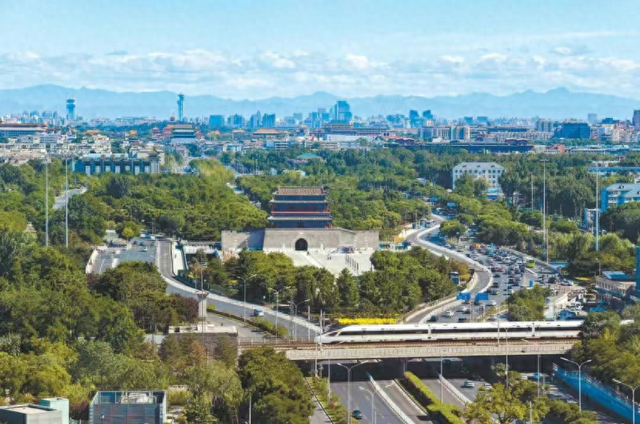
来源:环球网 北京二环,是京城精华之一,北京从这里出发迈向了世界一线大都市。如今,当国家层面提出"内涵式 发展",将城市更新作为发展抓手,二环的价值再次得到巩固。如果说城市更新给了时代的答案,二环 旁的北京城建天坛府,又具象了这个答案。 城市更新价值与人文的碰撞 城市更新,是新时代城市发展的主题。 2025年中央城市工作会议明确指出:"坚持以城市内涵式发展为主线,以推进城市更新为重要抓手,大 力推动城市结构优化、动能转换、品质提升、绿色转型、文脉赓续、治理增效,牢牢守住城市安全底 线,走出一条中国特色城市现代化新路子。" 在这一国家方略下,北京二环内土地开发的宗旨是保护历史文脉与城市肌理,激活核心区的当代生命 力,催生符合未来需求的生活方式。 永定门对望北京城 二环之地作为北京"源城",历史脉络珍贵,人文气息浓厚,既要保护和传承,又要提供当代人居条件, 而可开发的土地极少。因此,对于北京二环的城市更新来说,这场课题需要在传统与现代之间找平衡, 力求打造符合古今审美,又能彰显北京内城气质的精品。 天坛府,从二环的文脉土壤中生长而出,正是对"内涵式发展"最有力的回应。在二环内,价值亦有序 列。天坛府的稀缺性价值, ...


推动高质量转型,多地“因城施策”稳预期
China Post Securities· 2025-12-09 03:47
证券研究报告:房地产|行业周报 发布时间:2025-12-09 行业投资评级 强于大市|维持 | 行业基本情况 | | | --- | --- | | 收盘点位 | 2249.53 | | 52 周最高 | 2506.48 | | 52 周最低 | 1870.99 | 行业相对指数表现 -22% -18% -14% -10% -6% -2% 2% 6% 10% 14% 18% 2024-12 2025-02 2025-05 2025-07 2025-09 2025-12 房地产 沪深300 资料来源:聚源,中邮证券研究所 研究所 分析师:高丁卉 SAC 登记编号:S1340524080001 Email:gaodinghui@cnpsec.com 近期研究报告 《有序推进现房销售试点 恢复居民购 房信心》 - 2025.12.03 房地产行业报告 (2025.12.1-2025.12.7) 推动高质量转型 多地"因城施策"稳预期 ⚫ 投资要点 国务院近期强调"深入实施城市更新行动",将其与稳楼市、消除 安全隐患结合,要求 2026 年底前完成地市级城市更新专项调查,划 定保护底线。同时,"好房子"建设标准进一 ...
告别“绕圈圈” 通行变“丝滑”
Xi An Ri Bao· 2025-12-09 02:29
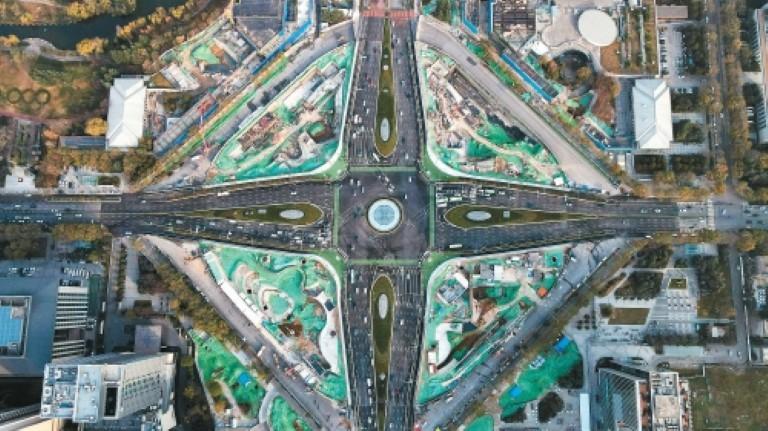
12月8日,张家堡十字车辆有序通行。 卸下环岛重任,十字焕新启程。12月8日8时05分,记者驾车沿未央路向北行驶,顺畅驶入正式通车的张 家堡十字——新铺设的沥青路面宽阔平整,车道行驶方向预告标志醒目,直行、左转,右转交通标线清晰, 告别昔日围着环岛"绕圈圈"的拥堵,"直来直往"的张家堡十字,跑起车来十分"丝滑"。 张家堡十字通车高效通行获市民点赞 "环岛改十字,是破解该区域交通痛点的精准选择。"西安城市建设规划设计院有限公司副总经理龙刚介 绍,张家堡片区改造是聚焦道路交通、行政服务、轨交融合、休闲设施等多维度升级的城市公共空间更新系 统工程。 记者观察到,改造后的张家堡十字采用双向不对称车道布局,通行效率实现精准升级:南北方向车道规 划为"七进五出",东西方向则为"六进五出",每个方向均为左转与掉头车辆设置了"专用车道"。同时,宽敞 的车道布局为车辆行驶预留了充足空间,即便早高峰时段多车并行也毫无局促之感,密集的车流在各方向有 序分流、顺畅通过。 "以前绕环岛行驶视野受限,早晚高峰堵上十分钟是常事,不同方向的车流总'打架',特别是驶出环岛容 易剐蹭。现在环岛改十字后,直来直往不用绕圈,一脚油门就通过了!"在保 ...
88亿元5000套:全国首张全省首个都在广州
Sou Hu Cai Jing· 2025-12-08 15:15
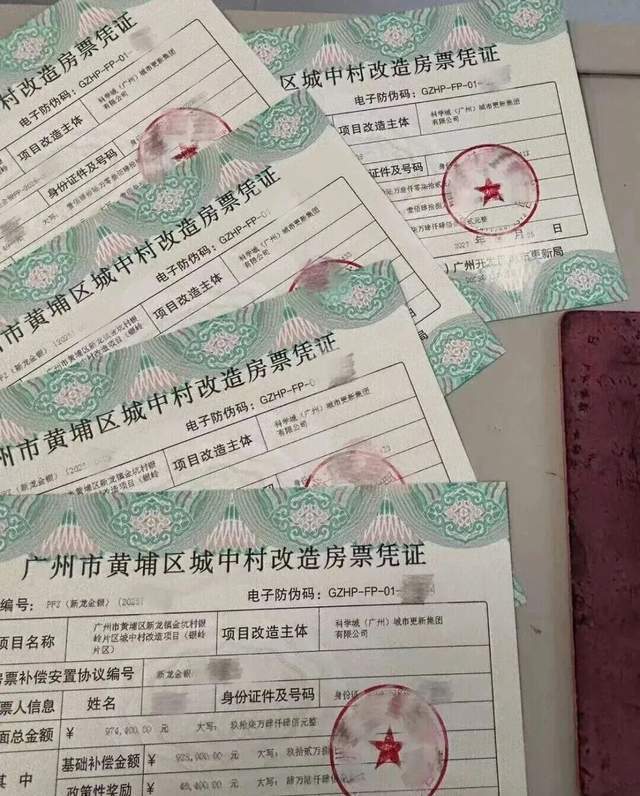
办法很实在,行动很给力,执行很琐碎、很辛苦,但黄埔人就是靠着这种"绣花精神"把城市 更新这一袭华美的袍子给做了出来,还挺好看。 作者:施南(抱朴财经评论员) 育、交通、医疗资源比原居住地还要好。 这种好事在全国很多地方都发生了,但广州黄埔区比较突出,因为黄埔有两个第一: 2024年4月,黄埔区发出全国首张"依法征收、净地出让"城中村改造项目房票,率先打响全区房票安置 工作"第一枪"。 什么是房票?最常见的定义就是拆迁住宅的货币补偿金,它是一张具备货币价值的票,但不能变现,只 能用于购房。 在没有房票的年代,如果村子里拆迁,村民能做的唯一事情就是等——等新房子建好,然后回迁。 现在不同了,有房票了,市场的情况也发生变化了,于是新的又快又好,多方受益的解决方案出来了: 市场上有商品房,村民可以在几十个楼盘里选,还可以跨区,再也不用苦等回迁房,而且有些楼盘的教 ▲南岗街道西路片区房票。李剑锋 摄 同年11月,又是黄埔在广东省率先打通使用城中村改造专项借款购买存量商品房,用于房票安置的实施 路径。 截至2025年11月30日,黄埔区房票认购已突破5000套,面积突破50万平方米,总金额超88亿元,短短一 个月实现认购 ...
新基础设施REITs项目行业范围清单发布;保险公司相关业务风险因子调整|每周金融评论(2025.12.1-2025.12.7)
清华金融评论· 2025-12-08 13:01
Group 1: Infrastructure REITs - The National Development and Reform Commission has released the "2025 Industry Scope List for Infrastructure REITs," expanding the range of projects eligible for REITs to include sports venues, commercial complexes, four-star hotels and above, and urban renewal projects [6][7]. - The expansion of the REITs issuance scope is expected to facilitate project applications, enhance efficiency, and stimulate market activity, particularly in urban renewal and consumption sectors [7]. Group 2: Insurance Industry - Five Chinese insurance companies made it to the 2025 Global Top 50 Property Insurance Companies list, with China Life Insurance being the only one in the top ten [8]. - The rankings of China Life, China Ping An, and China Reinsurance have declined compared to last year, prompting a need for these companies to rethink their international strategies [8]. Group 3: Urbanization and Real Estate - Premier Li Qiang emphasized the importance of new urbanization as a vehicle for expanding domestic demand and promoting industrial upgrades, highlighting the need for urban renewal actions [9]. - The focus on addressing housing issues for the large population of rural migrants is expected to create opportunities for real estate development in the coming years [9]. Group 4: Securities Industry - The Chairman of the China Securities Regulatory Commission indicated a policy shift towards enhancing capital efficiency for quality securities firms by loosening capital space and leverage restrictions [10][11]. - This policy aims to transition the industry from scale competition to value competition, addressing the low return on equity (ROE) issue [10][11]. Group 5: Insurance Risk Factor Adjustment - The National Financial Regulatory Administration has adjusted risk factors for insurance companies, reducing capital requirements for certain stock investments, which is expected to enhance capital utilization efficiency [12]. - The adjustment allows for a potential influx of capital into the market, estimated to bring in hundreds of billions [12]. Group 6: IPO Market - Moore Threads' IPO on the STAR Market achieved a market capitalization exceeding 300 billion yuan, marking the largest IPO on the STAR Market this year [13]. - This listing signifies a milestone in domestic GPU technology and reflects the capital market's support for high-tech industries [13]. Group 7: Central Bank Operations - The People's Bank of China conducted a 10 billion yuan reverse repurchase operation to maintain liquidity in the banking system, indicating a consistent approach to liquidity management [14]. - This operation is part of a broader strategy to stabilize liquidity expectations and interest rates, supporting economic stability [14].
政策动态 | 国务院提出结合城市更新推进稳楼市,常州75㎡以下首套房至多补助20万元(12.1-12.7)
克而瑞地产研究· 2025-12-08 09:35
Core Viewpoint - The article emphasizes the importance of urban renewal and the integration of safety hazard elimination and real estate market stabilization, aiming for high-quality development in the housing sector [2][3]. Group 1: Government Policies - The State Council highlighted the need to combine urban renewal with safety hazard elimination and real estate market stabilization, promoting the construction of quality housing [2]. - The People's Bank of China (PBOC) called for enhanced macro-prudential management in real estate finance to ensure a stable and healthy market, supporting the establishment of a new development model for real estate [4]. - Local governments have been actively releasing policies to stabilize the market, with a focus on housing provident funds, quality housing, and affordable housing initiatives [5][16]. Group 2: Local Initiatives - Zhejiang Province plans to complete and deliver 150,000 units of various types of affordable housing by 2026, alongside urban village renovations and improvements to old residential elevators [7]. - Nanning introduced eight new policies to stabilize the market, including subsidies for newlyweds and families with two or three children, offering 20,000, 30,000, and 60,000 yuan respectively for home purchases [8][10]. - Changzhou announced a subsidy of up to 200,000 yuan for first-time homebuyers purchasing properties under 75 square meters, aimed at supporting families in need [11]. Group 3: Policy Trends - The frequency of policy releases aimed at stabilizing the market remains high, with a notable emphasis on housing provident funds and affordable housing as key areas of focus [16][21]. - The recent "14th Five-Year Plan" proposals from various provinces stress the need for a new development model in real estate, indicating a shift towards high-quality development [6][18]. - The PBOC's ongoing adjustments to housing provident fund policies reflect a significant potential for further optimization, which is crucial for market stability [21].
沈阳金融商贸经济技术开发区从“城市更新”跨越到“产业地标”
Zhong Guo Fa Zhan Wang· 2025-12-08 09:17
Core Insights - Shenyang Financial and Trade Economic and Technological Development Zone has been upgraded to a national-level economic and technological development zone, marking a significant transition from "urban renewal" to "industrial landmark" [1] Group 1: Strategic Planning and Resource Activation - The development zone is located in the core area of Shenyang, benefiting from a robust transportation network, including the Shenyang North Station and multiple subway lines, facilitating efficient connectivity [2] - It houses over 20,000 enterprises and accounts for more than 60% of the city's financial institutions, totaling 726, creating a vibrant financial ecosystem [2] - The zone generates nearly half of the city's financial value-added and manages over 70% of the city's loan resources, dominating sectors like securities and insurance [2] - A comprehensive financial service system has been established, supporting various financing needs, including over 200 billion yuan in credit through innovative financial solutions [2] Group 2: Reform and Development Enhancement - The upgrade to national-level status opens new opportunities, with initiatives like the Northeast Asia Financial Conference aimed at fostering regional cooperation [3] - Plans for the 14th Five-Year Plan include exploring "technology finance demonstration zones" and "cross-border financial cooperation zones" to deepen the integration of finance and the real economy [3] - The development zone aims to enhance trade through new business models, including cross-border e-commerce and high-end supply chain management, while promoting digital product and technology trade [3] Group 3: Talent Acquisition and Development - The development zone is focused on innovative talent management and incentive mechanisms to enhance performance and service efficiency [4] - Initiatives like the "Xingliao Talent Plan" and "Xingshen Talent Plan" aim to create a comprehensive talent development ecosystem, emphasizing the cultivation of skills relevant to industry and management [4] - The zone is committed to empowering its development through talent, positioning itself as a leader in the revitalization of Northeast China [4]