产业转型

Search documents
运河关注|运河潮涌润商脉 2026扬州十大富豪揭晓!
Sou Hu Cai Jing· 2026-01-15 10:39
Core Insights - The economic vitality of Yangzhou has surged since the reform and opening-up, with a significant rise in private entrepreneurs who have created notable business legends [1] - The total wealth of the top ten billionaires in Yangzhou has reached 56.1 billion RMB, with two individuals surpassing 10 billion RMB and two newcomers making their debut on the list [1] Group 1: Top Billionaires - The richest individual is Liang Qin, chairman of Yangjie Electronics Technology, with a net worth of 16 billion RMB, ranking 411th nationally [4] - Zhu Daqing, chairman of Tianfu Long Group, ranks second with a net worth of 13 billion RMB, marking his first appearance on the list [7] - Zhu Yinghui, holding 36.17% of Rongtai Co., ranks third with a net worth of 5.5 billion RMB, also making her debut on the list [8] Group 2: Notable Achievements - Zhou Guangrong, chairman of Haichang New Materials, has a combined net worth with his wife of approximately 5.3 billion RMB, leading a prominent powder metallurgy company [10] - Fu Helian, chairman of Aidi Pharmaceutical Group, is the highest-educated billionaire on the list, focusing on innovative drug development [11] - Zou Weimin, chairman of Chuan Yi Technology, has a net worth of about 3.1 billion RMB, having established a successful company in the notebook industry [12] Group 3: Emerging Entrepreneurs - Li Hongqing, former actual controller of Aoliwei Sensor, has a net worth of at least 3.8 billion RMB, having taken control of the company through capital operations [14] - Zhang Wensheng, chairman of Beijiajie Group, has a net worth of around 2.4 billion RMB, having built a leading company in oral care products [15] - Lin Mingwen, chairman of Yangzhou Jinqiu Tourism Products, has a net worth of approximately 1.5 billion RMB, becoming a major player in outdoor equipment manufacturing [17] Group 4: Young Entrepreneurs - Zhu Xingrong, general manager of Tianfu Long Group and the youngest billionaire at 42, holds a 13.14% stake in the company with a net worth of about 2.3 billion RMB [19] - Over half of the top ten billionaires started from grassroots sales or technical positions, demonstrating their ability to seize opportunities in industry transformation [19]





省领导会见安赛乐米塔尔集团客人
Xin Hua Ri Bao· 2026-01-14 00:26
Core Viewpoint - The meeting between Vice Governor Zhao Yan and ArcelorMittal's Executive Vice President Brad Davis highlights the commitment to enhance investment and collaboration in Jiangsu, aligning with the province's strategic development goals for the 14th Five-Year Plan [1] Group 1: Investment Opportunities - Jiangsu is focusing on building a globally influential industrial technology innovation center and an internationally competitive advanced manufacturing base, which presents significant opportunities for foreign investment [1] - ArcelorMittal is encouraged to deepen its investment in Jiangsu, particularly in light of the province's industrial transformation and green development initiatives [1] Group 2: Business Environment - The favorable business environment, comprehensive industrial support, and abundant talent resources in Jiangsu have impressed ArcelorMittal, reinforcing their commitment to increase investment in the region [1] - The local government is committed to optimizing the business environment and strengthening resource guarantees to facilitate faster and better development for enterprises in Jiangsu [1]

【干字当头开好局】锚定高端制造 提升发展能级
Xin Lang Cai Jing· 2026-01-13 20:54
Group 1: Industry Development and Transformation - The Huainan Modern Coal Chemical Industry Park is focusing on high-end display materials, enhancing production capacity and product quality for applications in smartphones and automotive displays [1] - Huainan is accelerating the construction of a "special new materials industry base" as part of its industrial economic transformation and upgrading strategy during the 14th Five-Year Plan [1][3] - The city is transitioning its energy supply structure from coal-dominant to a multi-energy complementary model, leveraging its rich coal and renewable resources [2] Group 2: Technological Innovation and Manufacturing - The launch of the smart manufacturing production line by Saint Point Technology marks a significant advancement in the industry, focusing on the commercialization of vein recognition technology [4] - The introduction of intelligent rope replacement robots has significantly improved efficiency, reducing construction time by 2 to 3 days and cutting costs by 50% [5] - Huainan is fostering a robust innovation ecosystem, with notable achievements such as the first megawatt-level sodium-ion battery and the first anhydrous ethanol injection solution in the country [5] Group 3: Emerging Industries and Investment - The Huainan Economic and Technological Development Zone is rapidly advancing the construction of a medical device industrial park, with a total investment of 1.527 billion yuan [6] - The city is implementing key industrial chain development actions and has over 1,000 industrial enterprises, including 403 high-tech firms [6][7] - Huainan is actively promoting the development of new energy vehicles and components, with a focus on attracting investment and enhancing local production capabilities [6][7]
新闻调查丨从“一黑一白”到绿色转型 看四川宜宾如何破局
Yang Shi Wang· 2026-01-10 22:35
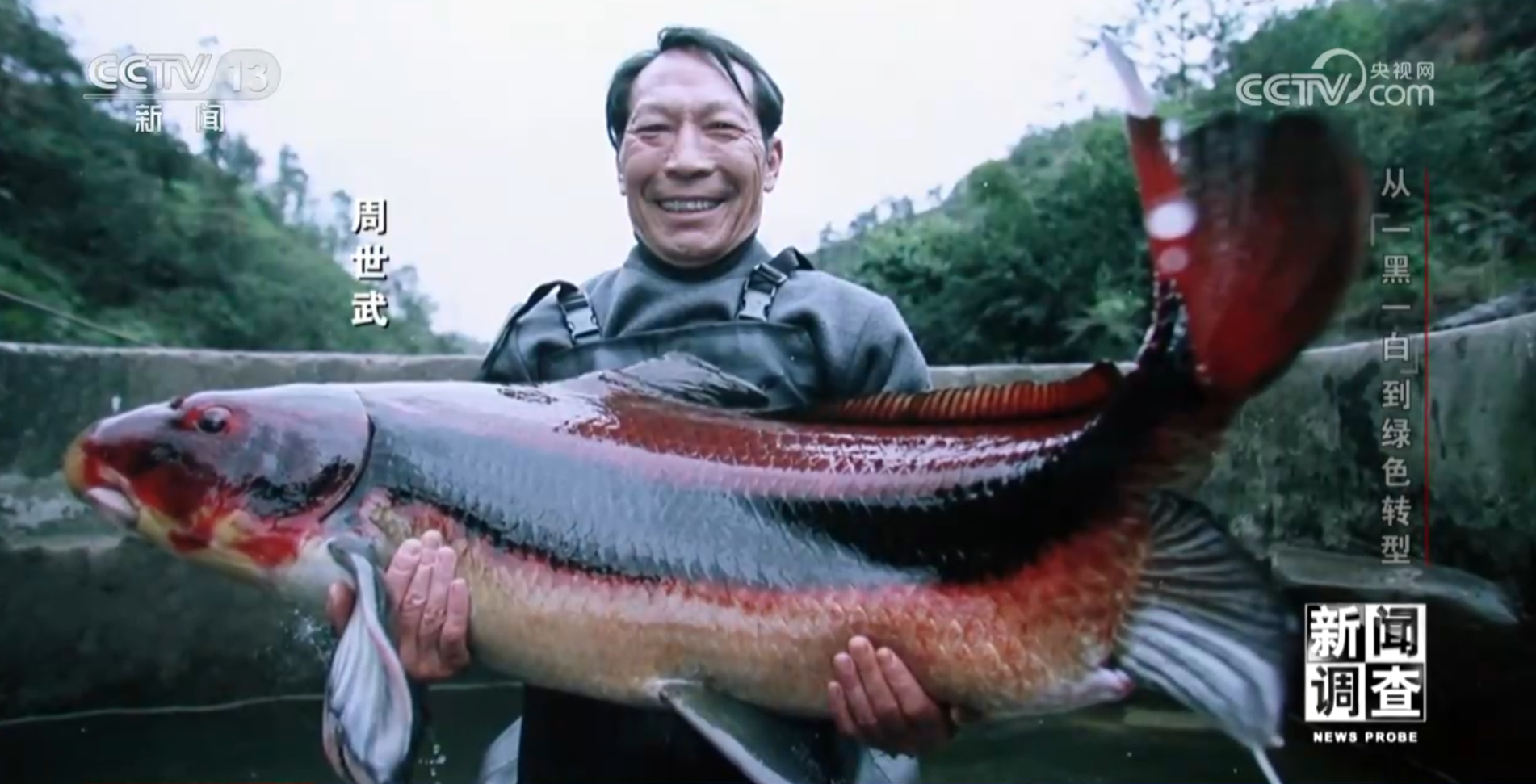
Core Viewpoint - The article highlights the ecological crisis of the Yangtze River, emphasizing the urgent need for environmental restoration and the balance between industrial transformation and ecological protection in the Yangtze Economic Belt, which spans 6380 kilometers and involves 11 provinces and cities [1]. Group 1: Ecological Restoration Efforts - The Yangtze sturgeon, once on the brink of extinction, has seen successful artificial breeding efforts, with 100,000 sturgeon fry produced annually for release into the river [1][5]. - The extinction of the Yangtze white sturgeon has been confirmed, while the Yangtze sturgeon survives due to artificial breeding [1][5]. - The water quality in the Yibin section of the Yangtze River has improved significantly, with the proportion of Class II water rising from 0% to 100% over ten years [9]. Group 2: Industrial Transformation - Yibin, historically reliant on traditional industries like coal and liquor, is undergoing a significant industrial transformation towards green development, particularly in the battery and photovoltaic sectors [11][19]. - The establishment of a battery production base by CATL in Yibin has positioned the city as a major player in the global battery market, contributing over 16% of China's battery production [13][19]. - The local government has initiated a shift from coal-based industries to new energy sectors, creating over 70,000 jobs and attracting a population return [19][23]. Group 3: Policy and Strategic Initiatives - The Chinese government has implemented policies to promote ecological protection and industrial upgrades, including the "No Major Development" principle for the Yangtze Economic Belt [9][14]. - The establishment of the Three Rivers New Area in Yibin aims to foster emerging industries and enhance the region's economic structure [11][21]. - The introduction of financial subsidies for new energy vehicles has accelerated the development of the electric vehicle industry, although it has also led to challenges such as market saturation and financial risks [16].

中国经济信心说丨消费添“绿”,产业向“新”
Xin Lang Cai Jing· 2026-01-10 16:23
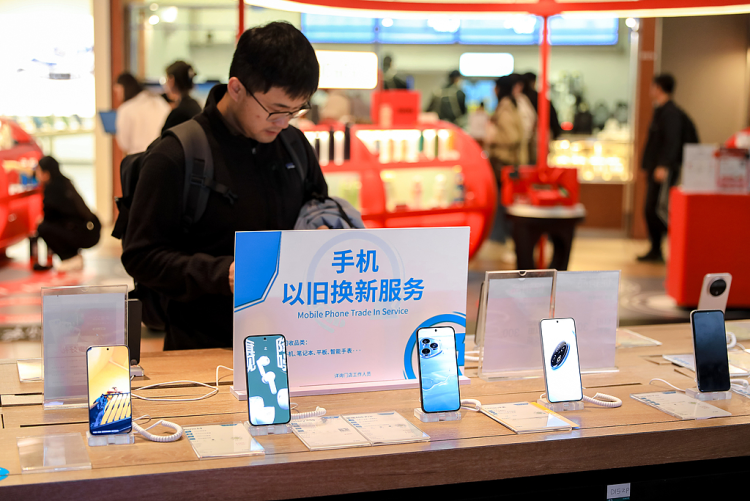
Core Viewpoint - The recent joint announcement by the Ministry of Commerce and nine other departments on promoting green consumption aims to establish a comprehensive incentive mechanism, proposing 20 measures across seven areas to drive green transformation in production and lifestyle, thereby injecting new momentum into high-quality development [1][3]. Group 1: Policy Measures - The initiative includes policy subsidies, credit support, and incentive points to lower the cost of green consumption for consumers, effectively stimulating consumption willingness and confidence [3]. - Measures such as promoting green recycling and upgrading energy efficiency labeling management are designed to solidify the institutional foundation for normalizing green consumption [3]. - It is projected that from 2024 to 2025, 18.3 million vehicles will be replaced under the old-for-new policy, and 192 million home appliances will be upgraded, with nearly 60% being new energy vehicles and over 90% being first-level energy-efficient appliances [3]. Group 2: Industry Transformation - The push for green consumption is expected to trigger a chain reaction of transformations across various sectors, including manufacturing, circulation, energy, and emissions reduction [4]. - In manufacturing, energy-efficient appliances are continuously evolving, while smart variable frequency devices balance comfort and energy savings [4]. - The construction industry is seeing the rise of green buildings that can reduce energy consumption by over 90% compared to traditional buildings, significantly enhancing residents' living experiences [4]. Group 3: Youth Engagement - The youth demographic is identified as a key driver in promoting green consumption, with 93.3% of surveyed young individuals prioritizing the purchase of green products, and 77.6% believing that a green low-carbon lifestyle will become more prevalent among their peers [6]. - As policy support becomes more robust, it is expected to create new scenarios for green consumption, facilitating a seamless connection for young consumers to engage in sustainable practices [6].
欧盟电价暴涨,福利大砍,街头乱成一锅粥,1月2日真相揭晓
Sou Hu Cai Jing· 2026-01-07 15:09
Group 1: Energy Crisis - The energy crisis in Europe has intensified since the outbreak of the Russia-Ukraine conflict, leading to significant shortages in natural gas, particularly affecting Germany and France, with electricity prices in Germany rising nearly 40% within a year [5] - Many households are resorting to unconventional heating methods, such as burning coal, due to soaring energy costs [5] - Experts warn that unless Europe completely reduces its dependency on Russian energy, similar crises will continue to recur [5] Group 2: Economic Challenges Post-Brexit - The Brexit process, finalized in 2020, was expected to bring freedom but has instead resulted in economic slowdown and cuts to public spending, particularly affecting healthcare and unemployment benefits [7] - The poverty rate in the UK increased by two percentage points compared to pre-Brexit levels in 2022 [7] - Strikes and protests have become commonplace as the welfare system faces increasing strain [8] Group 3: Pension Reforms and Social Unrest - France's government proposed raising the retirement age from 62 to 64 in 2023 due to fiscal pressures, leading to widespread strikes and disruptions in public services [9][11] - Over one million people participated in the strikes, highlighting the growing anxiety among citizens regarding their financial security in retirement [11][12] - Experts indicate that structural reforms in high-welfare countries like France will inevitably cause short-term pain but are necessary for long-term sustainability [12] Group 4: Manufacturing Sector Pressures - European traditional manufacturing industries, particularly automotive and home appliances, are facing unprecedented challenges due to the rise of Chinese manufacturing since 2010 [13] - In 2023, exports of Chinese electric vehicles to Europe surged by 60%, prompting the EU to implement anti-dumping measures, which have had limited effectiveness [15] - European companies are under pressure to transform while maintaining employment, creating a challenging environment for traditional industries [15] Group 5: Increased Defense Spending - Since 2018, the U.S. has increased demands for European allies to raise military spending, resulting in a nearly 20% increase in Germany's defense budget in 2023 [16][17] - This increase in military expenditure is squeezing budgets for education and healthcare, leading to dissatisfaction across various sectors [17] - The trend of rising military spending is expected to continue, impacting the quality of life for ordinary citizens [17] Group 6: Broader Economic and Social Trends - Europe has historically benefited from external advantages, such as Russian energy, U.S. security, and cheap Chinese goods, but these conditions are changing [19] - The current situation presents a critical moment for Europe to undergo self-reform and reduce reliance on external support [20] - Various countries are taking proactive measures, such as Spain's investment in renewable energy and Italy's pension reforms, to address these challenges [21][22][24] - A 2023 EU survey indicated that over 60% of respondents expect increased living pressures in the next five years, particularly concerning welfare and employment [24]
好评中国|“国补”新政落地,澎湃消费市场“一池春水”
Huan Qiu Wang· 2026-01-07 07:16
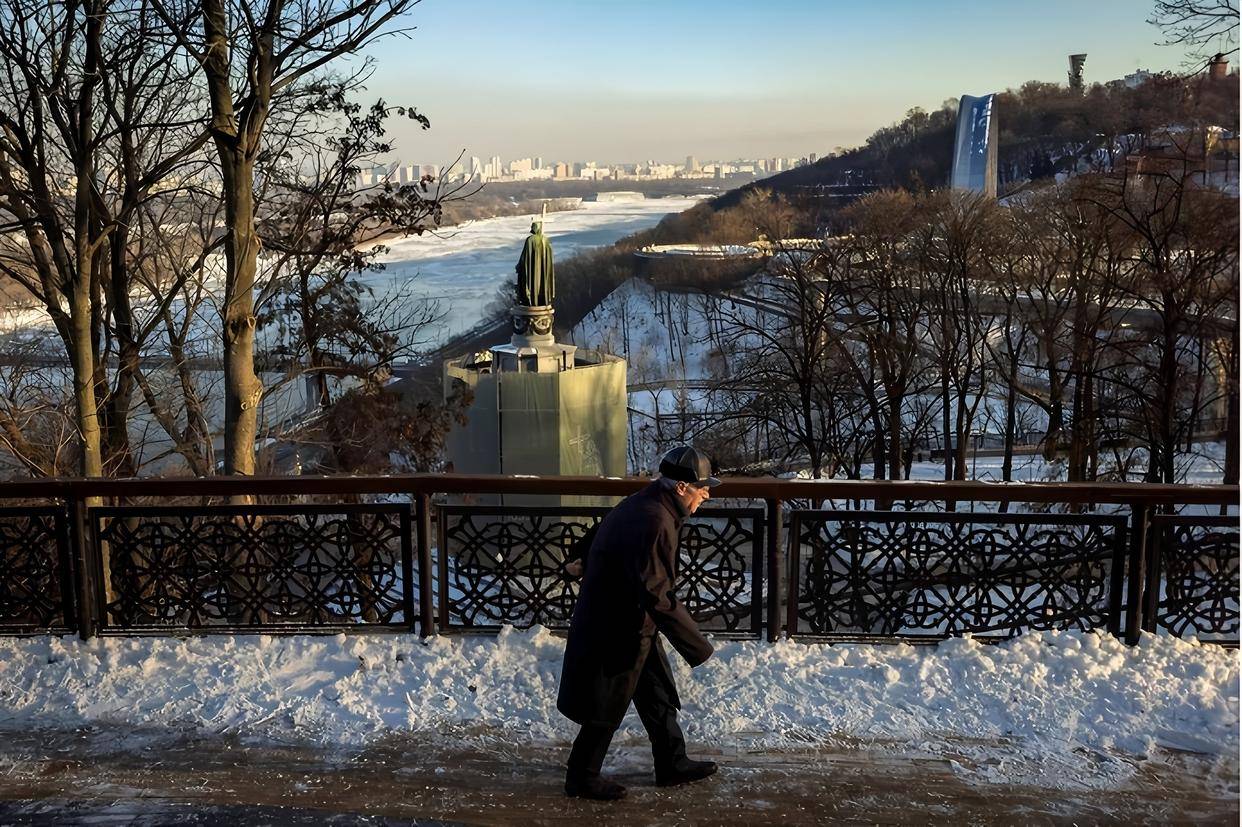
Group 1 - The new round of consumer goods replacement subsidy policy has been effectively implemented nationwide, significantly boosting market confidence and activity as evidenced by increased foot traffic in electronics and automotive sectors [1] - The policy focuses on major durable goods such as home appliances, automobiles, and digital products, with specific subsidy conditions aimed at promoting green and low-carbon consumption [1] - Data shows that during the first two days of the New Year holiday, Hebei province's sales of home appliances and digital products reached 590 million yuan, while Ningbo's automotive sales grew by 25.9% year-on-year, indicating the policy's effectiveness in countering consumer hesitation [1] Group 2 - The 2026 consumer goods replacement policy aims to enhance the coverage and impact of subsidies on key consumer goods, shifting from short-term stimulation to long-term consumption upgrade and industrial transformation [2] - The subsidy scope for home appliances is concentrated on essential items like refrigerators and washing machines, ensuring broad accessibility and strong industry chain effects [2] - The inclusion of smart wearable and home products in the subsidy program signals a clear policy direction encouraging the production of greener, smarter, and higher-quality products, which is expected to drive innovation and investment in manufacturing [2] Group 3 - The implementation of the "National Subsidy" policy emphasizes the need for effective execution and strong guarantees, allowing local authorities more autonomy to adapt the central policy to local conditions [3] - A total of 62.5 billion yuan in special long-term bonds has been allocated to support the policy, ensuring timely funding for the upcoming consumption peak during the Spring Festival [3] - Measures to combat fraudulent practices and enhance subsidy accessibility are in place, aiming to create a transparent and efficient policy environment that benefits consumers and stimulates economic growth [3]
大江奔涌楚天阔 荆楚大地绿意浓
Ren Min Wang· 2026-01-07 01:28
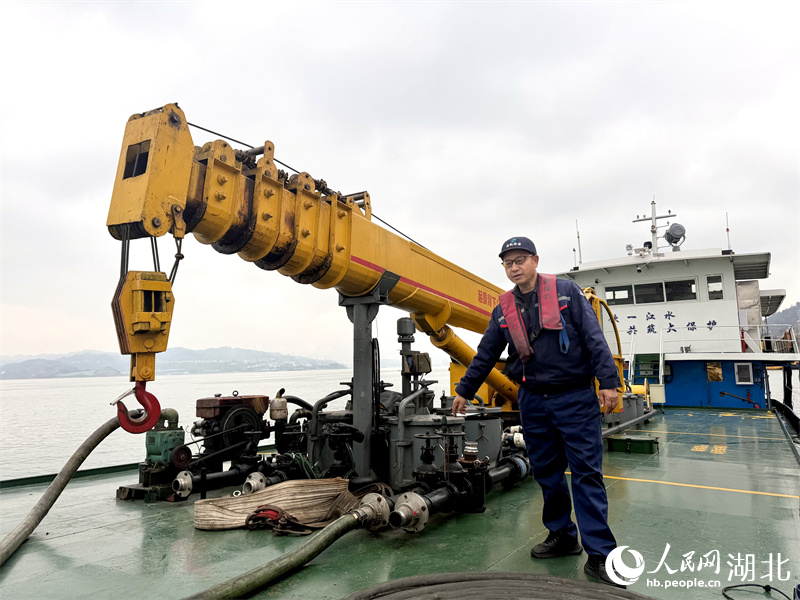
Group 1 - The core viewpoint emphasizes the transformation of Hubei province, particularly in the Yangtze River region, focusing on ecological protection and green development while balancing economic growth [1][10] - The "净小宜" system was launched in November 2019 to manage ship waste disposal effectively, leading to significant improvements in water quality in the Yangtze River section of Yichang [2][4] - The transition of the Xingfa Group from a traditional chemical industry to a leader in new energy and materials showcases the successful shift towards high-end, green development [6][7] Group 2 - The establishment of the Hubei Three Gorges Laboratory in December 2021 aims to integrate innovation resources and address key technological challenges in industrial development [7] - Hubei has created a market for ecological values, pricing clean air and quality water, contributing to the national carbon market's stability and growth [7] - The transformation of urban and rural areas in Hubei, such as the development of parks and ecological corridors, enhances the quality of life for residents and promotes environmental sustainability [8][10]

民生福祉绘新篇!2026年康平县这些重点工作暖民心
Xin Lang Cai Jing· 2026-01-06 23:41
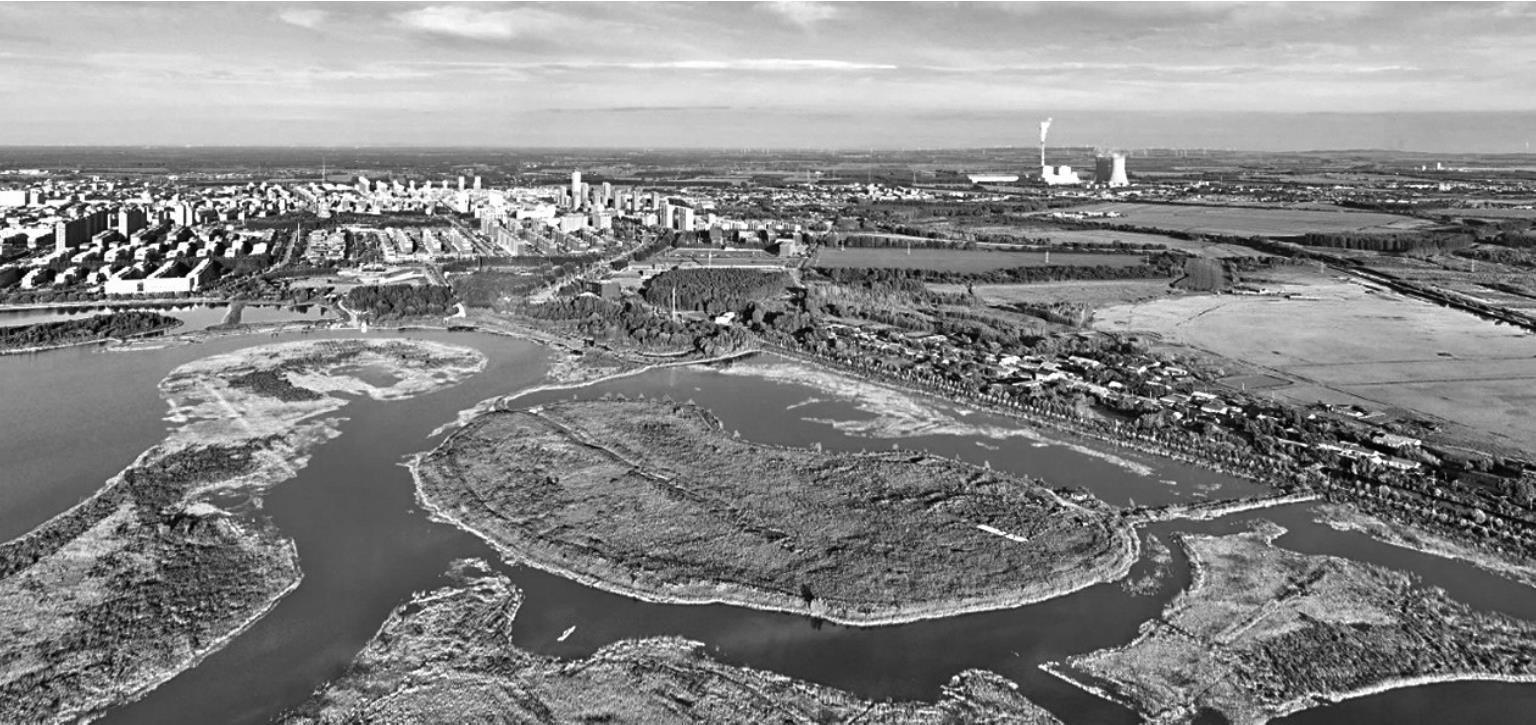
Core Viewpoint - The government of Kangping County has outlined its key work for 2026, focusing on industrial upgrades, ecological protection, urban renewal, and livelihood guarantees to achieve high-quality development. Group 1: Economic Development - Kangping aims to sign at least 60 projects worth over 100 million yuan each in 2026, focusing on precise investment attraction and efficient service to support economic growth [3] - The county will target major projects in infrastructure and key sectors, including a rural water supply project and a new funeral home, with 26 projects seeking inclusion in the central budget [3] - The goal is to secure over 1 billion yuan in funding, with a focus on industries such as biochemistry, new energy, and new materials [3] Group 2: Renewable Energy Initiatives - Kangping plans to ensure the full capacity grid connection of the 300,000 kW wind power project by China Resources and commence a 500,000 kW joint venture wind power project [4] - The county will also implement modifications to wind farms and develop a green liquid fuel distribution network [4] Group 3: Rural Development and Livelihood - The county aims to enhance food security and promote rural revitalization by strengthening local brands and increasing the scale of agricultural production [5] - The goal is to achieve a rural water supply rate of over 45% and improve rural infrastructure, including the construction and renovation of roads and power grids [5] Group 4: Urban Development and Infrastructure - Kangping will work towards becoming a national civilized city by enhancing urban functions, services, and ecological quality, including the construction of new parking spaces [6] - Projects include relocating the local prison, upgrading old neighborhoods, and improving public utilities [6] Group 5: Social Welfare and Public Services - The county will prioritize public welfare by implementing free preschool education and improving the quality of elderly care services [7][8] - Efforts will be made to enhance healthcare services through the expansion of the county hospital and the establishment of a county-level elderly care system [8]
专场招聘会解了燃眉之急
Xin Lang Cai Jing· 2026-01-06 22:38
Group 1 - The company, Anshun Futong Electronics, produces 5,000 electric vehicle transformers and 60,000 transformers for mobile phones, LED lights, and monitoring devices daily, indicating a strong production capacity [2] - The company aims for an output value of approximately 40 million yuan by 2025, showcasing its growth potential [2] - The company has shifted from producing low-end products like mobile phone chargers to high-end transformers for emerging industries, reflecting a strategic transformation to enhance profitability [3] Group 2 - In 2023, the company completed product structure optimization, transitioning to high-end product development, which has resulted in a steady influx of orders [3] - The company has successfully recruited skilled workers through targeted job fairs, addressing labor shortages and ensuring production lines are fully operational [3] - The company has secured a 60,000 yuan order for electric vehicle transformers, with a total order accumulation of 2 million yuan, indicating strong market demand [3]