医药创新

Search documents
外企在中国丨看好中国医药创新 跨国药企巨头加码在华投入
Zhong Guo Xin Wen Wang· 2025-09-16 13:01
Core Viewpoint - Novartis is committed to deepening its investment in the Chinese market, recognizing significant changes and opportunities for innovation in the pharmaceutical industry [1][5]. Group 1: Market Performance - In the first half of 2025, Novartis reported net sales of $27.287 billion, a year-on-year increase of 13%, with sales in China reaching $2.2 billion, growing by 8% [2]. - Novartis has become one of the top three multinational pharmaceutical companies in China [2]. Group 2: Innovation and Collaboration - Novartis has received approvals for nine new drugs and indications in China in 2025, which is a key driver for its growth [2]. - The company emphasizes the importance of collaboration with Chinese academic institutions and regulatory bodies to enhance innovation [3][5]. - Novartis is actively partnering with local biotech companies, exemplified by a recent strategic collaboration with Boehringer Ingelheim to develop cardiovascular products [3]. Group 3: Future Investment Strategy - Novartis plans to increase its investment in China through three main strategies: focusing on innovative products, building an ecosystem with local production and R&D facilities, and prioritizing talent development [5]. - The company has established three R&D centers in Shanghai, Beijing, and Suzhou, and is building a radioactive drug production facility in Zhejiang, expected to be operational by the end of 2026 [5]. Group 4: Regulatory Environment - The improvement in China's regulatory environment and favorable policies has accelerated the introduction of innovative drugs and technologies to the market [4][5].


中信建投:创新药全球化驱动 制药产业链复苏
智通财经网· 2025-09-13 11:36
Core Insights - The report from CITIC Securities indicates that revenue for innovative pharmaceutical companies is expected to continue growing in the first half of 2025, with significant reductions in losses and a substantial increase in valuations, reflecting enhanced global competitiveness [1][2] - The industry is experiencing a recovery phase driven by technological breakthroughs, accelerated internationalization, and supportive policies, with the CXO sector showing positive recovery momentum [1][2] Global Perspective - Despite increasing external challenges, the competitiveness of China's pharmaceutical industry is on the rise, supported by advantages in population, domestic demand, manufacturing, and supply chains, along with rapid innovation capabilities [2] - There are significant opportunities in overseas markets, and attention should be paid to both domestic market share growth and international expansion [2] Domestic Focus - The industry is expected to stabilize its domestic foundation while embracing innovation and integration, with a focus on policy reforms aimed at high-quality growth [2] - Key areas of interest include the optimization of drug and consumable procurement policies, supply chain security, and the potential for import substitution and mergers in the medical device sector [2][4] International Expansion - The report emphasizes the importance of actively exploring overseas markets, particularly for innovative drugs and upstream pharmaceutical sectors [3] - There are opportunities for internationalization in medical devices and blood products, with ongoing progress in overseas registrations for blood products [3] Investment Outlook for H2 2025 - The focus will be on identifying new growth opportunities and industry consolidation, with a favorable environment for innovative assets due to improving global liquidity and supportive national policies [4] - Key investment themes include innovative drugs, medical devices, and the international competitiveness of pharmaceutical companies [4][5] Integration Focus - There is a recommendation to pay close attention to the medical device and traditional Chinese medicine sectors, as well as certain pharmaceutical companies and state-owned enterprises [5]

自然守护+AI智治破题,将中国医疗服务贸易推向全球
Bei Jing Shang Bao· 2025-09-12 07:51
Group 1 - The forum held on September 11 aimed to create a high-standard international service trade cooperation platform for the development and investment in China's healthcare industry, focusing on "Natural Protection + AI Governance" [2] - China has become one of the major exporting countries for pharmaceutical investments globally, with investments upgrading to comprehensive cooperation in technology, capital, and standards across various fields [2] - In 2024, China's pharmaceutical innovation authorized transaction volume exceeded $52.26 billion, making it the highest in the world for single transaction amounts and upfront payments, gaining wide recognition in the global pharmaceutical community [2] Group 2 - The "Implementation Plan for the Digital and Intelligent Transformation of the Pharmaceutical Industry (2025-2030)" was jointly released by seven government departments, emphasizing that digital transformation is crucial for high-quality development in the pharmaceutical sector [3] - The plan sets two development goals: significant progress in digital transformation by 2027 and comprehensive coverage of digital transformation for large-scale pharmaceutical enterprises by 2030, enhancing innovation capabilities and data systems [4] - Expectations include promoting coordinated development of healthcare product standards, strengthening ethical consensus in AI healthcare, and fostering a collaborative ecosystem for project implementation [4] Group 3 - Experts noted that the integration of natural protection and AI governance is key to breaking through industry challenges, allowing traditional medical wisdom to leverage technology for broader applications [5] - The penetration of AI in the healthcare sector is strong, with active investment and financing in "AI + healthcare," particularly in drug development, medical imaging diagnostics, and smart health management [4][5] - Challenges for the development of "AI + healthcare" include clarifying responsibility in medical accidents, addressing algorithmic bias, and protecting medical data privacy [4]

3800点“牛头”昂起!超97%主动权益基金“吃肉”,这122只却还在“站岗”
Hua Xia Shi Bao· 2025-09-05 11:38
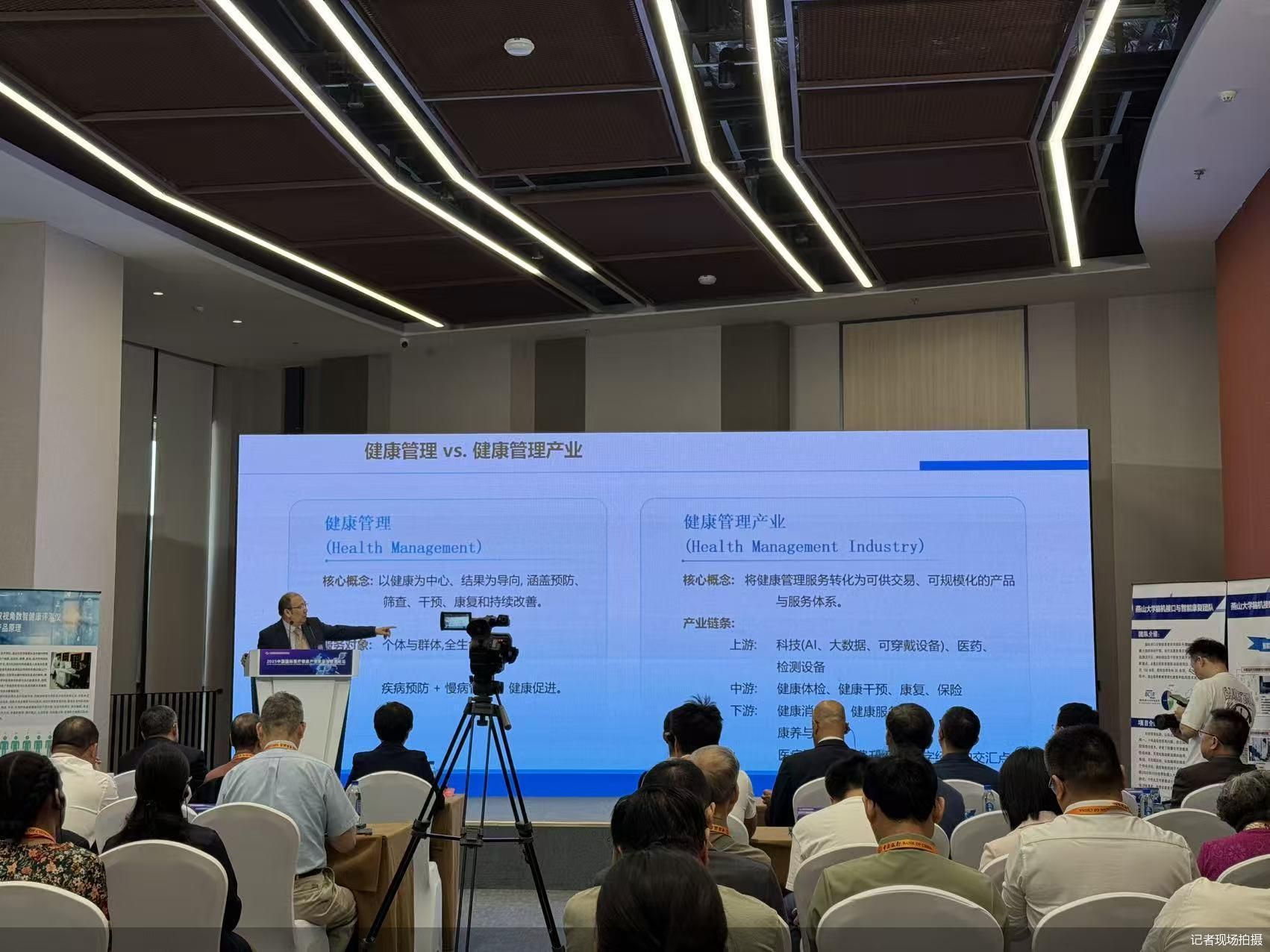
Market Overview - The A-share market has shown a strong upward trend since August, with major indices reaching new highs and significant trading volume, indicating a bullish sentiment among investors [2][3] - As of September 4, over 94% of public funds have reported positive returns this year, with 397 funds achieving returns exceeding 50% [2][3] Fund Performance - Among the 13,110 public funds, 12,372 have positive returns, with 1,592 funds yielding over 30% and 397 funds exceeding 50% [2] - Active equity funds have performed particularly well, with an average return of 21.61%, and over 97% of these funds reporting positive returns [2][3] Top Performing Funds - The top-performing funds include Huatai-PineBridge Hong Kong Advantage Selection A and Yongying Technology Smart Selection A, both achieving returns over 160% [2][4] - Funds focusing on innovative pharmaceuticals and technology sectors have been particularly successful, with 12 active equity funds doubling their returns this year [4][5] Investment Trends - The strong performance of active equity funds is attributed to macroeconomic recovery and structural opportunities in the market, particularly in sectors like AI, new energy, and pharmaceuticals [3][4] - The investment logic for pharmaceutical funds emphasizes a "cyclical thinking" approach, anticipating a prolonged growth phase for innovative drugs due to upcoming commercialization and clinical data releases [5] Underperforming Funds - Despite the overall positive trend, 122 active equity funds have reported losses this year, with the worst-performing fund down 16.1% [6] - Many underperforming funds are heavily invested in manufacturing and technology sectors, which have struggled in the current market environment [6] Future Outlook - The outlook for active equity funds remains optimistic, with expectations of continued investment opportunities driven by policy support, liquidity improvements, and industry upgrades [7][8] - Investment strategies are shifting towards cyclical stocks, with a focus on sectors such as industrial metals, chemicals, and consumer goods [8]
A50重大调整,这几只“翻倍股”被纳入
Zheng Quan Shi Bao· 2025-09-03 13:42
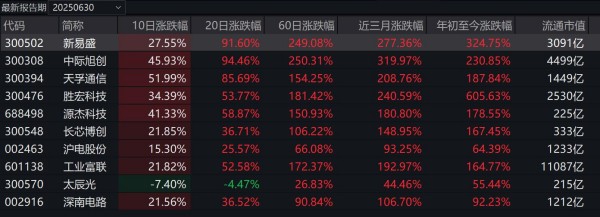
Group 1 - FTSE Russell announced quarterly review changes for multiple indices, effective after the market close on September 19, 2025 [1][3] - The FTSE China A50 Index will include companies such as BeiGene, Eoptolink Technology, WuXi AppTec, and Zhongji Innolight, which are primarily from the pharmaceutical and AI computing sectors [1][5] - The newly included stocks have shown significant price increases, with BeiGene achieving a 102.51% increase in market value, and other stocks in the AI computing sector seeing gains of over 200% and 300% [5][6] Group 2 - The FTSE China A50 Index is composed of the 50 largest stocks listed on the Shanghai and Shenzhen exchanges, reviewed quarterly [5] - The index adjustments reflect the strong performance of the pharmaceutical and AI computing sectors, which are considered the main drivers of the A-share market this year [7][8] - Analysts suggest that the demand for computing power in the AI industry is expected to grow explosively, benefiting the entire computing power supply chain [7][8]

创业板ETF平安(159964)日内低点反弹超2%强势拉红,算力电新医药景气赛道一键布局
Xin Lang Cai Jing· 2025-09-03 06:38
Group 1: Pharmaceutical Industry - The pharmaceutical industry has entered a new growth phase driven by innovation after previous adjustments [1] - The CRO/CMO sector is projected to see a revenue growth of 12.6% year-on-year in the first half of 2025, making it the fastest-growing segment [1] - The net profit growth rates for chemical pharmaceuticals and CRO/CMO are 21.1% and 20.9% respectively, significantly higher than the industry average [1] - Domestic innovative drugs are increasingly being exported, with future licensing agreements expected to enhance the performance of the innovative drug supply chain [1] - The current holding ratio in the pharmaceutical sector is at a historical low, indicating a high cost-performance ratio for investments in this sector [1] Group 2: Lithium Battery Industry - China's lithium battery industry, despite its global competitive advantages, is experiencing a mismatch between profitability and industry status, with net profits projected at 110.1 billion yuan in 2024, continuing a decline from the previous year [1] - The government has introduced multiple policies to address "involution" competition within the industry, aiming to enhance industry concentration and global competitiveness [1] - These policies are expected to facilitate a shift from price competition to high-quality development, with a potential recovery in industry profitability as these measures are implemented [1] Group 3: Artificial Intelligence - Artificial intelligence is recognized as a core engine of new productive forces, benefiting from both policy and technological drivers [2] - The State Council's action plan aims for deep integration of AI with six key sectors by 2027, enhancing AI applications across technology, industry, and public welfare [2] - The synergy between policy and technology is anticipated to expand investment opportunities in AI, particularly in software applications and downstream hardware [2] Group 4: ChiNext Index and ETF Performance - As of September 3, 2025, the ChiNext Index has risen by 1.10%, with notable increases in stocks such as Sungrow Power (up 14.72%) and EVE Energy (up 12.29%) [4] - The ChiNext ETF has shown a 4.83% increase over the past week, with a trading volume of 12.95 million yuan [4] - The ChiNext ETF has achieved a net value increase of 17.91% over the past three years, ranking in the top two among comparable funds [5] - The ETF has a management fee of 0.15% and a custody fee of 0.05%, which are among the lowest in its category [5] - The top ten stocks in the ChiNext Index account for 55.15% of the index's total weight, with CATL being the largest at 18.77% [7]

“国家队”增持、基金公司大手笔降费......基金半年报信息量大
券商中国· 2025-09-02 08:10
Core Viewpoint - The article highlights the significant reduction in management fees and trading commissions in the public fund industry, alongside an increase in institutional investment in stock funds, indicating a positive outlook for the A-share market in the medium to long term [1][2][3]. Fee Reduction and Impact - The public fund industry has seen a notable decrease in management fees and trading commissions, with equity funds' management fee income dropping by 1.7 billion yuan and trading commissions decreasing by 2.334 billion yuan compared to the same period last year [3][4]. - Mixed funds, a major contributor to management fees, experienced a reduction in management fee income by 1.598 billion yuan, with a year-on-year decline rate of 8.26%, reducing their share from 32% to 28.81% [3][4]. - The introduction of floating management fee funds has become a regular practice, benefiting investors continuously [5]. - The implementation of new regulations in July 2024 has led to a significant reduction in trading commissions, with public funds' commission payments dropping by over 35% compared to 2023 [6]. Institutional Investment Trends - Institutional investors have significantly increased their holdings in stock funds, with their share rising from 34.44% to 40.49%, an increase of 6 percentage points year-on-year [7][8]. - Central Huijin and other institutional investors have played a crucial role in stabilizing the market by increasing their investments in ETFs [8]. - Conversely, both institutional and individual investors have reduced their holdings in mixed funds, making it the only fund type to see simultaneous reductions from both groups [9]. Market Outlook - Fund managers express optimism about the A-share market, suggesting that the era of value creation is upon us, with opportunities for low-valuation dividends expanding [10][11]. - The overall market valuation remains low, with potential for significant upward movement if corporate earnings improve [11]. - Specific sectors such as high-end manufacturing, technology innovation, and consumer goods are highlighted as having strong growth potential [12].


企业研发投入结硕果“十四五”药械创新双提速
Zhong Guo Zheng Quan Bao· 2025-09-02 01:22
Core Insights - The National Medical Products Administration (NMPA) has approved 210 innovative drugs and 269 innovative medical devices during the 14th Five-Year Plan period, indicating a sustained acceleration in growth [1][2][4] - China's biopharmaceutical market has become the second largest globally, with approximately 30% of the world's innovative drugs under development, reflecting increasing global recognition of Chinese innovative drugs [1][2][5] - The industry is witnessing a significant improvement in supply-demand dynamics, driven by innovation as a core growth engine, presenting potential investment opportunities [1][2][7] Regulatory and Approval Processes - The NMPA has established priority review and approval channels for key products, enhancing support for innovative drug and device development [2][4] - The approval time for supplementary applications has been reduced from 200 working days to 60 days, and for innovative drug clinical trial reviews from 60 days to 30 days [4][10] - A total of 394 pediatric drugs and 147 rare disease drugs have been approved since the beginning of the 14th Five-Year Plan, addressing critical medication needs [3] Company Performance and R&D Investment - Heng Rui Medicine reported a revenue of 15.76 billion yuan in the first half of 2025, a year-on-year increase of 15.88%, with innovative drug sales contributing 60.66% of total revenue [5] - Fosun Pharma achieved a revenue of 19.51 billion yuan, with innovative drug revenue exceeding 4.3 billion yuan, reflecting a 14.26% year-on-year growth [6] - United Imaging Healthcare reported a revenue of 6.02 billion yuan, a 12.79% increase, with R&D investment reaching 1.14 billion yuan [7] Internationalization and Market Expansion - Chinese innovative drugs are increasingly entering international markets, with companies like Fosun Pharma engaging in licensing agreements to expand their global footprint [8][9] - The demand for breakthrough therapies in Western markets is driving the internationalization of Chinese pharmaceutical companies, enhancing their competitiveness [9] - The NMPA is committed to promoting the internationalization of drug regulation and facilitating the export of Chinese pharmaceuticals [9][10] Technological Advancements - The industry is experiencing a wave of disruptive technologies, including CRISPR gene editing and mRNA therapies, which are enhancing China's role in global biopharmaceutical innovation [7][9] - The NMPA is focusing on high-end medical devices and innovative technologies, such as brain-computer interfaces and new radiation therapy equipment, to support the development of the medical device sector [10]
企业研发投入结硕果 “十四五”药械创新双提速
Sou Hu Cai Jing· 2025-09-01 23:52
Core Insights - The National Medical Products Administration (NMPA) has approved 210 innovative drugs and 269 innovative medical devices during the 14th Five-Year Plan period, indicating a sustained acceleration in growth [1][3] - China's biopharmaceutical market has become the second largest globally, with approximately 30% of the world's innovative drugs under development, reflecting increasing global recognition of Chinese innovative drugs [1][3][12] Regulatory Environment - The NMPA has implemented various measures to enhance drug regulation, including special actions to improve drug safety and the establishment of expedited review channels for key products [3][5] - The approval times for supplementary applications have been significantly reduced, with timelines cut from 200 working days to 60 days, and for innovative drug clinical trial reviews from 60 days to 30 days [5] Market Dynamics - The demand side shows a clear advantage, with a growing need for innovative therapies, while the supply side is witnessing improved competition and market dynamics [1][12] - The continuous release of policy incentives has led to increased R&D investments from listed companies, translating into revenue growth [7][9] Company Performance - Companies like Heng Rui Medicine and Fosun Pharma have reported significant revenue growth, with Heng Rui achieving a 15.88% increase in revenue to 15.76 billion yuan and a 29.67% rise in net profit [7][8] - Fosun Pharma's revenue reached 19.51 billion yuan, with a 14.26% increase in innovative drug revenue, highlighting the success of their innovation strategy [8] Internationalization and Innovation - Chinese innovative drugs are increasingly entering international markets, with companies engaging in licensing agreements for various therapeutic areas [11][12] - The NMPA is promoting international regulatory cooperation and enhancing the management of exported drugs to facilitate trade [12][13] Future Outlook - The industry is expected to continue its positive trajectory, driven by ongoing policy support, technological innovation, and an accelerated internationalization process [13] - The NMPA plans to focus on high-end medical devices and key technology areas, further solidifying China's position in the global biopharmaceutical landscape [13]
趋势研判!2025年中国医药制造行业发展历程、产业链图谱、发展现状及前景展望:集采常态化背景下,药企从仿制依赖向创新驱动转型[图]
Chan Ye Xin Xi Wang· 2025-08-31 00:05
Overview - The pharmaceutical manufacturing industry in China is experiencing robust demand due to an aging population, rising chronic disease incidence, and increased public health awareness [1][5] - By 2024, the number of large-scale pharmaceutical manufacturing enterprises in China is projected to reach 9,793, with total assets of 51,746.1 billion yuan, sales revenue of 25,298.5 billion yuan, and total profits of 3,420.7 billion yuan [1][5] - The normalization of centralized procurement is driving traditional pharmaceutical companies to shift from "scale expansion" to "lean survival," promoting the construction of a lean management system across the entire industry chain [1][5] Industry Classification - The pharmaceutical manufacturing industry can be divided into eight sub-sectors: chemical raw materials, chemical preparations, traditional Chinese medicine processing, traditional Chinese medicine production, veterinary medicine, biological products, sanitary materials, and pharmaceutical packaging [2] Development History - The industry has evolved from a weak foundation in the early years of the People's Republic of China, primarily relying on imported raw materials, to a rapidly expanding sector with significant improvements in manufacturing standards [3] - Key milestones include the establishment of the National Medical Products Administration in 1998 and the introduction of various policies to encourage innovation and improve drug quality [3][4] Development Background - The industry is supported by numerous policies aimed at correcting irregularities in the pharmaceutical procurement and medical service sectors, promoting digital traditional Chinese medicine, and enhancing the quality of traditional Chinese medicine [4][5] - The aging population is projected to reach 22,023 million by 2024, with a 1.60% year-on-year increase, leading to a growing demand for chronic disease medications [5][6] Industry Chain - The upstream of the pharmaceutical manufacturing industry includes suppliers of chemical raw materials, traditional Chinese medicine materials, and pharmaceutical packaging [6] - The midstream consists of pharmaceutical manufacturing companies, while the downstream includes medical institutions, health service organizations, pharmacies, and e-commerce platforms [6] Current Development Status - The pharmaceutical market's rigid demand is continuously expanding, with significant growth in the number of medical institutions and healthcare spending per capita [1][7] - By 2024, the number of healthcare institutions in China is expected to reach 1,092,000, with hospitals and grassroots medical institutions showing steady growth [7] Competitive Landscape - The pharmaceutical manufacturing industry is characterized by a diverse market with numerous participants, but recent reforms have led to increased concentration among leading companies [8] - Major players include China National Pharmaceutical Group, China Resources Pharmaceutical Group, and Shanghai Fosun Pharmaceutical, which have strong financial and R&D capabilities [8][9] Future Development Trends - The normalization of centralized procurement is expected to narrow profit margins for traditional generic drugs, prompting companies to increase investment in innovative drugs and high-barrier generics [10] - Pharmaceutical companies will focus on self-research and global collaboration, particularly in high-demand therapeutic areas like oncology and autoimmune diseases, while optimizing their supply chain management to reduce costs [10]