双循环

Search documents
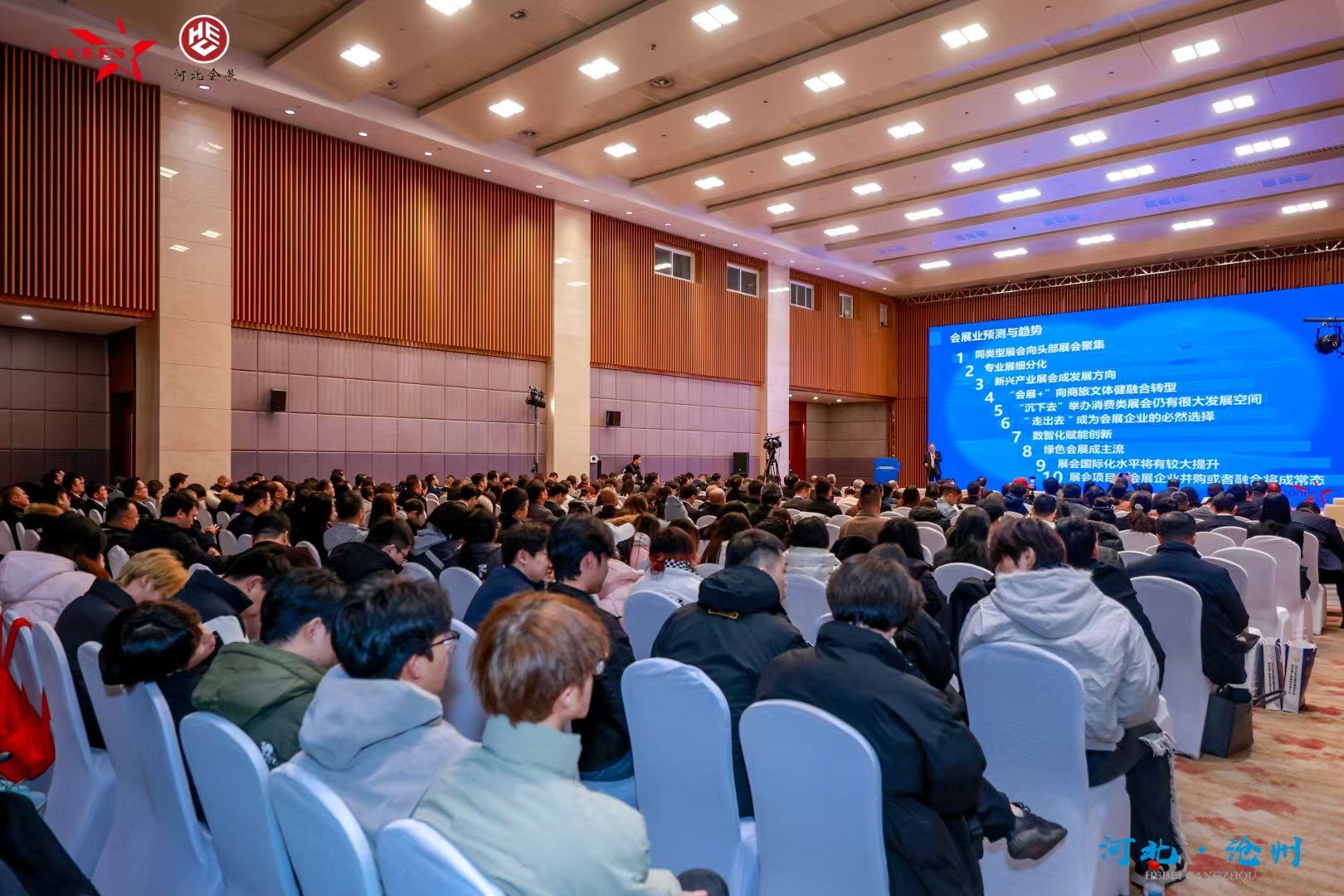
2025年中国会展业年会在河北沧州举办
Zhong Guo Jing Ji Wang· 2025-12-12 08:37
Core Viewpoint - The 2025 China Exhibition Industry Annual Conference and the Hebei Cangzhou High-Quality Development Conference for the Exhibition Economy opened, focusing on the theme of "Integration of Industry and Exhibition Empowerment, Creating a New Chapter in Consumption" to explore development opportunities and practical paths for the exhibition industry during the 14th Five-Year Plan period [2] Group 1 - The President of the China Exhibition Economic Research Association, Qu Weixi, emphasized that Hebei is aligning with national strategies to build a strong domestic market and develop new productive forces, focusing on "integration of industry and exhibition" to avoid homogeneous competition and leverage its unique industrial clusters [4] - Hebei's exhibition industry is actively responding to the "dual carbon" goals by integrating green, low-carbon, and sustainable ESG concepts throughout the planning, construction, and operation processes of exhibitions [4] - The former Chief Inspector of the Hebei Provincial Department of Commerce, An Jing, highlighted that Hebei's exhibition industry has maintained a healthy and stable development trend, becoming an important part of the Beijing-Tianjin-Hebei exhibition city cluster [5] Group 2 - The former Deputy Representative for International Negotiations at the Ministry of Commerce, Chong Quan, pointed out that exhibitions are key nodes for connecting domestic and international "dual circulation," promoting consumption and investment, and encouraging the integration of "exhibition + business travel, culture, and sports" [7] - The Honorary President of the International Exhibition Industry Association, Chen Xianjin, noted that China's exhibition venue area has seen exponential growth over the past decade, now ranking first in the world, with the top ten exhibition centers in Asia located in China [7] - The Chief Researcher of the China Exhibition Economic Research Association, Chu Xiangyin, released the "China Exhibition Industry Development Report," which provides a comprehensive overview of the industry and supports regional collaboration and strategic planning [8]

【“打通全国统一大市场堵点卡点”热点问题探析④】破壁突围推进内外贸一体化
Jing Ji Ri Bao· 2025-12-12 00:30
Core Viewpoint - The integration of domestic and foreign trade is crucial for promoting economic development, expanding domestic demand, and stabilizing enterprises, serving as both a strategy to address complex international trade environments and a strategic choice for building a new development pattern [1] Group 1: Challenges in Market Transition - The push for integrated trade requires support for foreign trade enterprises to expand into domestic markets and guidance for domestic trade enterprises to explore international markets, presenting both opportunities and challenges [2] - Communication and coordination costs during market transitions are significant concerns for enterprises, with foreign trade offering more predictable order quantities compared to domestic trade [2][3] - Differences in consumer demand and product matching between domestic and international markets necessitate adjustments in production strategies [2][3] Group 2: Operational and Regulatory Barriers - There are prevalent issues such as low marketing capabilities and insufficient after-sales service among domestic trade enterprises venturing abroad, compounded by a lack of familiarity with local political, cultural, and legal environments [3][4] - The disconnection between export and domestic sales highlights challenges such as supply-demand mismatches, high market transition costs, and a lack of unified standards and certification systems [4] Group 3: Policy and Institutional Support - Efficiently connecting domestic and international markets can promote reform and development internally while fostering cooperation externally, enhancing China's integration into global supply chains [5] - The international standard conversion rate in China has reached 86% as of September 2025, surpassing the target set in the National Standardization Development Outline [5][6] - The establishment of cooperation zones for small and medium-sized enterprises aims to enhance support for these businesses in utilizing both domestic and international markets [6][7] Group 4: Future Outlook and Strategic Recommendations - The integration of domestic and foreign trade is expected to become a key engine for building an open economy, with over 2200 leading enterprises in this area and approximately 87,000 large-scale industrial enterprises engaged in integrated operations [10] - Recommendations include accelerating product adaptability, innovating marketing strategies, and expanding trade agreements to enhance cooperation with more countries [8][9]
国货航(001391.SZ):2025年11月以来,全球整体关税政策呈现缓和态势
Ge Long Hui· 2025-12-11 15:09
Core Viewpoint - The company is closely monitoring the impact of tariff policies from the US and other regions on its business, highlighting a trend of easing global tariff policies since November 2025 [1] Economic Context - China's economy grew by 5.3% year-on-year in the first half of the year, demonstrating strong resilience and development potential [1] - The company emphasizes the importance of enhancing economic resilience and vitality in the face of trade protectionism and the variability of international tariff policies [1] Strategic Focus - The company aims to align with the national "dual circulation" development strategy, supporting innovation and growth in Chinese manufacturing and facilitating industrial and consumption upgrades [1] - There is a commitment to continuously expand the route network and strengthen communication and collaboration with upstream and downstream partners to enhance the scale and quality of China's logistics imports and exports [1] Risk Management - The company plans to strengthen its operational management and risk resilience while actively responding to policy changes and market reactions in collaboration with partners [1] - The focus is on achieving high-quality and sustainable development through proactive engagement with stakeholders [1]
第三届长三角电商交易会收官 汇集超10万潮品好物
Yang Zi Wan Bao Wang· 2025-12-10 14:58
Group 1 - The third Yangtze River Delta E-commerce Trade Fair successfully concluded in Suzhou, featuring an exhibition area of 15,000 square meters and over 500 standard booths, attracting nearly 1,000 merchants and showcasing over 100,000 trendy products [1] - The event highlighted traditional crafts and local delicacies, such as iron pots from Wuxi and unique foods from Nanjing and Suzhou, emphasizing the cultural richness of Jiangsu [1] - The Jiangsu Provincial Department of Commerce organized key industrial zones to participate, facilitating effective supply-demand matching through various meetings, enhancing collaboration among government, platforms, and enterprises [1] Group 2 - The trade fair served as a "policy highland" and "resource blue ocean," focusing on promoting Jiangsu's quality products through specialized sessions with major platforms like 1688 and Suning, providing professional guidance on platform rules and resource access [2] - The "Su Products, Su Goods" initiative aimed to streamline the transition from manufacturing to branding, achieving multiple outcomes such as brand exposure, channel expansion, and order conversion [2] Group 3 - The "Silk Road Cloud Products" e-commerce month event targeted enhancing Jiangsu enterprises' international operations, featuring insights from platforms like Shopee and SHEIN, and promoting deep connections between Jiangsu's industries and overseas e-commerce platforms [3] - The event opened new international market opportunities for Jiangsu products, addressing the demand for diverse channels and a more determined approach to "going global" [3] - The trade fair also emphasized a "show + live broadcast" immersive experience, with nearly 100 live streaming rooms, effectively converting online traffic into sales [3]


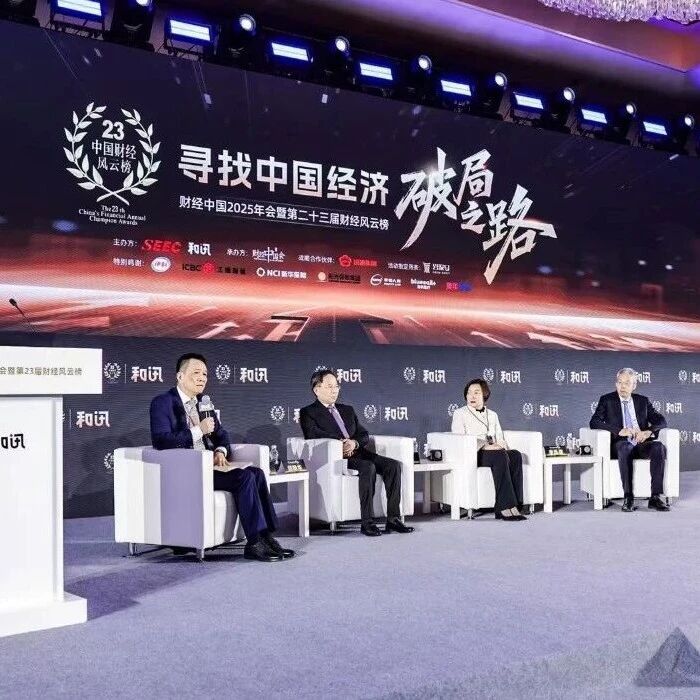
姚洋、邱晓华、梁红、李迅雷眼中的2026年投资机会
和讯· 2025-12-10 09:47
Group 1 - The core strategy of the "14th Five-Year Plan" emphasizes building a modern industrial system, achieving high-level technological self-reliance, and expanding domestic demand as the three main strategic tasks for China's economic breakthrough [3][4]. - Manufacturing upgrades and technological innovation are identified as the driving forces of development, determining what can be supplied, while domestic demand serves as the strategic foundation, influencing whether there is a broad market for these supplies [3][4]. - The current economic environment shows a need for a balance between manufacturing upgrades and boosting domestic demand, with a focus on strengthening the real economy and addressing external uncertainties through domestic circulation [4][10]. Group 2 - In 2025, China's economy demonstrated resilience and structural changes despite a complex domestic and international environment, with innovation and resilience being key themes [5][7]. - The GDP growth rate for 2025 is projected to be around 5%, supported by proactive fiscal policies and moderate monetary policies aimed at stabilizing investment and consumption [7][10]. - Significant changes in the market include breakthroughs in technology, particularly in artificial intelligence and high-end manufacturing, which reflect China's innovative capabilities [8][10]. Group 3 - Looking ahead to 2026, investment opportunities are expected to arise from the ongoing technological revolution, with sectors like artificial intelligence, new energy, and biomedicine poised for significant growth [11][12]. - The external environment is anticipated to become more favorable, with expected easing policies from the U.S. and Europe, which could support China's economic growth [11][12]. - The market structure is shifting, with a historical transition in asset allocation from real estate to financial assets, indicating a change in investment strategies among Chinese residents [13][14].
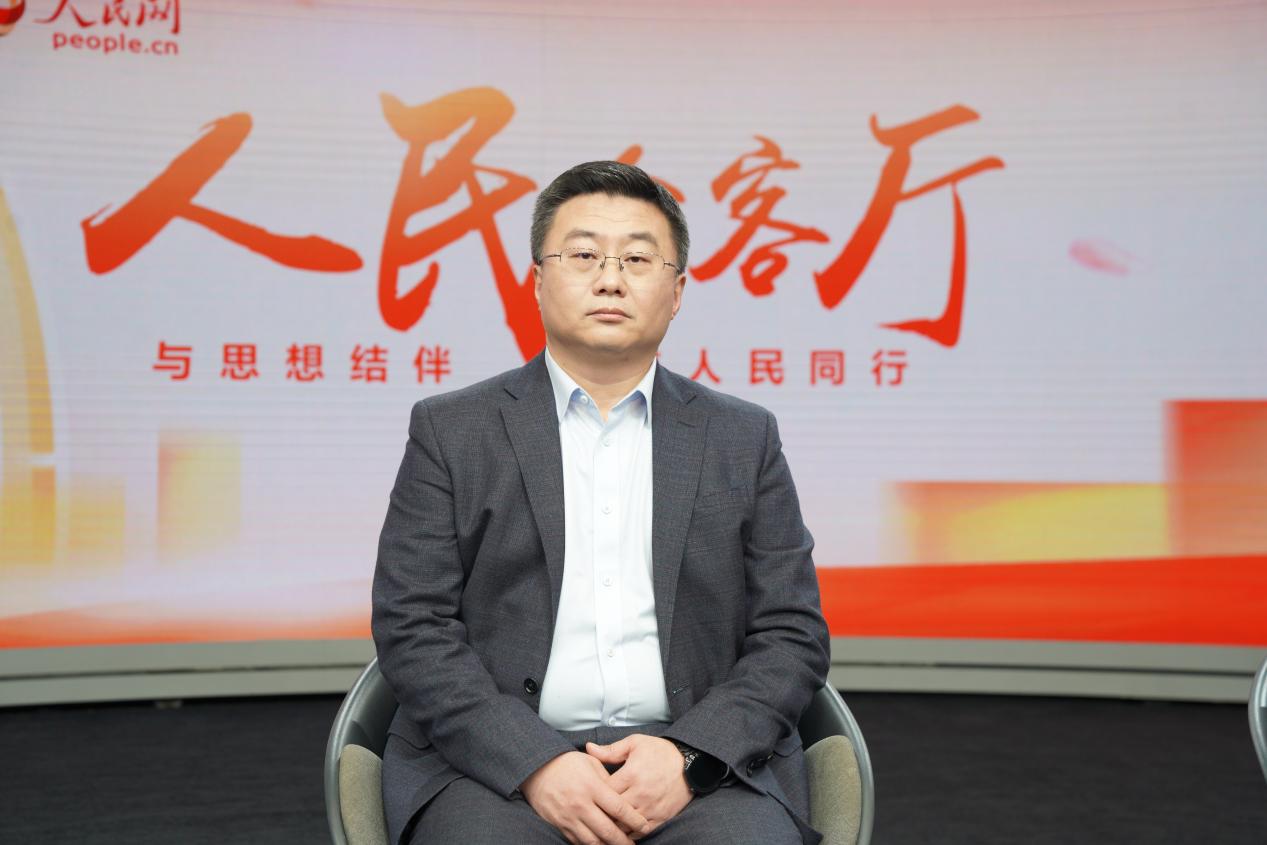
人民会客厅—— 周绍杰:双网融合打通产销两端 为“十五五”扩内需筑牢技术路径
Ren Min Wang· 2025-12-09 09:22
Core Viewpoint - The digital transformation of the consumer market is accelerating, with the deep integration of industrial and consumer internet (referred to as "dual network integration") continuing to deepen, supported by the "14th Five-Year Plan" which emphasizes the interaction between supply and demand to enhance domestic circulation [1][3] Group 1: Economic Impact - The construction of a strong domestic market is a key goal during the "14th Five-Year" period, with expanding domestic demand as the core strategy [3] - Currently, Chinese household consumption accounts for about 40% of GDP, which is over 20 percentage points lower than that of developed countries, indicating significant potential for growth in consumption's contribution to economic growth [3] - Dual network integration can enhance the adaptability of supply and demand through digital means, providing a feasible technical path and market mechanism to increase consumption's contribution to economic growth [3] Group 2: Challenges and Solutions - The digital transformation of small and medium-sized enterprises (SMEs) is a crucial aspect of implementing dual network integration, yet many SMEs face challenges due to limitations in funding, technology, and talent [3][4] - Local governments are encouraged to enhance the digital capabilities of SMEs through comprehensive digital upgrades in industrial parks and by encouraging leading enterprises to share digital capabilities with their supply chain partners [3][4] Group 3: Traditional Enterprises and Employment - For traditional enterprises in transition, a shift in awareness is the first critical step, as many still rely heavily on inefficient traditional channels [4] - Dual network integration offers traditional enterprises a new avenue to directly reach consumers and better understand market demand changes [4] - The emergence of new integrated business models creates numerous opportunities for innovation and entrepreneurship, particularly for young people, thereby contributing to stable employment and enhancing livelihoods [4] Group 4: Policy Recommendations - To promote the continuous deepening of dual network integration during the "14th Five-Year" period, policies should focus on three areas: strengthening planning guidance, improving financial support systems, and leveraging industry associations to provide professional services for enterprise transformation [5]
天津货航四年来累计开通各类航线108条 运输货物总量近30万吨
Zhong Guo Xin Wen Wang· 2025-12-09 09:12
航线网络建设取得显著进展,新海航天津货航先后开通北京、上海、广州、深圳四大一线城市航线,在 郑州建立运营基地并加大运力投放,同时拓展至重庆、贵阳等西南地区航空物流枢纽。四年来累计通航 国内20多个航点,开通各类航线108条,运输货物总量近30万吨。在国际拓展方面,新海航天津货航积 极响应"双循环"新发展格局,开通至东亚、东南亚、南亚和西亚等周边国家航线,抢抓RCEP发展机 遇。 除航网拓展外,新海航天津货航在安全运行、管理效能及员工保障等方面也取得系列进展。安全运行方 面,管理干部累计组织一线督查千余次,完成整改问题470项;运营管理方面,通过精细化管理实现增 收节支约9400万元;员工保障方面,四年来累计投入福利资金650万元。 加入辽宁方大集团四年来,新海航天津货航在各方支持下稳步发展。未来,新海航天津货航将继续优化 航线网络布局,提升运行保障能力,为服务国家发展战略和行业健康发展作出新的贡献。(完) 中新网天津新闻12月9日电 记者从天津港保税区获悉,12月8日,新海航天津货航迎来加入辽宁方大集 团四周年,四年来,新海航天津货航以运力建设和航网拓展为抓手,实现稳步发展。 过去四年,新海航天津货航积极服务 ...
中共中央政治局会议,多位券商首席经济学家解读来了!
券商中国· 2025-12-09 08:41
12月8日,中共中央政治局召开会议,分析研究2026年经济工作。 多家券商首席经济学家分享了最新的学习体会。券商预计,2025年顺利实现发展目标,2026年仍需保持较高的 目标设定,兼顾"硬实力"与"软实力",统筹内外,优化存量,因地制宜发展新质生产力,着力创造就业保"四 稳",构建流畅内循环、强韧性的内需市场,持之以恒改善民生;政策实施层面注重政策落地后的持续推进增 强实效,政策部署更重衔接协同集成效应。 财政和货币政策仍有较大空间 会议指出,"继续实施更加积极的财政政策和适度宽松的货币政策"。对此,浙商证券首席经济学家李超表示, 结合积极的财政政策基调以及中央预算稳定调节基金的特点,2026年存在小幅提高赤字率的可能性,同时综合 考虑结转结余,则2026年广义财政力度或将下降。预计2026年赤字率可能设定为4.0%—4.2%左右,对应赤字 规模为5.89万亿元至6.19万亿元,广义赤字规模约为11.79万亿元至12.09万亿元。 兴业证券首席经济学家王涵表示,此次会议仍将"扩大内需"工作放在首位,其次新增表述"优化供给","坚持 创新驱动,加紧培育壮大新动能",相比于7月会议而言,此次会议将产业相关内容提 ...

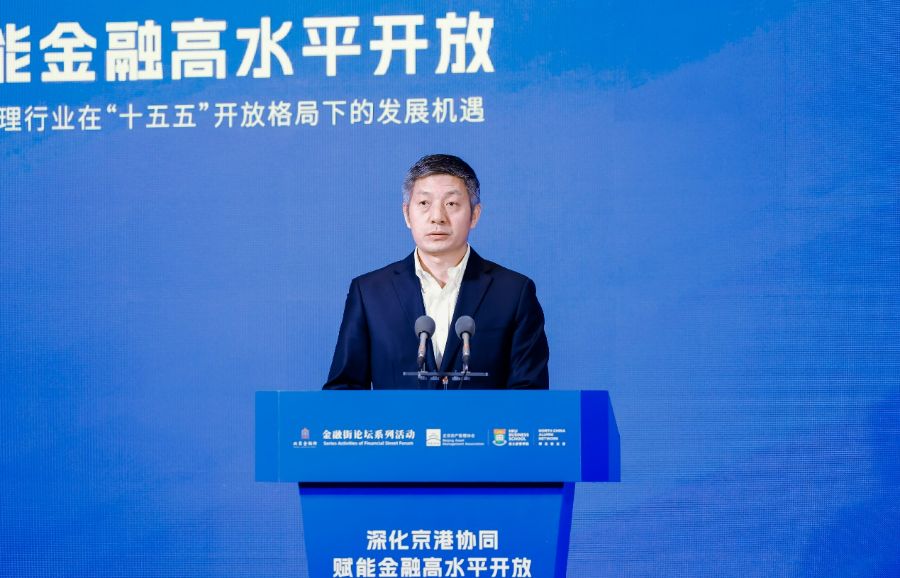
王一鸣:深化京港协同,推进五大领域金融合作
Jing Ji Guan Cha Wang· 2025-12-09 08:36
12月5日,"深化京港协同,赋能金融高水平开放——资产管理行业在'十五五'开放格局下的发展机 遇"金融街论坛系列活动在北京成功举办。 其四,京港两地优势互补提升各自竞争力。北京国家金融管理中心建设可积极借鉴香港金融规则体系以 及国际一流管理经验,加快构建与国际通行规则接轨的制度体系。香港则可借助北京在内地金融市场的 核心地位和金融资产规模优势,继续深化京港金融市场的互联互通,巩固香港国际金融中心地位。 其五,强化京港两地金融监管协同。伴随我国金融市场开放度不断提升,金融风险敞口也会相应增大。 对此,京港两地需进一步健全金融监管协调机制,强化两地金融监管机构的协调联动,完善跨境资金流 动监测,共享金融监管数据,运用人工智能技术健全风险预警和响应机制,防范跨境跨市场风险共振, 共同维护国家金融安全。 据了解,上述活动是在北京市地方金融管理局、北京金融街服务局的指导下,由北京资产管理协会与港 大经管学院华北校友会共同主办。 其一,京港合作发展科技金融。发挥京港两地的科技优势,构建"科技-产业-金融"良性循环。对于香港 来说,京港合作能够提升其科技创新能力,助力香港打造国际创新科技中心;对于北京而言,可依托香 港的国 ...
从“要素型开放”到“制度型开放”,资管业发力深化京港协同
2 1 Shi Ji Jing Ji Bao Dao· 2025-12-09 05:32
近日,"深化京港协同,赋能金融高水平开放——资产管理行业在'十五五'开放格局下的发展机遇"金融街论坛系列活动在北京举 办。 北京资产管理协会会长、工银理财有限责任公司总裁高向阳在会上表示,北京资产管理协会自成立以来,始终以"推动资管行业 高质量发展、搭建跨区域交流合作平台"为核心使命,本次活动正是协会立足"十五五"战略窗口期,助力京港金融"双中心"协 同、服务金融高水平开放的重要实践。 高向阳指出,当前,我国正处于"十四五"规划圆满收官与"十五五"规划谋篇布局的关键交汇期,金融领域正从"要素型开 放"向"制度型开放"进阶,构建适配我国经济地位、兼具安全与开放属性的现代金融体系已成为核心任务。北京与香港作为我国 金融体系中两大核心枢纽,形成的"双中心"驱动效应,正是支撑这一任务落地的关键引擎。 21世纪经济报道 杨希 中国国际经济交流中心副理事长王一鸣在主旨演讲中强调,京港深化金融合作,对巩固和提升香港国际金融中心地位、助力构 建"双循环"新发展格局意义重大。他建议从五个方面探索深化合作路径:一是合作发展科技金融;二是探索跨境资管合作;三 是协同推进人民币国际化;四是强化优势互补提升各自竞争力;五是加强金融监管 ...