财政主导

Search documents
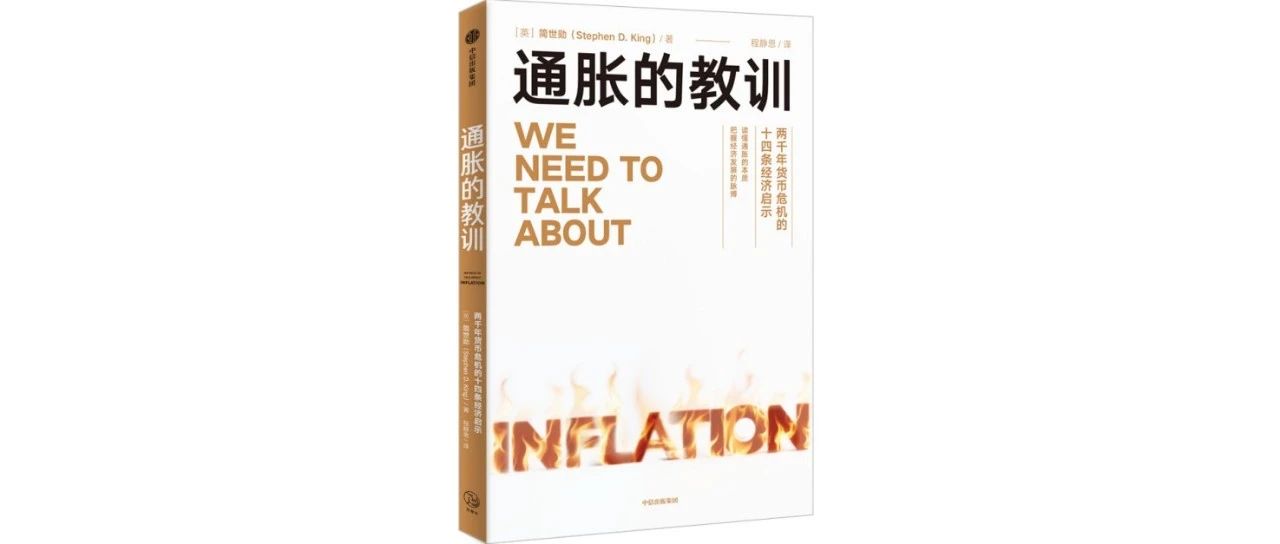
好书推荐 | 汇丰银行首席经济学家简世勋的“大通胀时代”生存手册
点拾投资· 2025-07-20 00:07
Core Viewpoint - The article discusses the recent inflation trends in Western countries, attributing them to a series of unfortunate events rather than a single cause, suggesting that inflation may be temporary and could dissipate quickly as seen in historical precedents [1][2]. Group 1: Historical Context of Inflation - The article references historical instances of inflation spikes, such as post-World War II and during the Korean War, where inflation rates surged but were short-lived due to subsequent stabilization [2][4]. - It highlights the importance of understanding the macroeconomic context, including institutional and political factors, that contributed to inflationary pressures in the 1970s [4][5]. Group 2: Inflation Targeting Challenges - The challenges of inflation targeting are discussed, particularly the lag in monetary policy effects and the difficulties in predicting future inflation based on current data [5][6]. - The article critiques the reliance on the Taylor Rule, which adjusts policy rates based on past inflation and output, suggesting it may not adequately address current economic conditions [10][12]. Group 3: Forward-Looking Approaches - The article introduces the concept of forward-looking monetary policy frameworks, such as Svensson's "predictive targeting," which aims to adjust policy based on future inflation and unemployment forecasts [15][16]. - It emphasizes the limitations of such approaches, likening them to driving with a rearview mirror, which may not effectively navigate future economic challenges [14][16]. Group 4: Lessons from Inflation History - The article outlines key lessons from inflation history, emphasizing the critical role of monetary policy, public trust in central banks, and the potential for government actions to influence inflation [23][24]. - It warns against complacency regarding inflation, noting that historical stability does not guarantee future price stability, and highlights the need for proactive policy measures [26][30]. Group 5: Socioeconomic Implications of Inflation - The article discusses the social implications of inflation, noting that it disproportionately affects different socioeconomic groups, creating winners and losers in the economy [31][32]. - It stresses the importance of addressing the root causes of inflation rather than merely providing compensatory measures to those adversely affected [32][38].

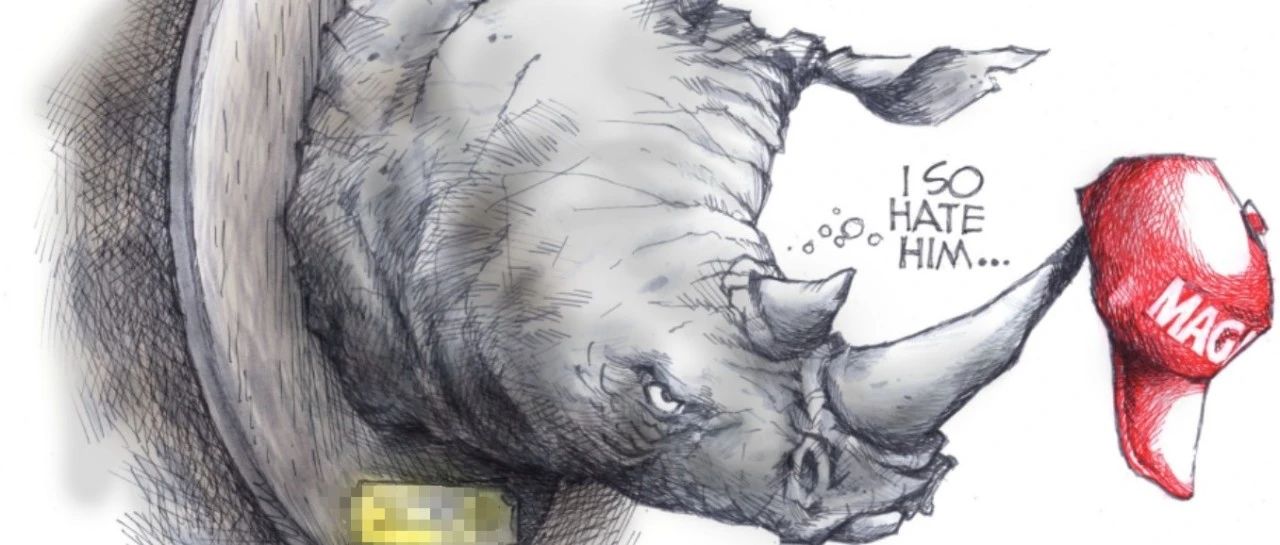
下半年美国经济的三头灰犀牛(国金宏观钟天)
雪涛宏观笔记· 2025-07-17 12:32
Core Viewpoint - The article emphasizes the importance of rejecting linear extrapolation in understanding the complexities of Trump's political maneuvers, suggesting that while his path to achieving goals is dynamic, the underlying demands remain static, leading to potential chaos [1][3]. Group 1: Economic Implications - The passage of the OBBB Act reflects Trump's stronger control over domestic affairs and may lead to a resurgence in his foreign policy assertiveness, increasing the risk of backlash from TACO [3][4]. - The U.S. economy may face three significant "gray rhino events" in the second half of 2025: a clear trend towards fiscal contraction post-OBBB Act, a more pragmatic and aggressive approach to tariffs and international relations, and confusion stemming from differing monetary policy stances between the old and new Federal Reserve chairs [4][5]. Group 2: Fiscal Policy - Following the implementation of the OBBB Act, the U.S. fiscal landscape is expected to shift towards more contractionary measures, with a pressing need for budget cuts due to rising deficit pressures [5][11]. - Trump's approach to budget cuts is notably aggressive, particularly in reducing SNAP benefits, which may impact traditional red states and politically sensitive swing states [5][11]. Group 3: Trade and International Relations - Trump's renewed focus on tariffs and international relations is characterized as more aggressive and pragmatic, necessitating non-U.S. economies to reassess their negotiation strategies [11][12]. - The tariff structure for various countries under the "Liberation Day" initiative indicates a significant shift in trade dynamics, with countries like Japan and South Korea being primary targets for tariff adjustments [12][13]. Group 4: Federal Reserve Dynamics - The ongoing conflict between the old and new Federal Reserve chairs is likely to create market confusion, with the potential for the "shadow Fed chair" to gain market influence [14][15]. - The political implications of the Federal Reserve's actions are expected to intertwine with economic conditions, particularly as the new chair's stance may diverge significantly from the current chair's policies [17][19].
美联储降息救市!7月15日,今日凌晨的四大消息已全面发酵
Sou Hu Cai Jing· 2025-07-16 05:05
Group 1: Market Reactions - The announcement of tariffs by President Trump led to a significant market downturn, with the Nasdaq index dropping 0.6% and the Dow Jones Industrial Average falling by 222 points [2] - The Canadian dollar depreciated by 0.9% against the US dollar, indicating a bleak outlook for North American trade [2] - Gold prices surged to $3,337 per ounce as investors sought safe-haven assets amid rising tensions [2] Group 2: Federal Reserve Dynamics - Internal divisions within the Federal Reserve were revealed, with 7 out of 19 decision-makers advocating for no rate cuts in 2025, while 8 supported two rate cuts, highlighting a significant divergence [4] - Fed Governor Waller publicly challenged Chairman Powell's cautious stance, advocating for a reduction in policy rates due to their restrictive nature [4][6] - Powell warned of the long-term consequences of the tariffs, emphasizing the need for careful policy decisions [6] Group 3: Economic Indicators - June's non-farm payrolls showed an increase of 147,000 jobs, surpassing expectations, but the majority of new jobs were in government sectors, raising concerns about the private sector's performance [8] - The core PCE price index rose by 2.7% year-on-year, while personal consumption expenditures fell by 0.1%, indicating a disconnect between inflation and consumer spending [8] - Goldman Sachs economists revised their forecast for the Fed's first rate cut from December to September, anticipating three cuts within the year based on key economic data [8] Group 4: Global Trade Implications - The tariffs imposed by the US have caused global supply chain disruptions, with manufacturers in countries like Myanmar and Cambodia expressing concerns over potential job losses [10] - The future of the North American Free Trade Agreement (NAFTA) is under threat following the termination of trade negotiations with Canada [10] Group 5: Market Sentiment and Predictions - The probability of a rate cut in September surged to 75%, reflecting market expectations of a shift in monetary policy [12] - The dollar index fell to 97.18, marking its largest half-year decline since the 1970s, while the euro approached a three-year high against the dollar [12] - Waller outlined a plan to reduce the Fed's balance sheet, suggesting a decrease in bank reserves and an increase in the proportion of short-term Treasury securities [12]


美联储降息救市!7月14日,今日爆出五大消息已发酵!
Sou Hu Cai Jing· 2025-07-14 22:15
Group 1 - The core of the current financial turmoil is the significant division within the Federal Reserve, with 19 decision-makers split into three camps regarding interest rate policies [2] - The divergence in predictions among Fed officials is at a ten-year high, with a gap of up to 50 basis points between the most and second most common forecasts [2] - Economic data presents conflicting signals, with the core PCE price index rising 2.7% year-on-year, while personal consumption expenditures fell by 0.1% month-on-month, indicating a potential for interest rate cuts [4] Group 2 - Trump's recent trade actions, including the termination of negotiations with Canada and threats of new tariffs, have led to significant market reactions, including a 422-point drop in the Dow [3] - The U.S. Treasury Secretary has indicated that the market has priced in two interest rate cuts this year, revealing the political influence on economic decisions [4] - The Federal Reserve's independence is under pressure as political figures, including Trump, push for lower interest rates to support fiscal plans, with potential budget deficits projected to reach $3 trillion over the next decade [5] Group 3 - The probability of a rate cut in September has surged to 75%, reflecting market uncertainty and the impact of recent economic data [7] - The dollar index has dropped to 97.18, marking a decline of over 10% this year, the largest half-year drop since the early 1970s [7] - The upcoming earnings reports for S&P 500 companies are expected to show only a 4% growth in EPS, amidst rising effective tariff rates [7]
美联储降息救市!7月12日,今日传出的五大消息已袭来!
Sou Hu Cai Jing· 2025-07-13 04:20
Group 1 - The core conflict revolves around the Federal Reserve's independence being challenged by political pressures, particularly from the Trump administration aiming for interest rate cuts to support its fiscal plans [3][12] - Trump's recent fiscal initiatives, including the "Great Beautiful Act," are projected to increase the budget deficit by $3 trillion over the next decade, equating to 7.1% of GDP [3] - The Federal Reserve is experiencing unprecedented internal divisions, with decision-makers split into three factions regarding interest rate policies, marking the highest level of division in a decade [4] Group 2 - Economic data presents conflicting signals; while non-farm payrolls exceeded expectations, the private sector's job growth is largely dependent on specific industries, indicating underlying weaknesses [6] - The impact of tariffs is causing significant disruptions in global supply chains, with recent announcements of new tariffs on Canada and other countries creating uncertainty in trade relations [10] - Market reactions indicate a shift towards risk aversion, with a notable increase in the probability of interest rate cuts, while the upcoming earnings reports for U.S. companies are expected to face challenges due to rising effective tariff rates [11]
从“双重使命”到“三重挑战”:美联储的政策规则正被改写?
Jin Shi Shu Ju· 2025-07-10 06:41
Group 1 - The market is experiencing renewed optimism regarding interest rate cuts despite strong labor market data and persistent inflation, indicating a disconnect between market sentiment and economic fundamentals [1][2] - Futures markets speculate a potential interest rate cut of 150 basis points by the end of 2026, raising concerns about a looming recession, although current data does not support this view [1][2] - The significant increase in net effective tariffs from approximately 2% to 12% complicates the economic landscape, impacting both inflation and growth, which poses challenges for the Federal Reserve [1] Group 2 - The sustainability of government debt is becoming a critical factor influencing monetary policy, as the ratio of public debt to GDP has significantly increased, leading to rising debt servicing costs [2][3] - The political pressure to "do something" about high interest rates may lead to a preference for interest rate cuts over tax increases or spending cuts, especially as the government faces substantial debt rollover risks [3][4] - The Federal Reserve's independence is being tested as economic realities push it towards more politically influenced decisions, potentially leading to a new regime where monetary policy is subordinate to fiscal needs [4]
今晚,恐又反转!
Sou Hu Cai Jing· 2025-07-08 09:55
Group 1 - Gold prices experienced volatility, initially dropping below $3,300 to $3,296.37 before rebounding to close at $3,336.19 [1] - The U.S. stock market saw a collective decline, with the Dow Jones down 0.94% to 44,406.36 points, the S&P 500 down 0.79% to 6,229.98 points, and the Nasdaq down 0.92% to 20,412.52 points [1] - The U.S. government announced new tariffs on imports from 14 countries, with rates ranging from 25% to 40% depending on the country [4] Group 2 - The EU is still negotiating with the U.S. for a bilateral trade agreement before July 9, amidst rising tensions over tariffs [5] - Concerns are growing that the new tariffs could exacerbate inflation in the U.S., impacting consumer spending [6] - The U.S. Treasury Secretary indicated that the market is factoring in potential interest rate cuts by the Federal Reserve, with expectations of two cuts remaining this year [8] Group 3 - The Reserve Bank of Australia decided to maintain its cash rate at 3.85%, contrary to market expectations of a rate cut [9] - Recent unexpected rate cuts by central banks in Poland and Norway highlight a trend of monetary policy adjustments in response to economic conditions [11] - Investor sentiment in the U.S. stock market has shifted, with a recovery in indices despite ongoing concerns about tariffs and inflation [11]

事关降息!美联储,重磅传来!
天天基金网· 2025-07-08 05:09
Core Viewpoint - The article discusses President Trump's pressure on the Federal Reserve to lower interest rates, aiming to align monetary policy with his fiscal priorities, which could lead to inflation and economic stagnation in the long run [2][4]. Group 1: Trump's Objectives - Trump's push for lower interest rates is intended to facilitate financing for the recently passed tax cuts, breaking the traditional link between budget deficits and interest rates [4][5]. - The article warns that this "fiscal dominance" approach is historically associated with economic crises in emerging markets, potentially leading to a dangerous combination of inflation and stagnation [4][5]. Group 2: Economic Indicators and Market Reactions - Despite a projected budget deficit increase to $3 trillion over the next decade, the yield on the 10-year U.S. Treasury bond has decreased from 4.55% in May to 4.35% recently, indicating market expectations of future rate cuts [6]. - Treasury Secretary Mnuchin emphasized that the government will act according to Trump's wishes regarding the Federal Reserve's leadership and criticized current Fed Chair Powell for not lowering rates promptly [8]. Group 3: Federal Reserve's Position - The Federal Reserve has maintained its interest rate policy, with the target range set at 4.25% to 4.5%, while the two-year Treasury yield has fallen to around 3.88%, suggesting a disconnect in market signals [8]. - The upcoming Federal Reserve meeting on July 10 is anticipated to provide insights into their monetary policy stance, especially in light of strong employment data [9].
事关降息!美联储,重磅传来!
券商中国· 2025-07-07 23:19
Core Viewpoint - The article discusses President Trump's pressure on the Federal Reserve to lower interest rates, aiming to align monetary policy with his fiscal priorities, which could lead to inflation, crises, and economic stagnation in the long run [2][5]. Group 1: Trump's Objectives - Trump's push for lower interest rates is intended to facilitate financing for the recently passed tax cuts by Congress [5]. - The article highlights Trump's attempt to break the traditional link between budget deficits and interest rates, suggesting that he seeks to force the Fed to lower rates to support his fiscal policies [5][6]. - The "fiscal dominance" model, as described in the article, is historically associated with weak central banks in emerging markets, often resulting in a dangerous mix of inflation and economic stagnation [5][6]. Group 2: Market Reactions and Predictions - U.S. Treasury Secretary Mnuchin indicated that the market might be pricing in Trump's views on interest rate cuts, predicting two rate cuts for the remainder of the year [3]. - The article notes that the U.S. Treasury is signaling a preference for short-term securities to avoid the impact of rising long-term interest rates on government financing costs [7]. - Despite a significant projected budget deficit, the yield on the 10-year U.S. Treasury bond has decreased from 4.55% in May to 4.35% recently, indicating market expectations of future rate cuts [10]. Group 3: Economic Indicators and Fed's Position - The article mentions that the Federal Reserve has maintained its interest rate policy, with the Federal Funds rate target range set at 4.25% to 4.5% [16]. - Recent employment data showed a stronger-than-expected job growth, which may lead the Fed to adopt a wait-and-see approach regarding interest rate changes [17][19]. - Market expectations suggest a low probability of a rate cut in the upcoming July meeting, with a 75% chance of a cut in September [22].

资深央行记者警告:特朗普逼美联储降息为财政赤字买单,后果可能非常严重
华尔街见闻· 2025-07-06 12:16
不过 资深央行记者 警告, 此类做法通常与新兴市场弱央行相关,可能引发通胀、危机和经济停滞。 7 月 5 日, 《华尔街日报》资深央行记者 Greg Ip 发表了一篇分析文章, 特朗普近期密集要求美联储主席鲍威尔降息, 或让位给愿意降息的人选。 与 以往不同,这次降息要求服务于其财政目标 ——为国会刚通过的减税法案提供融资支持。 文章表示,特朗普正试图打破预算赤字与利率之间的传统联系。传统经济学理论认为,大规模借贷会推高利率,从而抵消减税带来的好处。但特朗普的策 略是通过向美联储施压,强制降低利率来配合其财政政策目标。 美国总统特朗普正在施压美联储降息以降低赤字融资成本 ,这一 " 财政主导 " 策略目前获得投资者支持,推动股市创下新高。 历史上,央行与政府财政长期交织在一起。英格兰银行成立于 1694 年,就是为了帮助君主制筹集资金。 美联储在一战和二战期间都曾协助政府融资,上世纪 60 年代为配合财政部发债而避免紧缩政策,助长了通胀。 这种 " 财政主导 " 模式在历史上通常与阿根廷等新兴市场的薄弱央行相关联,往往导致通胀、危机和经济停滞的组合。然而,在短期内,这种模式可能成 为强有力的经济刺激手段,这也 ...