贸易政策

Search documents
双粕联袂下跌,宏观预期生变?
Qi Huo Ri Bao· 2025-09-17 23:32
Group 1 - Soybean meal and rapeseed meal futures prices have significantly declined, with rapeseed meal leading the drop in the oilseed sector, primarily influenced by macroeconomic factors [1] - Analysts expect an increase in China's imports of U.S. soybeans, which may alleviate the tight domestic soybean supply situation, while Brazilian soybean exports are rising and Argentine exports remain high, contributing to ample international supply [1][2] - Domestic soybean imports from September to December are projected to be high, leading to a continued accumulation of soybean meal stocks until the end of November, with weekly inventories rising [1][2] Group 2 - Recent U.S.-China trade talks have made progress, enhancing expectations for China's procurement of U.S. soybeans for the 2025/2026 season, which negatively impacts soybean meal prices [2] - Measures to adjust the breeding sow population in China may affect future demand for soybean meal in feed [2] - Despite a significant drop in soybean meal prices, uncertainties surrounding U.S. soybean exports may provide some rebound potential [2] Group 3 - The rapeseed meal market is facing weak fundamentals, with increased expectations for Canadian canola imports and a decline in purchasing activity from aquaculture due to seasonal demand [3] - Trade policies are acting as a double-edged sword for rapeseed meal prices, with the cessation of Canadian canola imports providing support, while improved relations with Australia and increased orders for Australian canola are weakening this support [3] - Canadian canola harvest is progressing, with a reported 3.6% year-on-year increase in production, which could further pressure rapeseed meal prices if imports resume [3][4] Group 4 - Short-term inventory pressures for rapeseed and rapeseed meal are manageable, but port inventories of granular meal are at historically high levels, limiting upward price movement [4] - Traders are advised to closely monitor developments in China-Canada trade negotiations [4]


IMF:受美国关税政策影响,越南2025年GDP增长率将放缓至6.5%。
Shang Wu Bu Wang Zhan· 2025-09-17 17:31
Core Viewpoint - The IMF projects that Vietnam's GDP growth rate will slow to 6.5% in 2025 due to the impact of U.S. tariff policies, despite a strong rebound expected in 2024 with a growth rate of 7.09% [1] Economic Outlook - In 2024, Vietnam's economy is expected to rebound strongly, driven by exports, foreign direct investment, and supportive policies, achieving a growth rate of 7.09% [1] - The positive momentum is anticipated to continue into the first half of 2025, with GDP growth projected at 7.5%, supported by prior export investments, accelerated credit growth, and significant government spending [1] Trade Relations Impact - The economic outlook for Vietnam is heavily dependent on the outcomes of trade negotiations with the U.S., alongside increasing uncertainties in global trade policies and economic conditions [1] - The expected slowdown in economic growth to 6.5% in 2025 is attributed to the effects of U.S. tariff policies throughout the year and the anticipated cancellation of most government one-time stimulus measures [1] Future Projections - Further economic growth deceleration is expected in 2026 following the trends established in 2025 [1]
中国一单未下,美国大豆被判死刑,特朗普明白,要按中国规矩办事!
Sou Hu Cai Jing· 2025-09-16 11:47
Core Viewpoint - The U.S. soybean industry is facing a crisis due to a lack of orders from China, which has historically been its largest buyer, leading to significant financial strain on American farmers and related businesses [1][2][3]. Group 1: Impact on U.S. Soybean Industry - The U.S. soybean harvest is abundant this year, but the absence of orders from China is causing severe financial distress for the industry [1][3]. - Approximately 25% of U.S. soybeans are typically exported to China, highlighting the importance of this market for American farmers [3]. - The imposition of high tariffs by the Trump administration has disrupted trade, resulting in a stagnation of many agricultural exports, particularly soybeans [3][6]. Group 2: Response from U.S. Government and Farmers - The U.S. Soybean Association's president has expressed urgent concerns about the financial pressures faced by soybean growers and has urged the Trump administration to negotiate with China [15]. - Despite the mounting pressure from farmers, the Trump administration has not taken significant action to reverse tariff policies, which complicates potential trade negotiations with China [15][16]. Group 3: Alternative Markets for China - China has alternative sources for soybeans, including domestic production and imports from South America, which reduces its dependency on U.S. soybeans [4][5]. - Brazil has capitalized on the situation, with soybean exports to China exceeding 30 million tons in the first half of the year, benefiting from the U.S. trade policies [18]. Group 4: Consequences of the Crisis - The surplus of unsold soybeans has led to a buildup in storage, financial losses for processing plants, and potential bankruptcies among farmers [12][13]. - The agricultural downturn poses significant risks to the U.S. economy, particularly affecting rural communities and employment in the agricultural sector [14][20].
瑞达期货菜籽系产业日报-20250916
Rui Da Qi Huo· 2025-09-16 09:28
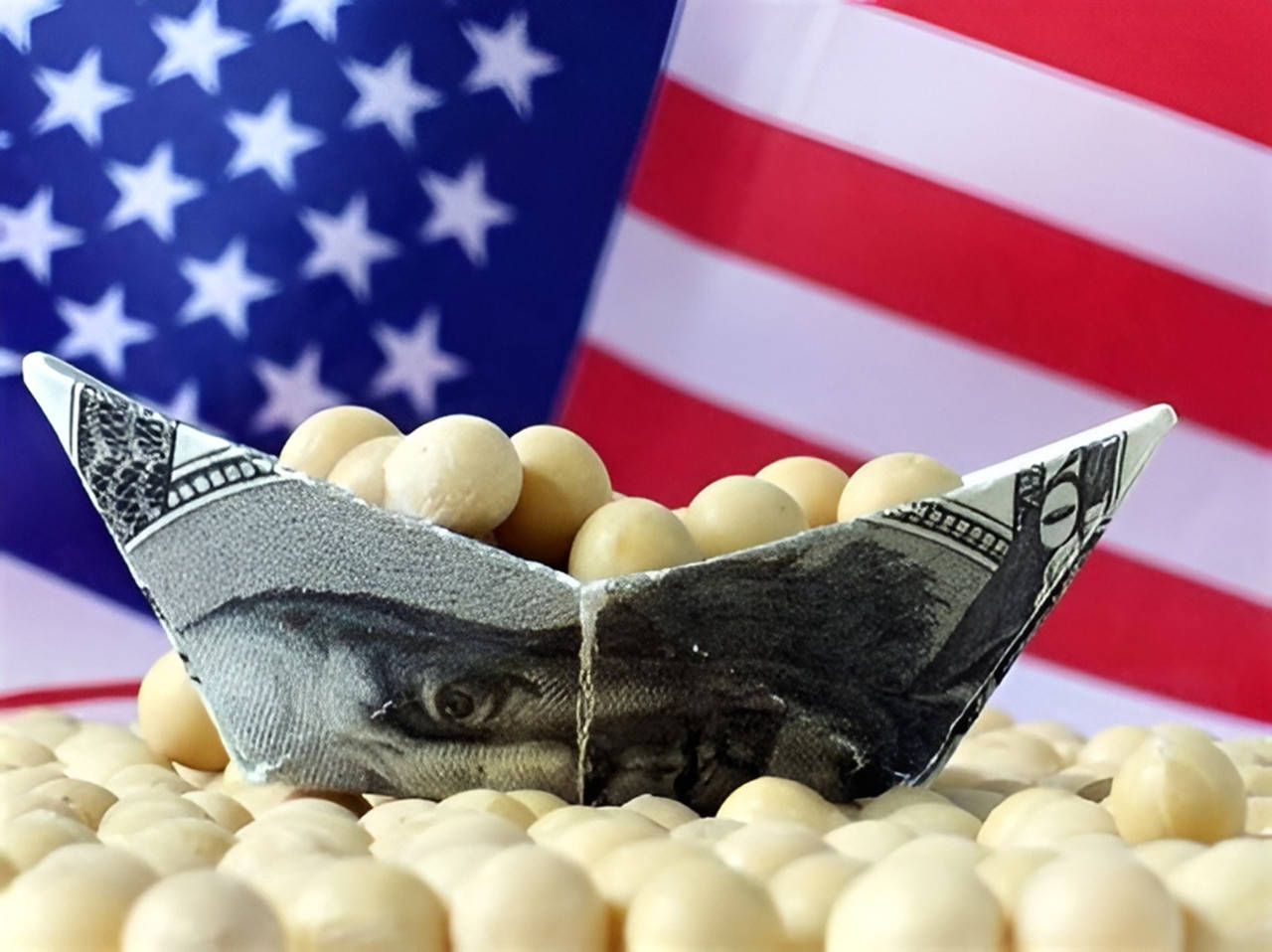
1. Report Industry Investment Rating - No relevant information provided 2. Core View of the Report - The USDA report for 2025/26 shows that the estimated US soybean yield per acre is slightly lower than last month but higher than analysts' expectations, with increased production and ending stocks, which is generally bearish. In the Canadian market, the 2025/26 rapeseed production is expected to increase, while exports are expected to decline. For domestic rapeseed meal, the short - term supply pressure is reduced due to less near - month arrivals, and the demand is seasonally increasing, but the substitution of soybean meal weakens the demand expectation. The rapeseed meal market is expected to be volatile. For domestic rapeseed oil, the overall supply and demand is loose, but the low oil mill operating rate and limited near - month purchases ease the supply pressure, and the market trend is relatively strong [2] 3. Summary by Directory 3.1 Futures Market - Futures closing prices: The closing price of the active contract of rapeseed oil is 10,053 yuan/ton, up 153 yuan; the closing price of the active contract of rapeseed meal is 2,518 yuan/ton, up 14 yuan; the closing price of the active ICE rapeseed futures is 632.8 Canadian dollars/ton, down 4.5 Canadian dollars; the closing price of the active contract of rapeseed is 5,330 yuan/ton, up 27 yuan [2] - Month - to - month spreads: The rapeseed oil month - to - month spread (1 - 5) is 467 yuan/ton, up 78 yuan; the rapeseed meal month - to - month spread (1 - 5) is 121 yuan/ton, up 10 yuan [2] - Open interest: The open interest of the main rapeseed oil contract is 333,040 lots; the open interest of the main rapeseed meal contract is 376,582 lots, down 17,074 lots [2] - Net long positions of the top 20 futures holders: The net long positions of rapeseed oil are 26,789 lots, up 8,398 lots; the net long positions of rapeseed meal are - 14,068 lots, up 15,904 lots [2] - Warehouse receipts: The number of rapeseed oil warehouse receipts is 8,202, unchanged; the number of rapeseed meal warehouse receipts is 10,214, unchanged [2] 3.2 Spot Market - Spot prices: The spot price of rapeseed oil in Jiangsu is 9,940 yuan/ton, down 100 yuan; the spot price of rapeseed meal in Nantong is 2,620 yuan/ton, up 20 yuan; the spot price of rapeseed in Yancheng, Jiangsu is 5,700 yuan/ton, unchanged; the spot price of fourth - grade soybean oil in Nanjing is 8,650 yuan/ton, up 50 yuan; the spot price of 24 - degree palm oil in Guangdong is 9,400 yuan/ton, up 80 yuan; the spot price of soybean meal in Zhangjiagang is 3,030 yuan/ton, unchanged [2] - Average price and import cost: The average price of rapeseed oil is 10,005 yuan/ton, down 100 yuan; the import cost of rapeseed is 7,899.85 yuan/ton, down 50.05 yuan [2] - Basis and price spreads: The basis of the main rapeseed oil contract is 40 yuan/ton, down 143 yuan; the basis of the main rapeseed meal contract is 102 yuan/ton, up 6 yuan; the spot price spread between rapeseed oil and soybean oil is 1,340 yuan/ton, down 100 yuan; the spot price spread between rapeseed oil and palm oil is 620 yuan/ton, down 100 yuan; the spot price spread between soybean meal and rapeseed meal is 410 yuan/ton, down 20 yuan [2] 3.3 Upstream Situation - Production and imports: The global rapeseed production forecast is 89.77 million tons, up 0.21 million tons; the annual rapeseed production forecast is 12,378 thousand tons, unchanged; the total rapeseed import volume is 17.6 tons, down 0.85 tons; the import volume of rapeseed oil and mustard oil is 15 tons, up 4 tons; the import volume of rapeseed meal is 27.03 tons, up 7.56 tons [2] - Inventory and operating rate: The total rapeseed inventory of oil mills is 10 tons, unchanged; the weekly operating rate of imported rapeseed is 12.79%, down 0.27 percentage points; the imported rapeseed crushing profit is 763 yuan/ton, down 52 yuan [2] 3.4 Industry Situation - Inventory: The coastal rapeseed oil inventory is 8.65 tons, down 1.05 tons; the coastal rapeseed meal inventory is 1.75 tons, down 0.05 tons; the rapeseed oil inventory in East China is 52.12 tons, down 1.08 tons; the rapeseed meal inventory in East China is 30 tons, down 1.51 tons; the rapeseed oil inventory in Guangxi is 4.1 tons, down 0.45 tons; the rapeseed meal inventory in South China is 20 tons, down 1.3 tons [2] -提货量: The weekly rapeseed oil提货量 is 3.03 tons, up 0.77 tons; the weekly rapeseed meal提货量 is 2.74 tons, down 0.15 tons [2] 3.5 Downstream Situation - Production: The monthly production of feed is 2,827.3 tons, down 110.4 tons; the monthly production of edible vegetable oil is 476.9 tons, up 41.8 tons [2] - Consumption: The monthly social retail sales of catering revenue is 4,504.1 billion yuan, down 203.5 billion yuan [2] 3.6 Option Market - Implied volatility: The implied volatility of at - the - money call options for rapeseed meal is 18.48%, up 0.12 percentage points; the implied volatility of at - the - money put options for rapeseed meal is 18.48%, up 0.12 percentage points; the implied volatility of at - the - money call options for rapeseed oil is 12.49%, down 0.3 percentage points; the implied volatility of at - the - money put options for rapeseed oil is 12.49%, down 0.3 percentage points [2] - Historical volatility: The 20 - day historical volatility of rapeseed meal is 15.96%, up 0.01 percentage points; the 60 - day historical volatility of rapeseed meal is 22.2%, up 0.01 percentage points; the 20 - day historical volatility of rapeseed oil is 7.91%, up 0.42 percentage points; the 60 - day historical volatility of rapeseed oil is 12.74%, down 0.48 percentage points [2] 3.7 Industry News - The Canadian rapeseed futures market on the Intercontinental Exchange (ICE) closed lower on Monday. The benchmark contract fell 1.16% due to the rapid progress of rapeseed harvesting in the prairie region and weak rapeseed exports. The decline in the external vegetable oil market also exerted downward pressure [2] - The USDA report shows that the estimated US soybean yield per acre in 2025/26 is 53.5 bushels, with increased production and ending stocks. The report is generally bearish [2] - The USDA report also shows that the Canadian rapeseed production in 2025/26 is expected to increase by 750,000 tons to 20 million tons, exports are expected to decrease by 900,000 tons to 6.7 million tons, domestic consumption is expected to increase by 500,000 tons to 12 million tons, and ending stocks are expected to increase by 1.34 million tons to 2.954 million tons [2] 3.8 Rapeseed Meal View Summary - Bullish factors: Near - month rapeseed arrivals are scarce, reducing supply pressure. The aquaculture season boosts the seasonal demand for rapeseed meal. The implementation of temporary anti - dumping measures on Canadian rapeseed weakens the long - term supply [2] - Bearish factors: The good substitution advantage of soybean meal weakens the demand expectation for rapeseed meal. The Canadian Minister of Agriculture is considering measures to avoid Chinese tariffs on Canadian rapeseed, and the bumper harvest of Canadian rapeseed is being realized [2] - Market trend: The rapeseed meal market is expected to be volatile in the short term, and short - term trading is recommended [2] 3.9 Rapeseed Oil View Summary - Bullish factors: The low operating rate of oil mills eases the production pressure of rapeseed oil. Near - month rapeseed purchases are limited, reducing supply pressure. The Ministry of Commerce has extended the anti - dumping investigation on Canadian rapeseed, restricting purchases [2] - Bearish factors: The boost from the start of the school term to terminal consumption is limited, and the domestic vegetable oil supply and demand is still loose [2] - Market trend: The rapeseed oil market has a relatively strong trend, and attention should be paid to China - Canada and China - US trade policies [2]

美国9月密歇根大学消费者信心指数初值下降
Xin Hua She· 2025-09-12 22:42
Core Insights - The preliminary consumer confidence index for September in the U.S. is reported at 55.4, reflecting a 4.8% decrease from August and a 21% year-over-year decline [1] Economic Conditions - The current economic conditions index stands at 61.2, showing a 0.8% decrease month-over-month and a 3.3% decrease year-over-year [1] - The consumer expectations index is at 51.8, which is a 7.3% decrease from the previous month and a 30.4% decline compared to the same period last year [1] Consumer Sentiment - U.S. consumers are increasingly concerned about multiple vulnerabilities in the economy, including the business environment, labor market, and inflation risks [1] - There is a notable awareness among consumers regarding personal financial risks, with both current and expected personal financial conditions declining by approximately 8% in September [1] Trade Policy Impact - Trade policy remains a critical issue for U.S. consumers, with about 60% mentioning tariff issues during interviews, showing little change from the previous month [1] Inflation Expectations - Consumers' inflation expectations for the next year remain stable at 4.8%, unchanged from August [1] - Long-term inflation expectations have risen for the second consecutive month to 3.9% [1]
US consumer sentiment slips again in September, University of Michigan survey says
Yahoo Finance· 2025-09-12 14:13
Core Insights - U.S. consumer sentiment declined for the second consecutive month in September, with the Consumer Sentiment Index dropping to 55.4 from 58.2 in August, marking the lowest level since May [1] - Economists had anticipated a reading of 58.0, indicating a more pessimistic outlook than expected [1] Economic Vulnerabilities - Consumers are increasingly aware of vulnerabilities in the economy, particularly regarding business conditions, labor markets, and inflation [2] - Current and expected personal finances have decreased by approximately 8% this month, reflecting concerns about economic stability [3] Inflation Expectations - The survey indicated that consumer expectations for inflation over the next year remained steady at 4.8%, while expectations for inflation over the next five years increased from 3.5% to 3.9% [3] - Trade policy, especially tariffs, continues to be a significant concern for consumers, with around 60% mentioning tariffs during interviews [3] Overall Economic Sentiment - Households have expressed a generally negative outlook on the economy for 2025, primarily due to fears that aggressive tariff measures by the government will lead to higher goods prices and reduced purchasing power [4]
美国8月PPI意外下降 强化美联储降息的理由
Sou Hu Cai Jing· 2025-09-10 12:59
Core Insights - The Producer Price Index (PPI) in the U.S. unexpectedly declined in August, marking the first drop in four months, which strengthens the case for the Federal Reserve to consider interest rate cuts [1] - The PPI decreased by 0.1% month-over-month, while the year-over-year increase stands at 2.6% [1] - Despite rising costs due to tariffs, businesses refrained from significant price hikes, indicating concerns over consumer behavior amid economic uncertainty [1] Price Trends - Excluding food and energy, the prices of goods rose by 0.3% [1] - Service costs experienced a decline of 0.2% [1] Profit Margins - In the service sector, profit margins for wholesalers and retailers fell by 1.7%, the largest drop in over a year [1] - Profit margins have shown significant volatility throughout the year, highlighting the uncertainty of trade policies on pricing and demand [1]
扛不住了!中方订单清零后,加拿大致双重打击,加总理喊话中国
Sou Hu Cai Jing· 2025-09-07 22:56
Core Insights - The Canadian canola industry, once a source of pride with exports reaching CAD 26 billion, is facing a severe crisis due to trade policy decisions, leading to a dramatic drop in exports to China, nearly to zero [2][3] Trade Policy Impact - The crisis began in 2024 when the Canadian government imposed high tariffs on Chinese electric vehicles and steel, prompting China to retaliate with a 100% punitive tariff on Canadian canola oil and meal in March 2025 [3] - By August 2025, China escalated the trade dispute by implementing anti-dumping measures, effectively closing the market for Canadian canola [3] Market Reaction - Chinese buyers, who previously accounted for over 90% of Canadian canola exports, abruptly exited the market, causing exports to plummet from 1.2 million tons to 360,000 tons, a 70% decrease [4] Industry Consequences - Farmers in Saskatchewan are facing unsold crops and potential spoilage, with processing plants in Alberta halting operations, threatening over 5,000 jobs [6] - The cumulative loss for the canola industry since March 2025 has reached approximately RMB 800 million, with a recent two-week loss of about RMB 140 million [6] Order Diversification and New Opportunities - Despite the crisis, China has not faced a supply shortage; instead, domestic companies like COFCO and Yihai Kerry have diversified their procurement, significantly increasing imports from non-Canadian sources [9] - By mid-August 2025, China signed a deal with Australia for 50,000 tons of canola, with imports from non-Canadian sources rising to 43%, a fivefold increase year-on-year [9] Domestic Pressure and Government Response - The Canadian government is under immense pressure, with Prime Minister Carney announcing a diplomatic mission to China to seek solutions [10] - The cumulative loss in the canola industry has reached CAD 2.3 billion, with job losses totaling 12,000 [10] Market Dynamics and Lessons Learned - Analysts emphasize that without the Chinese market, the crisis for the Canadian canola industry will be difficult to resolve, as demand from other markets is insufficient [14] - The canola futures prices have been in a prolonged decline, marking the longest drop since the 2008 financial crisis, driven by sudden trade policy changes rather than supply-demand shifts [14] China's Strategic Response - In contrast to Canada's turmoil, China has responded calmly and strategically, adhering to WTO rules in its trade measures against Canada [16] - China's market behavior has demonstrated its ability to adjust supply chains and seek alternatives, highlighting the importance of market flexibility and the reality that no supplier can dominate indefinitely [16]
美政府要求最高法院速审“加征关税案”,特朗普:若败诉可能“解除”与欧日韩等贸易协议
Huan Qiu Shi Bao· 2025-09-04 22:58
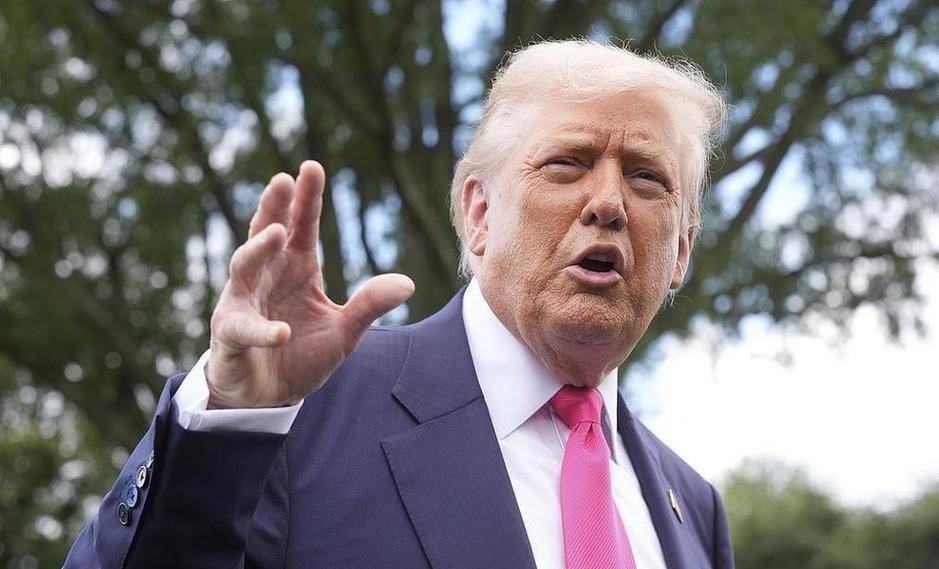
Core Viewpoint - The U.S. government has appealed a ruling that overturned former President Trump's global tariffs, claiming that the lower court's decision negatively impacts ongoing trade negotiations [1][2] Group 1: Legal Proceedings - The U.S. Department of Justice filed a document urging the Supreme Court to expedite the case, with a decision on whether to accept the case expected by September 10 [1] - The appeal follows a ruling by the U.S. Court of Appeals that upheld a lower court's decision, stating that Trump's invocation of an emergency statute did not authorize most tariffs [2] Group 2: Economic Implications - Treasury Secretary Mnuchin stated that the appellate court's ruling undermines the government's "important negotiating leverage," leading world leaders to question Trump's authority to impose tariffs [1] - If the final ruling is delayed until June 2026, it could result in the collection of $750 billion to $1 trillion in tariffs, with potential significant disruptions if these tariffs are rescinded [1]
指数收盘涨0.46%报3875.53点
Yong An Qi Huo· 2025-09-02 05:05
Group 1: Market Performance - A-shares opened higher and closed higher, with the Shanghai Composite Index rising 0.46% to 3875.53 points, the Shenzhen Component Index rising 1.05%, and the ChiNext Index rising 2.29%. Precious metals and downstream jewelry all rose, and the healthcare industry led the market, while insurance led the decline [1]. - Hong Kong stocks rebounded weakly, with the Hang Seng Index rising 2.15% to 25617.42 points, the Hang Seng Tech Index rising 2.2%, and the Hang Seng China Enterprises Index rising 1.95%. Precious metals, energy, and healthcare industries pulled up, and Alibaba led the gains in the Hang Seng Index. The market turnover was HK$38.0231 billion [1]. - European stock markets closed slightly higher. U.S. stocks were closed on September 1 due to the Labor Day holiday [1]. Group 2: Macroeconomic Events - Trump said India's offer to reduce tariffs to zero was too late. Brazil's President Lula is convening a video conference of BRICS leaders to discuss Trump's trade policies [8][12]. - The Shanghai Cooperation Organization agreed to establish a development bank at its summit in Tianjin, and President Xi Jinping promised to increase investment and loans to partners [8][12]. - U.S. Treasury Secretary Bessent said the Trump administration may declare a national housing emergency in the fall and may consider tariff exemptions for specific building materials [8][12]. Group 3: Company News IPO and Listing - Dahon manufacturer DAHON TECHNOLOGY (2543) is offering 7.92 million shares for global sale, with a maximum fundraising of HK$392 million. It has introduced cornerstone investors subscribing for HK$99.6831 million, and is expected to list on September 9, 2025 [10]. - Easy Health Group submitted a listing application, aiming to list on the Main Board of the Hong Kong Stock Exchange. Its net profit in the first half of the year increased 4.38 times year-on-year [10]. - Hesai Technology passed the Hong Kong Stock Exchange's listing hearing and is rumored to raise over HK$2.3 billion [10]. - China Yipin Dairy is considering an IPO in Hong Kong, raising about US$100 million [10]. Company Operations and Developments - Kuaishou - W repurchased 1.137 million shares for HK$83.716 million [14]. - Geely Auto's total sales in August increased by about 38% year-on-year, and the total sales in the first eight months increased by 47% [14]. - NIO - SW delivered 31,305 vehicles in August, a year-on-year increase of 55.2% [14]. - Liaoning Port Co., Ltd. completed a share repurchase of RMB545 million for 334 million shares, and its controlling shareholder Dalian Port increased its stake by RMB230 million [14]. - New Town Development issued new shares to an Australian company, raising a net of HK$49.4 million for the development of tokenization technology [14]. - Sihuan Pharmaceutical partnered with Shenyuan Pharmaceutical to establish an AI R & D company [14]. - Stone Pharmaceutical Group's gout treatment drug passed the consistency evaluation of the National Medical Products Administration [14]. Group 4: Industry Data PMI Data - China's manufacturing PMI in August was 49.4, the non - manufacturing PMI was 50.3, and RatingDog's China manufacturing PMI was 50.5 [17]. - The U.S. manufacturing PMI in August was 53.3 (final value), and the service PMI was 55.4 (final value) [17]. Other Economic Data - The U.S. personal income and expenditure in July increased by 0.4% and 0.5% month - on - month respectively [17]. - The U.S. PCE price index in July was 2.6% year - on - year, and the core PCE price index was 2.9% year - on - year [17]. Group 5: Stock Quotes Hong Kong Stocks - Stocks such as Alibaba - SW, CStone Pharmaceuticals, and WuXi Biologics had different price changes and related indicators [18][20][23]. - Some small - and medium - cap stocks had significant price increases, such as International Commercial Settlement with a 97.25% increase [24]. U.S. Stocks - Stocks like UnitedHealth, PepsiCo, and Johnson & Johnson had different price changes and related indicators [28]. A - shares - Stocks such as Source Photonics, Wuxi AppTec, and Industrial Fubon had different price changes and trading volumes [30][31][33].