
双碳目标

Search documents
世界首台,研制成功!
Zhong Guo Dian Li Bao· 2025-12-17 10:42
世界首台8吉瓦超大容量特高压柔性直流换流阀研制成功 12月16日,中国电气装备所属许继电气成功研制世界首套±800千伏/8吉瓦柔性直流输电换流阀,并顺利通过800千伏高端换流阀型式试验,创下全球柔性 直流输电领域换流阀设备容量最高纪录,巩固了我国在特高压柔性直流输电技术领域行业领先地位。 该产品由许继电气完全自主设计,在世界上首次采用基于4.5千伏/5千安级大功率IGBT器件,将应用于国家西电东送重点工程——甘肃至浙江±800千伏特 高压柔性直流输电工程(甘浙工程)。 甘浙工程是世界首个采用自主研发的8吉瓦全容量特高压柔性直流输电技术的项目,也是国家"十四五"电力发展规划重点项目,可将甘肃优质煤炭和风光 新能源转换为电力送出,发挥中西部地区绿色能源优势,满足地方经济的发展需要。工程将在系统构建、先进控制等多方面创造多项世界第一,有力保障 甘肃大规模新能源消纳送出和浙江复杂大电网安全稳定运行,为"沙戈荒"大基地等高比例新能源外送工程发挥示范作用。工程投运后,每年可为浙江输送 清洁电力超360亿千瓦时,有力推动能源结构优化与"双碳"目标实现,对构建新型能源体系、保障国家能源安全具有深远意义。 在甘浙工程换流阀设备 ...



冲刺 “固态电池第一股”!“独角兽”卫蓝新能源拟登陆创业板
Zhong Guo Jing Ying Bao· 2025-12-17 10:06
Core Viewpoint - Beijing Weilan New Energy Technology Co., Ltd. is preparing to go public on the ChiNext board, potentially becoming the first company to offer solid-state batteries in the market [1] Group 1: Company Overview - Weilan New Energy was founded in 2016 and is a spin-off from the Chinese Academy of Sciences, focusing on solid-state lithium-ion batteries [1] - The company has completed nine rounds of financing since 2017, raising over 2.5 billion yuan, with investments from major players like Xiaomi and Huawei [1] - The company's valuation has increased from 5 billion yuan in 2021 to 18.5 billion yuan [1] Group 2: Technology and Products - Weilan New Energy specializes in solid-state batteries, which are expected to significantly enhance energy density, with future projections reaching 1000 Wh/kg [6] - The company has launched several products, including a 360 Wh/kg high-energy density power cell and a 280 Ah ultra-safe energy storage cell, which have already begun mass production [3][6] - The new generation of solid-state battery packs, developed in collaboration with BASF, aims to address safety concerns and improve range for electric vehicles [7] Group 3: Financing and Strategic Partnerships - The company has attracted 48 major institutional and industrial investors, creating a unique ecosystem of "research + industry + state-owned capital" [4] - Recent financing rounds have included significant investments from state-owned funds, which will support capacity expansion and technological upgrades [5] - The D+ round of financing was completed in September 2025, further solidifying investor confidence in the solid-state battery sector [5] Group 4: Industry Outlook - The solid-state battery technology is anticipated to begin mass production by 2027, with a gradual market penetration expected over the next five to ten years [8]

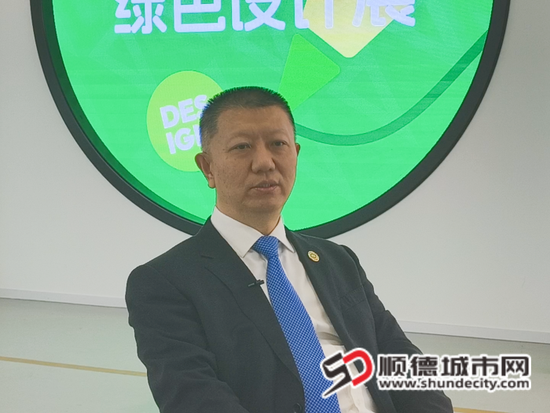
执绿笔、绘蓝图!顺德逐梦“世界绿色设计之都”
Xin Lang Cai Jing· 2025-12-17 09:05
Core Viewpoint - Shunde is positioning itself as a "World Green Design Capital" by leveraging green design as a core engine for high-quality economic development, responding to global sustainable development challenges [1][10]. Group 1: Importance of Green Design - Green design has become a global consensus and is supported by strong policy frameworks, with over twenty countries incorporating it into their policy systems [3][12]. - The application for "World Green Design Capital" has significant implications for Shunde on three levels: enhancing brand influence, driving comprehensive upgrades in manufacturing and consumption, and promoting social green transformation through government-led initiatives [3][12][4]. Group 2: Historical and Practical Foundations - Shunde's application is rooted in historical wisdom and current practices, with a legacy of sustainable agricultural models and a strong industrial design foundation [4][13]. - The region has established a robust ecosystem for green design, with over 8,000 designers and advanced manufacturing facilities, fostering innovation and collaboration [4][14]. Group 3: Collaborative Efforts for Green Design - A systems approach is essential for the successful establishment of the "World Green Design Capital," requiring collaboration among government, society, and enterprises [6][14]. - Government policies should incentivize the adoption of green design methods, while social resources should be integrated to support innovation in materials and technologies [14][15]. Group 4: Practical Implementation by Enterprises - Companies are encouraged to explore practical pathways for green design, transforming concepts into reality, such as recycling resources and adhering to stringent environmental standards [15][17]. - The focus on green design is expected to enhance Shunde's global competitiveness and contribute to sustainable development, positioning it as a model for international cooperation [9][17].
承德银行:以绿色金融为笔 绘就魅力承德新画卷
Jin Rong Jie· 2025-12-17 08:07
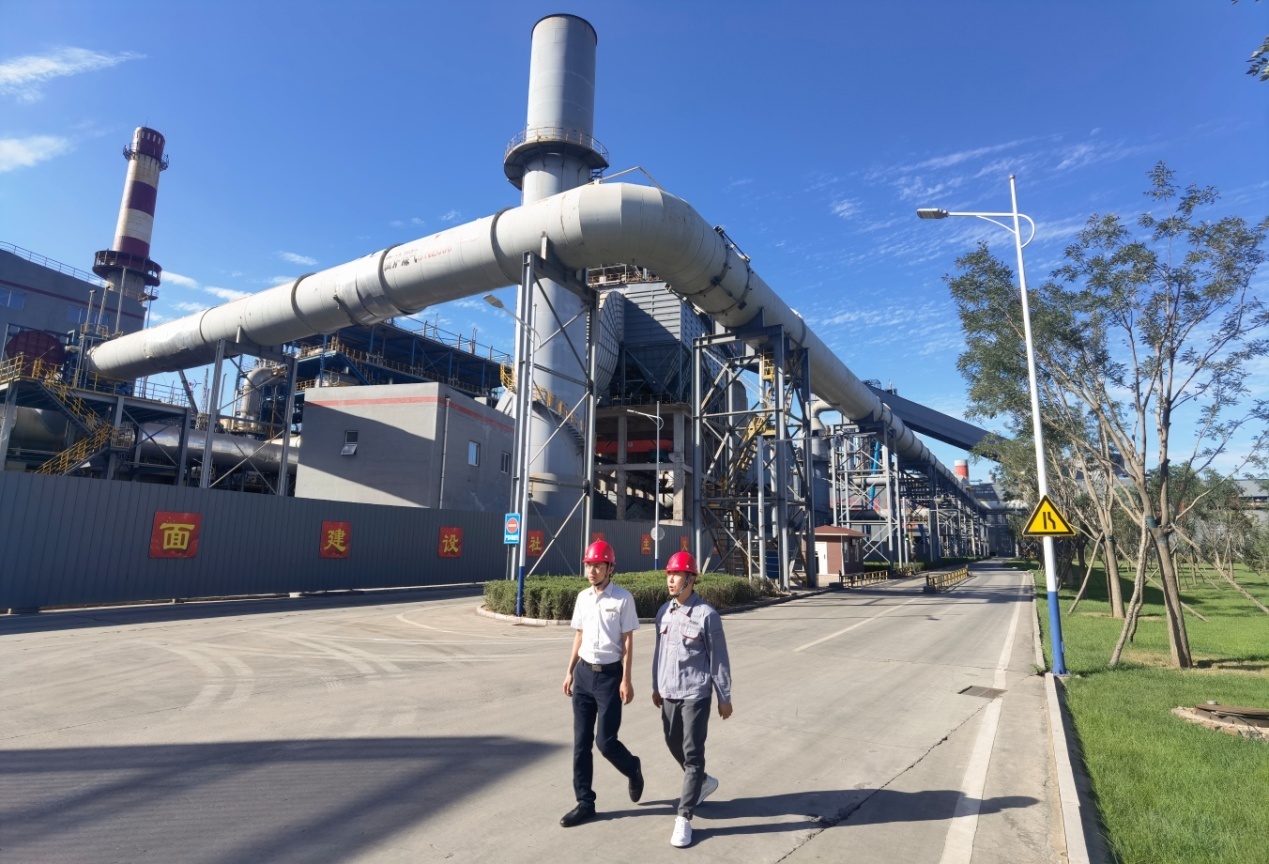
Core Viewpoint - Chengde Bank integrates green finance into ecological civilization construction, aiming to transform ecological advantages into economic value while supporting the "Two Mountains" theory and "dual carbon" goals [1][2]. Group 1: Green Finance Strategy - Chengde Bank recognizes its role as both an economic developer and an ecological guardian, committing to green finance as a core strategy to fulfill national objectives and social responsibilities [2][3]. - The bank has established a comprehensive green finance service system that includes strategic design, policy implementation, and product innovation [2]. Group 2: Green Loan Initiatives - The bank has increased its green loan offerings, focusing on sectors such as clean energy, environmental protection, and green transportation, with a green loan balance reaching 7.956 billion yuan, a 76.25% increase from the beginning of the year [3]. - Specific loan products include "Photovoltaic (Wind Power) Project Loans" and "Green Factory Loans," tailored to support the development of renewable energy and traditional industry transformation [3][6]. Group 3: Financial Mechanisms and Innovations - Chengde Bank has implemented a "four priority" policy for green loan projects, enhancing the efficiency of loan approvals and offering differentiated credit policies to incentivize green investments [6]. - The bank has developed customized financial products that incorporate ecological indicators into loan assessments, allowing for the monetization of ecological value [6][8]. Group 4: Impact and Outcomes - The bank has provided credit of 1.41 billion yuan for significant wind power projects, which are expected to reduce carbon emissions by 592,200 tons annually, equivalent to adding 2.28 million acres of forest [8]. - Chengde Bank's initiatives have not only met corporate funding needs but also facilitated the conversion of ecological value into economic benefits, enhancing ecological, economic, and social outcomes [8][11]. Group 5: Future Plans - Looking ahead, Chengde Bank aims to expand its green finance initiatives, targeting an increase in the proportion of green loans to over 8% within three years and exploring new products like forestry carbon credit loans [10]. - The bank plans to strengthen collaboration with government and regulatory bodies to create a unified platform for green finance services, promoting sustainable development [10].
谭天伟院士揭秘生物制造:30万亿美元未来产业的三大挑战和趋势
合成生物学与绿色生物制造· 2025-12-17 07:49
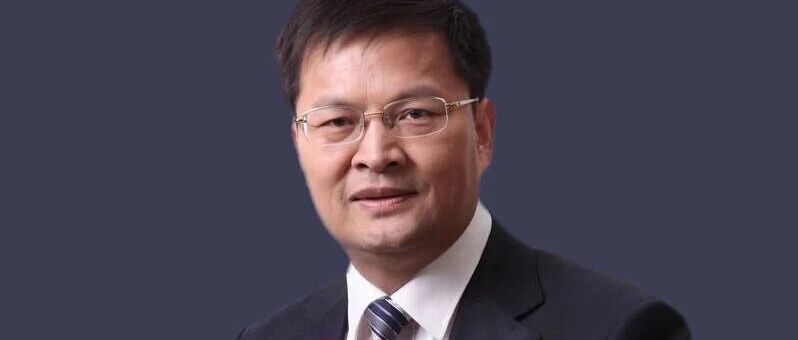
Core Viewpoint - The article emphasizes that China is poised to play a significant role in the future of biomanufacturing, which is expected to create an economic value exceeding $30 trillion by 2050, marking it as a core driver of the next industrial revolution [2][7]. Summary by Sections What is Biomanufacturing? - Biomanufacturing transforms living organisms, such as microorganisms and cells, into "smart factories" that produce various substances needed by humans. This process marks a fundamental shift from traditional manufacturing, which relies on fossil resources, to using renewable resources like sugar, straw, and carbon dioxide [2][3]. Importance of Biomanufacturing - Biomanufacturing is crucial for achieving carbon neutrality as it significantly reduces carbon emissions by utilizing renewable resources instead of fossil fuels. It allows for a broader range of raw materials and a greener manufacturing process, making factories resemble ecosystems [3]. - The potential for programmable manufacturing is immense, as scientists can design microorganisms to produce specific molecules, akin to writing code, thus unlocking vast possibilities [3]. Impact on Daily Life - In the food sector, cell-cultured meat and new food ingredients like microbial proteins are becoming mainstream. - The fashion industry is seeing innovations such as bio-silk from bacteria and biodegradable textiles from algae and fungi. - In construction, "bio-bricks" made from fungal mycelium can self-repair and absorb carbon dioxide, potentially transforming buildings into "green life forms." - Transportation is advancing with the production of aviation fuel from carbon dioxide, and biomanufacturing is also contributing to greener lubricants and tire rubbers. - In healthcare, biomanufacturing can streamline drug synthesis, enabling personalized medicine and potentially allowing hospitals to "print" drugs and organs [4]. Challenges and Future Trends - Biomanufacturing faces challenges such as the need for improved foundational capabilities in gene editing and enzyme engineering, difficulties in scaling from lab to industrial production, and the lack of a comprehensive policy and standards framework [5]. - Future trends include the integration of artificial intelligence in biomanufacturing, enabling rapid strain improvement, carbon cycling in manufacturing processes, and cross-industry collaborations that will create new industrial ecosystems [6]. Opportunities for China - China has advantages in fermentation capacity, industrial scale, and engineering experience. The government is actively promoting biomanufacturing as a new growth engine, positioning the country to take a leading role in this transformative industry [7].
碳普惠2025年度调查报告-中国国际低碳学院
Sou Hu Cai Jing· 2025-12-17 06:52
Core Insights - The report focuses on the development status, characteristics, and challenges of the carbon-inclusive mechanism in the Yellow River Basin of Shandong Province and nationwide pilot areas, providing empirical references for promoting low-carbon actions and achieving "dual carbon" goals [1][14][19] Policy Development - The carbon-inclusive mechanism has become a national strategy, with 28 provinces implementing special policies or plans, achieving a coverage rate of 82.5% [1][54] - The mechanism serves as a key link between consumption-side emissions reduction and production-side carbon markets, quantifying public low-carbon behaviors into carbon credits [1][54] Current Status and Challenges - The development shows diverse innovative characteristics but faces structural contradictions, such as uneven regional development and fragmented accounting standards [2][19] - Public awareness of the carbon-inclusive mechanism has increased, but actual participation rates remain low, with only 17.9% of the public registered on relevant platforms despite an 81.5% recognition rate [2][3] Public Participation - Public participation is characterized by increased awareness but insufficient conversion into action, with significant barriers such as complex operations and low trust in platform data [3][19] - Future strategies should focus on enhancing public engagement, improving policy frameworks, and deepening market integration to unlock the potential for consumption-side emissions reduction [3][19] Research Methodology - The report is based on a comprehensive survey conducted from 2022 to 2025, utilizing a mixed-method approach of questionnaires, field visits, and interviews to assess public awareness and participation in the carbon-inclusive mechanism [16][18][26] Recommendations - To overcome development bottlenecks, it is essential to enhance public participation through targeted communication strategies, establish a unified national accounting standard, and promote the integration of carbon-inclusive mechanisms with carbon markets [3][19]

自然资源保护协会:2025年分布式储能发展商业模式研究报告
Sou Hu Cai Jing· 2025-12-17 04:07
Core Insights - The report by the Natural Resources Defense Council highlights the rapid development of distributed energy storage in China, driven by the dual carbon goals, with installed capacity increasing from 570 MW in 2019 to 3,638 MW by Q3 2025, primarily using lithium-ion batteries [10][11]. Group 1: Domestic Development of Distributed Energy Storage - From 2019 to Q3 2025, China's cumulative installed capacity of distributed energy storage grew from 570 MW to 3,638 MW, with lithium-ion batteries accounting for 92.77% of the technology used [10][21]. - The primary application scenario for distributed energy storage is commercial and industrial energy storage, which constitutes 68.70% of the total, followed by grid-side storage at 8.30% and renewable energy storage at 7.09% [24][28]. - Economic development in provinces like Jiangsu, Guangdong, and Zhejiang has led to higher installed capacities due to significant price differences between peak and off-peak electricity [25][28]. Group 2: International Comparison of Business Models - In contrast to China, countries like the USA, Germany, and Australia have successfully promoted household energy storage through strong fiscal incentives, high residential electricity prices, and participation in virtual power plants [10][11]. - The USA offers investment tax credits and local subsidies, while Germany exempts energy storage from VAT and provides subsidies for solar storage systems, significantly lowering initial investment costs [29][35]. - Australia has introduced tax deductions for household battery systems, which can reduce investment costs by 25-35%, enhancing the economic viability of energy storage [40]. Group 3: Business Model Analysis - The report identifies six core business models for distributed energy storage in China, including commercial and industrial energy storage, distributed photovoltaic storage, green electricity direct connection, and virtual power plants [11][14]. - The commercial and industrial energy storage model primarily relies on contract energy management, with revenue generated from arbitrage of peak and off-peak electricity prices [2][48]. - The report suggests phased recommendations for scaling up distributed energy storage, emphasizing the need for improved demand response mechanisms and safety standards in the short term, and deeper electricity market reforms in the long term [11][14].

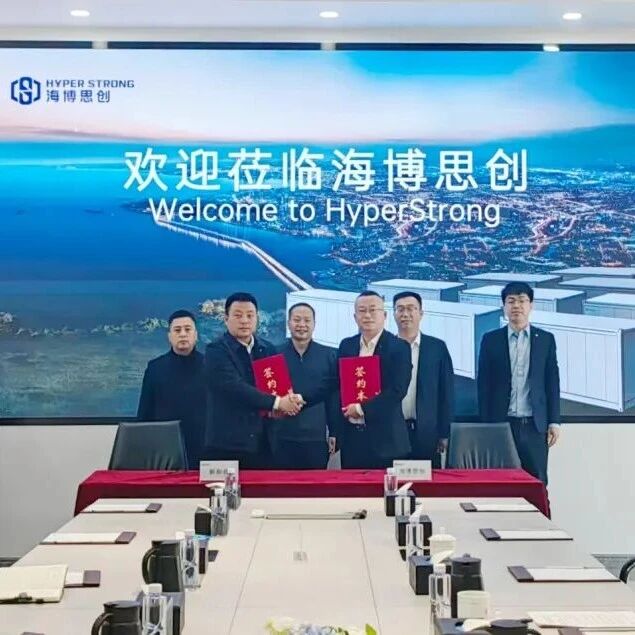
海博思创签订2GWh构网型储能合同!
中关村储能产业技术联盟· 2025-12-17 03:36
Core Viewpoint - The article highlights a significant business development for Beijing Haibo Sichuang Technology Co., Ltd., which has signed a contract for a 15 billion yuan investment in a 500,000 kW/2 GWh independent energy storage project in Xinjiang [2][5]. Group 1: Business Development - The contract for the energy storage project was signed on December 13, with a total investment of 15 billion yuan [2]. - The project aims to establish a 500,000 kW/2 GWh grid-connected independent energy storage system [2]. Group 2: Company and Regional Commitment - Haibo Sichuang's Vice President, Zhang Meng, expressed satisfaction with Xinjiang's advantageous location and efficient business environment, indicating a commitment to expedite preliminary work for the project [4]. - The county secretary, Li Junjie, assured ongoing optimization of the business environment and comprehensive service support to ensure high-quality development for the company [5]. Group 3: Industry Context - Xinjiang's energy storage capacity has surpassed 13 GWh, with a cumulative total of 45.41 GWh, indicating significant growth in the region's energy storage capabilities [8]. - The company is also set to provide "turnkey" services for a 1.6 GWh energy storage project in Germany, showcasing its expanding international presence [8].
氢能2026年度策略:非电降碳关键载体,蓄势已成、拐点将至
2025-12-17 02:27
Summary of Key Points from Conference Call Industry Overview - The conference call focuses on the hydrogen energy sector, particularly the development of green hydrogen, methanol, and ammonia as key carriers for decarbonization in non-electric fields, driven by China's dual carbon goals [1][3][4]. Core Insights and Arguments - **Policy Support**: There is increasing policy support for green hydrogen and methanol, including subsidies for green methanol projects and direct connections to green electricity to reduce costs [1][4]. - **Demand for Green Methanol**: The demand for green methanol as a shipping fuel is strong, with existing orders for methanol-powered vessels reaching 7 million tons. If the long-term penetration rate reaches 10%, demand could exceed 40 million tons [1][6]. - **Investment Opportunities**: Short-term investment should focus on early market entrants and compliant green methanol producers, while long-term investments should consider scale effects and cost reductions as the industry matures [1][7]. - **Inner Mongolia's Leadership**: Inner Mongolia is a leader in green hydrogen projects, with specific policies encouraging the use of renewable energy and improving efficiency [1][8]. - **European Support**: Europe is supporting green methanol through carbon border adjustment taxes and maritime carbon taxes, ensuring significant short-term demand despite delays in IMO voting [1][8]. Additional Important Content - **Hydrogen Production Equipment**: The market for hydrogen production equipment is expanding, with 9 million tons of green hydrogen projects approved in China, corresponding to a demand for 20-25 GW of electrolyzers [2][13]. - **Investment Logic**: Short-term investments should focus on policy implementation and market entry, while long-term investments should consider industry maturity and broader applications [7][10]. - **Key Companies**: Recommended companies for investment in green methanol include Jin Feng Technology, China Tianying, and others, with specific projects and profit expectations outlined [9][12][22]. - **Future Development Path**: The future of green methanol will focus on electrochemical production, with significant cost reductions expected through direct connections to renewable energy [11][21]. Conclusion - The hydrogen energy sector is poised for significant growth, driven by strong policy support, increasing demand for green methanol, and advancements in hydrogen production technology. Key investment opportunities exist in both production and supporting technologies, with a focus on companies that can effectively navigate the evolving landscape.
全面绿色转型提速 铺就高质量发展底色
Yang Shi Xin Wen Ke Hu Duan· 2025-12-17 00:35
Core Viewpoint - Green development is a prominent feature of Chinese modernization, emphasizing the importance of ecological protection and a comprehensive green transformation of economic and social development [1] Group 1: Green Energy and Technology - In the first ten months of this year, China's wind power equipment exports exceeded 10 billion, marking a year-on-year growth of 44.9% [2] - By September, the Yangtze River had seen the commissioning of 156 new energy vessels, doubling the previous year's figures, with nearly 70% of global green ship orders coming from China [2] - Renewable energy installed capacity reached 2.22 billion kilowatts, accounting for nearly 60% of the national total, with over one-third of electricity consumption coming from green energy [3] Group 2: Green Industry and Trade - The scale of the green low-carbon industry is projected to reach approximately 11 trillion yuan, with 6,430 green factories and 491 green industrial parks established nationwide [4] - Exports of green products such as new energy vehicles and lithium batteries have seen double-digit growth, making green trade a crucial pillar of China's foreign trade [4] Group 3: Policy and Institutional Framework - The "14th Five-Year Plan" emphasizes accelerating the comprehensive green transformation of economic and social development, with specific policies supporting energy conservation and carbon reduction in key industries [5] - A comprehensive carbon management system is being established, including local carbon assessments and industry-specific carbon controls [5] Group 4: Global Leadership and Cooperation - China is actively leading global climate governance and sharing green development achievements, having signed 55 climate cooperation memorandums with 43 developing countries [4] - The country is committed to enhancing its role in global climate initiatives, marking the tenth anniversary of the Paris Agreement [4]