合作共赢

Search documents
荷兰明抢目的曝光,欧盟计划出台新规:中企想来投资?先把技术拿来再说
Sou Hu Cai Jing· 2025-10-16 01:40
Group 1 - The EU plans to impose new requirements on Chinese companies investing in its market, including the use of more EU goods and labor, as well as technology transfer, which contrasts with the principles of free trade [1][3] - Over 70% of global power battery production capacity is controlled by Chinese companies, while European manufacturers are facing bankruptcy, highlighting the competitive challenges Europe is experiencing [3] - The EU's decision reflects a shift towards administrative measures to compel foreign companies to transfer technology, which may lead to short-term satisfaction but could undermine long-term market stability and trust [3][5] Group 2 - The EU's actions may be perceived as an "unstable factor" by international investors, potentially deterring foreign investment due to concerns over arbitrary regulatory changes [5] - The recent takeover of a semiconductor company in the Netherlands under the guise of "national security" illustrates a troubling trend where security concerns are used to justify aggressive market interventions [5] - While the EU's measures may temporarily benefit local companies, such protectionism could ultimately hinder innovation and market vitality in Europe [5][7] Group 3 - A closed market that restricts foreign investment could lead to a decline in competitiveness for local companies, as they miss out on international technological advancements [7] - The EU's approach risks repeating the mistakes of the past, as seen in the U.S. trade policies that led to unexpected economic disruptions [7] - Emphasizing open cooperation and technology sharing is essential for sustainable development, and failure to recognize this could result in Europe losing important trade partners and becoming marginalized in the global economy [7]


公平航道不容霸权阻拦
Jing Ji Ri Bao· 2025-10-14 22:16
Core Viewpoint - China is committed to building and maintaining an open, fair, just, and non-discriminatory international shipping market order, emphasizing that unilateralism will ultimately lead to a dead end, while cooperation and win-win outcomes are the way forward [1][3]. Group 1: China's Response to U.S. Actions - Starting from October 14, China will impose special port service fees on U.S.-related vessels as a legitimate measure to protect the rights of Chinese shipping companies and counter U.S. unilateralism [1]. - The U.S. Trade Representative's office announced final measures from a 301 investigation into China's maritime, logistics, and shipbuilding sectors, which includes additional port service fees for Chinese-owned or operated vessels [1][2]. - China's countermeasures are framed as lawful and reasonable self-defense, not provocation, as the U.S. has shown a negative attitude towards cooperation and insisted on inappropriate measures [2][3]. Group 2: Importance of Fairness in International Shipping - Shipping is described as the "artery" of the global economy, responsible for approximately 80% of international goods trade transport, and is crucial for the stability of global supply chains [3]. - The shipping relationship between China and the U.S. is significant, and any disruption could lead to a chain reaction affecting the global shipping system and normal international trade order [3]. - China advocates for resolving differences through equal dialogue and constructive consultation, opposing pressure tactics, and emphasizes the need for the U.S. to correct its erroneous practices to maintain healthy development in international shipping and shipbuilding [3].
红蓝对决:华为能够基业长青的关键,任正非解决困难的顶级心法!
Sou Hu Cai Jing· 2025-10-11 06:46
Core Insights - Huawei's journey is characterized by continuous growth rather than a definitive success, highlighting that true success is the ability to evolve despite challenges [1] - The concept of "red-blue confrontation" emphasizes the importance of embracing contradictions and conflicts as a means for strategic development and organizational growth [3][7] Group 1: Company Philosophy - Huawei's resilience is attributed to its collective struggle and the establishment of a culture that allows for decentralized management, where the founder's influence is felt through ideas rather than direct control [1] - The philosophy of embracing contradictions is essential for growth, as it fosters a dynamic environment where challenges are seen as opportunities for improvement [3][4] Group 2: Strategic Approach - The core of strategy lies in aligning capabilities with goals, where internal debates and differing opinions are viewed as constructive forces that enhance decision-making and strategic success [7][9] - Continuous self-reflection and addressing core issues are vital for overcoming operational challenges, with a focus on enhancing product competitiveness or refining marketing strategies as needed [9][10] Group 3: Competitive Landscape - The perspective of viewing competitors as partners rather than adversaries promotes a healthier business ecosystem, encouraging collaboration for mutual growth rather than destructive rivalry [12] - Transforming challenges into opportunities is a hallmark of effective entrepreneurship, where setbacks can lead to innovative solutions and strategic advantages [12]
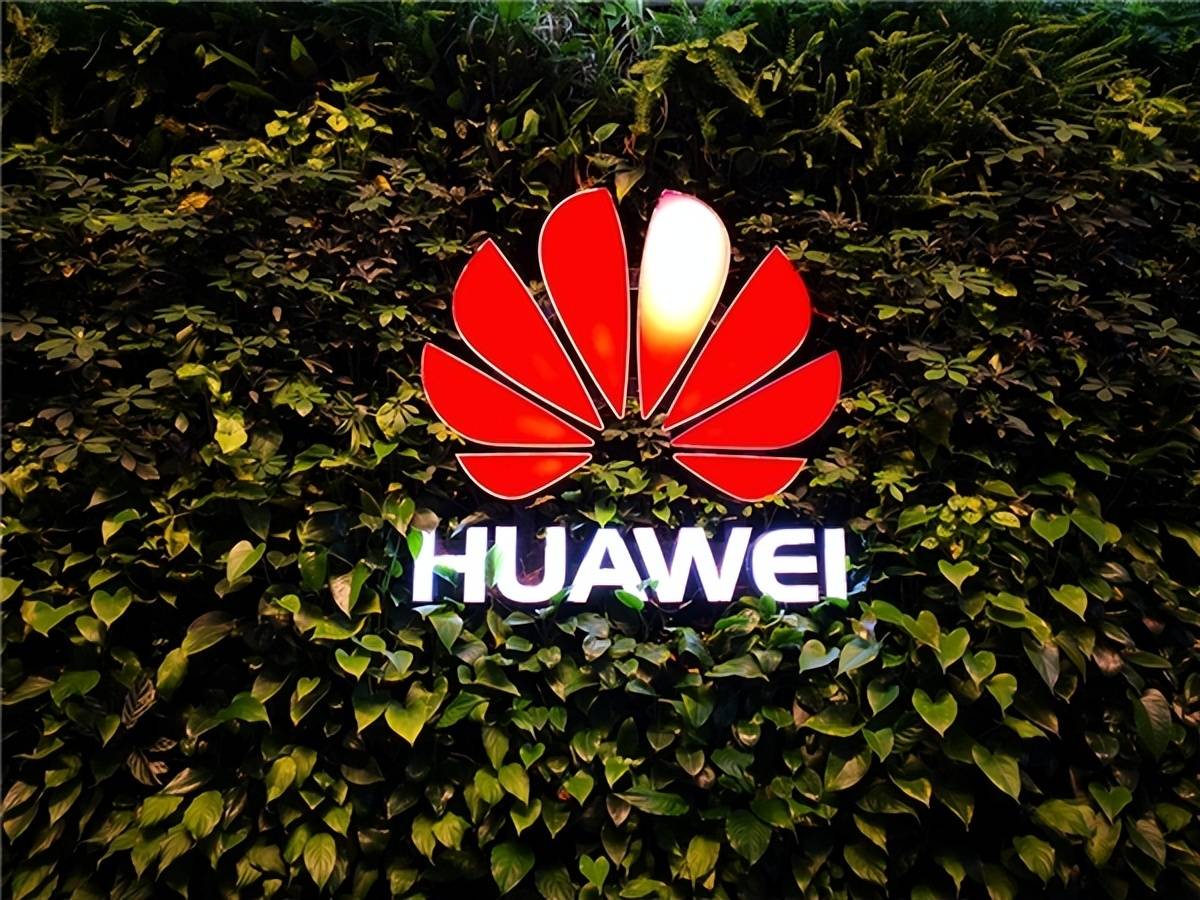
人民日报访比利时天堂动物园董事长、创始人董博:“加强沟通与理解,实现合作共赢”
Ren Min Ri Bao· 2025-10-10 23:37
Core Viewpoint - The establishment of a Chinese garden in Belgium's Paradise Zoo symbolizes the cultural exchange between Europe and China, highlighting the importance of mutual understanding and cooperation in various fields, including ecology and education [3][4][5]. Group 1: Cultural Significance - The Chinese garden in Paradise Zoo serves as a window for European citizens to understand Chinese culture, showcasing the artistic expression and cultural dialogue between the two regions [4]. - The founder of the zoo, Dong Bo, has a deep-rooted connection to Chinese culture, influenced by his parents' admiration for Chinese civilization and art [3][4]. Group 2: Development and Construction - The construction of the Chinese garden involved meticulous attention to detail, from material selection to layout, ensuring that every aspect reflects the essence of traditional Chinese southern gardens [4]. - The garden features traditional elements such as a red ancient-style archway inscribed with "Chinese Dream," enhancing its cultural authenticity [4]. Group 3: Future Cooperation - The year marks the 50th anniversary of diplomatic relations between China and Europe, emphasizing the long-term friendship and potential for future collaboration [5]. - Dong Bo believes that ecological protection and green development can be key areas for future cooperation, building on the solid foundation established in cultural and educational exchanges [5].
“加强沟通与理解,实现合作共赢”
Ren Min Ri Bao· 2025-10-10 22:10
Core Viewpoint - The establishment of a Chinese garden in the Paradise Zoo in Belgium serves as a cultural bridge between Europe and China, reflecting a deep appreciation for Chinese culture and philosophy [1][2]. Group 1: Cultural Significance - The Chinese garden is designed to embody the essence of traditional Chinese aesthetics, featuring elements such as intricate architecture, flowing water, and lush greenery, resembling a Chinese ink painting [2]. - The garden symbolizes a sincere dialogue between two worlds, representing not only an artistic expression but also a cultural connection between Europe and China [2]. Group 2: Historical Context - The founder of the Paradise Zoo, Dong Bo, has a long-standing connection with Chinese culture, which began in his childhood and was further deepened by his experiences in China [1]. - The year 2025 marks the 50th anniversary of diplomatic relations between China and Europe, highlighting the importance of cultural exchange and mutual understanding over the decades [2]. Group 3: Future Cooperation - Dong Bo emphasizes the need for continued communication and collaboration between Europe and China, particularly in areas such as ecology, culture, and education [2]. - The focus on ecological protection and green development is seen as a potential area for future cooperation, with China making significant strides in environmental initiatives [2].
中国钢产量常年稳居世界第一,为啥每年仍需进口几百万吨特种钢?
Sou Hu Cai Jing· 2025-10-10 02:55
Core Insights - The discussion emphasizes the importance of allowing space for smaller companies in the industry to survive while balancing the need for efficiency and profitability [1][5]. Group 1 - The steel industry faces challenges with production inefficiencies, particularly when specialized production lines are created for low-demand products, leading to underutilization [1]. - Utilizing imported materials can significantly increase profit margins by allowing for higher pricing without compromising product performance [3]. - The reduction in after-sales issues is a key advantage of using imported goods, as it shifts the responsibility of product failures away from the manufacturer to the user [3][5]. Group 2 - The current trend shows a decrease in the number of users opting for imported goods, which has led to a significant drop in import volumes [5]. - The concept of "cooperation and win-win" is highlighted, suggesting that a balanced approach where all players in the market can thrive is essential for long-term sustainability [5].
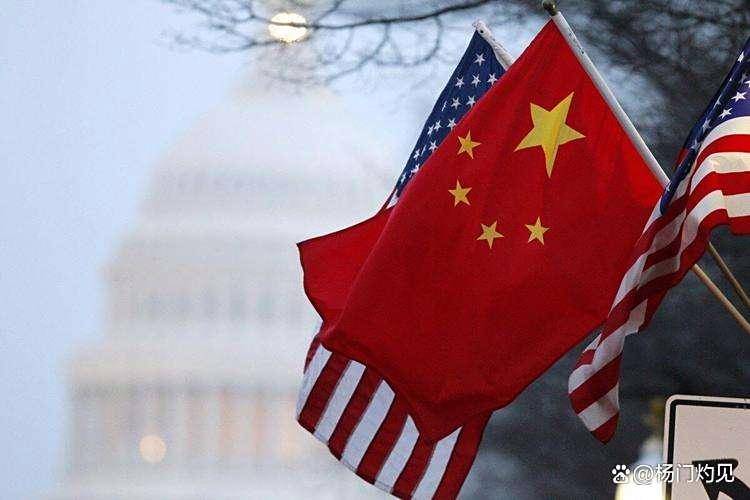
中美副外长见了面,美官员表示中美关系,对3亿多美国人太重要了
Sou Hu Cai Jing· 2025-10-04 18:12
Group 1 - The meeting between U.S. and Chinese officials in New York reflects a nuanced shift in U.S.-China relations, highlighting the importance of bilateral ties for American security and prosperity [1] - U.S. Deputy Secretary of State Rand's previous hardline stance on China, particularly regarding 5G, has softened due to multiple domestic pressures, indicating a significant policy shift [1][4] - The economic situation in the U.S. is a driving force behind policy adjustments, with potential tariffs leading to an additional $2,000 annual cost for American families, exacerbating public discontent [1] Group 2 - The agricultural sector in the U.S. is facing unprecedented bankruptcy rates and severe issues with the sale of crops like soybeans, leading to farmer fatigue and skepticism about future recovery [4] - Despite the shift in diplomatic tone, the U.S. continues to impose restrictions on semiconductor exports to China, indicating a mixed approach in maintaining technological dominance [4] - Chinese goods and services are deeply integrated into American life, providing essential support to sectors like clean energy and helping to alleviate inflationary pressures [5] Group 3 - Both sides expressed a willingness to continue dialogue and expand cooperation, with previous U.S. actions like tariff reductions clearing some obstacles for collaboration [5] - The relationship between the two largest economies is framed as a necessity for global economic recovery, emphasizing the need for pragmatic cooperation [5][8] - Achieving stable and sustainable U.S.-China relations requires concrete actions from the U.S. to foster mutual respect and cooperation, while China remains open to creating conditions for collaboration [7][8]
拒绝瓦良格屈辱重演!24年土耳其对华加征关税,中国出手太高明
Sou Hu Cai Jing· 2025-10-04 06:52
Core Insights - The article discusses China's evolving relationship with Turkey, particularly in the context of trade and investment, highlighting a shift from a passive to an active approach in international negotiations [1][3][19] Group 1: Trade Relations - In 2023, Turkey imposed a 40% tariff on Chinese electric vehicles, which expanded to all Chinese cars in 2024, with a minimum tariff of $7,000 per vehicle, aimed at addressing Turkey's significant trade deficit with China [3][11] - The initial tariff policy was quickly retracted within a week, and by mid-2024, Turkey completely eliminated the additional tariffs, indicating a misalignment between market demand and protective measures [3][11] Group 2: Investment and Cooperation - In July 2024, BYD announced a $1 billion investment to build a factory in Manisa, Turkey, expected to produce 150,000 vehicles annually and create 5,000 jobs, marking a significant step in bilateral cooperation [3][11][13] - The investment allows BYD to bypass tariff barriers and facilitates easier access to European and Central Asian markets due to Turkey's strategic location [11][19] Group 3: Historical Context - The article reflects on the historical challenges faced by China in acquiring the Varyag aircraft carrier, emphasizing the contrast between past negotiations and current proactive strategies [4][6][17] - The Varyag acquisition involved significant compromises and costs, totaling nearly $100 million, showcasing the evolution of China's negotiation power and economic strength over the past two decades [6][17] Group 4: Economic Impact - The establishment of the factory is expected to benefit local industries, including automotive parts and logistics, and contribute to the upgrade of Turkey's domestic automotive sector [9][11] - The collaboration signifies a shift from mere trade to deeper industrial cooperation, enhancing both countries' economic prospects [13][19]


中方一单不买,反倒下令加税100%!加拿大高官喊话要来中国,想当面求放过?
Sou Hu Cai Jing· 2025-10-03 17:34
Group 1: Canada-China Relations - Canada has shifted from a hardline stance against China to seeking reconciliation, as indicated by Prime Minister Trudeau's signals for dialogue and Foreign Minister Anand's upcoming visit to China [1][10] - The previous strategy aligned with the US "Indo-Pacific Strategy" led to significant tariffs on Chinese products, including a 100% tariff on electric vehicles and a 25% tariff on steel, which strained Canada-China relations [1][10] - The Canadian government is now under pressure to repair relations with China due to the economic fallout from these tariffs, particularly in the agricultural sector [10][11] Group 2: Economic Impact on Canada - China's retaliatory measures included imposing a 100% tariff on Canadian canola seeds and a 25% tariff on pork, severely impacting Canadian farmers and leading to significant financial losses [4][5] - The canola seed industry, which previously relied heavily on China, is facing a crisis with nearly 90% of its exports to China now at risk, resulting in average losses of tens of thousands of dollars per farmer [5][10] - The lack of support from the US, coupled with ongoing tariffs on Canadian steel and aluminum, has compounded the economic difficulties faced by Canada [5][10] Group 3: Strategic Lessons and Future Considerations - The trade conflict has highlighted the importance of diversifying trade partners, as China quickly turned to Australia for canola seed imports, demonstrating the risks of over-reliance on a single market [7][10] - Canadian businesses are advocating for improved trade relations with China to facilitate market expansion and economic growth, indicating a shift in the business community's perspective on foreign policy [11] - The current situation serves as a critical lesson for Canada regarding the consequences of aligning too closely with US policies at the expense of its own economic interests [11]

中国车集体到欧洲“借腹生子”
经济观察报· 2025-10-03 05:06
Core Viewpoint - Chinese automotive companies are rapidly forming partnerships and localizing production in Europe to establish a competitive presence in the European market, driven by high tariffs and the need for a robust brand ecosystem [2][4]. Group 1: Market Entry Strategies - In the past 20 days, the urgency for Chinese automotive companies to enter the European market has intensified, marked by significant announcements such as Horizon's fundraising of 5.8 billion yuan and XPeng's entry into five European countries [2]. - Collaborations with established European manufacturers and suppliers, such as Magna and Bosch, are being pursued to facilitate market entry and production [2][4]. - The strategy of "light asset" models is being adopted, where companies like Leap Motor and XPeng utilize existing European facilities for production rather than building new factories [4][5]. Group 2: Localization and Production - Local production has become essential for Chinese electric vehicle manufacturers due to high export costs and compliance risks, with companies opting for partnerships to minimize investment [4][6]. - XPeng plans to enter five European markets, including Austria and Switzerland, through collaborations with local dealer groups [4][5]. - CATL has established multiple production bases in Europe, indicating a trend towards localizing the supply chain for battery production [6]. Group 3: Market Perception and Consumer Engagement - European consumers exhibit a mixed sentiment towards Chinese electric vehicles, with some expressing interest in the technology while others prefer to support local brands [9][11]. - The current penetration rate of electric vehicles in Europe is only 20%, highlighting the challenges and potential for growth in the market [12]. - Chinese companies are adapting their product strategies to meet European preferences, including the development of hybrid models and compact cars to navigate high tariffs [12]. Group 4: Technological Collaboration and Learning - The entry of Chinese electric vehicles into Europe is not just about market share but also involves collaboration with local firms to build a comprehensive supply chain [14]. - Companies like Horizon are actively seeking partnerships with global suppliers to enhance their technological capabilities and adapt to European standards [6][14]. - The process of localization will also serve as a learning opportunity for Chinese manufacturers to absorb advanced automotive technologies from Europe [14].