
实体经济

Search documents
第一观察丨很不平凡的2025,总书记带领我们乘势而上
Xin Hua She· 2026-01-01 14:25
很不平凡的2025 带领我们 止 E 643期 年度观察 新华社国内部制作 新华社第一工作室出品 2025年,进一步全面深化改革的重要一年,脱贫攻坚任务完成后5年过渡期的最后一年,"十四 五"收官之年、"十五五"谋划之年,改革稳定发展任务繁重。 习近平总书记带领我们坚定不移办好自己的事,迎难而上、砥砺前行,在强国建设、民族复兴征程 中写下"很不平凡"的一笔—— (一) 习近平总书记为中国经济 指明发展方向 出席民营企业座谈会 为促进民营经济高质量发展 注入"强心剂" FITAL 仕王国内云上 为发展新质生产力指明基本路径 阐明经济大省挑大梁的着力点 提出"以文化赋能经济社会发展" 而此时,大洋彼岸 一场"风暴"正在悄然酝酿 4日 美国宣布对所有贸易伙伴征收 "对等关税",掀起烈度空前的 关税战 奉陪到底 打. 谈, 大门敞开 以习近平同志为核心的党中央 沉着冷静、有效应对 4月25日 习近平总书记主持中共中央政治局会议 明确"着力稳就业、稳企业、稳市 场、稳预期" 习近平主席在一年中4次 同特朗普总统通电话 深刻指出"中美完全可以相互 成就、共同繁荣,造福两国、 惠及世界" · 推进中国式现代化, 科技要打头 ...

锚定开局之年:济宁2026年重点任务全景部署
Qi Lu Wan Bao· 2026-01-01 01:38
更好统筹有效市场和有为政府,充分发挥市场在资源配置中的决定性作用,更好发挥政府作用,加快构 建统一、开放、竞争、有序的市场体系,做到既"放得活"又"管得好"。 实现高质量发展和高水平安全良性互动,强化底线思维,有效防范化解重点领域风险,在发展中固安 全,在安全中谋发展,以新安全格局保障新发展格局。 把扩大内需作为首要经济任务,从需求端引导供给升级,从供给侧激发潜在需求,在解决群众急难愁 盼、增进民生福祉中培育新的经济增长点,形成更高水平供需动态平衡。 坚决守牢实体经济根基,坚持实体经济为本、制造业当家,加速提高制造业比重,构建以先进制造业为 骨干的现代化产业体系。 齐鲁晚报.齐鲁壹点孔茜 2026年作为深入贯彻党的二十届四中全会精神、推动"十五五"实现良好开局的关键之年,济宁市立足加 快迈向万亿城市的"一个目标",以"稳中求进、提质增效"为总基调,聚焦五大关键维度谋篇布局,为开 创各项事业勇争先筑牢根基。 坚持以推动高质量发展为主题,以新发展理念引领高质量发展,积极融入国内国际双循环,因地制宜发 展新质生产力,更大力度优存量、扩增量、强变量,以高质量发展确定性应对各种不确定性。 ...
抓住关键突破 实干开创新局
Xin Lang Cai Jing· 2025-12-31 21:06
Core Insights - The article emphasizes the importance of transforming macro strategies into concrete actions, focusing on key projects and reforms to drive economic growth in Qinghai [1][4] Group 1: Economic Development Strategies - The provincial economic work conference has outlined eight key tasks, including "dual carbon" initiatives, expanding effective demand, and improving people's livelihoods, reflecting a comprehensive approach to development and safety [1] - The focus on ecological priorities aims to establish Qinghai as a national park demonstration province and a clean energy industry hub, contributing to the national energy strategy [1] Group 2: Investment and Consumption - Expanding effective demand is crucial for stabilizing economic growth, necessitating a synergy between investment and consumption while integrating into the national market [2] - The strategy includes enhancing international eco-tourism and developing year-round tourism through initiatives like the "Ice and Snow+" economy [2] Group 3: Industrial Development - Building a modern industrial system is fundamental, with a focus on creating a "China Solar Thermal Capital" and a "China Green Valley" through various energy and material innovation tracks [2] - The development of green electricity and aluminum, as well as the establishment of a national-level green computing base, are highlighted as key areas for industrial growth [2] Group 4: Reform and Opening Up - The article stresses the need for deeper reforms and higher levels of openness to stimulate economic vitality, including market-oriented reforms and optimizing the business environment [3] - The promotion of the "Belt and Road" initiative and the establishment of logistics hubs are part of the strategy to enhance regional connectivity and trade [3] Group 5: Regional Coordination - Coordinated regional development is essential, with an emphasis on urban-rural integration and supporting core areas to lead growth while encouraging potential regions to seize opportunities [3] - The construction of urban clusters and new-type urbanization is aimed at improving public service equality [3] Group 6: Safety and Stability - The article highlights the importance of maintaining safety as a prerequisite for development, advocating for risk prevention and social stability measures [3] - Emphasis is placed on fostering national unity and creating a model province for community awareness [3] Group 7: Implementation and Progress - The article concludes with a call for focused efforts and practical actions to achieve significant progress in building a modernized Qinghai, aiming for high-quality development outcomes [4]
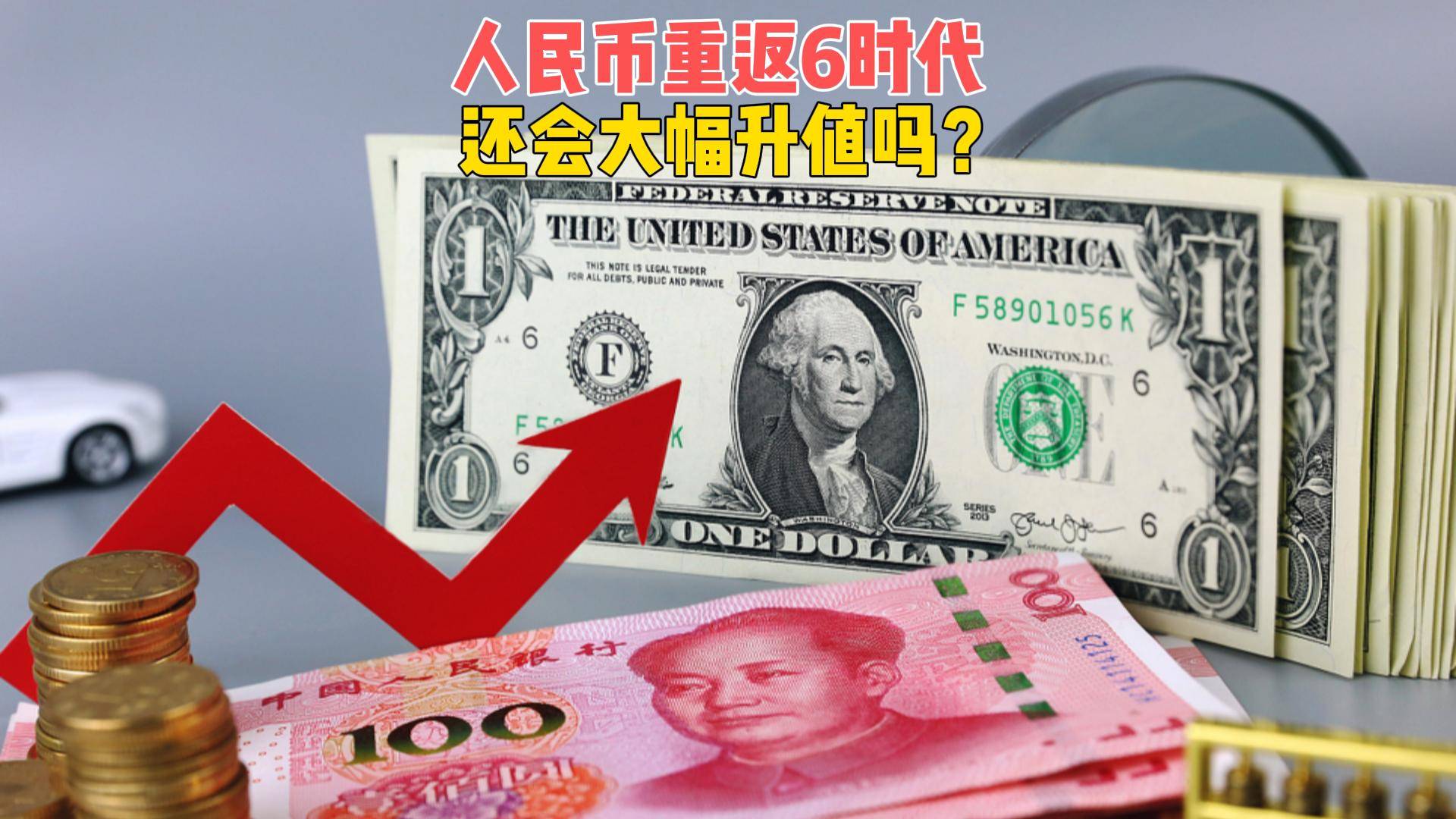
人民币重返6时代,还要大幅升值吗?中国版“广场协议”不会上演
Sou Hu Cai Jing· 2025-12-31 19:45
Core Viewpoint - The recent appreciation of the Renminbi (RMB) has sparked discussions among experts and institutions about its potential benefits and implications for the Chinese economy, with some suggesting a significant increase in its value [2][4]. Group 1: Benefits of RMB Appreciation - RMB appreciation could lead to a substantial increase in household purchasing power, with a potential rise from $23 trillion to $34.5 trillion if the currency appreciates by 50% [4]. - It may attract foreign investment, helping stabilize and rebound Chinese assets [4]. - A stronger RMB could reduce export competitiveness, potentially decreasing trade friction [4]. Group 2: Historical Context and Caution - The article draws parallels with Japan's experience during the Plaza Accord in the 1980s, where a forced appreciation of the yen led to significant economic challenges, including increased unemployment and a financial bubble [5][12]. - Japan's government believed that a controlled appreciation of the yen (within 20%) would not harm its economy, but the subsequent uncontrolled speculation led to severe consequences [8][12]. Group 3: Current Economic Implications - The notion that RMB appreciation will directly boost domestic consumption is questioned, as most consumers do not frequently purchase foreign goods or have overseas assets [14]. - The expectation that foreign capital will flow into China due to a stronger RMB is challenged, suggesting that capital may instead seek to convert RMB to USD and exit [16]. - The idea that reducing export competitiveness will alleviate trade tensions with the U.S. is deemed unrealistic, as geopolitical competition persists regardless of currency value [16]. Group 4: Future Considerations - While the RMB is considered undervalued based on purchasing power parity, any appreciation must align with the pace of China's economic development to avoid repeating Japan's mistakes [18]. - The focus should be on ensuring that financial resources benefit ordinary citizens rather than merely supporting corporate debt or production capacity [18].
中国夯实制造业根基,美国经济“脱实向虚”之困
Sou Hu Cai Jing· 2025-12-31 18:36
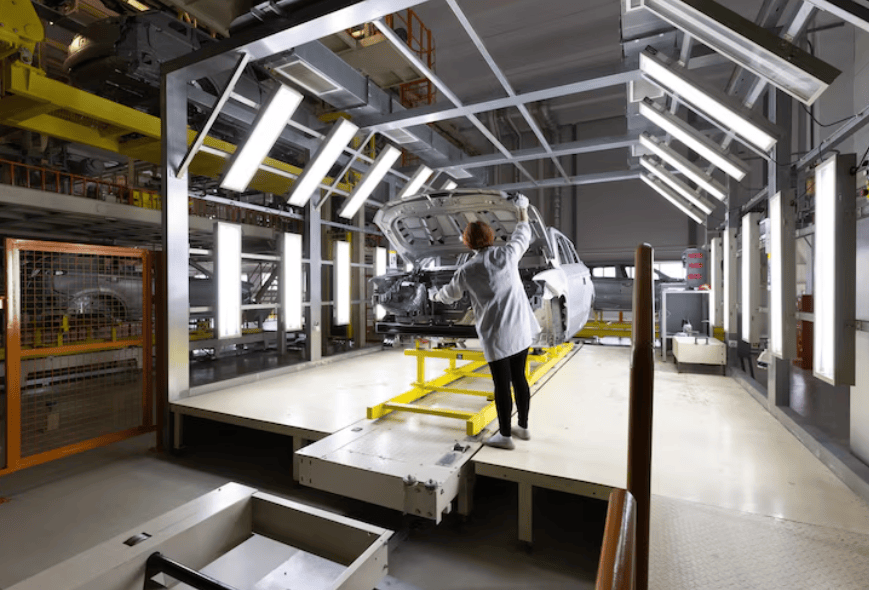
Group 1: Economic Paths - The global economic landscape in the 21st century shows a clear contrast between the industrial development paths of the US and China, with the US experiencing significant deindustrialization and a shift towards a virtual economy, while China focuses on strengthening its manufacturing sector [2][3] - China's manufacturing industry has grown from 26.6 trillion yuan in 2020 to a projected 33.6 trillion yuan by 2024, contributing over 30% to global manufacturing growth during the 14th Five-Year Plan period [2] Group 2: Challenges in the US - The US faces severe challenges due to the weakening of its manufacturing base, exemplified by Boeing's reliance on global supply chains and diminished domestic manufacturing capabilities [3] - The consequences of deindustrialization include insufficient domestic manufacturing investment, increasing trade deficits, and heightened social inequality [3] Group 3: China's Strategic Focus - China emphasizes the importance of the real economy, particularly manufacturing, as a foundation for national development, as stated in the 2022 Party Congress report [5] - The manufacturing sector is crucial for innovation, job creation, and meeting consumer demand, with logistics from manufacturing accounting for nearly 90% of total social logistics [5] Group 4: Capital Flows and Policy Responses - A study from 1998 to 2020 indicates a trend of productive capital escaping to the virtual economy in China, prompting policy efforts to redirect capital back to the real economy [7] - The Chinese government has implemented various policies to stimulate effective investment, including promoting equipment upgrades and facilitating trade-in programs for vehicles and appliances [7] Group 5: Digital Transformation - China is advancing its manufacturing sector through digitalization and smart technologies, with over 35,000 basic-level and 7,000 advanced-level smart factories established [8] - The integration of digital and traditional manufacturing is evident, with significant growth in high-tech manufacturing and new energy vehicles [9] Group 6: US Manufacturing Rebound Efforts - The US has attempted to promote manufacturing return through various policies since the 2008 financial crisis, but faces challenges such as aging infrastructure and high labor costs [10] - Approximately 20.6% of US factories are limited in capacity due to labor shortages, with predictions that half of manufacturing jobs may face vacancies by 2033 [10] Group 7: Future Outlook - The differing industrial strategies of the US and China will continue to shape their economic futures, with China needing to maintain a reasonable proportion of manufacturing to avoid premature deindustrialization [12][13] - China's manufacturing sector has shown resilience and potential for upgrading, with a 5.7% increase in manufacturing value added in August 2025, outpacing overall industrial growth [13][14]
习近平:坚持把发展经济的着力点放在实体经济上
Xin Hua Cai Jing· 2025-12-31 07:13
Core Viewpoint - The article emphasizes the importance of implementing the spirit of the 20th Central Committee's Fourth Plenary Session, focusing on high-quality development, new development patterns, common prosperity, security, and coordinated progress across various fields [1] Group 1: High-Quality Development - The need to promote high-quality development is highlighted, with a focus on new development concepts that lead to effective qualitative improvements and reasonable quantitative growth [1] - The emphasis is on placing the development focus on the real economy and deepening reforms comprehensively [1] Group 2: New Development Pattern - The strategy of expanding domestic demand is underscored, combining benefits for people's livelihoods with consumption and investment [1] - The goal is to enhance the internal dynamics and reliability of the domestic circulation while accelerating the establishment of a unified national market [1] Group 3: Common Prosperity - The article stresses the importance of ensuring and improving people's livelihoods while steadily advancing common prosperity [1] - It calls for optimizing regional economic layouts and promoting coordinated regional development, as well as rural revitalization [1] Group 4: Development and Security - A comprehensive national security perspective is advocated, emphasizing the need to ensure security in development and seek development within security [1] - The establishment of a national security system with a focus on political security is highlighted [1] Group 5: Coordinated Progress - The article encourages a systematic approach to actions, advocating for coordinated policies across various sectors [1] - It emphasizes the importance of maintaining consistency in macro policy orientation [1]
京口:奋楫“滨江宜居主城” 筑强“双创活力高地”
Xin Hua Ri Bao· 2025-12-31 00:00
Economic Growth and Development - The regional GDP is projected to reach 60.36 billion yuan in 2024, with an average annual growth rate of 6.9% [1] - Industrial output value has increased by 47.4% compared to 2020, with significant growth in new materials and grain and oil processing industries [1] - Fixed asset investment in the region has reached 54.007 billion yuan, with manufacturing investment at 12.854 billion yuan, providing a solid foundation for economic development [3] Industrial and Technological Advancements - The region has focused on strengthening the real economy, integrating advanced manufacturing with modern services [2] - A total of 536 industrial projects have been promoted since the beginning of the 14th Five-Year Plan, with four projects listed as major provincial projects this year [3] - The Duyushan Digital Cultural and Creative Zone has become a key area for digital economy development, attracting major companies like Huawei and Inspur [4] Talent Development and Education - The establishment of the "Jingcai" youth talent station and over 300 talent apartments aims to attract and support skilled professionals [5] - A digital economy talent training program has successfully supplied over 200 skilled workers to local enterprises [5] Urban Renewal and Cultural Development - The region has completed renovations of 42 old districts, covering approximately 2 million square meters, enhancing urban aesthetics and livability [6] - The cultural and sports sectors have thrived, with over 4,500 cultural events held in five years and the development of new sports facilities [9] Social Welfare and Governance - A comprehensive elderly health service system has been established, with 40 community-based elderly care centers providing various services [8] - The region has implemented a "grid + digital" governance model to enhance community service efficiency and safety [9] Future Development Goals - The focus for the 15th Five-Year Plan will be on enhancing industrial strength, innovation, urban-rural integration, and social welfare to contribute to a modernized urban landscape [10]
(年终特稿)中国经济这一年:货币政策发力见成效
Zhong Guo Xin Wen Wang· 2025-12-30 04:11
(年终特稿)中国经济这一年:货币政策发力见成效 中新社北京12月30日电 (陶思阅)2025年年底,多家国际机构上调了对中国经济的增长预期。中国经济向 好离不开适宜的货币金融环境。适度宽松的货币政策以及多种货币政策工具的合理使用,为金融市场稳 定运行创造了条件。 中国央行利用公开市场操作、中期借贷便利、再贷款再贴现等措施,为金融总量合理增长注入动力。 5月,中国央行宣布降准降息,政策利率下调0.1个百分点;10月,二级市场国债买卖操作重启,当月净 投放200亿元(人民币,下同),11月净投放500亿元。一系列举措巩固了流动性充裕的格局,实体经济综 合融资成本进一步下降。 数据印证了政策效果。11月,企业新发放贷款(本外币)加权平均利率比上年同期低约30个基点,社会融 资规模存量为440.07万亿元,同比增长8.5%。其中,对实体经济发放的人民币贷款余额为267.42万亿 元,同比增长6.3%。 多地也密集出台科技金融相关政策。例如,深圳明确积极发挥债券市场"科技板"作用,引导金融机构加 大对科创债券的投资力度、完善担保增信和风险分担;陕西要求畅通私募基金准入退出渠道,引导资金 投早、投小、投长期、投硬科技…… ...
笃“实”夯基 向“新”而进 2025年中国现代化产业体系建设持续推进
Xin Lang Cai Jing· 2025-12-29 20:21
Group 1 - The modernization of the industrial system is the material and technical foundation of Chinese-style modernization, with advancements in industry, agriculture, services, and infrastructure [1] - The Central Economic Work Conference emphasized the continuous promotion of the modernization of the industrial system by 2025, focusing on innovation-driven growth and nurturing new momentum [1] - Companies are increasingly leveraging technological innovation to lead the development of new productive forces, aiming to build a modern industrial system centered around advanced manufacturing [1] Group 2 - The State Council's guidance emphasizes the importance of financial services for the real economy, with various departments implementing growth stabilization plans for key industries such as steel and automobiles [2] - Policy incentives are boosting confidence, showcasing the resilience of the real economy in facing multiple challenges [2]
民生银行:为助力河北高质量发展注入金融新动能
Sou Hu Cai Jing· 2025-12-29 01:27
Core Viewpoint - Minsheng Bank has been committed to serving the public and supporting the economic development of Hebei Province for 27 years, focusing on private enterprises and providing agile and attentive banking services [1] Group 1: Support for National Strategies - Minsheng Bank's Shijiazhuang branch actively supports major national strategies such as the coordinated development of Beijing-Tianjin-Hebei and the construction of Xiong'an New Area, injecting financial resources to turn these strategies into reality [2] - As of the end of November, the bank has issued loans totaling 27 billion yuan to support major projects related to the Beijing-Tianjin-Hebei integration [2] Group 2: Empowering the Real Economy - The bank emphasizes financial services for the real economy, focusing on five key areas to facilitate the transformation and upgrading of industries in Hebei Province [3] - The bank has launched various financial products, including "Yichuang E-loan" for tech enterprises and "Minsheng Carbon E-loan" for green finance, to support diverse economic sectors [3] Group 3: Support for Key Industries - Minsheng Bank has increased its support for eight major industries in Hebei, with a loan balance of nearly 18 billion yuan in these sectors as of the end of November [4] - The bank has developed specialized credit plans for local industries, issuing nearly 70 million yuan in loans for specific sectors [4] Group 4: Comprehensive Financial Services - The bank provides multi-channel and differentiated services to leading enterprises in industrial clusters, with over 170 core enterprises and more than 1,200 linked enterprises receiving support [5] - The bank's underwriting volume is expected to exceed 9 billion yuan by 2025, helping to reduce financing costs for enterprises [5] Group 5: Enhancing Consumer Services - Minsheng Bank has developed a product matrix to meet the full-cycle consumption needs of residents, with a consumer loan balance exceeding 8 billion yuan as of the end of November [7] - The bank focuses on creating a comprehensive service system for various customer groups, enhancing financial literacy through community outreach [6][7] Group 6: Digital Transformation and Cross-Border Finance - The bank is actively enhancing its cross-border financial services, forming a unique brand system to support foreign trade enterprises [8] - As one of the first banks in Hebei to pilot foreign exchange facilitation, the bank has facilitated nearly 4 billion US dollars in international settlements [8]
