智慧交通

Search documents
从高速收费到隧道巡检,一家国企如何绘制智慧交通的“细分攻坚”地图
Feng Huang Wang Cai Jing· 2025-12-19 05:22
高速公路收费系统的迭代,始终与交通发展的需求同频共振。早期人工收费模式下,"排队几公里、缴 费几分钟"是常态,不仅制约通行效率,更衍生出人力成本高、收费争议多等问题。2019年,国务院办 公厅印发了《深化收费公路制度改革取消高速公路省界收费站实施方案》,这一场旨在提升全国路网效 率的深刻变革,却意外让整个智慧收费行业走到了十字路口。 自动播放 从1988年沪嘉高速公路响起第一声汽笛,中国高速公路用三十余年时间构建起总里程突破19万公里的交 通大动脉,稳居世界第一。随着机动车保有量突破4.5亿辆,如何让高速公路变得更"聪明"、更顺畅, 已成为智慧交通高质量发展的"流量之问"。 收费站作为关键节点,曾长期是高速公路通行效率与通行安全的短板。如今,一场由北斗卫星、大数据 与智能算法驱动的静默革命,正在改写这一局面。在部分率先应用"北斗自由流"系统的路段,车辆无需 在高速收费站停车、排队、摇下车窗、取卡或缴费,即可实现全程无感通行与精准计费。这种真正意义 上的"无感通行"体验,正在将传统收费流程简化为云端的一键操作。 本期《隐形冠军》将走进国家级专精特新"小巨人"企业——河北交投智能科技股份有限公司(以下简 称"冀交 ...


经济聚焦丨小型公交车 出行新需求
Ren Min Ri Bao· 2025-12-19 04:59
今年9月,专100路刚一开通,就成了周边很多上班族的"新宠"。这类公交车车长不足6米,北京市 民亲切地称之为"红色萌巴"。北京公交集团第三客运分公司运营管理部副经理郑伟介绍:"在一些老旧 小区、医院、学校周边道路狭窄的区域,大型公交车难以进入,'红色萌巴'却可以轻松转弯、停靠。" 人民日报记者 王昊男 王永战 窦皓 随着地铁、私家车、电动自行车等替代选项增多,市民出行需求结构正在变化。公交行业按需转 型,越来越多小型公交车出现在街头,一方面"瘦身",轻便灵活的车型有利于节约成本、减少空位;一 方面"提质",提供更加便利、更具特色的服务。城市在发展,公交行业也在与时俱进,但不变的是作为 公共资源的民生定位。近日,人民日报记者来到三地,探访小型公交车的发展情况。 ——编者 北京 短途接驳,精准快速直达 早上7点半,北京丰台区中铁建悦居青年公寓小区门口,一辆车身鲜红、造型圆润的小型巴士缓缓 停靠。"从小区到地铁张郭庄站,3公里左右的距离,一站直达。"上班族小张边扫码上车边说。 从今年上半年投用至今,北京已有500辆"红色萌巴"投入运营,覆盖138条线路。 北京公交集团线网中心业务主管许迪说,刚投用时,部分线路客流量 ...
小型公交车 出行新需求(经济聚焦)
Ren Min Ri Bao· 2025-12-18 21:53
随着地铁、私家车、电动自行车等替代选项增多,市民出行需求结构正在变化。公交行业按需转型,越 来越多小型公交车出现在街头,一方面"瘦身",轻便灵活的车型有利于节约成本、减少空位;一方 面"提质",提供更加便利、更具特色的服务。城市在发展,公交行业也在与时俱进,但不变的是作为公 共资源的民生定位。近日,本报记者来到三地,探访小型公交车的发展情况。 ——编者 北京 短途接驳,精准快速直达 早上7点半,北京丰台区中铁建悦居青年公寓小区门口,一辆车身鲜红、造型圆润的小型巴士缓缓停 靠。"从小区到地铁张郭庄站,3公里左右的距离,一站直达。"上班族小张边扫码上车边说。 今年9月,专100路刚一开通,就成了周边很多上班族的"新宠"。这类公交车车长不足6米,北京市民亲 切地称之为"红色萌巴"。北京公交集团第三客运分公司运营管理部副经理郑伟介绍:"在一些老旧小 区、医院、学校周边道路狭窄的区域,大型公交车难以进入,'红色萌巴'却可以轻松转弯、停靠。" 从今年上半年投用至今,北京已有500辆"红色萌巴"投入运营,覆盖138条线路。 北京公交集团线网中心业务主管许迪说,刚投用时,部分线路客流量并不高,"我们根据乘客的反馈不 断优化, ...
常山北明(000158.SZ):公司和华为在智慧交通领域有合作
Ge Long Hui· 2025-12-18 15:32
Group 1 - The company Changshan Beiming (000158.SZ) has announced a collaboration with Huawei in the field of smart transportation [1]

万隆光电“蛇吞象”?标的中控信息IPO未果、连续两年业绩双降2024年利润降62%、负债率达70%
Xin Lang Cai Jing· 2025-12-18 08:15
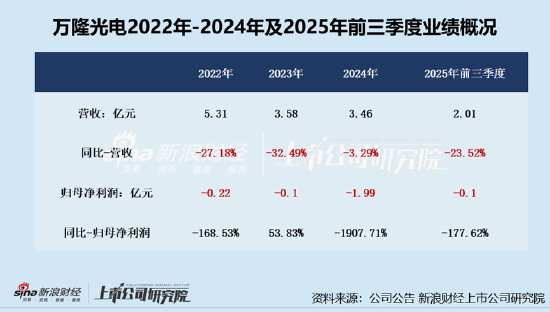
Core Viewpoint - The recent announcement by Wanlong Optoelectronics regarding the acquisition of 100% of Zhongkong Information has attracted market attention, with opinions divided on whether it represents a significant gamble or a weak partnership [1][11]. Group 1: Wanlong Optoelectronics - Wanlong Optoelectronics has faced continuous financial pressure, reporting a net profit loss for three consecutive years since 2022, with a total loss exceeding 230 million yuan [2][12]. - The company's revenue from 2022 to 2025 has shown a declining trend, with figures of 531 million yuan, 358 million yuan, 346 million yuan, and 201 million yuan, reflecting year-on-year decreases of 27.18%, 32.49%, 3.29%, and 23.52% respectively [2][12][13]. - In the first three quarters of 2025, the company reported a revenue of only 201 million yuan, with a net profit loss of 10.3 million yuan [2][12]. Group 2: Zhongkong Information - Zhongkong Information, the target of the acquisition, is a service provider for infrastructure digitization, focusing on urban traffic and other related sectors [4][15]. - The company attempted to go public on the ChiNext board, with its IPO application accepted in June 2023, but it was withdrawn in August 2024 after two rounds of inquiries [4][15]. - Financially, Zhongkong Information has also faced challenges, with revenue figures of 3.085 billion yuan, 3.325 billion yuan, 3.185 billion yuan, and 2.64 billion yuan from 2021 to 2024, showing a decline in net profit from 150 million yuan to 5.5 million yuan over the same period [5][16]. Group 3: Financial Risks - Zhongkong Information has high accounts receivable, which increased from 1.513 billion yuan to 1.955 billion yuan from 2021 to 2023, with the proportion of accounts receivable to revenue rising from 49.05% to 61.39% [7][18]. - The company's debt ratio has remained high, with figures of 78.12%, 73.98%, and 71.43% from 2021 to 2023, and still at 70% in 2024 [7][18]. - The acquisition's success is contingent on setting performance commitments, which are complicated by Zhongkong Information's declining performance and the potential impact of various external factors [9][20].

强强联合!顺丰同城 × 武汉公交共创智慧物流与城市交通合作新生态
Zhong Guo Chan Ye Jing Ji Xin Xi Wang· 2025-12-18 07:45
Core Viewpoint - The collaboration between SF Express, SF Intelligent, and Wuhan Public Transport Group aims to create an innovative ecosystem of "public transport + unmanned delivery" to enhance urban last-mile delivery efficiency and support the construction of a "15-minute living circle" in Wuhan [1][3]. Group 1: Strategic Collaboration - The three parties will integrate their resources to address the growing demand for efficient and green last-mile delivery in Wuhan, a national central city [3]. - The partnership will leverage SF Express's instant delivery capabilities, SF Intelligent's technological strengths, and Wuhan Public Transport Group's urban transport resources to create a closed-loop system for delivery [3][10]. Group 2: Operational Framework - The collaboration will establish a complete value chain encompassing "unmanned delivery capacity, bus stations, and fulfillment" [3]. - SF Intelligent will provide low-speed unmanned delivery vehicles and ensure their stable operation, while Wuhan Public Transport Group will offer bus stations for vehicle docking, charging, and sorting [3][5]. - SF Express will integrate these resources into its instant delivery network, optimizing order and capacity matching through big data and AI algorithms [3][8]. Group 3: Maintenance and Social Impact - SF Intelligent will ensure comprehensive after-sales support for unmanned vehicles, adhering to service standards and information security [5]. - The three parties will promote unmanned delivery through community outreach and will be prepared to handle emergency material deliveries during special periods [5]. Group 4: Synergy and Future Development - The collaboration is expected to generate a synergistic effect, where the combined strengths of the three parties exceed the sum of their individual contributions [5][6]. - SF Express has already deployed over 800 unmanned delivery vehicles across 105 cities, providing a robust operational network that will support the rapid launch and refined operation of the "public transport + unmanned delivery" project in Wuhan [8][10].

成就多个“全国第一”,山东“十四五”交通成绩单出炉
Feng Huang Wang Cai Jing· 2025-12-18 06:40
Core Viewpoint - During the "14th Five-Year Plan" period, Shandong Province has achieved significant development in transportation, becoming the first provincial-level demonstration area for a strong transportation nation in China, with a projected investment of 1.47 trillion yuan, an increase of over 80% compared to the "13th Five-Year Plan" [1] Group 1: Transportation Infrastructure Development - Shandong has constructed a modern high-quality comprehensive transportation network, achieving notable accomplishments in railways, highways, ports, and airports [1] - The total railway operating mileage in Shandong reached 8,073 kilometers, ranking fourth in the country, with high-speed rail mileage increasing to 3,055 kilometers, the highest in the nation [1] - The total highway mileage in Shandong reached 297,000 kilometers, with highway density ranking first in the country (excluding municipalities) [2] Group 2: Port and Airport Enhancements - The province has 396 berths of 10,000 tons or more, including 30 berths of 200,000 tons or more, the highest in the country, and boasts the world's largest specialized terminals for iron ore, crude oil, and containers [2] - Shandong has 10 transport airports, ranking first in East China, with both Jinan and Qingdao airports achieving record passenger throughput [2] Group 3: Logistics and Transportation Efficiency - Shandong's international logistics channels are robust, with the total number of maritime foreign trade container routes maintaining the top position among northern ports, and a cumulative total of 12,000 China-Europe freight trains operated over five years [2] - The province is expected to reduce the ratio of total social logistics costs to GDP by 0.7 percentage points by 2025 compared to 2020, with a cumulative reduction in transportation costs of 57 billion yuan over five years [2] Group 4: Smart and Green Development - Shandong is integrating smart, green, and collaborative development into its transportation sector, with 600 kilometers of smart highways and 28 smart terminals established [3] - The total installed capacity of photovoltaic power generation along highways reached 833 megawatts, ranking first in the country, while promoting the integration of transportation with tourism and industry [3] Group 5: Governance and Public Service Improvements - Shandong has established a comprehensive "big transportation" management system, enhancing governance levels and fostering competitive transportation enterprises [3] - Over the past five years, Shandong has upgraded more than 40,000 kilometers of rural roads and built 26,000 service stations to improve logistics services in rural areas [3]


“十四五”时期山东实现高铁里程等多个全国第一
Da Zhong Ri Bao· 2025-12-18 01:01
Core Insights - Shandong province is implementing a comprehensive transportation system during the "14th Five-Year Plan" period, with a focus on building a modern and high-quality transportation network to support economic growth and development [2][3]. Investment and Infrastructure Development - The total transportation investment in Shandong is expected to reach 1.47 trillion yuan, representing an over 80% increase compared to the "13th Five-Year Plan" [3]. - The high-speed rail network will expand from 2,110 kilometers to 3,055 kilometers, making it the largest in the country [3]. - The total length of highways will increase by 10,000 kilometers, reaching 297,000 kilometers, with highway density ranking first in the country (excluding municipalities) [3]. - Over 30 new highway projects will be completed, adding 1,800 kilometers to the total, which will exceed 9,300 kilometers, with more than 1,596 kilometers of eight-lane highways, also ranking first nationally [3]. Port and Waterway Development - Shandong is enhancing its coastal port integration, adding 56 new berths of 10,000 tons or more, totaling 396, with 30 berths of 200,000 tons or more, leading the nation [3]. - The annual cargo throughput of coastal ports is expected to exceed 2.1 billion tons, a 24% increase from 2020, maintaining the top position in the country for four consecutive years [4]. - The inland river ports will see an annual throughput of over 150 million tons, a 160% increase from 2020 [4]. Logistics and Transportation Efficiency - By 2025, the social logistics cost as a percentage of GDP is projected to decrease by 0.7 percentage points from 2020, reaching 13.8%, with cumulative transportation cost reductions of 57 billion yuan [4]. - The railway and waterway freight turnover is expected to double compared to 2020, exceeding the "14th Five-Year Plan" target by more than five times [4]. Smart and Green Transportation Initiatives - Shandong is advancing smart and green transportation, with the construction of 600 kilometers of smart highways and 28 smart terminals [4]. - The total installed capacity of photovoltaic power generation along highways is 833 megawatts, ranking first in the country [4]. - The province has established the first national pilot base for artificial intelligence applications in transportation [4]. Rural Transportation Development - Over 120 billion yuan has been invested in rural road development, with 42,000 kilometers of rural roads newly constructed or renovated, surpassing the "14th Five-Year Plan" goals [5]. - The rural road network has reached 267,000 kilometers, significantly improving travel conditions for farmers [5]. High-Speed Road Construction - Shandong Highway Group has invested approximately 359 billion yuan in highway construction during the "14th Five-Year Plan," 1.8 times the total investment of the "13th Five-Year Plan" [6]. - The province has established the first "smart highway" pilot project combining renovation and expansion, as well as the first zero-carbon smart highway and service area in the country [6].

山东“十四五”交通投资将达1.47万亿元
Zhong Guo Xin Wen Wang· 2025-12-18 00:37
Core Insights - Shandong Province is committed to building a modern, high-quality comprehensive transportation network, with an expected investment of 1.47 trillion RMB during the 14th Five-Year Plan, representing an over 80% increase compared to the 13th Five-Year Plan [1] Group 1: Transportation Infrastructure Development - The comprehensive transportation network in Shandong is set to achieve leapfrog development during the 14th Five-Year Plan, including the construction of a "four vertical and four horizontal" electrified backbone freight railway network [1] - Shandong will maintain the highest road density among non-municipal cities, with a world-class marine port cluster featuring 396 berths capable of accommodating vessels over 10,000 tons [1] - The province will also enhance its inland waterways, with high-grade channels exceeding 500 kilometers, and will increase the number of general airports to 25, while urban rail transit mileage will reach 578 kilometers [1] Group 2: Smart and Green Transportation Initiatives - Shandong is integrating smart, green, and integrated approaches throughout the transportation sector, focusing on digital transformation of infrastructure [2] - The province has established 600 kilometers of smart highways, 28 smart terminals, and approximately 400 kilometers of digital waterways, including China's first zero-carbon smart highway [2] - The Qingdao Port automated terminal, the first fully autonomous container terminal in China, has been launched, and Shandong has been approved as the first national pilot base for AI applications in transportation [2] Group 3: International Logistics and Connectivity - Shandong is enhancing its international logistics channels, connecting Northeast Asia with a network that links to Japan, South Korea, Central Asia, Europe, ASEAN, and South Asia [2] - The province has expanded its near-sea and feeder shipping networks, increasing the number of foreign trade shipping routes to 271, maintaining its position as the leading northern port [2] Group 4: Future Development Plans - Moving forward, Shandong aims to implement the "accelerate the construction of a strong transportation country" initiative, striving to create a nationally leading and internationally first-class modern comprehensive transportation system during the 15th Five-Year Plan [3]
深圳市城市交通规划设计研究中心 股份有限公司前次募集资金使用情况报告
Zheng Quan Ri Bao· 2025-12-17 23:11
Group 1 - The company raised a total of RMB 146,000.00 million by issuing 40 million shares at RMB 36.50 per share, with net proceeds of RMB 137,871.04 million after deducting underwriting fees and other expenses [1][2] - As of September 30, 2025, the company has not changed the investment projects for the raised funds and has not transferred or replaced any of the projects [3][4] - The actual investment amount for the projects differs from the committed amounts, with specific reasons detailed in the attached report [4][5] Group 2 - The company has utilized idle raised funds for cash management, with amounts approved for investment in safe and liquid financial products [10][11][12] - As of September 30, 2025, the company has a remaining balance of RMB 10,875.13 million from the previous fundraising, accounting for 7.89% of the net amount raised [11][12] - The company has extended the implementation deadlines for several projects, including the Shenzhen Headquarters Construction Project and the R&D Innovation Center Project, due to external factors and strategic considerations [13][14][19] Group 3 - The company plans to raise up to RMB 180,000.00 million through a private placement of A-shares to enhance its core competitiveness and support various strategic projects [15][16] - The funds will be allocated to projects such as the development of intelligent transportation models and global business expansion [15][16] - The company aims to leverage policy support and technological advancements to strengthen its position in the smart transportation industry [17][18][19] Group 4 - The company is focusing on enhancing its technological capabilities and product offerings in the smart transportation sector, aiming for a strategic transition to a product-oriented technology company [20][21] - The company plans to establish regional headquarters to improve operational efficiency and expand its market presence [22][23] - The company recognizes the need for additional working capital to support its growing business scale and manage accounts receivable effectively [23][24]