自动驾驶

Search documents
英伟达:与现代汽车、起亚深化合作,共同推进下一代辅助驾驶技术发展
Huan Qiu Wang Zi Xun· 2026-03-18 07:09
Core Insights - NVIDIA announced a deepened collaboration with Hyundai Motor Group and Kia to advance next-generation driver assistance technology based on the NVIDIA DRIVE Hyperion™ platform [1][2]. Group 1: Collaboration Details - NVIDIA's accelerated computing, AI infrastructure, and driver assistance software will be combined with Hyundai's software-defined vehicle development capabilities, global fleet scale, and experience in driver assistance development [2]. - Hyundai plans to integrate NVIDIA's driver assistance technology into certain models, providing L2 and above driver assistance systems to enhance safety and intelligent driving capabilities [2]. - The collaboration will also explore expanded cooperation with Motional, Hyundai's autonomous driving joint venture, to enhance L4 autonomous taxi technology and accelerate the development of next-generation autonomous mobility services [2]. Group 2: Technology Development - The partnership aims to develop a scalable data-driven driver assistance technology stack on the NVIDIA DRIVE Hyperion platform, supporting a range of functionalities from advanced driver assistance to higher-level autonomous driving, covering L2 to L4 levels [2]. - By combining Hyundai's large-scale fleet data and software-defined vehicle development capabilities with NVIDIA's AI computing platform, the collaboration will accelerate the creation of a continuous development loop encompassing real-world driving data collection, AI model training and optimization, simulation, validation, and deployment in production vehicles [2][3]. - This model will help Hyundai strengthen the development of data-driven driver assistance technology, allowing vehicles to continuously learn in real driving environments, train advanced AI models, and drive system iteration and upgrades [3].


异动盘点0318 | 智谱盘中涨超10%,汽车股集体回落;Swarmer上市首日飙升520%,美股太空概念股表现活跃
贝塔投资智库· 2026-03-18 04:01
Group 1 - Zhipu AI (02513) saw a price increase of over 10% during trading, currently up 7.4%, following the announcement of its first closed-source model GLM-5-Turbo and a 20% price hike for its new model API [1] - Capital Airport (00694) dropped over 4% after JPMorgan downgraded its investment rating from "Neutral" to "Underweight" and cut the target price by 40% to HKD 1.8, citing structural challenges and potential selling pressure from being removed from the Hong Kong Stock Connect list [1] - Cloudwalk Technology (02670) rose over 7% after signing a strategic cooperation agreement with SF Express to define new standards for building delivery [1] Group 2 - Yiming Anke-B (01541) increased by over 8% after receiving approval for its II phase clinical study of IMM0306 for treating Primary Membranous Nephropathy [2] - WanGuo Data-SW (09698) surged over 12.6% after reporting a net revenue of RMB 11.4323 billion (USD 1.6348 billion) for the year, a 10.8% year-on-year increase, with adjusted EBITDA also up by 10.8% [2] - Automotive stocks collectively fell, with Li Auto-W (02015) down 6.24%, Xpeng Motors-W (09868) down 4.35%, and Great Wall Motors (02333) down 2.64%, amid warnings from multiple CEOs about rising chip costs [2] Group 3 - Smoore International (06969) opened slightly higher but fell 15.21% after reporting a revenue of approximately RMB 14.256 billion for 2025, a 20.8% increase, but a net profit decline of 18.5% [3] - China Cosco Shipping Energy Transportation (01138) rose 5.39% as reports indicated significant impacts on the tanker and energy markets due to ongoing Middle East conflicts [3] Group 4 - China Oriental Education (00667) increased by 6.57% after reporting a revenue of RMB 4.616 billion for 2025, a 12.1% year-on-year increase, with net profit up 47.5% [4] - Changfeng Pharmaceutical (02652) surged over 21%, currently up 9.99%, after announcing the acceptance of its IND application for a new inhalation powder for treating pulmonary arterial hypertension [4] Group 5 - Swarmer (SWMR.US) debuted on the US stock market with a staggering opening price increase of 315.4%, currently up 520%, focusing on AI-driven drone swarm control systems [5] - 36Kr (KRKR.US) rose 37.39% after reporting a total revenue of RMB 227 million for 2025, with a gross margin increase to 58% and a net profit of approximately RMB 11.42 million [5] - Space-related stocks saw active trading, with Rocket Lab (RKLB.US) up 10.21% and Planet Labs PBC (PL.US) up 10.08% [5] Group 6 - Solaris Energy Infrastructure (SEI.US) rose 10.88% after announcing agreements worth USD 620 million to add approximately 900 MW of gas turbine capacity between 2026 and 2029 [7] - Uber (UBER.US) increased by 4.19% following a partnership with NVIDIA to deploy autonomous taxi fleets in major US cities by 2027 [8] - Aiko Solar (CSIQ.US) rose 1.94% after announcing a supply agreement for a 500 MW energy storage project [8] - Atour (ATAT.US) saw a price increase of 5.98% after reporting a net revenue of approximately RMB 2.788 billion for Q4 2025, a 33.8% year-on-year increase [8]



大制造中观策略行业周报:周期反转,成长崛起,新全球化-20260318
ZHESHANG SECURITIES· 2026-03-18 03:53
Investment Highlights - The report aims to summarize important in-depth reports, significant commentary, and marginal changes in the macro strategy group of large manufacturing [1] - The core focus is on the recovery of cycles, the rise of growth, and the new globalization [1] Core Stocks - Key stocks include Yaxing Anchor Chain, Zoomlion, XCMG, Yokogawa Precision, Zhejiang Rongtai, Shanghai Yanpu, Jinwo Co., Huatest, Taotao Vehicle, Sany Heavy Industry, China Shipbuilding, Hangcha Group, Juxing Technology, Hongdu Aviation, Hengli Hydraulic, Zhongji United, BGI JiuTian, Robotech, and Jereh [2] Core Portfolio - The core portfolio consists of Zoomlion, Yokogawa Precision, Zhejiang Rongtai, Shanghai Yanpu, Fudan Microelectronics, Jinwo Co., New Times, Taotao Vehicle, Sany Heavy Industry, XCMG, Zhenlan Instrument, China Shipbuilding, Huatest, Hangcha Group, Yaxing Anchor Chain, Robotech, Juxing Technology, Yadi Holdings, Aima Technology, Hongdu Aviation, Zhongji United, BGI JiuTian, Huaxiang Co., Jack Technology, Wuzhou Xinchun, Anhui Heli, Zhongli Co., Shantui, LiuGong, Hengli Hydraulic, Jereh, Jinghua New Materials, China Marine Defense, China Ordnance, Inner Mongolia First Machinery, and Optoelectronics [3] Industry Insights - In the machinery sector, excavator exports exceeded expectations in January-February; in wind power equipment, the UK canceled import tariffs on wind power components [4] - The best-performing indices in the large manufacturing sector for the week ending March 13, 2026, were the wind power industry index (+6.88%), the Wind Lithium Battery Concept Index (+5.37%), and the Wind New Energy Concept Index (+5.19%) [5][21] Company Reports - The report highlights the domestic aerospace power leader, benefiting from the accelerated development of commercial aerospace [6] - The company has provided power systems for over 700 spacecraft since 1970, with a projected domestic market share of approximately 51% by 2024 [8] - Revenue CAGR from 2022 to 2024 is expected to be 11.4%, with net profit CAGR at 25.7% [8] Key Company Commentary - XPeng Motors officially released the second-generation VLA, achieving breakthroughs in intelligent driving [10] - The second-generation VLA is expected to enhance traffic efficiency by 30% compared to traditional L2 and Robotaxi systems, with significant improvements in perception and decision-making capabilities [10] - The company has received L3 testing licenses and has initiated regular L3 road testing [10] Profit Forecasts and Valuation - The report projects revenue for the company to be 33 billion, 42 billion, and 65 billion for 2025-2027, with year-on-year growth rates of 6%, 25%, and 56% respectively [12] - The expected net profit for the same period is 3.3 billion, 5.7 billion, and 9.6 billion, with corresponding growth rates of -3%, 74%, and 69% [12] - The projected PE ratios for 2025, 2026, and 2027 are 331X, 190X, and 113X respectively [12] Company Profitability Predictions - The report includes profitability predictions for key companies, with EPS and PE ratios provided for various firms, indicating expected growth and market performance [18]
中泰国际每日晨讯-20260318
ZHONGTAI INTERNATIONAL SECURITIES· 2026-03-18 02:27
Market Overview - The Hang Seng Index closed at 25,868.54, up 0.1%, while the Hang Seng China Enterprises Index closed at 8,826.73, also up 0.1%[1] - Total turnover in the Hong Kong stock market was HKD 268.3 billion, roughly unchanged from HKD 264.5 billion the previous day, indicating investor caution[1] - Real estate, consumer discretionary, and financial indices rose by 0.7%, 0.7%, and 0.6% respectively, while energy, information technology, and materials indices fell by 1.6%, 1.2%, and 1.2% respectively[1] Key Stock Movements - Geely Automobile (175 HK) and Longfor Group (960 HK) led the gainers, rising by 4.6% and 4.4% respectively[1] - CATL (3750 HK) and China Hongqiao (1378 HK) were the biggest losers, both down by 3.3%[1] Macro Dynamics - In the U.S., pending home sales increased by 1.8% month-on-month in February, better than January's -1.0% and market expectations of -0.5%[3] Industry Trends - The automotive sector saw strong gains, with companies like Chery Automobile (9973 HK), Geely Automobile (175 HK), and BYD (1211 HK) rising between 1% and 5%[4] - The Hang Seng Healthcare Index rose by 0.5%, with notable movements from Rongchang Biopharma (9995 HK) up 0.7% and Junshi Biosciences (1877 HK) up 3.4%[4] Energy Sector Insights - The renewable energy and utilities sector experienced declines, with Longyuan Power (916 HK), Goldwind (2208 HK), Harbin Electric (1133 HK), and Dongfang Electric (1072 HK) falling by 3.6%, 6.7%, 4.4%, and 4.7% respectively[5] - Trump's announcement to postpone his visit to China may suggest a potential end to the U.S.-Iran conflict by late April, which could lead to a recovery in traditional energy supplies, impacting the importance of renewables[5]
英伟达联手比亚迪、吉利等车企打造L4级自动驾驶汽车
Cai Jing Wang· 2026-03-18 02:22
Core Insights - NVIDIA announced partnerships with leading automotive companies including BYD, Geely, Isuzu, and Nissan to develop L4 autonomous vehicles based on the NVIDIA DRIVE Hyperion platform [1] Group 1 - NVIDIA is collaborating with major automotive manufacturers to enhance the development of Level 4 (L4) autonomous driving technology [1] - The partnerships aim to leverage the NVIDIA DRIVE Hyperion platform for creating advanced autonomous vehicles [1]


汽车早餐 | 英伟达联手比亚迪、吉利等车企打造L4级自动驾驶汽车;雷军再回应停售初代SU7; 大众与小鹏第二款联合开发车型今年发布
Zhong Guo Qi Che Bao Wang· 2026-03-18 01:44
Domestic News - Beijing government promotes universal access for new energy logistics vehicles within the Fifth Ring Road, improving urban delivery services and implementing "enjoy without application" for transport permits and vehicle annual inspections [2] - In the first two months of this year, Shanghai's electric vehicle exports increased by 112.6%, while lithium battery exports rose by 94.9%, contributing 5.9 percentage points to the city's overall export growth [3] - The first China-Russia Logistics Business Forum was held in Moscow, focusing on new opportunities and perspectives for logistics cooperation between the two countries [4] - Shenzhen Port Logistics Group and Hainan Province Logistics Group signed a strategic cooperation agreement to enhance cross-regional logistics networks and smart logistics platforms [5] International News - Nissan plans to reduce production by approximately 1,200 vehicles at its Kyushu plant in Japan due to disruptions in Middle Eastern export transportation caused by tensions in Iran [6] - Renault announced plans to deploy 350 humanoid industrial robots named Calvin-40 in its factories by 2027, aiming to reduce production time per vehicle by 30% [7] - Tesla and LG Energy signed a supply agreement to build a $4.3 billion lithium iron phosphate battery manufacturing plant in Lansing, Michigan, with production expected to start in 2027 [9] - Volkswagen is recalling 48,165 Jetta vehicles in the U.S. due to potential short circuits caused by improperly connected ground wires during assembly [10] Corporate News - NVIDIA collaborates with leading automakers including BYD and Geely to develop L4 autonomous vehicles based on the NVIDIA DRIVE Hyperion platform [11] - Xiaomi's founder Lei Jun addressed the impact of the early discontinuation of the first-generation SU7 on sales, emphasizing the company's commitment to existing users [12] - CATL's subsidiary received a development notice from GAC Group to supply power batteries, with supply expected to begin in the first half of 2027 [14] - The first humanoid robot from Hefei Dingli Kexing Intelligent Robot Co., Ltd. has been officially launched, with a majority stake held by a subsidiary of Zhongding股份 [15]


为何停售初代小米SU7?雷军:不想背刺老车主;AI大厂月薪3w疯抢文科生!网友:拯救了文科就业率;周鸿祎:将启动360安全龙虾全国巡装计划
雷峰网· 2026-03-18 00:31
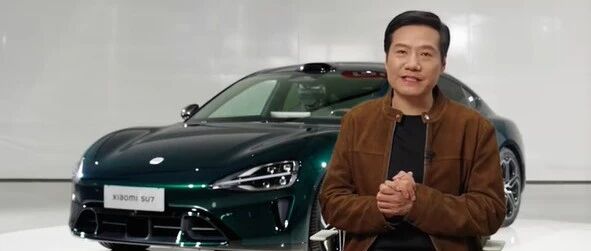
Key Points - Xiaomi's CEO Lei Jun announced the discontinuation of the first-generation SU7 to avoid undermining existing customers, despite the impact on initial sales [4] - The new generation SU7 features significant upgrades in safety, power, and chassis, including a 10% increase in strength of the embedded roll cage and a maximum power output of 690 horsepower [5] - Huawei faced a large-scale account suspension issue affecting adult players, attributed to a potential error in their account verification system, raising concerns about user experience [10] - AI companies are increasingly hiring liberal arts graduates, with salaries for positions like AI trainers and ethical researchers reaching up to 30,000 yuan per month, indicating a shift in job market demand [12][13] - 360 Group's founder announced a nationwide installation plan for their AI product, following a security incident that raised concerns about user data safety [15] - Horizon Robotics is reportedly facing leadership changes with the departure of its chip development head, which could impact its competitive position in the market [17] - Alibaba is implementing an internal plan to provide employees with token allowances to encourage the use of AI tools in their work [20] - Dell announced a significant layoff plan affecting 11,000 employees, reflecting ongoing trends in the tech industry to reduce costs and optimize operations [37][38] - The global automotive industry has suffered over $35.4 billion in losses due to U.S. tariffs, with Toyota being the most affected company, facing an estimated cost of $9.1 billion [40][41]



黄仁勋的下一个万亿生意
汽车商业评论· 2026-03-17 23:07
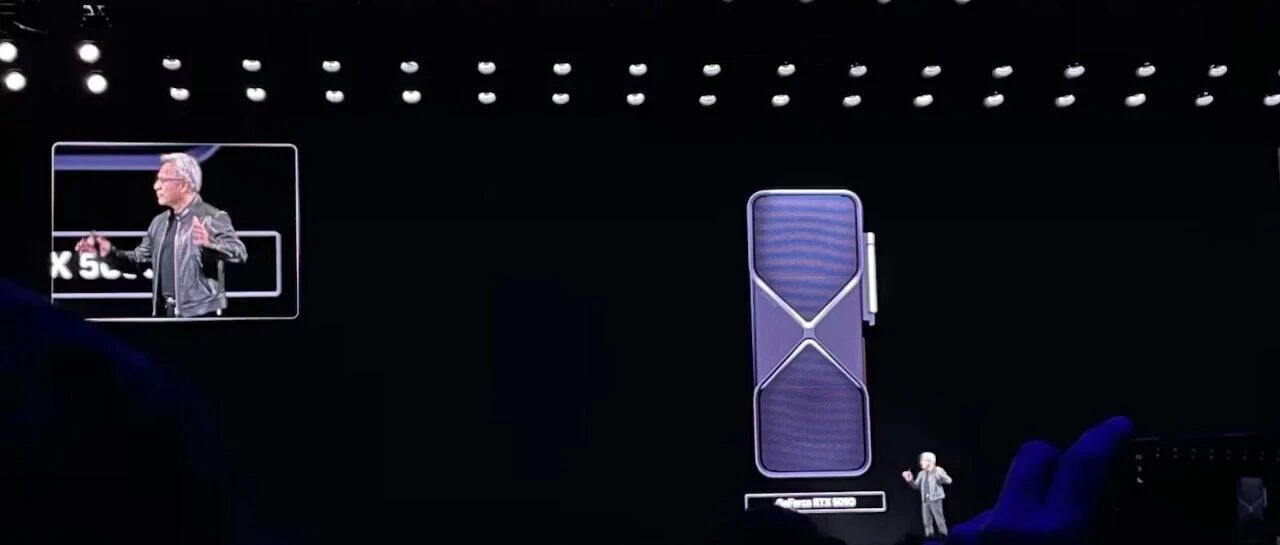
Core Insights - NVIDIA and Uber are expanding their partnership in autonomous driving, with plans to launch self-driving taxis equipped with NVIDIA's technology in Los Angeles and the San Francisco Bay Area by mid-2027, aiming for deployment in 28 markets across four continents by the end of 2028 [3][10] - The collaboration signifies NVIDIA's shift from being a chip supplier to a full-stack autonomous driving software provider, while Uber is transitioning from a technology owner to a platform integrator [26][10] Group 1: Partnership Expansion - The new plan involves NVIDIA providing a complete Level 4 (L4) autonomous driving software stack, utilizing the DRIVE Hyperion platform and the Alpamayo inference model [8] - Uber's deployment strategy includes three phases: starting with data collection vehicles, moving to operations with human drivers, and finally transitioning to fully autonomous L4 operations [9] - The partnership aims to integrate NVIDIA's end-to-end autonomous driving stack with Uber's global ride-hailing network, enhancing the scalability of robotaxi services [9][26] Group 2: Industry Context - In the past week, Uber has announced new robotaxi developments with Zoox, Nissan, Wayve, and Motional, indicating a competitive landscape in the autonomous taxi sector [4][12] - NVIDIA's GTC conference showcased its automotive business, with several companies, including BYD and Nissan, adopting the DRIVE Hyperion platform for L4 autonomous vehicles [16][17] - The DRIVE Hyperion platform is designed to integrate computing, sensors, networks, and safety systems, aiming to simplify global deployment and reduce validation cycles [17] Group 3: Future Projections - Jensen Huang, NVIDIA's CEO, predicts that by 2027, the total procurement orders for the Blackwell and Vera Rubin chip series will reach $1 trillion, reflecting the growing demand for computing power in the autonomous driving sector [4][28] - The collaboration with Uber is part of a broader strategy to position NVIDIA as a leader in the AI infrastructure for autonomous driving, with a focus on enhancing the efficiency of AI factories and the overall ecosystem [28][27]
优步与英伟达合作,在全球范围扩大自动驾驶出租车规模
Xin Lang Cai Jing· 2026-03-17 19:17
Core Insights - Uber Technologies Inc. shares rose 3.32% in pre-market trading following the announcement of a partnership with NVIDIA to launch software-driven autonomous taxis in the first half of 2027, with plans to expand to 28 cities globally by 2028 [1][2] - The initiative will utilize NVIDIA's Level 4 autonomous driving platform, marking a significant step for Uber in moving beyond its traditional ride-hailing model [1][2] - The technology will integrate AI models, simulation, and high-performance computing, allowing autonomous vehicles to operate alongside human drivers over time [1][2] Strategic Developments - This launch is part of a series of actions by Uber to expand its autonomous driving strategy, including a recent collaboration with Motional to introduce an autonomous taxi service in Las Vegas [1][2] - Uber has also announced partnerships with Wayve and Nissan, as well as a separate strategic partnership with Zoox, reinforcing its approach to build a broad network of partners rather than relying on a single supplier to scale its autonomous taxi fleet [1][2]
MindVLA-o1发布会提了一个指引理想未来十年做什么的问题
理想TOP2· 2026-03-17 14:51
Core Viewpoint - The article discusses the vision of building a digital brain for machines that can operate in the real world, with a focus on the next ten years of development led by Li Xiang [1][3]. Group 1: Autonomous Driving and AI Development - The main line of the first decade for the company is that autonomous driving represents the ultimate goal for smart vehicles, with all efforts before 2025 aimed at achieving a competitive vehicle for this purpose [4]. - Initially, Li Xiang was uncertain about how to achieve autonomous driving but believed in its feasibility, focusing first on range-extended vehicles until the industry matured enough to support pure electric vehicles [5]. - It wasn't until 2023 that the company began to invest significant resources into autonomous driving, emphasizing the importance of timing and the right actions at each stage [6]. - By March 2026, the company clarified that autonomous driving is not the end goal but a necessary step, with many other opportunities to pursue afterward [8]. Group 2: Evolution of Autonomous Driving - The evolution path for the company's autonomous driving includes improving perception and setting human prior rules, mimicking learning and language processing, and integrating reinforcement learning for smarter decision-making [9]. - The organization aims to create a silicon-based brain that can be transferred to other physical entities, starting with achieving autonomous driving, with aspirations for humanoid robots capable of household tasks within three years, although this may take longer [9]. Group 3: Product Development and Market Response - The success of the first two generations of vehicles is attributed to effective product definition, particularly in hardware aspects, while the software interface remains less imitable by competitors [10]. - The company plans to focus on integrated experiences of embodied intelligence, similar to how Apple differentiated itself in the smartphone era through hardware and operating systems [11]. - The market response to the first generation of embodied intelligence products remains highly uncertain, and the company's competitive success will heavily depend on Li Xiang's intelligence, decision-making quality, and evolution speed [11].