价值投资

Search documents
比麦肯锡更落地,比巴菲特更懂创造价值的公司和模式是谁?
Sou Hu Cai Jing· 2025-10-09 18:17
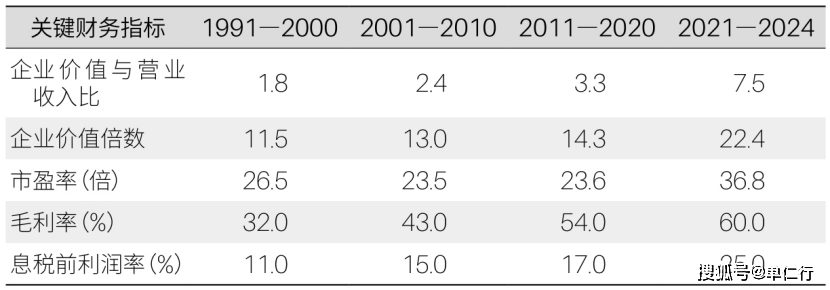
Core Insights - Danaher Corporation has demonstrated consistent growth over 30 years, with gross and net profit margins doubling, and a compound annual growth rate of shareholder returns reaching 22% [2] - The company has completed over 400 acquisitions, investing approximately $90 billion, with an internal net return rate of about 21% [6][12] - Danaher emphasizes a disciplined and rational approach to mergers and acquisitions, avoiding overpaying for high-quality targets and not purchasing low-quality assets simply due to low valuations [12] Financial Performance - Key financial metrics from 1991 to 2024 show significant growth in enterprise value to revenue ratio, increasing from 1.8 to 7.5, and enterprise value multiples rising from 11.5 to 22.4 [1] - The price-to-earnings ratio has also increased from 26.5 to 36.8, while gross margins improved from 32% to 60% [1] Management and Strategy - Danaher’s management approach, known as the Danaher Business System (DBS), focuses on deep operational involvement in acquired companies, which is more effective than traditional consulting services [8] - The company’s strategy includes a focus on technology-driven acquisitions, particularly in strategic areas like automation and robotics [18] Comparison with Other Companies - Danaher is compared favorably against diversified groups like General Electric and Honeywell, as well as Berkshire Hathaway, in terms of operational performance and shareholder returns [2][4] - The investment strategies of companies like Midea and Tencent are noted to be more aligned with Danaher’s approach, focusing on synergistic acquisitions rather than mere scale expansion [17] Leadership and Influence - Danaher has produced notable leaders in the industry, with executives from Danaher taking key positions in companies like Wuxi Biologics and Wantai Biological Pharmacy [5][6] - Larry Culp, who led Danaher for 13 years, played a crucial role in rescuing General Electric, showcasing the influence of Danaher’s leadership style [5]



黄金、基金和股票选哪个
Bei Jing Shang Bao· 2025-10-09 16:14
Group 1 - The core viewpoint is that investors face a dilemma between investing in gold, stocks, or mutual funds, each catering to different investment goals and time commitments [1][2]. - Gold prices have surpassed $4000 per ounce, while the Shanghai Composite Index has risen above 3900 points, indicating a simultaneous bull market in both gold and stocks [1]. - For investors with limited time, mutual funds are recommended as they are managed by professional fund managers who can provide stable long-term returns [2][3]. Group 2 - Investors seeking liquidity should consider gold investments due to its large market size and high liquidity, allowing for quick transactions [2]. - For higher expected returns, direct investment in stocks is suggested, with a long-term view being the most beneficial strategy, particularly in blue-chip stocks [2][3]. - Successful stock investment requires a solid understanding of macroeconomics, financial data, and industry trends, making value investing a more suitable approach for average investors [3].
Heico Corporation (HEI) is a Top-Ranked Growth Stock: Should You Buy?
ZACKS· 2025-10-09 14:45
Core Insights - Zacks Premium provides tools for investors to enhance their stock market engagement and confidence through various resources like daily updates, research reports, and stock screens [1][2]. Zacks Style Scores - Zacks Style Scores are indicators that rate stocks based on value, growth, and momentum methodologies, helping investors identify stocks likely to outperform the market in the short term [2][3]. - Each stock receives a rating from A to F, with A indicating the highest potential for outperformance [3]. Value Score - The Value Style Score focuses on identifying undervalued stocks by analyzing financial ratios such as P/E, PEG, and Price/Sales [3]. Growth Score - The Growth Style Score assesses a company's financial health and future outlook by examining projected and historical earnings, sales, and cash flow [4]. Momentum Score - The Momentum Style Score evaluates stocks based on price trends and earnings estimate changes, aiding investors in timing their purchases of high-momentum stocks [5]. VGM Score - The VGM Score combines the Value, Growth, and Momentum Scores, providing a comprehensive indicator for stock selection [6]. Zacks Rank - The Zacks Rank is a proprietary model that utilizes earnings estimate revisions to simplify portfolio building, with 1 (Strong Buy) stocks achieving an average annual return of +23.81% since 1988, significantly outperforming the S&P 500 [7][8]. - There are over 800 stocks rated 1 or 2, which can be overwhelming for investors [8]. Stock to Watch: Heico Corporation - Heico Corporation is a leading manufacturer of FAA-approved jet engine and aircraft component replacement parts, also producing electronic equipment for various industries [11]. - Currently rated 3 (Hold) with a VGM Score of B, Heico shows potential for growth with a Growth Style Score of B and a forecasted year-over-year earnings growth of 28.6% for the current fiscal year [12]. - The Zacks Consensus Estimate for Heico's earnings has increased by $0.14 to $4.72 per share, with an average earnings surprise of +13.4% [12][13].


Should Value Investors Buy Sealed Air (SEE) Stock?
ZACKS· 2025-10-09 14:40
Core Insights - The article emphasizes the importance of earnings estimates and revisions in identifying strong stocks, while also acknowledging that investors have diverse strategies [1] - Value investing is highlighted as a preferred method for finding strong stocks across various market conditions, utilizing established valuation metrics [2] - Zacks has developed a Style Scores system to identify stocks with specific traits, particularly focusing on the "Value" category for value investors [3] Company Analysis: Sealed Air (SEE) - Sealed Air currently holds a Zacks Rank of 2 (Buy) and a Value grade of A, indicating strong potential [4] - The Forward P/E ratio for Sealed Air is 10.49, significantly lower than the industry average of 12.94, suggesting it may be undervalued [4] - Over the past 12 months, Sealed Air's Forward P/E has fluctuated between a high of 12.18 and a low of 7.72, with a median of 10.36 [4] - The P/S ratio for Sealed Air is 0.96, compared to the industry's average P/S of 1.14, further indicating potential undervaluation [5] - Overall, the metrics suggest that Sealed Air is likely undervalued, and its strong earnings outlook positions it as one of the market's strongest value stocks [6]

30股收盘价低于2元 A股低价股同比大降近七成
Bei Jing Shang Bao· 2025-10-09 14:13
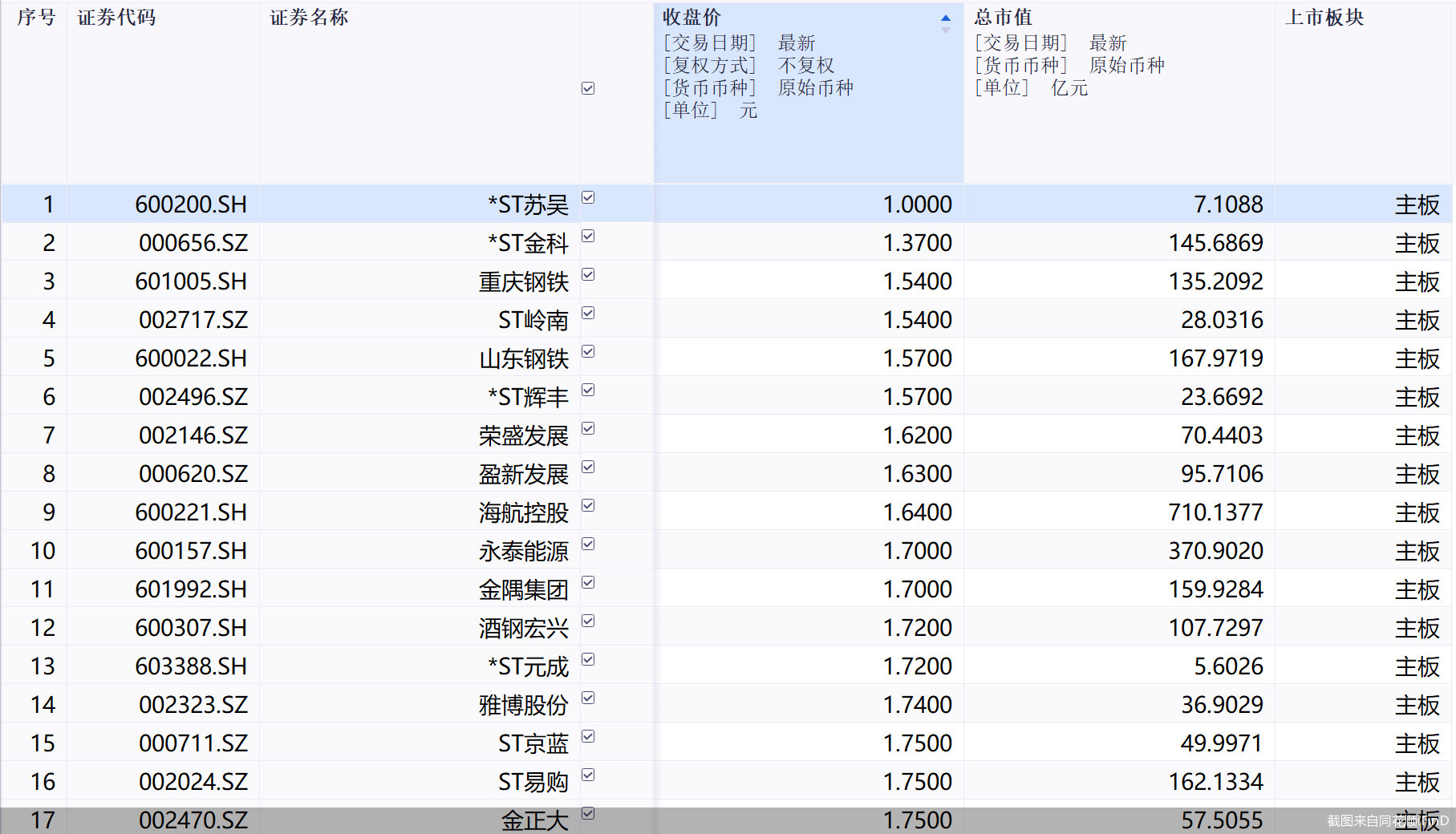
Core Viewpoint - The number of low-priced stocks in the A-share market has significantly decreased, with only 30 stocks closing below 2 yuan as of October 9, compared to nearly 100 a year ago, indicating a market trend towards higher quality stocks and the impact of regulatory reforms [1][2][3] Group 1: Market Overview - As of October 9, there are 30 stocks in the A-share market with closing prices below 2 yuan, a decrease of nearly 70% compared to the same period last year [2] - Among these 30 low-priced stocks, 5 are ST stocks and 8 are *ST stocks, accounting for over 40% of the total [2] - The reduction in low-priced stocks is attributed to the natural result of a rising market and the deepening of delisting and registration system reforms [2][3] Group 2: Performance of Low-Priced Stocks - Nearly 70% of the 30 low-priced stocks reported losses in the first half of the year, with 22 stocks showing negative net profits [4] - *ST Jinkang reported the highest loss, with a net profit of approximately -75.23 billion yuan, marking a decline of 85.28% in revenue [4] - The real estate sector has the highest number of low-priced stocks, totaling 8, followed by the construction and decoration sector with 4 [4] Group 3: Specific Company Analysis - Yongtai Energy has the largest decline in net profit among the few profitable stocks, with a net profit drop of 89.41% to approximately 1.26 billion yuan [6][7] - The company attributes its performance decline to falling coal prices and reduced power generation due to maintenance [7] - Yongtai Energy has implemented measures such as stock buybacks and cash dividends to support its stock price, but it still struggles to reflect its actual value in the market [8]
30股收盘价低于2元,A股低价股同比大降近七成
Bei Jing Shang Bao· 2025-10-09 13:52
Core Viewpoint - The number of low-priced stocks in the A-share market has significantly decreased, with only 30 stocks closing below 2 yuan as of October 9, compared to nearly 100 a year ago, indicating a market trend towards higher quality stocks and the impact of regulatory reforms [2][3]. Group 1: Market Overview - As of October 9, there are 30 stocks in the A-share market with closing prices below 2 yuan, a decrease of nearly 70% from the same period last year [2]. - Among these 30 low-priced stocks, 5 are ST stocks and 8 are *ST stocks, accounting for over 40% of the total [2]. - The majority of these low-priced stocks are listed on the main board of the stock exchange [2]. Group 2: Performance Analysis - Over 70% of the 30 low-priced stocks reported losses in the first half of the year, with 22 stocks showing negative net profits [4]. - *ST Jinkang reported the highest loss, with a net profit of approximately -75.23 billion yuan, marking a year-on-year decline of 85.28% in revenue [4]. - The real estate sector has the highest number of low-priced stocks, totaling 8, followed by the construction and decoration sector with 4 [4]. Group 3: Company-Specific Insights - Yongtai Energy, one of the few profitable stocks among the low-priced group, experienced the largest decline in net profit, down 89.41% year-on-year [6][7]. - The company attributed its performance decline to falling coal prices and operational disruptions due to maintenance [7]. - Yongtai Energy has implemented measures such as stock buybacks and management share purchases to support its stock price, but it still struggles to reflect its actual value in the market [8].

私募大佬但斌成为中国香港居民,东方港湾:身份变更申请在走流程
2 1 Shi Ji Jing Ji Bao Dao· 2025-10-09 13:12
Core Insights - The recent identity change of Dan Bin, a prominent figure in the private equity sector, has sparked market speculation regarding its implications for his investment firm, Dongfang Gangwan [1][2][6] Company Overview - Dongfang Gangwan, founded in 2004, is one of the earliest sunshine private equity funds in China, headquartered in Shenzhen, focusing on discovering outstanding companies and investing at reasonable prices for the long term [6] - The firm has a cumulative management scale exceeding 10 billion yuan and manages over 100 private equity funds [6] - Dan Bin remains the largest shareholder with a 69% stake, while the company's equity structure remains unchanged despite his identity shift [7] Recent Developments - On August 26, 2025, Dongfang Gangwan updated its investor information, changing Dan Bin's identity from "China" to "Hong Kong" and he stepped down as general manager while retaining the title of chairman and actual controller [1][7] - The firm has submitted a change of actual controller's personal identity information to the China Securities Investment Fund Industry Association, which is currently under processing [2] Investment Strategy - In recent years, Dan Bin has shifted his investment focus towards the U.S. stock market, particularly during the volatile market conditions of 2022 [10] - As of the second quarter of 2025, Dongfang Gangwan held 13 U.S. stocks with a market value of $1.126 billion, a significant increase from $868 million in the previous quarter [10] - The firm is also a major holder of ETFs, with significant positions in technology-focused ETFs, indicating a concentrated investment strategy in leading tech companies like Microsoft, Apple, Google, and Nvidia [10] Market Outlook - Dongfang Gangwan has expressed that the next phase of investment focus may shift from large models to application companies in various verticals, emphasizing the importance of AI experience accumulation [11] - The firm believes that the rise of hard technology will play a crucial role in upgrading market structures and aligns with global trends led by tech giants [11]

侃股:黄金、基金和股票选哪个?
Bei Jing Shang Bao· 2025-10-09 12:09
Group 1 - The core viewpoint is that investors face a dilemma between investing in gold, stocks, or mutual funds, each catering to different investment goals and time commitments [1][2]. - Gold prices have surpassed $4000 per ounce, while the Shanghai Composite Index has risen above 3900 points, indicating a simultaneous bull market in both gold and stocks [1]. - For investors with limited time, mutual funds are recommended as they are managed by professional fund managers who can provide stable long-term returns [2][3]. Group 2 - Investors seeking liquidity should consider gold investments due to the large market size and high liquidity, allowing for quick transactions [2]. - Direct stock investments are expected to yield higher returns over the long term, with blue-chip stocks being the best strategy for maximizing expected returns [2][3]. - Successful stock investment requires a deep understanding of macroeconomics, financial data, and industry trends, making value investing a more suitable approach for average investors [3].
私募大佬但斌成为“中国香港居民”!东方港湾:变更申请在走流程
2 1 Shi Ji Jing Ji Bao Dao· 2025-10-09 11:24
Core Insights - The recent identity change of Dan Bin, a prominent figure in the private equity sector, has sparked market speculation regarding its implications for his investment firm, Dongfang Hongwan [1][4] - Dongfang Hongwan has submitted a change of control application to the China Securities Investment Fund Industry Association, which is currently under processing [1] - The firm has shifted its investment focus towards the U.S. stock market, with significant holdings in technology stocks and ETFs [6][7] Company Overview - Dongfang Hongwan, founded in 2004, is one of the earliest sunshine private equity funds in China, focusing on discovering outstanding companies and investing at reasonable prices for the long term [2] - The firm has over 100 billion yuan in managed assets and more than 100 private equity funds under management [3] Recent Developments - Dan Bin's identity change from "China" to "Hong Kong" may facilitate overseas asset allocation and broaden fundraising channels [4] - The firm has a strong emphasis on technology sectors, particularly AI and related applications, as part of its investment strategy [6][7] Investment Strategy - Dongfang Hongwan's current investment strategy heavily favors U.S. stocks, with a reported market value of $1.126 billion in 13 U.S. stocks as of Q2 2025, up from $868 million in Q1 [6] - The firm is also a leading holder of ETFs, with significant investments in major tech companies like Microsoft, Apple, Google, and Nvidia [6] Market Outlook - The firm anticipates that the next phase of AI development will focus on application companies in various verticals rather than just large models [7] - The analysis of the A-share market indicates a deeper connection between market pricing logic and China's economic transformation, with hard technology emerging as a long-term driving force for market structure upgrades [7]

但斌“新身份”!中国香港居民!
证券时报· 2025-10-09 09:08
Core Viewpoint - The recent change in identity of Dan Bin, chairman of Dongfang Port Bay, from "China" to "Hong Kong" has attracted market attention, indicating a strategic shift towards greater international flexibility and potential tax advantages for the private equity firm [2][6]. Group 1: Identity Change and Company Operations - On August 26, 2023, Dongfang Port Bay underwent an "investor change," with Dan Bin's identity updated to "Hong Kong" [2][5]. - Dongfang Port Bay confirmed that the change in Dan Bin's identity is being processed according to regulatory procedures and will not affect the company's stable operations or investment strategies [2][6]. - Dan Bin has stepped down as the general manager but remains in the role of manager, while still being the actual controller of the firm [5][6]. Group 2: Strategic Implications of Hong Kong Residency - The shift to a Hong Kong residency is significant as it offers advantages in capital markets, tax arrangements, and cross-border investment facilitation, enhancing the firm's international operational flexibility [6]. - Dongfang Port Bay has established multiple QDII products, focusing on investments in U.S. stocks, Hong Kong stocks, and overseas ETFs, with notable performance due to heavy investments in tech stocks like NVIDIA [6]. Group 3: AI Investment Trends and Market Sentiment - The AI investment boom has led to record highs in U.S. tech stocks, with major companies like NVIDIA and Oracle making substantial investments in AI capabilities [8][9][10]. - The International Monetary Fund (IMF) and the Bank of England have issued warnings about the rapid rise in tech stock valuations driven by AI, indicating a buildup of vulnerabilities and risks in the market [12]. - Dan Bin expressed that the risk of missing out on the AI era outweighs the concerns about a potential bubble, suggesting a long-term positive outlook for AI investments [13].