自动驾驶

Search documents
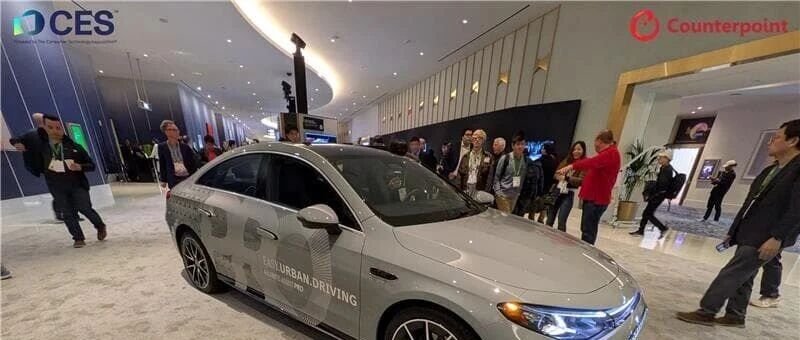
CES 2026 汽车领域发布要点:媒体日回顾
Counterpoint Research· 2026-01-12 02:45
Core Insights - The article discusses the significant advancements in the automotive industry showcased at CES 2026, focusing on the integration of AI, software-defined vehicles, and advanced driver-assistance systems (ADAS) [5][6][7]. Group 1: NVIDIA and AI Developments - NVIDIA launched Alpamayo, an open-source AI model and tools aimed at accelerating the development of safe, inference-based autonomous driving systems. The model features a Vision-Language-Action architecture with 10 billion parameters, enhancing decision-making capabilities to resemble human reasoning [4][5]. - NVIDIA also introduced AlphaSim, an end-to-end open-source simulation framework for validating autonomous driving systems, along with over 1,700 hours of real driving data [5]. Group 2: Collaborations and New Technologies - ZF and Qualcomm announced a partnership to develop a scalable ADAS platform integrating the ZF ProAI supercomputer and Snapdragon Ride platform, enabling up to Level 3 autonomous driving capabilities with 1,500 TOPS of computing power [6][7]. - Aptiv showcased its next-generation AI driving system capable of L2++ level autonomous driving, expanding its technology from automotive to robotics [9][11]. Group 3: Automotive Innovations - BMW introduced the iX3, featuring a new AI-driven personal assistant and the sixth-generation eDrive technology, which supports a range of advanced functionalities including fast charging and a WLTP range of up to 805 kilometers [13]. - Sony Honda Mobility unveiled the Afeela 1 electric vehicle, equipped with a dual-motor system and a 91 kWh battery, featuring AI-driven voice and infotainment capabilities [15][16]. Group 4: Battery Technology and Connectivity - Donut Lab launched the world's first mass-produced solid-state battery, achieving a high energy density of 400 Wh/kg and rapid charging capabilities, set to be used in the 2026 Verge electric motorcycle [30]. - Quectel introduced the 5G-Advanced AR588MA module, enhancing vehicle safety and connectivity with dual SIM support and satellite communication features [32]. Group 5: Mapping and Navigation - HERE Technologies presented AI maps integrated with the Snapdragon Ride platform, enhancing L2 and L2+ level ADAS capabilities and expanding its navigation services in over 100 countries by 2026 [25].


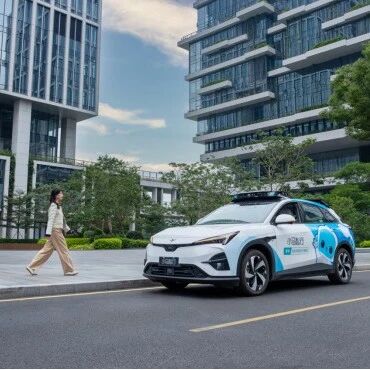
小马智行与北汽新能源开启合作2.0阶段,中国Robotaxi加速驶向中东和欧洲
IPO早知道· 2026-01-12 02:04
Core Viewpoint - The collaboration between Pony.ai and BAIC New Energy marks a significant step towards the commercialization and globalization of autonomous driving, aiming to establish a benchmark for the smart driving industry in China [3][12]. Group 1: Strategic Cooperation Framework - The partnership is built on five pillars: product co-creation, market expansion, industry chain collaboration, ecosystem development, and capital integration, with a focus on leveraging a billion-level investment to drive the trillion-level smart driving industry [5]. - The "Five-in-One" cooperation upgrade signifies a shift from single project collaboration to a comprehensive system development [5]. Group 2: Product Development and Market Expansion - The collaboration will expand the L4-level Robotaxi product matrix from a single model to a comprehensive range, utilizing the production experience of the Arcfox Alpha T5 Robotaxi [6]. - The aim is to promote the "Chinese solution" for autonomous driving in global markets, with plans to introduce the Arcfox Alpha T5 Robotaxi and its operational system to strategic markets in the Middle East and Europe [6]. Group 3: Industry Chain and Ecosystem Integration - The partnership will initiate actions to enhance the supply chain, focusing on optimizing performance, maintenance costs, and lifecycle costs of L4 models, thereby reducing BOM and operational costs for Robotaxis [8]. - The integration of BAIC Group's travel platforms and after-market resources with Pony.ai's Robotaxi fleet aims to streamline the entire value chain from vehicle development to operation and maintenance [8]. Group 4: Capital Collaboration - Future capital cooperation will focus on technology research and development, supply chain investment, and global market expansion, creating a deep binding pattern of "joint technology research, joint market expansion, and joint capital investment" [9]. Group 5: Production Milestones - The production scale of the Arcfox Alpha T5 Robotaxi has exceeded 600 units, surpassing the target of 1,000 units by 2025 and providing momentum for achieving a scale of 3,000 units by the end of 2026 [11]. - The Arcfox Alpha T5 Robotaxi is fully operational in major cities like Beijing and Shenzhen, with plans to expand to more first-tier cities to meet diverse user travel needs [11].

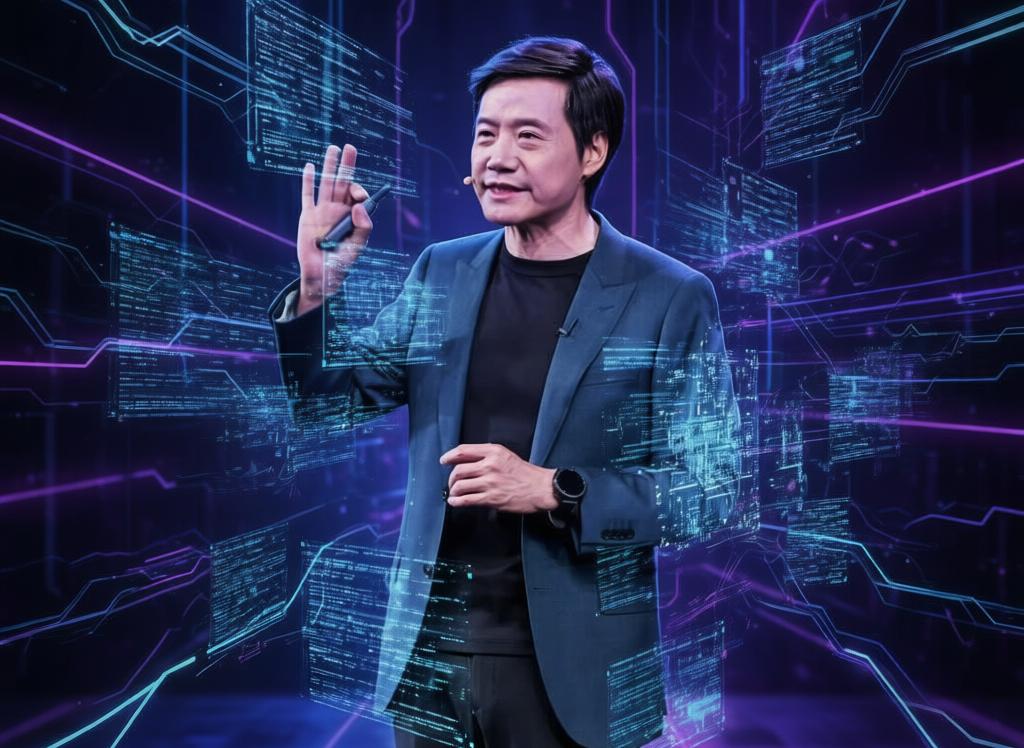
雷军需要第三次All In
3 6 Ke· 2026-01-12 01:54
Core Viewpoint - Lei Jun emphasizes the importance of engineers and technology at Xiaomi, indicating a shift in narrative focus towards technological innovation and foresight in the face of increasing competition and market challenges [1][4][10]. Group 1: Recognition of Engineers - Lei Jun awarded significant technical prizes to engineers, marking it as a key annual event for Xiaomi [1]. - In a recent live stream, Lei Jun reiterated his identity as an engineer rather than a marketing master, expressing disdain for marketing tactics [2][3]. Group 2: Shift in Narrative - The narrative surrounding Xiaomi is changing, with a growing focus on safety incidents, false marketing, and public perception rather than just products [4][5]. - Xiaomi's ability to set the agenda is weakening, attributed to rapid technological changes and the increasing importance of foresight in tech companies [5]. Group 3: Importance of Foresight - Foresight is becoming a core competitive advantage for leading entrepreneurs, with successful figures like Steve Jobs and Elon Musk exemplifying this trait [6]. - Lei Jun is positioned between Tim Cook and Elon Musk, needing to enhance his foresight to maintain relevance and success [7]. Group 4: AI and Future Directions - Xiaomi is at a critical juncture, needing to pivot towards becoming an AI-focused company, marking a third major investment phase after mobile and automotive sectors [10]. - The company has invested over 100 billion in technology R&D over the past five years, with plans to double this to 200 billion in the next five years [24]. Group 5: Competitive Landscape - Xiaomi's AI model development is lagging behind competitors like ByteDance and Alibaba, which have made significant advancements in AI models since 2022 [12]. - The company has faced challenges in the AI hardware market, with initial enthusiasm for products like AI glasses waning quickly [14]. Group 6: Opportunities in AI Integration - The integration of AI with mobile and automotive technologies presents a unique opportunity for Xiaomi, as it can leverage its manufacturing capabilities and existing technology [19][20]. - There is a lack of defined standards for AI integration in mobile and automotive sectors, providing Xiaomi with a chance to establish itself as a leader [23]. Group 7: Financial Considerations - Despite ambitious plans, Xiaomi's budget for AI development may be insufficient compared to competitors who are investing significantly more [25]. - The company may need to consider restructuring its AI division for independent financing to support its technological ambitions [25][26]. Group 8: Future Challenges - To maintain its competitive edge, Xiaomi must enhance its technological narrative and public perception, similar to how Musk has positioned himself in the tech landscape [29]. - The transition from "Lei Busi" to "Lei Musk" requires substantial investment and a shift in strategy to align with emerging technological trends [29].

智能汽车主线周报:小鹏汽车发布VLA2.0,看好智能化-20260112
Soochow Securities· 2026-01-12 01:51
Investment Rating - The industry investment rating is "Overweight," indicating an expected outperformance of the industry index relative to the benchmark by more than 5% over the next six months [22]. Core Insights - The smart car index decreased by 2.0% this week, while the index excluding Tesla fell by 6.9%. As of January 8, 2026, the smart car index PS (TTM) is at 14.0x, placing it in the 96th percentile since the beginning of 2023. The index excluding Tesla has a PS (TTM) of 7.2x, in the 97th percentile since early 2023 [2][11]. - Key developments in the industry include NVIDIA's announcement of the open-source autonomous driving model Alpamayo at CES 2026, and a proposed increase in the annual deployment cap for vehicles without traditional controls from 2,500 to 90,000 in the U.S. [2][16]. - The report maintains a positive outlook for the L4 RoboX segment in 2026, favoring B-end software companies over C-end hardware companies [2]. Summary by Sections Industry Performance Review - The smart car index has shown a decline of 2.0%, while the index excluding Tesla has decreased by 6.9% [2][11]. - The top five gainers in the smart car index include Black Sesame Intelligence, Four-dimensional Map, Zhejiang Shibao-H, Qianli Technology, and Hesai [2]. Key Changes in the Industry - NVIDIA's CEO Jensen Huang introduced the open-source autonomous driving model Alpamayo, marking a shift towards an "end-to-end" approach in autonomous driving technology [16]. - A U.S. hearing on new automotive legislation is scheduled for January 13, 2026, which may significantly impact the regulatory environment for autonomous vehicles [16]. Investment Recommendations - The report suggests focusing on B-end software stocks such as XPeng Motors, Horizon Robotics, Pony.ai, and others, while also highlighting key players in the downstream application and supply chain sectors [2][16]. - Specific recommended stocks include Qianli Technology, Desay SV, and Jingwei Hirain in the A-share market, and XPeng Motors and Horizon Robotics in the H-share market [2].
中原证券晨会聚焦-20260112
Zhongyuan Securities· 2026-01-12 01:38
Core Insights - The report highlights the positive momentum in the A-share market, driven by strong performance in sectors such as aerospace, software development, and internet services, while traditional sectors like insurance and shipbuilding lag behind [8][9][10] - The average price-to-earnings (P/E) ratios for the Shanghai Composite Index and the ChiNext Index are above their three-year median levels, indicating a favorable environment for medium to long-term investments [8][9][10] - The report emphasizes the importance of monitoring macroeconomic data, overseas liquidity changes, and policy developments as key factors influencing market performance [8][9][10] Domestic Market Performance - The Shanghai Composite Index closed at 4,120.43 with a gain of 0.92%, while the Shenzhen Component Index rose by 1.15% to 14,120.15 [3] - The A-share market has shown resilience with a trading volume of 31,526 billion, above the three-year average, indicating strong investor interest [8][9][10] International Market Performance - Major international indices such as the Dow Jones and S&P 500 experienced slight declines, with the Dow down by 0.67% and the S&P 500 down by 0.45% [4] Economic Policies and Strategies - The State Council's recent meeting focused on enhancing consumer spending and optimizing loan policies to boost service sector growth, reflecting a proactive approach to stimulate the economy [8] - The report notes that the application for satellite frequency resources has reached a strategic national level, indicating a significant investment in space technology [8] Industry Analysis - The report identifies the media and software sectors as leading performers, with a notable increase in demand for gaming and animation films, which are driving box office growth [6][18][21] - The food and beverage sector has faced challenges, with a 4.05% decline in December, particularly in traditional categories like liquor and meat products, while emerging categories like snacks and health products continue to perform well [16][19] - The semiconductor industry is experiencing robust growth, with global sales increasing by 27.2% year-on-year, highlighting the sector's resilience and potential for investment [23] Investment Recommendations - The report suggests focusing on sectors with strong growth potential, such as aerospace, software development, and consumer goods, while also considering high-dividend stocks for stable returns [8][9][10] - Specific investment opportunities are recommended in the food and beverage sector, particularly in snacks, health products, and soft drinks, which are expected to perform well in the coming months [19][21]


从智能硬件到自动驾驶,锐明技术的全球商用车AI解决方案演进全景
Quan Jing Wang· 2026-01-12 00:54
Core Insights - The rapid development of artificial intelligence (AI) technology is significantly enhancing the commercial vehicle operation and service sector, driving a comprehensive upgrade towards intelligent solutions [1] - Rui Ming Technology has established itself as a leader in global commercial vehicle AI solutions, leveraging opportunities in autonomous driving and building a complete technical system encompassing hardware, software, and algorithms [2][3] Group 1: Company Overview - Rui Ming Technology has been focusing on video monitoring technology since its establishment in 2002, evolving into a leading provider of AI solutions for commercial vehicles, with operations in over 100 countries [2] - The company has developed a comprehensive product system centered on safety and efficiency, integrating advanced driving assistance systems (ADAS), automatic emergency braking systems (AEBS), driver monitoring systems (DMS), and panoramic imaging monitoring (AVM) [1][2] Group 2: Technological Advancements - The company has accumulated over 80 intelligent algorithms that cover critical safety scenarios, including advanced driving assistance and driver state monitoring, enhancing its technological moat [3] - The proprietary SafeGPT system represents a significant advancement in the company's technical capabilities, enabling the integration of various data types for effective risk prediction and management [3] Group 3: Market Position and Growth - The tightening of global commercial vehicle safety regulations has created strong demand for Rui Ming Technology's products, transitioning them from optional to mandatory features in new vehicles [4] - The global market for AI applications in commercial vehicles is projected to reach approximately 150 billion RMB by 2024, with a compound annual growth rate exceeding 30% from 2025 to 2030 [6] Group 4: Application and Expansion - Rui Ming Technology's solutions are embedded in various commercial sectors, including logistics, public transportation, and special vehicles, providing comprehensive management solutions that enhance safety and efficiency [4][5] - The company has established a broad business network with 70% of its revenue coming from overseas, operating 11 subsidiaries globally and maintaining production bases in China and Vietnam [6][7] Group 5: Future Outlook - Rui Ming Technology is advancing its plans for a Hong Kong listing to secure additional resources for business growth and global expansion, focusing on high-level intelligent driving and AI model systems [7]
中国科学家创出全新计算架构提升算力 让新器件真正“跑起来”
Su Zhou Ri Bao· 2026-01-12 00:48
Core Viewpoint - The research team from Peking University has developed a novel multi-physical domain fusion computing architecture that enhances the performance of Fourier transform calculations by nearly four times, utilizing new post-Moore devices [1] Group 1: Technological Innovation - The new architecture integrates volatile vanadium oxide devices with non-volatile tantalum/hafnium oxide devices, creating a hardware system suitable for diverse computational methods including Fourier transform [1] - The system integration allows for complementary advantages in frequency generation control and in-memory computing, increasing the speed of Fourier transform calculations from approximately 130 billion operations per second to about 500 billion operations per second [1] Group 2: Application Potential - This new computing framework is expected to address the challenges of expanding the operator spectrum of post-Moore devices, enabling support for multiple computational methods and accelerating the practical applications of these new devices in advanced fields such as artificial intelligence foundational models, embodied intelligence, autonomous driving, brain-machine interfaces, and communication systems [1]
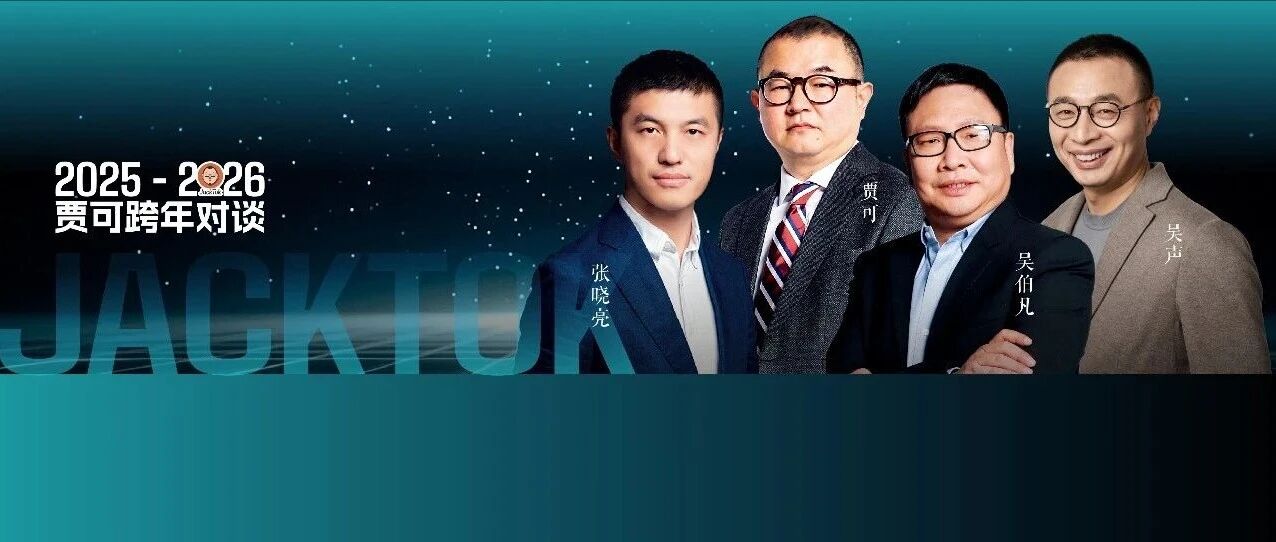
贾可吴伯凡吴声张晓亮,4万字2025-2026跨年对谈全文(下)
汽车商业评论· 2026-01-11 23:06
Core Viewpoint - The article discusses the evolving landscape of the Chinese automotive industry, focusing on the impact of personal branding (IP) of industry leaders, the rise of Huawei in automotive technology, and the trends in global expansion and regulatory changes in autonomous driving [4][5][6]. Group 1: Personal Branding in Automotive Industry - The debate on whether automotive leaders like Lei Jun and Wei Jianjun should develop personal brands (IP) has intensified, with differing opinions on its effectiveness and potential backlash [5][25]. - Lei Jun's recent challenges with Xiaomi's automotive ventures highlight the risks of personal branding, while Wei Jianjun's successful IP development reflects a more grounded approach [26][30]. - The article emphasizes the need for automotive leaders to focus on product quality and strategic management rather than solely on personal branding [31][35]. Group 2: Huawei's Role in Automotive Technology - Huawei's positioning as a service provider rather than a car manufacturer allows it to play a unique role in the automotive industry, focusing on empowering car manufacturers with advanced technologies [7][10]. - The introduction of Huawei's "Jing" and "Jie" series vehicles indicates a strategic expansion into the automotive market, with a focus on high-end segments [9][10]. - Huawei's technology capabilities, including smart cockpit and driving technologies, are seen as critical to its success in the automotive sector, potentially reshaping the competitive landscape [12][15]. Group 3: Trends in Global Expansion - The article notes a significant trend of Chinese automotive companies pursuing IPOs in Hong Kong, reflecting a renewed interest in capital markets and the need for ongoing funding in a capital-intensive industry [38][39]. - The global expansion of Chinese automotive brands is characterized by a shift towards local production and partnerships, moving beyond simple export strategies to more integrated approaches [43][45]. - The necessity for Chinese companies to adapt to local markets and consumer behaviors is emphasized, indicating a more mature approach to globalization [47][49]. Group 4: Regulatory Changes in Autonomous Driving - The Chinese government has implemented stricter regulations on L2 autonomous driving systems, reflecting a growing emphasis on safety following recent incidents [58][60]. - The approval of L3 autonomous driving systems indicates a positive regulatory environment for advanced driving technologies, with companies like Deep Blue and BAIC leading the way [58][61]. - The article suggests that the development of Robotaxi services is gaining momentum, with a focus on subscription-based models as a viable business strategy [61][63].



全球大公司要闻 | 台积电下一代1.4纳米工艺研发顺利,计划2027年启动风险试产
Wind万得· 2026-01-11 22:42
Group 1 - TSMC is progressing well with the development of its next-generation 1.4nm process, planning to start risk production in 2027 and gradually ramp up production in 2028. The company expects sales to reach NT$335 billion in December 2025, a year-on-year increase of 20.4%, slightly exceeding market expectations. Cumulative sales for 2025 are projected at NT$3.81 trillion, reflecting a year-on-year growth of 31.6% [2] - OpenAI is advancing audio AI technology and plans to release a more natural real-time voice model in 2026, aiming to replace screen interactions with voice. The company is also investing $1 billion with SoftBank Group in SB Energy to support its growth as a data center developer and operator [2] - Meta has reached agreements with nuclear power suppliers Oklo, Vistra, and TerraPower to potentially acquire up to 6.6 GW of nuclear power capacity by 2035, positioning itself as the largest nuclear energy buyer among tech giants to support its data center operations [2] - Merck is reportedly in talks to acquire cancer drug developer Revolution Medicines for between $28 billion and $32 billion, which would mark a significant transaction in the recent biotech merger wave and enhance its oncology product line [2] Group 2 - Geely Holding is likely to announce an expansion plan in the U.S. within the next 24 to 36 months, with brands like Zeekr and Lynk & Co potentially suitable for the U.S. market, aiming to accelerate its global layout and expand into high-end overseas markets [5] - BAIC New Energy has launched a pilot operation for the Arcfox Alpha S (L3 version) in collaboration with Beijing Mobility, with the first batch of vehicles expected to enter designated areas by Q2 2026, promoting the commercialization of autonomous driving technology [5] - China Resources Microelectronics has signed a strategic cooperation agreement with TCL Industries and Zhonghuan Lianxing, focusing on power devices, smart power modules, and MCUs to enhance competitiveness in the semiconductor supply chain [5] - Tencent's Chief AI Scientist stated that the company has a strong 2C gene and faces challenges in the 2B market in China, indicating a future exploration of differentiated development paths for 2B business [5] - Stone Technology has received approval from the CSRC for its Hong Kong IPO, planning to issue no more than 33.108 million shares, which will further expand its financing channels [6] Group 3 - Samsung Electronics' Galaxy S26 Ultra model will support eSIM and is expected to be released next month, while major tech companies like Google, Microsoft, and Meta are seeking memory supply support from Samsung and SK Hynix due to global memory shortages [11] - Toyota remains the top-selling car brand in Indonesia for 2025, while Tesla has surpassed Toyota in global market capitalization, reflecting ongoing market optimism for the electric vehicle sector and increasing pressure on traditional automakers [11] - Sumitomo Metal Mining is investing in a nickel wet processing plant in Indonesia to build a stable resource supply network, with Japan's nickel metal production expected to reach 106,000 tons by 2025 [11] - BMW Group expects global sales of 2.464 million units in 2025, a slight increase of 0.5% year-on-year, with a 12.5% decline in the Chinese market, while European and U.S. markets show growth of 7.3% and 5.0%, respectively [13] - LVMH is reportedly collaborating with Chinese beauty brand Mao Geping, although specific details of the partnership have not been disclosed, indicating its expansion in the beauty sector [13]




【重磅深度】全球Robotaxi商业化拐点将现,看好国内L4公司出海再扬帆
东吴汽车黄细里团队· 2026-01-11 14:10
Core Viewpoint - The global shared mobility market is undergoing a critical transition from human-driven to automated services, exhibiting significant regional differentiation [4][9]. North America Market - The North American ride-hailing market is dominated by Uber and Lyft, creating a stable pricing power. In the Robotaxi sector, Waymo holds a monopoly while Tesla aggressively disrupts the market. Chinese Robotaxi companies face barriers due to a 2025 U.S. Department of Commerce ban on hardware and software, complicating their commercialization path [4][9][16]. European Market - The European regulatory environment is fragmented and stringent, with local automakers lagging in L4 algorithm development. This creates a unique "hybrid model" opportunity, where "U.S./local platforms + Chinese technology" could break through. Uber and Lyft's collaboration with Baidu Apollo indicates that de-branding technology output is a favorable solution for entering the European market [4][9][16]. Middle East Market - The Middle East presents a unique "three highs and one low" characteristic: high customer spending, high policy support, high infrastructure investment, and low energy costs. Gulf countries are eager to reduce oil dependency, viewing autonomous driving as a national strategy. Chinese companies like WeRide and Pony.ai benefit from dual advantages of road rights and licenses, making it an ideal training ground and commercialization area for overseas expansion [4][9][16]. Southeast Asia Market - The Southeast Asian ride-hailing market is large but has low customer spending. Low labor costs may lead to economic challenges for Robotaxi operations. In the short term, large-scale deployment of Robotaxis is not cost-effective, and two-wheeled vehicles remain mainstream. Singapore, with its high labor costs, may achieve Robotaxi commercialization [4][5][9]. Investment Focus - Focus on the L4 RoboX industry chain, prioritizing B-end software over C-end hardware. Recommended stocks include: - Hong Kong stocks: Xpeng Motors, Horizon Robotics, Pony.ai, WeRide, Cao Cao Mobility, and Black Sesame Technology - A-shares: Qianli Technology, Desay SV, and Jingwei Hirain - Downstream application-related stocks from the Robotaxi perspective include integrated models (Tesla, Xpeng Motors), technology providers with revenue-sharing models (Horizon, Baidu, Pony.ai, WeRide, Qianli Technology), and the transformation of ride-hailing/taxi services (Didi, Cao Cao Mobility, Ruqi Mobility, Dazhong Transportation, Jinjiang Online) [6][9]. Regulatory and Market Barriers - The regulatory landscape for Robotaxis abroad features a dual approach of support and regulation. Companies must assume clear accident liability and purchase sufficient liability insurance. Vehicles must have complete data recording capabilities and undergo third-party safety assessments. Operationally, there are restrictions on operational areas, fleet size, and speed [12][14]. Market Size and Growth - The North American shared mobility market is projected to grow significantly, with the total Gross Transaction Value (GTV) expected to reach billions by 2030. The European market also shows substantial potential, albeit with slower conversion rates. The Middle East is characterized by strong government support, while Southeast Asia presents a high-growth potential due to infrastructure gaps [21][22][27]. Pricing Dynamics - Pricing dynamics vary significantly across regions, influenced by local labor costs and regulatory environments. North America has high labor costs, allowing Robotaxis to survive without extreme price reductions. In contrast, Europe faces stringent labor protections that increase operational costs. The Middle East's pricing is shaped by government-led transportation strategies, while Southeast Asia's ultra-low fares are supported by low labor costs [33][34]. Profitability Disparities - Profitability varies significantly across countries, with developed regions showing higher absolute margins per Robotaxi. Revenue per vehicle in China, UAE, UK, and the US is estimated at approximately $40,000, $90,000, $250,000, and $250,000 respectively, with gross margins reflecting these disparities [34][35].