
人民币升值

Search documents
未知机构:重申人民币升值及高端消费复苏的免税利好传导逻辑昨日中国中免披露全-20260121
未知机构· 2026-01-21 02:15
Summary of Conference Call Notes Company and Industry Involved - The conference call discusses China Duty Free Group (CDFG) and its acquisition of DFS's retail business in Greater China, along with the duty-free retail industry in China. Core Points and Arguments 1. **Acquisition Announcement**: CDFG announced the acquisition of DFS's retail business in Greater China for up to $395 million in cash, along with a concurrent issuance of H-shares to the transaction counterparties. This acquisition is expected to enhance CDFG's market presence in the Hong Kong and Macau regions, achieving comprehensive coverage in both domestic and regional markets [1][1]. 2. **Strategic Partnership with LVMH**: The acquisition includes a strategic cooperation memorandum with LVMH, which will establish a long-term partnership. This collaboration is anticipated to enhance CDFG's supply capabilities for high-end products and improve procurement bargaining power [1][1]. 3. **Market Penetration**: CDFG aims to leverage its channel advantages to further penetrate the Greater China tourism retail market, capitalizing on the existing assets of DFS [1][1]. 4. **Positive Data Trends**: Recent data from December indicates a positive trend in duty-free shopping in Hainan, with total shopping amounts reaching 3.4 billion yuan, a year-on-year increase of 17%. The number of visitors was 450,000, down 3.4%, while the average spending per person increased by 21% to 7,623 yuan [2][2]. 5. **Impact of RMB Appreciation**: The discussion highlighted the favorable transmission logic of RMB appreciation and the recovery of high-end consumption in the duty-free sector. The appreciation is expected to enhance gross margins due to lower operating costs and stimulate luxury consumption, similar to trends observed during previous appreciation cycles [2][2]. Other Important but Potentially Overlooked Content - The call referenced previous discussions on the impact of currency fluctuations on luxury goods consumption, particularly focusing on the relationship between the Japanese yen's depreciation and changes in consumer behavior [2][2]. - The strategic implications of the partnership with LVMH may also extend beyond immediate financial benefits, potentially influencing brand positioning and market strategy in the luxury segment [1][1].

2026人民币升值趋势确立!对美元汇率破6.96,老百姓沾光迎红利
Sou Hu Cai Jing· 2026-01-20 14:11
Core Viewpoint - The recent appreciation of the Renminbi (RMB) against the US dollar reflects a strong trend supported by China's economic fundamentals, marking a significant milestone in the currency's performance [1][4][43]. Economic Performance - In 2025, China's GDP grew by 5%, surpassing 140 trillion yuan, indicating robust economic performance that underpins the RMB's strength [6]. - The RMB's appreciation is attributed to improved Sino-US trade relations and a weakening US dollar, which has provided more room for the RMB to strengthen [8][6]. Market Dynamics - The onshore and offshore RMB appreciated by 0.4% and 0.3% respectively since the beginning of the year, showcasing a trend of strengthening [3]. - The RMB's rise is not merely a short-term fluctuation but a reflection of deeper economic transformations, including a shift towards high-quality development and enhanced technological content in exports [14][31]. Consumer Impact - The appreciation of the RMB has made overseas consumption, education, and imported goods more affordable for consumers, leading to tangible benefits for families planning to travel or study abroad [16][18]. - The cost of imported goods, including cosmetics and high-end food products, is expected to decrease, benefiting consumers through lower prices and more frequent promotions [20]. Financial Innovations - The digital RMB has been upgraded to version 2.0, introducing features like interest-bearing wallets, enhancing financial convenience for users [22]. - The digital RMB also incorporates carbon credit functionalities, linking green living with financial incentives, thus broadening its utility beyond mere transactions [24]. Investment Implications - The RMB's appreciation suggests that investors may need to adjust their asset allocations, potentially reducing USD-denominated assets and increasing RMB-denominated investments [37]. - The ongoing development of the digital RMB is expected to play a significant role in personal asset management, making it a vital option for consumers [39]. Long-term Outlook - The RMB's strengthening is indicative of China's economic transformation and long-term growth potential, with expectations of continued benefits for the populace as the economy evolves [29][45]. - The RMB's rise is anticipated to enhance China's attractiveness for foreign goods and services, further stimulating import trade [35].


人民币升值背景下可以关注哪些投资方向?
Xin Lang Cai Jing· 2026-01-20 13:39
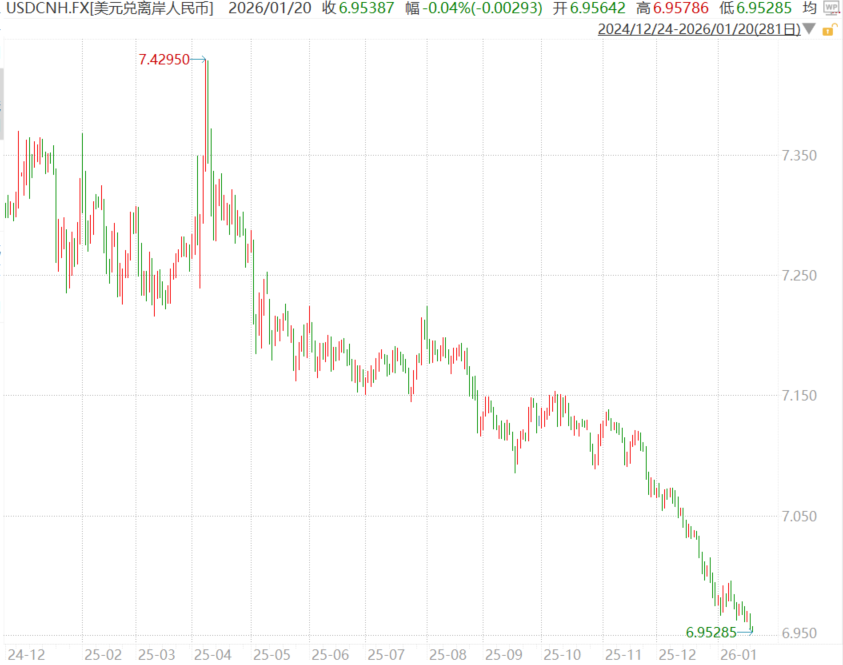
(来源:中信建投财富管理) 进入2026年,人民币汇率持续走强,离岸人民币对美元汇率一度升破6.96,创下近年来新高。这一趋势并非短期波动, 而是国内外多重因素共同作用的结果。对于投资者来说,理解人民币升值背后的多重原因,以及其对不同行业和企业带 来的变化和影响,或成为当下影响投资决策和资产配置策略的关键。 资料来源:Wind;历史不代表未来,市场有风险,投资需谨慎 人民币升值的驱动因素 从内部来看,中国经济的含金量和高质量发展为人民币升值奠定了坚实的基础。尽管外部环境复杂而多变,中国经济在 2025年展现出超预期的韧性,制造业转型升级加速,以新能源汽车、人工智能为代表的战略性新兴产业蓬勃发展,中国 产品的全球竞争力不断增强。同时,2025年的前11个月,中国货物贸易顺差首次突破1万亿美元大关,达到1.076万亿美 元,同比增长21.7%。经济基本面的持续改善以及强劲的出口表现,增强了国内外市场对中国资产的长期信心,为人民 币升值提供了核心驱动力。 从外部来看,美元指数的走势对人民币兑美元汇率产生重要影响。美联储开启降息周期,美元持续走弱,去年全年跌幅 超9%,美元利差的相对优势大幅下降。同时,美国高企的债务 ...
工业需求+宏观利好共振,白银有色(601212)涨停:异动背后的四大逻辑拆解
Sou Hu Cai Jing· 2026-01-20 08:04
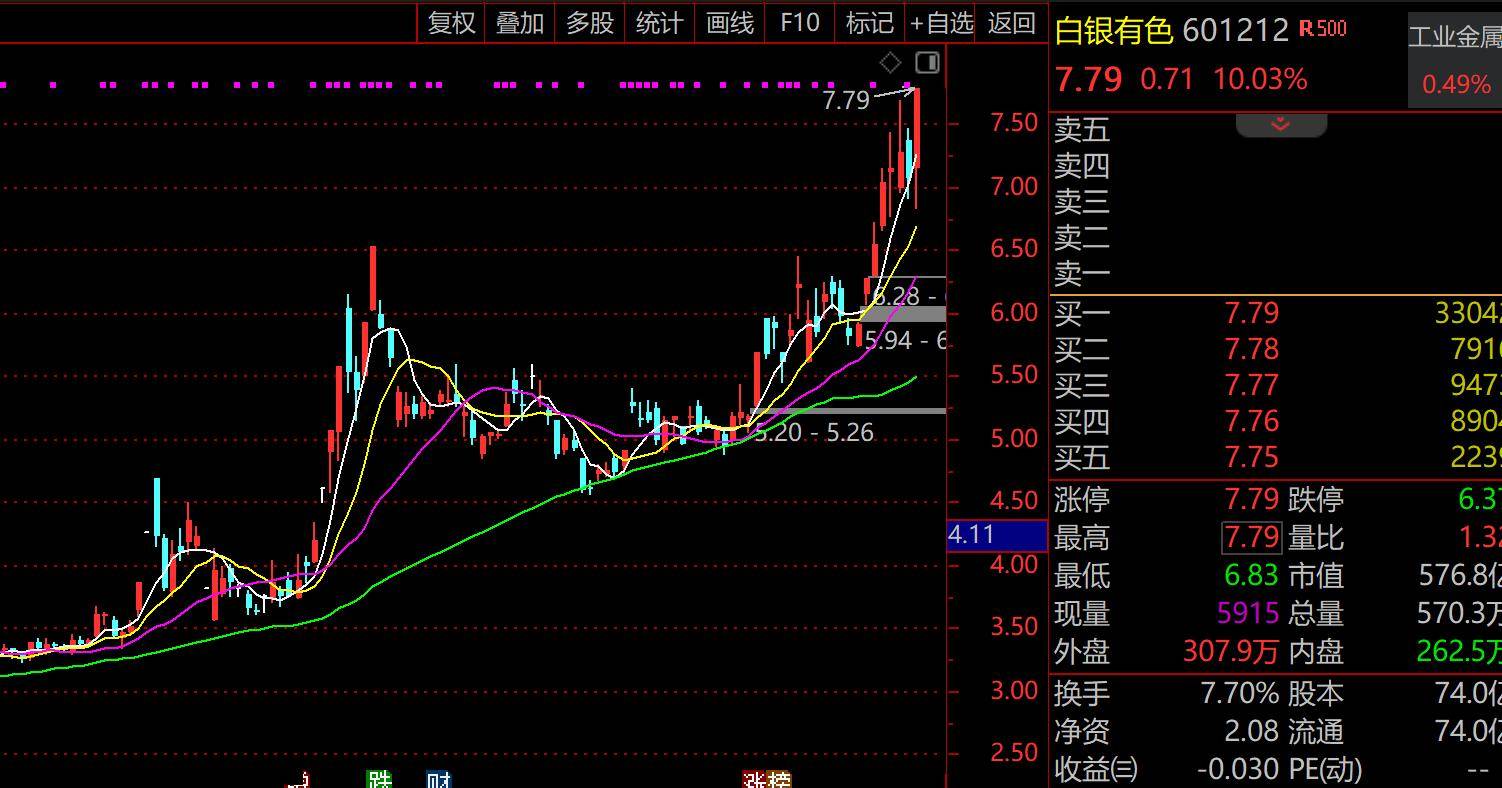
Company Insights - Silver Holdings (601212) experienced a significant stock price increase, reaching a 10.03% rise and closing at 7.79 yuan, marking an 8-year high with a total market capitalization of 57.683 billion yuan [1] - Recent announcements from the company indicated a business expansion strategy, including a capital increase to its wholly-owned subsidiary and a proposed capital increase of 240 million yuan with an additional 150 million yuan in guarantees, which were interpreted by the market as efforts to enhance production capacity and expand operations [3][4] Industry Trends - The industrial demand for silver is expected to grow, with projections indicating a 25% increase in installed capacity in the photovoltaic industry for 2026, and the silver usage in AI servers is anticipated to be three times that of regular servers. Currently, industrial demand accounts for over 50% of silver usage [3][4] - The domestic spot silver price surged, benefiting from the recent appreciation of the yuan, which lowered import costs, and increased demand for physical silver gifts and commemorative coins ahead of the Spring Festival [3][4] - The macroeconomic environment, including ongoing expectations for interest rate cuts by the Federal Reserve and inflationary pressures in the U.S., has positively influenced the valuation logic of the precious metals sector, contributing to the overall upward trend in the industry since 2025 [3][4]

化工ETF(159870)收涨1.47%获净申购超14亿份,反内卷推进及人民币升值带来原油采购成本下降,大炼化行业景气上行可期
Xin Lang Cai Jing· 2026-01-20 07:52
Group 1 - The chemical sector is experiencing a strong rise due to the ongoing anti-involution efforts and the appreciation of the RMB, which has led to a decrease in crude oil procurement costs. The chemical ETF (159870) saw a net subscription of 1.412 billion units today, marking 14 consecutive days of net inflow [1] - The Ministry of Industry and Information Technology and four other departments issued a notice for the assessment of outdated petrochemical facilities, with progress exceeding 60% in Liaoning's efforts to eliminate and upgrade these facilities by January 9, 2026 [1] - The refining capacity in China is nearing the 1 billion ton threshold, with limited new capacity expected. The exit of outdated facilities is anticipated to improve the supply-demand dynamics in the refining industry [1] Group 2 - The PX market is showing upward momentum, with a day-on-day increase of 0.64% and a year-on-year increase of 6.27% as of January 13. The price spread is $339/ton, which is $100/ton higher than the average of $239/ton in 2025. The import volume of PX accounts for about 20% of total demand, and with limited new capacity, the supply-demand situation is expected to tighten due to growing downstream polyester demand [1] - The polyester industry chain's capacity expansion is nearing completion, with increasing consumer demand in end markets such as textiles and drinking water, as well as growth in Southeast Asia. The industry supply-demand dynamics are improving, awaiting the PTA anti-involution meeting to further enhance the overall chain's outlook [2] - As of January 20, 2026, the CSI sub-sector chemical industry theme index (000813) rose by 1.52%, with significant gains in constituent stocks such as Sankeshu (up 10.00%), Luxi Chemical (up 8.89%), and Satellite Chemical (up 6.67%). The chemical ETF (159870) increased by 1.47%, with the latest price at 0.9 yuan [2]
建信沪深300红利ETF(512530)所跟踪指数逆市走强,盘中涨超1%,2025年A股上市公司现金分红创历史新高
Xin Lang Cai Jing· 2026-01-20 06:16
Group 1 - The core viewpoint of the articles highlights the significant increase in cash dividends from A-share listed companies, reaching a historical high of 2.55 trillion yuan in 2025, indicating a shift towards a balanced investment and financing ecosystem with a focus on investment returns [1] - The rise in the CSI 300 Dividend Index by 1.06% reflects positive market sentiment, with individual stocks such as Conch Cement and Chengdu Bank showing notable gains of 5.29% and 2.72% respectively, suggesting strong performance among dividend-paying stocks [1] - Analysts from China Galaxy Securities expect a steady growth in bank credit, supported by policies aimed at expanding domestic demand and stabilizing growth, while the low interest rate environment continues to enhance the dividend appeal of banks [1] Group 2 - Zhejiang Securities notes that the valuation of dividend stocks remains at historically low levels, which not only reflects the asset revaluation potential due to the appreciation of the yuan but also highlights their defensive value in terms of stable profitability during economic transitions [2] - The Jianxin CSI 300 Dividend ETF closely tracks the CSI 300 Dividend Index, which selects 50 high-dividend stocks from the CSI 300 Index, thereby reflecting the overall performance of high dividend yield securities within the index [2]
史上最长春节假来袭,消费能涨一波吗?
Sou Hu Cai Jing· 2026-01-19 09:38
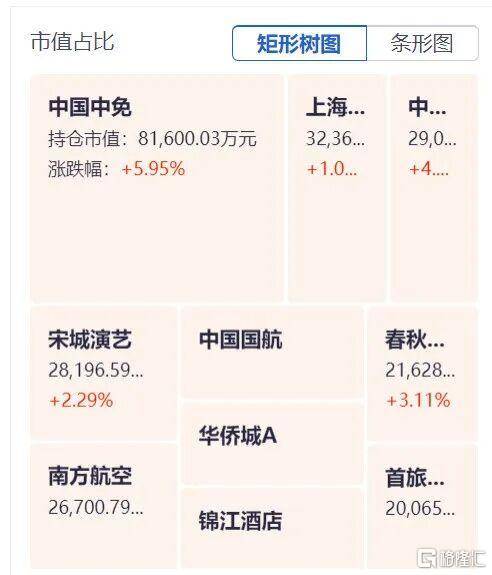
还有1个月就是26年春节了,除去20年春节因为疫情因素格外长外,26年春节算是史上最长的假期。 另外可以预知的是,后面国人的假期大概率是会继续增加的。 增加的目的就是让人流动起来,流动起来,才会有相应的消费,吃喝玩乐。 市场已经开始动起来了,虽然整体消费一般,白酒甚至持续在新低,但旅游ETF大涨3个多点,逼近24年10月高点,算是消费 里比较强的一个细分。 那么,这种行情有持续性吗,旅游股的节奏是什么样的,旅游股能带起其他消费的行情吗? 01 旅游板块拆分 讲清这个问题,我们先来了解一下旅游板块的成分。 以旅游ETF为例,里面的公司有免税(即中免,市值最大的公司)、航空(这块市值也大)、酒店以及旅游景点。 时间点过了后就不要再留恋,因为这个里面是没有什么基本面的,真论起基本面,里面大量公司现在根本不值这个钱,这就 是博弈。 春节可以博弈,五一可以,国庆可以,大概的启动节奏和兑现节奏就是上面说的。 另外,官方经常说要刺激消费,但目前还没见到多少真金白银的消费政策,所以资金也不会去抄那些消费老登,往往也是拿 这个细分领域的小公司玩。 所以大家可以看,尽管这些公司没啥基本面,过去的业绩也不见增长,有些还是亏损累累, ...
史上最长春节假来袭,消费能涨一波吗?
格隆汇APP· 2026-01-19 09:06
Core Viewpoint - The article discusses the potential for growth in the tourism sector, particularly in the context of upcoming holidays and the impact of consumer behavior on stock performance. It highlights the differences between small tourism stocks and larger companies in the tourism ETF, emphasizing the speculative nature of smaller stocks while noting the fundamental strength of larger players like duty-free and airline companies [6][10][15]. Group 1: Tourism Sector Dynamics - The upcoming Spring Festival in 2026 is expected to be the longest holiday in history, which may lead to increased consumer spending and movement [4][5]. - The tourism ETF has shown strong performance, with a notable increase of over 3% recently, indicating a potential trend in consumer behavior despite overall weak consumption in other sectors [6][10]. - Small tourism stocks tend to experience price increases one to one and a half months before long holidays, with a tendency to realize profits one to two weeks before the holiday [10][12]. Group 2: Composition of the Tourism ETF - The tourism ETF includes companies from duty-free, airlines, hotels, and tourist attractions, with a significant market capitalization attributed to duty-free and airline sectors [8][9]. - Duty-free companies, such as China Duty Free Group, have shown a recovery in performance, with data indicating a shift from declining to significantly positive growth since mid-2022 [15][16]. - Airlines are expected to benefit from the appreciation of the RMB, which reduces costs for dollar-denominated expenses, thus improving profit margins [19]. Group 3: Investment Opportunities and Risks - The article suggests that while small tourism stocks may offer speculative opportunities, larger companies in the duty-free and airline sectors present more stable investment prospects due to their fundamental strengths [20]. - The overall consumer market, particularly traditional sectors, is expected to face challenges, with limited opportunities for broad recovery unless specific companies show growth [25]. - The article emphasizes the importance of monitoring the operational efficiency of larger hotel chains, as their performance may not align with the broader market trends [20].

港股异动 | 六福集团(00590)午后涨超3% 第三财季增长超预期 管理层计划继续扩张海外市场
智通财经网· 2026-01-19 06:29
Core Viewpoint - Luk Fook Holdings (00590) has shown strong performance with a stock price increase of over 3%, reflecting positive market sentiment and growth expectations for the company [1] Group 1: Financial Performance - For the third quarter of the fiscal year ending December 2026, Luk Fook's retail value increased by 26% year-on-year, exceeding expectations [1] - Retail value growth in mainland China, Hong Kong, Macau, and overseas regions was reported at 26% and 20% respectively [1] - Same-store sales growth for self-operated/brand stores in mainland China and same-store sales in Hong Kong, Macau, and overseas regions were 7%/31% and 16% respectively [1] Group 2: Market Outlook - CICC raised the target price for Luk Fook by 12% to HKD 34.31, citing improved industry sentiment leading to valuation uplift [1] - Citigroup noted that despite gold prices reaching new highs in December, consumer adaptation to high gold prices has minimized sales impact [1] - Management remains optimistic about the growth potential in overseas markets and plans to allocate more resources for expansion, maintaining a target of approximately 20 new stores for the fiscal year 2026 [1]
表现坚稳 人民币中间价创逾32个月新高
Xin Lang Cai Jing· 2026-01-19 02:44
Group 1 - The central point of the news is the appreciation of the Chinese yuan against the US dollar, reaching its highest level since May 2023, with the onshore yuan rising by 131 basis points and the offshore yuan by 82 basis points last week [1] - The People's Bank of China emphasizes a clear exchange rate policy that maintains the yuan's stability at a reasonable level without devaluation for competitive trade advantages [2] - Analysts predict that the yuan will enter an appreciation phase starting in 2025, with an expected annual increase of 2-3% over the next few years, potentially leading to a total appreciation of over 30% in a decade [2] Group 2 - The recent appreciation of the yuan is attributed to the depreciation of the US dollar and seasonal factors related to exports and consumption ahead of the Chinese New Year [2] - There is a call for a new strategy to balance imports and exports, suggesting an increase in imports settled in yuan to enhance the currency's internationalization and liquidity [3] - Upcoming economic data releases from both the US and China are anticipated to influence the yuan's exchange rate, with expectations of a moderate strengthening trend supported by seasonal factors [3]