
价值创造

Search documents
破除“内卷式”竞争 迈向高质量发展
Ren Min Ri Bao· 2025-08-22 04:18
Group 1: E-commerce Platform Changes - Major e-commerce platforms have announced adjustments to the "refund without return" mechanism, shifting the responsibility to negotiate between consumers and sellers, rather than the platform intervening automatically [7][10] - The adjustment aims to protect both consumer and seller rights, moving away from price competition to value creation, which is expected to enhance the industry ecosystem [7][12] - Data shows a significant decrease in "refund without return" disputes, with the Beijing Internet Court handling less than 20 cases this year, a drop of over 60% compared to the previous year [7][8] Group 2: Industry Transformation - The eyewear industry in Taizhou, Zhejiang, is transitioning from low-cost, low-quality production to innovation-driven manufacturing, with companies like Yingchang Group improving efficiency and product quality through advanced technology [13][15] - The establishment of the Duqiao Eyewear Micro-entrepreneurship Park has facilitated collaboration among over 100 eyewear companies, enhancing supply chain efficiency and reducing production costs [15][16] - The average inspection pass rate for eyewear products in Taizhou has improved to 94.3% in 2024, up 16 percentage points from 2022, indicating a focus on quality management [16] Group 3: Local Government and Investment Strategies - Local governments are shifting from offering tax incentives to optimizing the business environment to attract quality enterprises, as seen in the case of Jiaozuo, Henan [17][19] - The implementation of a "special post and special salary" system for professional talent in investment promotion has led to the successful attraction of 26 projects with a total signed amount of 8.7 billion yuan [24] - The focus on service quality and government efficiency has resulted in a significant increase in new project signings, with Jiaozuo leading the province in new contracts [24]

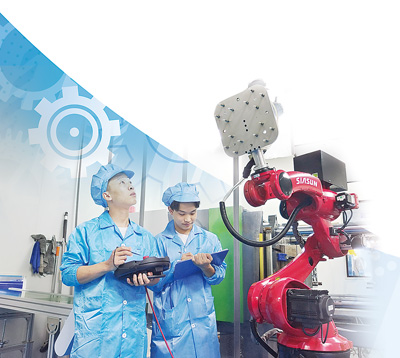
破除“内卷式”竞争 迈向高质量发展(人民眼·建设全国统一大市场)——纵深推进全国统一大市场建设观察之三
Xin Lang Cai Jing· 2025-08-22 03:44
Group 1: E-commerce Industry Changes - Major e-commerce platforms have adjusted the "refund without return" policy to protect merchants' rights and promote a healthier consumption ecosystem [7][9][11] - The number of cases related to "refund without return" has decreased by over 60% compared to the same period last year, indicating a positive shift in consumer behavior [8] - The adjustment of the "refund without return" rule has led to a 30% reduction in total refunds on platforms like Taobao and Tmall [11] Group 2: Innovation in the Eyewear Industry - The eyewear manufacturing sector in Taizhou, Zhejiang, has seen a transformation from low-cost competition to value creation through innovation and technology [7][14] - The introduction of advanced machinery has increased production efficiency by 8 times, allowing companies to improve product quality without engaging in price wars [14][16] - The establishment of a high-standard entrepreneurial park has facilitated collaboration among over 100 eyewear companies, enhancing supply chain efficiency and reducing costs [15] Group 3: Local Government and Investment Strategies - Local governments are shifting from offering tax incentives to optimizing the business environment to attract quality enterprises [17][19] - The focus is now on service quality and effective governance rather than merely competing on financial incentives [20][24] - The implementation of a specialized recruitment strategy for investment promotion has led to the successful attraction of numerous projects, with a total signed amount of 87 billion yuan [24]
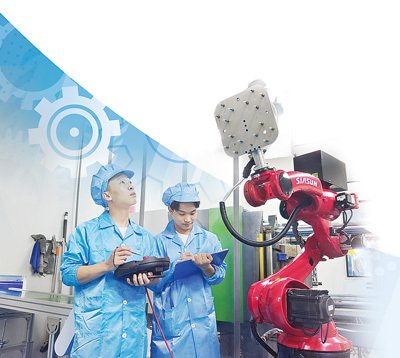
均价、份额、增速均第一!海尔系洗衣机继续领先
Quan Jing Wang· 2025-08-19 03:20
Group 1 - The core viewpoint of the article highlights the transformation of the washing machine industry driven by evolving consumer demands amid ongoing consumption upgrades and intensified market competition [1] Group 2 - Haier's washing machines demonstrate impressive performance in key metrics, achieving a retail volume share of 44.6% and a retail value share of 47.2% in the offline market, indicating that for every two washing machines sold offline, one is from Haier [2] - The growth momentum is notable, with a year-on-year net increase of 3.1 percentage points in retail volume share and 1.6 percentage points in retail value share, both leading the industry [2] - Haier's washing machines exhibit a distinct characteristic of "value over volume," as the retail value share significantly exceeds the retail volume share, indicating a higher average price than the industry [2] Group 3 - Consumer demands are evolving beyond basic cleaning capabilities, with a focus on efficiency, health, and a refined overall experience, such as features like "15-minute quick wash" and deep sterilization technologies [3] - Haier's products align with these upgraded consumer needs, addressing pain points like "quick wash not clean enough" with AI-driven cleaning technology and introducing specialized products like the X11 anti-allergy washing machine [3] - The competitive landscape of the washing machine market is shifting from price competition to a focus on technological innovation, product differentiation, and value creation, with future winners being those who can deeply understand consumer needs and continuously create unique value [3]


胜利油田生产经营半年考交出亮眼“成绩单”
Qi Lu Wan Bao Wang· 2025-08-18 10:49
Core Insights - The company achieved significant operational milestones in the first half of the year, including the highest production levels in nine years and a record low breakeven point since the start of the 14th Five-Year Plan [1][2][3] - The leadership emphasized the importance of collaboration and resilience in achieving these results, which reflect a strong foundation for future growth [2][10] Production and Economic Performance - The company reported a production of 12,600 tons of crude oil, maintaining an upward trend in oil and gas output for eight consecutive years [3][4] - All 11 development units exceeded production targets, showcasing effective cost control and improved economic benefits [4][6] - The company has implemented a "lean management" approach, focusing on value creation and cost reduction strategies to navigate low oil prices [6][10] Technological Advancements and Innovations - The establishment of an integrated online geological and technical decision-making platform has enhanced operational efficiency [7] - New projects, including shale oil capacity and carbon capture initiatives, have contributed to increased production and reduced costs [7][8] Strategic Planning and Future Outlook - The company is committed to high-quality development and has outlined strategies to address challenges posed by fluctuating oil prices [12][13] - The focus will be on expanding traditional oil and gas production while exploring new energy sources and technologies [13][14] - The leadership has called for a collective effort to achieve annual production goals and prepare for the upcoming 15th Five-Year Plan [11][14]
金融业破除“内卷”靠什么
Ren Min Ri Bao· 2025-08-17 23:51
Core Insights - The financial industry must enhance its value creation capabilities and eliminate "involution" to provide better products and services, thereby improving the sense of gain for residents and enterprises, and achieving high-quality development [1] Group 1: New Financial Products - The first batch of performance-linked floating rate fund products has been officially established, creating a mechanism for shared interests and risk between fund managers and investors, which has received positive market response [1] - Over 20 fund products have collectively attracted more than 240,000 investors for subscription [1] Group 2: Regulatory Framework - Regulatory bodies need to continue establishing rules and clear regulations to guide the financial industry to focus more on actual investor returns [2] - The recent upgrade of the floating rate fee model is closely related to the China Securities Regulatory Commission's action plan aimed at promoting high-quality development in public funds [2] - The action plan emphasizes the establishment of a floating management fee mechanism linked to fund performance, enhancing investor protection [2] Group 3: Financial Institutions' Role - Financial institutions must focus on internal capabilities to create value and profit while serving economic and social development [3] - The current "involution" competition in the banking sector is characterized by irrational price wars, relaxed risk management, and service homogenization, driven by a blind worship of scale [3] - To change this situation, financial institutions should develop differentiated strategies, complement each other's strengths, and better serve the real economy [3] - Large banks should actively support major national strategies, while small banks should focus on local markets [3] - Financial institutions are encouraged to consider internationalization, diversify operations, and avoid homogenized competition through specialized services [3]
金融业破除“内卷”靠什么(财经观)
Ren Min Ri Bao· 2025-08-17 21:52
Core Viewpoint - The financial industry must enhance its value creation capabilities and eliminate "involution" to provide better products and services, thereby improving the sense of gain for residents and enterprises, and achieving high-quality development [1] Group 1: New Financial Products - The first batch of performance-linked floating rate fund products has been officially established, creating a mechanism for shared interests and risk between fund managers and investors, which has received positive market response [1] - Over 20 fund products have attracted more than 240,000 investors for subscription [1] Group 2: Regulatory Perspective - Regulatory bodies need to continue establishing rules and guiding the financial industry to focus more on actual investor returns [2] - The recent upgrade of the floating rate fee model is closely related to the China Securities Regulatory Commission's action plan for promoting high-quality development in public funds [2] - The plan emphasizes the protection of investor interests and aims to shift the industry focus from scale growth to investor returns [2] Group 3: Financial Institutions' Role - Financial institutions must improve their internal capabilities to create value and profit while serving economic and social development [3] - The current "involution" competition in the banking sector is characterized by irrational price wars and homogenized services, driven by a blind worship of scale [3] - Institutions should focus on differentiated development and complement each other's strengths to better serve the real economy [3] - Large banks should support national strategic implementations, while small banks should focus on local markets [3] - A shift from scale-driven to value-creating approaches is essential for balancing functionality and profitability in the financial sector [3]
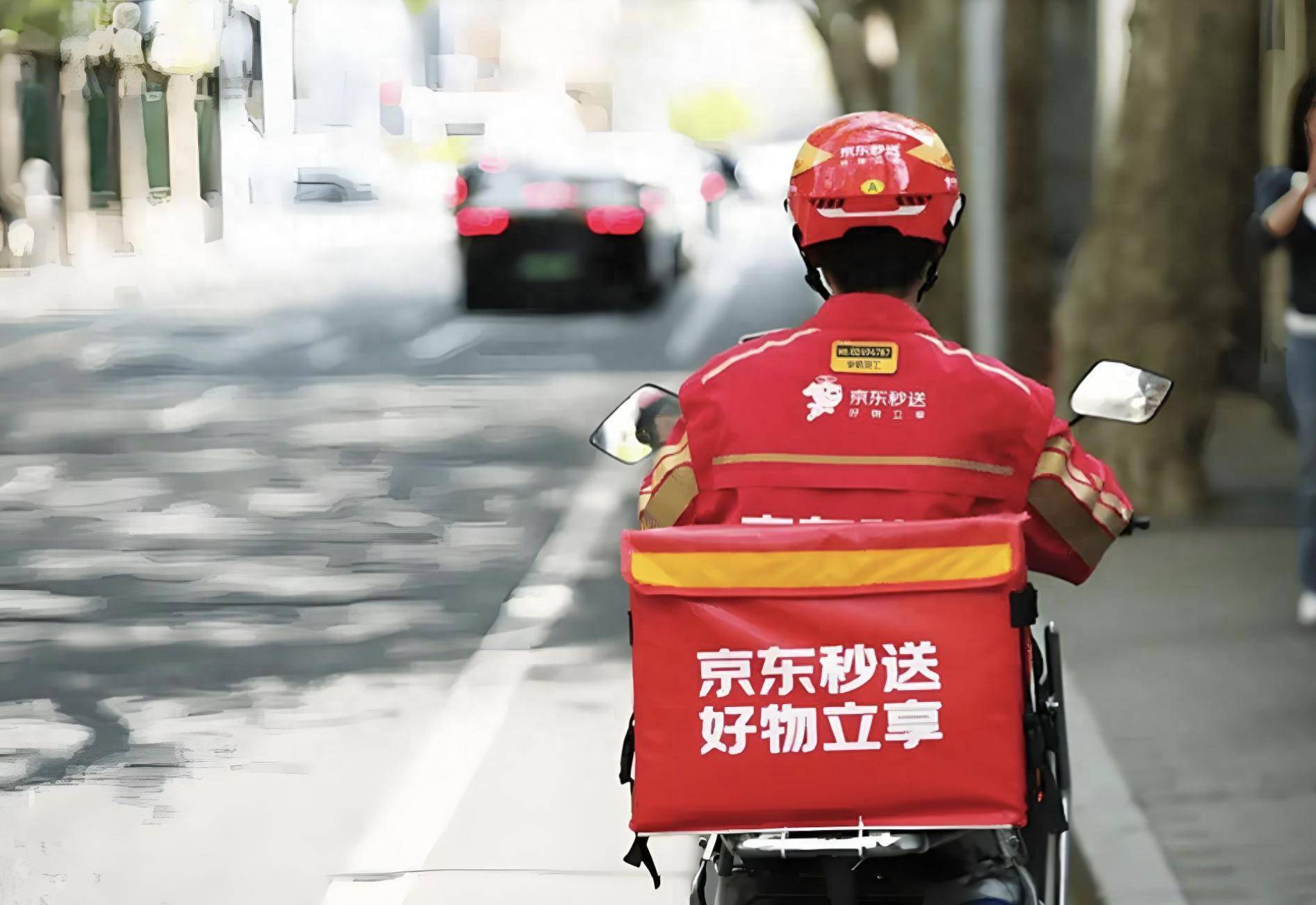
京东CEO许冉回应“反制美团”质疑:聚焦行业痛点,不关注对手
Sou Hu Cai Jing· 2025-08-12 11:35
Core Insights - JD Group's recent initiatives, such as "zero commission for merchants" and "providing social insurance for over 150,000 full-time couriers," have been interpreted by some as "moral coercion against competitors," particularly aimed at countering Meituan [2][3] - JD's CEO Xu Ran clarified that the company's decisions are based on industry pain points and long-term value rather than direct competition with rivals [2][3] Group 1: Industry Pain Points - JD identified three structural contradictions in the current food delivery industry: high platform commissions leading to cost-cutting by merchants, lack of basic social security for millions of couriers, and price wars disrupting market stability and service quality [2][3] - The company aims to address these issues by lowering operational barriers for small and medium-sized merchants and shifting the industry focus from "price competition" to "quality competition" [5] Group 2: Strategic Initiatives - JD's "zero commission" policy, effective from February 2025 for certain merchants, has already attracted nearly 200 restaurant brands achieving over one million orders within four months, validating the quality-focused approach [5] - The company has committed to paying full-time couriers' social insurance and has invested 2 billion yuan in upgrading benefits, including allowances and vehicle purchase rebates [5] Group 3: Market Positioning - JD emphasizes that its entry into the food delivery market is not a reaction to competitors but a strategic move based on its long-term planning and market needs [7] - The company has chosen to refrain from participating in aggressive subsidy wars initiated by competitors, which it views as detrimental to market health and service quality [5][7] Group 4: Future Outlook - JD is focusing on enhancing its system capabilities and underlying architecture for food delivery and other instant retail businesses, with plans to launch new user recommendation products in the third quarter [7] - Analysts suggest that JD's approach to resolving pain points for merchants, couriers, and users may create differentiated competitive advantages, but the effectiveness of this model in a subsidy-driven market remains to be seen [7]


我们需要什么样的企业家IP?
36氪· 2025-08-11 09:48
Core Viewpoint - The article discusses the evolution of entrepreneur IP (intellectual property) in China, highlighting the shift from a focus on substantial business achievements to a more personality-driven approach in the digital age, where media plays a crucial role in shaping public perception [6][25]. Group 1: Historical Context of Entrepreneur IP - In the past, entrepreneur IP was closely tied to tangible business achievements, with figures like Yu Zhi Jian and Zhang Ruimin being remembered for their contributions to industry and quality [10][12]. - The early IP logic was "business success leads to personal recognition," where entrepreneurs were defined by their business accomplishments and resilience [14]. Group 2: The Impact of Digital Media - The advent of the internet has transformed the way entrepreneur IP is constructed, allowing for rapid dissemination of information and a more interactive relationship between entrepreneurs and the public [17]. - New media platforms enable entrepreneurs to create dynamic narratives around their personal brands, as seen with figures like Jack Ma and Lei Jun, who have effectively utilized social media to enhance their public personas [18]. Group 3: Risks and Challenges - The rapid nature of media can lead to quick elevation and equally swift downfall of entrepreneur IP, as exemplified by figures like Zhou Hongyi, whose public image has fluctuated with changing media narratives [19][24]. - There is a common misconception that personal charisma alone can sustain brand value, which can lead to a superficial approach to IP that lacks depth and authenticity [20][21]. Group 4: The Essence of Sustainable IP - True entrepreneur IP should be rooted in value creation rather than merely leveraging media for visibility; it must address real societal needs and demonstrate genuine contributions to industry [25][26]. - Entrepreneurs who focus on substantive achievements and value creation tend to avoid the pitfalls of negative public perception, as illustrated by figures like Liang Wenfeng, who prioritize technical depth over media presence [26].



威海市国资委推动国企主业优化,助力经济稳增长
Qi Lu Wan Bao Wang· 2025-08-08 09:03
Core Viewpoint - State-owned enterprises (SOEs) play a crucial role as a stabilizing force in the national economy, providing a solid foundation for urban economic growth and transformation [1] Group 1: Strategic Focus and Management - The Weihai State-owned Assets Supervision and Administration Commission (SASAC) is guiding municipal SOEs to clarify their strategic positioning and main business development directions, focusing on core businesses and optimizing the layout of state-owned capital [1][2] - A management approach has been established to regulate the main responsibilities and businesses of municipal SOEs, aiming to prevent unclear responsibilities and the tendency to expand into unrelated areas [2] - A total of 12 municipal SOEs are undergoing a review of their main businesses, with 5 proposed for adjustment, 7 to maintain their current focus, and 3 to develop new core businesses [2] Group 2: Future Development Goals - The municipal SOEs will combine short-term stability with long-term benefits, focusing on high-quality development centered on value creation and fostering innovation-driven productivity [3] - There will be an emphasis on risk prevention alongside high-quality development, with efforts to enhance the regulatory framework and ensure effective oversight [3] - The goal is to strengthen and optimize the state-owned capital and enterprises, improving their core functions and competitiveness to contribute significantly to the economic and social development of Weihai [3]
北京餐饮协会倡议:联合抵制“内卷式”竞争,不得通过“先涨价后补贴”等方式误导消费者
Xin Lang Ke Ji· 2025-08-06 03:09
登录新浪财经APP 搜索【信披】查看更多考评等级 北京市餐饮行业协会 8 月 5 日发布倡议书指出,"内卷式"恶意竞争会严重扰乱公平竞争的市场秩序,损 害消费者合法权益,挤压企业合理利润空间,侵蚀行业可持续发展的根基,更阻碍整体经济的提质增 效。 倡议书提出,规范价格与补贴:不得为排挤竞争对手或独占市场,以低于成本的价格倾销;不利用市场 优势地位强制交易相对方(如下游商家、供应商)承担不合理比例的补贴份额;不通过"流量倾斜""搜 索降权"算法等手段变相强制参与非自愿的价格战;坚决抵制排除、"二选一""独家合作"等排除、限制 竞争的垄断行为。 以下为倡议书全文: 北京市各餐饮企业: "内卷式"恶意竞争,会严重扰乱公平竞争的市场秩序,损害消费者合法权益,挤压企业合理利润空间, 侵蚀行业可持续发展的根基,更阻碍整体经济的提质增效。为积极响应国家关于建设全国统一大市场、 维护公平竞争、推动高质量发展的政策导向,坚决遏制"内卷式"竞争的蔓延,守护行业健康生态,促进 全体会员及相关企业实现长期稳健发展,特发出如下郑重倡议: 保障质量与服务:严格遵守国家法律法规和强制性标准,坚决杜绝因成本压缩导致的偷工减料、以次充 好、服 ...