数字技术

Search documents
2026年服贸会首设出海专区
Bei Jing Wan Bao· 2025-12-26 08:24
Core Insights - The 2026 China International Service Trade Fair (CIFTIS) is scheduled to take place from September 9 to 13, 2026, at Shougang Park, with participation from over 10 countries and international organizations, including Norway and the World Intellectual Property Organization [1][2] - The fair will feature nearly 100 Fortune 500 companies and industry leaders, such as AstraZeneca, Eli Lilly, and Siemens, expressing intent to exhibit [1] - CIFTIS has successfully hosted 12 editions, attracting 1.47 million exhibitors and visitors from nearly 200 countries and regions [1] Group 1 - The 2026 CIFTIS will continue to host a high-profile Global Service Trade Summit, inviting foreign dignitaries, international organization leaders, and CEOs of multinational companies to speak [1] - The event will also include forums and meetings to facilitate discussions, consensus-building, and result announcements among various sectors [1] Group 2 - The fair will invite various parties to set up exhibitions and hold meetings, continuing to establish guest countries and provinces, and inviting international organizations and leading enterprises to showcase their strengths [2] - Specialized exhibitions will focus on key service trade areas such as financial services, cultural tourism, education, and sports, highlighting industry trends and showcasing new technologies and applications [2] - A new "Overseas Zone" and a small and medium-sized enterprise exhibition area will be introduced, showcasing China's foreign trade, particularly in service and technology exports [2]



数字赋能优质文化产品和服务供给
Xin Hua Ri Bao· 2025-12-25 23:24
Core Insights - Digital technology is reshaping the cultural ecosystem, enhancing the quality and efficiency of cultural products and services, and driving the transformation of traditional cultural industries into new cultural formats [1][2]. Group 1: Digital Technology and Cultural Industry Upgrade - The rapid development of digital technology is significantly impacting the expression and presentation of traditional Chinese culture, leading to innovative developments in cultural products such as films and games [2]. - High-quality cultural products like "Ne Zha" and "Black Myth: Wukong" demonstrate the empowering role of digital technology in the creative transformation of traditional culture [2]. - Technologies such as 5G, big data, cloud computing, artificial intelligence, the Internet of Things, and blockchain are becoming strong engines for upgrading traditional cultural industries [2]. Group 2: New Cultural Consumption Dynamics - Digital technology has stimulated new dynamics in cultural consumption by breaking spatial and temporal barriers, allowing for a broader shared experience [3]. - New consumption forms like online reading, virtual theaters, and interactive experiences are redefining cultural consumption and providing new meanings to traditional culture [3]. - The integration of digital technology with cultural resources offers consumers immersive experiences, enhancing the supply level of cultural products in publishing, exhibitions, tourism, and entertainment [3]. Group 3: Emergence of New Cultural Formats - Digital technology has directly led to the creation of new cultural production tools and methods, transforming the pathways and presentation forms of cultural production [4]. - Tools like generative AI and VR/AR are enabling cultural creators to produce diverse, intelligent, and immersive digital cultural products [4]. - Projects utilizing 3D and VR/AR technologies are enhancing visitor engagement and extending their stay, revitalizing cultural production [4]. Group 4: Cultural Service Model Optimization - Digital technology is providing innovative spaces for optimizing cultural service models, significantly changing the traditional cultural service landscape [6]. - The shift from standardized delivery to personalized experiences is becoming a key feature of modern cultural services, enhancing precision and accessibility [6][7]. - Initiatives like AI-guided tours and digital resource platforms are improving the quality and accessibility of cultural services, promoting social equity [7]. Group 5: Growth of New Cultural Industries - The combination of cultural innovation and technological advancement has led to the emergence of numerous new cultural industries, with significant revenue growth reported [5]. - In 2024, 16 subcategories of cultural industries with distinct new characteristics saw a revenue increase of 9.8%, outpacing the overall growth of cultural enterprises [5].
文创融合势头强劲
Xin Lang Cai Jing· 2025-12-25 22:30
Core Insights - The article discusses the recent measures introduced by Guizhou Province to enhance the development of cultural and creative products, aiming to stimulate market vitality and address development bottlenecks [2][6] - Guizhou's cultural and creative industry is experiencing robust growth, leveraging local cultural resources and integrating digital technology to enhance product offerings [3][4] Group 1: Policy Measures - Guizhou has implemented 43 specific measures to promote the development of cultural and creative products, focusing on creative design, production, and marketing [2][6] - The measures aim to establish a long-term mechanism for the sustainable development of the cultural and creative industry in Guizhou [6] Group 2: Market Dynamics - The cultural and creative market in Guizhou is vibrant, with various products such as 3D fridge magnets and silver jewelry gaining popularity among tourists [3][4] - Digital technology is playing a crucial role in transforming traditional crafts into modern products, significantly improving production efficiency and reducing costs [4][5] Group 3: Economic Impact - The development of the cultural and creative industry is creating a composite consumption ecosystem that enhances visitor engagement and spending [5] - Companies like Lejia Cultural Technology have successfully established a toy industry in a previously underserved area, generating over 500 million yuan in annual output and creating employment for over 8,000 people [5] Group 4: Future Directions - Experts suggest that Guizhou should focus on strengthening brand and IP development while fostering talent through educational partnerships to sustain the growth of the cultural and creative industry [7]


融入民族音乐文化 提升音乐教育实效
Xin Lang Cai Jing· 2025-12-25 19:23
Core Viewpoint - The article emphasizes the importance of integrating excellent ethnic music culture into higher education music programs to enhance cultural transmission and development in contemporary society [1][2][3][4]. Group 1: Curriculum Development - A comprehensive curriculum system should be established, including "basic general courses + professional courses + extension courses + practical courses" to deepen students' understanding of ethnic music culture [1]. - Basic general courses should cover topics like "ethnic folk music" and "theory of ethnic music" to enhance students' historical and emotional comprehension of ethnic music [1]. - Professional courses should include "history of ancient Chinese music" and "appreciation of classical music masterpieces" to cultivate students' aesthetic values [1]. Group 2: Innovative Teaching Methods - Digital technologies should be utilized to create more engaging and experiential music classes, allowing students to showcase their understanding of ethnic music culture in diverse contexts [2]. - Multimedia technology can be employed to present valuable visual materials related to ethnic music culture, making its regional characteristics more tangible [2]. - Virtual and augmented reality technologies can create immersive teaching environments, helping students grasp the aesthetics and cultural significance of ancient music [2]. Group 3: Online Platforms for Cultural Transmission - Higher education institutions should strengthen the dissemination of ethnic music culture through online platforms, creating a new educational resource area for ethnic music culture [3]. - A shared "cloud library" should be developed to integrate various music cultural resources, including folk songs and instrumental music, to better serve music education [3]. - The integration of ethnic music culture into existing online education platforms can provide diverse educational support for students to appreciate classic works and conduct research [3]. Group 4: Practical Activities for Student Development - Practical teaching is essential for promoting students' comprehensive development, with various activities centered around ethnic music [4]. - On-campus activities should include music culture festivals and original music competitions to support the cultivation of ethnic music talent [4]. - Community outreach programs should bring ethnic music culture to grassroots areas, enhancing students' understanding of cultural transmission through practical engagement [4].
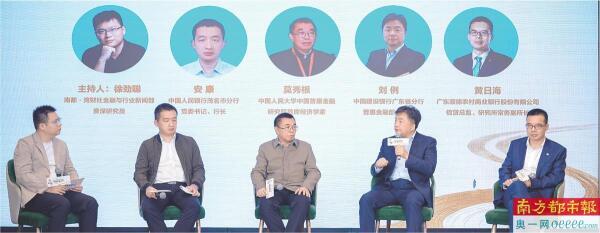
财经聚焦丨新赛道!“二手经济”撑起万亿级大市场
Xin Hua Wang· 2025-12-25 13:06
Core Insights - The second-hand economy has emerged as a trillion-yuan market, driven by the circulation of used goods and new consumption patterns [1][4] - The Ministry of Commerce and other departments initiated pilot programs for second-hand goods circulation in 2024, with 10 cities and 28 enterprises participating [1][4] Market Growth - The second-hand goods market in China reached a transaction volume of 1.69 trillion yuan in 2024, marking a 28% year-on-year increase, with a six-year average compound growth rate of 12% [4][5] - Pilot cities are focusing on second-hand mobile phones, clothing, and furniture, adapting to local consumer needs [4][5] Consumer Trends - The demographic of consumers is broad, with both young and older individuals participating in the market, showing varied preferences for different product categories [8][10] - The market is witnessing a shift from mere practicality to a new consumption model that integrates green, personalized, and intelligent aspects [11] Innovations and New Business Models - The second-hand market is experiencing significant innovation, with new business models such as rental, auction, and after-sales buyback emerging [12][13] - Technologies like AI, big data, and cloud computing are being integrated into the second-hand goods circulation, enhancing transaction efficiency and consumer experience [12][13] Regulatory and Structural Developments - The Ministry of Commerce is working on establishing a robust policy framework and industry standards to support the growth of the second-hand economy [5][12] - Efforts are being made to create a transparent and trustworthy trading environment, addressing issues like online transaction irregularities and trust costs [12][13]

中国经济信心说丨惠及9.58亿人,数字消费进一步释放内需潜力
Yang Shi Xin Wen· 2025-12-25 07:35
Core Insights - The report highlights the rapid growth of digital consumption in China, with total digital consumption reaching 9.37 trillion yuan in the first half of 2025, accounting for nearly half of total household consumption expenditure [1] - The user base for digital consumption has surpassed 958 million, indicating a broadening demographic reach, including significant participation from the elderly and rural populations [1] Group 1: Digital Consumption Trends - Digital consumption is no longer limited to a niche market; it has become an accelerator for China's vast consumer potential, with 27.2% of users from Generation Z, 12.2% from the elderly, and 26.0% from rural areas [1] - The shopping experience has evolved, with 71.1% of online shoppers engaging in price comparisons, and 60.6% willing to pay a premium for emotional value and personal interests [2] Group 2: Emerging Consumer Segments - Unique products like "La Bu Bu" toys and cultural creative products are gaining popularity among young consumers, indicating a shift towards personalized and culturally resonant consumption [3] - The rise of new consumption scenarios, such as smart products and traditional cultural items sold online, showcases the innovative fusion of AI and culture in driving consumer demand [3] Group 3: Integration of Online and Offline Experiences - The integration of online and offline shopping experiences is breaking traditional consumption barriers, with 6.26 million users engaging with micro-short dramas and 5.69 million using online food delivery services [4] - This seamless blend of digital convenience and physical experiences enhances consumer engagement and effectively taps into latent domestic demand [4] Group 4: Future Directions - To sustain the momentum of digital consumption, there is a need to strengthen digital infrastructure, bridge the urban-rural digital divide, and encourage innovation in supply to meet user demands [4] - A robust regulatory framework is essential to create a safe and trustworthy consumption environment, which will further boost confidence and expand domestic demand [4]
强化约束力严格控制城市亮化工程
Xin Lang Cai Jing· 2025-12-24 19:52
Core Viewpoint - The report on the implementation of the Energy Conservation Law highlights significant achievements while identifying existing issues and challenges, emphasizing the need for legal revisions and enhanced enforcement to promote energy conservation and green development [1] Group 1: Achievements and Challenges - The implementation of the Energy Conservation Law has shown notable results, but challenges remain in areas such as energy-saving awareness, enforcement, and technological promotion [1] - Issues identified include insufficient control over "high energy consumption" projects, lack of accountability, and inadequate enforcement of laws [1] Group 2: Recommendations for Improvement - It is recommended to revise the Energy Conservation Law to strengthen legal constraints and enhance public education on energy conservation [1] - Suggestions include establishing a coordinated development model that integrates digital, ecological, and industrial policies to promote sustainable economic development [1] - The government should link corporate social responsibility with financing incentives to encourage energy-saving technology research and provide financial support [1] Group 3: Technological and Market Mechanisms - Digital technologies such as IoT, AI, and big data should be leveraged to create smart ecological industrial parks and facilitate energy-saving efforts [1] - The construction of a robust energy-saving market system is necessary, including adjustments to resource pricing mechanisms to guide energy-saving behaviors [1] - Emphasis on technological innovation is crucial, with calls for increased research on energy recycling technologies and the optimization of energy structures [1] Group 4: Focus on Clean Energy - The transition to clean energy is seen as a critical step, with clean energy expected to replace fossil fuels due to technological advancements and cost competitiveness [1] - The industrial sector, which accounts for two-thirds of national energy consumption, is highlighted as a key area for energy-saving and carbon reduction initiatives [1] - Recommendations include accelerating the elimination of outdated equipment and promoting the transformation of traditional industries towards high-end, intelligent, and green development [1]
“迎峰度冬保供应”系列报道 更绿色更智能 各地能源保供方式上新
Ren Min Wang· 2025-12-24 05:25
近期,全国多地寒潮来袭,用能用电用气高峰期到来,各地紧抓能源保供工作,确保今冬明春能源供应 安全可靠,为群众温暖过冬、社会稳定发展筑牢防线。 "在迎峰度冬期间保障能源供应稳定,不仅是满足人民群众基本生活需求的重要举措,也是促进经济发 展、促进社会和谐、推动绿色低碳转型和保障国家能源安全的有力支撑。"中国石油大学(华东)经济 管理学院副院长、教授张明明在接受记者采访时表示,迎峰度冬能源保供是一项系统工程,需要社会各 方共同努力,确保能源供应安全、稳定、可持续。 数据显示,11月,国家铁路累计发送煤炭1.84亿吨,同比增长0.3%,其中电煤1.28亿吨,保持高位。截 至11月底,全国铁路直供电厂存煤8823万吨,可耗天数35.8天,同比增加1天,其中存煤15天以下的电 厂实现动态清零。 除传统能源供应充足外,各类清洁能源也为能源保供提供绿色支撑,成为我国能源保供体系中的重要增 量,助力我国能源安全保障能力迈上新台阶。 在新疆哈密的广袤戈壁上,数百台风机迎风转动,光伏板迎着日光连接成片,闪着银光。该"沙戈荒"新 能源外送基地是"疆电入渝"工程的配套电源项目,新能源装机占比超过70%。"项目采用'风光火热储一 体化' ...
数字孪生长江智慧纪巡财审协同监督系统——长江设计集团合同管理系统上线运行
Shui Li Bu Wang Zhan· 2025-12-24 03:30
为进一步强化预警、防范廉洁风险,系统以原有合同管理系统为基础,对现有客户、供应商和合作方的 基础信息进行了规范化清洗,完善了客商企业性质、成立日期等重点信息;严格客商数据入库管理,新 入库客商基础信息自动从"企查查"接口同步;建立了客商画像,打通了客商和法律事务管理数据,对涉 及法律纠纷的客商进行提醒;基于采购合同、收入合同文本内容,探索利用AI识别合同整体转包和主 体分包风险。 下一步,长江水利委员会将进一步提升AI技术赋能合同管理与流程合规性比对审查,提升合同管理系 统监督管理效能,构建数据防护屏障,全面提升合规管理水平,切实以数字技术赋能正风肃纪反腐。 本站讯按照驻水利部纪检监察组工作要求,长江水利委员会持续深化以大数据信息化赋能正风反腐,将 合同管理系统作为纪巡财审协同监督系统建设实施的重要模块,明确长江设计集团作为试点单位进行系 统开发和数据治理。近日,长江设计集团纪巡财审协同监督系统合同管理系统上线运行。 该系统坚持以问题为导向,聚焦执纪审查、巡视巡察、审计等监督发现的突出问题,以合同监督需求为 牵引、以业务管理为依托,梳理新增43项合同数据标签,对供应商资质、采购合同内容、成果提交、供 应商履约 ...
2025年广东银行业普惠金融创新实践优秀案例公布 南都发布普惠金融深调研报告
Nan Fang Du Shi Bao· 2025-12-23 23:12
Core Viewpoint - The "China Inclusive Finance Tour" conference in Guangdong highlighted the new trends in inclusive finance 2.0, emphasizing the need for innovative practices and collaboration in the sector [6][7]. Group 1: Policy and Development - The "14th Five-Year Plan" emphasizes the development of inclusive finance, with recent central economic work meetings focusing on financial support for expanding domestic demand, technological innovation, and small and micro enterprises [6]. - The People's Bank of China (PBOC) Guangdong Branch has been actively implementing policies to enhance the financial service environment for small and micro enterprises, rural areas, and private economies, aiming to improve service coverage and satisfaction [8][9]. Group 2: Financial Performance - As of October 2025, the balance of inclusive loans in Guangdong reached 4.9 trillion yuan, accounting for 16.4% of total loans, with a year-on-year growth of 7.9%, surpassing the overall loan growth rate by 2.3 percentage points [9]. - The PBOC Guangdong Branch plans to continue implementing a moderately loose monetary policy and enhance the effectiveness of structural monetary policy tools to improve the level of inclusive financial services [9]. Group 3: Research and Reports - The "China Inclusive Finance Tour Innovation Deep Research Report (2025)" was released, indicating that by the end of Q3 2025, the balance of inclusive loans for small and micro enterprises reached 36.5 trillion yuan, and inclusive agricultural loans reached 14.1 trillion yuan, both showing significant growth [11]. - The report highlights that Guangdong, Zhejiang, and Jiangsu are leading in inclusive finance development, with Guangdong excelling in various metrics such as the balance of inclusive small micro loans and the number of credit accounts [11]. Group 4: Innovative Practices - The report identifies innovative models in inclusive finance, such as state-owned banks leveraging digital products and intelligent credit systems to support small micro enterprises and rural revitalization [12]. - Regional banks are exploring unique paths in inclusive finance by customizing products and collaborating with local governments to address financing challenges for small enterprises and agricultural entities [13][15]. Group 5: Roundtable Discussions - The roundtable discussion focused on the new trends in inclusive finance 2.0, emphasizing the need for comprehensive service offerings, digital upgrades, and collaborative mechanisms to enhance the effectiveness of financial services [14]. - The discussion also highlighted the importance of addressing the "last mile" issue in inclusive finance and the need for sustainable business models [12][14]. Group 6: Case Studies and Innovations - Various institutions shared their innovative practices, such as the "Smart Inclusive" ecosystem developed by Shanghai Pudong Development Bank, which utilizes data to enhance credit approval processes [18]. - Dongguan Rural Commercial Bank introduced a unique loan model linked to industrial wastewater management, showcasing a market-driven approach to environmental financing [19].