美联储缩表

Search documents
美国银行:预计美联储将于本月结束缩表
Sou Hu Cai Jing· 2025-10-23 15:08
Core Viewpoint - Recent high rates in the repurchase agreement market have led U.S. bank strategists to revise their expectations, now predicting that the Federal Reserve will halt balance sheet reduction by the end of October instead of December [1] Group 1 - The report indicates a shift from earlier views expressed earlier in the week regarding the timeline for the end of balance sheet reduction [1]
深度丨“钱荒”还会重演么?【陈兴团队·财通宏观】
陈兴宏观研究· 2025-10-23 11:33
Core Viewpoints - The Federal Reserve's balance sheet reduction is ongoing but has slowed down, leading to liquidity in the financial system approaching a critical threshold [2][6] - Recent signs of tension in the repurchase market and increased volatility in funding rates raise concerns about potential severe liquidity shocks [6][10] Group 1: Liquidity at a Critical Point - U.S. liquidity is diminishing as the Federal Reserve continues its balance sheet reduction, with the overnight reverse repurchase (ON RRP) balance dropping to $5.48 billion as of October 15, down from $2.5 trillion at the end of 2022 [6][10] - The secured overnight financing rate (SOFR) experienced a significant spike on September 15, indicating tightening liquidity conditions [6][10] - The reduction in liquidity is attributed to the rebuilding of the Treasury General Account (TGA), which absorbed approximately $140 billion in liquidity during the week of September 17 [10][11] Group 2: Will a "Liquidity Crunch" Reoccur? - The likelihood of a liquidity crunch is low, as bank reserves are expected to decrease but remain above critical levels [3][22] - The next significant influx of tax revenue into the TGA is anticipated in April, which may coincide with a slowdown in Treasury issuance [3][22] - Despite the depletion of excess liquidity, SOFR may remain elevated, but conditions similar to the 2019 liquidity shock are not expected to recur [22] Group 3: When Will Balance Sheet Reduction Stop? - The balance sheet reduction process is likely to continue unless unexpected events occur, with the Federal Reserve expected to halt reductions when reserves are slightly above adequate levels [4][24] - Estimates suggest that the appropriate level for bank reserves is around $2.7 trillion, which may be reached by mid-next year if the current pace of reduction continues [4][24] - Even if a liquidity crisis occurs, the Federal Reserve has tools to provide temporary liquidity and may consider slight balance sheet expansion to support the market [26]


联储结束缩表:地区银行风险与流动性收紧
2025-10-22 14:56
Summary of Conference Call Notes Industry or Company Involved - The notes primarily discuss the U.S. banking sector, particularly regional banks, and the implications of Federal Reserve monetary policy on the financial markets. Core Points and Arguments 1. **Concerns Over Credit Quality** Recent issues in corporate debt and regional banks have raised concerns about credit quality, leading to declines in related stock prices and indices. Two regional banks reported loan fraud and bad debt, exacerbating fears about the stability of the financial system [1][2][8]. 2. **Rising Short-Term Funding Rates** The U.S. short-term funding rates have been increasing, with significant rises in the Secured Overnight Financing Rate (SOFR) and the Tri-Party General Collateral Rate (TGCR), indicating a tightening of market liquidity [1][5]. 3. **Federal Reserve's Potential Policy Shift** Federal Reserve Chairman Jerome Powell indicated a possible early end to the balance sheet reduction (quantitative tightening), which could alleviate short-term liquidity pressures. The likelihood of ending the balance sheet reduction by 2025 has significantly increased [1][12]. 4. **Impact of Ending Balance Sheet Reduction** Ending the balance sheet reduction would increase liquidity in the market, likely lowering U.S. Treasury yields and boosting demand for U.S. debt. The usage of the Standing Repo Facility (SRF) has also risen, indicating a need for emergency liquidity among financial institutions [4][17]. 5. **Market Reactions and Sentiment** Despite recent turmoil, market reactions have not worsened significantly. Credit spreads remain stable, suggesting that current issues are more about market sentiment rather than fundamental economic deterioration [11]. 6. **Comparison to Previous Financial Crises** Current issues in the banking sector are not indicative of an impending financial crisis, as the situation differs significantly from past events like the Silicon Valley Bank collapse. The current problems are primarily credit-related rather than systemic [8][9]. 7. **Future Federal Reserve Actions** The Federal Reserve may implement a range of measures to transition to a more accommodative monetary policy, including interest rate cuts, adjustments to regulatory frameworks, and potentially resuming quantitative easing [3][15]. 8. **Expected Stability in U.S. Treasury Yields** Due to the anticipated accommodative policies, U.S. Treasury yields are expected to stabilize below 4% by the end of the year, benefiting from the overall shift in monetary policy [16][17]. Other Important but Possibly Overlooked Content 1. **Increased Use of SRF** The significant rise in the use of the SRF suggests that financial institutions are facing liquidity challenges, which is unusual for a non-quarter-end period [6][7]. 2. **Historical Context of Monetary Policy** Current monetary policy changes bear similarities to the Federal Reserve's actions in 2019, where they halted balance sheet reduction in response to liquidity issues in the market [14][13]. 3. **Geopolitical Factors** The geopolitical landscape, including U.S.-China relations and the Russia-Ukraine situation, has influenced market stability, with U.S. Treasuries showing resilience amid these uncertainties [17].
美联储降息预期升温 未来决策或保持谨慎
Sou Hu Cai Jing· 2025-10-20 23:45
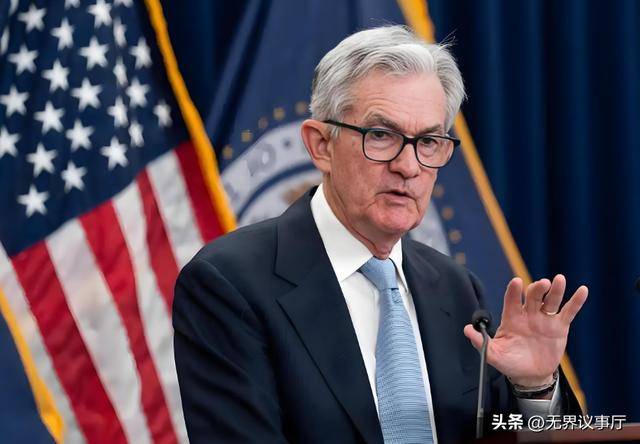
Core Viewpoint - The Federal Reserve is expected to lower interest rates by 25 basis points at the upcoming FOMC meeting on October 28-29 to support a weakening labor market while aiming to bring inflation back to the 2% target [1][2]. Group 1: Interest Rate Expectations - Recent statements from U.S. officials indicate a high probability of interest rate cuts in the short term, with the labor market being a key factor driving this monetary policy adjustment [2]. - Fed Chair Jerome Powell noted signs of further cooling in the labor market, suggesting a potential second rate cut of the year to address the sharp slowdown in job growth [2][3]. - The probability of a 25 basis point rate cut in October is around 98%, according to the FedWatch tool from the Chicago Mercantile Exchange [3]. Group 2: Labor Market Insights - The latest Beige Book report indicates that the U.S. economy is experiencing a complex phase of inflationary pressure alongside a weakening labor market, with many employers resorting to layoffs due to weak demand and economic uncertainty [2][5]. - St. Louis Fed President Alberto Musalem expressed support for a rate cut if labor market risks continue, while also cautioning against excessive easing due to ongoing inflation risks [3][6]. Group 3: Balance Sheet Management - Powell hinted that the Fed's balance sheet reduction process may be nearing its end, with signs of tightening liquidity conditions [4]. - Analysts suggest that ending the balance sheet reduction would signal a shift from tightening to easing monetary policy, with expectations for a potential announcement in October or December [4][5]. - The Fed's total liabilities have decreased to $6.5 trillion as of October 8, down from a peak of approximately $9 trillion [5]. Group 4: Inflation Concerns - Despite the consensus on a potential rate cut, there remains internal division within the Fed regarding the future path of rate cuts, with several officials emphasizing the need to remain vigilant about inflation risks [5][6]. - The Beige Book noted that tariffs imposed during the Trump administration are contributing to rising overall inflation, complicating the balance between absorbing costs and passing them on to customers [5][6]. - Musalem warned that the impact of tariffs on price pressures may continue for the next two to three quarters, suggesting a cautious approach to monetary policy adjustments [6][7].
美联储释放双重信号!鲍威尔提前终止缩表,金融市场乱成一锅粥?
Sou Hu Cai Jing· 2025-10-20 12:09
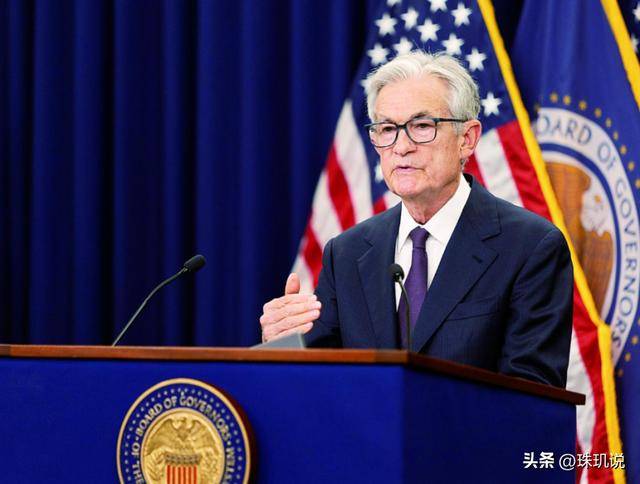
Core Viewpoint - The market is oscillating between expectations of monetary easing and concerns about risks, with Federal Reserve Chairman Jerome Powell's statements drawing significant attention from global investors [1] Group 1: Federal Reserve's Actions - Powell indicated that interest rate cuts are likely to continue, with the market estimating a 96% probability of a cut in October [5] - He emphasized that the current inflation is primarily due to one-time impacts from tariffs, suggesting that rate cuts should be gradual to avoid excessive market stimulation [5][8] - The Fed may end its balance sheet reduction early, which is akin to increasing liquidity in the financial system [5][7] Group 2: Economic Context - The U.S. government shutdown has delayed key economic data releases, creating uncertainty in assessing the economic situation [3] - Powell's comments serve as a signal to reassure the market amid concerns about liquidity, especially given rising overnight borrowing rates [8] Group 3: Market Reactions - Following Powell's remarks, U.S. stocks initially rebounded, but a subsequent statement from former President Trump regarding tariffs on Chinese goods caused a sharp market decline [10] - The ongoing trade tensions and government shutdown contribute to market volatility, making it difficult for investors to predict future movements [12] Group 4: Key Upcoming Events - The CPI data set to be released on October 24 will be crucial for determining the Fed's future rate cut strategy, with potential implications for market stability [12][14] - The ongoing government shutdown poses risks to economic data publication and policy implementation, increasing market uncertainty [14]
美国商业地产暴雷,美元继续走弱
Dong Zheng Qi Huo· 2025-10-19 09:14
1. Report Industry Investment Rating - The rating for the US dollar is "Oscillating" [6] 2. Core View of the Report - The market continues to be highly volatile in the short - term, and the US dollar index is expected to decline further. The potential liquidity inflection point may have a positive impact on risky assets [33][34] 3. Summary by Directory 3.1 Global Market Overview for the Week - Market risk appetite fluctuated. Global stock markets showed mixed performance, with US stocks rising and A - shares falling. Bond yields mostly declined, and the yield on US Treasuries dropped to 4.01%. The US dollar index fell 0.55% to 98.43, and most non - US currencies rebounded. Gold prices soared 5.8% to $4251 per ounce, the VIX index slightly decreased to 20.78, and the spot commodity index declined, with Brent crude oil dropping 5.5% to $60.9 per barrel [2][5][10] 3.2 Market Trading Logic and Asset Performance 3.2.1 Stock Market - Global stock markets showed mixed performance. Developed markets' stocks mostly rebounded, with the S&P 500 rising 1.7%. Emerging markets' stocks mostly fell, with the Shanghai Composite Index dropping 1.47%. The US government shutdown, tariff risks, and domestic economic data all affected the stock market. The US stock market's volatility is expected to increase, and the domestic stock market has a correction pressure [11][12] 3.2.2 Bond Market - Global bond yields mostly declined, with the 10 - year US Treasury yield falling to 4.01%. The US government shutdown, Fed Chairman Powell's speech, and concerns about the Sino - US tariff negotiation all influenced the bond market. The decline space of US Treasury yields is limited [15][17][18] 3.2.3 Foreign Exchange Market - The US dollar index fell 0.55% to 98.43, and most non - US currencies rebounded. Offshore RMB rose 0.26%, the euro rose 0.3%, the pound rose 0.49%, the yen rose 0.38%, the Swiss franc rose 0.79%, the real rebounded 2%, and the Australian dollar, South Korean won, and rand closed higher, while the Canadian dollar, rupee, and Thai baht closed lower [24][26] 3.2.4 Commodity Market - Spot gold soared 5.8% to $4251 per ounce, hitting a new high. Brent crude oil dropped 5.5% to $60.9 per barrel. The Sino - US trade friction and Fed Chairman Powell's speech affected the commodity market. Gold may face a short - term correction risk [27][28] 3.3 Hot - spot Tracking - The US government shutdown led to the non - release of inflation data. US local banks had a blow - up due to the negative impact of commercial real - estate non - performing assets. Fed Chairman Powell indicated that the Fed will stop shrinking its balance sheet in a few months. The short - term confrontation between China and the US has cooled down, and the market will continue to be volatile, with the US dollar index expected to decline [33][34] 3.4 Next Week's Important Event Reminders - Monday: China's Q3 GDP and the 20th - 23rd 4th Plenary Session of the 20th CPC Central Committee - Tuesday: The Fed holds a payment innovation meeting - Wednesday: UK's September CPI - Thursday: US's September existing - home sales - Friday: US's September CPI, France, Germany, the Eurozone, UK, and US's October manufacturing PMI [35]
【百利好热点追踪】降息已成必然 黄金投资首选
Sou Hu Cai Jing· 2025-10-18 09:56
Group 1 - Gold has outperformed major indices in 2025, with a year-to-date increase of over 66%, while the Dow Jones, Nasdaq, and S&P indices have seen maximum increases of approximately 28%, 54%, and 40% respectively [1] - The probability of consecutive interest rate cuts by the Federal Reserve is high, potentially exceeding market expectations, which could lead to a new wave of gold price increases, with a target of around $4,500 [1][6] - The recent Beige Book report indicates a weakening U.S. economic momentum, with only 3 out of 12 districts showing slight to moderate growth, supporting the Fed's dovish stance on interest rates [3] Group 2 - The U.S. government shutdown and new tariff policies are expected to further strain the economy, with estimates suggesting a GDP reduction of 0.1-0.2 percentage points for each week of shutdown [5] - A prolonged government shutdown could increase the unemployment rate from 4.3% to 4.8% and result in a $30 billion loss in consumer spending over a month [5] - The Fed may need to expand its rate-cutting measures to prevent an economic recession, with a probability of over 90% for a rate cut in October [6] Group 3 - The Fed's balance sheet reduction (quantitative tightening) may end sooner than expected, with major banks suggesting it could conclude by the end of this year rather than Q1 of next year [7] - Ending the balance sheet reduction would shift the Fed's approach from "draining" to "injecting" liquidity into the market, which typically lowers the opportunity cost of holding non-yielding assets like gold [9] - Both interest rate cuts and the potential end of balance sheet reduction indicate a significant improvement in market liquidity, which could drive funds towards gold [9]

特朗普公然唱反调!鲍威尔美联储官宣成笑柄,市场动荡将成常态?
Sou Hu Cai Jing· 2025-10-17 21:36
Group 1 - The global market is experiencing significant asset declines, while gold prices are rising due to ongoing geopolitical instability [1] - The Federal Reserve's upcoming October meeting is crucial, as key economic data is unavailable due to the government shutdown, making Powell's statements particularly important [3][5] - Powell's strategy includes cautious interest rate cuts and an end to balance sheet reduction to prevent liquidity issues [5][7] Group 2 - The Fed's simultaneous interest rate cuts and balance sheet reduction create a challenging liquidity environment, reminiscent of the 2019 liquidity crisis [7][9] - Trump's recent trade actions, including increased tariffs on Chinese goods, add to market volatility, despite the potential legal challenges to these tariffs [9][11] - The U.S. economy is under pressure from high inflation and employment issues, making aggressive trade actions risky [11][13] Group 3 - Investors should accept market volatility as a norm and consider defensive sectors like consumer and healthcare, which are less affected by economic fluctuations [15] - Structural opportunities may arise post-balance sheet reduction, particularly in technology and renewable energy sectors, but caution is advised regarding export-related companies due to ongoing trade conflicts [17]
【投资笔记】进入维持一个半月的回调周期
Sou Hu Cai Jing· 2025-10-17 11:23
Group 1 - The market is experiencing volatility and requires a thorough adjustment to sustain long-term growth [1] - The semiconductor sector is expected to continue its decline, and investors should avoid trying to catch falling stocks [1][2] - The upcoming policy announcements in October and the Federal Reserve's meeting are unlikely to change the market's bottom-seeking process [1] Group 2 - The Shanghai Composite Index has limited downside, with key support levels at the 60-day moving average and the bottom of the trading range [2] - The focus has shifted to the main board, as the growth stocks in the ChiNext index show no signs of recovery [2] - Investors are advised to either remain in cash or hold light positions until the adjustment period concludes, expected around late November or early December [2] Group 3 - A significant upcoming event is the potential end of the Federal Reserve's quantitative tightening (QT), which could greatly impact the capital markets [3] - The market is likely to experience a shift due to the combination of the end of QT and subsequent interest rate cuts [3] Group 4 - The current market correction is viewed as a necessary step for future upward movement, maintaining a slow bull market outlook [4]
金价续创历史新高:申万期货早间评论-20251017
申银万国期货研究· 2025-10-17 00:42
Group 1: Precious Metals - Gold prices continue to rise, reaching a historical high of $4,322.04 per ounce, driven by increased demand for safe-haven assets amid rising global tensions and economic uncertainty [1][2] - Central banks are increasing their gold reserves, reflecting a growing recognition of gold as a store of value and a hedge against inflation [2][18] - The rapid increase in gold prices may lead to potential adjustments and increased volatility in the market [2][18] Group 2: Copper - Copper prices are supported by tight supply conditions and high smelting output, despite the smelting profits being at breakeven levels [2][19] - Investment in electric grids continues to grow, while other sectors like real estate show weakness, indicating mixed demand dynamics for copper [2][19] - The recent mining accident in Indonesia is likely to create a supply gap in the global copper market, providing long-term support for copper prices [2][19] Group 3: Oil - Oil prices have shown a downward trend, with recent geopolitical developments, including a ceasefire agreement in Gaza, influencing market sentiment [3][12] - OPEC projects a significant increase in global oil demand, with an expected rise of 1.3 million barrels per day this year and 1.38 million barrels per day next year [3][12] - Short-term oil prices may face downward pressure despite the anticipated demand growth [3][12] Group 4: Economic Indicators - The U.S. Treasury Secretary indicated a potential extension of tariff exemptions on China if strict rare earth export controls are lifted, signaling ongoing trade negotiations [6] - The Chinese Ministry of Commerce expressed openness to equal consultations with the U.S. regarding trade issues, highlighting the importance of mutual respect [7] - Domestic industrial enterprises are accelerating equipment upgrades, with a notable increase in machinery procurement, indicating a positive trend in capital investment [8]