AI眼镜

Search documents
达能周志刚或升职:爱他美们与医学营养品一起管
2 1 Shi Ji Jing Ji Bao Dao· 2025-12-10 03:03
Group 1 - Danone is restructuring its leadership in China, appointing Zhou Zhigang to lead its specialized nutrition business starting January 1, 2026, as part of its "Revitalizing Danone" strategy [1][2] - The restructuring aims to create a more streamlined leadership structure to accelerate transformation and enhance focus and agility in operations [1] - Danone's CEO has identified medical nutrition as a significant long-term growth opportunity, with adult medical nutrition in China experiencing double-digit growth annually for over a decade [2] Group 2 - Nestlé is also merging its Wyeth Nutrition and Nestlé infant nutrition businesses into a single unit, effective January 1, 2026, with Joel Seah as the head [3] - The infant formula market is under pressure, with Nielsen IQ reporting a growth rate of only 0.6% in the second quarter of 2025, and a decline in marriage registrations in China by over 20% in 2024 [4] - Despite foreign brands maintaining a brand advantage, domestic brands like Feihe and Yili have surpassed foreign companies in market share as of 2022 [4][5]

2025年北交所市场的机构调研热情迎来大提升 机器人、低空经济、6G等受关注
Zheng Quan Shi Bao Wang· 2025-12-09 23:36
人民财讯12月10日电,2025年,北交所市场的机构调研热情迎来大提升。截至目前,272家北交所公司 接受各类机构调研,覆盖比例超95%,一致魔芋以21次的高频调研成为"明星标的"。调研主体从基金、 券商,扩大到社保基金、知名私募、产业资本以及外资机构。从今年的调研标的来看,机器人、低空经 济、6G、量子科技、AI眼镜等"三新"公司成为机构调研的"香饽饽"。 ...

AI眼镜赛道“群雄逐鹿” 行业投资机遇凸显
Zhong Guo Zheng Quan Bao· 2025-12-09 20:30
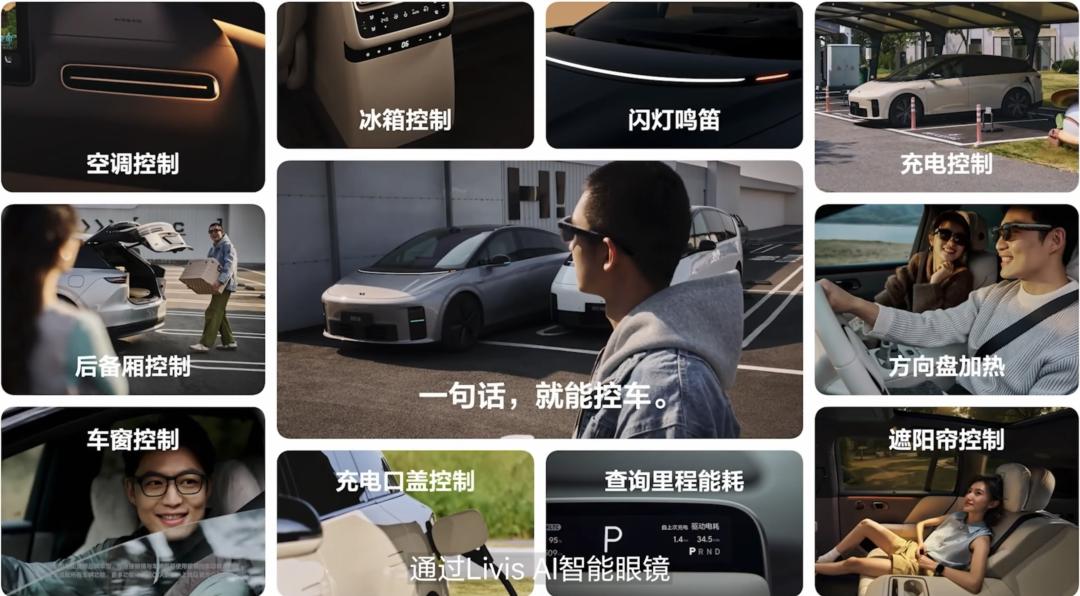
Core Insights - The AI glasses market is rapidly transitioning from conceptual exploration to productization and ecological competition, with a 9.81% increase in the AI glasses theme index since November 24, 2023, and 10 out of 12 trading days showing gains [1] - Major players including tech giants, automotive companies, and startups are entering the AI glasses sector, leading to a diversification of product forms and increasing acceptance among consumers [1][6] - The industry is expected to see significant investment opportunities as technological advancements drive market demand [1] Product Launches - On December 9, 2023, the AI glasses theme index rose by 0.33%, with notable stock increases from companies like Qian Zhao Guang Dian (up 11.40%) and Pu Ran Co. (up 9.58%) [2] - Google announced collaborations with Samsung, Gentle Monster, and Warby Parker to develop two types of AI glasses, with the first product expected to launch in 2026 [2] - Alibaba's Quark AI glasses S1 topped sales charts shortly after its release, featuring advanced AI capabilities for voice and photo queries [3] - Li Auto launched its first AI glasses, Livis, which weigh only 36 grams and offer 18.8 hours of battery life, focusing on vehicle control and AI interaction [3] Company Involvement - Several listed companies are actively engaged in the R&D and manufacturing of AI glasses components, with Yu Tong Optical planning to supply molded glass for AI glasses and other new consumer markets in 2024 [4] - Crystal Optoelectronics is focusing on AR near-eye displays and other optical components for AR glasses [4] - Longying Precision has been collaborating with Google for over ten years, indicating a strong relationship with major tech players [4] Market Projections - IDC forecasts that by 2026, global smart glasses shipments will exceed 23.687 million units, with China's market expected to surpass 4.915 million units, marking a significant growth phase [5] - Analysts suggest that 2025 could be a pivotal year for AI glasses, with rapid growth anticipated in 2026 as product forms and interaction methods evolve [6] Investment Opportunities - Analysts recommend focusing on two main investment themes: the potential sales boost from new AI glasses releases in 2025-2026 and the anticipated turning point for AR glasses products [6][7] - The entry of major companies into the AI glasses market is expected to accelerate industry development, with smart glasses poised to become a major consumer electronics category [6][7]




外卖大战刚打完,大厂新一轮「烧钱抢市场」又来了
3 6 Ke· 2025-12-09 12:15
Core Viewpoint - The competition in the AI glasses market is intensifying as major companies like Baidu, Alibaba, and Li Auto launch their products, with Li Auto's Livis glasses selling out quickly after release [1][3]. Group 1: Market Dynamics - Li Auto's AI glasses Livis were launched without pre-sale, directly shipping at a competitive price of 1699 yuan, leading to rapid sell-out within two hours [1]. - Other major players, including Google, Vivo, and Xiaomi, are also exploring AI glasses, with Google reportedly in the POC stage for two products [3][4]. - The entry of various companies into the AI glasses market indicates a significant shift, with many viewing it as a strategic necessity for data collection and user interaction [4][18]. Group 2: Strategic Importance - AI glasses are seen as a critical extension of existing hardware experiences for consumer electronics companies, while for internet giants, they represent a necessary entry point for data collection and model enhancement [4][17]. - Companies like Alibaba and Baidu are aggressively pursuing AI glasses as a strategic product, with Baidu defining it as an S-level strategic initiative [20][22]. - The competition is not just about hardware but also about the underlying data that can be collected through these devices, which is crucial for future AI developments [12][17]. Group 3: Industry Trends - The hardware barrier for entering the AI glasses market has lowered significantly, allowing a wide range of players to participate [25][29]. - The supply chain for AI glasses is rapidly evolving, with companies like Qualcomm and Foxconn involved in production, leading to shorter project cycles and controlled hardware costs [28][29]. - The market is characterized by a "comprehensive competition," where the ability to deliver high-quality products without flaws is essential for success [30].

星宸科技涨0.22%,成交额3.84亿元,近5日主力净流入-5125.00万
Xin Lang Cai Jing· 2025-12-09 11:27
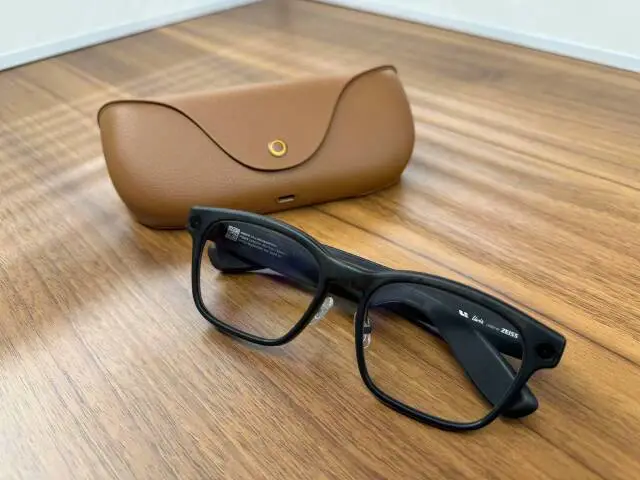
Core Viewpoint - Starshine Technology has shown a slight increase in stock price and has a market capitalization of 24.683 billion yuan, indicating a stable position in the market [1] Group 1: Company Overview - Starshine Technology Co., Ltd. is located in Xiamen, Fujian Province, and was established on December 21, 2017, with its IPO on March 28, 2024 [6] - The company specializes in the design, research, and sales of edge AI SoC chips, primarily for smart security, IoT, automotive applications, and other ICs [2][6] - As of November 30, the number of shareholders has increased to 30,600, with an average of 6,120 circulating shares per person [6] Group 2: Financial Performance - For the period from January to September 2025, Starshine Technology achieved a revenue of 2.166 billion yuan, representing a year-on-year growth of 19.5%, and a net profit attributable to shareholders of 202 million yuan, up 3.03% [6] - The company has distributed a total of 126 million yuan in dividends since its A-share listing [7] Group 3: Market Activity - The stock experienced a net outflow of 17.39 million yuan today, with a total market activity ranking of 113 out of 168 [3][4] - The average trading cost of the stock is 60.20 yuan, with the current price near a resistance level of 59.04 yuan, indicating potential for upward movement if this level is surpassed [5] Group 4: Strategic Developments - The company has developed chips suitable for AI glasses and is in ongoing discussions with various clients, including mobile brands and startups [2] - Starshine Technology has invested 10 million yuan for a 4% stake in Nanjing Starting Line Wearable Electronics Technology Co., Ltd., which focuses on ultra-low power satellite navigation chips for smart wearables [2]
谷歌引爆AI眼镜,资本追逐新风口
Huan Qiu Wang· 2025-12-09 09:14
Group 1 - The core point of the article highlights the emergence of an AI-driven wearable device revolution, with Google launching the Android XR platform and Project Aura AI glasses in collaboration with XREAL, set to be released in 2026, marking a new phase in the AR industry [1] - Major tech companies are entering the AI glasses market, with domestic players like Baidu and Alibaba also launching their AI glasses, indicating a competitive race for the next generation of computing platforms [1] - The market's enthusiasm is reflected in stock prices, with nearly 80% of approximately 120 AI glasses concept stocks in A-shares seeing price increases this year, and 11 stocks experiencing over 100% growth [4] Group 2 - IDC forecasts that global smart glasses shipments will exceed 23.687 million units by 2026, indicating a shift towards large-scale growth in the market [2] - High R&D investment is crucial for success in this technology race, with over 50% of AI glasses concept stocks reporting R&D expenses exceeding 100 million yuan in the first three quarters [4] - Institutional investors are showing increased interest, with companies like Luxshare Precision receiving attention from 346 institutions, highlighting the potential for smart glasses and headphones to achieve significant market scale [4]


利元亨20251208
2025-12-08 15:36
Company and Industry Summary Company Overview - The company is focused on providing complete solutions for solid-state battery equipment, including hardware and software, to enhance competitiveness in the rapidly evolving solid-state battery industry [2][6][11]. Key Collaborations - The company has partnered with Zhongyuan Special Steel and Kuntai to promote solid-state battery production lines, offering comprehensive solutions that include market promotion, process optimization, and after-sales service [2][3]. - A strategic cooperation agreement was signed with Printers, a leader in high-pressure technology, to develop and promote solid-state battery production lines [3][9]. Financial Performance - In 2025, the company has secured new orders exceeding 4 billion yuan, nearly doubling year-on-year, primarily from major clients in the consumer sector (Company A) and leading players in the power sector such as BYD and Guoxuan [2][11]. - The company anticipates new orders in 2026 to approach 10 billion yuan, driven by expanding consumer concepts, collaborations with leading power battery clients, and the implementation of solid-state battery production lines [2][13]. Market Dynamics - The company is actively expanding into markets in South Asia, Japan, India, South Korea, and Europe, with significant orders already signed in Poland and other European countries [13]. - The solid-state battery industry is experiencing a revival, with major investments from leading clients in both consumer and power lithium battery sectors [11][12]. Product Development and Technology - The company is not abandoning any of the four main solid-state battery technology routes (sulfide, halide, oxide, and polymer) but is developing a common technology platform in collaboration with electronics companies and universities [2][8]. - The company is also exploring new business directions, including robotics and AR glasses, leveraging automation capabilities to create automated production lines [4][23]. Order and Revenue Projections - The company aims for a stock incentive target of at least 3 billion yuan in 2025, 3.6 billion yuan in 2026, and 4.4 billion yuan in 2027, maintaining a growth rate of 20% annually [4][14]. - The gross margin for consumer lithium batteries is expected to remain above 30%, while the power lithium battery sector faces lower margins due to competition but has shown improvement through operational adjustments [12]. Strategic Goals - The company is focused on enhancing customer and order quality to ensure profitability and mitigate project risks [4][14]. - Plans for localizing production and establishing subsidiaries are in consideration, contingent on market feedback and performance [31]. Challenges and Considerations - The company acknowledges the need for time to stabilize profitability and address issues from previous expansion phases, with a gradual improvement in net profit expected [12]. - There are ongoing discussions about potential joint ventures with Quinters, but these are contingent on market performance and initial project outcomes [28]. Conclusion - The company is well-positioned in the solid-state battery equipment market, with strong partnerships, a robust order pipeline, and a clear strategy for growth and technological advancement. The focus on customer quality and market expansion will be critical for achieving its ambitious financial targets in the coming years [2][13][30].

【公告臻选】燃料电池+氢能+航空航天+可控核聚变!公司为“华龙一号”核电站提供成套混凝土冷却系统
第一财经· 2025-12-08 14:55
Core Viewpoint - The article emphasizes the importance of efficiently filtering and interpreting key announcements in the market to identify investment opportunities, highlighting the utility of the "Announcement Selection" service for quick decision-making [1]. Group 1: Recent Highlights - Hengyi Petrochemical's major shareholders plan to increase their stake in the company by 1.5 billion to 2.5 billion yuan, leading to a significant stock price increase [2]. - Xiamen Tungsten's market share in photovoltaic fine tungsten wire exceeds 80%, resulting in stock price gains following the announcement [2]. - Jiangbolong's proposed 3.7 billion yuan capital increase for AI-related high-end storage projects led to a notable stock price surge of 14.64% [2]. - Saint Noble Bio's product approval by the drug regulatory authority resulted in a 3.55% increase in stock price [2]. - GeKomei received ODM orders from an internationally recognized brand, contributing to a 1.99% rise in stock price [2]. Group 2: Industry Developments - The company is developing specialized intelligent systems integrated with specific business scenarios in various verticals, including public security, meteorology, transportation, health, and community services [3]. - The company has secured a procurement agreement for humanoid robot components, indicating advancements in robotics and aerospace [3]. - The company is providing a complete concrete cooling system for the "Hualong One" nuclear power plant, showcasing its involvement in hydrogen energy and quantum computing [3].

理想也做AI眼镜了,小鹏、蔚来、小米还不速速跟进?
3 6 Ke· 2025-12-08 12:01
Core Insights - The AI glasses market is experiencing a significant transformation, moving from obscurity to a bustling industry, indicating a paradigm shift in consumer electronics [1] - Companies are exploring AI glasses as a natural extension of user interaction, particularly in automotive applications, where hands-free control enhances user experience [4][12] - The potential for AI glasses to facilitate a new wave of interaction and data collection is substantial, as they can provide real-time, personalized experiences without disrupting existing user habits [7][8] Group 1: Market Potential and User Demand - AI glasses have the potential to initiate a new paradigm shift similar to that of smartphones, as they address a fundamental user need for convenience and functionality [3] - The historical context of glasses as a long-standing accessory suggests a higher "necessity" level compared to smartphones, making AI glasses a viable candidate for mainstream adoption [3] - The increasing interaction with AI in daily life positions AI glasses as an ideal interface, allowing for seamless integration into user routines without requiring significant behavioral changes [7][8] Group 2: Technological Advancements - The development of AI and AR glasses is being driven by advancements in display technology, enabling immersive experiences that traditional screens cannot provide [5][6] - Companies like Ideal are leveraging advanced AI models to enhance user interaction, focusing on real-time, multi-modal communication that mimics natural human conversation [15][16] - The integration of sophisticated hardware, such as the 恒玄2800 chip, allows for low power consumption and rapid response times, crucial for effective voice interaction [16][18] Group 3: Competitive Landscape - The success of products like Meta's Ray-Ban demonstrates the importance of brand positioning and user experience in the AI glasses market, highlighting the need for quality improvements and streamlined user interfaces [30][31] - Emerging players are exploring niche markets, such as high-level executives, by offering lightweight, discreet designs that enhance productivity without interrupting workflows [31][32] - The AI glasses market is not limited to traditional use cases; they are being positioned as versatile tools for various applications, including vehicle control, live streaming, and personal assistance [32][33]


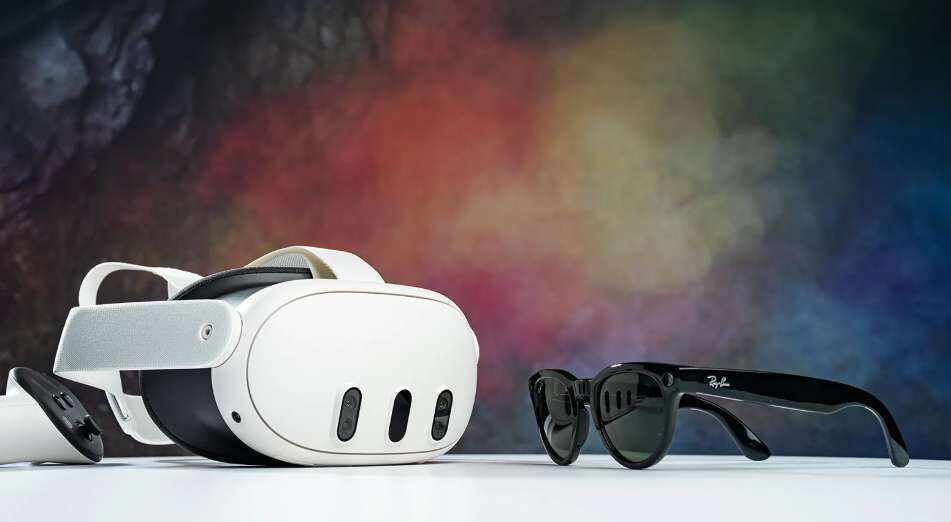
Meta确认将部分投资“从元宇宙转向AI眼镜”
Sou Hu Cai Jing· 2025-12-06 14:28
Core Viewpoint - Meta has confirmed a shift in investment strategy, reallocating funds from its metaverse division, Reality Labs, to focus on AI glasses and wearable devices, amidst ongoing financial losses in the metaverse sector [1][3]. Group 1: Budget Adjustments - Meta's Reality Labs is facing a budget cut of up to 30%, primarily affecting VR and Horizon Worlds operations [3]. - The official statement from Meta indicates that the decision is driven by strong momentum in the AI glasses and wearable devices market, with no broader adjustment plans currently in place [3]. - The budget cuts are expected to impact funding for third-party studios developing content for Horizon Worlds, with potential layoffs as part of the adjustment [3]. Group 2: Financial Performance - Reality Labs has accumulated losses exceeding $60 billion since 2020, prompting the need for a strategic shift [3]. - Despite a record high quarterly revenue in Q4 2024 due to the launch of Quest 3S, sales of Quest devices saw a year-on-year decline in the first two quarters of 2025, with a temporary rebound attributed to retailers stocking up for the holiday season [4]. - Meta's investment in creator competitions for Horizon Worlds has not yielded significant results, as the platform struggles to compete with cross-platform giants like Roblox and Fortnite [4]. Group 3: Success in Smart Glasses - Sales of Meta's smart glasses have surged, with 2 million units sold as of February 2024, and a reported increase of over two times year-on-year by July 2025 [4][5]. - The company plans to increase annual production capacity for smart glasses to 10 million units by the end of 2026, with this target now expected to be met ahead of schedule due to strong sales contributions [5]. - The success in the smart glasses market, contrasted with stagnation in VR and metaverse platforms, is likely influencing Meta's decision to redirect funds to solidify its leadership position before competitors like Apple and Google enter the space [5].