数字化转型

Search documents
期待有更多的数字化转型培训提升劳动者应用能力
Xin Lang Cai Jing· 2025-12-28 16:21
Core Viewpoint - The digital transformation of small and medium-sized enterprises (SMEs) is essential for their survival and development, shifting from a choice to a necessity in the current digital wave [3][4]. Group 1: Training Initiatives - A training program organized by Jinhua City for over 130 personnel from various industries, including electric tools and magnetic materials, focuses on digital transformation [3]. - The training covers areas such as digital assessment, smart factory construction, AI applications, and data security, aiming to enhance participants' capabilities in digital transformation and AI application [3]. - Participants also observed demonstrations of humanoid robots, industrial logistics, and automated sorting at Youyi Technology Co., Ltd., linking theoretical knowledge with practical applications [3]. Group 2: Importance of Human Element - The core of digital transformation is the transformation of people, as advanced digital equipment ultimately relies on human design and operation [4]. - Without skilled personnel to utilize advanced digital tools, companies may face challenges in effective application, leading to issues like "not knowing how to use" or "poor usage" [4]. - The training program combines online theoretical learning with offline practical exercises to enhance flexibility and interactivity, facilitating the conversion of knowledge into practical digital application skills [4]. Group 3: Future Expectations - There is an expectation for more high-quality digital transformation training programs to be implemented, covering a wide range of SMEs with practical content and diverse formats [4]. - The goal is to fully unleash the empowering effects of digital technology, advancing the depth and effectiveness of digital transformation, and injecting strong momentum into high-quality economic and social development [4].


新安银行原董事长孙晓:利差收窄、两头夹击下,小银行应深耕细分领域赛道
Jin Rong Jie· 2025-12-28 13:32
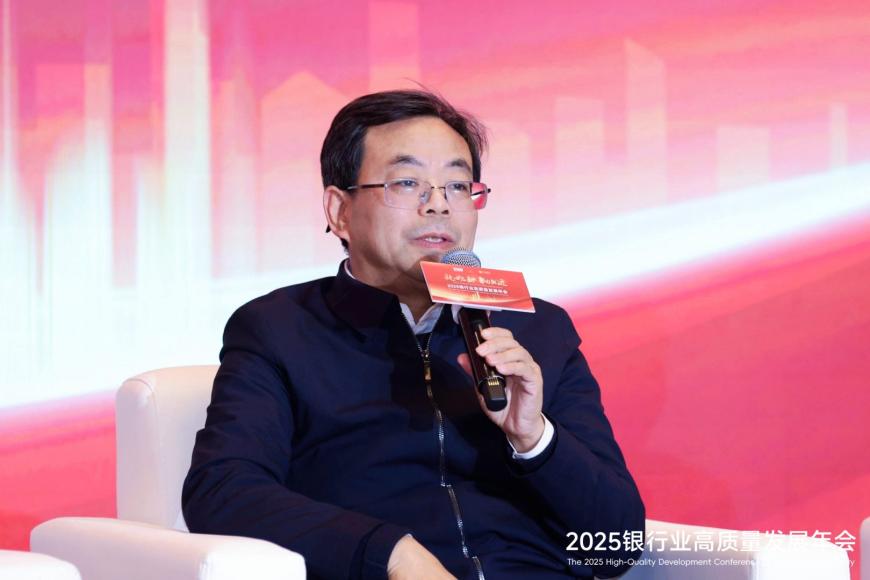
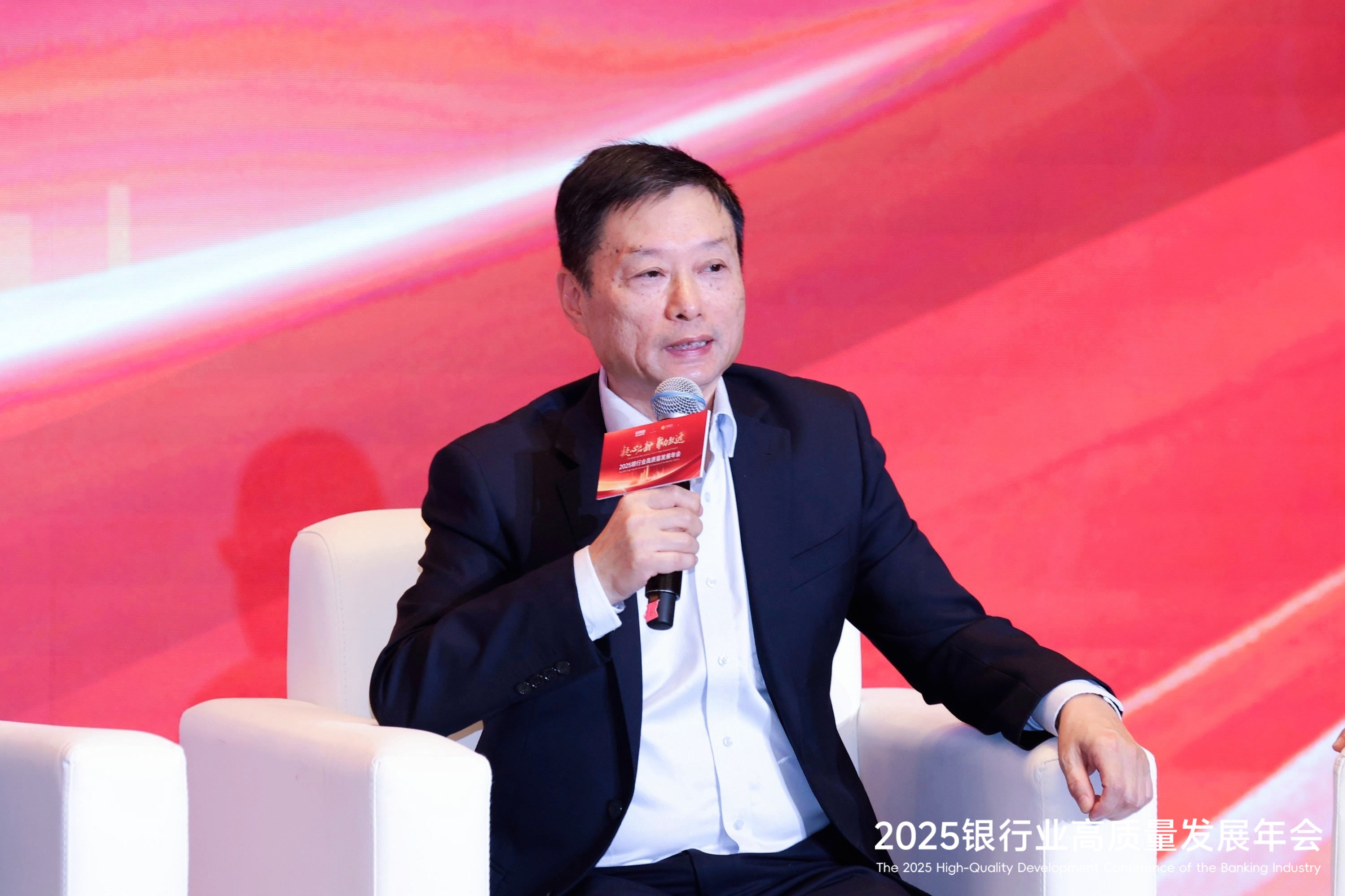
Core Viewpoint - The "2025 Banking Industry High-Quality Development Conference" was successfully held, focusing on key issues such as serving the real economy, digital transformation, AI+financial innovation, and risk prevention [1] Group 1: Challenges for Small Banks - Small banks face survival challenges due to market interest rate liberalization, economic cycle fluctuations, and intensified competition [4] - The banking industry has shifted from a "seller's market" to a "buyer's market," leading to a significant decline in credit demand since 2019 [4] - Small banks are experiencing a "double squeeze" from large banks and internet lending companies, resulting in high non-performing loan rates and increased operational costs [5] Group 2: Future Development Strategies for Small Banks - Small banks should focus on controlling the income-cost ratio through technology to reduce operational costs [6] - Emphasizing the "let profit not let loans" strategy, small banks should maintain core customer relationships while managing costs effectively [6] - Small banks are encouraged to pursue differentiated development by focusing on niche markets such as green finance, education finance, and elderly finance, avoiding direct competition with large banks [7]
拓展业务边界 公募持续推进“集团化”布局
Shang Hai Zheng Quan Bao· 2025-12-28 13:28
Core Insights - The recent developments in the establishment of specialized subsidiaries by leading public funds like E Fund and GF Fund indicate a shift towards diversified and differentiated business models in the asset management industry [1][3] Group 1: Establishment of Subsidiaries - E Fund's wholly-owned subsidiary, E Fund Wealth Management Fund Sales (Guangzhou) Co., Ltd., has officially commenced operations after obtaining the necessary licenses, marking a significant milestone in its business expansion [1] - As of now, the total number of wealth management subsidiaries among public fund companies has reached 9, with notable players like Harvest Wealth and Huaxia Wealth leading in non-money fund asset retention [2] Group 2: Diversified Business Strategies - The public fund industry is witnessing a trend towards diversification in wealth management, private equity investment, and specialized operations, as evidenced by GF Fund's establishment of its wholly-owned subsidiary, Ruichen Private Equity Investment Fund Management (Guangdong) Co., Ltd. [3] - The establishment of private equity investment subsidiaries is not limited to GF Fund; other firms like Huaxia Fund have also received regulatory approval for similar ventures, indicating a growing interest in private equity within the public fund sector [3] - E Fund has also set up subsidiaries focusing on alternative asset allocation and asset securitization, alongside its overseas operations, reflecting a comprehensive approach to asset management [3] Group 3: Technological Integration - E Fund is actively integrating advanced AI technologies, including deep learning and machine learning, to enhance its investment research and advisory services, indicating a commitment to digital transformation in the asset management space [1]
经济大省挑大梁│巨头竞相落子,南京新“擎”澎湃
Nan Jing Ri Bao· 2025-12-28 12:58
Core Insights - Nanjing is increasingly becoming a hub for major industry players, focusing on high-end projects such as R&D centers and regional headquarters, which are essential for future growth [1][6] - The city is shifting its investment strategy from single projects to developing an ecosystem that supports high-value industries [1][6] Group 1: Industry Developments - Major companies like SAIC, Xiaomi, and ABB are establishing significant operations in Nanjing, indicating a trend towards high-tech and innovative manufacturing [3][5][8] - ABB's new super factory in Nanjing, with an investment of approximately 1.5 billion yuan, will focus on the R&D and production of industrial motion control products, crucial for advanced robotics [5][6] - Xiaomi's automotive delivery center in Nanjing has evolved into a major R&D hub, employing over 5,000 people and fostering a network of over 20 ecosystem partners [8][10] Group 2: Collaborative Ecosystem - Nanjing is promoting a collaborative ecosystem where leading companies act as "chain masters," driving the development of the entire industry chain [7][8] - The establishment of the JD.com R&D center in Nanjing aims to create a strategic hub for innovation, focusing on AI, robotics, and cloud computing [12][13] - Partnerships between major firms, such as JD.com and New Work Group, are enhancing the industrial internet and supply chain capabilities in Nanjing [13][14] Group 3: Talent and Infrastructure - Nanjing's favorable business environment and rich talent pool are attracting high-end technology professionals, contributing to the city's growth as a tech hub [14][18] - The Nanjing Intelligent Computing Center is set to provide significant computational power, supporting AI and algorithm development [17][18] - The rapid establishment of projects, such as Xiaomi's automotive center, showcases the efficiency of Nanjing's government in facilitating business operations [18][19]




共商双城交通高质量发展 “2025上海台北城市论坛”—轨道交通分论坛在沪举办
Zhong Guo Xin Wen Wang· 2025-12-28 12:53
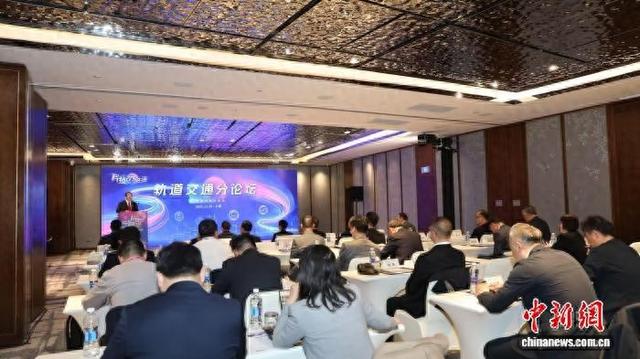
Core Viewpoint - The "2025 Shanghai-Taipei City Forum" includes a rail transit sub-forum focusing on "Smart Transportation for a New Future" and aims to enhance high-quality transportation development between Shanghai and Taipei [1][3]. Group 1: Forum Highlights - The forum is co-hosted by the Shanghai Municipal Transportation Commission and the Taipei City Government Transportation Bureau, emphasizing the importance of technology in transforming urban life [1][3]. - Shanghai's rail transit network has exceeded 900 kilometers, and the city is committed to building a smart rail transit system while promoting international shipping center development [3][4]. - Taipei aims to achieve a 70% green transportation ratio by 2030, focusing on safety, human-centered design, and green initiatives [4][5]. Group 2: Technological Innovations - Shanghai is implementing digital transformation through initiatives like urban traffic brains and autonomous driving demonstrations, aiming to create a multi-functional and efficient transportation network [4]. - Taipei's transportation policies include AI-driven innovations such as smart bus stops and signal lights to enhance travel safety and efficiency [4][5]. - The Taipei MRT system boasts a reliability rate of 99.9995%, showcasing advancements in smart operational systems [5]. Group 3: Future Collaboration - Both cities express a commitment to deepen cooperation in transportation technology and innovation, leveraging the forum as a platform for ongoing exchange [6]. - The forum participants visited various transportation digitalization projects in Shanghai, highlighting the city's achievements in creating a comprehensive transportation network [6]. - Future collaborations will focus on enhancing digital travel experiences, smart logistics, and integrated facilities to benefit both cities and promote peaceful cross-strait relations [6].
数智化转型催生属性变革,券商信息技术领域合规管理如何破局?
Xin Lang Cai Jing· 2025-12-28 12:53
炒股就看金麒麟分析师研报,权威,专业,及时,全面,助您挖掘潜力主题机会! 智通财经12月28日讯(记者 王晨)随着数字化转型与金融科技的深度融合,证券行业正经历一场深刻 的变革。科技不再仅仅是后台支撑,已成为驱动业务创新、提升客户体验的核心力量。 然而,在券商加大信创改造与业技融合投入的同时,信息技术领域的合规风险与安全隐患也日益凸显, 交易系统故障、IT人员"老鼠仓"、信息安全事件迟报、技术服务商运维疏漏等问题频发。 值得关注的是,近期出台的中小投资者保护23条中,第六条和第七条专门针对程序化交易监管与证券期 货经纪业务监管作出明确要求,折射出监管层对券商信息技术领域风险防控的高度关注。 而自2020年证监会成立科技监管司以来,一系列配套法规相继落地,形成对券商信息技术领域的多层次 监管体系,罚单数量自2022年后持续增长,监管焦点覆盖系统安全、人员管理、责任落实及全产业链延 伸,处罚力度不断升级。 实际上,证券行业的数字化、智能化转型正推动信息技术条线的定位发生根本性转变,从传统运维属性 向业务属性深刻转型。如何在拥抱技术创新的同时筑牢合规防线,实现发展与风控的平衡,如何转变思 维,用业务管理和业务支持部 ...
百万华人涌入,变革中的斯坦国
创业邦· 2025-12-28 10:29
Core Viewpoint - The article highlights the growing trend of Chinese businesses expanding into Central Asia, particularly Kazakhstan, as a new frontier for trade and investment opportunities, driven by increasing consumer demand and digital transformation in the region [5][6][7]. Group 1: Market Trends - In the first eleven months of this year, over 876,000 Chinese tourists visited Kazakhstan, with a significant increase in flight and hotel bookings, indicating a strong interest in the region [5]. - The number of China-Central Asia freight trains has also surged, with 13,089 trains operating and 1,031,695 TEUs shipped, reflecting a 30.6% year-on-year growth [5]. - Kazakhstan is transitioning from a "marginal market" to a "foreign trade growth pole" for Chinese enterprises, with sectors like infrastructure, renewable energy, and cross-border e-commerce leading the charge [6]. Group 2: E-commerce Growth - Kazakhstan has become a leader in e-commerce within Central Asia, with an internet penetration rate of 92.9% and a mobile connection rate of 128%, leading to a stable online shopping habit among consumers [13]. - E-commerce's share of retail has increased from 0.5% in 2013 to 14.1% in 2024, with the market size reaching approximately 3.156 trillion tenge (around $6.5 billion), growing by 33% year-on-year [13]. - Local and international e-commerce platforms, including Kaspi.kz and Alibaba's AliExpress, are thriving, facilitating smooth transactions and product availability for consumers [13][14]. Group 3: Consumer Behavior and Preferences - The influx of Chinese brands, such as new tea beverage companies, is indicative of a broader consumption upgrade in Kazakhstan, where local consumers are increasingly open to foreign products [24][29]. - The demand for electric vehicles is rising, with Chinese brands like BYD and Li Auto becoming more visible on the streets, as Kazakhstan's government plans to promote new car purchases through incentives [30][35]. - Local consumers are showing a preference for products that resonate with their cultural context, emphasizing the need for brands to adapt their marketing strategies to local tastes and preferences [22]. Group 4: Challenges and Considerations - Despite the opportunities, Chinese businesses face challenges in establishing trust and credibility with local consumers, who often prefer to buy from local retailers due to past negative experiences with Chinese companies [36][37]. - The article emphasizes the importance of local partnerships and understanding the market dynamics to navigate the complexities of doing business in Kazakhstan [42]. - The evolving regulatory environment and the need for localized strategies are critical for success in this emerging market [43].

收官之年,券商IT“成色”几何?
中国基金报· 2025-12-28 06:50
Core Viewpoint - The article emphasizes the rapid digital transformation and AI integration within the securities industry, highlighting the need for compliance amidst increasing regulatory scrutiny and the importance of balancing technology investment with governance [2][4]. Group 1: Digital Transformation and Investment - The securities industry has significantly increased its focus on information technology, with 44 firms reporting a total IT investment of 28.11 billion yuan in 2023, where 14 firms invested over 1 billion yuan, accounting for 70.46% of total investments [4]. - In 2024, a growth trend in IT investment is expected, with 30 firms planning to increase their spending, shifting focus from quantity to quality in technology investments [4]. - The introduction of domestic AI models like DeepSeek has accelerated the localization of AI deployment, with firms exploring AI applications across various business scenarios [4]. Group 2: Role of Chief Information Officer (CIO) - The role of the Chief Information Officer (CIO) has become increasingly critical, with over 10 firms appointing new CIOs who possess strong backgrounds in both IT and securities management, reflecting a commitment to digital transformation [5]. - CIOs are seen as key figures in steering digital transformation, responsible for coordinating IT strategy, governance, and risk management within firms [5]. Group 3: Regulatory Environment and Compliance - The regulatory landscape has tightened, with multiple firms receiving penalties for inadequate IT risk management, emphasizing the importance of system security and compliance [8][9]. - Regulatory focus includes zero tolerance for system failures affecting investor rights, strict measures against IT-related misconduct, and accountability extending to individual CIOs [9]. - The need for enhanced compliance management is underscored, with firms required to adapt to regulatory demands and improve their governance capabilities [12]. Group 4: IT Governance and Risk Management - Firms are urged to enhance their IT governance capabilities by establishing comprehensive systems and adhering to regulations to mitigate risks associated with information technology [12]. - Continuous improvement in IT service continuity and proactive defense against information security risks are essential for maintaining operational integrity [12]. - A robust framework for IT personnel conduct and compliance is necessary to prevent conflicts of interest and ensure ethical behavior within the industry [12].

深化改革强活力 创新发展聚动能——甘肃建投四建公司国企改革深化提升行动取得新成效
Xin Lang Cai Jing· 2025-12-28 06:02
Core Viewpoint - The Gansu Fourth Construction Group has successfully completed all 59 reform tasks aimed at deepening state-owned enterprise reform, focusing on enhancing operational management, quality, and efficiency, resulting in significant growth in both qualitative and quantitative aspects of the company [1][3]. Group 1: Strengthening Party Leadership - The company has implemented the "First Agenda" system to reinforce political foundations and ensure the integration of party leadership with corporate governance [1][2]. - A clear focus on grassroots development has been established, enhancing the role of party branches and integrating party work with production and operations [2]. - The principle of "Party manages cadres" has been strictly followed, emphasizing talent as the primary resource and fostering a high-quality professional cadre team [2]. Group 2: Focus on Core Responsibilities - The company prioritizes operational excellence by adapting to new national policies and focusing on specialized development, balancing traditional and new business growth [3]. - Management efficiency has been improved through a project management system that emphasizes value creation and utilizes digital tools for better cost and contract management [3]. - The company has seen a continuous increase in operating income profit margin, with an average growth rate of 5.81% over the past three years [3]. Group 3: Reform and Governance Structure - The company has implemented a three-system reform, enhancing managerial accountability and linking performance assessments to compensation [4][5]. - A modern governance structure has been established, ensuring the integration of party leadership with corporate governance, and clarifying the roles and responsibilities of various governance bodies [6]. - Compliance systems have been strengthened to ensure legal adherence across all operational aspects [6]. Group 4: Innovation and Modernization - The company has initiated a "Big Department System" reform, streamlining departments to enhance decision-making and operational efficiency [7]. - Digital transformation efforts have been accelerated, with the implementation of a "Digital Construction" system to improve business processes and operational efficiency [7]. - Innovation outcomes have been prioritized, with numerous awards and patents achieved in recent years, reflecting the company's commitment to technological advancement [8]. Group 5: Future Development Goals - The company aims to maintain a problem-oriented, goal-oriented, and results-oriented approach to align with market economic development and enhance its operational capabilities [9].
小米消金总裁曹子玮: 在金融机构错位发展中,消金公司更应作为先行先试群体
Jin Rong Jie· 2025-12-28 04:19
Core Insights - The "2025 Banking Industry High-Quality Development Conference" was successfully held in Beijing, focusing on themes such as serving the real economy, digital transformation, AI+financial innovation, and risk prevention [1] Group 1: Industry Challenges - The financial industry faces three major pain points: high institutional homogeneity leading to systemic risks, service gaps due to homogeneous competition, and the "Matthew Effect" where better borrowers receive more loans while poorer ones are neglected [3] - The need for differentiated core competitiveness among various financial entities is highlighted as a crucial industry challenge [3] Group 2: Xiaomi Consumer Finance's Unique Approach - Xiaomi Consumer Finance has developed a unique path of differentiated development over its five years of operation, focusing on five key differentiators [3] - The first differentiator is its integration within the Xiaomi ecosystem, providing tailored consumer credit services that address the immediate credit needs of users [4] - The second differentiator involves leveraging digital technology to reduce credit costs and barriers, enhancing efficiency and accessibility for everyday consumers [4] - The third differentiator focuses on customized product design for specific user groups, particularly those overlooked by larger financial institutions, thereby addressing their financial needs [4] - The fourth differentiator emphasizes a green orientation, offering preferential loan rates for green-marked products to facilitate policy implementation and consumer benefits [5] - The fifth differentiator points to the evolving role of consumer finance companies in fulfilling social responsibilities and addressing the needs of underserved populations [5]