
贸易保护主义

Search documents
巴菲特重磅:将卸任CEO,贸易不应成为武器
Jin Shi Shu Ju· 2025-05-04 00:15
Group 1: Leadership Transition - Warren Buffett announced plans to step down as CEO of Berkshire Hathaway by the end of the year, recommending Greg Abel as his successor [1][2] - Buffett has informed his children on the board about his decision, while other board members were previously unaware [2] Group 2: Economic and Trade Views - Buffett criticized protectionism and emphasized that trade should not be weaponized, expressing concerns about tariffs potentially leading to economic recession [3][6] - He believes that the prosperity of other nations does not come at the expense of the U.S. and that trade should be pursued to enhance global prosperity [3] Group 3: Market Perspective - Buffett views recent market volatility as a minor issue, stating that it does not constitute a severe bear market [4][5] - He noted that Berkshire Hathaway's stock has experienced significant declines in the past without fundamental issues in the company [5] Group 4: Financial Health and Strategy - Berkshire Hathaway reported a first-quarter net profit of $4.6 billion and an operating profit of $9.64 billion, with cash and treasury reserves increasing to $347.7 billion [1] - Buffett revealed that the company nearly utilized $10 billion of its cash reserves recently, indicating a readiness to invest when suitable opportunities arise [7] Group 5: Confidence in the U.S. Economy - Despite concerns regarding tariffs, Buffett maintains a strong belief in the U.S.'s continued global leadership and economic strength [8]
2025年巴菲特股东大会精华版来了,500字看完四个半小时问答要点
Hua Er Jie Jian Wen· 2025-05-03 21:11
Group 1 - The core viewpoint of the articles emphasizes Warren Buffett's concerns about trade protectionism and fiscal policy in the U.S., advocating for responsible governance and international trade [1][2]. - Buffett criticizes tariffs and trade protectionism, stating that trade should not be used as a weapon and labeling protectionist policies as a "serious mistake" [1]. - He expresses fear regarding the sustainability of the U.S. fiscal deficit and warns about the potential devaluation of the dollar due to irresponsible fiscal policies [2]. Group 2 - Buffett remains optimistic about investing in the U.S. and supports the notion of American exceptionalism, considering his birth in the U.S. as a significant advantage [3]. - He continues to favor investments in Japan, planning to hold shares in Japanese trading companies for the long term, regardless of potential interest rate hikes by the Bank of Japan [4]. - Buffett mentions that Berkshire Hathaway recently considered a $10 billion investment, emphasizing that the company's funds will not be used for what he deems "foolish" ventures [5]. Group 3 - Buffett announces plans to propose his resignation as CEO by the end of the year, indicating that Abel, the head of Berkshire's non-insurance business, is expected to succeed him [6]. - He confirms that he will not sell any of his Berkshire shares and intends to gradually donate them [6].
一票之差!3名共和党议员“叛变”,关税政策未叫停,美国经济 “风暴” 将临?
Sou Hu Cai Jing· 2025-05-02 19:26
特朗普的关税政策,搅得全球经济 "不得安宁"。近日,美国参议院就叫停该政策进行投票,结果以 49 票赞成、49 票反对打成平票,副总统万斯投下关键反 对票,使得叫停法案未能通过。这一结果,让特朗普的关税政策得以继续 "横行",可它究竟意味着什么呢? 特朗普上台后,高举 "美国优先" 大旗,推行一系列关税政策,对众多贸易伙伴加征高额关税。其目的,一是想减少美国贸易逆差,二是试图推动制造业回 流美国。然而,事与愿违,这些政策弊端百出。从美国国内看,关税增加了企业进口成本,像汽车行业,原本依赖进口零部件,关税一加,成本大幅上升, 不少企业利润下滑,甚至面临停产风险。 这次参议院投票,原本民主党对叫停政策信心不足,没想到 3 名共和党参议员 "倒戈",1 人弃权,险些让法案通过。这一情况表明,特朗普的关税政策在其 内部也不得人心。不少人清楚,这政策短期看似维护美国利益,实则长期损害美国经济。那些支持特朗普的财团和金主,如马斯克的特斯拉,市值因关税政 策大幅缩水;对冲基金经理比尔・阿克曼、城堡投资集团创始人肯・格里芬等人的业务,也受到不同程度冲击。他们当初支持特朗普,本期望能获利,如今 却亏损严重,自然心生不满。 此次 ...

万没料到,加拿大彻底颠了?刚拿下中国730万桶大单就要全面开炮
Sou Hu Cai Jing· 2025-05-02 19:26
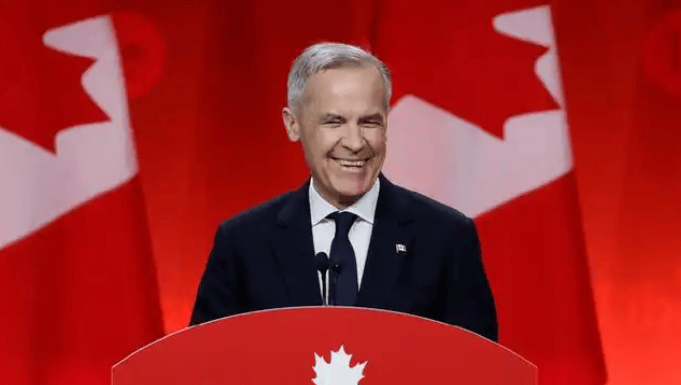
Group 1 - Canada has reached a significant oil trade agreement with China, with imports hitting a historical peak of 7.3 million barrels in March 2023, marking a 90% reduction in U.S. oil imports due to trade tensions [3][5] - The diversification of energy imports is crucial for China to ensure energy security and mitigate trade risks, while Canada benefits from expanding its overseas market and boosting economic gains through increased oil exports [3][5] - The Canadian government, under Prime Minister Mark Carney, has adopted a hardline stance against China, imposing high tariffs on various Chinese products, which disrupts normal international trade and harms both Canadian and Chinese businesses [5][9] Group 2 - Canada has also taken a strong position against the U.S., maintaining retaliatory tariffs in response to unfavorable trade policies, which has negatively impacted Canadian industries [8][9] - The Canadian economy is heavily reliant on the U.S. market, with 75% of exports directed there; continued deterioration in U.S.-Canada trade relations could lead to a projected 18% drop in GDP within six months [9] - The trade relationship with China is vital, as the trade volume exceeded $100 billion in 2023; poor policies towards China could result in significant losses for Canadian industries, as evidenced by tariffs on Canadian canola oil and peas [9]
新闻调查|美国关税战之害的世纪警示
Xin Hua Wang· 2025-05-02 12:23
Core Viewpoint - The negative impacts of the U.S. tariff policy have exceeded market expectations, causing troubles for the U.S. economy and increasing uncertainty in the global economy, reminiscent of the disastrous effects of the Smoot-Hawley Tariff Act in the 1930s [1][7]. Historical Context - The Smoot-Hawley Tariff Act, initiated in 1929, aimed to protect U.S. agricultural interests by significantly raising tariffs on over 20,000 imported goods, with rates reaching as high as 60% [2][3]. - The act faced strong opposition from academia and business but was signed into law by President Hoover, leading to retaliatory tariffs from other countries and igniting a global trade war [2][3]. Economic Consequences - Following the implementation of the Smoot-Hawley Tariff, U.S. imports from Europe plummeted from $1.334 billion in 1929 to $390 million in 1932, while exports dropped from $2.341 billion to $784 million, resulting in a 67% decrease in trade volume [3]. - The U.S. unemployment rate soared to 25.1% by 1933, and the Dow Jones Industrial Average fell by 89% from its peak in 1929 [3][4]. - The global trade volume and industrial output also suffered, with a 66% decline in global trade and a 33% drop in industrial output by 1934 [3][4]. Modern Implications - The current U.S. tariff policies, initiated under the Trump administration and continued by the Biden administration, have not achieved their intended goals of manufacturing return or trade deficit reduction, instead causing economic damage and loss of credibility [7][8]. - The U.S. agricultural sector faces estimated annual losses exceeding $12 billion due to these tariffs, which are ultimately passed on to consumers, exacerbating inflation risks [7][8]. Global Trade Dynamics - The persistence of high tariffs distorts price signals and hinders global productivity, leading to long-term economic damage [8]. - In today's highly specialized and integrated global economy, the negative impacts of protectionism spread rapidly, disrupting global supply chains and hindering economic growth [8][9].
德国民调:美关税政策加剧经济困境 民众呼吁采取强硬立场
news flash· 2025-05-02 08:31
智通财经5月2日电,德国最新民调显示,德国民众普遍对本国经济前景持悲观态度,并将当前困局与美 国总统特朗普推行的贸易保护主义政策直接相关。多数受访者呼吁德国政府应对美采取更强硬立场,维 护本国利益。 德国民调:美关税政策加剧经济困境 民众呼吁采取强硬立场 ...
美日第二轮谈完,约定5月下旬继续谈,日方威胁“美债可做一张牌”
Hua Er Jie Jian Wen· 2025-05-02 02:09
日本财务大臣加藤胜信罕见暗示可能利用日本庞大的美债持仓作为谈判筹码,为投资者敲响警钟。日 元、日本汽车制造商及相关供应链企业面临显著波动风险,美债市场或成为下一个战场。 日本面临严峻挑战,汽车业处于风暴中心 日本正面临特朗普贸易政策的严重打击。媒体报道指出,美国对钢铁和铝的25%关税已于3月开始实 施,类似的汽车税和所有商品10%的基准关税也于本月早些时候生效。特别是汽车关税将特别重创日本 核心产业,尽管特朗普本周早些时候采取措施缓解了这些关税的影响。 在特朗普关税风暴席卷全球之际,日美贸易谈判正加速升温,东京首席谈判代表赤泽亮正表示双方目标 在6月达成协议,但谈判路径布满荆棘。 据媒体报道,在结束最新一轮华盛顿会谈后,日本经济产业省大臣赤泽亮正表示,日美双方预计将在5 月中旬加快贸易谈判节奏,目标是在6月达成协议。赤泽周四在华盛顿对记者说:"我们能够就扩大双边 贸易、非关税措施和经济安全合作等话题进行具体讨论,我们同意安排下一次高级别会议,目标是从5 月中旬开始加速谈判。" 本轮谈判历时130分钟,尽管赤泽声称会议"坦率开放",但他也承认"许多讨论领域仍需具体化"。赤泽 强调"谈判作为一揽子计划处理",并表 ...
携手维护全球多边经贸体制
Jing Ji Ri Bao· 2025-05-01 22:01
在中欧建交50周年的历史机遇下,中欧合作相向而行,合作空间广阔。一个健康稳定的中欧关系,不仅 将成就彼此,还将成为全球多边经贸体制的重要支撑。 (文章来源:经济日报) 中欧合作为彼此带来了新的经济增长机遇。在新一轮科技革命浪潮下,欧洲在金融、智能制造、医疗健 康等领域有着先进的数字化技术和应用,而中国则在大数据、电子商务、人工智能等方面走在前列,双 方通过数字化和技术合作将推动产业链快速升级。在推进绿色转型方面,中欧也能优势互补,特别是中 国在可再生能源发电、输电系统、新能源电池等方面具有技术和成本优势,双方合作将助推欧洲绿色交 通、光伏产业等迅速发展。 中欧合作更具有战略意义和世界影响。中欧经济总量占全球比例超过三分之一,双方经贸合作产生的积 极外溢效应,将有力拉动世界经济增长,也将增强彼此在全球经济治理中的话语权。前些年,中欧就曾 面对来自美国的贸易施压,并在维护世界贸易组织等多边经贸体制方面密切合作。当前,美贸易保护主 义再次冲击世界经济,国际社会期盼中欧能继续携手,推动全球经济治理朝着更加公正合理的方向发 展。 中欧近期在经贸领域密集互动,双方不仅将开展电动汽车价格承诺谈判,讨论汽车产业投资合作问题, ...
特朗普没能兑现承诺,美国两大巨头直接反水,形势“危若累卵”
Sou Hu Cai Jing· 2025-05-01 02:51
特朗普刚上台那阵子,简直是"总统版"的狂飙模式!签署了130多道行政令,搞得美国鸡飞狗跳,法院都忙不过来,211起联邦诉讼,79道法院禁令,好家 伙,这架势,比好莱坞大片还精彩!通货膨胀蹭蹭往上涨,7.8%!股市也跟着跳楼大甩卖,美元贬值,供应链断裂,国内抗议游行一个接一个,跟过年似 的热闹。国际上,跟加拿大、欧盟这些老朋友也闹翻了,全球经济预期直线下滑,特朗普之前信誓旦旦的"24小时解决俄乌冲突",最后变成个笑话。支持 率?39%!创下几十年来的新低,这脸打的,啪啪响!当时很多人觉得,哎呀妈呀,这美国要完蛋了! 然后,好戏才刚刚开始!特朗普的关税政策,就像一枚多米诺骨牌,推倒了美国经济的"高楼大厦"。沃尔玛、亚马逊这些商业巨头,本来是特朗普的铁杆粉 丝,结果一看这关税政策,立马"反水"了!沃尔玛先是想让中国供应商承担关税,结果发现这招不好使,又自己默默地承担一部分,这叫一个"赔了夫人又 折兵"!亚马逊更绝,直接在商品价签上贴上"关税"两个字,这操作,真是让人又好气又好笑!虽然亚马逊的做法让商品点击率下降了不少,但"政府无 能"的负面评价却飙升到47%,真是"赔了夫人又折兵"升级版! 所以说,这可不是一部简单 ...
南非国际问题研究所首席执行官:中国是多边体系重要支柱
Zhong Guo Xin Wen Wang· 2025-05-01 02:02
Group 1 - The relationship between South Africa and China is strong, with both countries sharing many common views on global governance, and China is seen as a crucial pillar in maintaining the multilateral system [1][2] - South Africa and China are deepening their cooperation within the BRICS framework and maintaining coordination on multilateral platforms [1] - South Africa emphasizes the need for reforming existing global governance systems rather than abolishing them, with a strong commitment to the United Nations as a key platform [1] Group 2 - South Africa is focusing on global issues such as climate change, equitable development, and financing accessibility, which are essential for achieving global stability [2] - The rise of global trade protectionism presents new opportunities for South Africa-China economic cooperation, with South Africa aiming to diversify its trade and increase exports to China [2] - South Africa seeks to enhance the value-added of its export products and reduce reliance on primary product exports, aligning with its industrialization strategy and aiming to rebuild manufacturing capacity [2]