
品牌营销

Search documents
赛力斯康波:用户自豪是品牌忠诚度的最高体现也是品牌工作者的最高使命
Ge Long Hui· 2025-08-09 03:07
Group 1 - The core event was the 2025 (19th) China Brand Festival held in Shenzhen, where the Vice President of Seres Group, Kang Bo, shared insights on brand innovation in the electric vehicle sector [1] - Seres has fully transitioned to the electric vehicle sector since 2016 and launched the high-end smart electric vehicle brand "AITO" in collaboration with Huawei in 2021, with over 700,000 units delivered across four models: M5, M7, M9, and M8 [3] - Kang Bo emphasized the importance of differentiated positioning in marketing, advocating for the principle of "either being the first or the only," which led to the brand declaration of "Smart Reshapes Luxury" for AITO [5] Group 2 - As a technology-driven company, Seres focuses on "IP branding of technology" as its strategic core, introducing innovations such as the Seres Cube Technology Platform, Super Range Extender, and Smart Safety to enhance user perception of the brand's technological capabilities [7] - Seres is actively building a strong brand moat through continuous efforts in brand marketing, technological innovation, and superior after-sales service quality, with a long-term commitment to brand development [8]


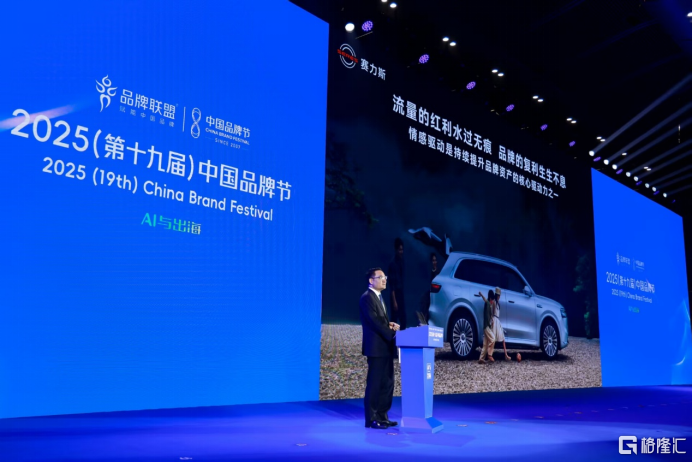
品牌要“讲人话”!专家:ESG、出海等成国内营销新趋势
Sou Hu Cai Jing· 2025-08-07 12:49
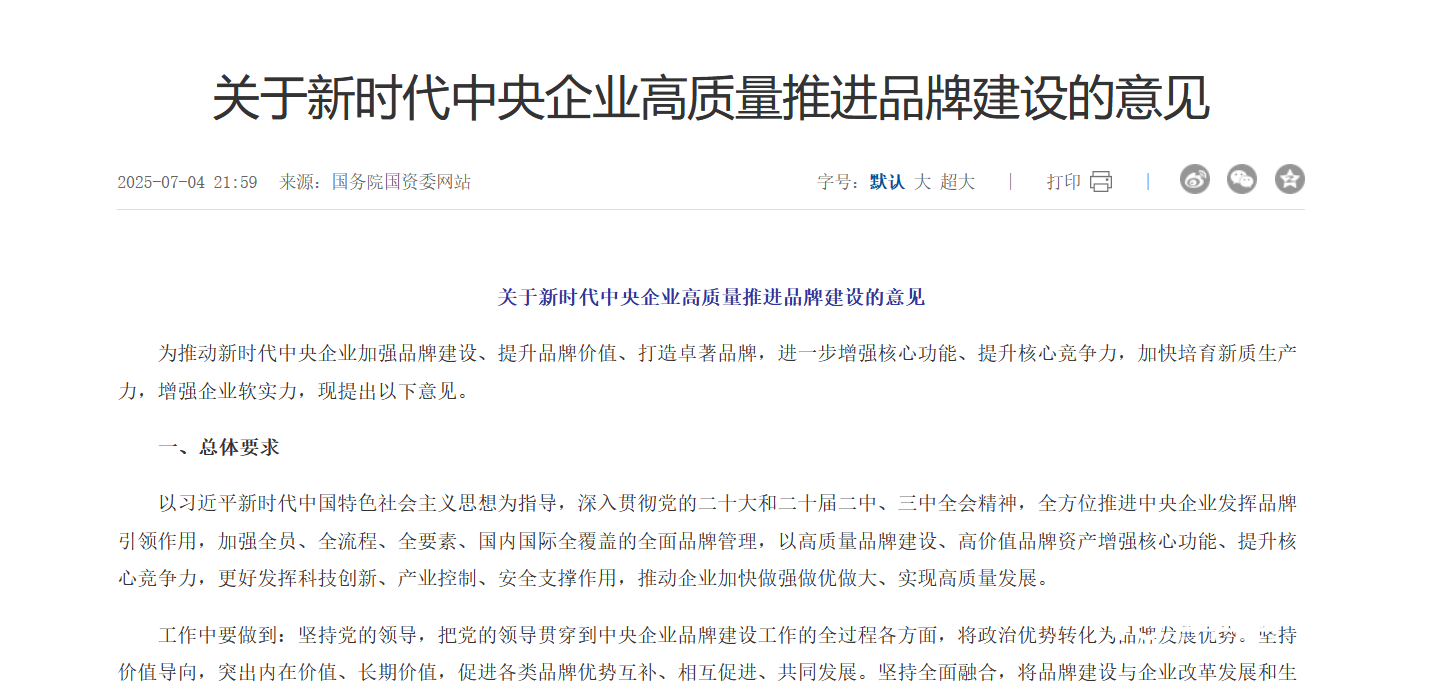
Group 1 - The event "Brand Leading · Bay Area Action" focused on how central state-owned enterprises (SOEs) can implement the "Opinions" to lead high-quality development through brand building [1] - The "Opinions" issued by the State-owned Assets Supervision and Administration Commission (SASAC) aim for central enterprises to significantly enhance brand awareness and implement brand strategies by 2030, and to form a number of globally renowned brands by 2035 [2] - The "Opinions" emphasize the need for comprehensive brand strategy management, including enhancing brand value, internationalization, and organizational support to strengthen brand development [2] Group 2 - Experts highlighted that brand building must integrate with national strategies and market demands, emphasizing the importance of social responsibility for central SOEs [5] - The transition from product internationalization to brand globalization is crucial for Chinese enterprises, with the "Opinions" providing guidance for building strong brands [5] - The concept of branding is framed as nurturing a story in the hearts of customers and consumers, rather than merely focusing on product design or marketing [5]
云姨夜话丨这个秋天,我们换个“梗”吧!
Qi Lu Wan Bao· 2025-08-07 12:30
Core Insights - The article discusses the evolution of the advertising industry in China over the past decade, highlighting the insights of Jiang Nanchun, founder and chairman of Focus Media, regarding the need for brands to adapt to changing consumer behaviors and marketing strategies [2][3]. Group 1: Advertising Industry Trends - Jiang Nanchun emphasizes the importance of "attention" over mere "traffic," suggesting that brands must focus on meaningful engagement rather than just increasing visibility [3]. - He identifies three key directions for brands in the next decade: "pay attention," "plant trees," and "touch emotions," indicating a shift towards deeper consumer connections [2][3]. - The fragmentation of content and shallow consumer recognition is a concern, as the oversaturation of similar marketing efforts leads to diminished brand clarity [3]. Group 2: Innovative Marketing Strategies - Focus Media has launched a new O2O (Online to Offline) marketing model in collaboration with Alipay, utilizing elevator advertising to create interactive consumer experiences [4]. - The company has 3 million terminal devices, with plans to upgrade 200,000 by the end of the year to support this new marketing initiative [4]. - This innovative approach aims to transform advertising spaces into transaction entry points, enhancing both brand reach and sales conversion [5]. Group 3: E-commerce Developments - Alibaba's recent launch of a new membership system integrates various services, enhancing the user experience across its platforms, including travel and dining [5]. - JD.com is also entering the travel market, indicating increased competition in the e-commerce sector, particularly in the hospitality industry [6]. - The demand for summer products has surged, with specific items like portable fans and sunshades becoming popular among international consumers, reflecting changing consumer preferences [7]. Group 4: Cultural and Economic Impact - The article highlights the success of traditional crafts, such as the custom-made rattan products by Dior, showcasing the potential of local artisans in the global market [9][10]. - The integration of AI in production processes has enabled local businesses to expand their reach and adapt to international trade, demonstrating the transformative power of technology in traditional industries [10]. - The narrative emphasizes the importance of understanding consumer behavior and market dynamics to navigate the evolving landscape of advertising and commerce [11].


腾讯新闻营销中心总监朱云欣:深挖用户价值 助力品牌长青
Zhong Guo Jin Rong Xin Xi Wang· 2025-08-05 07:51
Group 1 - The 2025 Automotive New Quality Productivity Development Forum will be held in Chongqing on July 30-31, 2025, focusing on how original deep stories can penetrate user mindset in a scarce attention environment [1] - Tencent News adheres to a premium content strategy, combining hot topics with intelligent search engine content delivery, aiming to provide value to users under a long-term logic [1] Group 2 - Tencent News' operation general manager launched a live broadcast in December 2023, redefining the boss live broadcast model through a "content visualization + scene experience" approach, effectively addressing the pain points of technical communication [2] - This new model enhances communication efficiency between brands and users, strengthening trust and providing innovative ideas for technical communication and user interaction in the industry [2] Group 3 - "Hearing Please Respond" is a life response tool created by Tencent News, capturing the intense 72-hour rescue operation by the Blue Sky Rescue Team, showcasing deep human care [3] - The program integrates Volvo's brand message of "real safety" into the narrative, emphasizing social responsibility by encouraging staff to take action after the program [3] Group 4 - The collaboration between Tencent News and Olympic champion Sun Yingsha aims to reshape the marketing paradigm for the national car brand Hongqi, creating emotional resonance with young users [4] - The project, which spans a full year, showcases the integration of Chinese technological confidence, emotional resonance, and cultural circles, establishing a new paradigm in sports marketing [4] - Tencent News has successfully implemented various practices in content creation and brand collaboration, demonstrating the power of solid content foundation and sensitivity to user emotions [4]

像迪士尼又像地狱,特斯拉的“疯癫餐厅”
汽车商业评论· 2025-08-04 23:08
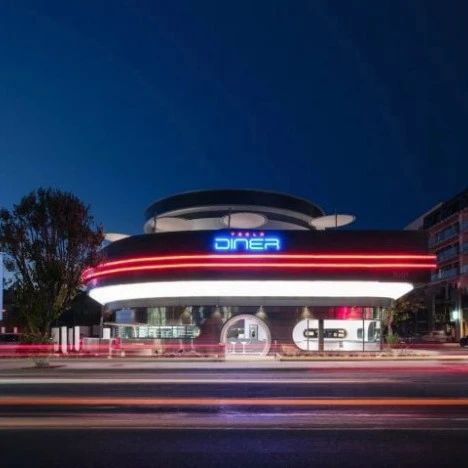
Core Viewpoint - The Tesla Diner, opened on July 21, has become a chaotic phenomenon in Los Angeles, blending elements of a fast-food restaurant, a charging station, and a social media hotspot, but failing to deliver a satisfactory dining experience [5][6][10]. Group 1: Restaurant Experience - The diner features a retro-futuristic design with elements like roller-skating servers and a Cybertruck-themed food box, but the execution is marred by long wait times and subpar food quality [9][10]. - Customers report long queues, with an average wait of 45 minutes, and food that is described as mediocre and overpriced, with a typical meal costing around $50 without drinks [11][12]. - The menu has already been significantly reduced, with many initially ambitious items removed due to overwhelming demand [12][14]. Group 2: Community Impact - The diner has sparked protests and community unrest, with residents complaining about noise, light pollution, and traffic congestion caused by the 24-hour operation and numerous charging stations [14][15]. - Local authorities are considering measures to manage the traffic and crowding issues, indicating the diner’s impact on the surrounding community [14][15]. Group 3: Brand and Marketing Strategy - The Tesla Diner serves more as a brand showcase than a traditional restaurant, aiming to create buzz and attract attention rather than focusing on profitability [21][23]. - Despite negative reviews, the diner successfully generates significant media attention and foot traffic, highlighting its role as a marketing tool for Tesla [21][22]. - The long-term viability of the diner as a profitable venture is questionable, but it may succeed in creating ongoing brand visibility and engagement [23].

穷鬼赛道,捧出了2个河南首富 || 深度
Sou Hu Cai Jing· 2025-08-01 11:03
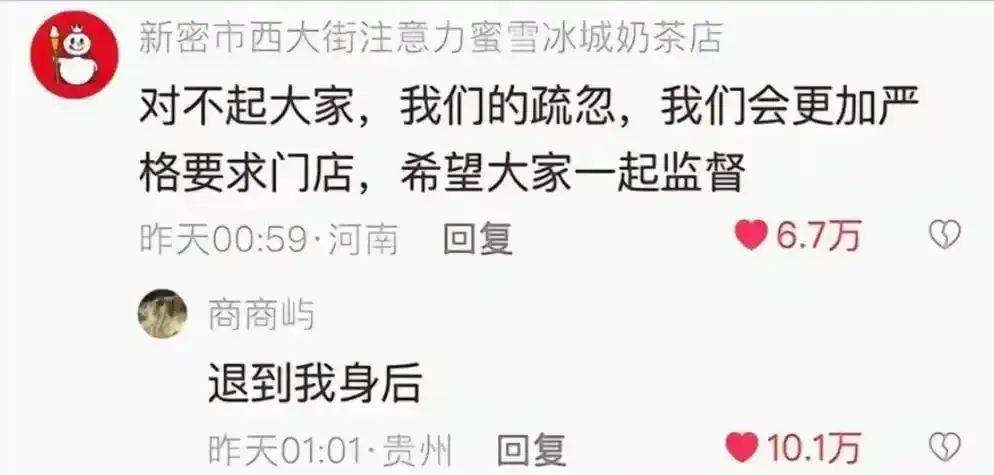
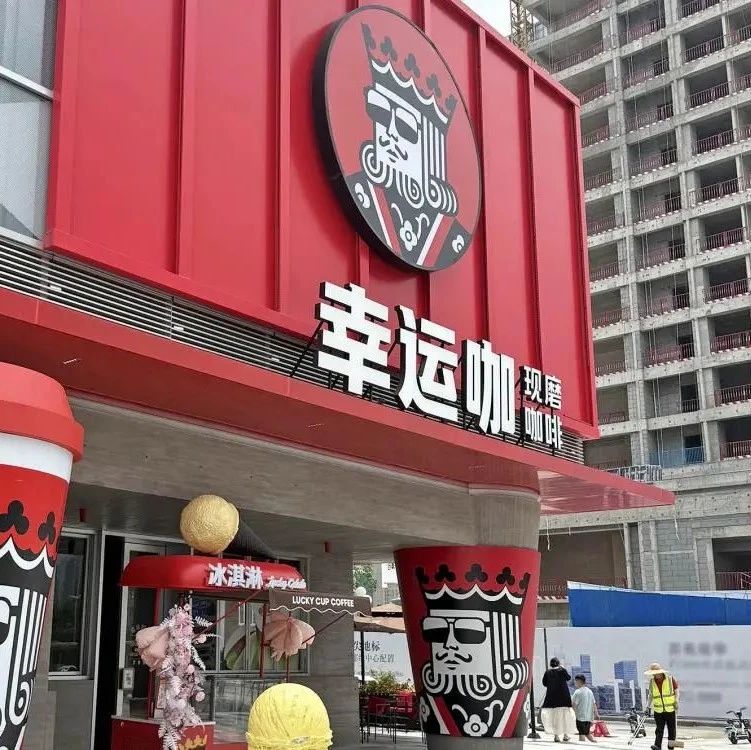
Core Insights - The article discusses the rise of Mixue Ice City, founded by Zhang Hongchao and Zhang Hongfu, who recently became the richest individuals in Henan with a net worth of 117.9 billion yuan [2][3] - The company has successfully positioned itself in the low-price beverage market, with over 46,000 stores globally and a significant increase in stock price since its IPO [3][4][54] - Despite facing challenges, including a food safety incident, the brand's strong public image and low pricing strategy have contributed to its resilience and growth [5][8][59] Company Overview - Mixue Ice City was founded 28 years ago and has grown to become the largest chain fast-food restaurant globally, selling 9 billion cups of beverages in 2024 [3][8][54] - The company has maintained a pricing strategy that keeps most products under 10 yuan, with the most popular lemon water only increasing from 3 yuan to 4 yuan since its launch in 2013 [5][8][39] - The brand has avoided celebrity endorsements, instead creating its own mascot, "Xue Wang," which has become a significant part of its marketing strategy [7][50] Financial Performance - Following its IPO in March, Mixue Ice City saw its market value exceed 100 billion HKD, with a stock price increase from 202.5 yuan to 494 yuan per share [4][54] - The company reported total revenue of 24.8 billion yuan in 2024, with a consistent annual growth rate of over 30% in the past four years [55][61] Market Position - Mixue Ice City has established itself as a leader in the tea beverage market, competing effectively against brands like Nayuki and Heytea, which were founded later [8][54] - The company has also expanded into the coffee market with its brand "Lucky Coffee," which has over 6,000 stores, ranking fourth in the domestic coffee market [56] Challenges and Future Outlook - The company faces challenges such as rising lemon prices due to extreme weather, which could impact profit margins [60] - Despite ongoing growth, there are signs of slowing revenue growth and increasing store closures, indicating a potential market shake-up [61] - The future balance between the conservative approach of Zhang Hongchao and the aggressive expansion strategy of Zhang Hongfu will be crucial for sustaining the company's market position [61][62]
订单激增258%,蜜雪“收割”瑞幸红利
21世纪经济报道· 2025-08-01 02:06
Core Viewpoint - The article highlights the rapid expansion of the coffee brand Lucky Coffee under the Mixue Group, aiming to surpass 10,000 stores by the end of 2025, with significant growth in franchise inquiries and store openings [1][3]. Group 1: Business Expansion - Lucky Coffee's store count has exceeded 7,000, covering over 300 cities in China, making it the fourth largest fresh coffee brand in the country [1]. - In Q2 of this year, Lucky Coffee signed new franchise agreements with a year-on-year growth of 164% [1]. - The average daily revenue per store reached 5,732 yuan on July 12, with a 258% increase in takeaway orders [1]. Group 2: Franchise Strategy - The brand is selective in its franchisee recruitment, preferring those who can actively participate in store operations rather than purely investment-type franchisees [1][2]. - To facilitate expansion, Lucky Coffee has lowered its franchise investment requirement from 350,000 yuan to 250,000 yuan and adjusted the age requirement for franchisees [7]. - The company has implemented a franchise support policy that includes a total reduction of 34,000 yuan in specific cities [7]. Group 3: Supply Chain and Profitability - Lucky Coffee benefits from Mixue's supply chain, with coffee bean supply prices below 70 yuan per kilogram, compared to the industry average of over 100 yuan [8]. - The gross profit margin for products like the 5.9 yuan Americano exceeds 50% [9]. - Recent sales figures indicate that the sales of the Coconut Latte exceeded 200 million yuan, with several new products also surpassing 100 million yuan in sales [9]. Group 4: Market Context - The coffee market in China is maturing, with per capita coffee consumption increasing from 9 cups in 2016 to 16.74 cups in 2023 [13]. - The competitive landscape is evolving, with brands like Luckin Coffee and Kudi Coffee driving market growth through aggressive marketing strategies [14][15]. - The coffee market's chain store concentration is still low compared to tea, indicating significant room for growth [18]. Group 5: Brand Positioning - Lucky Coffee aims for a "high-quality, low-price" positioning, avoiding a deliberate shift towards high-end branding [20]. - The brand's strategy of expanding from lower-tier cities to higher-tier ones contrasts with competitors who typically expand from high-tier to lower-tier markets [20]. - If successful, Lucky Coffee's approach may signify a redefinition of coffee's market positioning in China [21].
因赛集团20250729
2025-07-30 02:32
Summary of Insights from the Conference Call of InSai Group Company Overview - **Company**: InSai Group - **Industry**: Brand Marketing and Public Relations Key Points and Arguments 1. **Acquisition of ZhiZhe Brand**: InSai Group plans to acquire ZhiZhe Brand, expecting net profit (excluding non-recurring items) of 63 million, 72 million, and 81 million yuan over the next three years, aiming to strengthen its position in brand marketing and public relations [2][4] 2. **Global Strategic Partnerships**: The company is actively pursuing partnerships with top domestic tech companies, leveraging its subsidiaries to achieve full coverage in brand marketing, consulting, and performance marketing, with plans to accelerate globalization in the next two years [2][6] 3. **Embracing AI Technology**: InSai Group is fully embracing AI technology through its multi-intelligent system (Max), enhancing capabilities in text, image, video generation, and e-commerce marketing, with plans to promote AI technology internationally [2][7] 4. **Product Development Timeline**: The company aims to launch its sales and multi-agent systems by Q3 2025, utilizing its self-developed inside GPT model to deepen its brand focus and introduce products like digital humans and script videos by Q4 2025 [2][8] 5. **AI Model Specifications**: The InSai GPT model has completed dual filing for algorithms and models, with a parameter scale of approximately 700 billion, and training data sourced from the company's extensive media library [2][9][10] 6. **Capital Expenditure and R&D Plans**: InSai Group plans to maintain a research team of 42 people in 2025, with AI-related revenue targets of 15 million yuan, and aims to expand to 60 people and 30 million yuan in R&D spending by 2026 [4][11] 7. **Strategic Client Base**: The acquisition of ZhiZhe Brand will enhance InSai's client base, which includes major companies like Huawei, BMW, and BYD, and is expected to increase revenue through shared strategic resources [4][16] 8. **Revenue Growth Projections**: The company aims to achieve 100 million yuan in revenue by 2026, with a target of 500 million yuan in the third year, alongside significant personnel expansion and R&D investment [4][15] 9. **Differentiation in Marketing Approaches**: InSai differentiates between brand marketing, which focuses on long-term image building, and performance marketing, which emphasizes short-term visual impact [4][13] 10. **Competitive Positioning**: While InSai does not have a significant advantage in computing power and algorithms compared to competitors, it benefits from unique data accumulated over the years, which is expected to enhance its brand model's performance [4][14] 11. **International Expansion Plans**: InSai has existing overseas operations and plans to establish localized offices in key regions to support international clients, with a focus on AI-driven marketing solutions [4][20] 12. **Financial Strategy for Overseas Operations**: The company anticipates a significant increase in overseas revenue by 2026, while adjusting its resource allocation towards AI and brand marketing in 2025 [4][21] 13. **Operational Model Comparison**: InSai's operational model focuses on creative project delivery with higher profit margins, contrasting with competitors like BlueFocus, which primarily rely on media placement with lower margins [4][22] Additional Important Insights - **AI-Driven Marketing Innovations**: The introduction of products like "Smart Model AI" for influencer marketing demonstrates InSai's commitment to leveraging AI for efficiency in marketing processes [7] - **Cautious Approach to Investment**: InSai plans to adopt a cautious approach in performance and e-commerce marketing due to the need for upfront capital [4][17] - **Future Development Goals**: The company aims to become the first AI-driven marketing service group in China, with aspirations for international growth through continuous acquisitions and collaborative management [4][19]

除了让时间说话,农夫山泉做对了什么
Mei Ri Jing Ji Xin Wen· 2025-07-27 13:48
Core Viewpoint - The stock price of Nongfu Spring has surged by 5.57%, reaching a 42-month high and a market capitalization of 523 billion HKD, amidst a reversal of public sentiment following the "Zong family inheritance" controversy [1] Group 1: Brand Defense Strategies - The founder, Zhong Shanshan, actively engaged in public discourse by addressing rumors and participating in interviews to clarify the company's position [2] - The company utilized legal measures to counteract negative publicity, exemplified by a swift response to a consumer report from the Hong Kong Consumer Council [3] - Zhong Shanshan adopted a humble approach in public discussions, criticizing online bullying while maintaining a focus on product quality [4] Group 2: Public Perception and Market Position - The public began to reassess the company's image, recognizing the complexity of entrepreneurs and the importance of their contributions to society despite personal controversies [5] - The turnaround in Nongfu Spring's market position is attributed not only to improved public relations but also to strong product offerings, including the launch of new beverage lines [5]

和府捞面成苏超南通赛区合作商 免费派面掀起观赛热潮
Zheng Quan Ri Bao Wang· 2025-07-25 13:24
Core Viewpoint - The 2025 Jiangsu Province Urban Football League ("Su Super") has become a hot topic this summer, with various events and competitions drawing significant attention from fans and sponsors [1][2] Group 1: Event Highlights - The league features intense matches, including a key game on July 19 where Nantong, the top team, faced Yancheng, the second-placed team, further increasing the league's popularity [1] - The atmosphere during the matches is heightened by passionate fan engagement, exemplified by the presence of He Fu Noodle, a local brand, which has become a focal point of the event [1] Group 2: Brand Engagement and Promotions - He Fu Noodle launched a promotional campaign during the matches, distributing a total of 30,000 servings of their new buckwheat mixed noodles across different match intervals [2] - The brand also introduced a special support package for fans, offering discounts and exclusive merchandise, enhancing consumer engagement and brand visibility [2] - This combination of free food, special packages, and social media interaction has significantly increased He Fu Noodle's popularity among football fans, positioning it as a go-to brand for match viewing [2]