市净率

Search documents
深圳燃气:2025年前三季净利9.18亿元 同比下降13.08%
Sou Hu Cai Jing· 2025-10-13 11:01
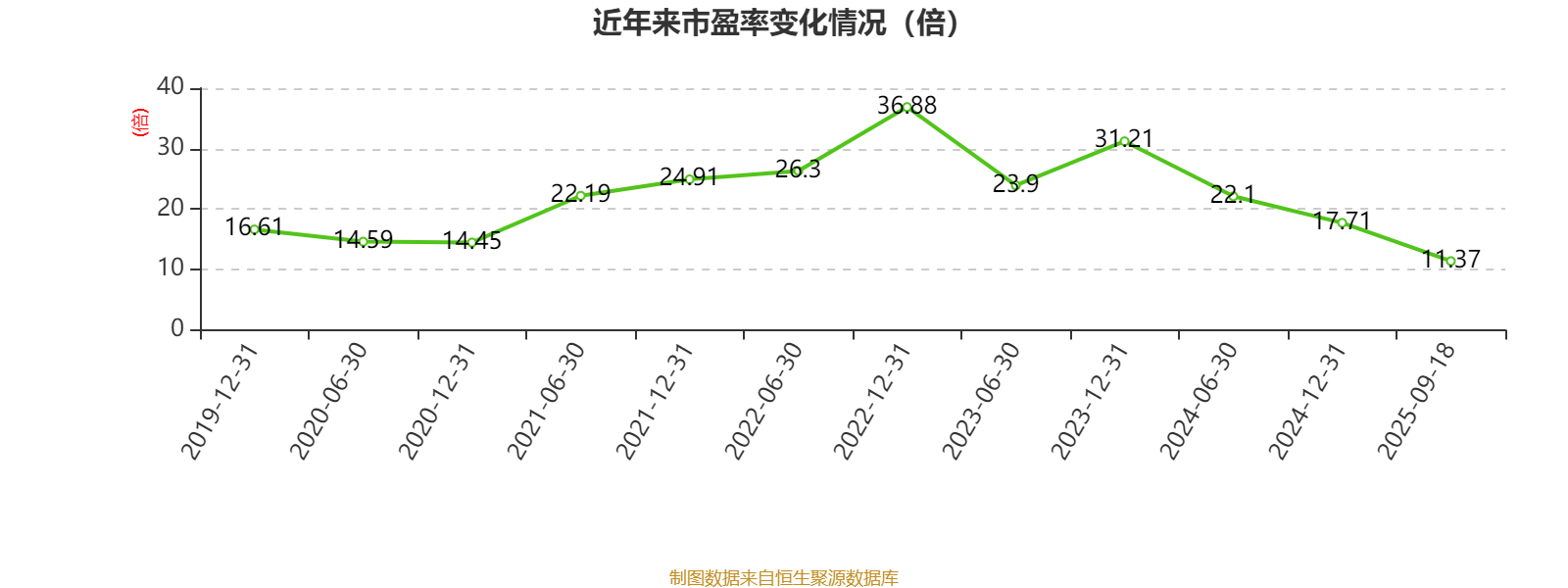
Core Insights - The company operates primarily in urban gas, gas resources, integrated energy, and smart services [8] Financial Performance - The company's total revenue and net profit have shown year-on-year growth, with total revenue growth rates reaching 42.62% [10] - The weighted average return on equity for the first three quarters of 2025 is 5.78%, a decrease of 1.29 percentage points compared to the same period last year [15] Valuation Metrics - The price-to-earnings ratio (P/E) is calculated as total market value divided by net profit, while the price-to-book ratio (P/B) is total market value divided by net assets [18] - The price-to-sales ratio (P/S) is used for companies with fluctuating profits, calculated as total market value divided by operating revenue [18]


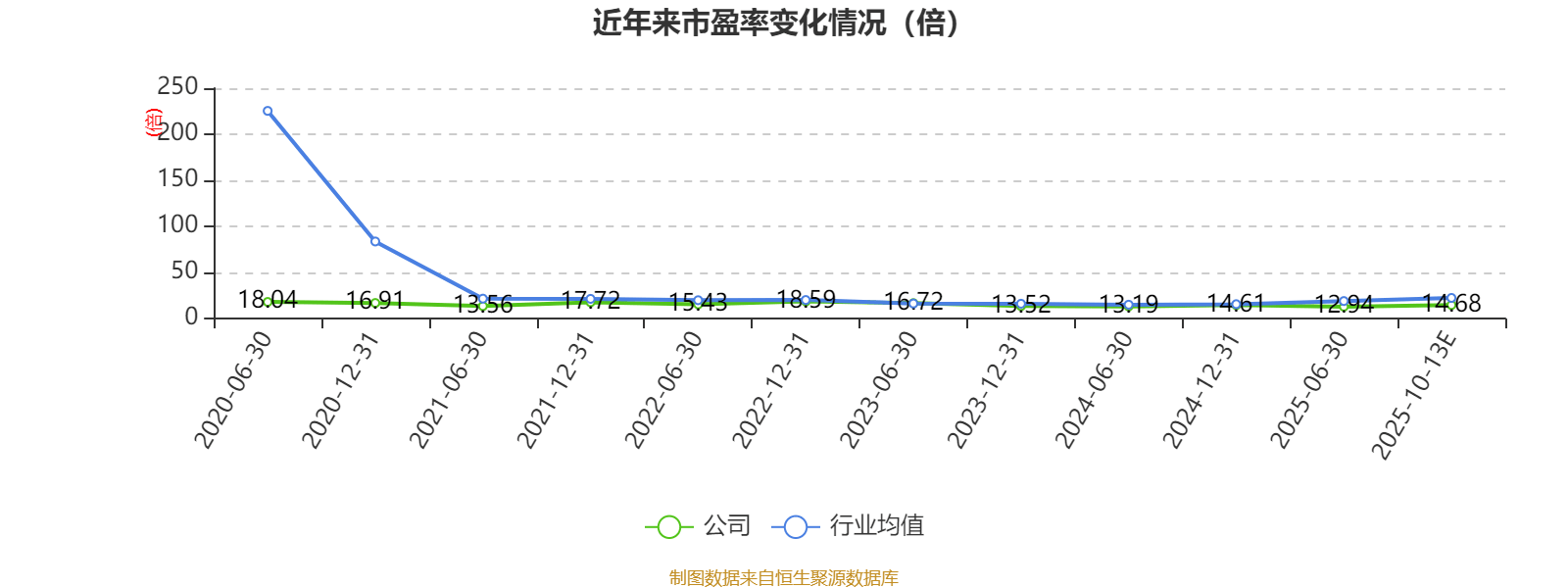
星展:升汇丰控股(00005)目标价至113.7港元 料明年及后年提供股息回报超过5厘
智通财经网· 2025-10-13 06:14
Group 1 - HSBC Holdings proposed to privatize Hang Seng Bank at HKD 155 per share, valuing the transaction at USD 13.7 billion, aligning with HSBC's strategy to deepen its business in Hong Kong [1] - The impact on HSBC's earnings per share is expected to be minimal, and stock buybacks will be paused for the next three quarters [1] - DBS maintains a "buy" rating on HSBC, raising the target price from HKD 98.7 to HKD 113.7, implying a price-to-book ratio of 1.18 times for the fiscal year 2026 [1] Group 2 - DBS expects strong growth in wealth management fees for HSBC from fiscal years 2025 to 2027, making it a key growth driver during the interest rate cut cycle, partially offset by weak net interest income [2] - The assumption for HSBC's credit costs is around 40 basis points due to ongoing uncertainties in Hong Kong's commercial real estate sector [2] - The expected return on tangible equity (ROTE) for HSBC is projected to be between 15% and 16% for fiscal years 2025 to 2027, supporting potential re-rating opportunities [2]

高市早苗交易开启日本房地产激进主义新周期,零售、仓储等板块藏机遇
Zhi Tong Cai Jing· 2025-10-10 02:04
Group 1 - The new leadership under Kishi Sanae is expected to create more opportunities in the Japanese real estate sector, with unrealized gains projected to increase significantly [1] - Approximately 330 major listed companies have seen their real estate asset values grow to a total of 31 trillion yen (approximately 203 billion USD), marking a 26% increase over the past five years [1] - Active investors are increasingly urging companies to sell real estate and enhance shareholder returns, as seen with Elliott Management's stake in Kansai Electric Power, which has unrealized real estate gains of 220 billion yen [3] Group 2 - Corporate governance reforms are prompting companies to reassess their asset holdings, with significant unrealized gains in real estate becoming more noticeable [4] - The adjusted price-to-book ratio (P/B ratio) of companies holding substantial real estate can indicate potential undervaluation, as seen with Mitsubishi Estate, where unrealized gains could lower its P/B ratio from 1.7 to 0.7 [8] - Some sectors, particularly retail, textiles, and warehousing, are viewed as undervalued due to their real estate holdings, making them targets for active investors [6][7] Group 3 - Institutional investors are advocating for companies to reevaluate their real estate holdings to improve balance sheet efficiency, with significant impacts expected if companies support active investors' proposals [11] - Companies like Sumitomo Realty, Tokyo Gas, and Mitsui Warehouse Holdings, which hold substantial real estate and have attracted active investor interest, have generally outperformed their respective industry indices over the past year [11]
东方资产将入局浦发银行董事会,今年多家AMC增持银行股
Guan Cha Zhe Wang· 2025-10-10 01:37
Core Viewpoint - Oriental Asset has increased its stake in Shanghai Pudong Development Bank (SPDB) through the purchase of common shares and convertible bonds, which is expected to improve the financial statements of asset management companies (AMCs) [1][2][3] Group 1: Stake Increase Details - As of September 29, Oriental Asset holds 1.073 billion shares of SPDB, representing a 3.44% stake, and 8.6 million convertible bonds [2] - Oriental Asset was not among the top ten shareholders of SPDB as of the end of Q2, indicating a significant increase in holdings during Q3 [2] - The SPDB board has agreed to nominate Ji Hongmei, currently the Party Secretary of Oriental Asset's Shanghai branch, as a candidate for the bank's board [2] Group 2: Financial Reporting Benefits for AMCs - AMCs can improve their financial statements by investing in bank stocks, as they use the equity method for long-term investments in banks [3] - The ability to exert significant influence over the invested entity, such as appointing a director, allows AMCs to apply the equity method [3] - SPDB's current price-to-book ratio is 0.53, allowing AMCs to acquire bank equity at a cost below the fair value of identifiable net assets [3][4] Group 3: Convertible Bond Redemption Concerns - SPDB issued 50 billion yuan in convertible bonds in October 2019, maturing on October 27, 2025, with an outstanding balance of 24.572 billion yuan yet to be converted [5] - Successful conversion of the bonds would enhance the bank's core Tier 1 capital, while failure to convert would require repayment of principal and interest [5][6] - The market is closely watching whether Oriental Asset will replicate the "Everbright model" by increasing its stake in SPDB's convertible bonds to alleviate repayment pressure [6]

指数百分位,使用的时候要注意这四点|投资小知识
银行螺丝钉· 2025-10-06 13:42
Core Viewpoint - The article discusses the importance of historical data in understanding market cycles and the impact of index rule changes on valuation metrics. Group 1: Historical Data Reference - Historical market cycles typically last 7-10 years, making it essential to consider longer time frames rather than just 2-3 years to avoid incomplete analysis [2]. - It is recommended to find similar style indices with longer histories for reference, as they tend to exhibit similar performance patterns during different market phases [3]. Group 2: Index Rule Changes - Changes in index rules can lead to significant valuation shifts, making historical valuation data less relevant [5]. - For example, the change of the CSI 100 index name to CSI A100 altered its selection criteria from market capitalization to a leading stock strategy, affecting its valuation [5]. - The H-share index's transition from 40 to 50 stocks, including more internet companies, also resulted in a loss of reference value for historical valuations [6]. Group 3: Valuation Calculation Methods - Different weighting algorithms in index valuation can lead to changes in percentile rankings, impacting the perceived valuation metrics [6]. - The CSI Dividend Index's shift from market capitalization weighting to dividend yield weighting significantly altered its composition, affecting its valuation calculations [8][9]. Group 4: Economic Downturns - During economic downturns, declining profits can lead to an increase in price-to-earnings (P/E) ratios, which may not reflect actual stock price increases [11][13]. - For instance, small-cap indices like CSI 1000 and CSI 2000 have experienced profit declines over the past two years, necessitating the use of stable financial metrics for valuation [14]. - In cases of unstable or declining profits, the price-to-book (P/B) ratio may serve as a more reliable valuation metric [15].

科创50,为何一直暴涨,市盈率180
集思录· 2025-09-28 15:11
Core Insights - The article discusses the current valuation metrics of the market, highlighting the high price-to-earnings (P/E) ratio of 181.97, which is at the 99.04 percentile, indicating a significant overvaluation compared to historical averages [2][5]. - It emphasizes the speculative nature of the technology sector, particularly in the context of the Chinese market, where companies are often valued based on future potential rather than current earnings [6][9]. Valuation Analysis - The price-to-sales (P/S) ratio is noted at 7.34, while the price-to-book (P/B) ratio stands at 6.50, suggesting that the market is pricing in high growth expectations [1]. - The article mentions that the market's current valuation levels are driven by narratives and stories, with bull markets characterized by optimistic stories and bear markets by pessimistic ones [5][12]. Market Sentiment - There is a prevailing sentiment that the technology sector, particularly companies on the STAR Market, is experiencing a speculative bubble, with P/E ratios reaching extreme levels [6][8]. - The discussion includes the notion that the market is heavily influenced by retail investors, making it susceptible to manipulation and volatility [11]. Future Outlook - The article suggests that the future of the market is closely tied to technological advancements and self-sufficiency in critical sectors like semiconductors, which are deemed essential for national security [8][9]. - It posits that the current high valuations may not be sustainable in the long term, as market dynamics can shift rapidly based on investor sentiment and macroeconomic factors [12].

每日钉一下(市盈率和市净率百分位,该看哪个?)
银行螺丝钉· 2025-09-28 13:35
Group 1 - The core concept of fund advisory is to address the issue where "funds make money, but investors do not" [2] - Fund advisory serves as a solution to enhance investor returns through professional guidance [2] - A free course is available to introduce various aspects of fund advisory [2][3] Group 2 - The article discusses the importance of consulting professionals in specialized fields, such as doctors for medical issues and lawyers for legal matters, paralleling this with fund advisory [4] - The article emphasizes the need for understanding financial metrics like price-to-earnings (P/E) and price-to-book (P/B) ratios when evaluating investments [6][8] Group 3 - The P/E ratio is defined as market value divided by earnings, and it can be influenced by fluctuations in earnings [8] - A significant drop in earnings can lead to a higher P/E ratio, which may misrepresent the actual valuation of a stock [9] - The current economic environment (2023-2024) is characterized by declining earnings for many listed companies, affecting P/E ratios [9][12] Group 4 - The P/B ratio is calculated as stock price divided by net assets, and it tends to remain stable over time [11] - In periods of significant earnings volatility, the P/B ratio can serve as a more reliable indicator for valuation [12] - The current market scenario shows a trend where P/E ratios are high while P/B ratios are low, particularly in the real estate sector and small-cap indices [12]

第一上海:2025年中期净利润334.4万港元 同比下降94.95%
Sou Hu Cai Jing· 2025-09-22 12:09
Company Overview - The company primarily engages in financial services and real estate development and investment, operating through five segments: financial services, property development, property investment and hotel operations, healthcare, and direct investments [11]. Financial Performance - In the first half of 2025, the company's average return on equity was 0.13%, a decrease of 2.65 percentage points compared to the same period last year [20]. - The net cash flow from operating activities for the first half of 2025 was HKD 167 million, while cash flow from financing activities was negative HKD 25.615 million, and cash flow from investing activities was negative HKD 3.389 million [24]. - The company's revenue and net profit growth rates showed fluctuations over the years, with significant changes noted in 2023 and 2024 [14][15]. Revenue Composition - In the first half of 2025, the revenue composition was as follows: financial services contributed HKD 1.101 billion, property investment and hotel operations contributed HKD 1.514 billion, and property development contributed HKD 0.117 billion [15][17]. Asset and Liability Changes - As of the first half of 2025, the company's cash and cash equivalents increased by 43.52%, accounting for a 9.92 percentage point rise in total assets [32]. - The company's accounts payable and notes payable increased by 31.26%, representing a 6.36 percentage point rise in total assets [35]. - The company's liquidity ratios were reported as follows: current ratio at 1.48 and quick ratio at 1.38 [38]. Historical Trends - The company's historical asset turnover ratio and fixed asset turnover ratio showed a downward trend, with the asset turnover ratio at 0.08 times in the first half of 2025 [28][29]. - The historical debt-to-asset ratio has been fluctuating, with the latest figure indicating a decrease in comparison to previous years [37].
哈尔滨银行:2025年中期净利润9.15亿元 同比增长19.96%
Sou Hu Cai Jing· 2025-09-19 12:39
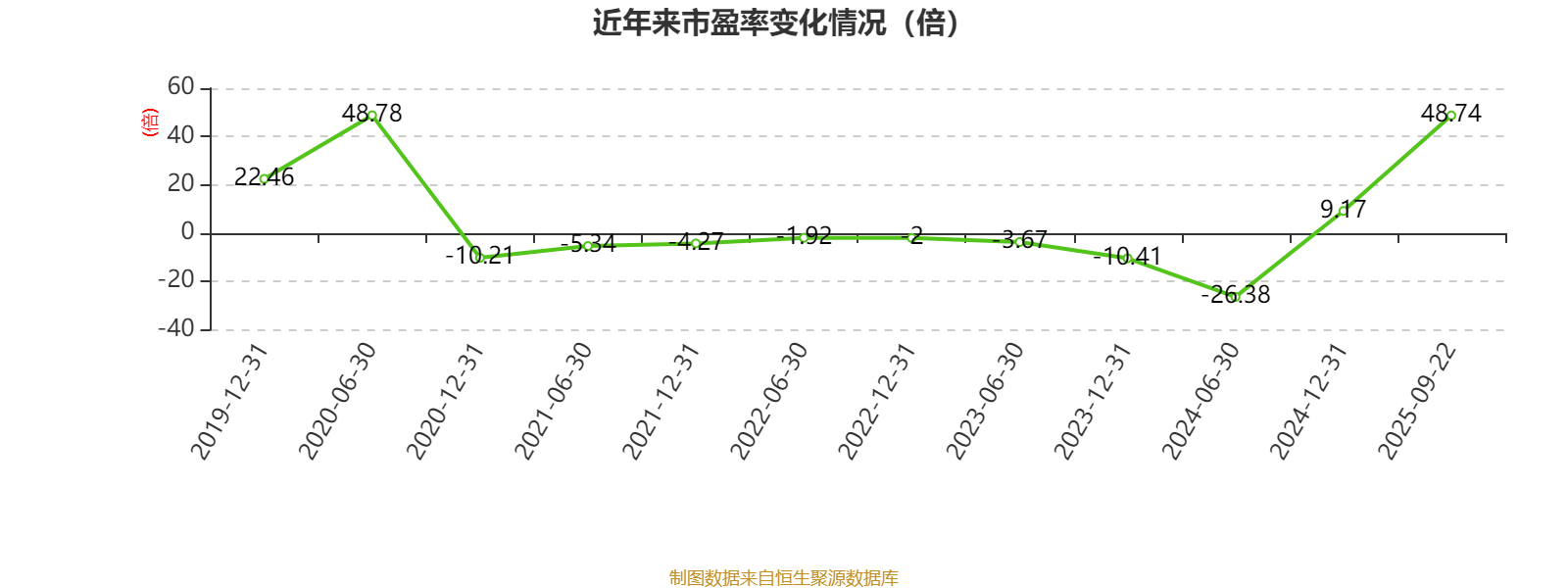
Core Viewpoint - The company has shown fluctuations in revenue and net profit growth rates over the years, indicating potential areas for investment analysis and risk assessment [11][13]. Financial Performance - In 2022, the company's revenue growth rate was 3.43%, while the net profit growth rate was -15.66% [11]. - For 2023, the revenue growth rate was 7.56%, and the net profit growth rate improved to 4.47% [11]. - The average return on equity for the first half of 2025 was 1.46%, an increase of 0.24 percentage points compared to the same period last year [19]. Revenue Composition - In the first half of 2025, the revenue composition included retail financial services (64.472 billion), corporate financial services (53.151 billion), and interbank financial services (24.036 billion) [14][28]. - The revenue structure for 2024 indicates a similar trend with retail financial services being the largest contributor [14]. Cash Flow Analysis - The net cash flow from operating activities for the first half of 2025 was -245.98 billion, while financing activities generated a net cash flow of 87.67 billion [22]. - Investment activities resulted in a net cash flow of -29.64 billion [22]. Asset and Liability Changes - As of the first half of 2025, the company's monetary funds decreased by 21.74%, while loans and advances increased by 4.76% [25]. - The company's deposits and interbank deposits decreased by 0.2%, while bonds payable increased by 24.26% [28].
中盈盛达融资担保:2025年中期净利润2075.7万元 同比下降3.99%
Sou Hu Cai Jing· 2025-09-18 10:46
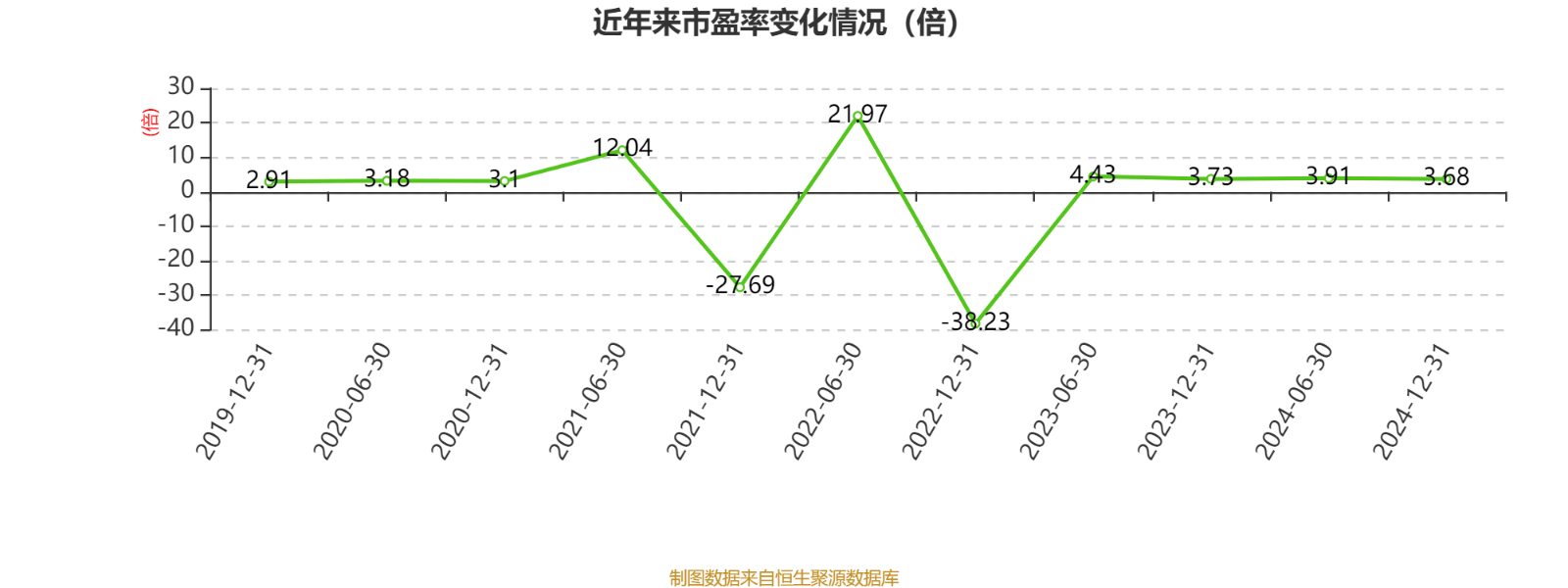
Core Viewpoint - The company provides various financing guarantees, including loan guarantees, bill acceptance guarantees, trade financing guarantees, project financing guarantees, and letter of credit guarantees, along with related consulting and intermediary services [7]. Financial Performance - As of the first half of 2025, the company's average return on equity was 1.03%, a decrease of 0.04 percentage points compared to the same period last year [17]. - The company's operating income and net profit showed fluctuations, with significant changes in year-on-year growth rates [9][11]. Asset Changes - As of the first half of 2025, the company's loans and advances decreased by 5.32%, and the proportion of total assets fell by 1.31 percentage points [19]. - Trading financial assets decreased by 28.82%, with a 1.13 percentage point drop in their proportion of total assets [19]. - Deferred tax assets increased by 10.31%, raising their proportion of total assets by 0.53 percentage points [19]. - Cash and cash equivalents increased by 1.42%, with a 0.39 percentage point rise in their proportion of total assets [19]. Liability Changes - As of the first half of 2025, trading financial liabilities decreased by 33.12%, with a 0.09 percentage point drop in their proportion of total assets [22]. - Bonds payable increased by 0.06%, raising their proportion of total assets by 0.04 percentage points [22]. - Lease liabilities decreased by 9.85%, with a 0.04 percentage point drop in their proportion of total assets [22]. Debt Ratio - The company's debt ratio has shown a trend over recent years, with comparisons to the A-share industry average and median [26][27].