技术创新

Search documents
“智造”赋新能!“真金白银”托举硬核科创成果 布局新赛道向创新要增量
Yang Shi Wang· 2026-02-11 07:16
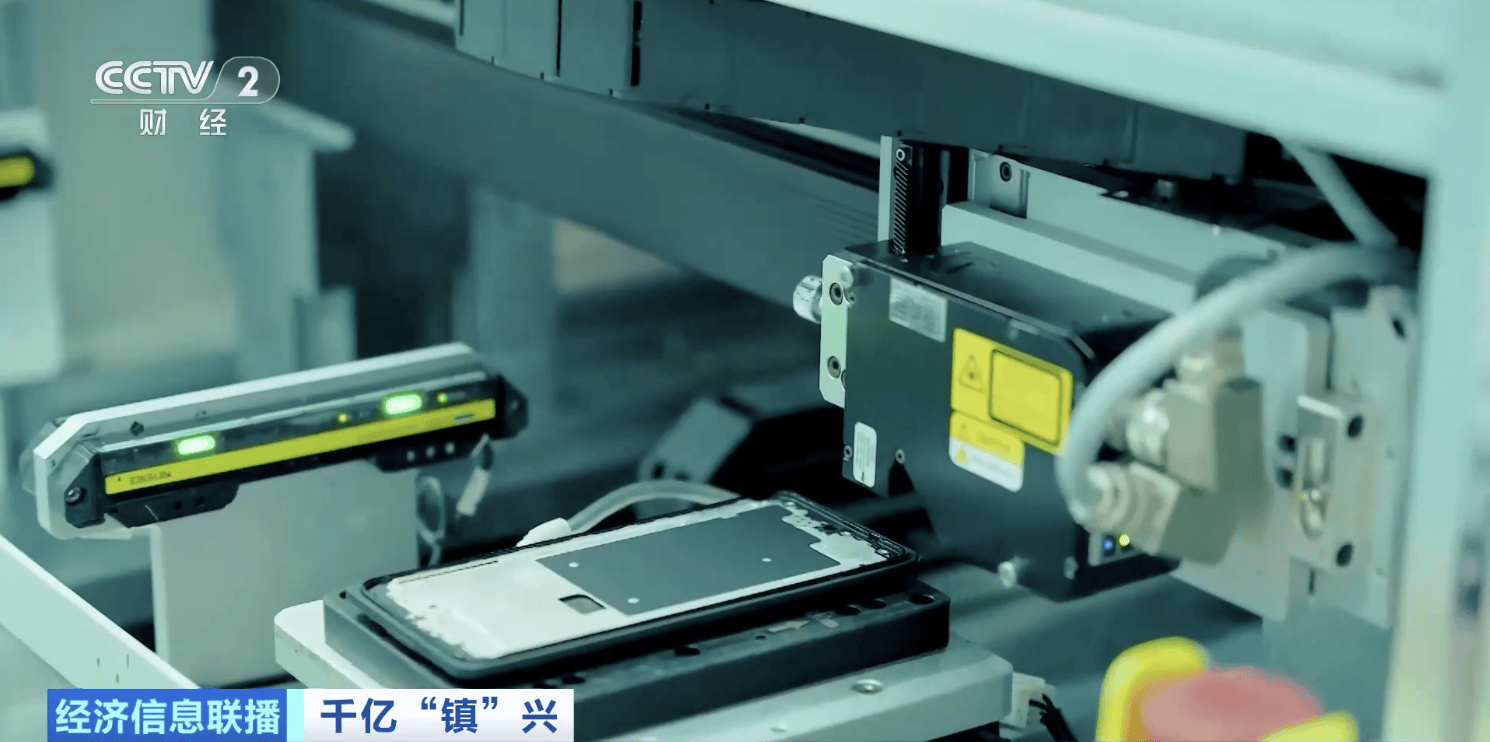
Core Insights - The "super town" with a GDP exceeding 100 billion yuan is emerging as a significant growth pole in the regional economic landscape through differentiated innovation practices [1] - Innovation is evolving from breakthroughs at individual enterprises to a comprehensive transformation of industries, driven by the deep integration of innovation chains and industrial chains [1] Group 1: Technological Innovation and Product Upgrades - The mobile phone industry chain in Chang'an Town serves as the core engine for local development, with technological innovation leading to product upgrades and increased sales [4] - A specific mobile phone lens product, which holds 10 patents, has seen orders extend two months ahead, with over 200,000 units sold, showcasing the "multiplicative effect" of innovation in Chang'an [4] - Chang'an Town accounts for over 40% of the global market share in this sector, generating 13 billion yuan of GDP per square kilometer, with 11% of GDP reinvested into R&D [4] Group 2: R&D Investment and Emerging Industries - Guangdong's Chang'an Town is solidifying its development foundation through significant R&D investment, with expenditures reaching 12.375 billion yuan in 2024, representing over 11.78% of GDP, marking a new high for town-level investment [7] - Numerous R&D centers are established throughout the town, continuously injecting momentum into industrial upgrades and focusing on innovation for growth in emerging industries [7] Group 3: Collaborative Innovation and High-tech Industry Growth - In Jiangsu's Kunshan Yushan Town, a unique collaborative innovation matrix is being developed, with the launch of the "Embodied Intelligence Joint Innovation Plan" to enhance local robotics industry innovation [9] - By 2025, high-tech industry output is expected to account for 74.4% of the total industrial output in Kunshan, surpassing the average level in Jiangsu Province [9] Group 4: Intellectual Property and Economic Development - In Guangdong's Foshan Beijiao Town, there are 20,610 effective invention patents, averaging one patent for every 20 residents, indicating a strong focus on innovation [12] - Jiangsu's Yangshe Town has 312 effective high-tech enterprises, with over 50 in emerging fields such as new energy and new materials, becoming a driving force for economic development [12] Group 5: High-quality Development and Competitive Advantage - The "restarting of scientific innovation" in billion-yuan towns exemplifies China's high-quality development and provides a practical model for other towns to follow in their innovation empowerment journey [13] - Enhancing unique competitive advantages and optimizing specific segments of the industrial chain are emphasized as strategies for towns to strengthen their positions [13]

中国好屏,标准为尺:全球显示迎来“中国时刻”
WitsView睿智显示· 2026-02-11 04:34
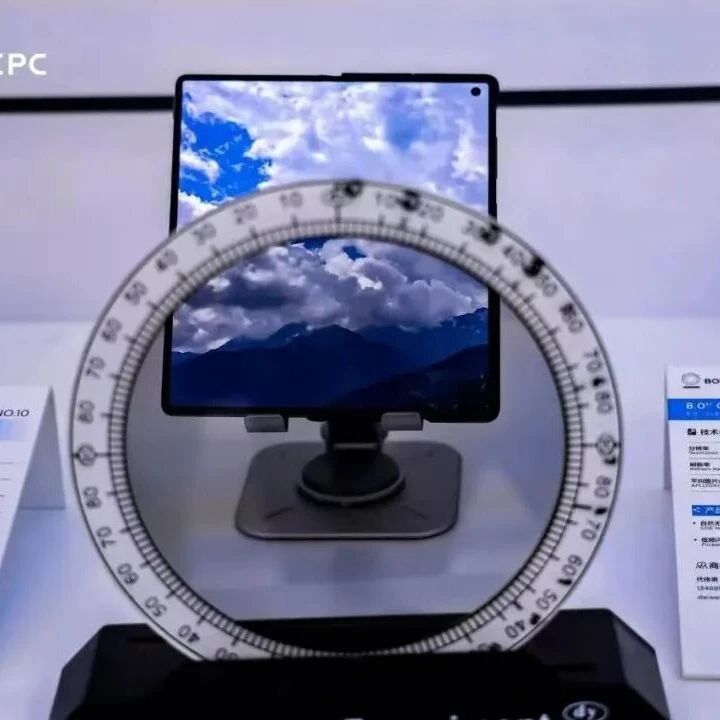
Core Viewpoint - The article emphasizes that technological innovation is the core driver of high-quality development, particularly in the display industry, which is undergoing a significant transformation from "parameter competition" to "experience definition" and from "technical realization" to "standard leadership" [1][7]. Group 1: Industry Standards and Innovations - Two globally pioneering display standards have been released: the "Evaluation Method for OLED Display Clarity" and the "Characterization and Testing Method for Natural Light Display Performance," which redefine what constitutes a good screen beyond mere specifications [1][2]. - BOE (京东方), a leader in the display industry, is at the forefront of these standards, marking China's transition from a "manufacturer" and "follower" to a "definer" and "leader" in high-end display technology [1][9]. Group 2: Bridging the Gap in User Experience - Historically, there has been a disconnect between precise laboratory parameters and subjective user experiences regarding screen quality, necessitating a quantifiable and comparable scientific bridge [7][9]. - BOE's standards address this gap by breaking down "transparency" into quantifiable optical factors and systematizing "natural light health display" into multi-dimensional technical specifications, thus transforming technical innovations into tangible user value [9][10]. Group 3: Market Impact and Competitive Advantage - The establishment of a scientific definition and evaluation system for "good screens" by BOE enhances its market position, transitioning from production and technology advantages to "standard definition advantages" [10][11]. - The unified standards facilitate communication across the supply chain, reducing collaboration costs and accelerating the industrialization of advanced technologies, thereby promoting a high-quality upgrade of China's display industry [15][16]. Group 4: Future Implications for the Industry - The release of these standards signifies a critical elevation in competitive dimensions, allowing companies that define "what is good" to occupy a strategic ecological high ground [15][16]. - BOE's dual approach of "technological innovation + standard leadership" aims to extend its definition capabilities beyond display quality to broader fields such as smart interaction and cross-industry integration, showcasing its commitment to driving high-quality development in the entire Chinese display industry [15][16].

“钠电池热”持续升温,其究竟有哪些过人之处?
Zhong Guo Qi Che Bao Wang· 2026-02-11 03:10
Core Viewpoint - The emergence of sodium-ion batteries marks a significant shift in the energy storage landscape, with expectations for large-scale applications in the passenger vehicle sector, driven by their advantages over traditional lithium-ion batteries [2][3]. Industry Overview - Sodium-ion batteries are gaining traction due to their abundant resource availability, wide temperature range, long cycle life, and high safety, transitioning from laboratory settings to commercial applications in various fields such as start-stop batteries, energy storage, and power batteries [2]. - The rise of sodium-ion batteries is seen as a necessary response to energy challenges and market demands, showcasing theoretical advantages in energy density, charging speed, lifespan, low-temperature performance, and zero-volt recovery compared to lithium-ion batteries [3]. Resource Availability - Lithium resources are becoming increasingly constrained, with only 0.0065% of the Earth's crust containing lithium, primarily concentrated in the "lithium triangle" of South America, leading to supply chain vulnerabilities and cost control issues for the electric vehicle industry [4]. - In contrast, sodium is significantly more abundant, with a crustal content of 2.74%, making it 421 times more plentiful than lithium, thus eliminating resource bottlenecks and geopolitical risks [4]. Technological Advancements - Sodium-ion batteries have undergone significant technological advancements, improving energy density and cycle life, making them commercially viable after being overlooked for decades [6]. - The cost advantages of sodium-ion batteries stem from not requiring expensive rare metals like cobalt and nickel, resulting in a 30%-40% reduction in raw material costs compared to lithium-ion batteries [7]. Performance Characteristics - Sodium-ion batteries excel in low-temperature performance, maintaining over 80% capacity at -20°C, compared to less than 50% for traditional lithium iron phosphate batteries, making them suitable for cold climates [7]. - Safety features of sodium-ion batteries include low heat generation under short-circuit conditions, stability during extreme tests, and the ability to be transported at 0V, enhancing safety during use and logistics [8]. Market Positioning - In the passenger vehicle market, sodium-ion batteries are positioned to complement lithium-ion batteries, with the former targeting entry-level vehicles due to their lower cost and superior low-temperature performance, while lithium-ion batteries dominate the high-end segment [9]. - In the commercial vehicle sector, sodium-ion batteries are advantageous for short-distance applications like urban delivery and sanitation vehicles, where cost and safety are critical, while lithium-ion batteries are preferred for long-haul transport [10]. Future Outlook - The evolution of sodium-ion batteries represents a significant technological advancement in the electric vehicle industry, indicating a dual-track future where both sodium and lithium technologies coexist and drive market diversification [10].

冰雪产业正崛起|冰雪装备向新生长
Jing Ji Ri Bao· 2026-02-11 02:34
Core Insights - The scale of China's ice and snow industry has grown from 270 billion yuan in 2015 to 980 billion yuan in 2024, with expectations to surpass 1 trillion yuan by 2025, indicating a robust growth trajectory in the sector [1] - The industry is evolving from relying on imports to focusing on domestic research and development, with a significant emphasis on high-end, intelligent, and branded products [1][2] Industry Development - Technological innovation is the driving force behind the development of the ice and snow equipment industry, with key regions like Henan and Heilongjiang investing in core technologies and equipment [2] - Harbin has leveraged its educational resources to produce leading ice and snow equipment technologies, including automated ice sculpture building robots and advanced training systems [2] - Companies like Harbin Qianmao Xuelong Sports Goods Co., Ltd. and Henan Jinan Machinery Technology Co., Ltd. are at the forefront of innovation, developing competitive products using advanced materials and technologies [3] Ecosystem Construction - The ice and snow equipment industry is transitioning towards a systematic and ecological growth phase, moving away from a fragmented state [4] - Harbin has initiated a special plan for ice and snow equipment manufacturing, aiming to cultivate several billion-yuan revenue companies by 2030 and establish a leading global manufacturing base by 2035 [4][5] - The city has established four industrial clusters focusing on different aspects of ice and snow equipment, enhancing collaboration and resource integration [5] Brand Development - Brand building is crucial for elevating industry value, as the international market is still dominated by traditional Western brands [6] - The 2026 Harbin International Ice and Snow Economy Expo showcased over a hundred domestic and international ice and snow equipment companies, facilitating brand exposure and collaboration [6][7] - Companies like Henan Jinan Machinery have developed multiple brands and successfully exported products to 22 countries, marking a shift from OEM/ODM to establishing Chinese brands in the global market [7]
从税收优惠到关键投资,千亿镇用“真金白银”托举硬核科创成果
Sou Hu Cai Jing· 2026-02-10 15:38
Core Insights - Innovation is the core driving force for development and a key to overcoming industrial bottlenecks [1] - The integration of innovation chains and industrial chains is crucial for the transformation of industrial clusters [1] Group 1: Longan Town's Mobile Industry - Longan Town has risen due to its mobile industry, which serves as the core engine for local development [3] - Each technological breakthrough and innovation in this sector creates tangible economic value and has the potential to reshape the industry landscape [3] Group 2: Product Innovation and Market Impact - A new mobile telephoto lens developed by He Jianwei's team weighs only 207 grams and incorporates 10 patented technologies, achieving performance comparable to professional long-focus lenses [5][6] - The lens has seen significant market success, with production increasing from 100 units per day at launch to over 20,000 units sold, indicating a strong "multiplicative effect" of innovation in Longan Town [10] Group 3: Government Support for R&D - Longan Town provides substantial support for R&D, including tax incentives and over 80 million yuan in annual innovation rewards, which serve as "invisible funds" for companies [8] - This financial backing has enabled companies like Yutong Optics to overcome technical challenges and achieve breakthroughs [8] Group 4: Historical Context of Innovation - Yutong Optics has a history of leveraging innovation to penetrate markets, having successfully entered the security lens sector in 2013 [12] - The company’s innovative products now contribute over 60% of its sales, with an annual growth rate of around 15% [14] Group 5: Economic Performance of Longan Town - Longan Town generates 13 billion yuan of GDP per square kilometer, with 11% of its GDP reinvested into R&D, showcasing its commitment to transforming manufacturing into intelligent manufacturing [16] Group 6: Innovations in Photovoltaic Industry - Yushan Town in Kunshan is a core hub for perovskite photovoltaic materials, which offer high light-to-electricity conversion efficiency, enhancing market competitiveness [17] - The company received investments from Kunshan High-tech Group, facilitating the transition from project incubation to industrialization [19] Group 7: Production Capacity Expansion - The first large-size photovoltaic module from GCL-Poly Energy was launched in November 2022, marking a significant breakthrough in new-generation photovoltaic products [21] - The production capacity was upgraded from 100 megawatts to 500 megawatts, entering a new phase of large-scale production [21] Group 8: Overall Innovation Momentum - Continuous breakthroughs in technology and the establishment of production lines are driving innovation momentum in the billion-yuan towns, setting a benchmark for high-quality economic development [22]
国科天成:2025年归母净利润2.04亿元 同比增长17.94%
Zhong Zheng Wang· 2026-02-10 14:55
Core Viewpoint - Guoke Tianceng (301571) reported a significant increase in revenue and net profit for the fiscal year 2025, driven by its strategic focus on the infrared optoelectronics sector and enhanced operational capabilities [1][2] Financial Performance - The company achieved total operating revenue of 1.102 billion yuan, representing a year-on-year growth of 14.73% [1] - Net profit attributable to shareholders reached 204 million yuan, with a year-on-year increase of 17.94% [1] - The net profit after deducting non-recurring gains and losses grew by 25.03% year-on-year [1] Asset Growth - As of the end of 2025, Guoke Tianceng's total assets amounted to 3.36 billion yuan, reflecting a growth of 33.97% compared to the beginning of the period [1] - The rapid expansion of asset scale is attributed to significant capital investments in production capacity and research and development, as well as proactive inventory management for raw materials [1] Strategic Focus - The company's performance growth in 2025 is a result of sustained efforts in three key areas: core business layout, market expansion, and technological innovation [2] - In core business, the company has deepened its focus on the infrared optoelectronics field, with the refrigeration infrared business continuing to play a crucial role due to its established industry position and brand advantages [2] - Non-refrigeration infrared and optical products have also seen rapid breakthroughs, contributing significantly to revenue growth [2] Market Expansion - Guoke Tianceng has actively pursued market opportunities by aligning with market demand trends, resulting in an increase in market orders and production output [2] - The rise in order volume has directly contributed to the simultaneous growth of market share and revenue scale [2] Technological Innovation - The company emphasizes innovation-driven growth by increasing investments in technology research and development [2] - Continuous improvements in production automation and technological upgrades have led to cost reductions and efficiency gains, enhancing overall economic performance [2]
信维通信:公司会针对不同的产品阶段制定不同的产品价格策略
Zheng Quan Ri Bao Wang· 2026-02-10 13:42
Core Viewpoint - The company, XW Communication, is actively engaging with investors and has outlined its strategy to enhance product competitiveness and profit margins through differentiated pricing and continuous technological innovation [1] Group 1 - The company will implement different pricing strategies based on various product stages [1] - Continuous technological innovation and new product development will be key to improving product competitiveness [1] - The focus on enhancing gross margins indicates a proactive approach to maintaining market position [1]

万马股份:将持续聚焦主业、深耕技术创新,努力提升公司经营质量和长期投资价值
Zheng Quan Ri Bao Wang· 2026-02-10 13:11
Core Viewpoint - Wanma Co., Ltd. emphasizes the importance of operational development and market value management, committing to focus on its core business and technological innovation to enhance operational quality and long-term investment value [1] Group 1 - The company is dedicated to continuous improvement in operational development [1] - The company plans to maintain a strong focus on its main business activities [1] - The company aims to deepen its technological innovation efforts [1] Group 2 - The company is striving to enhance its operational quality [1] - The company is working towards increasing its long-term investment value [1]

汽车行业利润去哪了?
Zhong Guo Qi Che Bao Wang· 2026-02-10 12:40
Core Insights - The Chinese automotive industry is experiencing simultaneous growth in scale and a decline in profitability, with 2025 production reaching 34.78 million vehicles, a 10% year-on-year increase, while revenue grew by 7.1% to 11.18 trillion yuan, and profits slightly increased by 0.6% to 461 billion yuan, resulting in a profit margin of 4.1%, the lowest in a decade [1] Group 1: Profitability Challenges - The automotive industry is facing a paradox where increasing sales do not translate into higher profits, with December 2025 revenues at 1.16 trillion yuan, down 0.8% year-on-year, and profits plummeting by 57.4% to 20 billion yuan, leading to a profit margin of only 1.8% [1][2] - Rising costs due to supply chain pressures, including a doubling of lithium prices and increases in copper and aluminum costs, are significantly impacting profit margins, with electric vehicle costs rising by 4,000 to 7,000 yuan per unit [2][3] - Intense market competition and price wars are further eroding profits, with some vehicles being sold below cost, leading to a "loss on every sale" scenario that is damaging overall industry profitability [3][4] Group 2: Strategic Solutions - To address profitability issues, companies are encouraged to innovate and gain more control over core technologies, which can enhance their bargaining power within the global supply chain and reduce production costs [5][6] - Expanding revenue streams beyond vehicle sales, such as entering the insurance market and enhancing after-sales services, is seen as a practical approach to uncover new profit opportunities [6][7] - The automotive service market is projected to reach 5 trillion yuan by 2030, indicating significant potential for growth in after-sales services, connected vehicle services, and charging services [7] Group 3: Future Directions - The industry is shifting from low-level competition to value-based competition, emphasizing the need for continuous technological innovation and efficiency improvements to maintain profitability [8][9] - Companies are urged to focus on creating unique technological advantages and enhancing user experiences through AI and smart technologies, which can lead to sustainable profit growth [9][10] - Emphasizing a transition from price competition to competition based on technology, service, and value is crucial for long-term success in the evolving automotive landscape [10]
【走进民企看质变】不追风口、不拼规模 湖南民企靠什么实现韧性增长?
Xin Lang Cai Jing· 2026-02-10 12:40
Core Insights - The article highlights the transformation of Hunan's private economy, emphasizing the importance of technology, specialization, and integration for sustainable growth [1][26][49] Group 1: Technology as the Foundation - Hunan's private enterprises are increasingly focusing on technology and innovation as core competencies, moving beyond traditional manufacturing practices [3][29] - By 2025, private enterprises are expected to account for over 90% of all businesses in Hunan, contributing approximately 60% to the province's GDP [29] - Companies like Huazhu High-Tech are investing heavily in R&D, focusing on system-level development of equipment, materials, software, and processes rather than simple assembly [31][39] Group 2: Specialization and Craftsmanship - The concept of "specialization" is evident in companies like Warner Pharmaceutical, which emphasizes deep expertise and meticulous process improvements in drug development [37][46] - Warner Pharmaceutical's founder, Huang Bendong, advocates for a long-term commitment to research and development, reflecting a "craftsman spirit" in the pharmaceutical industry [37][46] - Water Sheep Co. has shifted from a marketing-driven approach to a research-driven model, focusing on product efficacy and quality through extensive R&D investments [33][41] Group 3: Integration for Growth - Water Sheep Co. exemplifies the integration of supply chain, data, and R&D capabilities, breaking down traditional barriers between branding, manufacturing, and consumer feedback [44][49] - Warner Pharmaceutical is adopting a cautious approach to integration, focusing on enhancing quality control and collaboration with research institutions while avoiding unrelated diversifications [46][48] - Huazhu High-Tech is not merely a technology supplier but aims to solve specific industry problems, fostering deeper collaborations with downstream clients [48][49]