
汽车电动化

Search documents
领益智造:公司拟24.04亿元收购浙江向隆96.15%股权 加速深化汽车产业布局
Di Yi Cai Jing· 2025-10-29 12:06
Core Viewpoint - The company aims to enhance its presence in the automotive industry through the acquisition of a 96.15% stake in Zhejiang Xianglong for 2.404 billion yuan, focusing on electric and intelligent vehicle trends [1] Group 1: Acquisition Details - The company’s wholly-owned subsidiary, Lingyi Technology, plans to acquire a 96.15% stake in Zhejiang Xianglong for 2.404 billion yuan in cash [1] - The transaction will result in Zhejiang Xianglong being included in the company’s consolidated financial statements [1] Group 2: Strategic Intent - The target company specializes in automotive components and is recognized as a national-level "little giant" enterprise in specialized and innovative sectors [1] - The acquisition is intended to accelerate the company’s strategic layout in the automotive sector and enhance its product matrix [1] - The move aims to diversify revenue streams, optimize industrial capabilities, and support the transition towards electric and intelligent vehicles, as well as explore the expanded application of AI terminal hardware [1]

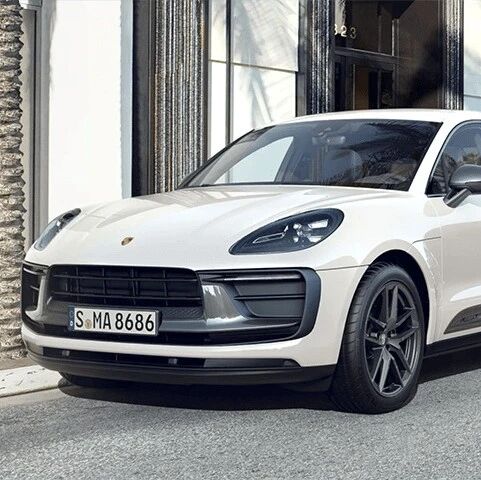
保时捷营业利润暴跌99%,卖最好的燃油Macan却要停产
36氪· 2025-10-28 13:50
Core Viewpoint - Porsche has reported its most challenging financial results since going public, with a 99% drop in operating profit and significant losses in its core automotive business [5][18]. Financial Performance - In the first three quarters, Porsche's operating profit plummeted from €40.35 billion (approximately ¥333.95 billion) to €0.4 billion (approximately ¥3.31 billion), a year-on-year decline of 99% [18]. - The company recorded a third-quarter operating loss of €9.66 billion (approximately ¥80 billion), equating to a daily loss of about ¥86.96 million [20]. - Total revenue for the first three quarters was €26.864 billion (approximately ¥222.335 billion), a decrease of about 6% year-on-year, consistent with the decline in sales volume [13][14]. - The automotive sales revenue was €23.83 billion (approximately ¥197.224 billion), down 8% year-on-year, accounting for 88.71% of total revenue [14]. Sales and Market Trends - Porsche delivered 212,509 vehicles in the first three quarters, a 6% year-on-year decline, with significant drops in key markets like China, where sales fell by 26% [10][12]. - North America was the only major market to show growth, with a 5% increase in sales [11]. - The company plans to increase the proportion of electric vehicles to 20-22% despite current challenges [27]. Strategic Adjustments - Porsche is undergoing significant strategic adjustments, including a slowdown in its electric vehicle transition and a focus on more fuel and hybrid models [34][35]. - The company has incurred approximately €1.7 billion (approximately ¥14.1 billion) in additional expenses due to these strategic changes [37]. - Porsche has decided to discontinue the production of its best-selling model, the Macan, along with two other models, in a bid to realign its product strategy [46][47]. Future Outlook - The CFO has indicated that 2025 is expected to be a low point for Porsche's performance, but improvements are anticipated starting in 2026 [29][30]. - The company has revised its annual revenue target down to €37-38 billion (approximately ¥306-314.5 billion) with a profit margin of 0-2% [26].

欧盟9月单月新车注册同比增10% 电动化版图加速演进
Xin Hua Cai Jing· 2025-10-28 08:42
Core Insights - The EU automotive market experienced a year-on-year growth of 0.9% in the first three quarters, marking three consecutive months of recovery, with a significant 10% increase in September alone [1] Market Performance - The electric vehicle (EV) market is showing a continued structural differentiation, with battery electric vehicles (BEV) accounting for 16.1% of the market share, up from 13.1% year-on-year, totaling 1.3 million registrations [1] - Germany saw a remarkable growth of 38.3% in BEV registrations, while Belgium and the Netherlands grew by 12.4% and 3.9%, respectively. France experienced a slight decline of 0.2% year-to-date but had an 11.2% increase in September [1] Hybrid and Plug-in Hybrid Vehicles - Hybrid electric vehicles (HEV) remain a preferred choice, capturing 34.7% of the market share, with growth observed in France, Spain, Germany, and Italy [1] - Plug-in hybrid electric vehicles (PHEV) increased their market share to 9.0%, with 723,000 registrations, showing significant growth in Spain (105.2%), Germany (63.9%), and Italy (72.6%) [1] Traditional Fuel Vehicles - Traditional fuel vehicles are under pressure, with gasoline vehicle registrations declining by 18.7% year-on-year, reducing their market share from 34.4% to 27.7% [1] - Diesel vehicle registrations fell by 24.7%, resulting in a market share decrease to 9.3% [1]
浙江世宝(01057.HK)前三季归母净利1.5亿元 同比增长33.66%
Ge Long Hui· 2025-10-27 15:04
Core Viewpoint - Zhejiang Shibao (01057.HK) reported significant growth in revenue and net profit for the first three quarters of 2025, driven by trends in automotive electrification, intelligence, and globalization, as well as the increasing market share of Chinese passenger vehicles [1] Financial Performance - The company achieved a revenue of 2.462 billion yuan, representing a year-on-year increase of 35.44% [1] - The net profit attributable to shareholders reached 150 million yuan, marking a year-on-year growth of 33.66% [1] - Basic earnings per share were reported at 0.1819 yuan [1] Market Trends - The growth in sales of the company's electrification and intelligent steering system products is attributed to the accelerating trends in automotive electrification and intelligence [1] - The increasing market share of Chinese passenger vehicles is also a contributing factor to the company's performance [1]

长城汽车(601633):2025Q3营收同比高增,后续盈利有望改善:——长城汽车(601633):三季报点评
Guohai Securities· 2025-10-27 11:03
Investment Rating - The investment rating for the company is "Buy" (maintained) [1] Core Insights - The company reported a significant year-on-year revenue increase of 20.5% in Q3 2025, with total revenue reaching 61.25 billion yuan. However, the net profit attributable to shareholders decreased by 31.2% to 2.3 billion yuan [5][7] - The company’s wholesale volume in Q3 2025 was 354,000 units, reflecting a quarter-on-quarter increase of 20.2% and a year-on-year increase of 13.0%. The average selling price per vehicle reached 173,000 yuan, up by 0.6 thousand yuan quarter-on-quarter [7] - The company’s gross margin was 18.4%, showing a slight decline of 0.4 percentage points quarter-on-quarter, influenced by changes in product mix [7] - The company’s overseas sales volume reached 137,000 units in Q3 2025, marking a year-on-year increase of 11.2% and a quarter-on-quarter increase of 27.9%. Cumulatively, overseas sales for the first three quarters of the year reached 334,000 units, up 3.1% year-on-year [7] - The sales of new energy vehicles in Q3 2025 were 118,000 units, representing a year-on-year increase of 49.2% and a quarter-on-quarter increase of 20.6% [7] Financial Summary - The company is expected to achieve revenues of 225.3 billion yuan, 278.5 billion yuan, and 312.5 billion yuan for the years 2025, 2026, and 2027, respectively, with year-on-year growth rates of 11%, 24%, and 12% [8][9] - The net profit attributable to shareholders is projected to be 13.45 billion yuan, 17.40 billion yuan, and 20.43 billion yuan for the years 2025, 2026, and 2027, respectively, with year-on-year growth rates of 6%, 29%, and 17% [8][9] - The earnings per share (EPS) are forecasted to be 1.57 yuan, 2.03 yuan, and 2.39 yuan for the years 2025, 2026, and 2027, respectively [8][9] - The company maintains a solid overseas competitive advantage, with a high degree of profit certainty as new products are launched [8]

汽车向智能移动空间演进
Huan Qiu Wang Zi Xun· 2025-10-27 10:36
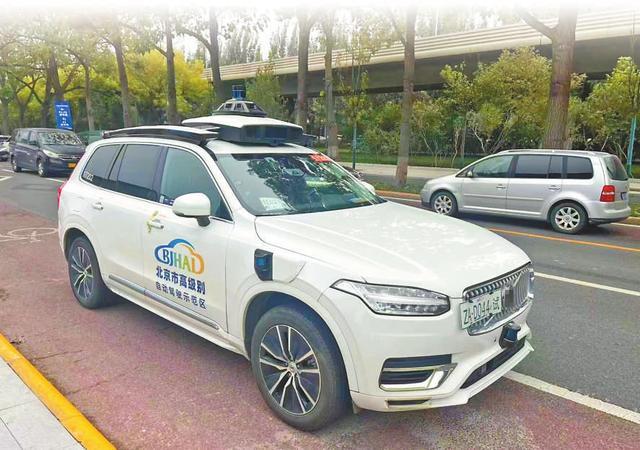
Core Viewpoint - The release of the "Energy-saving and New Energy Vehicle Technology Roadmap 3.0" outlines China's direction for low-carbon, electric, and intelligent automotive technology over the next 5 to 15 years, setting new requirements for the automotive market [2][3]. Group 1: New Requirements and Directions - The roadmap emphasizes accelerating the electric transformation of the automotive industry, aiming for over 80% market share of new energy vehicles by 2040 [3]. - Traditional fuel vehicles are required to achieve full hybridization by 2035, with internal combustion engine vehicles still making up about one-third of new car sales by 2040 [3]. - A new key indicator has been introduced, mandating a 60% reduction in average carbon emissions for passenger vehicles by 2040 compared to 2024 [4]. Group 2: Technological Advancements - Automotive energy-saving technology will evolve towards diversified power sources, maximized energy efficiency, and intelligent control methods, with hybrid engines achieving thermal efficiency of up to 48% [4]. - The average fuel consumption for traditional energy passenger vehicles is expected to drop to 3.5 liters per 100 kilometers by 2040 [4]. Group 3: Intelligent Connected Vehicles - The roadmap indicates that intelligent connected vehicles will enter a rapid market development phase over the next 5 to 15 years, with L2-level vehicles accounting for 62.58% of new car sales in the first half of the year [6]. - By 2030, L2-level and above intelligent connected vehicles are expected to be fully mainstream, with L4-level autonomous vehicles reaching sales of 100,000 units by 2030 and 1 million units by 2035 [6][7]. - L4-level autonomous vehicles are already in commercial operation, while L5-level vehicles are anticipated to enter the market by 2040 [7]. Group 4: Safety and Reliability - The roadmap aims for a 40% improvement in vehicle reliability and safety by 2035, and a 60% improvement by 2040 compared to 2025 [8]. - The focus on "zero accidents" in the top-level design elevates safety from a technical selling point to a product entry requirement [8]. Group 5: Supporting Technologies - Future supporting technologies will transition towards intelligence, integration, and cross-domain fusion, with automotive chips becoming crucial for stability and functionality in intelligent connected vehicles [9]. - The evolution of electronic and electrical architectures will focus on centralized functional architecture, modular hardware architecture, and service-oriented software architecture [9]. Group 6: Market Environment - The marketization of intelligent connected vehicles is influenced by technological development and the trust consumers have in the products, which is a core element in driving this process [10].
保时捷营业利润暴跌99%,上市三年股价腰斩
Xin Lang Cai Jing· 2025-10-27 01:44
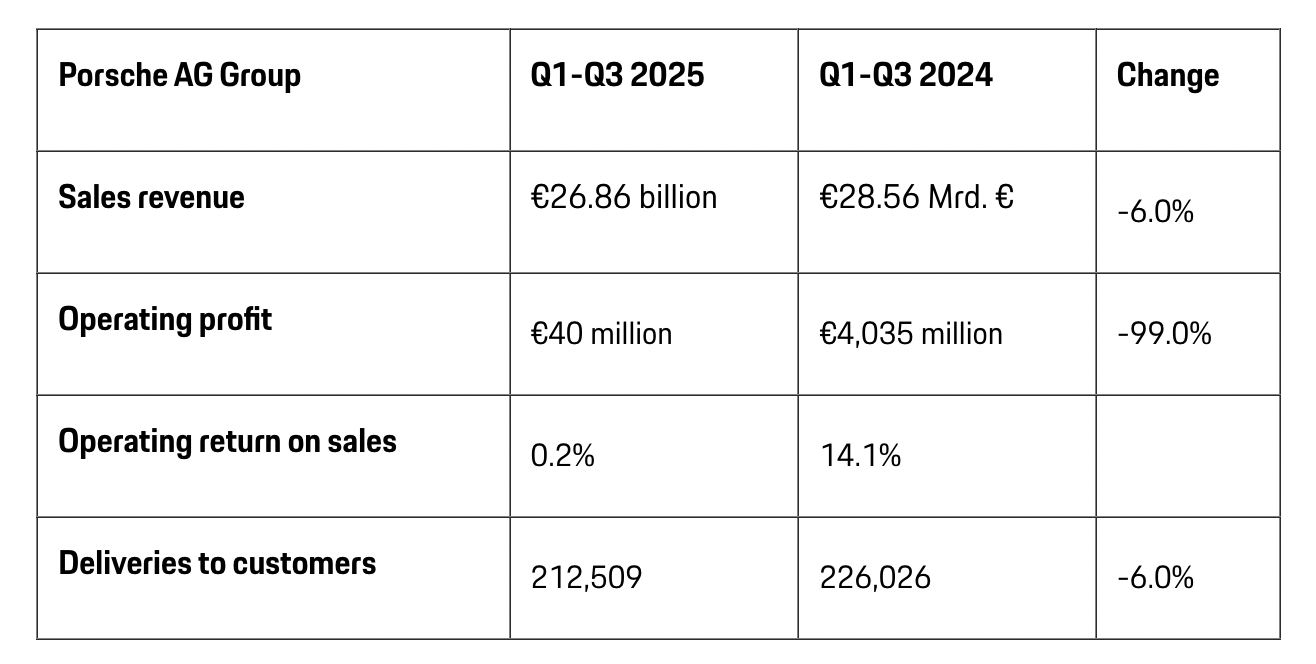
Core Insights - Porsche's sales revenue for the first three quarters of 2025 was €26.86 billion, a 6% decrease year-on-year, while operating profit plummeted 99% to €40 million from €4.035 billion in the same period last year [1][2] - The operating return on sales dropped significantly to 0.2% from 14.1% year-on-year, indicating severe profitability challenges [1][2] - The company's stock price has fallen nearly 58% since its IPO, closing at €34.81, down from the initial price of €82.5 [2] Financial Performance - Sales revenue: €26.86 billion in Q1-Q3 2025 compared to €28.56 billion in Q1-Q3 2024 [2] - Operating profit: €40 million in Q1-Q3 2025 compared to €4,035 million in Q1-Q3 2024 [2] - Deliveries to customers decreased from 226,026 in Q1-Q3 2024 to 212,509 in Q1-Q3 2025 [2] Challenges and Strategic Adjustments - The significant drop in profit is attributed to multiple pressures, including special costs related to product strategy adjustments, challenging market conditions in China, one-time expenses related to battery activities, organizational change costs, and increased import tariffs in the U.S. [1][3] - Strategic adjustments have led to an additional cost of approximately €2.7 billion due to delays in electric vehicle launches and the termination of in-house battery production [3] - The Chinese market has seen a drastic decline in sales, with a 28% drop in 2024 and a further 26% decrease in the first three quarters of 2025 [3] Market Dynamics - The decline in Porsche's performance in China is attributed to rapid market changes and the inability to keep pace with consumer demand shifts, particularly in the electric vehicle segment [3] - The company’s electric vehicle sales accounted for only 27% of total deliveries in 2024, with the Taycan model experiencing a 49% drop in sales [3] - Competition from local luxury electric vehicle brands in China, such as Li Auto and Aito, has intensified, impacting Porsche's market share [3] Future Outlook - The U.S. tariff policy has resulted in an additional €300 million in expenses for Porsche, with an expected total loss of €700 million for the year [4] - Porsche's management acknowledges the current financial data reflects the impact of strategic adjustments, which are deemed necessary for long-term resilience and profitability [4] - A significant adjustment in the product matrix has been decided, including a revised timeline for electric platform development and the introduction of new internal combustion engine models [4]
大明电子:聚焦电动化、智能化 努力成为全球汽车车身电子领域一流企业
Shang Hai Zheng Quan Bao· 2025-10-23 18:39
Core Viewpoint - Daming Electronics Co., Ltd. is focused on the research, development, production, and sales of automotive body electronic control systems, aiming to become a leading comprehensive solution provider in the industry with a strong competitive edge globally [8][24]. Company Overview - Daming Electronics was established in 1989 and is one of the few companies in China specializing in automotive body electronic control systems [8]. - The company has developed a comprehensive product system and has successfully entered the supply chains of well-known foreign brands, establishing a diversified customer matrix [8][9]. Business Operations - The company specializes in automotive electronic components, with a complete product range including driver assistance systems, cockpit central control systems, intelligent optical systems, window control systems, and seat adjustment systems [13]. - Daming Electronics has maintained a high production and sales rate across its product lines, indicating strong market demand and stable operational capabilities [17]. Financial Performance - The company's revenue for 2022, 2023, and the first half of 2025 was 1713.46 million, 2147.35 million, and 1297.32 million respectively, showing continuous growth [20]. - The net profit for the same periods was 150.66 million, 205.47 million, and 114.37 million, demonstrating strong profitability [21]. - The overall gross margin for 2022, 2023, and the first half of 2025 was 20.91%, 20.65%, and 18.13%, respectively, indicating a stable gross profit trend [22]. Research and Development - The company has over 160 patents, with more than 15 being invention patents, showcasing its commitment to innovation [18]. - R&D expenses as a percentage of revenue were 5.77%, 5.30%, and 4.35% for the years 2022 to 2025, reflecting ongoing investment in innovation [23]. Market Position - Daming Electronics has established stable partnerships with major domestic automotive manufacturers and has successfully entered the supply chains of international brands like Ford and Toyota [15]. - The company holds a market share of 12.87% in driver assistance systems and 16.29% in window control systems, indicating a strong competitive position in the domestic market [33]. Future Strategy - The company aims to optimize production capacity and enhance its technological capabilities to strengthen its market position and achieve growth in market share [24]. - Daming Electronics plans to leverage its core technologies and product advantages to become a globally competitive player in the automotive body electronic control systems sector [24][28]. Industry Landscape - The automotive electronics industry is characterized by high concentration, with major players from traditional automotive manufacturing countries dominating the market [30]. - Domestic suppliers have improved their competitiveness due to government support and rapid technological advancements, allowing them to gain recognition from global automotive manufacturers [30]. IPO Objectives - The primary purpose of the IPO is to expand capital scale, enhance market competitiveness, and improve corporate governance and management levels [34]. - The company plans to use the raised funds for expanding production capacity and optimizing operational efficiency [38][40].
核心新股周巡礼系列8:超颖电子招股书梳理-20251022
Huaan Securities· 2025-10-22 02:24
Investment Rating - The industry investment rating is "Overweight" [1] Core Insights - The report highlights that the company, Chaoying Electronics, is actively expanding its overseas production capacity, with bases in Kunshan and Thailand for PCB research, development, and sales, and a sales platform in Seychelles serving global customers [4] - The PCB market is vast, with automotive electronics being the core revenue source for the company, driven by the increasing electronic content in vehicles due to electrification and intelligence [4] - The company has established stable partnerships with renowned automotive suppliers and manufacturers, including Continental, Valeo, Bosch, and Tesla, covering both traditional and new energy vehicle components [4][5] Summary by Sections Company Overview - Chaoying Electronics has developed into an important player in the PCB industry over more than 20 years, focusing on the research, production, and sales of printed circuit boards [14] - The company’s products are widely used in automotive electronics, displays, storage, consumer electronics, and communications, with a strong emphasis on customized, high-performance products [14][28] Market Potential - The global PCB market is expanding, particularly in automotive electronics, driven by the electrification and intelligence of vehicles [9] - The company’s revenue from automotive electronics is projected to be 64.17%, 71.23%, and 68.61% from 2022 to 2024, respectively [5] Technological Capabilities - The company has a diverse production process, covering traditional boards to HDI boards, and has accumulated experience in high-frequency and high-speed materials [5] - The company is focused on emerging fields such as automotive electronics, servers, storage, and robotics, continuously investing in R&D to enhance its technological capabilities [4][7] Client Relationships - Chaoying Electronics has established a strong client base, including major automotive and electronics manufacturers, ensuring a stable revenue stream [19][23] - The company has received several awards for its quality and service from leading automotive and display panel manufacturers, reinforcing its reputation in the industry [23]
传统豪车光环褪色 自主品牌“智能标签”重构高端市场
Zheng Quan Shi Bao· 2025-10-21 17:31
Core Viewpoint - The luxury car market, once dominated by traditional fuel vehicles, is facing significant pressure from the rise of electric vehicles, leading to a decline in the appeal of traditional luxury brands [1][4]. Group 1: Market Dynamics - The introduction of a new consumption tax policy has intensified competition in the luxury car market, with the tax threshold lowered from 1.3 million to 900,000 yuan, affecting sales [2][3]. - Many traditional luxury car dealerships are experiencing reduced foot traffic and are resorting to discounts and promotional activities to attract customers [2][3]. - Despite promotional efforts, the expected surge in consumer interest has not materialized, indicating a shift in consumer behavior towards more rational purchasing decisions [3][4]. Group 2: Impact of Domestic Brands - Domestic brands are increasingly encroaching on the high-end market, leveraging advancements in electric and intelligent vehicle technologies to challenge traditional luxury brands [4][5]. - The market share of domestic brands in the mid-to-high-end segment is growing, with several models from brands like NIO and BYD competing directly with luxury vehicles [5][6]. - Traditional luxury brands are not only facing price pressures but also the challenge of rising domestic luxury brands that are gaining consumer acceptance [4][5]. Group 3: Changing Consumer Preferences - Consumer perceptions of luxury are shifting from brand prestige to practical usage experiences, emphasizing features like technology and convenience over mere brand recognition [6][7]. - The focus on intelligent technology and electric capabilities is becoming a core competitive advantage for domestic luxury brands, which are expected to continue expanding their market presence [6][7]. Group 4: Traditional Brands' Response - Traditional luxury brands are accelerating their transformation efforts, introducing electric models and collaborating with local tech companies to better meet market demands [7]. - The competition in the luxury car market is expected to increasingly hinge on technological advancements in electric and intelligent vehicles, as well as the ability to respond to local consumer needs [7].