美元霸权

Search documents
抓捕马杜罗会如何影响货币格局?
Xin Lang Cai Jing· 2026-01-12 12:28
来源:FT中文网 美国抓捕马杜罗对美元有直接的负面影响,同时,对人民币国际化有间接的正面影响。 文丨李楠、陈开宇 2026新年伊始,美国发动了对委内瑞拉的军事袭击,堪比好莱坞编剧设计的剧情,美国特种兵成功地抓捕了委内瑞拉总统马杜罗,并押送回美国受审。国 际社会一片哗然,此事件对国际秩序、军事线路、国际法、地缘政治等多方面的影响众说纷纭。本文重点讨论此事件对美元、虚拟货币和人民币国际化的 影响。 我们认为,美国抓捕马杜罗对美元有直接的负面影响,会推高虚拟货币的价格和波动,同时,对人民币国际化有间接的正面影响。 一、美元霸权走弱源自美国财政的"滞胀循环" 2026年极可能爆发历史上最大的全球金融危机,而这个危机的根源来自于美元。 其次,美元的信任基础在快速削弱。从"长臂管辖""踢出SWIFT"等手段开始,美元开始不受信任。世界上主要大宗商品交易中,使用美元的比重正在下 降;中国的CIPS交易量屡创记录。 其三,美元和美债作为外汇储备资产的吸引力在下降。2025年,各国央行的黄金储备量增加,推动了主要的避险资产黄金的价格屡创新高,甚至已经不再 是避险资产的白银等贵金属的价格也创记录地大涨。 在世界对美元信心不断削弱 ...

刚对中俄下逐客令,48小时后,特朗普反手清理门户,央行收到战书
Sou Hu Cai Jing· 2026-01-12 12:07
就在大家还在讨论那个"逐客令"合不合法的时候,特朗普反手就是一刀,直接砍向了自己人,这就是传说中的"清理门户",不管是联邦调查局的头头,还是 国防部里的那些"温和派",甚至是一些平时跟他不对付的幕僚,统统都在他的清洗名单上,这效率,这决断力,简直让人瞠目结舌,你不得不承认,特朗普 干坏事确实有一套,他知道现在的官僚体系烂透了,但他这种"掀桌子"的做法,不光是清理了异己,更是把美国政府的信誉给砸了个稀巴烂,这就像是一个 人为了治感冒,直接吃了砒霜,病毒是不是杀死了不知道,反正人是快不行了。 据华盛顿那边的传出来的小道消息,特朗普这回是真的要把天给捅个窟窿,前脚刚给中俄下了"逐客令",搞得那剑拔弩张的,气氛紧张得都能擦出火星子 来,谁能想到,这屁股还没坐热乎,也就是48小时都不到,这老哥反手就开始"清理门户",对自己人下手那叫一个狠,连美联储那边都收到了一封沉甸甸 的"战书",这哪里是治国理政,简直就是演了一出惊心动魄的宫斗大戏。 特朗普这波"逐客令"醉翁之意不在酒 咱们先掰扯掰扯这个"逐客令",特朗普这次是彻底不装了,直接对着中俄的外交人员吼话,限期离境,理由都不带找好的,甚至还要冻结点资产,这操作简 单粗暴, ...
特朗普通告全球,不许3国买俄油,话音刚落,中方第一个公开反对
Sou Hu Cai Jing· 2026-01-12 04:33
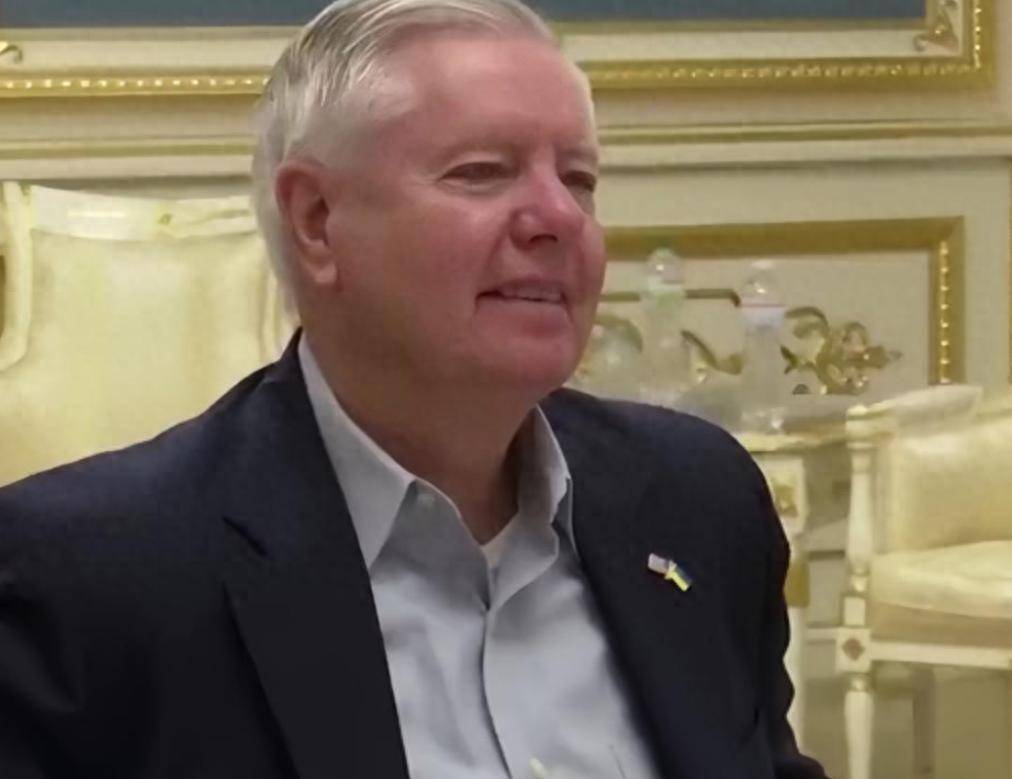
这场戏的主角是美国共和党的资深参议员林赛·格雷厄姆,刚刚从白宫椭圆形办公室出来,神采奕奕地立刻在社交媒体上发布了一条震惊全球的消息:任何 购买俄罗斯石油和天然气的国家,其出口到美国的所有商品,将被征收至少500%的关税。这不再仅仅是关税,这简直是一种变相的全面禁运,意图通过窒 息疗法切断对手的经济命脉。 这场戏的目标异常明确。格雷厄姆在接受福克斯新闻采访时,毫不避讳地列出了狩猎名单:中国、印度、巴西。这三个国家不仅代表了金砖国家的核心力 量,也象征着全球南方国家对于独立自主发展的强烈愿望。美国通过设置500%的高关税壁垒,企图一举达成三重目的:一是经济上让俄罗斯彻底窒息;二 是分裂金砖组织;三是全球范围内确立顺我者昌,逆我者亡的霸权铁律。 然而,这个近乎疯狂的500%关税数字,却引发了全球范围内两极化的反应。最先受到冲击,且反应最为剧烈的,是平日里自诩左右逢源的印度。在这场强 硬压力面前,印度长期以来的平衡策略瞬间失效。莫迪政府一直在美国和俄罗斯之间寻找微妙的中间地带:一方面拿着美国的投资与技术承诺,另一方面以 低价大量进口俄罗斯石油,支撑本国制造业的发展。 刚刚从大洋彼岸传来的消息,让全球外交圈和金融圈都炸 ...
大江洪流杨竞萌:对美元上半年的走势影响因素的思考
Xin Lang Cai Jing· 2026-01-12 00:44
Group 1 - The U.S. aims to control South America through military actions against Venezuela, with objectives including resource extraction, labor acquisition, and countering de-dollarization, particularly in trade settlements with the Chinese yuan [1][7] - The relationship between the dollar and energy prices has changed since the U.S. became a net exporter of oil and gas in 2022, leading to a favorable environment for domestic energy exporters despite rising oil prices contributing to inflation [1][3] - Short-term shocks combined with a long-term trend towards de-dollarization are expected to increase risk aversion, as seen in the past year where safe-haven funds have shifted towards precious metals rather than traditional dollar assets [1][9] Group 2 - The spillover effects of U.S. strategies, particularly since the Russia-Ukraine conflict, have led to energy shortages in Europe, prompting calls for a reduction in reliance on the U.S. and NATO, with countries like Germany and France planning to bolster military presence in Greenland [2][8] - The ongoing threat to dollar and financial hegemony is expected to intensify de-dollarization sentiments, despite short-term rebounds in the dollar due to geopolitical events [3][9] - The U.S. economy is experiencing a disjointed picture with rising GDP and persistent inflation against a backdrop of weak employment and manufacturing, indicating a potential for further monetary easing under the current administration [6][9] Group 3 - The U.S. House of Representatives has extended the Affordable Care Act subsidies for three years, which is projected to increase fiscal spending by nearly $90 billion, adding to the uncertainty surrounding the fiscal burden and potential depreciation of the dollar [4][10] - The dollar's appreciation in the first half of the year is driven by temporary military and financial dominance, while depreciation pressures stem from significant debt burdens and accelerated de-dollarization processes [5][11] - Uncertainty remains regarding technological advancements, particularly in artificial intelligence, which could enhance productivity and economic strength, but the likelihood of this occurring before mid-2026 is considered low [6][11]
美元霸权动摇!美联储投降,人民币3.5%升势撕开全球金融新缺口
Sou Hu Cai Jing· 2026-01-11 17:43
2025年12月25日,离岸人民币对美元汇率盘中升破7.0元关口,最高触及6.9985,创下15个月新高。 这道看似简单的汇率曲线,背后是一场持续整年的全球 资本重配:人民币对美元全年升值突破3.5%,美元指数则从年初的110点高位跌至97点左右,跌幅接近10%。 美元疲软的直接推手是美联储的政策转向。 2025年9月,美联储宣布降息25个基点,这是2025年以来的首次降息。 而在此之前,特朗普政府对外加征关税、 对内实施减税的政策,已经加剧了市场对美国债务可持续性的担忧。 美国联邦政府的债务已攀升至37万亿美元,每年仅债务利息支出就超过1万亿美元,这 给美元带来了沉重压力。 美联储的降息决策并非完全出于经济考量。 特朗普自上任以来持续向美联储施压,甚至安插亲信进入理事会。 这种政治干预让美联储的独立性受到质疑, 鲍威尔在新闻发布会上强调"就看我们怎么做"来维护央行独立性,但市场明显不相信降息只是单纯的经济决策。 人民币的强势崛起背后是中国经济基本面的坚实支撑。 2025年前11个月,中国货物贸易顺差达1.0758万亿美元,充足的外汇储备为人民币汇率提供了坚实基 础。 外资配置人民币资产的兴趣明显增强,上半年 ...
闰土股份:1月10日召开董事会会议
Mei Ri Jing Ji Xin Wen· 2026-01-11 08:38
每经AI快讯,闰土股份1月11日晚间发布公告称,公司第七届第十三次董事会会议于2026年1月10日在 闰土大厦1902会议室以现场会议结合通讯方式召开。会议审议了《关于选举公司执行事务董事的议案》 等文件。 每经头条(nbdtoutiao)——美国强掳马杜罗,觊觎格陵兰,为美元霸权"续命"!全球20%石油结算已弃 用美元,38万亿美债压顶,"石油-美债"体系遭重创 (记者 胡玲) ...

集智股份:1月8日召开董事会会议
Mei Ri Jing Ji Xin Wen· 2026-01-11 08:20
(记者 曾健辉) 每经头条(nbdtoutiao)——美国强掳马杜罗,觊觎格陵兰,为美元霸权"续命"!全球20%石油结算已弃 用美元,38万亿美债压顶,"石油-美债"体系遭重创 每经AI快讯,集智股份1月11日晚间发布公告称,公司第五届第十九次董事会会议于2026年1月8日在公 司会议室以现场结合通讯表决方式召开。会议审议了《关于选举代表公司执行公司事务的董事的议案》 等文件。 ...

夏乐:美元霸权松动与数字浪潮交汇下,人民币国际化“风再起”
Di Yi Cai Jing· 2026-01-11 07:25
"中国资产不可投资论"退潮。 1月10日,在"2026年中国首席经济学家论坛年会"上,西班牙对外银行(BBVA)首席经济学家夏乐指出,在美元大循环边际弱化、数字货币重塑国际支付 体系的背景下,人民币国际化正重新站上顺风口。 同时,产业链重构与中国企业"走出去"正在创造更多跨境人民币使用场景;人民币汇率中期偏强、双边本币互换和跨境支付合作经验不断积累;CIPS体系、 海外清算行及多边"货币桥"项目的实践,也持续夯实人民币国际化的基础。 "更值得关注的是,海外投资者对中国资产的认知正在发生转变,'中国资产不可投资论'明显退潮,部分机构已将中国市场视为对冲美国科技资产泡沫的重 要选择。"夏乐表示。 尽管前景向好,夏乐强调,必须清醒认识到美元霸权不会轻易让位。人民币国际化的目标不应是取代美元,而是获得足够的体系性影响力。展望未来,他认 为,人民币国际化仍面临一系列现实政策抉择,包括如何在数字货币和支付"出海"路径上进行更优组合,以及如何在复杂地缘政治环境下稳步推进制度型开 放。 在夏乐看来,人民币国际化"风再起"的关键,首先来自外部环境的变化。其一,美国"MAGA"政策及高关税取向正在侵蚀美元的主导地位。2025年春 ...

3万项制裁没打垮俄罗斯!全球悄悄建体系,美元霸权要塌了
Sou Hu Cai Jing· 2026-01-11 04:46
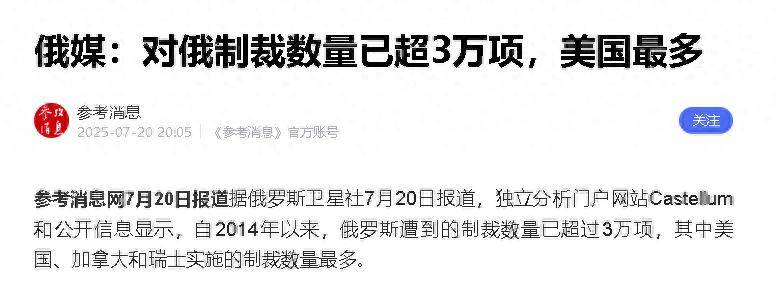
Core Viewpoint - The article discusses the impact of over 30,000 sanctions imposed on Russia, highlighting its resilience and the emergence of a counter-sanction ecosystem that challenges U.S. economic hegemony [1][2]. Group 1: Sanctions and Economic Resilience - Russia's energy exports have reached a five-year high, with 80% of trade conducted in its own currency [1]. - The sanctions, initially thought to be crippling, have instead catalyzed the formation of a counter-system that undermines U.S. dominance [2]. Group 2: U.S. Economic Control - The U.S. maintains control over global economic flows through the dollar system, which accounts for 88% of foreign exchange transactions and prices for major commodities [3]. - Key mechanisms of U.S. control include the New York financial court's jurisdiction, SWIFT system authority, and CHIPS network control, allowing the U.S. to influence international transactions [4]. Group 3: Emergence of a Counter-System - A shadow fleet of 1,580 vessels has been established by countries like Russia and Iran to bypass sanctions, with 798 of these being oil tankers [12]. - India has become a crucial hub for energy arbitrage, refining Russian oil and selling it to Europe under Indian labels, generating billions in profits [14]. Group 4: Financial De-dollarization - The cross-border payment system (CIPS) has expanded to 189 countries, with transaction volumes reaching 90.19 trillion yuan in the first half of 2025 [18]. - In trade between China and Russia, over 95% is now settled in local currencies, with some months seeing this figure rise to 99.1% [19]. Group 5: The Gray System - The gray system operates by exploiting gaps in sanctions, using alternative logistics and financial channels to maintain trade [23]. - Countries like the UAE and Turkey play significant roles in facilitating trade through loopholes, while also balancing their relationships with the U.S. [27]. Group 6: Global Economic Dynamics - The global economy is evolving into a tripartite structure, with the U.S. and its allies as sanctioning powers, while countries like Russia and Iran adapt through gray systems [24]. - Arbitrageurs such as India and the UAE benefit from sanctions, but face increasing scrutiny and regulatory pressures from the U.S. [29].
特朗普通告全球禁买俄油,点名三个国家不准碰,中方率先表态坚决反对
Sou Hu Cai Jing· 2026-01-11 01:17
Core Viewpoint - The Trump administration's new energy policy, which imposes a 500% punitive tariff on countries importing Russian oil, gas, or uranium, aims to reshape global energy trade and exert economic pressure on nations like China, India, and Brazil [1][10][11]. Group 1: U.S. Policy and Its Implications - The U.S. aims to use tariffs to force countries to align with its geopolitical interests, particularly targeting those circumventing the dollar system [9][10]. - The legislation is seen as an attempt to reconstruct global energy flows through unilateral sanctions, potentially freezing assets of countries maintaining energy trade with Russia [10][11]. - The U.S. strategy includes not only weakening Russia but also deterring emerging powers like China and India from deviating from U.S. influence [11][23]. Group 2: China's Response - China has firmly rejected the U.S. tariffs, emphasizing its right to engage in energy cooperation with Russia as a sovereign nation [2][12]. - The rapid and strong response from China reflects its strategic interests and energy security, as it is the world's largest energy importer [15][19]. - China's energy transactions with Russia are increasingly conducted in local currencies, bypassing the SWIFT system, which diminishes the impact of U.S. sanctions [17][19]. Group 3: India's Dilemma - India faces a complex situation, balancing its need for affordable Russian oil against U.S. pressure to reduce imports [20][21]. - Despite U.S. threats, India has not fully committed to halting Russian oil purchases, indicating a cautious approach to U.S. demands [20][21]. - The U.S. has pressured India to increase energy imports from the U.S., but the high costs and logistical challenges make this a temporary solution [21][22]. Group 4: Global Energy Dynamics - The U.S. is attempting to regain control over global energy pricing and supply chains, but countries are increasingly prioritizing their own interests [38][39]. - The unilateral sanctions by the U.S. are facing resistance, as many countries continue to engage in trade with Russia despite the political rhetoric [28][29]. - The evolving energy landscape is characterized by a shift towards multipolarity, with countries like China and Russia strengthening their economic ties [46][58]. Group 5: Future Outlook - The ongoing geopolitical tensions are likely to lead to more negotiations and alternative trading arrangements, as countries seek to protect their energy security [48][50]. - The trend towards de-dollarization and the establishment of local currency transactions is expected to accelerate, challenging the U.S. dollar's dominance [54][56]. - The global energy order is shifting towards a more collaborative and multipolar framework, where no single nation can dictate terms [58].