
量子计算

Search documents
逻辑比特科技团队在Nature发表论文,实现新型“热”拓扑边缘态
Tai Mei Ti A P P· 2025-08-28 01:54
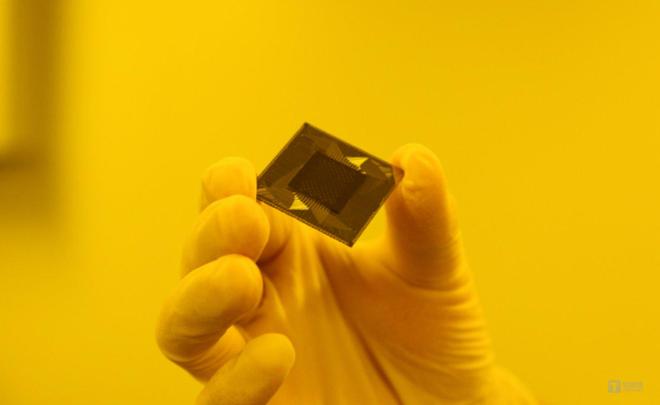
Group 1 - The research team, including core members from Logical Qubit Technology, published a paper in Nature demonstrating a new type of "thermal" topological edge state on the Tianmu 2 quantum chip, which provides a new pathway for protecting fragile quantum information [1] - The topological edge state is a novel state in condensed matter physics that can effectively resist specific symmetry noise, enhancing the reliability of quantum computing [1] - The newly achieved "thermal" topological edge state indicates that the "prethermalization" mechanism can effectively resist thermal excitations in finite temperature quantum systems, leading to more robust and longer-lived topological edge states [1] Group 2 - The Tianmu 2 quantum chip, developed by Logical Qubit Technology, features over 100 qubits with a single-qubit gate fidelity of 99.95% and a two-qubit gate fidelity of 99.5%, supporting the realization of complex quantum many-body states [2] - The experiment involved constructing a chain of 100 particles on the Tianmu 2 chip, demonstrating that the topological edge states maintained lifetimes similar to their zero-temperature ground state, showcasing unprecedented robustness against thermal disturbances [4] Group 3 - The high-performance quantum measurement and control system developed by Logical Qubit Technology is crucial for synchronously and precisely controlling the qubits, which is essential for observing thermal excitations and achieving the new "thermal" topological edge state [5] - The measurement and control system is modular and can be expanded to synchronize thousands of qubits, making it suitable for future large-scale quantum computing applications [5][6] Group 4 - Logical Qubit Technology was established in June 2022, with core members from Zhejiang University’s superconducting quantum computing laboratory, and has previously set world records for global entanglement of qubits [8] - The company has developed a full range of technologies and products centered on quantum chip design and fabrication, including quantum measurement and control systems, quantum computers, and quantum cloud platforms [8] - The CEO of Logical Qubit Technology, Wang Zhen, aims to position the company as a world-class quantum computing enterprise, focusing on the transition from physical to logical qubits to accelerate the arrival of the quantum computing era [8]

8月28日早餐 | 英伟达季报出炉;卫星通信迎政策利好
Xuan Gu Bao· 2025-08-28 00:05
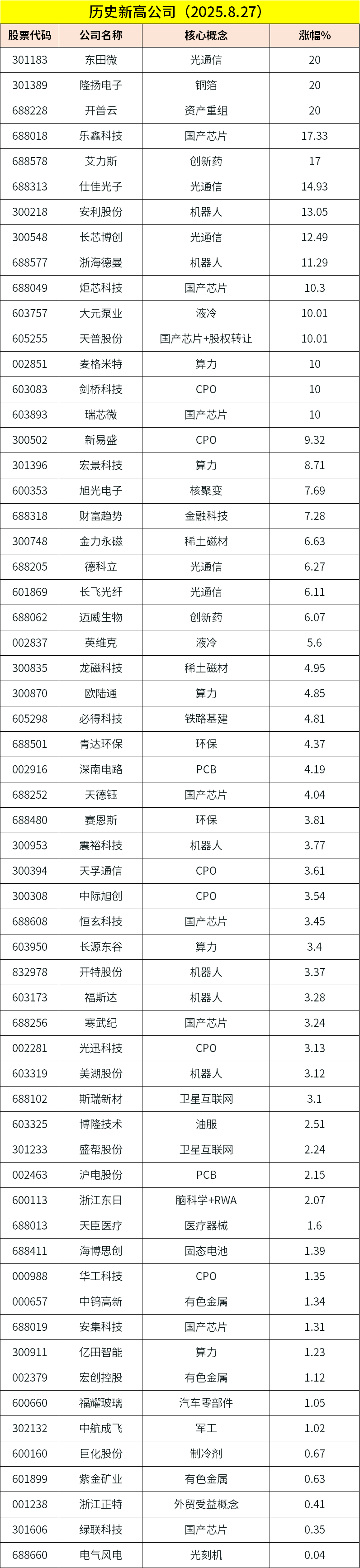
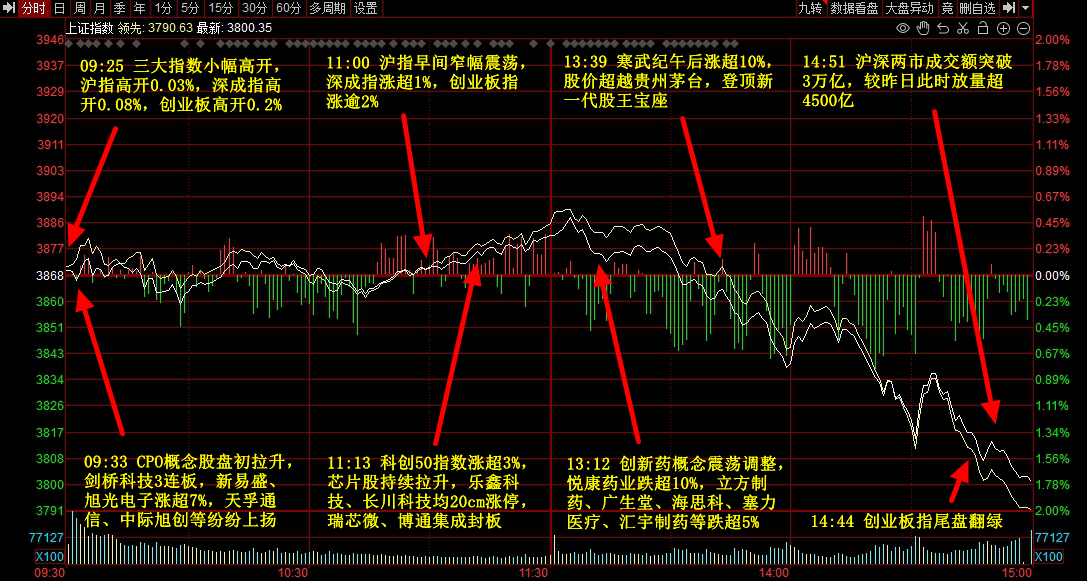
Market Overview - US stock markets rose, with the Dow Jones up 0.32%, Nasdaq up 0.21%, and S&P 500 up 0.24% [1] - Notable stock movements include Apple up 0.51%, Amazon up 0.18%, Google A up 0.16%, Microsoft up 0.94%, while Tesla down 0.59%, Nvidia down 0.09%, and Meta down 0.89% [1] Company Earnings and Projections - Nvidia reported Q2 revenue of $46.7 billion, exceeding analyst expectations of $46.23 billion, with data center revenue at $41.1 billion, slightly below the forecast of $41.29 billion [2] - Nvidia expects Q3 revenue of $54 billion, surpassing the anticipated $53.46 billion, and has approved an additional $60 billion stock buyback [2] Strategic Investments - Google plans to invest $9 billion in cloud and AI infrastructure in Virginia, USA [5] - OpenAI aims to enhance ChatGPT to better recognize and respond to users' psychological and emotional concerns [6] Pharmaceutical Developments - Eli Lilly's Verzenio combined with endocrine therapy shows significant statistical and clinical improvement in a Phase III trial for specific breast cancer patients [7] Industry Trends - The Chinese satellite internet industry is expected to grow rapidly, supported by government policies and technological advancements, with a focus on integrating satellite communication with mobile services [13] - The eVTOL industry is seeing competition primarily between the US and China, with advancements in aircraft power systems and regulatory frameworks being key focus areas [16] Corporate Announcements - Meituan's Q2 adjusted net profit plummeted 89% year-on-year to 1.49 billion yuan, significantly below expectations, with marketing expenses increasing by 51.8% [10] - Honey Snow Group reported a 39.3% year-on-year growth in the first half of the year, with net profit up 44.1%, expanding its global store count to 53,000 [11] Mergers and Acquisitions - China General Nuclear Power plans to acquire stakes in four companies for 9.375 billion yuan [18] - Huayu Automotive intends to acquire a 49% stake in SAIC Qingtao for 206 million yuan, marking its entry into the solid-state battery sector [18] Financial Performance - Major companies reporting significant profit increases include: - Zhongtai Technology with a net profit of 1.25 billion yuan, turning around from losses [24] - A-share listed companies like Wuliangye and BOE reported net profits of 19.49 billion yuan and 3.247 billion yuan, respectively, with year-on-year growth [26][27]

打造“量子计算+”应用标杆
Shen Zhen Shang Bao· 2025-08-27 23:19
Core Viewpoint - The establishment of the first dedicated optical quantum computer manufacturing factory in Shenzhen by Beijing Boson Quantum Technology Co., Ltd. marks a significant step towards the industrialization and mass production of practical optical quantum computers in China [1][2]. Group 1: Company Developments - Boson Quantum has registered two subsidiaries in Nanshan, Shenzhen, responsible for the large-scale production and sales of coherent optical quantum computers and their core components [1]. - The new manufacturing facility is expected to produce dozens of optical quantum computers annually, creating a capacity for mass production [1][2]. Group 2: Technology and Industry Context - Optical quantum computing utilizes the quantum properties of light for computation, offering advantages such as large qubit numbers, stable operation at room temperature, and long coherence times compared to other quantum computing technologies [1]. - Currently, there are only a few quantum computing companies in China focusing on the core components of the industry chain, with no large-scale manufacturing lines for complete systems established [1][2]. - The factory's construction includes three main areas: module development, complete machine production, and quality control and testing systems [2].
我国首个光量子计算机制造工厂落地,行业将正式迈入工程化量产阶段
Xuan Gu Bao· 2025-08-27 14:59
Group 1 - Beijing Boson Quantum Technology Co., Ltd. has established China's first large-scale dedicated optical quantum computer manufacturing plant in Nanshan, Shenzhen, which is expected to produce dozens of optical quantum computers annually [1] - Quantum computing is recognized as a core driver of next-generation information technology, transitioning from laboratory experiments to industrial applications, driven by technological breakthroughs, policy support, and market demand [1] - The quantum computing industry is at a critical turning point, moving from technology-driven to application-led development, with a projected market size reaching hundreds of billions of dollars between 2025 and 2030 [1] Group 2 - China's 14th Five-Year Plan identifies quantum technology as a core strategic area, indicating strong governmental support for advancements in quantum communication and optical quantum computing [1]
晚报 | 8月28日主题前瞻
Xuan Gu Bao· 2025-08-27 14:38
Robotics - Nvidia has launched a new computing platform, Jetson Thor, designed for physical AI and robotics developers, which includes the Jetson AGX Thor developer kit and the Jetson T5000 production module [1] - The platform aims to reduce reliance on cloud services by enabling multiple generative AI models to run simultaneously on edge devices [1] - The Chinese government has issued guidelines to promote the integration of AI across various sectors, targeting a penetration rate of over 90% for new intelligent terminals and entities by 2030, which is expected to support the development of embodied intelligent robots [1] Rare Earth - Northern Rare Earth reported a significant increase in half-year performance, with revenue reaching 18.866 billion yuan, a year-on-year growth of 45.24%, and net profit soaring by 1951.52% to 931 million yuan [2] - Prices for major rare earth products have risen by over 100,000 yuan per ton since August, driven by strong demand in the domestic permanent magnet industry [2] - The Chinese government has implemented total control measures for rare earth mining and processing, which is expected to further boost prices and profits in the sector [2] Quantum Computing - Beijing Boson Quantum Technology has established China's first large-scale dedicated optical quantum computer manufacturing facility in Shenzhen, expected to produce dozens of optical quantum computers annually [3] - The quantum computing industry is transitioning from laboratory research to commercial applications, with significant growth anticipated between 2025 and 2030, potentially reaching a market size of hundreds of billions of dollars [3] - China's "14th Five-Year Plan" prioritizes quantum technology, indicating potential breakthroughs in quantum communication and optical quantum computing [3] Satellite Internet - The Ministry of Industry and Information Technology has issued guidelines to promote the development of the satellite communication industry, including direct satellite connections for mobile devices and the establishment of satellite internet systems [4] - The satellite communication market in China is projected to exceed 200 billion yuan by 2025, with a compound annual growth rate of over 20% [4] - The integration of satellite communication with 5G and IoT is expected to reshape the global communication landscape, supported by government policies and funding [4] Digital Publishing - The digital publishing industry in China is projected to reach a record revenue of 1.748536 trillion yuan in 2024, marking an 8.07% increase from the previous year [5] - Key growth areas include digitalization of books and periodicals, as well as significant revenue increases in online gaming, online education, and web comics [5] - Technological innovations such as AI, blockchain, and VR/AR are driving the industry's evolution, with China positioned to become a leader in the global digital publishing market [5] Gallium Nitride (GaN) - Huawei and Shandong University have achieved a breakthrough in high-voltage power electronic devices by developing a 1200V vertical GaN-on-Si MOSFET, which offers a cost-effective solution for kilovolt-level power electronic systems [6][7] - This innovation is expected to accelerate the adoption of GaN devices in sectors such as electric vehicles, photovoltaic energy storage, and 5G communication [6][7] - The global GaN device market is projected to reach $6 billion by 2030, with a compound annual growth rate of 31.2% [7]

AMD与英伟达的差距正在缩小
美股研究社· 2025-08-27 12:08
Core Viewpoint - AMD has seen a significant increase of over 50% in the past six months, indicating that Wall Street is recognizing the company's efforts to close the technological gap with Nvidia [1][6]. Financial Performance - AMD reported second-quarter earnings on August 5, exceeding revenue expectations and raising performance forecasts, although the data center business showed a modest year-over-year growth of only 14% [2]. - Data center revenue for Q2 '25 was $3,240 million, reflecting a quarter-over-quarter decline of 11.8% but a year-over-year increase of 14.3% [3]. Market Position and Growth Potential - AMD is narrowing the technological gap with Nvidia, which is crucial for expanding its market share in the data center segment [6][9]. - The company currently holds about 10% of the AI data center market, with expectations to double this share in the next five years [14]. - The total addressable market (TAM) for data centers is projected to reach $379 billion by 2029 and $484 billion by 2030, suggesting significant revenue potential for AMD [15]. Valuation Insights - If AMD captures 20% of the market share by 2030, its data center revenue could approach $100 billion, leading to a valuation of nearly $1.45 trillion based on a 15% price-to-earnings ratio [17][19]. - This optimistic valuation does not account for other business segments, indicating a strong growth outlook for AMD [19][20]. Strategic Developments - AMD has entered a quantum computing agreement with IBM, aiming to create a scalable open-source computing platform that integrates quantum processors with traditional CPUs, GPUs, and FPGAs [22].


中国首个光量子计算机制造工厂落地深圳南山
Zheng Quan Shi Bao Wang· 2025-08-27 09:52
Core Insights - Beijing Boson Quantum Technology Co., Ltd. has established a dedicated optical quantum computer manufacturing plant in Nanshan, Shenzhen, marking a significant milestone in the domestic quantum computing industry [1] - The company has also registered two subsidiaries, Shenzhen Boson Intelligent Manufacturing Technology Co., Ltd. and Shenzhen Boson Quantum Technology Co., Ltd., to handle the mass production and sales of coherent optical quantum computers [1] - The new manufacturing facility is expected to produce several dozen optical quantum computers annually, enhancing the capacity for mass production in this specialized sector [1]
2025中国数字服务大会在烟台大学举行
Da Zhong Ri Bao· 2025-08-27 04:35
Core Insights - The CCF 2025 China Digital Services Conference was held from August 19 to 21, focusing on the theme "Smart Services: Reshaping Industrial Systems and Empowering Social Governance" [1] - The conference attracted over 1,000 participants, including top experts and representatives from universities, research institutions, and well-known enterprises [1] Event Highlights - The conference featured a diverse range of sessions including invited reports, regular forums, academic forums, educational forums, and innovation competitions [1] - A new educational and academic forum was established in the low-altitude economy sector to address national professional and industrial needs [1] - The Shandong Computer College Dean Forum was introduced to support the development of local academic disciplines [1] Research and Innovation - The conference covered over 100 cutting-edge topics such as intelligent unmanned systems, agricultural large models, AI in biomedicine, quantum computing, low-altitude economy, edge intelligence, integrated vehicle-road-cloud systems, and cloud-native service governance [1] - A total of 116 papers were submitted, with 49 accepted, showcasing the latest research achievements and industrial practices in China's digital services sector [1]
高盛顶尖交易员谈美股:“夏末逆风”要来了
Sou Hu Cai Jing· 2025-08-27 02:59
Group 1 - Goldman Sachs traders warn that investors should prepare for an upcoming "late summer headwind" affecting the US stock market in September due to liquidity and seasonal factors [1] - The fundamental conditions of the consumer and labor markets are described as "not ideal," with risks of a shift from "no hiring, no layoffs" to direct deceleration, which the market has not fully priced in [1][3] - The AI trading theme, once a core driver of market gains, is showing signs of fatigue, with several key factors contributing to this slowdown [2] Group 2 - The short-term momentum in the AI sector has paused, influenced by a paper from MIT indicating that most AI projects have failed to generate positive returns, and Meta's hiring slowdown impacting market sentiment [2] - Seasonal patterns historically indicate that market performance tends to worsen entering September, with liquidity concerns heightened by increased Treasury withdrawals and upcoming bond auctions [2][3] - The labor market is showing signs of weakening, with evidence suggesting that the market is underestimating the risk of direct deceleration in employment growth [3] Group 3 - Despite facing multiple headwinds, the dovish stance of the Federal Reserve remains a key support for the market, as it emphasizes the weakening labor market [4] - The market has interpreted the Fed's recent statements as dovish, which has suppressed real interest rates and maintained strategies betting on stable or declining short-term rates [4] - The consensus in the market has shifted towards "shorting the dollar," although concerns regarding political instability in France may pose short-term risks to this trade [4]
志特新材(300986):海外扩张推动主业修复,AI新材料研发稳步布局
CAITONG SECURITIES· 2025-08-27 02:49
Investment Rating - The investment rating for the company is "Accumulate" (maintained) [2] Core Views - The company reported a revenue of 1.293 billion yuan for the first half of 2025, representing a year-on-year increase of 14.02%, with a net profit attributable to shareholders of 76 million yuan, up 906.32% year-on-year [7][8] - The aluminum formwork business continues to recover, and the R&D of AI new materials is progressing steadily, with significant improvements in both scale and profitability [8] - The company is expanding its international business, with overseas revenue growing by 27.31% year-on-year, contributing to overall performance [8] - The company is expected to achieve net profits of 178 million yuan, 236 million yuan, and 289 million yuan for 2025, 2026, and 2027 respectively, with corresponding PE ratios of 32.9, 24.8, and 20.3 [6][8] Financial Performance Summary - Revenue projections for the company are as follows: 2.238 billion yuan in 2023, 2.526 billion yuan in 2024, 2.793 billion yuan in 2025, 3.128 billion yuan in 2026, and 3.536 billion yuan in 2027, with growth rates of 16.0%, 12.9%, 10.5%, 12.0%, and 13.0% respectively [6][9] - The company’s gross profit margin improved to 28.66% in the first half of 2025, an increase of 4.22 percentage points year-on-year [8] - The operating cash flow for the first half of 2025 was 100 million yuan, an increase of 249 million yuan year-on-year [8] Business Segment Analysis - The revenue from aluminum formwork leasing and prefabricated PC series products for the first half of 2025 was 718 million yuan and 190 million yuan respectively, with year-on-year changes of +9.22% and -4.62% [8] - The gross profit margins for these segments were 36.40% and 19.34%, reflecting improvements in the aluminum formwork leasing business [8] Regional Performance - Domestic revenue increased by 10.43% year-on-year, while overseas revenue saw a growth of 27.31%, with overseas revenue accounting for 23.8% of total revenue, up 2.5 percentage points [8]