
绿色转型

Search documents
公用事业及环保产业行业研究:连绵秋雨影响煤炭生产,华西秋汛电量同比高增
SINOLINK SECURITIES· 2025-10-19 08:41
Market Review - The Shanghai Composite Index decreased by 1.47% and the ChiNext Index fell by 5.71% during the week of October 13-17, 2025. The coal sector increased by 5.66%, while the public utility sector rose by 0.05%. The environmental protection sector declined by 0.97%, and the carbon neutrality sector dropped by 3.14% [1][12]. Industry Insights - The coal price is expected to rise due to continuous abnormal autumn rain affecting production, along with safety and environmental inspections limiting supply. Despite October being a traditional off-peak season, traders are preparing for winter storage needs, leading to accelerated coal price increases post-National Day [4][31]. - The electricity demand is anticipated to increase as the peak winter season approaches, with NOAA predicting a 71% chance of La Niña occurring from October to December, which may lead to a colder winter [4][33]. - The annual long-term electricity price for 2025 has been locked in, and the capacity price mechanism is expected to stabilize electricity prices in the coming months [4][33]. Investment Recommendations - For the thermal power sector, it is recommended to focus on companies with power generation assets located in regions with tight supply-demand dynamics and favorable competition, such as Anhui Energy and Huadian International [4][65]. - In the hydropower sector, attention is drawn to leading operators like Yangtze Power, which is expected to benefit from stable electricity prices and regional supply-demand tightness [4][65]. - In the nuclear power sector, China National Nuclear Power is highlighted as a key player due to the expected increase in electricity generation and stable pricing [4][65]. - For renewable energy, the focus is on leading wind power operator Longyuan Power [4][65]. - In the environmental protection sector, the recommendation is to pay attention to urban comprehensive operation management service providers like Yuhua Tian [4][65]. Industry News - On October 15, 2025, Weiqiao Group announced the integration of its self-built power plant into the national grid, marking a significant shift towards collaboration and green transformation [4][59]. - The Gansu Electric Power Investment Company completed the commissioning of the largest million-kilowatt coal-fired power plant in the country, with a total installed capacity of 6 million kilowatts and an expected annual electricity generation of 33 billion kilowatt-hours [4][59]. - The National Development and Reform Commission issued a management method to support energy-saving and carbon reduction projects, including green methanol and sustainable aviation fuel production [4][60].




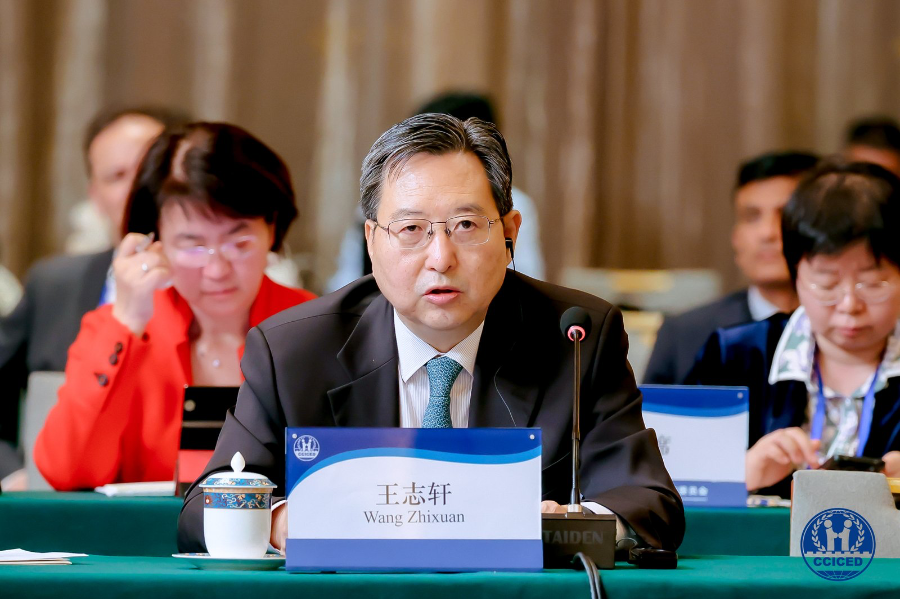
专访王志轩:以太阳能、风能替代传统能源的绿色转型趋势不会变
2 1 Shi Ji Jing Ji Bao Dao· 2025-10-19 05:31
《21世纪》:"十五五"规划即将到来,中国推进绿色转型与发展进程中可能面临哪些机遇与挑战? 王志轩:我认为,我们首先要把握好两个趋势。一是中国环境质量持续改善的趋势不会改变;二是以太阳能、风能发电替代传 统化石能源发电的趋势不会改变。这两个趋势是我们经过大量的实践和对未来的展望所得出的,其根本原因是中国发展阶段的 基本规律来决定的。 我们要关注三个关键点:一是终点,我们要认识什么是终点,所谓终点就是传统的污染治理的模式,环境管理模式,它必然逐 步地就要走到了终结的位置。二是起点,起点主要是新的环境质量的要求,新的环境问题,新的政策措施,和新的布局。三是 风险点。因为基于两个基本把握,政府的治理必须要着重于未来风险的管理,特别是有关红线和底线的管理。 《21世纪》:具体有哪些前瞻性的工具和方法可以用于识别未来风险与机遇? 王志轩:我认为,未来,我们要善用经验,持续创新政府的治理模式,中国有很多经验,经验用得好是财富,用不好是包袱。 因此,面对转型,我们必须要加强政府部门间的协调沟通,机制方面的协调,制度方面的协调。 21世纪经济报道记者雷椰 卢陶然 北京报道 绿色转型已成为时代潮流。中国正处于"十五五"规划谋篇 ...


2025年中国钨精矿行业政策、产业链全景、行业产能、产量、进出口及未来发展趋势研判:政策锚定资源安全,技术驱动价值跃升[图]
Chan Ye Xin Xi Wang· 2025-10-19 01:21
Core Insights - The tungsten concentrate industry is crucial for strategic sectors like aerospace and defense, with a focus on high-density, high-melting-point, and high-hardness properties [1][5][11] - China, as the largest tungsten producer, faces rapid resource consumption and has implemented policies for total control and export regulation to transition from resource output to high value-added production [1][5][6] - The industry is characterized by a concentration of resources, with significant production capacity in provinces like Jiangxi and Henan, and a market dominated by state-owned enterprises [1][12][16] Industry Overview - Tungsten concentrate is extracted from tungsten ore through various processes, requiring a minimum tungsten trioxide (WO₃) content of 65% [2][3] - The global tungsten resource distribution is highly concentrated, with China holding 52% of the total reserves, while the domestic reserve-to-production ratio is only 36 years [10][11] Policy Analysis - China has established a policy framework focusing on resource protection and sustainable utilization, including total mining volume management and export controls [5][6][14] - Recent policies have refined the management of mining quotas and introduced stricter regulations on exports of tungsten-related products [6][14] Industry Chain - The tungsten concentrate industry chain includes exploration, mining, and processing, with a high concentration of mining enterprises and increasing prices due to supply constraints [8][12] - The downstream applications are diverse, with significant growth in demand for tungsten wire in the photovoltaic sector, while traditional sectors face cost pressures [8][12] Current Industry Status - The tungsten industry in China is experiencing a transformation, with a focus on high-end applications and a shift towards sustainable practices [13][15] - In 2024, the total tungsten concentrate production is projected to be 12.7 million tons, reflecting the impact of total control policies [14][15] Competitive Landscape - The industry is characterized by a "resource core, state-owned leadership, and collaborative ecosystem" model, with major players like Jiangxi Tungsten Industry Group and Xiamen Tungsten leading the market [16][17] - The market concentration is high, with the top five companies controlling 61% of the production capacity [16] Future Trends - The tungsten concentrate industry is expected to evolve towards resource consolidation, technological advancement, and global expansion [17][19] - Key trends include a shift from scale advantages to ecological dominance, with a focus on high-end applications and green transformation [17][18][19]







博鳌亚洲论坛秘书长张军:亚洲国家为实现碳中和、绿色转型提供强大支撑
Mei Ri Jing Ji Xin Wen· 2025-10-19 00:24
Core Viewpoint - The "Belt and Road" Green Innovation Conference highlighted the significant progress in renewable energy, with global renewable energy generation surpassing fossil fuels for the first time, and the International Energy Agency projecting a doubling of renewable energy capacity by 2030 [1] Group 1: Renewable Energy Progress - Renewable energy generation has exceeded that of coal and other fossil fuels for the first time [1] - The International Energy Agency forecasts that renewable energy capacity will double by 2030 [1] - Asian countries, including China, ASEAN nations, Japan, and South Korea, are leading in innovation in energy efficiency, clean energy, and electric vehicles, providing strong support for carbon neutrality and green transition [1] Group 2: Challenges in Green Transition - Despite progress, challenges remain, including increased reliance on traditional fossil fuels in some developed economies [1] - There is a significant funding gap in green financing, with an estimated need for at least $1.4 trillion annually in the renewable energy sector from 2025 to 2030, more than double last year's investment [1] - The sharing of green technologies faces numerous obstacles, hindering overall progress [1] Group 3: Trade Protectionism and Its Impact - Trade protectionism poses significant barriers to global sustainable development, affecting the balance of technology and talent in green low-carbon transitions [2] - Tariffs on solar, electric vehicles, and batteries directly impact renewable energy costs, slowing down the transition in certain regions [2] - Increased trade costs lead to decreased global asset allocation efficiency and fragmented global governance, complicating the execution of related agreements [2]
陆家嘴财经早餐2025年10月19日星期日
Wind万得· 2025-10-18 22:31
Group 1 - The video call between Chinese and U.S. trade leaders focused on implementing important consensus from previous communications, agreeing to hold new trade consultations soon [3] - The People's Bank of China (PBOC) Governor highlighted the increased uncertainty in tariff policies, urging the IMF to assess risks objectively and propose targeted policy recommendations [4] - The Ministry of Finance expressed the hope that the World Bank would help create a more open and stable economic environment, particularly for developing countries [4] Group 2 - The Ministry of Science and Technology emphasized the need for comprehensive implementation of the strategy for building a strong technological nation, focusing on integrating technology and industry [5] - The National Development and Reform Commission reported that local government debt risks are gradually easing through various supportive measures [5] - Analysts expect the Loan Prime Rate (LPR) to remain stable in October, with a potential for future adjustments based on credit and social financing data [5] Group 3 - The meeting in Haikou discussed the implementation of cross-border asset management pilot policies and emphasized the importance of risk prevention and management [6] - China's foreign trade has shown resilience despite global trade disputes, with an average settlement rate of 53.7% in the first eight months of the year, a slight increase from last year [6] Group 4 - The Shanghai Stock Exchange aims to enhance the quality of listed companies and attract long-term capital by aligning with national strategies and promoting high-quality development [7] - The number of new margin trading accounts opened in September reached 205,400, the highest this year, indicating strong demand for margin trading [7] - UBS raised its global stock rating to "attractive," citing stronger-than-expected economic growth and easing tariff pressures, with a particular focus on Chinese technology stocks [7] Group 5 - China's rare earth exports in September reached 10,538 tons, a year-on-year increase of 7.6%, with cumulative exports for the year at 95,875 tons, up 3.1% [9] - The Ministry of Industry and Information Technology is developing a plan for the smart connected vehicle industry, focusing on standards and market order [9] - Significant breakthroughs in China's energy sector include the successful cold test of the first modular small reactor and the launch of a national deep-water oil and gas emergency rescue base [9][10] Group 6 - The UK central bank plans to introduce stablecoin regulations by the end of 2026, reflecting a global trend towards the institutional acceptance of privately issued stablecoins [11] - Huawei's internal investigation into cloud business misconduct led to disciplinary actions against management, highlighting the company's focus on compliance [12] - Apple CEO Tim Cook emphasized the importance of AI for competitiveness and growth, noting China's vibrant AI development [12] Group 7 - Former CICC CEO pointed out that AI's impact on investment markets is significant, with AI-related stocks in the S&P 500 now accounting for 43% of market capitalization [14] - The PBOC reported that since the launch of the technology bond market, 670 billion yuan in technology innovation bonds have been issued, supporting various high-tech sectors [15] - Guangdong Province successfully issued 7.5 billion yuan in offshore RMB local government bonds in Hong Kong, continuing its efforts to tap international markets [15] Group 8 - Deutsche Bank's research indicates that gold's share in global foreign exchange reserves has risen to 30%, while the dollar's share has decreased to 40% [16]
遵义工业:从“制造”到“智造”
Sou Hu Cai Jing· 2025-10-18 15:44
Group 1: Industrial Development in Zunyi - Zunyi's primary task for high-quality development is new industrialization, focusing on optimizing industrial structure and building six major industrial chains: sauce-flavored liquor, non-ferrous metals, fluorine-barium chemicals, new energy, equipment manufacturing, and green food [1] - During the 14th Five-Year Plan period, the industrial added value of regulated enterprises in Zunyi has grown at an average annual rate of 11.9%, indicating a significant improvement in both quantity and quality [1] - The liquor industry has become a trillion-level industrial cluster, and Zunyi's industrial transformation and upgrading experiences have been recognized by the State Council [1] Group 2: New Materials Industry - Guizhou Lanhui New Materials Co., Ltd. has transformed aluminum materials into precision components for new energy vehicles through intelligent production lines, achieving a 60% month-on-month increase in production capacity by Q3 2025 [2] - The company has relocated and added two automated production lines to enhance capacity and product influence, focusing on the manufacturing of core components for new energy vehicles [4] - Sales have significantly increased, with a 40% growth in July compared to June and a 60% increase in August compared to July [6] Group 3: Liquor Industry Innovations - The liquor industry in Zunyi is experiencing a transformation through the integration of industrial internet and traditional brewing techniques, promoting green transformation and smart brewing [7] - Companies like Guizhou Guotai Smart Liquor Industry Group are implementing intelligent storage systems that enhance land utilization by 60% and improve efficiency by over three times [9] - The use of smart monitoring and management systems in liquor storage ensures stability and safety, contributing to the digital transformation of the liquor industry [11] Group 4: Chili Processing Industry - Zunyi, known as the "Chili Capital of the World," has developed a comprehensive industrial chain for chili processing, contributing to a total processing output value of 4.15 billion yuan, accounting for 25.9% of the province's total [12][16] - Zunyi Dezhong Food Industry Co., Ltd. has invested over 8 million yuan to build an intelligent chili powder production line, achieving a daily output of about one ton [14] - The company has developed a unique "Li's Spiciness" standard, quantifying spiciness into six levels, which has been adopted as a local standard in Chongqing [14]
包钢股份系统构建绿色制造三大支柱
Nei Meng Gu Ri Bao· 2025-10-18 14:52
Core Viewpoint - Baogang Group is making significant progress in its green transformation under the "dual carbon" goals, successfully establishing a green development system that covers production efficiency, green products, and solid waste management [3][5]. Group 1: Production Efficiency - Baogang has achieved breakthroughs in production efficiency, with its energy efficiency upgrade recognized as a benchmark by the China Iron and Steel Association [3]. - The company has implemented over 10 specialized modifications, including waste heat recovery and steam network leakage management, resulting in an energy medium utilization rate increase of over 8% and a reduction of ineffective energy consumption by over 10,000 tons of standard coal annually [3][5]. - Key units such as furnaces and coking processes have reached energy efficiency benchmark levels, creating a replicable "Baogang experience" through technology transformation and system optimization [3][5]. Group 2: Green Products - Baogang has converted its green advantages into product advantages, with its hot-rolled coil products receiving a low-carbon emission steel certificate, achieving a significant breakthrough in carbon reduction of over 40% [4]. - The company’s self-developed 500 MPa rare earth high-strength wind power steel has improved fatigue strength by 29% compared to traditional products, capturing over 30% of the domestic market [4]. Group 3: Solid Waste Management - Baogang's "Carbonization Method for Comprehensive Utilization of Steel Slag" project has been recognized as a top project for 2024, achieving efficient resource utilization of steel slag [4]. - This innovative technology, developed over ten years, can process 100,000 tons of steel slag annually and produce 50,000 to 60,000 tons of high-purity calcium carbonate filler and 60,000 to 70,000 tons of carbon micro-powder, effectively utilizing approximately 30,000 tons of carbon dioxide each year [4]. Group 4: Overall Transformation - The green transformation of Baogang is a profound change covering the entire process and industry chain, with nearly 10 billion yuan invested in 124 ultra-low emission modification projects [5]. - The company is transitioning from a traditional energy-consuming entity to an industry benchmark capable of providing green products, exporting green technology, and practicing a circular economy, paving new paths for high-quality development in traditional heavy industries under the "dual carbon" goals [5].

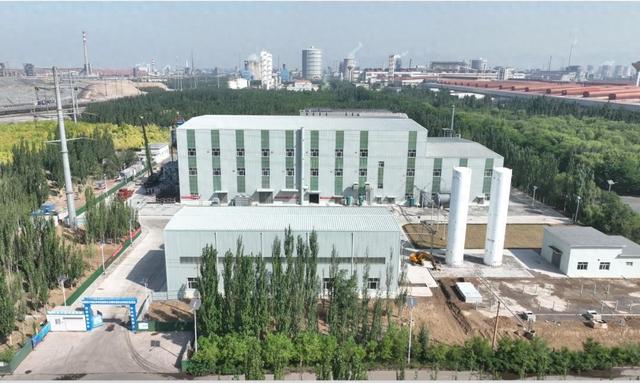
洛松茨・米克洛什:美国退出巴黎协定将冲击全球减排进程
Xin Lang Ke Ji· 2025-10-18 10:15
Core Viewpoint - The recent announcement by the United States to withdraw from the Paris Climate Agreement is expected to have significant implications for global climate initiatives and green economic development [1] Group 1: Impacts of the U.S. Withdrawal - The difficulty in achieving global emission reduction targets will increase, as the U.S. exit may weaken the motivation for other countries to adopt proactive emission reduction measures, potentially slowing down the global reduction process [1] - Investment related to green transition may decrease or even disappear, impacting the development of the global green economy [1] - The emission reduction gap left by the U.S. is likely to be filled by major economies such as the European Union and China [1] Group 2: Divergence in Energy Development - There are clear differences in energy development directions among the U.S., EU, and China, with the U.S. favoring fossil fuels while the EU and China show greater enthusiasm for green energy development and green economic growth [1]
上海定势能源董事长钱胜利:打通电碳价值路径,激发企业降碳动力
Xin Lang Zheng Quan· 2025-10-18 10:13
Group 1: Event Overview - The 2025 Sustainable Global Leaders Conference will be held from October 16 to 18 in Shanghai, focusing on "Facing Challenges Together: Global Action, Innovation, and Sustainable Growth" [1] - The conference is co-hosted by the World Green Design Organization (WGDO) and Sina Group, with support from the Shanghai Huangpu District Government [1] - Approximately 500 prominent guests are expected, including around 100 international guests, such as political figures, Nobel Prize winners, and leaders from Fortune 500 companies [1] Group 2: Industry Insights - Qian Shengli, Chairman of Shanghai Dingzhi Energy Co., emphasized that a key barrier to large-scale adoption of green electricity is the lack of a clear value realization mechanism [3] - Many industries lack clarity on how to convert carbon reduction benefits into economic gains, affecting their willingness to engage in green electricity trading [3] - Qian suggested establishing clear standards for electricity-carbon conversion and developing more carbon financial products to enhance the economic transformation of environmental value [3][4] Group 3: Recommendations for Improvement - Relevant institutions should accelerate the improvement of carbon accounting systems to ensure data accuracy and credibility [4] - A unified green electricity consumption certification mechanism is needed to gain widespread recognition for companies' carbon reduction efforts in domestic and international markets [4] - The establishment of these foundational works will provide strong institutional support for companies to reduce their carbon footprints [5]
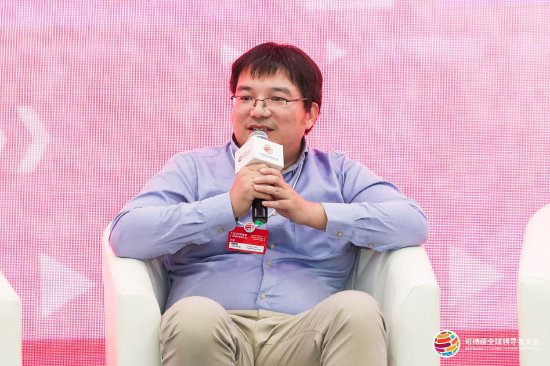
中国副财长出席2025年世界银行发展委员会第112次会议
Zhong Guo Xin Wen Wang· 2025-10-18 08:02
Core Points - The World Bank held its 112th Development Committee meeting in Washington, focusing on employment and infrastructure investment to support developing countries [1] - China expressed its desire for the World Bank to create a more open and stable economic environment, improve infrastructure, and adapt labor structures for the digital economy and green transition [1] - China emphasized the importance of the World Bank as a multilateral institution and called for increased representation and voice for developing countries in the upcoming 2025 equity review [1] Group 1 - The World Bank's report titled "The Foundation for Growth and Jobs" was approved, highlighting the need for mobilizing funds and knowledge resources to create quality jobs [1] - Chinese Vice Minister of Finance, Liao Min, participated in discussions on macroeconomic conditions, global imbalances, sovereign debt, and World Bank equity reform [2] - Liao Min indicated that China is implementing an employment-first strategy and is willing to share development experiences with other developing countries through the World Bank [1][2] Group 2 - The meeting included representatives from 25 World Bank constituencies, including the World Bank President, IMF Managing Director, and WTO Director-General [1] - Liao Min met with various leaders, including the World Bank President and IMF First Deputy Managing Director, to discuss key global economic issues [2] - The discussions aimed to address challenges such as sovereign debt and the need for reforms in the World Bank's equity structure [2]