贸易保护主义

Search documents
“说一套做一套”的特朗普,让金价彻底压不住了
凤凰网财经· 2025-03-31 13:52
来源|极速财讯 3月31日,现货黄金价格延续牛市走势,盘中突破3120美元/盎司,连续第五个交易日刷新历史纪录,距离此前升破3000美元/盎司仅过去半个月, 今年以来累计上涨超18%。 国内足金饰品金价也应声上涨,截至3月31日中午,周大福为每克936元、老凤祥为每克935元、周生生为每克935元、老庙黄金为每克934元。 这一波"黄金狂潮"的核心推手直指美国总统特朗普的关税政策,其"说一套做一套"的贸易保护主义策略,不仅撕裂全球供应链,更引发市场对美元体 系根基动摇的深度忧虑。 据《华尔街日报》披露,特朗普政府虽在上周多次释放"对等关税将比原计划更温和"的信号,甚至暗示对部分盟友实施关税豁免,但内部文件显示其 团队正加速制定覆盖面更广、税率更高的方案。最新草案显示,特朗普已转向强硬立场,要求将原先针对特定国家的惩罚性关税,升级为覆盖全部贸 易伙伴的20%全球性关税。 加拿大已取消特斯拉电动车补贴,欧盟计划对美国威士忌、牛仔裤等商品加征报复性关税,形成"贸易战螺旋"。政策的不确定性导致资金加速涌入黄 金、铜等避险资产,纽约铜期货创历史新高,全球囤铜潮兴起,凸显供应链恐慌。 黄金暴涨的背后逻辑:美元霸权终结的" ...
罕见,央行大动作!
摩尔投研精选· 2025-03-31 10:29
今日,A股市场延续跌势,超4 000只个股飘绿。量能略微提升至1 . 2万亿左右;港股方面跌幅同样惨烈,恒 生指数一度跌逾1. 5%、恒科指一度跌逾3%。 资本市场集体跳水,主要原因是 海外关税风险正在逼近 。 据中国基金报消息,百达资产管理日本有限公司(Pi c t e t Ass e t Ma na geme nt J a pa n Lt d.)投资策略主管 J ump e i Ta na ka表示,"在4月2日的关税之前,市场可能会感到紧张。" 0 1 罕见出手,5200亿天量资金 周末传来大消息 ,交行、中行、建行、邮储几乎是同时发布公告,分别定向增发募资1200亿、16 50亿, 105 0亿和1300亿,合计募资5 200亿补充一级核心资本,其中财政部包揽了整整5 000亿。 历史上, 国有大行有三轮主要注资,还是非常罕见的。 上一次还是1 5年前!当时主要是为了应对外资银行冲击,主动要把四大行推向市场,第一步就是 要推动他们股改上市,财政部是用了外汇储备的钱,通过中央汇金对工农中建分别注资15 0亿美 元、190亿美元、2 2 5亿美元、225亿美元,搞了注资、处置了不良资产,又引进了战略投资者 ...



避险情绪升温,黄金冲破3100美元再刷历史新高!
Sou Hu Cai Jing· 2025-03-31 03:43
由于对关税、贸易和地缘政治不确定性的担忧加剧,避险需求仍在继续,推动黄金价格持续创新高。上 周五,现货黄金涨0.88%,报3084.25美元/盎司;COMEX黄金期货6月合约涨0.59%,报3116.6美元,周 累涨2.26%;均继续创历史新高。 今日(2025年3月31日),现货黄金高开,盘中继续走高,将历史新高刷新至3109美元/盎司。黄金ETF 基金(159937)今日高开高走,盘中涨超1%,价格最高报7.030元,再创历史新高,成交额已超2亿 元,盘中交易溢价。该ETF年内涨幅超17%,资金净流入额超18亿元,最新规模超194亿元。 消息面上,特朗普关税政策进一步加码。3月26日,特朗普签署行政令对汽车和关键零部件进口额外征 收25%关税,自加墨进口的汽车仅对非美国成分加征,自加墨进口的关键零部件暂缓征收。欧盟和加拿 大均暗示将报复汽车关税。 此外,特朗普周日(3月31日)在空军一号上作出震撼性表态,宣布即将于4月2日"解放日"公布的对等 关税政策将覆盖所有贸易伙伴国,彻底打破此前仅针对10-15个贸易逆差大国的预期。这一政策转向标 志着美国贸易保护主义进入全新阶段,可能引发全球贸易体系的地震式重构。 ...
财新周刊-第12期2025
2025-03-31 02:41
Summary of Key Points from the Conference Call Industry or Company Involved - The discussion primarily revolves around the **U.S. economy** and the impact of **Trump's economic policies** on various sectors, including manufacturing and consumer confidence. Core Points and Arguments 1. **Stock Market Performance**: Following Trump's inauguration, the U.S. stock market experienced significant declines, with the S&P 500 index dropping by 10.5% and the Nasdaq composite index falling by 14.3% from its peak [4][5]. 2. **Consumer Confidence Decline**: Consumer confidence has sharply decreased, with the University of Michigan's consumer confidence index falling to 57.9, a decline of 11% month-over-month and 27% year-over-year [5]. The Conference Board's consumer confidence index also showed a downward trend, recording 92.9, marking four consecutive months of decline [5]. 3. **Manufacturing Sector Weakness**: The manufacturing PMI fell back into contraction territory, attributed to rising material costs due to tariffs [6]. Although the services PMI improved, service producers' confidence in future prospects dropped to its second-lowest level since 2022 [7]. 4. **Economic Growth Forecasts**: The Federal Reserve's median GDP growth forecast for Q4 2025 was downgraded to 1.7% from a previous estimate of 2.1% [8]. The core PCE price index forecast was raised from 2.5% to 2.8%, complicating monetary policy decisions [8]. 5. **Trade Deficit Impact**: The U.S. trade deficit widened to $131.4 billion in January, a 34% increase month-over-month, negatively impacting GDP growth forecasts [10]. The Atlanta Fed's GDPNow model projected a 2.4% decline in Q1 GDP following this data release [10]. 6. **Long-term Economic Outlook**: Analysts predict a significant slowdown in U.S. economic growth, with estimates dropping from nearly 3% to around 1.5% over the next few years [12]. The uncertainty surrounding Trump's policies is expected to weigh on economic activity [13]. 7. **Government Spending Cuts**: The Trump administration has initiated substantial cuts to government spending, claiming to save taxpayers $115 billion, but these measures may not significantly reduce the federal deficit [17][24]. 8. **Tariff Policies**: Trump's administration has implemented aggressive tariff policies, raising average tariff rates from 2.5% to 8.4%, the highest level since 1946 [27]. This has sparked trade tensions with major partners like Canada, the EU, and China [27][31]. 9. **Global Trade War**: The U.S. is engaged in a trade war that could have negative repercussions for global economic growth, particularly affecting countries like Mexico and Canada [29][31]. The OECD forecasts a decline in global growth rates due to increased trade barriers [31]. 10. **Investor Sentiment**: The uncertainty surrounding tariffs and trade policies has led to a decrease in foreign direct investment in the U.S., with an estimated reduction of $40 billion annually due to heightened trade policy uncertainty [39]. Other Important but Possibly Overlooked Content 1. **Consumer Spending Trends**: Despite a decline in consumer confidence, consumer spending remained robust, influenced by strong performance during the previous shopping season [7]. 2. **Employment Market Resilience**: The job market has not yet shown signs of significant distress, with unemployment claims not spiking, indicating a lag in the impact of policy changes on employment [7]. 3. **Potential for Future Tax Cuts**: There is speculation about the possibility of new tax cuts being introduced, but their effectiveness in stimulating the economy remains uncertain [15][16]. 4. **Impact of Immigration Policies**: The administration's immigration policies, including the deportation of undocumented immigrants, have raised concerns about potential labor market tightness, although current deportation rates are lower than during the previous administration [22][23]. 5. **Long-term Economic Strategy**: The Trump administration's long-term economic strategy appears to focus on reducing the federal deficit through spending cuts and tax reforms, but the feasibility of these measures in the face of rising entitlement spending remains questionable [23][25].
ICIS:美国PVC面临关税和经济双重阻力
Zhong Guo Hua Gong Bao· 2025-03-31 01:54
中化新网讯 ICIS于3月18日发布的报告显示,受特朗普政府关税政策及美国经济疲软影响,美国聚 氯乙烯(PVC)市场正面临严峻挑战。报告预计2025年美国国内PVC市场增长率仅为1%至3%,其中住 房和建筑领域表现尤为疲弱,同时出口市场也将受到关税政策冲击。 在出口方面,美国PVC市场面临更大挑战。特朗普政府拟对墨西哥和加拿大征收25%关税的政策一 旦实施,将严重冲击美国PVC出口。这两个国家是美国PVC的重要出口市场,其加工商将进口的PVC加 工后返销美国,应用于医疗、建筑、汽车和工业等领域。关税政策将提高这些产品的进口成本,进而抑 制对美国PVC的需求。此外,印度、加拿大、墨西哥、巴西和欧盟等主要贸易伙伴现有及潜在的关税威 胁也给美国PVC出口蒙上阴影。 ICIS特别指出,作为美国PVC主要出口市场的拉丁美洲同样面临挑战。区域内需求分化、经济压力 及潜在关税政策正在重塑市场格局,影响供需关系。其中墨西哥市场尤为关键,新关税政策预计将提高 其PVC下游行业对美出口成本,进而削弱美国PVC的竞争力,可能导致墨西哥对美国PVC的需求下降。 报告指出,2024年美国国内PVC市场表现稳健,但随着第四季度新增产能投 ...
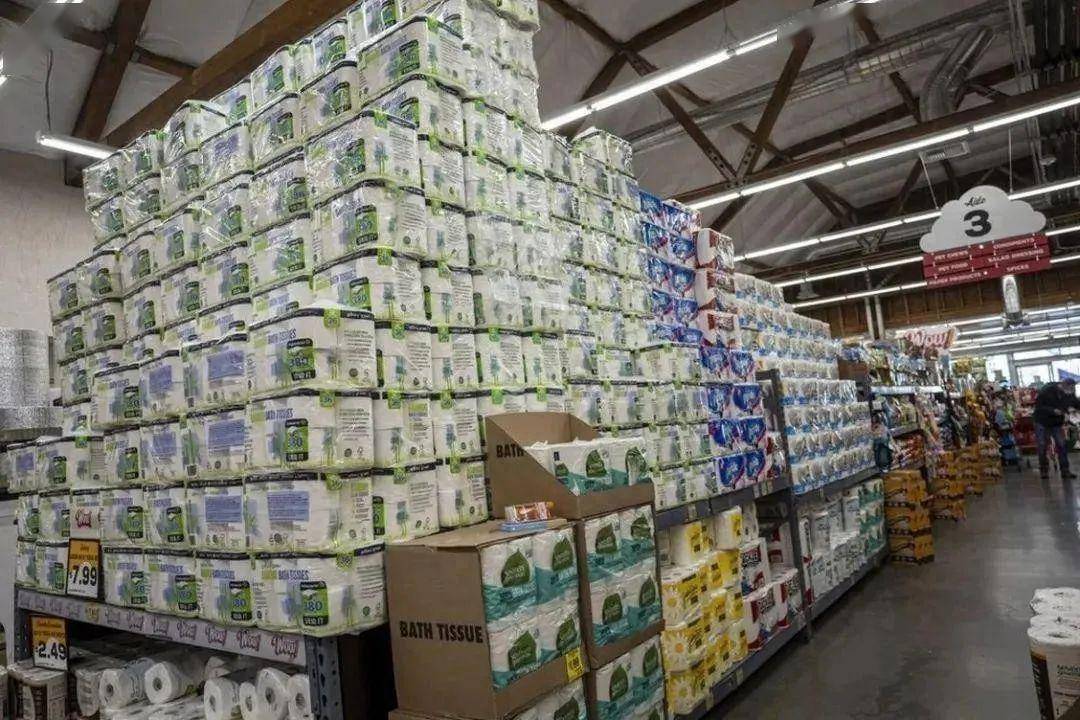
特朗普关税下美国将陷厕纸危机
Sou Hu Cai Jing· 2025-03-29 17:42
Group 1 - The core issue revolves around potential supply shortages of toilet paper in the U.S. due to proposed tariffs on imported wood and pharmaceuticals by former President Trump, which could disrupt the supply of pulp necessary for toilet paper production [2][3] - The previous toilet paper crisis was linked to panic buying during the pandemic, highlighting how external factors can lead to sudden demand spikes and supply chain disruptions [3] - Trump's tariff policy is seen as a form of trade protectionism aimed at encouraging domestic production, but it risks harming consumer interests and could lead to unintended consequences such as trade friction [6] Group 2 - The proposed tariffs could significantly increase the cost of imported wood, which is essential for pulp production, leading to higher prices for toilet paper or reduced production [2][6] - The stable demand for toilet paper juxtaposed with potential supply constraints could create a scenario of scarcity, reminiscent of previous toilet paper shortages [2][3] - The situation illustrates the complexities of trade policies, where attempts to protect domestic industries may inadvertently affect essential consumer goods [6][8]

特朗普汽车关税战没有赢家
Bei Jing Shang Bao· 2025-03-27 15:26
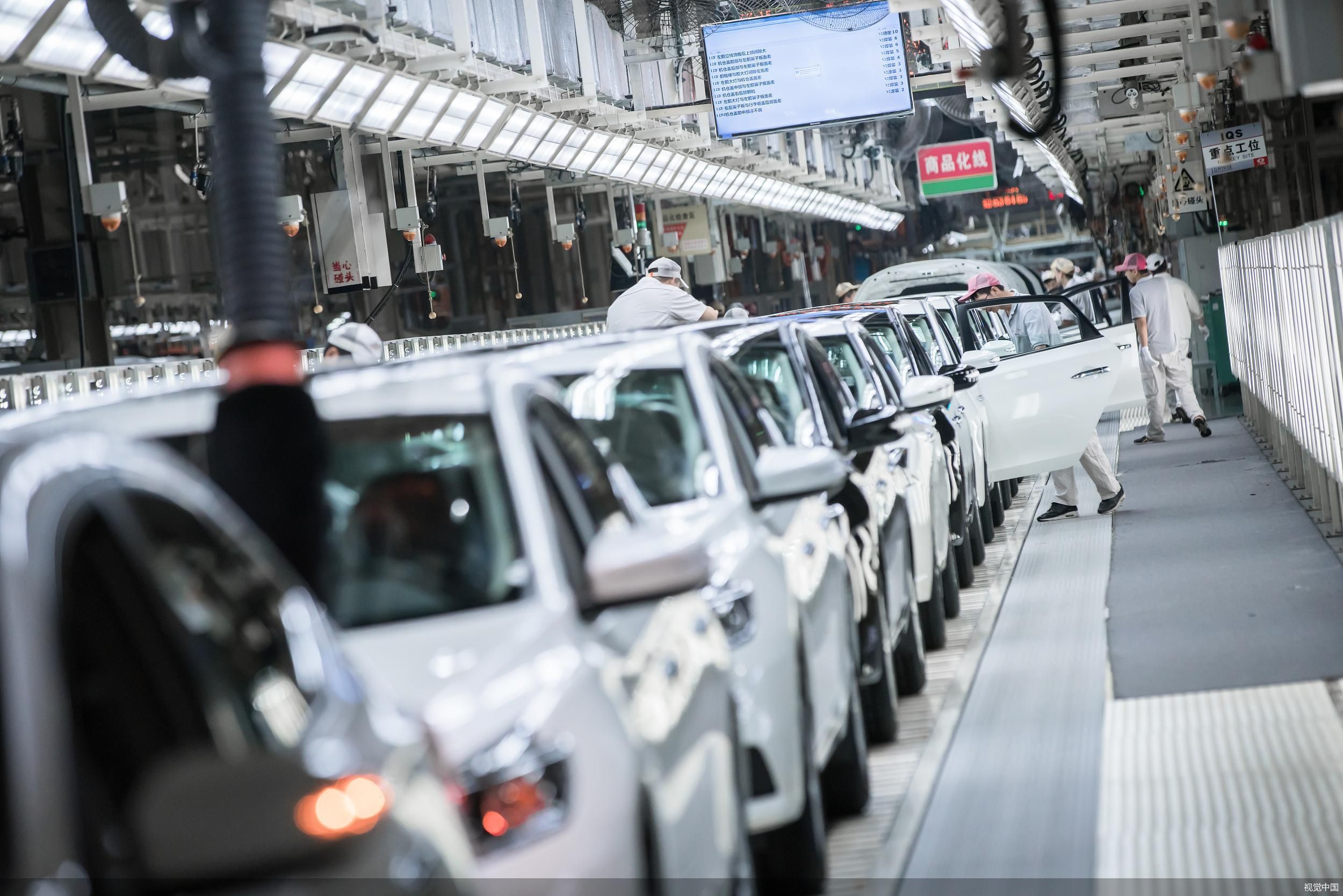
美国汽车关税的"靴子"提前落地了。当地时间3月26日,美国总统特朗普宣布,将对所有进口汽车和汽车零部件加征25%关税,相关措施将于4月2日生效。 业内分析认为,25%的关税,短期可能会使近岸外包与区域化生产成为主流。同时,由于汽车产业链全球化程度较高,美国车企更加依赖全球供应链,25% 的关税或导致美国本土车企生产成本进一步上升。 4月2日生效 "这是美国'解放日'的开始。"特朗普当天在白宫签署行政令时称,"我们将收回一些被拿走的钱。"特朗普长期声称,美国汽车出口在国外市场受到不公平的 待遇。比如,欧盟对美国汽车征收10%的进口关税,而美国对欧盟汽车的关税为2.5%。不过,美国一直对进口皮卡车征收25%的关税。 特朗普称,汽车关税将会是永久的,但如果在美国制造汽车,则无需缴纳关税。当日,白宫发言人哈里森·菲尔兹补充,25%关税的措施将适用于进口乘用 车和轻型卡车,以及关键汽车零部件(发动机、变速箱、动力总成零部件和电气元件),必要时可增加对其他零部件的关税。 此前,特朗普曾表示将在未来几天内宣布对汽车、木材和芯片征收额外关税,并在本周一重申了这一计划,同时提及可能对进口委内瑞拉能源的国家加征 25%的二级关税 ...
特朗普宣布将对进口汽车加征25%关税 4月2日生效
Zhong Guo Qi Che Bao Wang· 2025-03-27 05:57
Group 1 - The U.S. government has announced a 25% tariff on imported cars and certain auto parts, effective April 2, aimed at protecting national security [2][3] - The tariff applies to passenger vehicles, light trucks, and key auto components, with potential expansion to other parts [2] - The tariffs are expected to increase car prices, negatively impacting consumer interests, despite claims of boosting domestic production and reducing national debt [2][7] Group 2 - The announcement has led to significant stock price declines for major automakers like Ford and General Motors, with predictions of large-scale layoffs in the auto and parts industries [7] - Canada and the EU have expressed intentions to respond with retaliatory tariffs, indicating potential trade tensions [7][8] - Japan is also considering appropriate countermeasures, as it exports a significant number of vehicles to the U.S., highlighting the global implications of the tariffs [8]


美派人访华扑了个空,原属于美国的订单,全被盟友收入囊中
Sou Hu Cai Jing· 2025-03-25 14:07
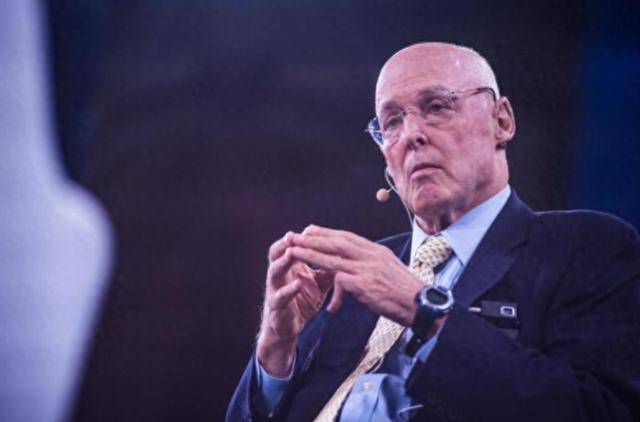
Group 1 - The visit of former U.S. Treasury Secretary Henry Paulson to China was seen as an attempt to explore the possibility of restoring cooperation between the two countries amidst ongoing trade tensions [1][3] - The trade war initiated during the Trump administration has led to significant tariffs on Chinese imports, with a 10% increase on certain products justified by issues such as the fentanyl crisis [3][5] - In response to U.S. tariffs, China implemented countermeasures, including tariffs of 15% and 10% on various American goods, showcasing its resilience and ability to adapt to external pressures [5][9] Group 2 - Paulson's visit was perceived as too late, as China has already shifted its energy procurement strategies, notably halting imports of liquefied natural gas (LNG) from the U.S. for several weeks [7][10] - China has successfully secured alternative energy supplies, including a significant agreement with Australian company Woodside Energy to supply approximately 600,000 tons of natural gas annually starting in 2027 [7][9] - The situation highlights a warning for the U.S., indicating that reliance on traditional partnerships may not suffice in a globalized market where other countries are eager to engage with China [10][12] Group 3 - The ongoing trade conflict has prompted U.S. allies, particularly in Europe and Australia, to capitalize on the opportunities created by the U.S.-China tensions, further enhancing their cooperation with China [10][12] - The urgency for the U.S. to reassess its approach is evident, as global markets are looking for solutions rather than protectionist measures that hinder market operations [12]
赚美国人的钱,到底还要踩多少坑?
虎嗅APP· 2025-03-24 13:25
Core Viewpoint - The return of Trump to the White House has led to a significant increase in trade protectionism, creating a challenging environment for Chinese companies operating in the North American market, which is now filled with uncertainties [2][4]. Group 1: Challenges Faced by Chinese Companies - Chinese companies are facing a collective dilemma as they encounter increased tariffs, with Trump announcing a 10% tariff on Chinese goods, which was later raised to 20% [5]. - The combination of policy changes, logistics issues, and shifts in consumer habits is creating a compounded impact on cross-border e-commerce businesses [6]. - The cancellation of the "800 USD tariff exemption" policy and proposed new fees on Chinese shipping highlight the intensifying political tensions affecting trade [6]. Group 2: Changes in Consumer Behavior and Logistics - The digital economy is reshaping consumer habits, with a notable decline in brand loyalty and a shift towards cost-effectiveness and personalization [7]. - Consumers now expect faster delivery times, pushing companies to optimize their overseas logistics, which is complicated by high labor costs in Europe and North America [7]. Group 3: Opportunities and Innovations - The rise of AI presents both opportunities and challenges for companies, as it can reduce operational costs but also intensifies competition in areas like search and customer acquisition [8]. - The transition from "moving goods" to "creating goods" signifies a shift towards "hardcore innovation," with a focus on new materials and technologies [15]. Group 4: Market Entry Strategies - As the cross-border e-commerce boom wanes, many Chinese brands are turning to North American offline channels for growth, despite the high costs and stringent requirements from major retailers [22][24]. - The TikTok platform is emerging as a significant opportunity, particularly in the Mexican market, where it is expected to see explosive growth in 2025 [29]. Group 5: Compliance Challenges - Data compliance is becoming a critical issue for Chinese companies in North America, especially with the impending Biden administration's Executive Order 14117, which restricts the transfer of sensitive data to certain countries [33][34]. - Companies face high compliance costs related to children's data protection laws, which require parental consent for data collection from minors [36].