银发经济

Search documents
策略点评报告:\十五五\规划的战略新布局与投资机遇全解析:承前启后的中国现代化之路
Huafu Securities· 2025-10-29 13:20
Group 1 - The "15th Five-Year Plan" period (2026-2030) is positioned as a critical phase for achieving basic socialist modernization, emphasizing the need to consolidate advantages, eliminate bottlenecks, and strengthen weaknesses to gain strategic initiative in international competition [8][9] - The guiding principles of the "15th Five-Year Plan" continue the theoretical framework of the "14th Five-Year Plan" but place greater emphasis on "economic construction as the center," reflecting a strong focus on stabilizing growth in response to changing internal and external environments [10][12] - The development goal system of the "15th Five-Year Plan" has been significantly upgraded, with seven main goals outlined, including a focus on high-quality economic development and increased emphasis on domestic consumption [13][14] Group 2 - The strategic tasks of the "15th Five-Year Plan" show a structural adjustment, with the modern industrial system prioritized over technological innovation, indicating a shift towards balancing technological breakthroughs with industrial applications [17][18] - The "15th Five-Year Plan" outlines three key directions for modern industrial system construction: intelligent, green, and integrated development, with a clearer positioning of the manufacturing sector [18][20] - The plan emphasizes the importance of traditional industries' optimization and upgrading, as well as the cultivation of emerging and future industries, including strategic emerging industries like new energy and advanced materials [20][31] Group 3 - Investment opportunities are identified in four main lines: modern industrial system-driven investments, technology innovation-led emerging sectors, green transformation opportunities, and the silver economy alongside consumption upgrades [2][32][33] - The advanced manufacturing cluster is highlighted as a key investment area, with significant policy support expected for sectors such as aerospace, high-speed rail, and intelligent transportation equipment [27][30] - The "15th Five-Year Plan" emphasizes the importance of expanding domestic demand, with a focus on enhancing consumer spending and investing in human capital, which is expected to drive growth in service consumption and related sectors [22][23][33]
又到一年重阳节,养老敬老,保险如何添把力
Sou Hu Cai Jing· 2025-10-29 13:13
Core Insights - The aging population in China is creating significant opportunities in the insurance and pension sectors, with a focus on developing products and services tailored to the elderly [3][4][5] Group 1: Aging Population Statistics - By the end of 2024, the elderly population aged 60 and above in China is projected to reach 310 million, accounting for 22% of the total population [3] - The dependency ratio for those aged 65 and above is 22.8%, with an average life expectancy of 79 years [3] - The silver economy market size is estimated to have reached 15.8 trillion yuan this year [3] Group 2: Insurance Product Development - The insurance industry is expanding its offerings to include a variety of products aimed at the elderly, such as long-term care insurance and accident insurance tailored to common risks faced by older individuals [3][4] - Some insurance companies have raised the maximum age for first-time critical illness insurance applications to 75 years or higher [3] Group 3: Challenges and Opportunities - Despite the growing variety of pension insurance products, issues such as product homogeneity and a focus on short-term financial attributes remain, indicating a mismatch with the expanding demand for pension security [4] - There is a need for more customized products that cater to the diverse economic and health conditions of different elderly demographics [4] Group 4: Personal Pension Products - The insurance sector is actively participating in the development of a multi-tiered pension system, with a focus on commercial annuities and personal pension products [5] - As of October 25, there are 406 personal pension insurance products available, making up over 30% of the total product offerings in this category [5] Group 5: Policy Support and Future Directions - The development of personal pension insurance products is still in its early stages, with low public participation and weak product appeal [6] - Future policy enhancements are needed, including increased tax incentives and the establishment of a national platform for retirement financial education [6]


当“银发族”爱上“候鸟式”旅居——在彩云之南感受银发经济里的民生温度
Xin Hua Wang· 2025-10-29 13:04
Core Viewpoint - The article highlights the growing trend of "silver-haired" individuals, referred to as "silver migratory birds," choosing to live in warmer climates like Yunnan, where they can enjoy local culture, food, and a comfortable lifestyle, supported by various services tailored to their needs [1][9]. Group 1: Services for the Elderly - Yunnan provides a range of services for elderly travelers, including age-friendly markets, cross-province medical insurance settlements, and free access to scenic spots [1][9]. - The Five Li Duo Agricultural Market in Kunming has undergone systematic renovations to cater to elderly needs, with daily foot traffic exceeding 30,000, over half of whom are elderly customers [3][9]. - The market features senior-friendly amenities such as rest areas with supportive seating, safety signage, and health services, including blood pressure monitoring and health record creation [3][6]. Group 2: Healthcare and Digital Services - In Dali, a new multilingual service desk has been established at the local hospital to assist elderly patients, along with a green channel for cross-province medical insurance [6]. - Digital services are improving the travel experience for the elderly, with Yunnan Mobile offering flexible broadband services tailored to short-term residents [6][9]. Group 3: Economic Impact and Policy Support - Yunnan has implemented various policies to promote the "Travel Yunnan" initiative, encouraging longer stays and enhancing the quality of life for elderly travelers [8]. - From January to August this year, Yunnan saw 3.801 million travelers, with a significant increase in the number of villages engaged in travel services, growing by 11.5 times compared to 2024 [9].

京津冀养老服务研究报告:“离京不离家”跨城养老模式正在形成
Xin Jing Bao· 2025-10-29 12:28
Core Insights - The report highlights the emerging trend of cross-city elderly care in the Beijing-Tianjin-Hebei region, with over 20,000 elderly residents from Beijing and more than 3,000 from Tianjin relocating to Langfang for care services by November 2024 [1][15] Group 1: Aging Population Statistics - By the end of 2024, the elderly population (aged 60 and above) in Beijing is expected to exceed 5 million, while Tianjin will have 3.53 million, indicating a significant aging demographic in the region [1] - The aging rate in Hebei exceeds the national average, with 1 in 7 people in the 130 million population of Beijing-Tianjin-Hebei being elderly [1] - The aging rates in cities like Zhangjiakou (21.15%) indicate a deep aging society, while Beijing and Langfang have relatively lower rates of 15.87% and 13.64% respectively [2] Group 2: Elderly Care Infrastructure - The average supply level coefficient for elderly care beds in the region is 93.9%, close to the national average, with cities like Beijing and Tianjin exceeding the national average of 23.86 beds per 1,000 elderly [5][6] - Beijing has 110,000 beds, Tianjin has 58,600 beds, and Hebei cities have between 10,000 to 37,000 beds, indicating a solid hardware foundation for elderly care services [6] Group 3: Institutional Care Penetration - The penetration rate of institutional elderly care in the region is low, generally between 1% and 2%, with over 98% of elderly relying on home or community care [8] - Beijing leads with a higher bed supply per 1,000 elderly at 31.72 beds, significantly above the national average [9] Group 4: Economic Factors and Consumer Behavior - The average monthly income of elderly residents in Beijing is 5,951 yuan, over 1.5 times that of elderly residents in Hebei, indicating stronger purchasing power in the silver economy [9] - The elderly care service pricing in Beijing ranges from 6,000 yuan for low-end services to 14,000 yuan for high-end services, which may exceed the financial capabilities of many elderly residents [14] Group 5: Supply and Demand Imbalance - The overall occupancy rate of elderly care facilities in the region is below 50%, indicating a structural mismatch between supply and demand [11] - The current focus on institutional care over community services has led to a lack of adequate community care options, leaving many elderly individuals without suitable care solutions [10][14] Group 6: Regional Collaboration and Policy Support - The "leaving Beijing but not leaving home" model is gaining traction, supported by policies that facilitate elderly care across city borders, such as subsidies for Beijing residents in specific Hebei institutions [15][16] - Collaborative efforts among the three regions aim to enhance service standards and improve the overall elderly care framework, addressing the challenges of aging populations [15][16]

视频丨老年人“买买买”,有哪些新趋势?
Yang Shi Xin Wen Ke Hu Duan· 2025-10-29 12:07
Core Insights - The "silver economy" is rapidly growing in China, driven by an increasing elderly population with strong purchasing power [2][3][4] - By the end of 2024, the elderly population aged 60 and above is expected to exceed 310 million, accounting for 22% of the total population [2] - The silver economy is projected to reach 30 trillion yuan by 2035, representing 10% of the GDP [3] Group 1: Consumption Trends - "Self-indulgent consumption" is emerging as a new market driver, with retirement clubs gaining popularity among seniors [3][4] - The elderly are increasingly willing to pay for social activities and learning experiences, with a notable rise in silver tourism, which now accounts for over 20% of total tourism in China [4][5] - Revenue from elderly tourism services, health services, and cultural activities has seen significant growth, with increases of 26.2%, 23.9%, and 20.7% respectively in the first half of the year [5][12] Group 2: New Business Models - The shift in elderly needs is prompting innovation in commercial spaces, with shopping malls adapting to provide social and learning opportunities for seniors [8][9] - A notable example includes a shopping mall in Chongqing that transformed into a "silver-themed store," resulting in a 307% increase in sales on opening day [8] - The demand for travel and leisure among seniors is leading to the establishment of numerous travel and wellness centers, significantly boosting local economies [9][10] Group 3: Product Innovation - There is a growing market for products specifically designed for the elderly, such as larger chess pieces and modified toys that cater to their needs [10][11] - The integration of technology into elderly care is increasing, with smart devices and robots becoming commonplace in daily life, enhancing convenience and engagement for seniors [11][12] - Sales of smart elderly care technologies and wearable devices have seen year-on-year growth of 33.7% and 32.6% respectively [12]

银发经济|老龄化催生新需求,医疗器械厂家竞争门槛提高
Di Yi Cai Jing· 2025-10-29 11:49
Group 1: Industry Overview - The aging population in China is leading to an increase in the incidence of cardiovascular diseases and neurodegenerative diseases, creating a rigid demand for medical devices [1] - The cardiovascular disease mortality rate is the highest among urban and rural residents in China, making it a significant public health issue and a large market for treatment [1] - The medical device industry is shifting from extensive development to specialization and innovation-driven growth [2] Group 2: Company Developments - KaiLi Medical is expanding its business into high-value medical device fields such as minimally invasive surgery and cardiovascular intervention, leveraging its existing technology in ultrasound and endoscopy [1][2] - The company is focusing on intravascular ultrasound (IVUS) in the cardiovascular intervention field, which provides precise imaging for coronary heart disease treatment [1] - Mindray Medical is also heavily investing in the cardiovascular field, acquiring control of Huatai Medical to quickly enter the high-value consumables market [2] Group 3: Market Dynamics - The market growth rate in the cardiovascular field is significantly higher than in other areas, driven by the aging population and low penetration of cardiovascular intervention surgeries [2] - Imported medical device brands have historically dominated the intravascular ultrasound market, but domestic brands are beginning to break this monopoly [1] - The upcoming China International Import Expo will showcase products related to Alzheimer's disease screening, indicating ongoing competition between domestic and foreign medical device manufacturers [2] Group 4: Alzheimer's Disease Challenge - Alzheimer's disease poses a severe public health challenge in China, with approximately 10 million patients, the highest globally, leading to significant family and societal burdens [3] - The diagnosis rate for Alzheimer's disease in China is very low, with many patients remaining undiagnosed, missing critical intervention opportunities [3] - Nuclear medicine imaging technologies like PET/CT are becoming increasingly important in diagnosing major diseases, although challenges such as high costs and public fear of nuclear technology remain [3]


东鹏控股(003012):Q3业绩增速超30%,现金流表现亮眼
Tianfeng Securities· 2025-10-29 11:42
Investment Rating - The report maintains a "Buy" rating for the company, with a target price not specified [7]. Core Insights - The company reported a Q3 revenue growth exceeding 30%, with a notable improvement in profitability. For the first three quarters of 2025, the company achieved a revenue of 4.501 billion yuan, a year-on-year decrease of 3.90%, while the net profit attributable to shareholders was 349 million yuan, an increase of 13.09%. In Q3 alone, the revenue was 1.567 billion yuan, down 1.41% year-on-year, but the net profit rose by 32.91% to 130 million yuan, indicating a significant enhancement in profit margins [1][4]. Revenue and Profitability - The company's tile retail channel revenue grew by 8.03% year-on-year, with sales area increasing by 14.96%. The gross margin for the first three quarters was 31.10%, a slight decrease of 0.13 percentage points year-on-year, while Q3 gross margin improved to 32.56%, up 0.06 percentage points year-on-year. The company opened 196 new stores and upgraded 224 stores, strengthening its retail channel capabilities [2][4]. Cost Control and Cash Flow - The company demonstrated enhanced cost control, with a period expense ratio of 19.08%, down 1.09 percentage points year-on-year. The net profit margin for the first three quarters was 7.76%, an increase of 1.20 percentage points year-on-year, with Q3 net profit margin reaching 8.34%, up 2.19 percentage points. Cash flow from operations for the first three quarters was 651 million yuan, an increase of 162 million yuan year-on-year [3][4]. Long-term Growth Potential - The company has become the first in the industry to obtain certification for age-friendly products, positioning itself to capture opportunities in the silver economy. It has also passed the highest level 5A certification for ceramic tiles under the new national standards, reinforcing its commitment to high-quality products. The adjusted net profit forecasts for 2025-2027 are 420 million, 510 million, and 620 million yuan, respectively, with corresponding P/E ratios of 19.35, 16.02, and 13.15 [4][5].
银发经济|发小红书、上兴趣班,中老年也能“潮”起来
Di Yi Cai Jing· 2025-10-29 11:39
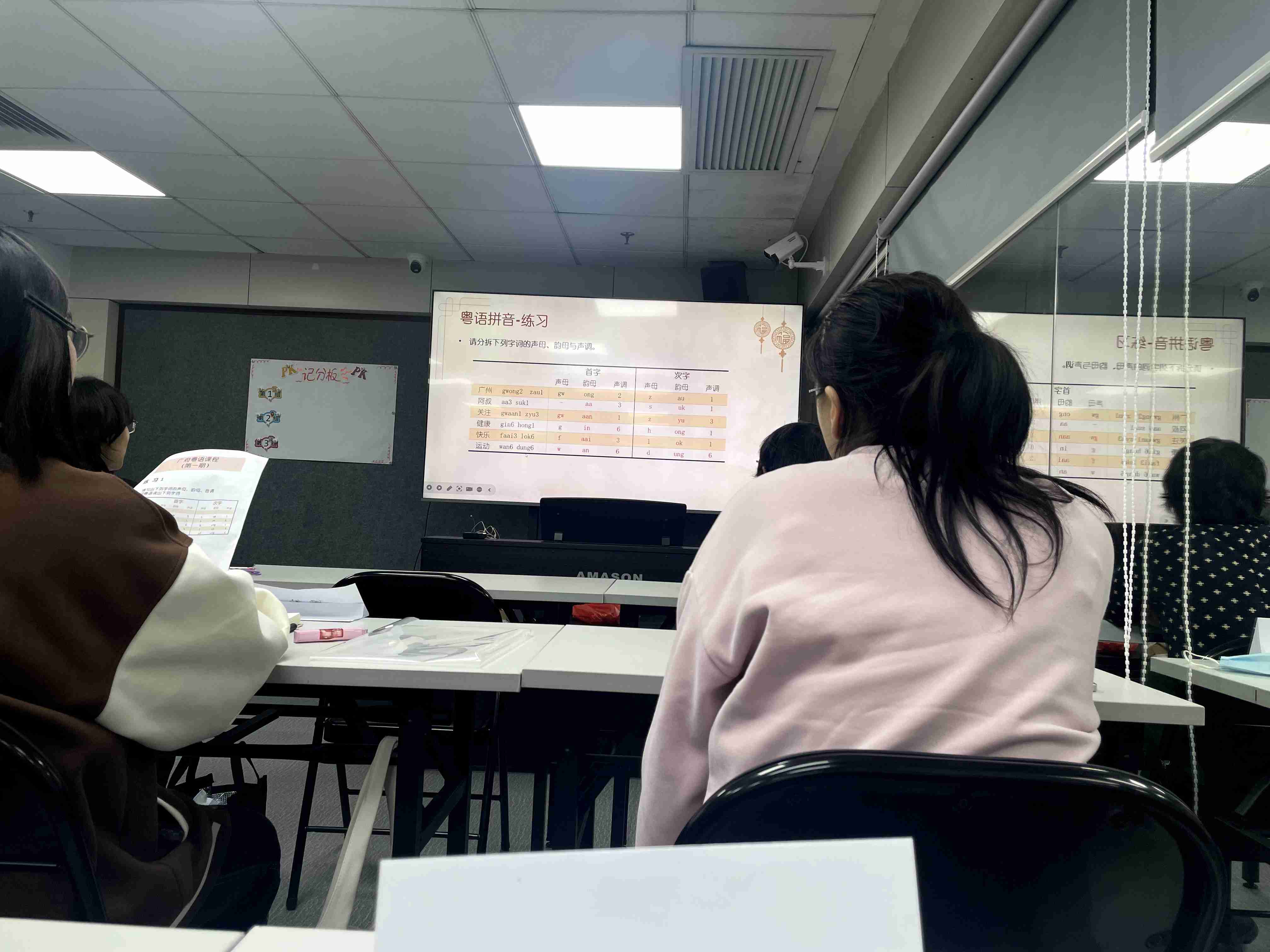
中老年娱乐方式也能很有趣。 以兴趣培训为代表的银发经济全新消费形式正在快速发展。 10月29日,在线兴趣平台兴趣岛发布《乐龄族兴趣生活方式图鉴》(下称《图鉴》),把40至70岁的群体称为"乐龄人群",调研显示,这一群体展现出以兴 趣为内核的生活新范式:他们充满活力,重视自我价值,积极拥抱数字时代与新鲜事物。 此外,年轻人和中老年人的消费并非那么泾渭分明,有的时候甚至是有机融合在一起的。在2024年,第一财经记者以消费者的身份,报名参加广东地区的某 老年大学课程。在这所老年大学里,课时总计十余次的课程,售价仅三五百元,远远低于市面上商业化的兴趣培训机构。该机构开设的不少课程中,以粤语 课为代表的课程不仅吸引了中老年群体的报名上课,还吸引了不少的年轻人参与。 LT 第11年 2 域3回 广府粤语课程 (第一阴) p 21 g SU下药手调查用电、商用、音调 博语读出下列寺网 日本 77 i 上 0 4 EJ 第一财经记者观察发现,不同类别的课程学员年龄占比会出现不同。以传统文化为主的课程,中老年学员的占比会更高。而以化妆、编程、语言为主的课 程,年轻面孔更为常见。有年轻学员向第一财经记者表示,跟中老年同学一起上课 ...
超四成首选健康管理 科学守护成新常态
Xin Jing Bao· 2025-10-29 11:23
Core Insights - The article highlights the emergence of the "Silver Age" demographic in China, with a significant increase in the elderly population, projected to reach 310 million by the end of 2024, accounting for 22% of the total population [3][4] - The shift in lifestyle among the elderly is characterized by a move towards younger, digital, and diverse living patterns, leading to the rise of the "Silver Economy" [3][4] Group 1: Demographic Trends - By 2035, the elderly population is expected to exceed 400 million, representing over 30% of the total population, indicating a transition into a severely aging society [3] - The elderly are increasingly engaging in activities such as learning, fitness, travel, and entrepreneurship, moving away from traditional retirement models [3][4] Group 2: Health Consumption Trends - The health consumption behavior of the elderly is shifting from "blind supplementation" to "scientific guardianship," with a focus on effective and practical health management [5][9] - Health management services are becoming a priority, with 41.6% of respondents favoring health management options like physical examinations and nutritional therapy [8][9] Group 3: Challenges in Health Management - Over 60% of respondents admitted to relaxing their health vigilance once their health indicators were normal, indicating a gap between knowledge and action [9][13] - The elderly require supportive guidance and actionable plans to translate health knowledge into consistent practices [13] Group 4: Market Opportunities - There is a growing demand for personalized health management services that combine scientific data and practical solutions, as evidenced by the establishment of the "Longqing Nutritionist Dietary Guardian Alliance" [19][20] - The "4816 Nutrition Therapy System" developed by Longqing shows significant improvements in managing chronic diseases, highlighting the potential for effective dietary interventions [20]

老年人也可成为火锅、披萨达人,“银发餐饮”成新风口
第一财经· 2025-10-29 10:44
Core Viewpoint - The article highlights the emergence of a "silver economy" in the dining industry, where elderly consumers are increasingly engaging in social dining experiences, such as enjoying hot pot and pizza, rather than sticking to traditional home-cooked meals [3][4]. Group 1: Dining Trends - Elderly consumers are now frequenting restaurants like Haidilao, seeking social interaction and emotional value from their dining experiences [3][4]. - Haidilao has introduced special promotions for elderly customers during the Chongyang Festival, including discounts and engaging activities to enhance their dining experience [4]. - The shift in dining preferences indicates that older adults are open to trying new foods and value social experiences, similar to younger generations [4]. Group 2: Market Opportunities - The "silver economy" is gaining attention from businesses, with a notable increase in elderly consumer spending power as the population aged 65 and above is projected to reach 220 million by 2024, accounting for 15.6% of the total population [5]. - Companies are innovating products for the elderly market, such as reduced-sugar mooncakes and health-oriented food options, reflecting the growing demand for healthier choices among older consumers [5]. - The government's "14th Five-Year Plan" emphasizes the development of the silver economy, indicating a strategic focus on addressing the needs of an aging population [5].