品牌化

Search documents
2023年跨境电商行业深度研究报告
Sou Hu Cai Jing· 2025-09-01 07:38
Core Insights - The report provides an in-depth analysis of the cross-border e-commerce industry in 2023, highlighting its growth trajectory, market dynamics, and future trends [1][2][12]. Industry Overview - Cross-border e-commerce involves transactions between different jurisdictions facilitated by e-commerce platforms, characterized by global reach and immediacy, primarily categorized into B2B, B2C, and C2C, with B2B being the dominant model [1][9]. - The industry has evolved through three phases: the nascent phase (2010-2013), the initiation phase (2014-2017), and the rapid growth phase (2018-2023), with significant policy support from the government [1][17][19]. Policy Support - Continuous government policies have been implemented to support the cross-border e-commerce sector, including tax incentives for export return goods announced in January 2023 [20][22]. Industry Chain - The industry chain consists of upstream suppliers (manufacturers, distributors, brand owners), midstream platforms (e-commerce platforms and logistics providers), and downstream consumers, with Guangdong, Zhejiang, and Jiangsu being the primary supply regions [25][30]. - In 2021, the market size for cross-border e-commerce platforms reached 1.385875 trillion yuan, while the logistics market size was 74.6 billion yuan, reflecting significant growth [30][33]. Market Dynamics - The market penetration rate increased from 2017 to 2020 but saw a slight decline in 2021 due to logistics costs and international trade frictions, stabilizing in the first half of 2022 [2][10]. - The competitive landscape exhibits a "Matthew Effect," where leading companies dominate due to brand strength and supply chain advantages, with Temu, SHEIN, and Shopee being notable players [2][10]. Future Outlook - The industry is expected to gradually recover, with trends towards branding, diversification, and refinement becoming inevitable, potentially leading to a concentration of market power among a few dominant players [2][12]. - The potential for cross-border payment and SaaS service providers is significant, and overseas warehouses are anticipated to become a core competitive advantage due to their ability to enhance logistics efficiency and reduce costs [2][12].


行业转型期交出韧性答卷!短期波动难掩福寿园(01448.HK)长期价值的成色
Ge Long Hui· 2025-09-01 01:03
Core Viewpoint - The funeral industry in China is undergoing a modernization and technological transformation, with Fushouyuan (01448.HK) experiencing a temporary decline in profits while maintaining a strong market position and strategic focus on long-term growth [1] Financial Resilience - Fushouyuan reported a net loss of 261 million RMB in the first half of 2025, but its core business remains resilient with a net profit of 198 million RMB after adjustments, showcasing strong operational capabilities [2][4] - The company’s revenue for the first half of 2025 was 611 million RMB, reflecting a decline, but the decrease in average price for operational graves by 47.5% was a strategic choice to capture market share [3][4] - Cash reserves reached 2.32 billion RMB, providing a solid financial cushion for operations and strategic investments, with a debt ratio of only 0.6% [5][6] Strategic Depth - Fushouyuan is focusing on three core strategies: branding, technology, and cultural innovation, to build long-term competitive advantages [7] - The company is actively breaking the "niche" perception of the funeral industry through public branding efforts and cross-industry collaborations [8] - Fushouyuan has embraced digital transformation, creating a comprehensive digital service system that enhances customer experience and operational efficiency [10][11] Value Reassessment - Fushouyuan has achieved top-tier ESG ratings, enhancing its brand reputation and aligning with long-term industry growth driven by demographic changes and regulatory improvements [14][15] - The company is positioned to benefit from the ongoing transformation of the funeral industry, with a projected market size exceeding 160 billion RMB by 2025 [17][18] - Fushouyuan's strategic focus on compliance and service quality positions it favorably in a market that is expected to consolidate around compliant and capable players [18]
许召元:健全发展新质生产力体制机制
Jing Ji Ri Bao· 2025-08-29 00:09
Group 1 - The development of new quality productivity is an inherent requirement and important focus for promoting high-quality development and advancing Chinese-style modernization [1] - New quality productivity is characterized by innovation, which includes technological, business model, management, and institutional innovations [1] - There is a need to establish a sound system and mechanism for developing new quality productivity, providing effective institutional guarantees for current and future reforms [1] Group 2 - Traditional industries, which are crucial for people's livelihoods, have significant potential for upgrading, and there is a need for increased policy support for the digital, intelligent, and green transformation of small and medium-sized enterprises [2] - Enhancing standards for green development and combating counterfeit products are essential for maintaining market order and fostering well-known brands [2] Group 3 - The rapid development of strategic emerging industries has been observed, with the number of high-tech manufacturing enterprises increasing from 27,000 in 2013 to 53,000 by the end of 2023, and revenue growing from 1.16 trillion yuan to 2.25 trillion yuan in the same period [3] - There are challenges such as low-level price competition and the need for market mechanisms to facilitate the exit of inefficient enterprises [3] Group 4 - Future industries require high-level planning and resource concentration to enhance disruptive innovation capabilities, with a focus on long-term funding support [4] - Specific cities have been designated for pilot projects in electric vertical takeoff and landing vehicles, allowing local governments to manage airspace below 600 meters, which will attract innovation resources and industry chains [4]
多路径出海 家居企业从“代工”向“品牌”转型
Bei Jing Shang Bao· 2025-08-28 15:06
Core Insights - The article highlights the growth of overseas revenue for several Chinese home furnishing companies, indicating a shift towards international markets as domestic growth slows down [1][3][5] Group 1: Overseas Revenue Growth - Companies like Kuka Home, Mousse, and others have reported significant increases in overseas revenue despite overall revenue declines in some cases. For instance, Kuka Home achieved 4.258 billion yuan in overseas revenue, a 9.55% increase year-on-year [3] - Mousse's overseas revenue surged by 73.97% despite a 5.76% decline in total revenue, while Jianlang Hardware and Haolaike also saw substantial overseas growth of 30.75% and 25.99% respectively [3][4] - The growth in overseas markets is attributed to global supply-demand mismatches and the rising middle class in Southeast Asia, where Chinese companies have competitive advantages in cost efficiency and supply chain integrity [3][6] Group 2: Market Saturation and Strategic Shifts - The domestic home furnishing market is becoming saturated, with growth rates slowing down. The retail scale is projected to grow from 4.36 trillion yuan in 2022 to 4.56 trillion yuan in 2024, with annual growth rates declining [5][6] - As the domestic market enters a phase of stock competition, companies are increasingly looking to international markets as a viable growth strategy [6][7] - The shift from OEM to brand export is seen as a necessary evolution for companies to enhance their market presence and consumer recognition abroad [8] Group 3: Challenges in Brand Internationalization - Chinese home furnishing brands face challenges in gaining recognition in international markets due to a history of operating primarily as OEMs, leading to low consumer awareness [8][9] - The transition to brand export requires a comprehensive strategy involving brand positioning, product adaptation, and local market engagement, which necessitates long-term planning and investment [7][9] - Companies must navigate cultural differences, channel barriers, and weak brand perception while leveraging local teams and digital channels to enhance their market entry strategies [9][10]


古镇灯饰传媒专访:宏光照明董事长黄亮竣亲述宏光照明 24 年追光路!
Sou Hu Cai Jing· 2025-08-28 11:24
Core Insights - The article highlights the journey of Hongguang Lighting from its humble beginnings to becoming a leading brand in modern lighting, emphasizing the importance of innovation and brand development in its success. Group 1: Foundational Journey - The founder, Huang Liangjun, was inspired to enter the lighting industry due to his wife's background in lighting sales and the potential he saw in Zhongshan's manufacturing capabilities [3][5] - The initial struggles included a lack of resources and market access, leading to a near failure in the first year, but perseverance and support from family helped the company pivot successfully [5][7] Group 2: Innovation and Market Leadership - A significant turning point for the company was the introduction of aluminum lighting in 2004, which addressed safety concerns associated with glass lighting and set a new trend in the industry [7][8] - The company was recognized as the "first brand of aluminum lighting," establishing a strong market position and influencing the broader industry [7][8] Group 3: Brand Development - The decision to pursue a brand-focused strategy in 2005 marked a critical shift, moving away from a relationship-based business model to one centered on product quality and service [8][11] - The company invested in research and development, collaborating with institutions and engaging in marketing efforts to enhance brand visibility and credibility [8][11] Group 4: Adapting to Market Trends - As logistics improved and competition intensified, the company transitioned from a provincial agency model to a direct supply model, allowing for better market responsiveness [12][14] - The introduction of modern lighting in 2015, leveraging existing expertise in aluminum lighting, led to significant market success and attracted new partnerships with distributors [12][14]

猫狗围攻光明顶,拼多多悄悄入“总坛”
3 6 Ke· 2025-08-26 23:37
Core Viewpoint - Pinduoduo's recent financial performance shows a significant profit increase, but the company's executives express concerns about the sustainability of this profit level, indicating potential volatility in future quarters [1][3][20] Financial Performance - In Q2, Pinduoduo reported total revenue of 1039.9 billion yuan, a year-on-year growth of 7%, which is lower than the previous quarter's 10% and significantly below last year's 86% [4] - Adjusted profit for the quarter was 327.1 billion yuan, down 5% year-on-year but exceeding market expectations of 223.9 billion yuan [4] - Operating profit for Q2 was 258 billion yuan, reflecting a 21% year-on-year decline, primarily due to increased operating costs outpacing revenue growth [4][5] Revenue Breakdown - Online marketing services and other revenues amounted to 557 billion yuan, growing 13% year-on-year, while transaction service revenue was 482.8 billion yuan, showing a minimal increase of 0.7% [5] - The decline in transaction service revenue is attributed to a reduction in commission rates for small and medium-sized merchants, which affects overall income [7][8] Business Strategy - Pinduoduo's strategy involves a "thousand billion subsidy" plan aimed at supporting merchants, which is seen as a necessary investment to enhance supply quality and foster brand development [19][20] - The company is focusing on nurturing its own brands rather than solely relying on established brands, which is viewed as a more sustainable growth path [15][19] Market Positioning - Pinduoduo's approach contrasts with that of other e-commerce platforms, as it seeks to create a unique ecosystem that supports small and medium-sized merchants while maintaining competitive pricing [17][20] - The platform's reliance on a diverse range of merchants, including many small businesses, is crucial for its revenue generation, highlighting the importance of maintaining a healthy merchant ecosystem [9][18]


神州租车承办首届中国二手车出口大会:以生态之力,让“中国二手车”走向全球
Xiao Fei Ri Bao Wang· 2025-08-26 09:37
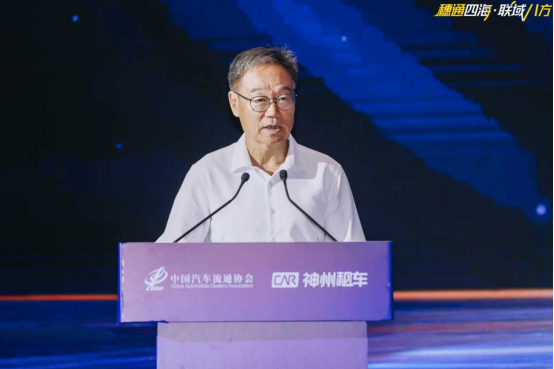
Core Insights - The 2025 China Used Car Export Ecological Conference was held in Guangzhou, focusing on the development of China's used car export industry, with participation from various stakeholders including government representatives and industry leaders [1][2] - Shenzhou Car Rental, a leading domestic car rental company, has launched its used car export services and initiated the establishment of a "Used Car Source Export Working Group" to promote a new phase of ecological, standardized, and branded development in the used car export sector [1][2][3] Industry Overview - China's used car export market is experiencing unprecedented opportunities, with export volumes surpassing 400,000 units in 2024, covering over 160 countries and regions [2] - The current period is characterized as a golden opportunity due to favorable policies and market growth, supported by a vehicle ownership of over 400 million and a mature supply chain [2] Company Initiatives - Shenzhou Car Rental has established 29 domestic used car centers and 6 overseas direct sales offices, covering 4,000 vehicles available for sale across more than 30 countries in regions such as the Middle East and Latin America [3][4] - The company emphasizes the importance of reliable vehicle sources and transparent information to enhance global competitiveness, shifting focus from price advantages to brand trust [4] Collaborative Efforts - The "Used Car Source Export Working Group" was officially launched, comprising 23 manufacturers, 7 financial leasing institutions, and various rental and distribution companies, aiming to integrate resources and enhance collaboration in the used car export sector [8][10] - The working group will focus on establishing vehicle standards, ensuring product transparency, and building a comprehensive overseas service system to support sustainable export operations [10][12]
赵崇甫:一个反常识的结论,线上“贪便宜”的消费者其实更喜欢品牌
Sou Hu Cai Jing· 2025-08-24 04:54
Core Insights - The article presents a counterintuitive conclusion that online consumers who seek bargains actually prefer branded products, highlighting the importance of brand as a decision-making simplifier in a complex market [1][4]. Group 1: Consumer Behavior - The Consumer Brand Index (CBI) developed by Peking University, Sun Yat-sen University, and Alibaba shows a steady increase from 59.42 in Q1 2023 to 65.17 in Q2 2025, indicating a 9.7% growth in consumer preference for higher quality and branded goods [3]. - Major promotional events, traditionally viewed as low-price battles, have transformed into opportunities for consumers to purchase high-quality brands at discounted prices, reflecting a shift in consumer perception [3][4]. Group 2: Market Dynamics - The rise of new domestic brands demonstrates the depth and diversity of the Chinese consumer market, as these brands leverage precise market positioning and product innovation to achieve significant growth during major sales events [4]. - The CBI fills a gap in measuring consumption quality, providing a solid basis for brand development, policy formulation, and investment decisions, indicating that the market is evolving towards a more rational and quality-focused direction [4].

为啥消费者爱买莆田鞋?从代工到模式创新,莆田鞋业这样“行天下”
Mei Ri Jing Ji Xin Wen· 2025-08-21 08:37
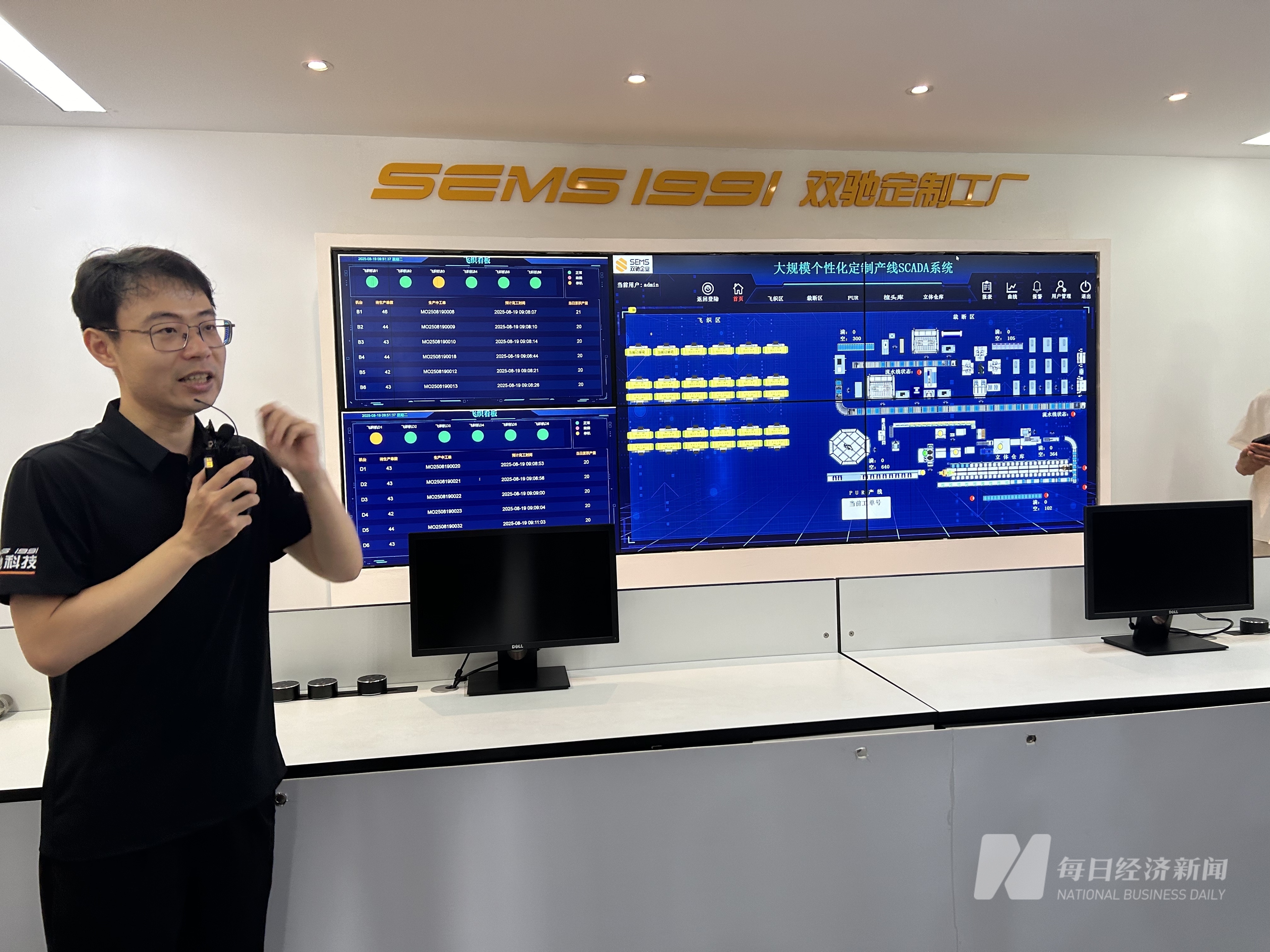
Core Insights - The article highlights the transformation of Putian's shoe industry from OEM to brand innovation and business model innovation, with a focus on the emergence of several independent brands such as "Wanmi," "Yunke," "Wote," "Yibaida," and "Haotongxue" [1] Group 1: Industry Overview - Putian produces 1.6 billion pairs of shoes annually, accounting for one-third of Fujian's output and one-tenth of the national output [1] - The city serves as a production base for global brands like Nike, Adidas, Skechers, and Puma, and has established a comprehensive industrial chain involving materials, manufacturing, trade, and logistics [4] - Putian has actively participated in setting 27 national standards, 33 industry standards, and 19 group standards for footwear [4] Group 2: Customization and Technology - Double Chai Technology offers personalized shoe customization, allowing for 3D foot measurements in just 15 seconds, with production time ranging from 2 hours to 7 days [2] - The price for customized shoes is between 500 to 1000 yuan, making it more accessible compared to traditional luxury custom shoes [2] - The company has digitized 90% of its processes and incorporates RFID chips in shoes for full-process tracking [3] Group 3: Brand Development - Brands like Wote and Wanmi are showcasing innovative products, such as carbon plate shoes that enhance comfort during prolonged use [4] - Wote was established in 1997 and has received accolades such as "China Famous Brand" in 2005 and "China Well-Known Trademark" in 2007 [5] - Wanmi holds over 200 domestic and international patents and set a record by selling a pair of shoes every 8 seconds during a promotional event [5]
为啥消费者爱买莆田鞋?从代工到模式创新,莆田鞋业这样“行天下”|活力中国调研行
Mei Ri Jing Ji Xin Wen· 2025-08-21 08:24
Core Insights - The article highlights the transformation of Putian's shoe industry from OEM (Original Equipment Manufacturer) to brand innovation and business model innovation, with a significant increase in consumer preference for Putian shoes [1] Industry Overview - Putian City produces 1.6 billion pairs of shoes annually, accounting for one-third of the province's output and one-tenth of the national output [1] - The industry has developed several proprietary brands such as "Wanmi," "Yunke," "Water," "Yibaida," and "Haotongxue" [1][8] Customization and Technology - Double Chai Technology has introduced a custom shoe system that allows for personalized shoe production within 2 hours to 7 days after 3D foot measurement, with prices ranging from 500 to 1000 yuan [5] - The company claims that the traditional shoe industry's profits are heavily eroded by inventory issues, and the custom model eliminates the need for inventory [5] - Approximately 90% of the production processes are now interconnected digitally, and shoes are equipped with RFID chips for full tracking [6] Brand Development - Putian is a manufacturing base for global brands like Nike, Adidas, Skechers, and Puma, and has established a complete industrial chain involving materials, machinery, manufacturing, trade, and logistics [8][9] - The local brands are actively developing e-commerce and cross-border e-commerce models, with notable companies like "Qingchunzhijia," "Jitu Technology," and "Xinzhiya" [9] - The "Water" brand specializes in basketball shoes and has received multiple accolades, while "Wanmi" has over 200 domestic and international patents [9]