
场景创新

Search documents
国常会:面向产业发展前沿 优先布局一批新领域新赛道场景
2 1 Shi Ji Jing Ji Bao Dao· 2025-10-31 16:41
Core Insights - The State Council of China emphasizes the importance of application scenarios as a bridge connecting technology and industry, facilitating the commercialization of new technologies and products [1] - The government aims to leverage China's large-scale market and diverse application scenarios to prioritize new fields and high-value scenarios, ensuring a complete cycle from technological breakthroughs to industrial applications [1][2] - The development of new quality productivity is crucial for transforming scientific research into market demand, with large-scale application demonstration actions being a new strategy for building a modern industrial system [2] Group 1 - The meeting led by Premier Li Qiang focuses on accelerating the cultivation of application scenarios and promoting large-scale applications of new scenarios [1] - Emphasis is placed on the need for infrastructure and platform development, alongside regulatory and policy support to foster a conducive innovation ecosystem [1] - The 2025 government work report highlights the importance of large-scale application demonstration actions for new technologies and products, particularly in emerging industries like commercial aerospace and low-altitude economy [1] Group 2 - Scene innovation is recognized as a key driver for accelerating the transformation of scientific achievements and promoting the gathering of technology, talent, and capital [2] - The focus on future industries such as future factories and future communities aims to provide platforms for validating product technology maturity and business models [2] - The establishment of scenario "sandboxes" is proposed to facilitate the application and verification of cutting-edge technologies in specific industry fields, creating demonstrable and replicable technology application scenarios [2]
国常会:面向产业发展前沿,优先布局一批新领域新赛道场景
2 1 Shi Ji Jing Ji Bao Dao· 2025-10-31 13:01
Core Viewpoint - The State Council of China emphasizes the importance of application scenarios as a bridge connecting technology and industry, aiming to accelerate the large-scale application of new technologies and products through innovative measures [1][2]. Group 1: Government Initiatives - The government plans to leverage China's vast market and diverse application scenarios to prioritize new fields and high-value scenarios, ensuring a complete cycle from technological breakthroughs to industrial applications [1]. - The 2025 government work report highlights the launch of large-scale application demonstration actions for new technologies, products, and scenarios, particularly in emerging industries like commercial aerospace and low-altitude economy [1]. Group 2: Industry Development - Scene innovation is recognized as a crucial mechanism for accelerating the transformation of scientific research into market applications, facilitating the gathering of technology, talent, and capital to promote industrial development [2]. - Advanced regions are focusing on future-oriented industries such as future factories and future communities, exploring scene resources to provide platforms for validating product technology maturity and business models [2][3]. Group 3: Application and Testing - The emphasis is on organizing forward-looking, verification-based, and experimental application scenario projects to create a "sandbox" for testing cutting-edge technologies in specific application scenarios [3]. - The goal is to develop demonstrable, experiential, and scalable technology-first application scenarios, exploring scene-driven technological innovation and industrial paradigms [3].


朱时茂重阳脱口秀燃动郎酒下沙大典 红花郎多场景续写“当红”故事
Jing Ji Guan Cha Wang· 2025-10-31 07:51
Core Viewpoint - The event highlighted the deep connection between the brand Langjiu and the Chinese cultural tradition, particularly through the celebration of the Double Ninth Festival, emphasizing the importance of honoring elders and the significance of classic memories in Chinese society [2][3]. Group 1: Brand and Cultural Significance - Langjiu was awarded the title of "Chinese Famous Liquor" in 1984, marking a significant milestone in its history and establishing its classic status [2]. - The collaboration between Langjiu and the Spring Festival Gala has lasted for 16 years, symbolizing a strong bond between the brand and a key cultural event in China [2][3]. - The brand's image as a "national brand" has been solidified through its presence in various celebratory events, including weddings and family gatherings, making it a cultural symbol in Chinese society [4][5]. Group 2: Marketing and Consumer Engagement - Langjiu has launched initiatives such as "Happiness Wedding Banquets" and "Longevity Celebrations," focusing on immersive experiences to deepen its engagement in the wedding and longevity markets [4]. - The brand's innovative approach to traditional celebrations, such as the "Longevity Feast," allows it to connect with consumers' daily lives and emotional expressions [3][5]. - By positioning itself as a key element in significant life events, Langjiu transcends the role of a mere beverage, becoming a cultural symbol that embodies happiness and tradition [5].
2025年度「焦点」产品计划重磅启动
36氪· 2025-10-30 09:42
Core Viewpoint - The article emphasizes the significance of product innovation in driving business value and enhancing user experience, particularly in the context of the WISE2025 Annual Focus Product Awards, which aims to recognize outstanding products across various sectors [2][4]. Summary by Relevant Sections Focus Areas - The awards cover a wide range of sectors including mobile phones, home appliances, new energy vehicles, digital life, healthcare, beauty and personal care, food and beverages, clothing and accessories, as well as education, enterprise services, lifestyle, creative software, and games [2][6]. Evaluation Criteria - A multi-dimensional evaluation system is employed to assess products based on their technological advancements, design, performance, and value. Each category has specific weightings for different criteria, such as: - Mobile Phones: Performance (40%), User Experience (30%), Design (20%), Value (10%) [6][7]. - Home Appliances: Performance (40%), User Experience (30%), Design (20%), Value (10%) [7]. - New Energy Vehicles: Design (30%), User Experience (30%), Sustainability (20%), Performance (20%) [7]. - Digital Life Products: Performance (30%), User Experience (20%), Design (30%), Value (20%) [7]. Participation Invitation - The article invites innovators and product creators to participate in the awards, highlighting the opportunity to showcase their work and contribute to a narrative of innovation and user experience [4][5]. Timeline for Evaluation - The evaluation process is set to begin immediately, with nominations open until November 10, 2025. The research and assessment phase will occur from November 11 to November 24, 2025, with results to be announced in late November [19].

济南|济南:工业土壤长出消费品牌新枝
Da Zhong Ri Bao· 2025-10-30 01:25
Core Insights - A new wave of consumer brands is emerging in Jinan, focusing on various sectors such as beauty, silver economy products, functional sugars, and cold chain food, driven by technological advancements and market demand [2][5]. Group 1: Company Developments - Huaxi Biological has transitioned from a B2B model supplying hyaluronic acid to a B2C model, investing 3 billion yuan to build the world's largest pilot platform, enhancing its product development capabilities and market responsiveness [4]. - Tanghe Tang Biotechnology, a subsidiary of Shengquan Group, has evolved from a 10 million yuan revenue company in 2008 to over 400 million yuan by leveraging patented technology to produce high-value functional sugars [3]. - Tangpai Group has established a comprehensive supply chain for silver economy products, offering over 3,000 types of products and creating a new consumption model with a focus on elderly care [5]. Group 2: Market Trends - The silver economy is gaining traction in China, with Tangpai Group addressing the supply-demand mismatch by launching 20-30 new products weekly domestically and 100-200 products internationally [5]. - The cold chain logistics sector is being transformed by Weierkang Group, which has expanded its cold storage capacity from 10,000 tons to 360,000 tons, establishing a nationwide distribution network [6][7].


锅圈门店数达10,761家创下历史新高:社区央厨价值显现推动高质量增长
IPO早知道· 2025-10-29 03:21
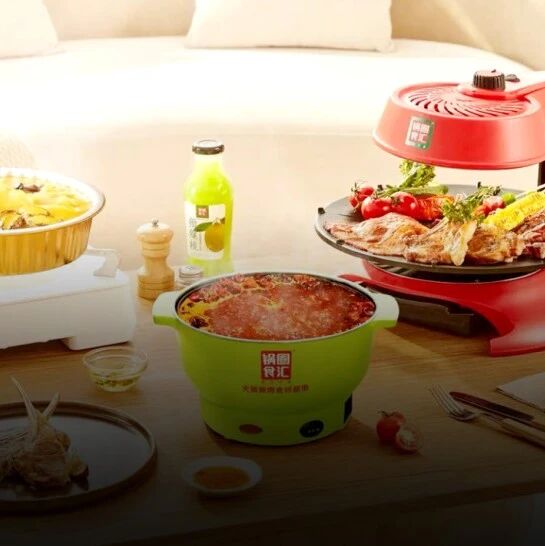
Core Viewpoint - Guoquan Food (Shanghai) Co., Ltd. has demonstrated strong growth in both revenue and profit, with significant increases in store openings and operational efficiency, indicating robust business momentum and profitability [4][6]. Revenue and Profit Growth - In Q3 2025, Guoquan expects to achieve revenue between RMB 1.85 billion and RMB 2.05 billion, representing a year-on-year growth of approximately 13.6% to 25.8% [4]. - The company anticipates core operating profit of around RMB 65 million to RMB 75 million, reflecting a year-on-year increase of approximately 44.4% to 66.7% [4]. Store Expansion and Market Strategy - Guoquan added 361 new stores in Q3 2025, a substantial increase of 98% compared to the same period in 2024, bringing the total number of stores to 10,761 [4][6]. - The company has focused on expanding in rural markets, optimizing store models and product structures to cater to local consumer preferences [6]. Product and Service Innovation - Guoquan has introduced high-cost performance products and bulk purchasing solutions for small businesses, enhancing operational efficiency through improved store layouts and integrated warehousing [6]. - The company is actively engaging in instant retail through platforms like Douyin and Meituan, launching popular meal packages that drive both online and offline sales [6]. Automation and Technology Integration - The rollout of a "24-hour unmanned retail" system allows Guoquan to serve late-night consumers while reducing labor costs, leading to increased same-store sales [7]. - The company is expanding its "community central kitchen" strategy, offering diverse meal solutions throughout the day, thus evolving consumer habits from dinner-centric to all-day dining [7]. Supply Chain and Membership Growth - Guoquan operates seven self-owned factories and has initiated the construction of a food industry park, enhancing its supply chain capabilities [8]. - As of June 30, 2025, Guoquan's registered membership reached 50.3 million, a year-on-year growth of 62.8%, with a prepaid card balance of RMB 590 million, up 37.2% [8]. Future Outlook - Guoquan plans to continue its business development focusing on "channel integration," "scene innovation," and "data-driven" strategies, with new projects like "Guoquan Stir-fry" set to launch in early 2026 [9].
新意,带来生意——餐饮业在创新中突围
Xin Hua Wang· 2025-10-22 00:39
Core Insights - The restaurant industry is facing significant challenges, with a slight year-on-year revenue growth of 0.9% in June and a 3.3% increase from January to September, amounting to 40,989 billion yuan [1] - The recent National Day and Mid-Autumn Festival holidays saw record sales for many restaurants, with a 2.7% year-on-year increase in sales for key retail and catering enterprises [1] Group 1: Consumption Trends - Innovative consumption scenarios such as live sports events and interactive experiences are enhancing product offerings and service experiences in the restaurant sector [2] - Restaurants are adopting promotional strategies, like fan packages and themed events, to attract customers during major sports events [2][3] - The integration of cultural elements into dining experiences, such as performances and themed dining, is helping restaurants regain customer interest and boost sales [4] Group 2: Operational Challenges - Many restaurants are reducing private dining spaces due to a significant drop in business banquet orders, with a reported 40% decrease since May [6] - Rising labor costs are pressuring restaurant owners to adjust their staffing strategies, with an average increase of nearly 2,000 yuan per employee per month [7] - The competitive landscape is intensifying, particularly with the rise of online food delivery services, which is impacting in-store dining [8] Group 3: Opportunities for Growth - The restaurant industry is exploring new growth avenues through digital marketing and social media engagement, with platforms like short video apps becoming crucial for customer interaction [5][11] - The trend towards transparency in food safety, such as open kitchens, is becoming a key factor in attracting customers [10][11] - The industry is encouraged to innovate by developing new dining experiences and extending operating hours to meet changing consumer demands [9][10]
成都青羊:老厂房“爆改”大旗茶馆 变身消费新地标
Sou Hu Cai Jing· 2025-10-20 12:24
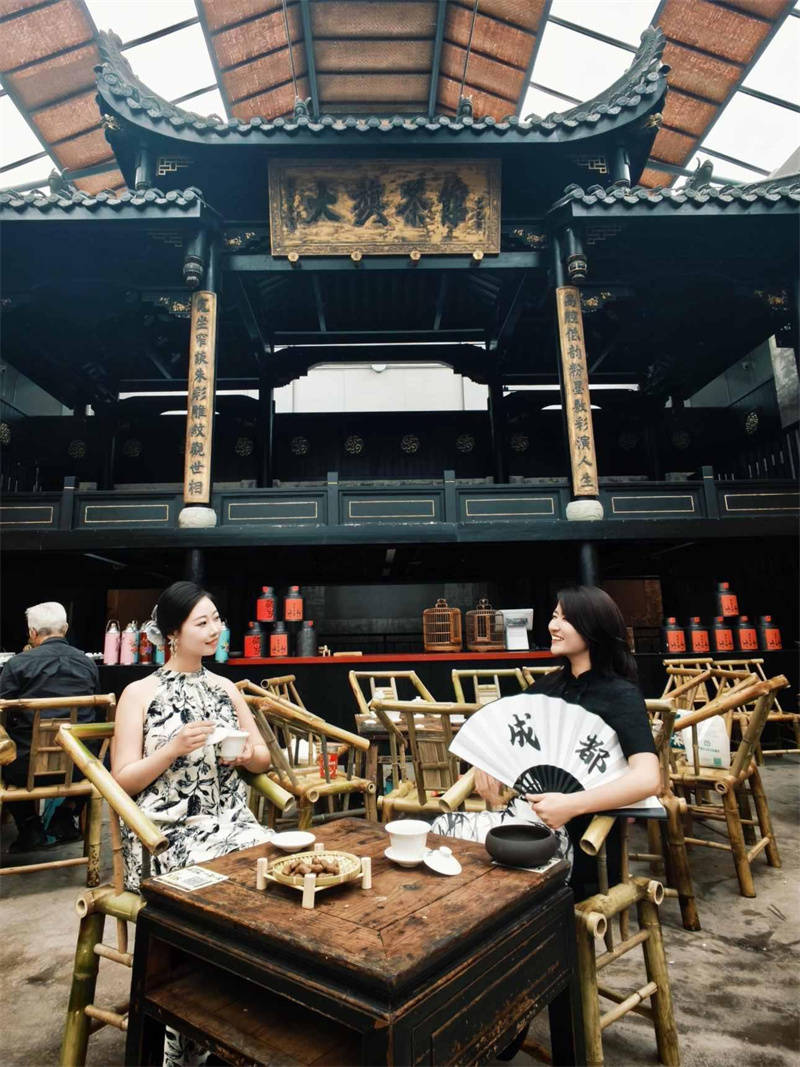
Core Insights - The transformation of Chengdu Lacquerware Factory into Daqi Teahouse revitalizes the historical site, merging traditional craftsmanship with modern cultural experiences [2][5][10] - The teahouse has quickly become a popular destination for both locals and tourists, showcasing Chengdu's lacquer art and offering a blend of tea, food, and performances [6][9][10] Summary by Sections Historical Background - Chengdu Lacquerware Factory, established in 1954, is recognized as a "Sichuan Provincial Chengdu Lacquer Art Production Protection Demonstration Base" and is known for its unique lacquer techniques [2][4] Transformation and Concept - The factory has been redesigned into a theater-style teahouse, integrating elements of lacquerware into its decor and experience, aiming to attract a diverse audience [4][5] - The renovation process took over two months, adhering to the principle of preserving the original structure while modernizing its function [4] Cultural and Culinary Experience - Daqi Teahouse combines non-material cultural heritage, teahouse culture, and culinary experiences, creating a space where different generations can enjoy [6][9] - The teahouse features affordable tea and local snacks, with a significant increase in daily visitors from 500 to over 1,000 during peak times [6][10] Economic Impact - The revitalization of the site has contributed to a surge in tourism, with Qingyang District receiving over 3.16 million visitors during the holiday period, marking a 7.15% increase year-on-year [10][13] - The integration of cultural experiences and culinary offerings is seen as a model for urban renewal and tourism development in Chengdu [14][15]
顺丰“价值深耕”进行时,数智化提效与国际认可协同,长期增长逻辑夯实
Quan Jing Wang· 2025-10-17 11:46
Core Insights - SF Holding reported a revenue of 27.007 billion yuan in September, marking an 8.78% year-on-year increase, with express logistics revenue reaching 20.854 billion yuan, up 14.21%, and a business volume of 1.504 billion parcels, a 31.81% increase year-on-year, indicating a solid operational foundation and alignment with industry recovery trends [1] Business Innovation and Digitalization - Since September, SF Holding has expanded its logistics service scenarios, launching a "luggage-free" service in collaboration with Wuxi Airport and Suzhou Tourism Bureau, offering free round-trip delivery for the first piece of luggage under 20 kg, with delivery times as fast as 1-2 hours [2] - The company opened its first service center in an indoor ski resort in Shenzhen, focusing on customized logistics solutions for snow sports enthusiasts, including equipment storage and transportation, enhancing user experience and filling a niche in specialized logistics services [2] - SF Holding's self-developed "SF Super Brain" platform integrates big data and AI algorithms for optimal logistics operations, showcasing the company's digitalization capabilities and strategic shift from internal efficiency to external industry empowerment [3] Global Supply Chain Expansion - SF Holding has strengthened its global supply chain with the opening of the "Ezhou=Chicago" route, enhancing logistics efficiency between China and the U.S. and achieving coverage of the top three U.S. cities, thereby solidifying its presence in the North American market [4] - The recent launch of a new warehouse in Singapore marks a significant transition from cross-border transport to local operations in Southeast Asia, facilitating seamless connections between maritime and air transport resources [5] - SF Holding's ESG rating was upgraded from "BBB" to "A" by MSCI, making it the first logistics company in China to achieve this rating, reflecting its commitment to sustainable development and boosting international market confidence [6]

广交会上“新”:“高新优特”占半壁江山,新产品解锁新场景
2 1 Shi Ji Jing Ji Bao Dao· 2025-10-17 04:43
Core Insights - The 138th China Import and Export Fair (Canton Fair) showcases a significant shift in focus from quantity to quality, highlighting the emergence of high-tech and specialized enterprises [1][2][4] - The fair features over 32,000 participating companies, with a record exhibition area of 1.55 million square meters and 74,600 booths, indicating a robust platform for innovation and product display [1][4] Group 1: Event Overview - The fair has attracted 3,600 new exhibitors, with an expected display of over 1 million new products developed in the past year [1] - The event serves as a core platform for companies to demonstrate their R&D capabilities and showcase products with independent intellectual property rights [1] Group 2: Industry Trends - There is a notable transition in the market from "selling more" to "selling better," with a focus on providing tailored solutions rather than just products [2][4] - The presence of over 10,000 high-tech and specialized enterprises at the fair reflects a growing emphasis on precision and innovation in manufacturing [4] Group 3: Company Highlights - Guangdong Lianxun Precision Manufacturing Co., Ltd. introduced the U7 hinge, which features a streamlined design and reduced metal exposure, attracting significant interest from international buyers [3] - Companies like Guangdong Junchi Technology Co., Ltd. are leveraging the fair to understand international market demands and enhance their product offerings [4][5] Group 4: Market Dynamics - The demand landscape is shifting from general to specific scenarios, with a growing emphasis on sample validation over mere information exchange [6] - The fragmentation and localization of global market demands are creating new opportunities for companies to adapt and innovate [5][6]