氢能

Search documents
林洋能源:公司密切关注“低空经济”与“氢能”两大国家战略交汇产生的历史性机遇
Zheng Quan Ri Bao Wang· 2025-12-29 11:40
证券日报网讯12月29日,林洋能源(601222)在互动平台回答投资者提问时表示,公司密切关注"低空 经济"与"氢能"两大国家战略交汇产生的历史性机遇。在战略层面,公司下属公司清耀新能源聚焦分布 式制氢装备、小容量制氢测试装备与工业耦合场景应用和制氢工艺撬块的研发,加速商业化落地,在氢 能技术验证与多元应用取得显著突破。同时,公司不断拓展低空产品,建设符合eVTOL运营的智慧停 机坪,短期内用定期体验飞行活动来验证低空交通和低空文旅航线;同时挖掘低空产业链中优质科创企 业和项目进行合作,开发具有更加丰富应用场景的示范类低空产业项目;通过"低空+"探索带动林洋储 能产品及新能源项目的推进方案,争取为林洋智维提供低空+新能源运维的创新示范机会。 ...

持续震荡上攻,沪指半日收涨0.31%
Sou Hu Cai Jing· 2025-12-29 05:05
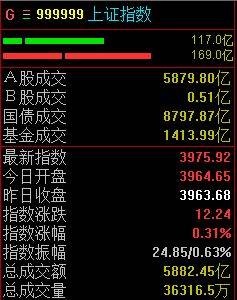
今日上午,沪指、创业板指走势分化,截至上午收盘,沪指上涨0.31%,报3975.92点;深成指上涨0.03%,报13607.39点;创业板指下跌0.32%,报3233.53 点;科创50指数上涨0.91%,报1358.01点;北证50指数上涨0.11%,报1464.70点。 | G = 999999 上证指数 | | | --- | --- | | | 117.017. | | | 169.017 | | A股成交 | 5879.80 乙 | | B 股员 | 0.51 乙 | | 国债成 | 8797.87 乙 | | 是金成交 | 1413.99 Z | | 最新指数 | 3975.92 | | | 3964.65 | | | 3963.68 | | | 12.24 | | 指数据 | 0.31% | | 振幅 | 24.85/0.63% | | | 5882.45 Z | | | 36316.57 | 资金面上,央行今日开展4823亿元7天逆回购操作,操作利率为1.4%,与此前持平。因今日有673亿元7天期逆回购到期,实现净投放4150亿元。 消息面,在《中共中央关于制定国民经济和社会发展第十五个五年规 ...

【人民日报】科学有答案 创新无止境——八位院士眼中的二〇二五
Ren Min Ri Bao· 2025-12-29 03:02
Core Insights - China's technological innovation is expanding into various fields, including quantum technology and lunar research, with significant breakthroughs expected by 2025 [4][6] - The "14th Five-Year Plan" emphasizes the importance of technology and innovation, highlighting a commitment to advancing scientific research and applications [4] - The development of deep space exploration and quantum computing is seen as crucial for China's strategic technological autonomy and future economic growth [8][17] Group 1: Deep Space Exploration - Major breakthroughs in lunar research are anticipated, including the discovery of new mineral types from samples returned by the Chang'e 6 mission, which will enhance understanding of lunar oxidation mechanisms [5] - The Tianwen-2 probe is set to conduct close-range exploration of a near-Earth asteroid, with sample return expected by the end of 2027 [5] - Future projects include the construction of a lunar research station, manned lunar missions, and exploration of Mars and Jupiter, aiming to enhance capabilities in deep space science and resource utilization [5][6] Group 2: Quantum Computing - Quantum computing is identified as a key technology for future strategic autonomy, requiring advancements in hardware and software integration [8] - China's third-generation superconducting quantum computer, "Benyuan Wukong," has been successfully deployed, participating in numerous collaborations across various sectors [9] - The development of quantum computing is likened to building a rocket, emphasizing the need for a comprehensive approach from hardware to software [8] Group 3: Brain-Computer Interfaces - Brain-computer interface technology is evolving to connect biological and machine intelligence, with advancements in decoding and encoding neural signals [10] - Clinical applications of brain-computer interfaces are emerging, with significant progress in invasive and non-invasive technologies [12] - The technology aims to redefine the boundaries of intelligence by integrating carbon-based and silicon-based systems [11] Group 4: Hydrogen Energy - Hydrogen energy is positioned as a vital component of the renewable energy revolution, complementing electricity and addressing sustainability challenges [17] - The development of hydrogen fuel cells is expanding into various sectors, including transportation and machinery, with China making significant strides in related technologies [18] - The strategic importance of hydrogen energy is underscored by its potential to facilitate a low-carbon energy transition [17] Group 5: Talent Development in Research - The cultivation of research talent is critical for supporting high-level technological independence, with a focus on aligning educational programs with national strategic needs [20] - Young researchers are increasingly prominent in key national projects, indicating a shift towards a younger demographic in scientific achievements [21] - A supportive environment for basic research is essential, requiring stable funding and a culture that encourages innovation and tolerates failure [22][23]
a股2026年十大预测
Soochow Securities· 2025-12-28 03:29
Group 1: Market Predictions - A-shares are expected to continue an upward trend, with a new volatility center established in 2026[7] - The rotation between growth and value styles will be crucial for trading success in 2026[12] - In the first half of 2026, the technology growth style is anticipated to lead, with a broadening trend in growth stocks[17] Group 2: Sector and Investment Trends - AI-related products, such as AI glasses, may replicate the growth seen in TWS earphones post-2019[25] - The "14th Five-Year Plan" will drive investment in emerging industries, including quantum technology and hydrogen energy[28] - Commodity prices are expected to reach a mid-term peak in the second quarter of 2026[31] Group 3: Economic Indicators - The Federal Reserve is projected to cut interest rates 1-2 times in the first half of 2026, then halt cuts in the second half[39] - The Producer Price Index (PPI) negative range is expected to continue narrowing, indicating potential economic recovery[42] - Risks include slower-than-expected economic recovery and geopolitical events that could impact market stability[3]
河北部署2026年发展改革七项重点任务
Xin Lang Cai Jing· 2025-12-27 21:47
Core Viewpoint - The Hebei province is focusing on seven key tasks for 2026 to ensure a strong start to the "14th Five-Year Plan" and to promote stable economic growth in the region [1][5]. Economic Performance - In 2025, the province's economic performance is expected to show steady progress, with significant strategic implementations such as reduced travel time on the Zhang-Cheng high-speed railway and the launch of the first sightseeing train in the Beijing-Tianjin-Hebei region [2]. - From January to November, fixed asset investment in Xiong'an New Area increased by 14.8% year-on-year, while overall fixed asset investment in the province grew by 6.1%, ranking third nationally [2]. - The province's private investment also saw a year-on-year increase of 7.4%, placing it third in the country [2]. Industry Development - The provincial development and reform system is supporting the exploration of new paths for characteristic industrial clusters, including the "Artificial Intelligence+" action plan, with the province's comprehensive computing power index ranking first nationally for two consecutive years [2][6]. - The logistics sector is being enhanced, with Langfang city included as a national logistics hub and Cangzhou city selected for a new round of national cold chain logistics base construction [2]. Reform and Innovation - The province is implementing 16 "small cut" measures to improve the business environment and has initiated actions to clear market access barriers [3]. - A total of 37 measures to facilitate cross-border trade have been introduced, with Shijiazhuang International Land Port designated as a central hub for China-Europe freight trains in North China [3]. Green Transition - New projects in the "two high" category are required to meet benchmark energy efficiency standards, and Zhangjiakou city has been selected as a pilot for the national ecological product value realization mechanism [3][6]. - The province is advancing green energy initiatives, including the direct connection of green electricity to key industries and the establishment of hydrogen energy pilot zones [3][6]. Social Welfare - The province is focused on improving people's livelihoods, with stable consumer prices and the completion of 20 major livelihood projects [3][6]. - New hospitals have been opened, contributing to enhanced healthcare services in the region [3]. Strategic Planning - The provincial "14th Five-Year Plan" outline has made significant progress, with various planning efforts underway [4]. - The development reform system aims to enhance policy guidance and social expectations while boosting production factor guarantees [5].
科学有答案 创新无止境(院士讲科普·年终特别报道)
Ren Min Wang· 2025-12-26 22:21
Core Insights - By 2025, China is expected to achieve significant breakthroughs in various scientific fields, including quantum technology and lunar research, contributing to the nation's technological self-reliance and innovation [3][5]. Group 1: Space Exploration - The Chang'e 6 mission is set to return samples from the moon's far side, revealing new insights into lunar oxidation mechanisms and marking a major scientific breakthrough in lunar research [4]. - The Tianwen-2 probe will conduct close-range exploration of a near-Earth asteroid, with a sample return expected by the end of 2027, indicating a shift towards long-term space exploration and resource utilization [4]. - China plans to advance its lunar research station, manned lunar missions, Mars sample return, and Jupiter system exploration, enhancing its capabilities in deep space exploration [4]. Group 2: Quantum Computing - Quantum computing is identified as a critical future technology, with China focusing on achieving full autonomy in quantum computing through the development of hardware and software systems [7]. - The third-generation superconducting quantum computer "Benyuan Wukong" has been launched, participating in numerous collaborations across key industries and achieving international cooperation in quantum computing [8]. - The development of quantum computing is likened to building a rocket, emphasizing the importance of integrating hardware and software for effective functionality [7]. Group 3: Brain-Computer Interfaces - Brain-computer interface technology is evolving to connect biological intelligence with machine intelligence, utilizing advanced decoding and encoding techniques to interpret brain signals [9]. - Clinical advancements in brain-computer interfaces are being made, with the establishment of comprehensive clinical trial centers and the initiation of global trials [11]. - The technology aims to redefine the boundaries of intelligence by merging carbon-based and silicon-based systems, enhancing cognitive capabilities [10]. Group 4: Digital Intelligence Technologies - Digital intelligence technologies, including cloud computing and artificial intelligence, are seen as essential tools for enhancing innovation across various industries [13]. - The integration of digital technologies into industrial processes is expected to significantly improve production efficiency and transform manufacturing paradigms [13]. - Open collaboration and resource sharing are highlighted as accelerators for technological advancement, contributing to global challenges [14]. Group 5: Hydrogen Energy - Hydrogen energy is recognized as a vital component of the renewable energy revolution, complementing electricity and supporting sustainable development [16]. - China has made significant progress in hydrogen fuel cell technology and is establishing a related industrial chain to enhance the role of hydrogen in the energy transition [17]. - The future of hydrogen energy will focus on tailored solutions that meet specific regional needs, ensuring its benefits for society [16]. Group 6: Research Talent Development - Universities are positioned as key players in nurturing research talent, aligning educational programs with national strategic needs [19]. - The emphasis is on practical applications of research, encouraging scientists to engage with industry and address real-world challenges [19]. - A supportive environment for young researchers is essential, promoting innovation and allowing for flexible evaluation of research outcomes [20]. Group 7: Basic Research Support - Basic research in China is gaining increased attention and funding, although it still lags behind developed countries in terms of investment [22]. - Continuous support for basic research is necessary, including funding stability and diverse investment channels to foster groundbreaking discoveries [22][23]. - A positive research culture is crucial for sustaining long-term engagement in basic research, promoting a supportive atmosphere for scientists [23]. Group 8: Science Popularization - The relationship between scientific innovation and public science education is emphasized, with efforts to enhance public understanding of science [24][25]. - Initiatives aimed at improving scientific literacy among youth are seen as foundational for future technological advancements [25][26].
科学有答案 创新无止境(院士讲科普·年终特别报道) ——八位院士眼中的二〇二五
Ren Min Ri Bao· 2025-12-26 22:15
Group 1: Technological Innovation and Achievements - In 2025, China made significant advancements in scientific research, particularly in quantum technology and lunar studies, achieving original breakthroughs [1] - The global innovation index ranked China 10th, reinforcing the foundation for high-level technological self-reliance [1] - Major breakthroughs in lunar science were achieved with the Chang'e 6 mission, revealing new lunar oxidation reaction mechanisms [2][3] Group 2: Quantum Computing Developments - Quantum computing is identified as a key future technology, with China focusing on achieving full autonomy in its development [4] - The third-generation superconducting quantum computer "Benyuan Wukong" has been launched, participating in numerous application collaborations across various sectors [4][6] - The development of quantum computing is likened to building a rocket, emphasizing the importance of both hardware and software integration [4] Group 3: Brain-Computer Interface Technology - Brain-computer interface technology is evolving to connect biological intelligence with machine intelligence, with significant clinical advancements reported in 2025 [7][9] - The technology is moving from unidirectional reading to bidirectional interaction, enhancing its potential applications [7] Group 4: Digital Intelligence and Industrial Transformation - Digital intelligence technologies, including cloud computing and AI, are seen as essential tools for enhancing innovation capabilities across industries [10][11] - The integration of digital technologies into industrial processes is expected to transform manufacturing paradigms and improve efficiency [10] Group 5: Hydrogen Energy and Renewable Resources - Hydrogen energy is recognized as a crucial component of the renewable energy revolution, complementing electricity and promoting low-carbon transitions [12][13] - China has made progress in mastering hydrogen fuel cell technologies and establishing related industrial chains [12][13] Group 6: Research Talent Development - The cultivation of research talent is emphasized as critical for supporting high-level technological self-reliance, with a focus on aligning educational programs with national strategic needs [14][15] - Young researchers are increasingly contributing to scientific advancements, with a significant proportion of key research personnel being under 45 years old [15] Group 7: Support for Basic Research - Basic research in China is receiving increased attention and support, although challenges remain in funding and stability [16][17][18] - The government is implementing reforms to enhance the support for basic research, including funding mechanisms and cultural improvements [16][17][18] Group 8: Science Popularization and Innovation - The relationship between scientific innovation and public science education is highlighted, with efforts to engage the public in scientific knowledge [19][20] - Enhancing public understanding of science is seen as foundational for fostering future research talent and innovation [19][20]
林洋能源点评:电表独木难支,光储承压,新赛道尝尝鲜
市值风云· 2025-12-25 10:37
Core Viewpoint - LinYong Energy is at a critical juncture, with its traditional smart meter business providing stable income while its solar and energy storage segments are underperforming due to industry challenges [3][4]. Group 1: Smart Meter Business - The smart meter segment remains the core profit source for LinYong Energy, contributing 63% of gross profit with a revenue of 1.43 billion yuan and a gross margin of 34.9% in the first half of 2025 [8][12]. - The company secured contracts worth 165 million yuan from the State Grid and 35 million yuan from the Inner Mongolia Power Grid, indicating steady demand amid a replacement cycle for smart meters [9]. - International sales saw a significant increase of nearly 50% year-on-year, with products sold in over 50 countries, including Saudi Arabia, Lithuania, Poland, and Indonesia [9]. Group 2: Solar and Energy Storage Business - The solar and energy storage sectors have become major liabilities, with solar power generation revenue dropping to 400 million yuan and energy storage revenue plummeting by 72% to 210 million yuan in the first half of 2025 [14][18]. - The solar power segment's gross margin has decreased significantly, with the electricity station sales revenue declining by 91% to 80 million yuan [15][20]. - The energy storage business, once a promising growth area, now faces intense price competition, resulting in a gross margin drop to 9% from 17.6% in 2024 [18]. Group 3: Financial Performance - In the first three quarters of 2025, the company reported a revenue decline of 28.9% to 3.67 billion yuan and a net profit drop of 60.6% to 360 million yuan [21][24]. - The third quarter alone saw a staggering 88.8% drop in net profit, indicating worsening profitability [26]. - Cash flow from operating activities turned negative at -310 million yuan, reflecting significant operational challenges [28]. Group 4: New Business Ventures - The company is exploring new areas such as hydrogen energy and low-altitude economy, with initiatives like establishing QingYao New Energy for hydrogen equipment and LinYong Aviation Technology for eVTOL operations [5][30]. - However, these new ventures are still in early stages and have not yet contributed to revenue, raising concerns about the sustainability of the core business while pursuing these new opportunities [34].
国内首台(套),四川氢能产业“再下一城”
Xin Lang Cai Jing· 2025-12-25 08:20
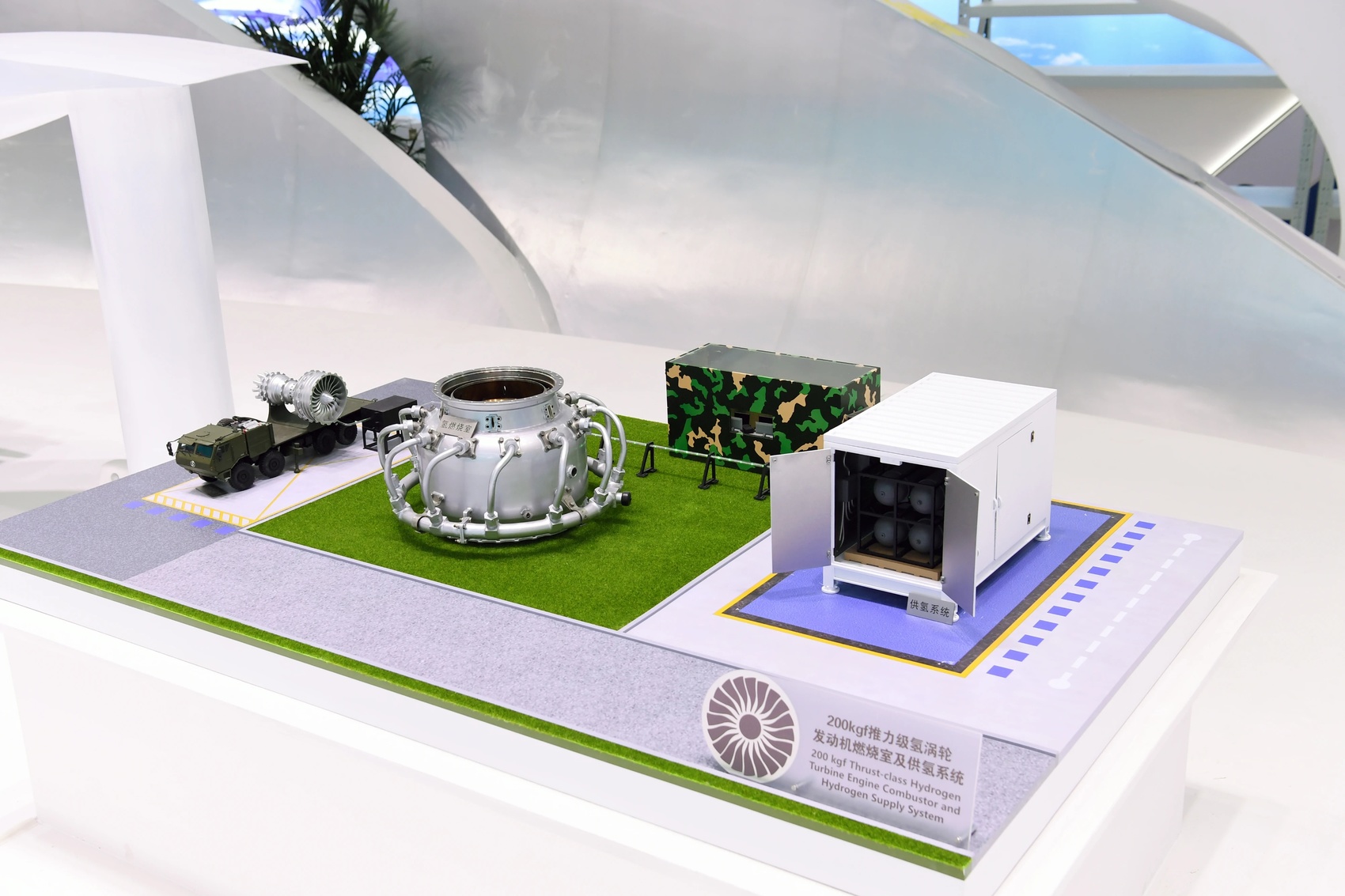
转自:川观新闻 四中全会精神在基层 党的二十届四中全会通过的"十五五"规划建议提出,前瞻布局未来产业,探索多元技术路线、典型应用场景、可行商业模式、市场监管规则,推动量子科 技、生物制造、氢能和核聚变能、脑机接口、具身智能、第六代移动通信等成为新的经济增长点。 位于C位的就是氢燃烧室。马存祥说,发动机被称为"飞机的心脏",而燃烧室是"心脏中的心脏"。"心脏"里燃烧的,过去是柴油,现在是氢气。 氢元素约占宇宙物质总量的81.75%,在地球水体中储量丰富;其燃烧热值高,是航空煤油的近3倍;其燃烧后排放物基本是水,清洁无污染。因此,氢能航 空动力是未来实现零碳排放的关键动力形式之一,全生命周期内可以实现航空业75%以上的碳减排。 但想让氢气老老实实"燃烧",却一点不容易,主要因为氢气的"暴脾气"——易燃易爆,火焰传播速度是燃油的6倍。 该如何让"桀骜不驯"的氢气乖乖听话?马存祥带着科研团队在燃烧室构造上下功夫。 烧油的飞机大家坐过,烧氢气的呢?目前这个技术难题,正在四川一点点被攻克。 2024年珠海航展,我国首台(套)氢燃料航空涡轮发动机与试验系统亮相,研发单位正是中国航发四川燃气涡轮研究院(下称"中国航发涡轮院" ...
新氢动力专场冠名 | 2025势银氢燃年会(1月6-8日,宁波)
势银能链· 2025-12-25 06:11
Core Viewpoint - The article discusses the upcoming 2025 Trend Bank Hydrogen Energy and Fuel Cell Industry Annual Conference, highlighting its focus on key industry topics and the participation of leading companies in the hydrogen energy sector [2][6]. Group 1: Conference Details - The annual conference is scheduled for January 6-8, 2026, in Ningbo, with a theme centered on exploring new policies and building cooperation platforms for the hydrogen energy industry [6]. - The event will feature over 500 participants and will include various specialized sessions and award ceremonies [6]. - Ticket prices start at RMB 2500, with early bird discounts available for registrations before December 10 [7]. Group 2: Company Highlights - New Hydrogen Power Technology Co., Ltd. is a key participant in the conference, focusing on solid-state metal hydrogen storage systems and hydrogen fuel cell engine systems for industrial vehicles [4]. - The company has achieved over 95% market share in the hydrogen energy industrial vehicle sector and has successfully commercialized its products [4][5]. - New Hydrogen Power has developed a new fuel cell application solution called "Jingwei Hydrogen Service," which utilizes solid-state metal hydrogen modules to enhance safety and operational efficiency in hydrogen energy applications [5].