
产业升级

Search documents
北京住总集团换帅
21世纪经济报道· 2025-11-10 11:55
Core Viewpoint - The leadership adjustment at Beijing Zhuzong Group aims to enhance the integration of real estate and engineering sectors, providing new momentum for the group's industrial upgrade [2]. Group 1: Leadership Changes - Zhang Suoquan has been appointed as the Party Secretary and recommended as the Chairman of Beijing Zhuzong Group, while Xie Fuhai has stepped down from leadership roles [1]. - Zhang Suoquan has a long tenure within the Beijing Construction system, overseeing investment and construction engineering [1]. Group 2: Business Integration and Strategy - Beijing Zhuzong Group has three main business segments: engineering construction, real estate, and services, which are similar to those of Beijing Construction Group [4]. - Following the merger, there have been concerns about potential competition in the real estate sector, prompting Beijing Construction Group to streamline Zhuzong Group's real estate operations [4]. - The real estate segment of Zhuzong Group is being managed by Beijing Construction Development, with plans to resolve competition issues by integrating operations [4]. - Over the past two years, Zhuzong Group has focused on reducing real estate inventory and shifting its development strategy towards urban renewal and village reconstruction [4].

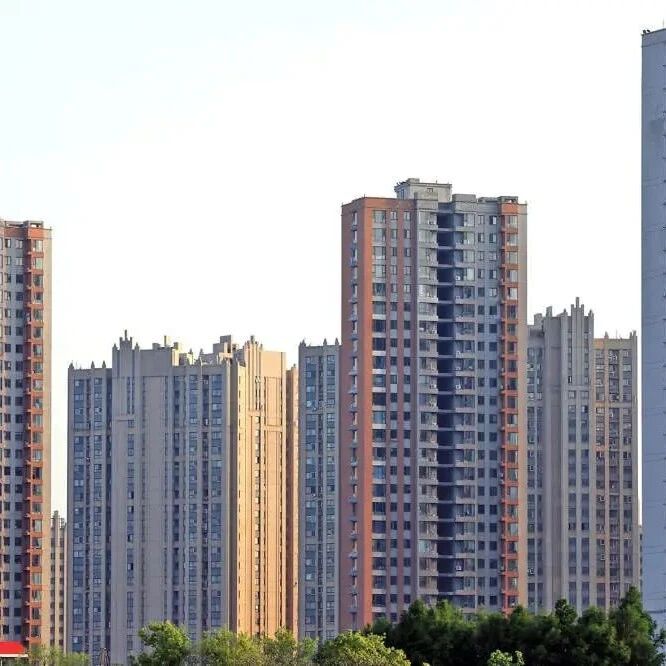
北京住总集团“换帅” 张锁全任董事长
2 1 Shi Ji Jing Ji Bao Dao· 2025-11-10 11:04
Core Viewpoint - The leadership adjustment at Beijing Zhuozong Group aims to enhance the integration of real estate and engineering sectors, aligning with the strategic goals of the 14th Five-Year Plan [4]. Group 1: Leadership Changes - Zhang Suoquan has been appointed as the Party Secretary and is recommended as the Chairman of Beijing Zhuozong Group, while Xie Fuhai has stepped down from leadership roles [1]. - Zhang Suoquan currently serves as a member of the Party Committee and Deputy General Manager of Beijing Urban Construction Group [2]. Group 2: Company Background - Beijing Zhuozong Group was established in November 1992, evolving from the Beijing Residential Construction Company founded in May 1983, and has a history of significant projects, including the 1990 Beijing Asian Games [2]. - The company holds a first-class qualification for general contracting, real estate development, construction, and overseas contracting, making it one of the earliest real estate developers in Beijing [2]. Group 3: Strategic Integration - The recent leadership change is part of a broader strategy to optimize the top-level design and promote integrated development within the group [4]. - Following the merger with Beijing Urban Construction Group, there have been concerns regarding potential competition between the real estate businesses of both entities [4]. - The real estate segment of Zhuozong Group is being managed by Urban Construction Development, with plans to streamline operations and resolve competition issues [4][5]. Group 4: Business Focus - In the past two years, Zhuozong Group has focused on reducing real estate inventory and has shifted its development strategy towards urban renewal and village reconstruction projects [5].
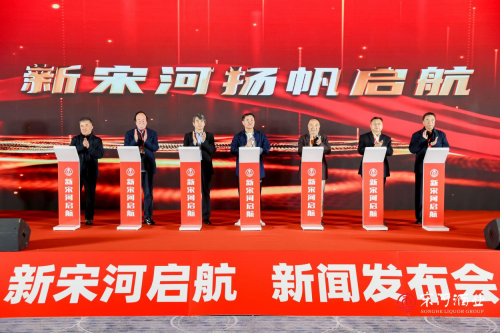
新宋河启航新闻发布会在河南郑州举行
Sou Hu Wang· 2025-11-10 10:47
Core Viewpoint - The New Songhe River launch event marks the completion of a two-year judicial restructuring, allowing the historic company to embark on a new journey from "liquor to beverage" [1][13]. Group 1: Restructuring and Support - The restructuring process was a collaborative effort between government and enterprises, highlighting the importance of local sentiment and responsibility [3][5]. - The intervention by Guoquan Industrial Group, which invested 180 million yuan to support Songhe, emphasizes the deep emotional ties local entrepreneurs have with the brand [5]. Group 2: Strategic Transformation - The new core strategy "Three Bodies in One" aims to align consumer preferences, profitability for terminals, and quality production, fundamentally changing traditional operational logic [6]. - The company is focusing on a "C-end strategy" that integrates sensory experiences to enhance consumer engagement [6][7]. Group 3: Product and Market Innovation - New Songhe has streamlined its product offerings by eliminating 438 outdated products and introducing targeted series for various consumer occasions, including the "Songhe Red Luck" series for weddings [6][10]. - The introduction of a low-cost entry-level product priced at 9.9 yuan per bottle aims to meet everyday consumer needs [6]. Group 4: Comprehensive Transformation - The company is undergoing a multi-dimensional transformation that includes product, channel, brand, and organizational changes, forming the foundation for its ten-year development plan [8][10]. - New Songhe has completed significant infrastructure upgrades and established a quality assurance system with a new aging facility [10]. Group 5: Brand Revitalization - The brand is being revitalized through extensive marketing efforts across various channels, including social media and traditional media, to re-establish its presence in the market [12]. - The introduction of a youthful brand image and partnerships with popular media figures aims to enhance brand recognition and consumer engagement [12]. Group 6: Industry Impact and Future Outlook - New Songhe's transformation serves as a valuable case study for the broader liquor industry, which is currently undergoing significant adjustments [13][15]. - The company plans to implement a ten-year development strategy, focusing on sustainable practices and consumer-centric approaches, with the first "Songhe Beverage Delivery" store set to open soon [17].
华锦股份:加快高附加值新产品开发步伐,提升企业竞争优势
Zheng Quan Shi Bao Wang· 2025-11-10 10:21
Core Viewpoint - Huajin Co., Ltd. is focusing on enhancing its competitive edge and addressing challenges in the petrochemical industry through innovation and strategic planning [1][2][3] Group 1: Business Overview - Huajin Co., Ltd. specializes in the production and sales of petrochemicals and chemical fertilizers, with key products including diesel, polypropylene resin, polyethylene resin, ABS resin, and various oils [1] - The company has strong production capabilities in both naphthenic and paraffinic base oils, supported by a robust technology innovation system that integrates research, production, and sales [1] Group 2: Challenges and Responses - The company's performance is influenced by multiple factors, including raw material prices, product sales prices, and production efficiency, with recent losses attributed to international oil price fluctuations and insufficient downstream demand in the petrochemical sector [2] - To mitigate risks from raw material price volatility, the company is optimizing procurement strategies, exploring new channels, and enhancing marketing operations [2] Group 3: Future Development Strategy - Huajin Co., Ltd. plans to focus on optimizing four key sectors, strengthening the industrial chain, and improving operational capabilities, while emphasizing high-end, green, and intelligent development [3] - The company aims to accelerate the development of high-value-added new products to enhance its competitive advantage and align with national policy directions [3]

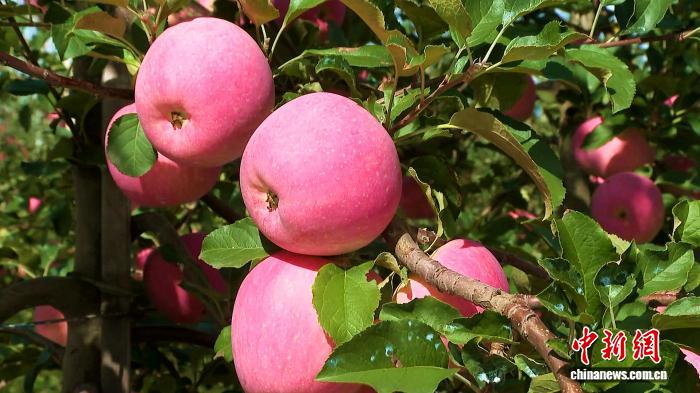
黄土高原上的“金果果” 何以“出海”又“飞天”?
Zhong Guo Xin Wen Wang· 2025-11-10 09:48
Core Viewpoint - The apple industry in Yan'an, located in the Loess Plateau, is experiencing significant transformation and growth, driven by policy support, technological advancements, and market demand, leading to a comprehensive upgrade from cultivation to sales and branding [1][3]. Group 1: Industry Development - Yan'an is recognized as the "best apple-producing area in the world" due to its favorable climate conditions, including ample sunlight and significant temperature variations [1]. - The apple industry has evolved from simple planting and harvesting to a full-chain upgrade, focusing on quality and branding [3]. - The area has implemented organic cultivation techniques and a big data traceability system to enhance soil fertility and create growth profiles for each apple [3]. Group 2: Technological Integration - Farmers in Yan'an have shifted from relying on weather conditions to utilizing technology for better yields and quality assurance [5]. - The introduction of automated sorting lines has improved efficiency and consistency in apple quality, leading to higher customer repurchase rates [7]. - The region has established a logistics alliance to enhance transportation efficiency, facilitating the export of apples to over 20 countries, including the Maldives, Indonesia, Canada, the UAE, and Singapore [5]. Group 3: Economic Impact - The total apple planting area in Yan'an has reached 3.328 million acres, making it the largest in any prefecture-level city in China [7]. - Approximately 100 million people in Yan'an are engaged in activities related to apple cultivation, processing, logistics, and sales, highlighting the industry's role as a significant source of income for the local population [7]. - The apple industry has become a vital "wealth-generating industry," contributing to the economic well-being of the community [7].
邀世界,“开垦”海南未来!海垦集团将举办2025年企业家海南自贸港峰会
Jin Tou Wang· 2025-11-10 06:59
Core Insights - The 2025 Entrepreneur Free Trade Port Summit will be held on December 5 in Haikou, Hainan Province, focusing on building a collaborative development platform to promote investment and trade for industrial upgrades and regional prosperity [1][2] - The summit aims to connect over 100 leading enterprises in agriculture, processing, logistics, marine industries, and finance, leveraging Hainan's favorable policies to inject strong momentum into high-quality development [1][2] Group 1 - The summit will feature a main forum discussing new opportunities and innovative business policies under the Hainan Free Trade Port's operational framework, as well as potential cooperation in marine economy with ASEAN countries [1][2] - Hainan Agricultural Investment Holding Group will introduce over 10 key investment promotion projects in areas such as natural rubber deep processing, modern pepper processing, high-end meat industry chains, and forest economy bases [1][2] Group 2 - Parallel forums on modern agriculture, trade and processing, and marine economy will be held, inviting leading enterprises and research institutions to discuss new trends, highlights, and achievements in industrial development [2] - The summit will include site visits to development parks such as Hainan Ecological Software Park and Haikou Comprehensive Bonded Zone, facilitating exchanges and connections among participants [2] - Hainan Agricultural Investment Holding Group aims to leverage the summit to gather construction needs from various industries, establish connections, and promote quality enterprises to thrive in the Hainan Free Trade Port [2]
四中全会精神在基层丨东北老工业基地铁西区的蝶变与新生
Xin Hua She· 2025-11-10 06:56
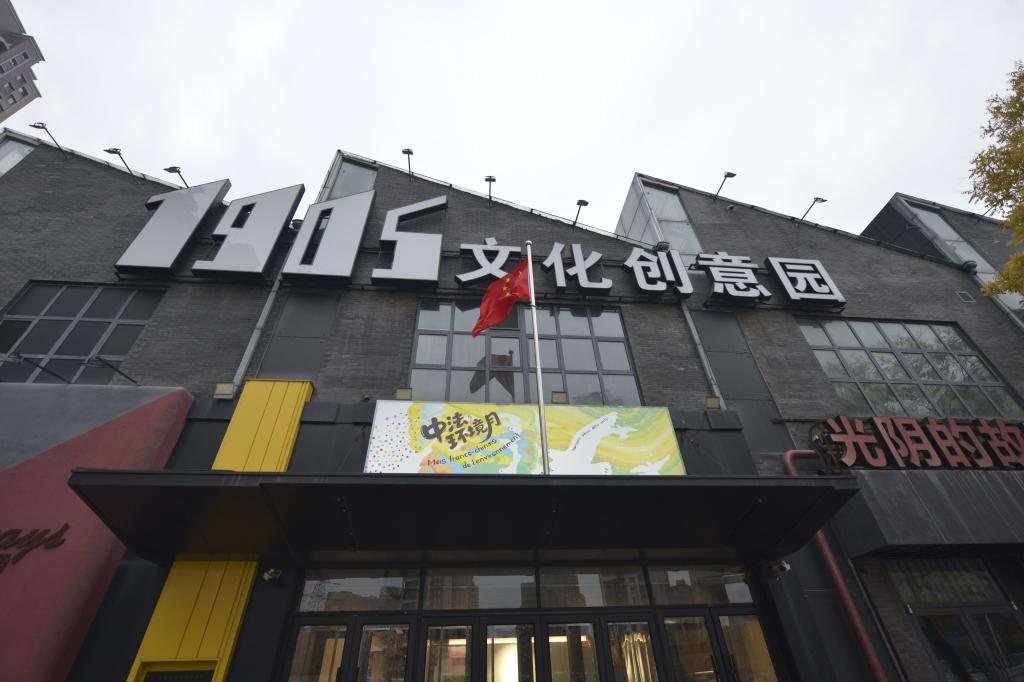
Core Insights - The transformation of the Tiexi District in Shenyang, from an industrial hub to a modern cultural and creative space, exemplifies the broader revitalization of Northeast China's old industrial bases [1][3][5] - The 1905 Cultural and Creative Park, which was repurposed from an industrial site, has become a popular destination for young people, showcasing the successful integration of historical preservation with modern lifestyle [1][4] Group 1: Industrial Transformation - Tiexi District has a rich industrial history, being home to numerous significant achievements in China's industrial development, including the first ordinary lathe and the first 500,000-volt transformer [3] - The district faced challenges such as excess workforce and debt issues in state-owned enterprises, which hindered its growth [3] - Recent reforms have focused on optimizing the business environment, enhancing service efficiency, and fostering a proactive approach to government-business interactions [3][4] Group 2: Economic Development Strategies - The district is committed to upgrading traditional industries while nurturing emerging strategic sectors, shifting from an "element-driven" to an "innovation-driven" growth model [5] - Companies like Shenyang Micro-Control Flywheel Technology Co., Ltd. are experiencing significant growth, with expected contract values reaching 3 billion yuan, five times that of the previous year [4] - The local government emphasizes the importance of integrating urban development with economic growth, enhancing public services, and attracting residents to stay in the area, with the population exceeding 1.37 million [5][6] Group 3: Future Outlook - The district aims to fully implement new development concepts and advance industrial, urban, and social development in line with national strategies for revitalizing Northeast China [6]
日本“鸡娃”大败局:挤破脑袋上好大学,毕业后批量式啃老
首席商业评论· 2025-11-10 06:51
Core Viewpoint - The article discusses the phenomenon of degree devaluation in Japan, highlighting the shift from a strong belief in the value of higher education to a situation where degrees no longer guarantee employment, particularly following the economic bubble burst in the 1990s [4][21]. Group 1: The Lost Generation - In the 1980s, Japanese society held a strong belief that graduating from university ensured a stable future, with companies offering attractive benefits to recruit graduates [6][8]. - The economic bubble burst in the 1990s led to a drastic decline in employment opportunities, with the employment rate for university graduates dropping significantly from 1992 onwards [8][11]. - Many graduates faced unemployment or underemployment, leading to a rise in the "NEET" (Not in Education, Employment, or Training) phenomenon, where young people relied on their parents for support [12][21]. Group 2: Government Response and Policy Failures - The Japanese government implemented various measures to address the employment crisis, including the "Graduate Doubling Plan" and funding for doctoral students, but these efforts did not yield the desired results [15][17]. - The increase in the number of graduates did not correspond with job availability, leading to a surplus of highly educated individuals struggling to find work [16][21]. - The introduction of labor dispatch laws in 1999 allowed for more flexible employment practices, but this resulted in a rise in non-regular employment, further exacerbating job insecurity for young people [18][20]. Group 3: Economic and Structural Issues - The article emphasizes that the root cause of the employment crisis lies in the shrinking demand for labor due to a lack of industrial innovation and economic dynamism [21][22]. - Japan's failure to adapt to new economic waves, such as the PC and mobile internet revolutions, has contributed to the stagnation of job creation and the devaluation of degrees [22][24]. - The article concludes that without significant industrial upgrades and the creation of new job opportunities, the cycle of degree devaluation and employment challenges will persist [24].

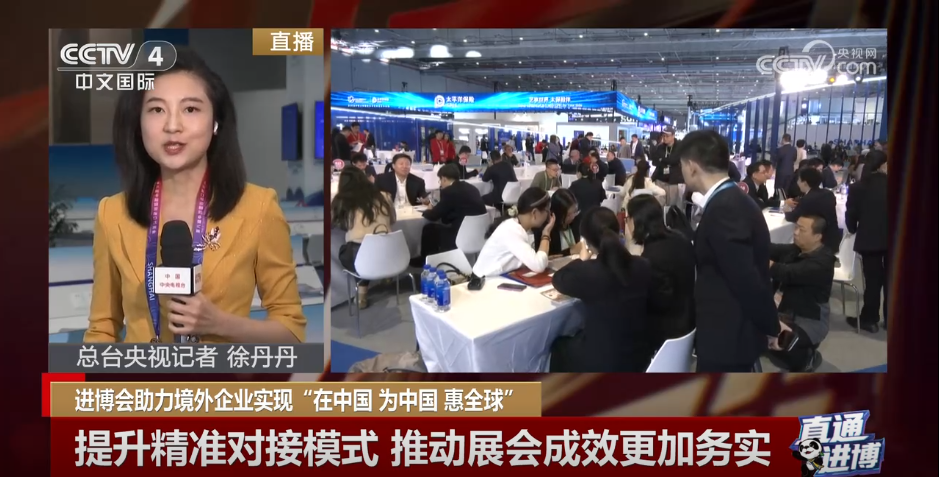
进博会点燃投资和消费双引擎 “在中国 为中国 惠全球”由愿景变成现实
Yang Shi Wang· 2025-11-10 05:53
Core Insights - The eighth China International Import Expo (CIIE) concluded on November 10, showcasing significant engagement from exhibitors and buyers, highlighting the event's practical outcomes [1] Group 1: Event Outcomes - Nearly 2000 business negotiations were held during the six-day event, with a focus on sectors such as food, agricultural products, and consumer goods [3] - A Belarusian food company representative expressed that the CIIE serves as a vital platform for business, likening it to a beautiful flower for their company [3] Group 2: Brand and Influence - The CIIE has evolved into a globally recognized brand, attracting significant attention and participation from enterprises worldwide, facilitating collaboration across the industry chain [5] - Johnson & Johnson's global senior vice president noted the CIIE's influential role in gathering global enterprises for exchange and cooperation [5] Group 3: Market Expansion - Multinational companies are leveraging the CIIE to deepen their presence in the Chinese market, with Michelin's CEO highlighting the event's role in supporting their market entry [7] - Michelin celebrated a milestone with the production of its 100 millionth passenger car tire in China, indicating the company's commitment to expanding its business in the region [7] - The CIIE has transcended its original purpose as a trade fair, becoming a powerful engine for industrial upgrades and international cooperation [7]
广西柳州商标战略赋能产业转型升级的路径
Zhong Guo Zhi Liang Xin Wen Wang· 2025-11-10 05:01
Core Viewpoint - Guangxi Liuzhou is leveraging a dual strategy of "brand building + business environment" to enhance its industrial development, with notable brands like Wuling, LiuGong, and Liuzhou snail rice noodles achieving significant brand value and recognition [1][2]. Group 1: Background and Foundation - Liuzhou is the largest industrial city in Guangxi, with a diverse industrial base including traditional sectors like automotive and steel, as well as emerging industries such as smart terminals and new energy [2]. - Many industries in Liuzhou face challenges related to low product value and weak brand influence, necessitating a transformation through trademark strategies [2]. Group 2: Significance of Trademark Strategy - Trademarks are considered "intangible assets" and competitive tools that can enhance product value, competitiveness, and accelerate industrial upgrades, crucial for transitioning from "Liuzhou manufacturing" to "Liuzhou intelligence" and "Liuzhou creation" [3]. Group 3: Conditions for Development - Liuzhou has two foundational conditions for developing its trademark strategy: influential enterprises like Wuling and LiuGong leading the charge, and strong governmental support with policies and measures in place [4]. Group 4: Implementation and Effects of Trademark Strategy - Liuzhou employs a "market-led, enterprise-driven, government-guided" model to increase both the quantity and quality of trademarks, including over 60 intellectual property training sessions during the 14th Five-Year Plan [5]. - The establishment of a national geographical indication protection demonstration zone for Liuzhou snail rice noodles has created a comprehensive industry chain standard system, generating over 750 billion yuan in industry chain value [5]. - The integration of trademarks with various industries, such as engineering machinery and cultural tourism, has led to the creation of industrial clusters and enhanced regional branding [6]. Group 5: Comprehensive Service for Enterprises - Liuzhou has built a full-cycle service network for trademark registration, utilization, protection, and management, facilitating local businesses in handling trademark applications and financing [8]. - Since the establishment of the national trademark business window in 2021, 12,000 trademark-related services have been processed, helping enterprises secure 5.27 billion yuan in financing during the 14th Five-Year Plan [8]. Group 6: Brand Protection Measures - A multi-faceted protection system has been established to combat trademark infringement, with 475 cases handled during the 14th Five-Year Plan and the establishment of a knowledge property court for expedited case resolution [9]. - Liuzhou's knowledge property protection center assists enterprises in overseas trademark inquiries and legal consultations, enhancing their willingness to expand internationally [9]. Group 7: Mechanism of Trademark Strategy Empowering Industrial Upgrade - The value of trademarks is linked to corporate innovation, encouraging investment in research and development to improve product quality and market competitiveness [10]. - Trademarks act as catalysts for integrating industrial chains and promoting high-end, intelligent transformations within the industry [10]. - The regional brand serves as a "business card" for Liuzhou's economy, attracting resources and enhancing competitiveness, while improved trademark protection fosters a fair market environment [10].