人民币国际化

Search documents
数字人民币:重构支付生态,开启智慧生活新篇章
Sou Hu Cai Jing· 2025-10-11 02:45
Core Insights - Digital RMB is reshaping China's payment ecosystem as a legal digital currency backed by state credit, combining the anonymity of cash with the efficiency of electronic payments [1] - The dual-layer operation model allows users to transfer value without binding to a bank account, enhancing convenience and security [2] - Digital RMB has penetrated various sectors, including retail, transportation, healthcare, and government services, demonstrating its versatility and efficiency [4] - The international operation center for Digital RMB is set to enhance cross-border payments, significantly reducing costs and improving transaction tracking [5] - Digital RMB represents a strategic move for China in the global digital currency competition, aiming to diversify the international monetary system [7] Group 1 - Digital RMB is a legal digital currency that combines cash anonymity with electronic payment efficiency, supported by state credit [1] - The dual-layer operation model allows for value transfer without bank account binding, facilitating offline transactions [2] - Digital RMB has been implemented in 26 pilot areas across 17 provinces, with over 70 internet platforms supporting its use [4] Group 2 - The international operation center for Digital RMB will launch in September 2025, introducing innovative cross-border payment solutions [5] - The integration with Hong Kong's rapid payment system has reduced cross-border remittance costs by 40% [5] - Digital RMB aims to create a safer, more efficient financial ecosystem while addressing global digital currency competition [7]



跨境债券专辑丨点心债助力离岸人民币市场稳步发展
Xin Lang Cai Jing· 2025-10-10 23:03
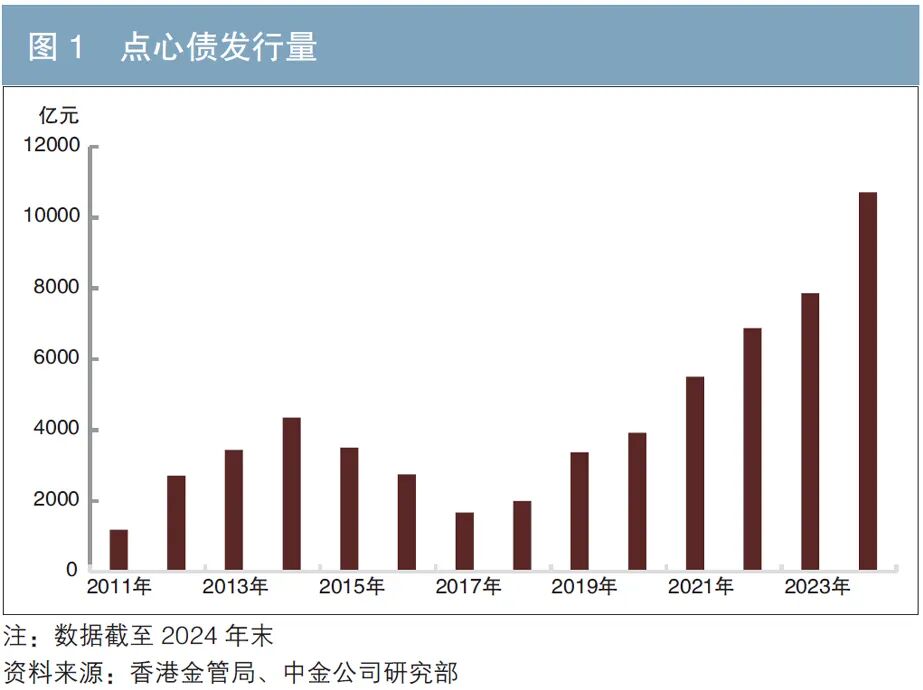
Core Viewpoint - The development of the dim sum bond market has been steady, driven by policies promoting financial market openness and the internationalization of the RMB, with significant growth in issuance and market size observed since 2021 [1][8]. Dim Sum Bond Development History - The dim sum bond market began in 2007, initially dominated by Chinese policy banks and commercial banks, with the first issuance occurring in June 2007 [5]. - From 2010 to 2014, the market experienced rapid growth, with a 27% increase in issuance volume in 2014, reaching 434.7 billion RMB [6]. - The period from 2015 to 2017 saw a slowdown in growth due to economic challenges and currency depreciation, leading to decreased attractiveness of dim sum bonds [7]. - Since 2018, the market has expanded again, with the introduction of the Bond Southbound Connect in September 2021 facilitating foreign investment in Hong Kong's bond market [7][10]. RMB Internationalization Process - The growth of the dim sum bond market is closely linked to China's financial market opening policies and infrastructure improvements, allowing for more diverse participation from domestic investors [8][9]. - The Qualified Domestic Institutional Investor (QDII) system initiated in 2006 has enabled domestic institutions to invest in offshore fixed-income products, including dim sum bonds [9]. - The Southbound Bond Connect has further enhanced access for domestic investors to offshore bonds, promoting market development [10]. Role of Dim Sum Bonds in Offshore RMB Market - Dim sum bonds play a crucial role in creating an effective offshore RMB financing loop, enhancing the RMB's functions as a medium of exchange and store of value [11]. - The issuance of dim sum bonds by the Ministry of Finance has increased, attracting more foreign investors and enhancing the RMB's status as a reserve currency [12]. - The market has diversified, with a growing number of issuers and an increasing presence of foreign sovereign funds and ESG-focused investors [17]. Investment and Trading Value of Dim Sum Bonds - The dim sum bond market is expected to continue growing, with its trading value increasing due to its relative advantages in risk diversification and currency stability [14][15]. - The market has seen a rise in secondary liquidity, with trading volumes significantly increasing since 2022, indicating a more active market [18]. - The Ministry of Finance's increased issuance of offshore RMB bonds has created a demonstration effect, attracting more participants to the offshore market [14][16]. Recommendations for Market Expansion - To further enhance the dim sum bond market, it is recommended to simplify issuance procedures, lower barriers, and improve regulatory frameworks [20]. - Expanding the Southbound Bond Connect to include more long-term funds and increasing QDII quotas could attract a broader range of investors [21]. - Developing a more diverse market structure, including the issuance of sovereign bonds from other countries in RMB, could stimulate international investment [21].
莫迪最担心的局势爆发,俄方推行人民币结算石油,美元面临挑战
Sou Hu Cai Jing· 2025-10-10 21:10
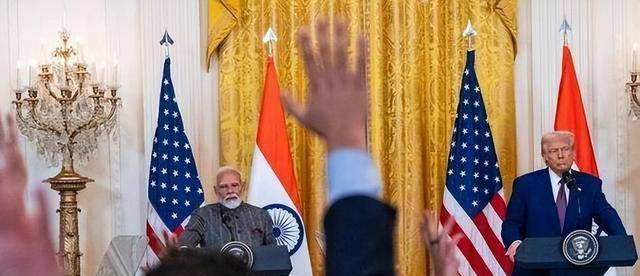
2025年10月7日,天还没亮,印度的能源圈炸开锅,俄方发来一纸"新规":以后想买他们的油,得掏出 人民币,美元和卢比都不认——再说一次,美元也不认,印度这边有人当场摔了茶杯,玻璃碴子扎进指 缝,没时间管疼,电话一通一通打给新德里,气氛像极了中午断网。 有人说莫迪早该想到,俄乌打了这么久,西边制裁一拨接一拨,俄国的美元储备直接被西方锁死在银行 账户里,三千亿美元,一夜之间变成数字,谁不慌?俄国人能不琢磨新法子?他们先试过阿联酋的迪拉 姆,绕了一圈发现还是不靠谱,折腾得手忙脚乱,最后盯上人民币,发现好用——流通快,能换卢布, 还不怕被西边查水表。 有人问,印度为啥要急?油价,油价呀,账单上一年省的170亿美刀,能救多少工厂?俄油每桶比沙特 便宜十刀,比美油还低五六刀,谁不心动?更别说那点小算盘——印度把便宜原油买来,炼成成品油, 高价甩给欧洲,赚得盆满钵满,连孟买港的蚂蚁都知道这生意香。 但现在油源还在,结算方式突然变了,人民币从哪来?"我们能不能直接印点?"有人开玩笑,坐在椅子 上摇着笔,"只能多卖点铁矿砂给中国了。"查数据,2025年前三季度印度卖出三千多万吨铁矿砂,换了 两百八十亿人民币,这还不够买油用, ...
汇丰集团行政总裁艾桥智:对香港经济前景抱有坚定信心
Xin Hua Wang· 2025-10-10 20:27
Group 1 - HSBC Group's CEO expresses strong confidence in Hong Kong's economic prospects, highlighting it as a key market for growth and returns [1] - Hong Kong serves as a crucial "super connector" for wealth management, providing access to the mainland and international markets [1][2] - The city is expected to become the world's largest cross-border wealth management center by 2030, with HSBC adding approximately 100,000 new customers monthly over the past two years [1] Group 2 - Hong Kong ranks third globally and first in the Asia-Pacific region in the latest Global Financial Centres Index, with a narrowing gap to New York and London [2] - The city benefits from a time zone advantage, facilitating operations between Asia and the Middle East, and has a long-standing history as a mature financial center [2] - HSBC views Hong Kong as an important "international connector," leveraging its global network to support business and investment connections [2] Group 3 - There has been a significant increase in new listings on the Hong Kong Stock Exchange, with 69 new companies listed in the first nine months of the year, a 53% increase from the previous year [3] - The current momentum in listings is expected to continue for the next 12 months or longer, reinforcing Hong Kong's attractiveness as a global financial center [3]

打破美元霸权?俄罗斯对印度提要求,石油贸易只收人民币
Sou Hu Cai Jing· 2025-10-10 11:26
Group 1 - Russian oil traders have demanded that Indian state-owned refineries conduct transactions exclusively in RMB, indicating a shift away from accepting Indian Rupees [2][8] - The inability of the Indian Rupee to be recognized internationally limits its utility, as it cannot be easily exchanged for goods from other countries [4][6] - India's reliance on imports for many domestic goods undermines the credibility of the Rupee, leading to a lack of demand for it globally [6][8] Group 2 - The current geopolitical landscape has forced India to seek closer ties with Russia, especially after deteriorating relations with the US due to trade disputes [6][8] - Russia is leveraging India's dependence on its oil by requiring India to find its own sources of RMB for transactions, reflecting the changing dynamics in international trade [8][10] - The decline of US dollar dominance is evident as countries look for alternatives, with the RMB gaining traction due to China's strong production capabilities [8][15] Group 3 - The historical context shows that countries like Brazil had to rely on the US dollar due to a lack of alternatives, highlighting the impact of military power on currency dominance [11] - China's rise as a manufacturing powerhouse has allowed it to push for the internationalization of the RMB, reducing reliance on the US dollar [13][15] - The ultimate goal for China is to increase the RMB's share in global reserves to surpass that of the US dollar, marking a significant shift in global economic power [15]
美元布局紧急生变!中国拒绝“援助”买家离场,45万亿资产陷困局
Sou Hu Cai Jing· 2025-10-10 08:51
Group 1 - The U.S. national debt has surged from $16 trillion in 2013 to over $32 trillion, with interest payments projected to reach nearly $1 trillion in 2024, indicating unsustainable fiscal policies [2][4] - The debt-to-GDP ratio is approaching 130%, which is considered high among developed countries, raising concerns among economists about long-term sustainability [4] - Foreign ownership of U.S. debt has decreased, with China reducing its holdings to $730.7 billion, the lowest since 2008, as geopolitical tensions and currency diversification strategies take precedence [4][6] Group 2 - The overall foreign ownership of U.S. debt has dropped from a peak of 30% to around 23%, with significant reductions from various foreign investors, including the Cayman Islands and European tax havens [7] - U.S. domestic institutions hold over $20 trillion in debt, but this internal transfer does not alleviate the burden of interest payments, which are projected to reach $230.6 billion in 2024 [7][9] - The U.S. housing market is under pressure, with a total housing market value exceeding $55.1 trillion, but new home sales are declining due to high mortgage rates, which remain elevated compared to pre-pandemic levels [9][11] Group 3 - The collapse of Silicon Valley Bank (SVB) in March 2023 highlighted vulnerabilities in the banking system, leading to tighter credit conditions and impacting the real estate sector [11][13] - Economic indicators show a mixed picture for the U.S., with a GDP contraction of 0.5% in Q1 2025, followed by a rebound of 3.8% in Q2, but persistent inflation and high unemployment rates remain concerns [13][15] - The IMF projects global growth at 2.8%, with emerging markets, particularly China, expected to drive a significant portion of this growth, while the U.S. faces challenges from high debt and low growth [15][17] Group 4 - The trend of decoupling from the U.S. dollar is evident, with countries reassessing their investments in U.S. assets, leading to a potential restructuring of global supply chains [17] - The overall investment climate in the U.S. is weakening, with forecasts indicating that the economic recovery may not be sustainable, and inflation pressures continue to pose risks [17]
俄罗斯只收人民币,印度爽快答应,多国力撑人民币,挑战美国核心
Sou Hu Cai Jing· 2025-10-10 05:32
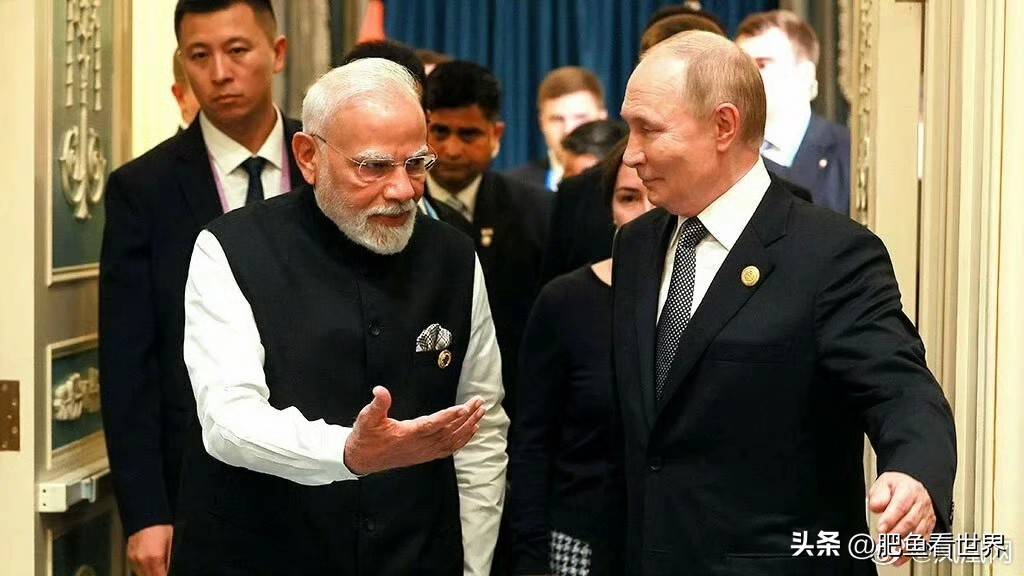
这并不算意外,关键是印度竟然也答应了。印度的石油公司已经用人民币结算了几笔订单,这让很多人感到有些惊讶。 在俄印石油贸易中,印度扮演着"买方大户"的角色。俄油对俄罗斯来说的确是一项紧急生意,因为除了中国和印度,几乎没有其他国家愿意直接 从俄罗斯买油。印度还怀着雄心,希望把卢比推向国际市场。此前在与俄罗斯的交易中,卢比用过一段时间,但由于在实际结算中几乎没有作 用,后来也就放弃。 另外,阿联酋迪拉姆的稳定性较差,波动大、流通性不足,美元也不能直接用来结算,给俄罗斯带来压力。因此,俄罗斯转而寻求人民币作为国 际结算货币。印度买家在这件事上并没有犹豫,直接与俄方达成共识,选择以人民币结算石油。 看起来好像不可思议,但其实早有布局。尽管人民币在全球通过SWIFT结算的份额在下降,使用中国的CIPS(人民币跨境支付系统)结算人民币 的人数和金额却在增加,货物贸易用人民币在国际上并非新鲜事。 据路透社10月8日的报道,俄罗斯的石油出口企业已经要求印度公司以人民币来结算。以前他们允许用美元、迪拉姆和人民币三种方式结算,但现 在改成只收人民币。 过去印度不愿意使用人民币,原因之一是中印关系并不太友好—but 随着两国关系的改 ...
中国3.3万亿外汇储备的战略价值
Jing Ji Guan Cha Wang· 2025-10-10 05:07
Core Insights - China's foreign exchange reserves reached $3.3222 trillion by the end of August 2025, marking an increase of $29.9 billion from the end of July, with a growth rate of 0.91% [3][4] - The People's Bank of China has increased its gold reserves for 11 consecutive months, reaching 7.406 million ounces (approximately 2305 tons) by the end of September [3][5] Foreign Exchange Reserves - The foreign exchange reserves have shown a consistent growth trend in 2025, with only one month (July) experiencing a decline of $25.2 billion [3] - The increase in reserves is attributed to macroeconomic data, monetary policy expectations, and a slight fluctuation in the US dollar index, which remained stable around 97.8 in September [4][5] Gold Reserves - The continuous increase in gold reserves is a strategic move to diversify reserve assets and reduce reliance on a single currency, thereby mitigating exchange rate and credit risks [5][6] - The rise in gold reserves supports the internationalization of the Renminbi, as a strong currency is often backed by substantial gold reserves [5][6] Market Context - The global economic uncertainty has highlighted the strategic value of China's $3.3 trillion foreign exchange reserves as a buffer against external risks [5] - The shift in central banks' reserve strategies from US dollar bonds to gold and other physical assets indicates a significant global rebalancing [6] Future Outlook - The stable growth of foreign exchange reserves and the ongoing accumulation of gold are expected to provide a solid foundation for maintaining financial stability amid external shocks [6] - The foreign exchange management department plans to enhance the management mechanism to ensure market stability in the face of complex external environments [6]
中国暂停澳矿的背后,很多人都想简单了,邀俄罗斯入局只是第一步
Sou Hu Cai Jing· 2025-10-10 04:14
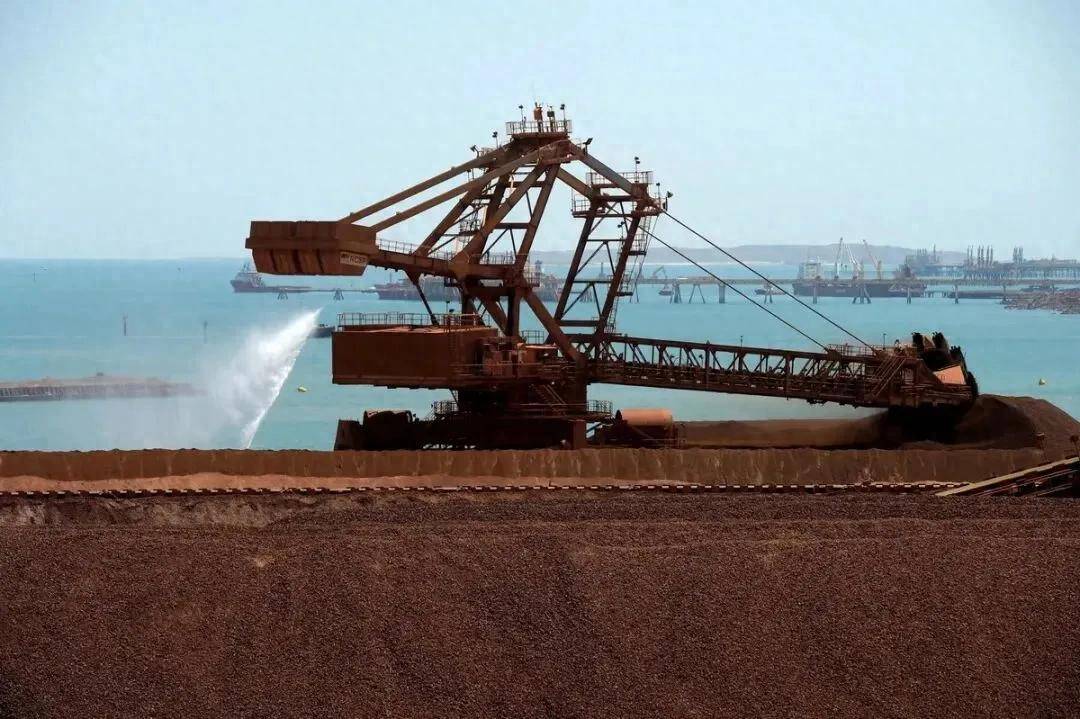
最近有媒体报道称,由于价格争议,中国暂停了从澳大利亚矿业巨头必和必拓进口铁矿石。几乎在同一时间,北京成立了"中国矿产资源集团",旨在整合进 口采购权,从而在铁矿石的谈判中获得更大的主动权。 更引人关注的是,中国不仅要求澳大利亚降低价格,还提出了一个大胆的请求——希望使用人民币进行结算。 铁矿石是中国生产钢铁的关键原料,而过去60%的铁矿石依赖于澳大利亚供应。由于供应过于集中,澳大利亚在铁矿石定价上占据主导地位。中国钢铁企业 不仅面临较高的成本,还常因"产能过剩"而受到西方国家的批评。数据显示,2024年中国四大最赚钱的钢铁企业——宝钢、中信特钢、南钢和华菱钢铁,它 们的净利润总和还不及日本的制铁企业一家。 因此,如何降低铁矿石进口成本,已经成为中国钢铁行业亟待解决的问题。 不过,这次中国的目标不仅仅是降低矿石价格,背后有更深层的战略布局,那就是推动人民币在大宗商品交易中的使用。而实现这一目标的关键之一,正是 俄罗斯。 更重要的是,俄罗斯的铁矿石可以用人民币结算。过去几十年,全球铁矿石贸易有三条"铁律":以美元计价、离岸交易、以及按照普氏指数定价。中国要进 口铁矿石,必须先兑换美元,再根据西方设定的价格进行购买 ...

大快人心!中国发起冷酷复仇,全球紧盯这张最后通牒
Sou Hu Cai Jing· 2025-10-10 04:08
Core Viewpoint - The request from China's mineral resources group for domestic buyers to halt dollar settlements for BHP's iron ore and switch to renminbi reflects significant geopolitical and economic shifts, indicating a transformation in the global order [1] Group 1: China's Iron Ore Imports and Strategy - China imports over 1.1 billion tons of iron ore annually, with more than 60% sourced from Australia, making it the largest iron ore importer globally [3] - The West African Simandou iron ore project, which China plans to start production in November, is expected to yield 12 million tons annually, providing China with leverage in international negotiations [3] - China's strategic intent extends beyond price reduction to gaining a dominant position in the global settlement system, particularly in currency settlements [3] Group 2: Impact of Brazil's Shift to Renminbi - Following the election of leftist leader Lula in Brazil, over 40% of iron ore and soybean transactions with China are now settled in renminbi, significantly enhancing the currency's role in international commodity trading [4] - Brazil's acceptance of renminbi settlements is expected to influence the Simandou project, further pressuring BHP to adapt to changing global trade dynamics [4] Group 3: China's Centralized Purchasing Power - The establishment of the China Mineral Resources Group in 2022 has consolidated iron ore import demands, allowing for unified negotiations and reducing the historical premium paid by Chinese steelmakers [6] - This consolidation has empowered China to demand BHP to change its settlement currency, marking a shift in negotiation power [6] Group 4: Geopolitical Context - Australia's reliance on the U.S. for security is increasingly questioned, especially in light of U.S. President Trump's comments on reviewing security agreements, prompting Australia to reassess its geopolitical stance [6] - China's naval activities in the region have heightened Australia's sensitivity to China's rise, placing it in a complex geopolitical position [6] Group 5: Future Implications for Global Trade - The likelihood of BHP accepting renminbi settlements is reported to be 75%, indicating a growing influence of China in the international monetary system [7] - As renminbi usage in global trade increases, the dominance of the U.S. dollar is threatened, with potential shifts in settlements for oil, gas, and other commodities to renminbi [7] Group 6: Australia's Dilemma - Australia faces a critical choice between aligning with the U.S. or adapting to China's growing influence, with commercial and geopolitical pressures shaping its decision [8]