
全国统一大市场

Search documents
智通港股解盘 关税落地破坏全球供应链 观察非农数据是否有惊喜
Jin Rong Jie· 2025-08-01 13:31
Market Overview - The market sentiment for August is pessimistic, with the Hang Seng Index closing down 1.07% [1] - The U.S. has finalized tariffs on various countries, with rates ranging from 10% to 41%, impacting global trade dynamics [1][2] Tariff Implications - The average tariff rate in the U.S. is expected to rise to 15.2%, significantly higher than previous levels, which may disrupt global supply chains [2] - Japan and Thailand are facing substantial impacts on their agricultural sectors due to increased U.S. tariffs on rice [2] Pharmaceutical Sector - U.S. President Trump has threatened 17 pharmaceutical companies to lower drug prices by September 29, leading to significant stock declines for major firms [2] - Hong Kong-listed pharmaceutical companies also experienced declines, reflecting the broader market impact [2] Hong Kong Market Developments - The implementation of stablecoins in Hong Kong has seen limited licensing, resulting in a drop in related stocks [3] - Major companies like Meituan and JD.com are advocating for healthy competition in the market to stabilize prices and avoid excessive cash burn [4] Economic Policies and Consumer Growth - The National Development and Reform Commission (NDRC) is focusing on expanding consumer spending and reducing consumption restrictions [5] - Companies in the private aviation sector are seeing price increases, indicating a shift towards high-end consumer goods [5] Logistics and Market Trends - The construction of a unified national market is progressing, with logistics companies like Zhongtong Express and YTO Express seeing stock increases [6] - Individual stocks are showing varied performance, with InnoCare Pharma experiencing a significant rise due to its inclusion in NVIDIA's supplier list [6] Private Equity and Market Movements - Daxin City announced plans for privatization, leading to a substantial stock price increase [6] - Nine Dragons Paper has signed a significant project in Chongqing, indicating growth in the paper packaging sector [6] Traditional Chinese Medicine (TCM) Regulations - New regulations require all TCM products to label expiration dates, promoting safer practices in the industry [8] - The development plan for the Hengqin-Macao cooperation zone aims to enhance TCM's presence in international markets [8][9] Company Highlights - Goldwind Technology has secured significant contracts, indicating strong market competitiveness and growth potential [10] - The company reported a 35.72% increase in revenue and a 70.84% increase in net profit for Q1 2025 [10] - Goldwind's international business is expanding, with a substantial order backlog and a focus on offshore wind projects [11]
智通港股解盘 | 关税落地破坏全球供应链 观察非农数据是否有惊喜
Zhi Tong Cai Jing· 2025-08-01 13:04
Market Overview - The market sentiment for August is pessimistic, with the Hang Seng Index closing down 1.07% [1] - The U.S. has finalized tariffs on various countries, with rates ranging from 10% to 41%, impacting global trade dynamics [1][2] - Canada faces a tariff increase to 35% on certain goods, leading to potential retaliatory measures [1] Economic Impact - The average tariff rate in the U.S. is expected to rise to 15.2%, significantly higher than previous levels, which may disrupt global supply chains [2] - Japan and Thailand are experiencing substantial impacts on their agricultural sectors due to U.S. tariffs on rice [2] Pharmaceutical Sector - U.S. President Trump has threatened 17 pharmaceutical companies with price reductions by September 29, causing significant stock declines in major firms [2] - Hong Kong-listed pharmaceutical companies also faced declines, reflecting the broader market impact [2] Industry Developments - The Hong Kong stablecoin initiative has seen limited licensing, affecting related stocks negatively [3] - The Chinese government is promoting consumption and service sectors, with companies like Xirui and Legend Holdings benefiting from this trend [5] Regulatory Changes - New regulations in the Chinese traditional medicine sector require all herbal products to have clear expiration dates, promoting safer practices [8] - The establishment of a unified national market in China is progressing, with logistics companies like Zhongtong Express seeing stock increases [6] Company Highlights - Goldwind Technology has secured significant contracts, indicating strong market competitiveness and a robust order backlog [10] - The company reported a 35.72% increase in revenue and a 70.84% increase in net profit for Q1 2025, driven by international expansion [10][11] - Goldwind's international business has grown, with a substantial share of orders coming from overseas markets [11]
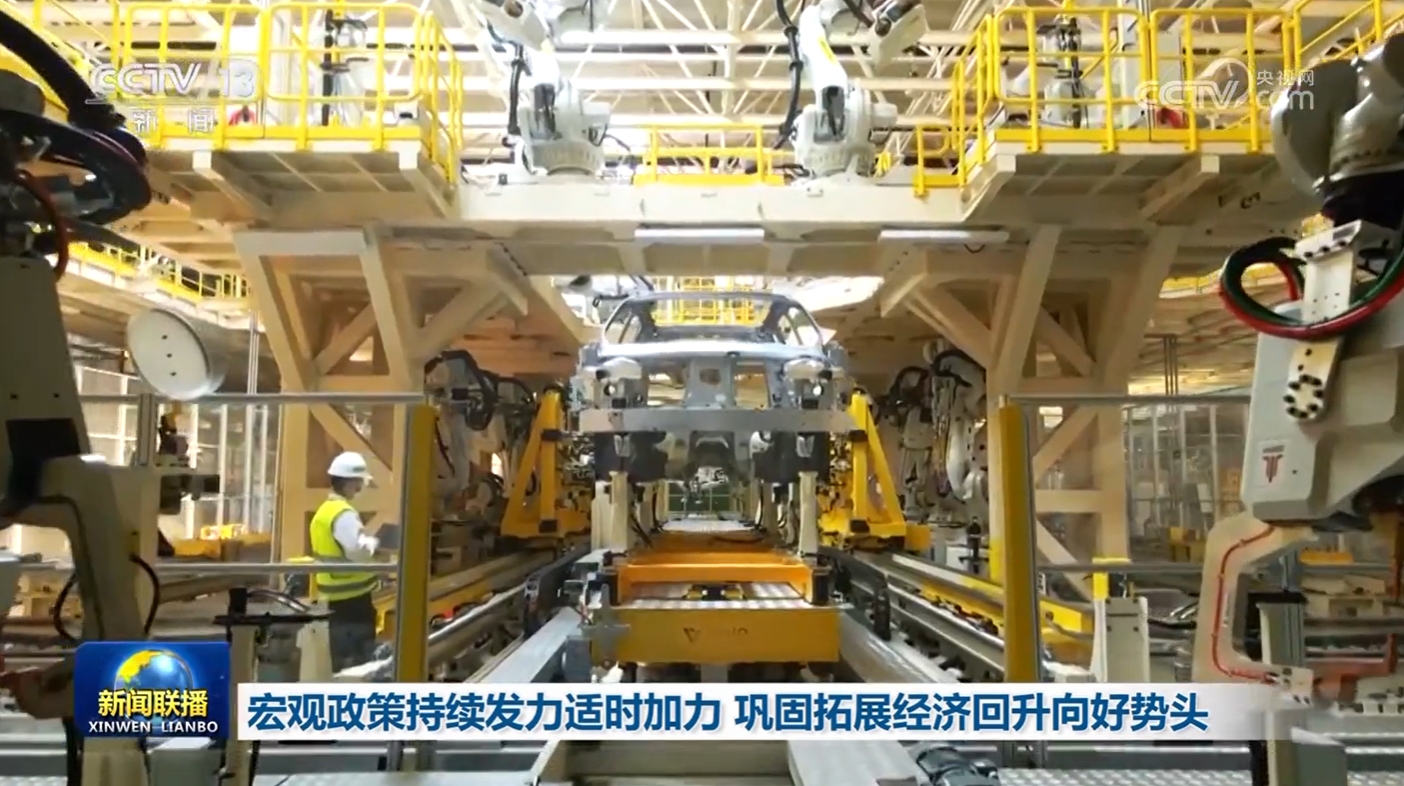
宏观政策持续发力适时加力 巩固拓展经济回升向好势头
Yang Shi Wang· 2025-08-01 12:18
央视网消息(新闻联播):记者8月1日从国家发展改革委了解到,我国宏观政策将持续发力、适时加力。 在纵深推进全国统一大市场建设方面,将进一步规范政府行为尺度,制定《妨碍统一市场和公平竞争行为防范事项清单》。依法依规治理企业无序竞争,推 进重点行业产能治理,加快推进价格法修订,将重点治理为排挤竞争对手或独占市场,低于成本价倾销的行为。规范招标投标,规范地方招商引资行为。 在创新方面,将深入实施"人工智能+"行动,大力推进人工智能规模化商业化应用,着力优化人工智能创新生态,加大政策支持力度。 此外,国家发展改革委还将常态化开展政策预研储备,不断完善稳就业、扩内需政策"工具箱",根据实际需要及时推出。 在全方位扩大内需方面,将加快"两重"建设项目、中央预算内投资项目建设进度。10月份将按计划下达第四批690亿元消费品以旧换新资金,确保资金有序 均衡用到年底。严防"先涨后补"、骗补套补等风险。近期,国家发展改革委还将报批加快设立投放新型政策性金融工具,推动民营企业更多参与国家重大项 目建设。 ...

国家发改委布局下半年经济工作:推动地方有序减少消费限制
2 1 Shi Ji Jing Ji Bao Dao· 2025-08-01 09:33
Economic Policy and Investment - The National Development and Reform Commission (NDRC) has fully allocated the 800 billion yuan for "two heavy" construction projects and 735 billion yuan of central budget investment, aiming to stabilize investment and promote consumption [1][2] - The GDP growth rate for the first half of the year was 5.3%, which is 0.3 percentage points higher than the same period last year, indicating resilience against external pressures [1] - Investment policies need to be strengthened due to declining investment returns and short-term internal competition affecting investment parameters [1] Consumption Promotion - The third batch of 690 million yuan in special government bonds for consumer goods replacement has been allocated, with plans for a fourth batch in October, aiming to meet the annual target of 300 billion yuan [2] - The "old for new" policy has driven sales exceeding 1.7 trillion yuan, with significant growth in retail sales of home appliances and new energy vehicles [2] Technological Innovation and Market Development - The NDRC emphasizes the integration of technological and industrial innovation, focusing on key technology breakthroughs and the application of artificial intelligence [5][6] - The implementation of the "Artificial Intelligence +" initiative is seen as crucial for fostering new economic drivers and upgrading traditional industries [5][6] Market Regulation and Competition - The NDRC is working on a comprehensive action plan to deepen the construction of a unified national market, aiming to reduce logistics costs and improve market efficiency [6][7] - There are ongoing efforts to address issues of "involution" and disorderly competition in various sectors, with a focus on self-regulation and industry upgrades [7][8]
李强主持召李强主持召开国务院常务会议开国务院常务会议
Xin Hua Wang· 2025-08-01 09:26
Core Viewpoint - The State Council, led by Premier Li Qiang, emphasizes the importance of understanding the economic situation and enhancing the effectiveness of macro policies to ensure economic recovery and growth in the second half of the year [3]. Group 1: Economic Policy and Strategy - The meeting highlighted the need to deepen the understanding of the economic situation and enhance the sense of responsibility and mission in economic work for the second half of the year [3]. - There is a focus on stimulating internal economic growth, continuing reforms in key areas, and achieving more results in building a unified national market and optimizing the business environment [3]. - The government aims to ensure safety and prevent systemic risks while effectively managing disaster response and safeguarding people's lives and property [3]. Group 2: Artificial Intelligence Initiatives - The meeting approved the "Artificial Intelligence+" action plan, aiming to promote large-scale commercial applications of AI and leverage China's complete industrial system and large market scale [4]. - Emphasis was placed on optimizing the AI innovation ecosystem, enhancing computing power, algorithms, and data supply, and increasing policy support and talent development [4]. - The government and state-owned enterprises are encouraged to lead by example and support the implementation of AI technologies [4]. Group 3: Financial Policies - The meeting discussed the implementation of interest subsidy policies for personal consumption loans and loans for service industry entities, aimed at reducing credit costs and stimulating consumption [4]. - There is a call for effective organization and implementation of the subsidy policies, with a focus on simplifying procedures and ensuring efficient use of financial resources [4]. Group 4: Agricultural Legislation - The meeting discussed and approved the draft of the "Law on the Protection and Quality Improvement of Arable Land," emphasizing the need for strict adherence to regulations and the integrated protection of arable land quantity, quality, and ecology [5]. - The focus is on restoring and enhancing the ecological functions of arable land to ensure sustainable use [5].
发改委:2025年上半年经济运行情况
Yang Shi Wang· 2025-08-01 08:22
Core Viewpoint - The Chinese economy has shown resilience and positive growth in the first half of the year, with GDP growth of 5.3%, exceeding initial market expectations and leading to upgraded forecasts from international institutions [1][2]. Economic Performance - Major macroeconomic indicators have performed well, with GDP growth of 5.3% year-on-year, an increase of 0.3 percentage points compared to the same period last year [1]. - The production and business activity expectation index for July was 52.6%, indicating stable optimism in the manufacturing sector [1]. - The urban unemployment rate averaged 5.2%, a decrease of 0.1 percentage points from the first quarter, with 6.95 million new urban jobs created, achieving 58% of the annual target [1]. Economic Resilience - Domestic demand contributed 68.8% to economic growth, continuing to be the main driver [2]. - The total import and export scale reached 20 trillion yuan, with exports growing by 7.2% [2]. - The added value of the equipment manufacturing industry grew by 10.2%, while the information transmission, software, and IT services sector grew by 11.1% [2]. Development of New Drivers - Emerging industries such as artificial intelligence, domestic CPUs, and innovative pharmaceuticals are rapidly developing [2]. - The added value of high-tech manufacturing increased by 9.5%, outpacing the overall growth of regulated industries by 3.1 percentage points [2]. Future Economic Work - The National Development and Reform Commission will implement existing policies and strategies to expand domestic demand and promote high-level technological self-reliance [3]. - There will be a focus on enhancing economic monitoring and forecasting, as well as developing a toolbox for policies aimed at stabilizing employment and expanding domestic demand [3].
国务院常务会议通过实施“人工智能+”行动意见
Xin Hua She· 2025-08-01 08:22
Group 1 - The State Council emphasizes the need to enhance the sense of responsibility and mission for economic work in the second half of the year, focusing on consolidating and expanding the economic recovery momentum [1] - The government aims to boost the effectiveness of macro policies and tackle challenges to ensure the implementation of the Central Committee's decisions [1] - There is a strong emphasis on stimulating the internal driving force of economic development and deepening reforms in key areas, such as building a unified national market and optimizing the business environment [1] Group 2 - The meeting approved the implementation of the "Artificial Intelligence+" initiative, aiming to promote large-scale commercial applications of AI and leverage China's complete industrial system and large market scale [2] - The government plans to optimize the AI innovation ecosystem by enhancing computing power, algorithms, and data supply, while also increasing policy support and talent development [2] - A personal consumption loan interest subsidy policy and a service industry loan interest subsidy policy were discussed to lower credit costs and stimulate consumption potential [2] Group 3 - The meeting discussed and approved the draft of the "Law on Cultivated Land Protection and Quality Improvement," emphasizing the need for strict protection of cultivated land and the restoration of its ecological functions [3]
遏制地方违规招商引资,超百亿元税款入库上市公司所在地
Xin Jing Bao· 2025-08-01 05:59
目前,新政已平稳运行半年有余,税务部门运用税收大数据和信息技术,从操作上实现异地申报缴税 的"全国通办",证券机构可以一次申报、一次缴税。今年上半年,发生涉税业务的3500余家证券机构累 计代扣代缴申报个人所得税超百亿元,税款均已入库至上市公司所在地。原来相关制度漏洞被堵住,招 商引资地区"无税可返",也就无法通过奖补开展不当竞争,限售股转让中所涉及的个人所得税地方留成 部分从原来被返还给个人转换为地方真正可支配财力。 国家税务总局所得税司有关负责人表示,调整限售股转让个人所得税纳税地点,对保障地方财力、促进 资本市场健康发展等都具有积极意义。下一步,税务部门将持续跟踪政策落地效果,确保相关措施平稳 有序实施,助力加快建设高效规范、公平竞争、充分开放的全国统一大市场。 2024年12月27日,国家税务总局会同财政部、证监会制发公告,将个人转让上市公司限售股纳税地点由 证券机构所在地调整为上市公司所在地。这意味着,通过固化税款入库地点,从制度上防止出现上述情 况,有效防止税源的不合理跨区域转移。 新京报讯(记者姜慧梓)记者从国家税务总局获悉,去年底,我国将限售股转让纳税地点由证券机构所在 地调整为上市公司所在地 ...
国家发改委:坚决制止新兴领域盲目跟风、一哄而上、一哄而散
Sou Hu Cai Jing· 2025-08-01 05:47
Group 1: Investment and Economic Measures - The National Development and Reform Commission (NDRC) has fully allocated the 800 billion yuan "two heavy" construction project list, with 735 billion yuan of central budget investment also largely disbursed [1] - A fourth batch of 690 billion yuan for consumer goods replacement will be allocated in October, completing the annual plan of 300 billion yuan [2] - The NDRC aims to enhance domestic demand and support new consumption development while preventing blind following and excessive competition in emerging sectors [3][4] Group 2: Policy Implementation and Economic Monitoring - The NDRC plans to maintain policy continuity and stability while enhancing flexibility and foresight to stabilize the economy and employment [4] - The NDRC will conduct regular economic monitoring and policy research to ensure timely responses to actual needs [4] - The NDRC is focused on optimizing the artificial intelligence ecosystem and promoting its large-scale commercial application [5][6] Group 3: Logistics and Trade - The logistics cost as a percentage of GDP has decreased to 14%, achieving the lowest level since records began, saving over 130 billion yuan in logistics costs [7] - Trade cooperation with Belt and Road Initiative countries has seen a 4.7% increase in imports and exports, totaling 11.29 trillion yuan in the first half of the year [9] Group 4: Infrastructure and Energy - The highest cross-regional electricity transmission reached 148 million kilowatts, marking a new historical high [10] - The NDRC is working on a plan to deepen the construction of a unified national market, with inter-provincial trade sales accounting for 40.4% of total sales revenue [11][12] Group 5: Market Regulation and Competition - The NDRC is committed to regulating disorderly competition among enterprises and will implement measures to clean up market access barriers [13][15] - The NDRC plans to accelerate the implementation of significant reform measures to enhance economic stability and consumer confidence [15] Group 6: Consumer Services and Economic Growth - The NDRC will focus on enhancing consumer capacity and promoting service consumption in areas such as culture, tourism, and healthcare [16] - The NDRC aims to foster a positive cycle of consumption and investment by improving infrastructure and promoting domestic products [16]
促进民营经济高质量发展,国家发改委答中证报记者问
Zhong Guo Zheng Quan Bao· 2025-08-01 05:11
Group 1 - The National Development and Reform Commission (NDRC) will continue to implement various policy measures to stabilize employment, enterprises, markets, and expectations, adapting to external environmental changes [1][3] - The NDRC has allocated a total of 800 billion yuan for "two new" construction projects and will ensure the timely distribution of 690 billion yuan in funding for consumer goods replacement programs [2][7] - The NDRC emphasizes the importance of a normalized communication mechanism with private enterprises to promote their healthy and high-quality development [8] Group 2 - The NDRC is focused on expanding domestic demand and enhancing the resilience of the domestic circulation, with a commitment to high-quality implementation of "two new" construction [7] - The NDRC is working on a comprehensive action plan to advance the establishment of a unified national market, including the development of a list to prevent behaviors that hinder market unity and fair competition [5][6] - The NDRC is set to implement the "Artificial Intelligence+" initiative to promote the large-scale commercialization of AI applications across various sectors [4]