
产业互联网

Search documents
优合集团杨彬彬:中国进口冻品高单价产品市场份额有望增加
2 1 Shi Ji Jing Ji Bao Dao· 2025-07-23 11:12
Core Insights - The Chinese market for imported frozen products is expected to see an increase in market share for higher-priced products due to rising consumer demand for high-quality goods [1][9] - The cold chain agricultural product supply chain in China is anticipated to undergo upgrades and optimization, moving towards a model similar to those in Europe, Japan, and South Korea, focusing on large processing plants or central kitchens [1][9] Company Overview - Youhe Group, established in 2008, is a comprehensive service enterprise driven by digital technology, with a global supply network and over 30,000 B-end customers in China [2] - The company reported nearly 70 billion yuan in revenue last year, holding an 18% share of China's total imported meat volume, and has been the leading importer in the frozen product sector for eleven consecutive years [3][4] Supply Chain Dynamics - The current procurement model in China's imported cold chain product industry involves multiple layers of wholesalers, which is expected to evolve with the implementation of modern commercial circulation systems [1][9] - The company has developed a digital platform to enhance trade efficiency, connecting over 15,000 upstream suppliers and covering 119 countries, while also collaborating with numerous shipping and financial institutions [6] Consumer Trends - There is a notable increase in the total consumption of cold chain products in China, characterized by a growing demand for both high-end and affordable products, alongside a heightened focus on health and safety [7][8] - The company emphasizes the importance of securing high-quality product sources to maintain competitive pricing, as the supply of premium products is limited [8] Future Outlook - The future of the imported cold chain food industry in China is expected to involve a more harmonious balance between imported and domestic products, reducing direct competition [9] - The industry is likely to see a restructuring and optimization of the supply chain, with a focus on reducing intermediary wholesale stages to enhance efficiency and reduce costs [9][10]
上合地方经贸合作大会助力中国企业拓展中亚市场
Jing Ji Guan Cha Wang· 2025-07-19 11:28
Core Points - The China-Shanghai Cooperation Organization (SCO) Local Economic and Trade Cooperation Conference will showcase Central Asian specialties in Qingdao on July 18-19, 2025, under the theme "Jointly Seeking Regional Cooperation and Hand in Hand for Innovative Development" [2] - This year marks the "China Year" for the SCO, attracting around 360 exhibitors and approximately 3,000 buyers from SCO member states, including significant participation from Central Asian countries [2] - The SCO has established a Local Economic and Trade Cooperation Demonstration Zone in Qingdao, which is becoming a key hub for trade and economic cooperation with the Asia-Pacific market [2] Industry Cooperation - Energy cooperation has been a priority for the SCO since its establishment 24 years ago, with strong resource, market, and technology complementarity among member states [4] - Central Asian countries are rich in energy resources, while China is the world's largest energy consumer, creating a natural synergy for collaboration in traditional energy sectors [4] - In renewable energy, China's technological and equipment advantages align with the needs of Central Asian countries for energy transition and upgrades [4][5] Renewable Energy Prospects - The SCO countries account for about half of the global installed power generation capacity and primary energy consumption, with renewable energy installations also representing a significant portion [5] - China and SCO countries are estimated to add around 500 million kilowatts of renewable capacity annually, indicating substantial cooperation potential [5] - A dedicated international cooperation meeting for the renewable energy industry was held, showcasing technologies from companies like Huawei and Dongfang Electric [5] Equipment Manufacturing Cooperation - The equipment manufacturing sector is a key focus of the SCO Local Economic and Trade Cooperation Conference, with strong demand from Central Asian countries in mining, infrastructure, and food production [8][9] - The SCO Demonstration Zone has gathered 458 large-scale enterprises in equipment manufacturing, with a projected output value exceeding 96 billion yuan in 2024 [9] - The conference facilitated discussions on cooperation in equipment manufacturing, attracting numerous domestic and foreign buyers [10] Challenges and Recommendations - The SCO Demonstration Zone proposed establishing a supply chain information-sharing mechanism to mitigate risks and enhance cooperation in equipment manufacturing [12] - Recommendations include creating cooperative parks for equipment manufacturing and developing key technology standards to simplify cross-border trade processes [12] Broader Cooperation Initiatives - The conference also addressed cooperation in digital industries, artificial intelligence, logistics, and marine IoT, culminating in the "Qingdao Initiative" to enhance international logistics and trade investment [13]

展波出任新时达董事长,看看“海尔系”上市公司“一把手”都是谁?
Sou Hu Cai Jing· 2025-07-19 02:23
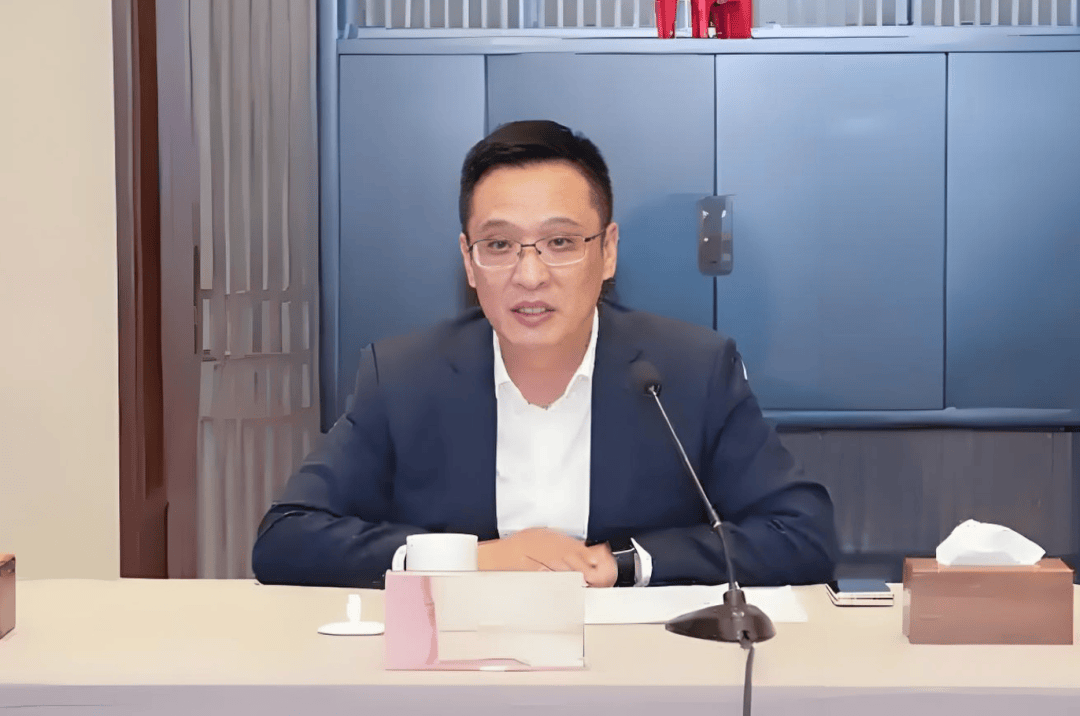
Group 1 - Haier Group has recently acquired the listed company Xinshi Da (002527.SZ) and appointed its Vice President, Zhan Bo, as the Chairman of Xinshi Da [2][4] - Zhan Bo has extensive experience in financial management and strategic operations within Haier Group, having held various senior positions since joining in 2002 [4][6] - Haier Group has been aggressively expanding in the capital market, completing acquisitions of companies such as Shanghai Laishi and Yingkang Life, and is in the process of acquiring Autohome [4][9] Group 2 - The company has plans for multiple IPOs, with Haier Smart Home, Haier Bio, and Thunder God Technology already listed, aiming to increase the number of listed companies to eight [4][10] - Other companies like Qingdao Youwu Smart Home Technology Co., Ltd. and Kaos IoT Technology Co., Ltd. are also preparing for their IPOs [4][10] - The leadership team of Haier Group includes experienced professionals with diverse backgrounds in finance, management, and operations, contributing to the company's strategic growth [6][7][10]

发挥增量市场价值,促进新兴服务业更好更快发展
Zhong Guo Jing Ji Wang· 2025-07-18 01:04
Core Insights - The core viewpoint emphasizes the importance of strengthening domestic circulation as a strategic move for stable economic growth, particularly through the development of the emerging service sector, exemplified by instant services like food delivery and retail [1] Group 1: Market Dynamics - The instant service sector is gaining attention, with major platforms like Taobao, Meituan, and JD investing heavily in this emerging market, indicating its significant potential and unique value [1] - Instant services cater to consumer demands for convenience, creating a new incremental consumption market that drives overall consumption growth [1][2] - The rapid growth of non-food orders, exceeding 13 million within three days of a promotional campaign, highlights the sector's ability to convert fleeting consumer demands into actual purchases, thus becoming a new growth point for resident consumption [2] Group 2: Empowering Traditional Businesses - Instant services are crucial for empowering traditional brick-and-mortar businesses by expanding their customer reach beyond geographical limitations through partnerships with platform companies [3] - The introduction of subsidies by platforms has attracted a large number of consumers, significantly increasing online orders for various types of businesses, including both food and non-food retailers [3] - Platforms provide digital solutions to enhance operational efficiency for traditional businesses, helping them optimize inventory management and reduce operational costs, thus creating new growth opportunities [3] Group 3: Industry Evolution - The rapid development of the instant service sector is leading to the emergence of an industry internet ecosystem that includes platforms, merchants, delivery personnel, consumers, and logistics service providers, showcasing vast market potential [4] - The activation of consumer demand through subsidies is attracting more merchants, enriching product and service offerings, and enhancing consumer experiences, ultimately driving the rapid development of instant e-commerce services [4] Group 4: Challenges and Solutions - Despite the rapid growth, challenges such as unhealthy competition and pressure on profit margins due to excessive reliance on subsidies need to be addressed for sustainable market development [5] - The design of subsidy rules is critical to avoid detrimental competition and ensure fair profit margins for merchants, while also providing genuine benefits to consumers [5] - Platforms should shift their focus from mere subsidies to enhancing service quality and optimizing supply chains to ensure the long-term health and sustainability of the instant service sector [5][6]
电商送外卖,外卖做电商?巨头混战背后:一场争夺产业互联网王座的暗战
Sou Hu Cai Jing· 2025-07-16 01:29
Core Viewpoint - The current food delivery battle is not merely a continuation of the consumer internet era but signifies a profound shift towards the industrial internet era, highlighting the evolving roles of industry players [3][4][9] Industry Changes - The food delivery war reflects a significant transformation in the industry, termed "industrial remix," where players are addressing their shortcomings and expanding their market reach to discover new growth opportunities [4][8] - Major players like Alibaba and JD are no longer confined to traditional roles but are adapting to the characteristics of the industrial internet cycle [3][4] Technological Evolution - The ongoing transformation is driven by technological advancements, particularly the integration of AI, which has led to a comprehensive upgrade of products and services among internet players [5][6] - AI technology is viewed as the foundational infrastructure of the industrial internet era, marking a shift from traditional internet technologies [6] Business Model Upgrade - The emergence of the S2B business model signifies a transition from the B2B model, where players are deeply involved in the industry and supply chain, creating new development opportunities [7][8] - The current food delivery battle exemplifies the upgrade from B2B to S2B, reflecting the true essence of the industrial internet era [8][9]
从大模型到大应用——业内热议人工智能如何加速落地
Xin Hua She· 2025-07-04 11:57
Group 1 - The artificial intelligence (AI) industry is experiencing a new wave of transformation, driven by breakthroughs in large model capabilities and a rapid decrease in inference costs, leading to the swift development of large model applications [1] - Experts at the 2025 Global Digital Economy Conference discussed how AI can empower various industries and promote high-quality development of the digital economy [1] - The application of large models has significantly increased in the past year, with a notable reduction in costs, making AI large models a core production tool for enterprises [1] Group 2 - Kuaishou's Keling launched a new 2.1 series model in May, enhancing video generation capabilities for complex scenarios, with applications in film, gaming, advertising, e-commerce, and tourism [2] - The future of video generation technology is expected to evolve continuously, providing interactive simulation environments that aid in the digital transformation of traditional industries [2] Group 3 - The Chinese government is accelerating innovation in the AI industry to empower new industrialization and development, with a focus on the industrial sector as a primary battlefield for AI application [3] - The Ministry of Industry and Information Technology plans to promote AI applications through initiatives that identify key industries, scenarios, and benchmark solutions [3] - Various platforms and initiatives have been launched to facilitate the integration of AI into industrial applications, addressing challenges such as limited customer acquisition channels and high barriers in industrial scenarios [3] Group 4 - The accelerated integration of AI with industrial scenarios is a growing trend, with supply-demand collaboration acting as a catalyst for performance upgrades and cost reduction in industrial applications [4] - China's diverse industrial sectors provide rich application scenarios and valuable data, which can help build a new AI supply chain and industrial ecosystem [4]
找钢集团携手托克成立「宗金汇」:有望成为千亿级规模的有色金属交易平台
IPO早知道· 2025-07-04 08:11
Core Viewpoint - The article discusses the collaboration between 找钢集团 (Zhaogang Group) and 托克集团 (Trafigura Group) to establish a joint venture, 宗金汇 (Zongjin Hui), aimed at creating a comprehensive e-commerce platform for non-ferrous metals, leveraging AI technology and extensive industry resources [2][3][12]. Group 1: Joint Venture and Market Potential - 找钢集团 has signed a joint venture agreement with Lykos Holding Hong Kong Limited, investing 45 million yuan to establish 宗金汇, where it will hold an 8.57% stake [2]. - The collaboration aims to build a full-category e-commerce platform for non-ferrous metals, addressing the growing demand from customers who also have steel procurement needs [3][6]. - The non-ferrous metal market in China has surpassed 2 trillion yuan in 2023, with a projected production of 7.919 million tons for ten types of non-ferrous metals in 2024, reflecting a year-on-year growth of 3.4% [10]. Group 2: Technology and AI Integration - 找钢集团's AI infrastructure, developed from its steel trading platform, is expected to enhance cross-category capabilities, facilitating efficient transactions in the non-ferrous metals sector [7][8]. - The company has launched a B2B trading SaaS tool, "腾采通," which utilizes AI technology to analyze over 6.73 million business opportunities daily, covering more than 11 million SKUs and facilitating over 100 million transaction matches [7]. - The AI-driven solutions are designed to improve operational efficiency, with AI agents achieving over 95% accuracy in matching inventory and responding to quotes, significantly enhancing transaction efficiency [7]. Group 3: Industry Challenges and Solutions - The non-ferrous metals market faces challenges such as low online penetration (5% compared to over 20% for black metals), inefficiencies in traditional trading models, and high financing costs for small and medium enterprises [11]. - The joint venture aims to address these pain points by providing comprehensive services, including intelligent pricing, B2B payment solutions, and supply chain management, thereby enhancing operational efficiency for businesses in the sector [14][15]. - 宗金汇's development strategy includes leveraging托克's self-operated resources and integrating 找钢's infrastructure to enhance service capabilities for small clients and create a complete industry chain [16].

2025产业互联网创新发展论坛在京举行 共绘数实融合新图景
Zhong Guo Jing Ji Wang· 2025-07-04 08:00
Group 1 - The 2025 Global Digital Economy Conference focused on the theme "Digital Intelligence Leading, Scene Breaking, Ecological Symbiosis," gathering over 200 experts and representatives from various sectors to discuss new paths, scenes, and ecosystems for industrial internet empowerment [1] - Beijing aims to achieve a digital economy value of 2 trillion yuan and information software industry revenue exceeding 3 trillion yuan by 2024, supported by policies, technological advancements, and infrastructure improvements [3] - The integration of digital economy and real economy is a significant trend in China's economic development, with recommendations for leveraging industrial internet to enhance this integration [6] Group 2 - The 2024 Beijing Digital Economy Benchmark Enterprise Evaluation Report was released, highlighting that 100 benchmark enterprises contribute significantly to the growth and high-quality development of the digital economy [8] - The 2024 Annual Report by the Lanting International Think Tank discusses the global economic growth and China's high-quality development, emphasizing the role of digital empowerment in driving industrial development [10] - The forum featured multiple reports, including the "2025 Beijing Information Software Industry Development Report" and "Beijing Artificial Intelligence + Application Scenario Map," showcasing the ongoing advancements in the digital economy [8]
纱纤亿:绘就产融共生新图景
Qi Huo Ri Bao Wang· 2025-07-03 01:30
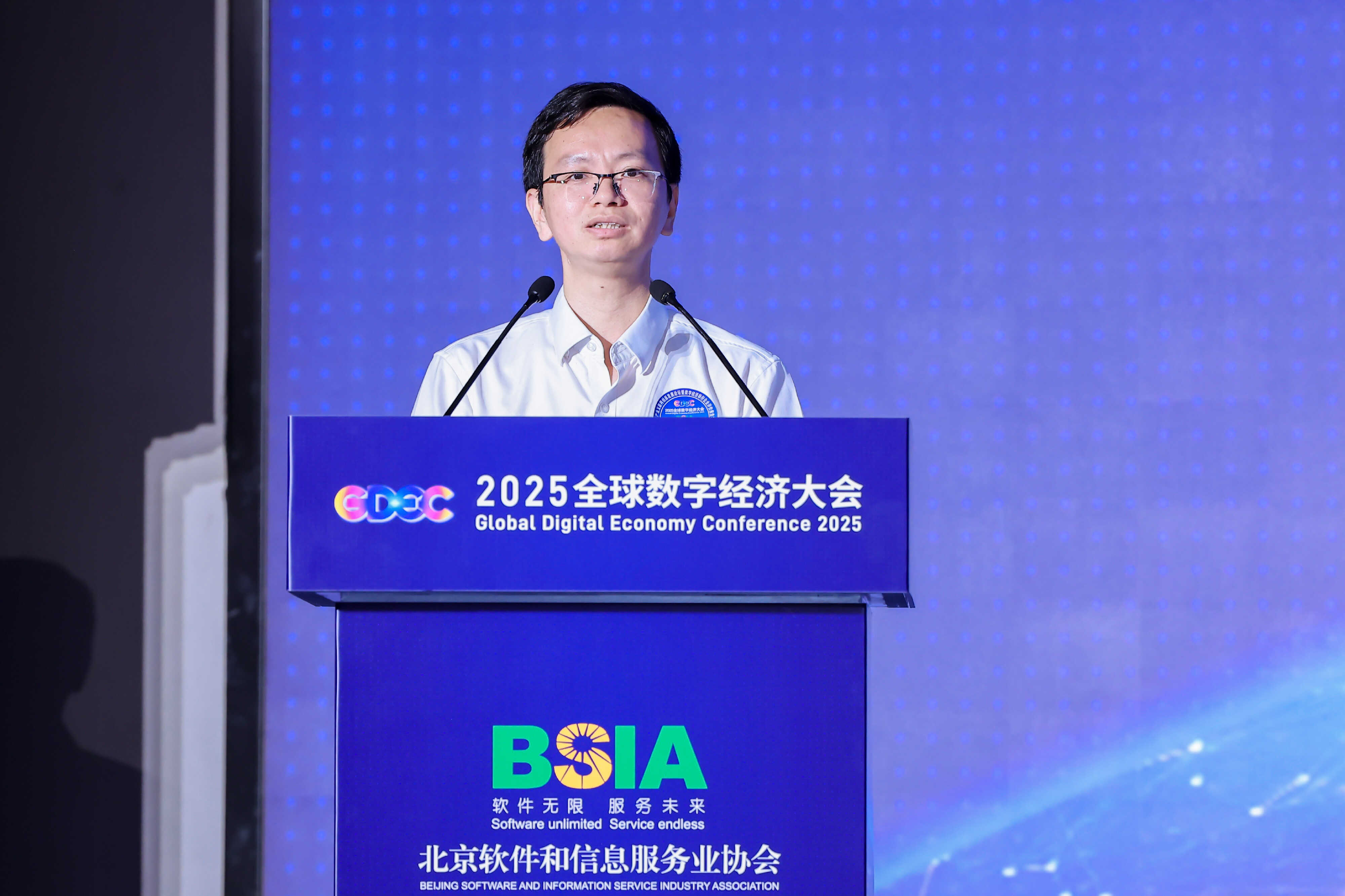
Core Insights - The company, Guangdong Shaxian Yi Information Technology Co., Ltd. (Shaxian Yi), aims to be the best operator in the global cotton textile and apparel industry, integrating the entire textile supply chain from cotton planting to garment sales [1][2] - Shaxian Yi has established a digital platform that connects over 5,000 upstream and downstream enterprises, creating a strong industrial cluster effect and promoting the application of futures tools in the cotton industry [1][3] Industry Integration - Shaxian Yi has developed a unique vertical integration model that spans 12 core segments of the cotton textile industry, enhancing transaction efficiency and breaking down information barriers within the supply chain [2][3] - The company has built a complete textile industry ecosystem in the Hotan region of Xinjiang, with a modern dyeing park capable of generating an annual output value of 4 billion yuan [3][4] Financial Tools Utilization - The company has effectively integrated futures trading into its operations, employing strategies to hedge against price fluctuations and maintain cash flow stability during market downturns [6][7] - Shaxian Yi's proactive risk management framework has allowed it to navigate complex macroeconomic conditions, successfully avoiding significant market risks through strategic futures positions [7][8] Empowering Ecosystem - The company has created a unique empowerment model for small and medium-sized enterprises, facilitating their understanding and use of financial tools through a "language conversion system" [8][9] - Shaxian Yi's deep cultivation service model for foreign trade manufacturers helps them transition from order-based production to proactive market risk management [9][10] Digital Transformation - The integration of industrial internet and financial tools has transformed the operational capabilities of Shaxian Yi and its partners, enhancing the overall resilience of the textile supply chain [10]
29万小镇母婴店托举之下 海拍客“背债”闯关港交所
Hua Er Jie Jian Wen· 2025-07-02 20:15
Core Viewpoint - Yangtuo Technology Inc. (海拍客) has submitted an IPO application to the Hong Kong Stock Exchange, aiming to leverage its position as a leading B2B e-commerce platform in the maternal and infant care sector, despite facing significant challenges in recent years [1][8]. Group 1: Company Overview - Yangtuo Technology Inc. was established in 2015 and has quickly become the largest B2B e-commerce platform in China's low-tier market for family care and nutrition products, with a total transaction volume of 11 billion yuan in 2024, capturing a market share of 10.1% [1]. - The company has completed six rounds of financing, with notable investors including Shunwei Capital, Fosun International, and Hillhouse Capital [1]. - The platform's transaction volume surged from 5 billion yuan in 2017 to 15 billion yuan in 2019 [3]. Group 2: Financial Challenges - In 2024 and 2025, the company faced financial strain due to unmet performance targets with investors, leading to share buybacks costing 11 million USD and 24 million USD, respectively, along with the issuance of 158 million USD in promissory notes [5]. - The company has a significant financial burden, with convertible redeemable preferred shares valued at 2.4 billion yuan, contributing to a net debt of 2 billion yuan [6]. - The adjusted net profit for the company was reported at 19.3 million yuan and 25.8 million yuan, excluding the impact of preferred shares [7]. Group 3: Market Dynamics - The maternal and infant care market is experiencing a decline in birth rates, with the number of newborns in China dropping from 14.7 million in 2019 to 9 million in 2023, leading to intensified competition [22]. - The company's revenue in 2024 was 1.023 billion yuan, reflecting a year-on-year decline of 3.3% [20]. - The number of registered buyers increased from 240,000 to 290,000 over three years, but the actual transaction buyers remained stagnant at around 170,000 [21]. Group 4: Strategic Shifts - In response to market challenges, the company is shifting its focus from rapid expansion to improving profitability, with self-operated business transactions exceeding 700 million yuan in 2024, contributing 56% to overall revenue [25]. - The company is also exploring private label products, with its children's food brand "Meow Little Hero" achieving significant market penetration [27]. - Future strategies include expanding into Southeast Asia and seeking acquisition opportunities within the industry [34].