产业集群

Search documents
安徽、河南两地联合印发《皖豫省际毗邻地区合作发展实施方案》:LP跨区域合作,完善共同招商机制
FOFWEEKLY· 2025-12-01 10:01
Core Viewpoint - The article discusses the implementation plan for cooperative development between Anhui and Henan provinces, focusing on enhancing collaborative investment mechanisms and promoting industrial transfer from eastern regions through market-oriented approaches [1]. Group 1: Industrial Development - The plan aims to create specialized industrial clusters, particularly in the new energy vehicle sector and advanced materials, including new energy industries such as wind, solar, and hydrogen energy [5]. - It emphasizes the development of a green food industry cluster through collaboration in agricultural product processing, focusing on high-quality grains, fruits, and vegetables [5]. Group 2: Infrastructure Connectivity - The initiative includes the construction of key highways and railways to improve transportation networks between the two provinces, such as the Nanjing to Xinyang highway and high-speed rail projects [5]. - It also plans to enhance waterway transport by upgrading existing channels and establishing cross-province navigation mechanisms [5]. Group 3: Urban-Rural Integration - The plan promotes urbanization efforts in potential areas, encouraging the development of small and medium-sized cities and enhancing rural public services [5]. - It aims to strengthen agricultural supply chains and support the production of specialty agricultural products, including traditional Chinese medicinal herbs [5]. Group 4: Ecological and Environmental Protection - The article outlines strategies for ecological restoration in the Huai River basin, focusing on joint pollution control and the establishment of ecological corridors [6]. - It also addresses air quality improvement through collaborative management of emissions from industries and vehicles [6]. Group 5: Regional Cooperation Mechanisms - The plan proposes the establishment of a free flow mechanism for resources and data sharing to facilitate market integration and enhance investment opportunities [7]. - It encourages the creation of cross-border e-commerce zones and the development of international trade bases for agricultural products [7].


上海华聚金电子功能材料项目落户金普新区
Zhong Guo Hua Gong Bao· 2025-12-01 07:28
上海华聚金新材料科技有限公司董事长许斌表示,新区完善的产业生态和优质的营商环境为企业发展提 供了重要机遇。特别是新区聚集了一批重要客户资源,将有力推动企业市场拓展。企业将加快推进项目 建设,力争早日投产达效,打造成为公司重要的产品研发制造基地。 据了解,在项目对接过程中,大连金普新区普湾经济区积极对接企业需求,多部门协同提供项目全周期 服务,高效解决各类问题,推动项目顺利签约落地。该项目选址普湾经济区三十里堡临港工业区,总投 资5亿元,分二期建设。其中一期项目总投资1.3亿元,用地面积约1万平方米,将建设10条集成电路专 用功能材料生产线,配套建设集成电路材料专用预处理车间、高精度提纯车间和集成电路级检测车间, 设计年产能500吨,年产值2亿元。二期项目总投资3.7亿元,将建设高端集成电路及电子元件专用纳米 功能材料智能工厂。 大连市委常委、金普新区党工委书记冷雪峰指出,电子信息产业是金普新区重点发展的支柱产业,以 SK海力士为代表的半导体企业在新区形成了强大的产业集群效应,为产业链上下游企业提供了良好的 发展环境。新区将与企业携手共进,共同推动电子信息产业高质量发展,新区将全力支持项目早开工、 早投产、早见 ...
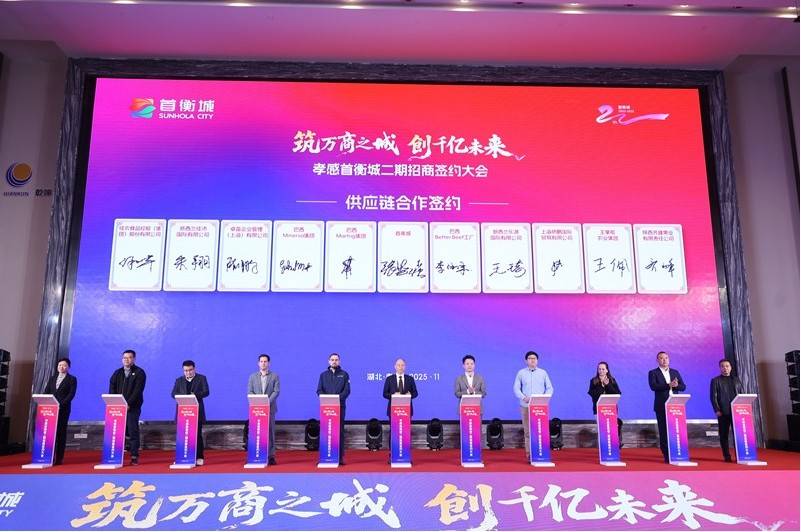
孝感首衡城达成多项战略合作 打造千亿级产业集群
Sou Hu Cai Jing· 2025-12-01 06:01
Core Insights - The signing ceremony for the second phase of the Xiaogan Shouheng City招商 was held on November 28, showcasing the upgrade of the Central China agricultural product trading hub with highlights including the establishment of an AI computing center and the signing of five major agreements [2][3] - The first phase of Shouheng City achieved a "double thousand" milestone with a cumulative trading volume of 10 million tons and a trading value of 100 billion yuan, significantly compressing the conventional industry cultivation cycle by 5-8 years [2] - The project aims to create a national first agricultural "three rural" large model through AI integration, which is expected to reduce circulation losses by 15-20% and shift traditional agricultural product circulation from experience-based to intelligent decision-making [3] Summary by Sections Project Overview - The second phase of Shouheng City aims for high-quality development across the entire industry chain, building on the first phase's 150,000 tons of cold chain storage with an additional 500,000 tons, creating the largest smart cold chain hub in Central China [3] - The project will facilitate one-hour fresh food delivery within the Wuhan metropolitan area and establish a one-stop food processing base, enhancing product added value by 3-5 times [3] Economic Impact - The project is expected to create 100,000 jobs and form a trillion-level industrial cluster integrating trading, processing, logistics, exhibitions, and e-commerce [3] - It will contribute to Xiaogan's development as a sub-center city of the Wuhan metropolitan area and support the high-quality development of China's agricultural product circulation [3] Partnerships and Collaborations - The signing ceremony included partnerships with 10 leading cold chain and processing companies, 10 banks providing customized financing services, and international collaborations with companies from Singapore, Brazil, and New Zealand to build a global supply chain network [2][3] - Seven core production areas were awarded as "excellent promotion markets," enhancing direct access from production areas to markets [2]
链主领航集群攻坚 湖南构建国产替代产业生态
Zheng Quan Shi Bao· 2025-11-30 17:24
Core Insights - The article highlights the significant advancements in production efficiency within the construction machinery sector, particularly by Zoomlion, which produces various machinery at impressive rates [1] - Hunan Province is emerging as a hub for industrial clusters, focusing on key sectors such as construction machinery, rail transportation, aerospace, chips, basic software, and medical devices, aiming for domestic substitution [1] Group 1: Leading Enterprises - Leading enterprises play a crucial role in driving technological breakthroughs and facilitating industry collaboration, exemplified by Zhuhai Hard Alloy Group, which has made significant advancements in high-end hard materials [2] - The development of Zhuhai Hard Alloy Group has led to the establishment of over 300 related enterprises in Zhuzhou, with a total industrial cluster scale exceeding 40 billion [2] Group 2: Industry Clusters - Industry clusters are essential for supporting domestic substitution, with Hunan Province having developed five trillion-level industries and 17 hundred-billion-level industries, including advanced manufacturing clusters in various sectors [4] - The new generation of autonomous safety computing system cluster in Changsha stands out as the only one in the country focusing on computing systems, becoming a core force in breaking foreign monopolies [4][5] Group 3: Industrial Parks - Industrial parks serve as vital incubators for domestic substitution, with the establishment of the Beidou Industrial Park in Zhuzhou, which has attracted over 170 related enterprises [6] - The Hunan Medical Device Industrial Park has successfully introduced over 290 enterprises in just six years, with a focus on optimizing approval processes to accelerate product registration and market entry [7]
重庆解放碑CBD国际化 消费竞争力再进全国四强
Sou Hu Cai Jing· 2025-11-30 05:45
Group 1 - The event "Yujian Liberation Monument: 2025 Forbes China Overseas Enterprises Chongqing Tour" highlighted Chongqing's Liberation Monument CBD ranking among the top four in the national "2025 Forbes China Central Business District International Consumption Competitiveness Evaluation" due to its strong spatial capacity, consumption leadership, openness, and comprehensive influence [1] - The "14 national-level reform pilot projects" will be promoted in Yuzhong, focusing on local development, openness, and digital intelligence, aiming to create a high-quality living service circle within 15 minutes and an environment conducive to business and tourism [2] - The "Forbes Future Industry Town" was launched, focusing on fund aggregation, industry incubation, and value co-creation, aiming to establish Yuzhong as a capital hub and innovation source for regional development [3] Group 2 - The event emphasized the importance of high-end retail and optimizing the business environment by promoting cultural and commercial synergy, enhancing international commercial infrastructure, and reconstructing consumption scenarios [4] - A roundtable discussion analyzed Chongqing's consumption advantages, with consensus on its significant geographical advantages and luxury consumption potential, positioning Liberation Monument as a future international consumption center [5]
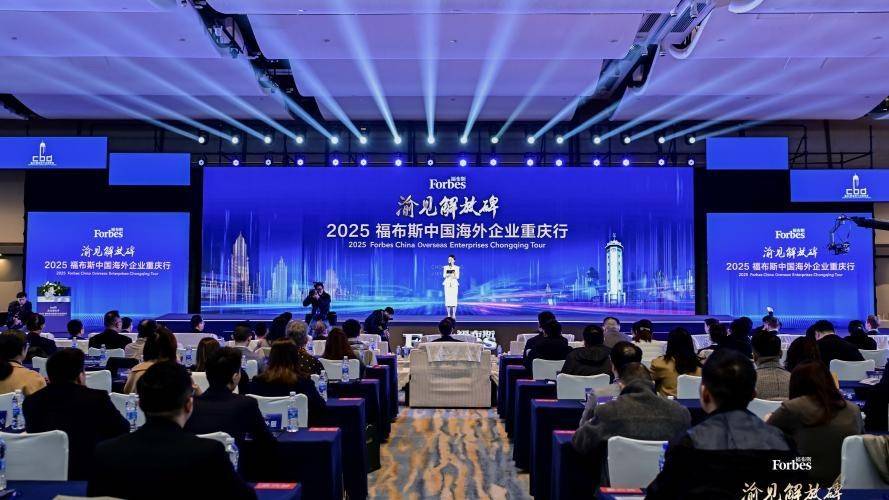
【2025福布斯中国海外企业重庆行】渝中国际“朋友圈”再扩容!福布斯未来产业小镇落户!
Sou Hu Cai Jing· 2025-11-29 10:06
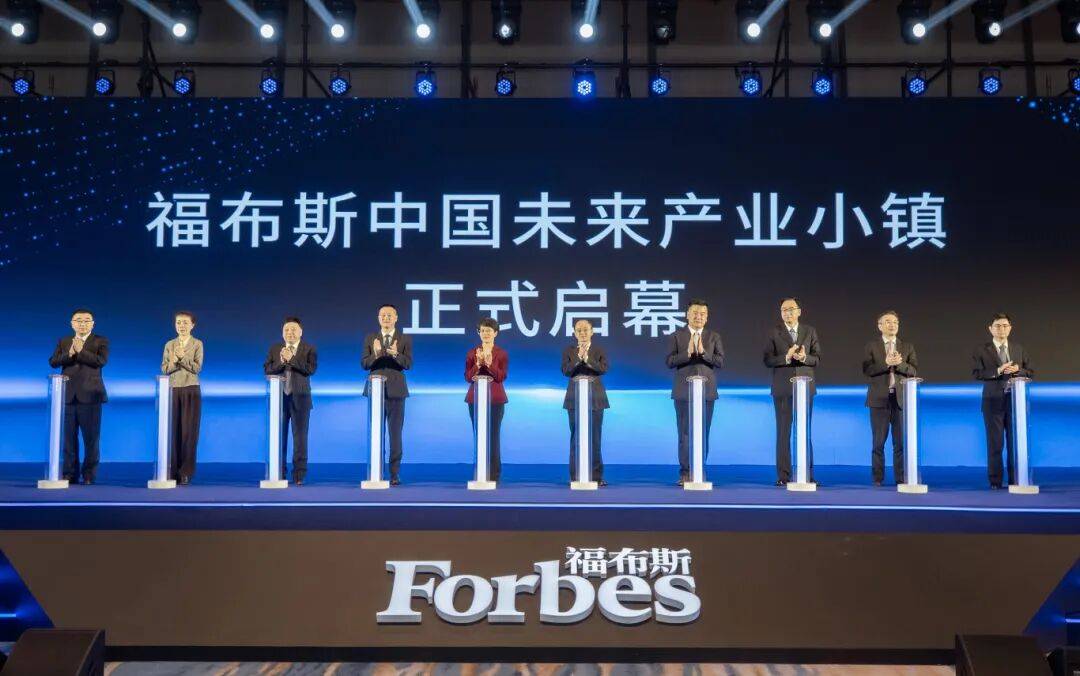
Core Insights - The "Forbes China Future Industry Town" has officially launched, marking a significant step for Yuzhong in enhancing its international consumption capabilities and attracting global high-end resources [2][3] Group 1: Strategic Collaborations - Yuzhong has signed strategic cooperation agreements with various organizations, including Forbes China and several international companies, to build an international consumption center city [2] - The collaboration with Forbes China has evolved over the past two years, leading to the establishment of the "Chongqing Reception Hall" in 2023 and the future industry town strategy in 2024 [2] Group 2: Future Industry Town Development - The Forbes Future Industry Town will leverage Yuzhong's strong modern service industry foundation and connect with Forbes China's global resources to create a fund industry cluster [3] - A one-stop service platform will be established, integrating policy, capital, and market services to support industry innovation and incubation [3] - The initiative aims to attract high-quality global projects, facilitating exposure, connection, and implementation [3] Group 3: Investment and Resource Mobilization - Yuzhong is positioned to gather quality financial institutions and resources from Fortune 500 companies, enhanced by the global network of Forbes [3] - The Future Industry Town will drive development through a triad of industry clusters, international resources, and innovation incubation, aiming to transform the vision of "future industries" into reality [3]
3374.6亿元!大项目投资,关键时期的“青岛速度”
Sou Hu Cai Jing· 2025-11-28 09:52
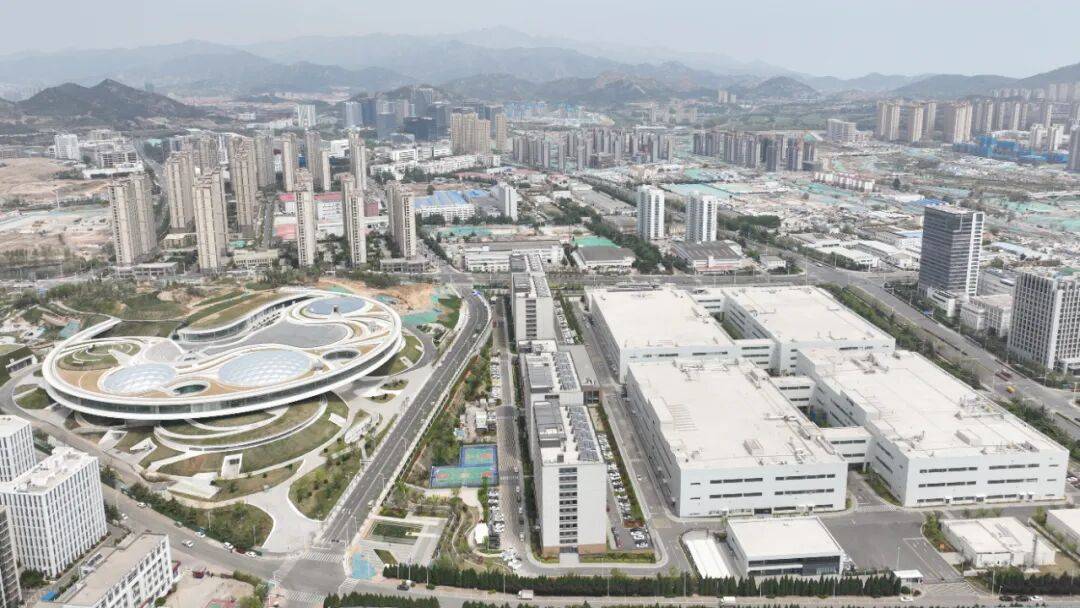
Group 1 - High-quality projects are increasingly seen as a stabilizing force for high-quality development, with Qingdao completing investments of 337.46 billion yuan across 1,073 key construction projects, achieving an investment completion rate of 102.8% by the end of October [1] - The Qingdao virtual reality industry is experiencing a surge in major projects, including the opening of the Qingdao Virtual Reality Innovation Center and the construction of a virtual reality headquarters base [2] - The Qingdao Baixin Intelligent Manufacturing Base, with a total investment of 1 billion yuan, aims to produce servers and computers, potentially generating an annual output value of 2 billion yuan [4] Group 2 - The automotive sector in Qingdao is seeing significant growth, with projects like the FAW Intelligent Forging and Precision Manufacturing project entering mass production [6] - The green energy sector is benefiting from large projects, such as the 10.2 billion yuan offshore photovoltaic project, which is expected to generate approximately 1.07 billion kWh of green electricity annually [9] - Major projects in the modern light industry are also emerging, including a 3 billion yuan project for Nestlé and a new production center for Luckin Coffee [12] Group 3 - New projects are being signed in Qingdao, such as AstraZeneca's increased investment from 450 million USD to 886 million USD over three years, highlighting the city's attractiveness [15] - The life sciences sector is expanding with the construction of a 5 billion yuan marine biomedical technology base by Xiu Zheng Pharmaceutical [17] - The smart home appliance industry is seeing growth with multiple projects, including a 4 billion yuan investment in the Caos Industrial Internet Ecological Park [18] Group 4 - Infrastructure projects are being accelerated to enhance urban living, with new commercial and cultural landmarks under construction, such as the Sam's Club project expected to open in mid-2026 [21] - Transportation projects are progressing, including the completion of the G15 Shenhail Highway expansion, which will improve logistics efficiency for the Dongjiakou Port [25] - Qingdao is focused on high-quality project advancement to stimulate economic and social development, aiming to build an innovative industrial system [26]
产业大脑|长三角万亿城市产业布局“星图”
Sou Hu Cai Jing· 2025-11-27 23:05
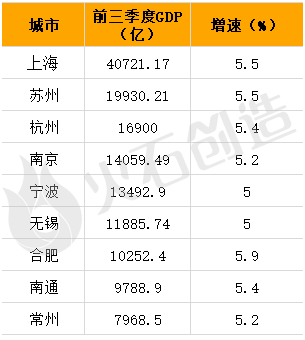
Core Viewpoint - The trillion-yuan cities in the Yangtze River Delta are crucial growth engines for China's economy, contributing significantly to national economic growth and industrial upgrading [1] Economic Performance - In the first three quarters of 2025, the trillion-yuan cities in the Yangtze River Delta demonstrated stable economic performance, with Shanghai leading at an economic total of 40,721.17 billion yuan, followed by Suzhou and Hangzhou [1][2] - Hefei recorded the highest growth rate in the region at 5.9%, while Shanghai and Suzhou both achieved a growth rate of 5.5% [1][2] Industrial Structure - Shanghai has established a modern industrial system framework of "(2+2)+(3+6)+(4+5)", focusing on advanced manufacturing and modern services, as well as digital and green transformations [3][4] - Suzhou's "1030" industrial system emphasizes ten key industrial clusters and thirty key industrial chains, with electronic information, high-end equipment, and advanced materials being the core drivers of its economy [5][6] - Hangzhou is recognized as the "digital economy capital," developing a modern industrial system led by digital economy and multi-industry collaboration, with a focus on advanced manufacturing clusters [8] - Nanjing is building a competitive industrial cluster with a focus on software and information services, intelligent manufacturing, and new energy vehicles [9][10] - Ningbo has developed a "361" industrial cluster system, focusing on digital industries and high-end equipment while maintaining traditional industries [11] - Wuxi has established a "465" modern industrial system, focusing on IoT, integrated circuits, and biomedicine [13][14] - Hefei has rapidly developed a "6+5+X" industrial cluster system, emphasizing new energy vehicles and advanced information technology [15][16] - Nantong's "616" industrial system focuses on shipbuilding and marine engineering, with a complete industrial chain [17][18] - Changzhou has created a "1028" modern industrial system, emphasizing advanced manufacturing and modern services [19][20] Conclusion - The nine trillion-yuan cities in the Yangtze River Delta collectively represent a vibrant and resilient economic landscape in China, characterized by diverse industrial systems and sustained economic growth [21]
这场战争,日本彻底败了
Xin Lang Cai Jing· 2025-11-27 11:32
Core Viewpoint - Chinese home appliance companies have significantly penetrated the Japanese market, overtaking traditional Japanese brands that once dominated the industry [1][3][10]. Group 1: Market Penetration - Chinese brands now hold a substantial market share in Japan, with Hisense leading the television market at 41.1% and Haier dominating the white goods sector [4][7][10]. - Approximately 70% of products in major Japanese retail stores are now Chinese brands, indicating a dramatic shift in consumer preferences [3][4]. - Hisense's market share in Japan's television sector has surged from 2.4% in 2017 to 41.1% in 2024, showcasing rapid growth [4][10]. Group 2: Competitive Landscape - Japanese brands like Panasonic and Sony have seen their market shares plummet, with Panasonic's television market share dropping to 1.2% [10][11]. - The once-dominant Japanese home appliance giants are now struggling, with many exiting the market entirely [11][12]. - The competitive edge of Chinese brands is not solely based on low prices; they have also made significant advancements in high-end product offerings [4][10]. Group 3: Cultural and Market Dynamics - Japanese consumers have historically held biases against foreign brands, which has complicated market entry for Chinese companies [14][19]. - Despite these biases, Chinese brands have successfully integrated into the Japanese market by acquiring local companies and adapting to consumer preferences [29][34]. - The cultural perception of Chinese products as inferior is gradually changing as Chinese brands innovate and meet local demands [36][38]. Group 4: Industry Evolution - The Japanese home appliance industry, once a global leader, is now fragmented and struggling to keep pace with technological advancements [12][52]. - In contrast, Chinese companies have embraced an open supply chain model, allowing for rapid innovation and responsiveness to market changes [27][50]. - The shift in market dynamics reflects broader trends in global supply chains, with China emerging as a manufacturing powerhouse [52][54].



利好!广东,重磅发布!
证券时报· 2025-11-26 04:24
Core Viewpoint - The article discusses the Guangdong government's initiative to support enterprises in optimizing their industrial chain layout through mergers and acquisitions, aiming to accelerate the construction of a modern industrial system and promote high-quality economic development [2]. Group 1: Policy Framework - The Guangdong government issued the "Action Plan for Financial Support of Industrial Chain Integration and Mergers" to address structural contradictions in key industries and promote industrial upgrading [2]. - The plan aims to enhance the competitive advantage of industrial clusters in the Guangdong-Hong Kong-Macao Greater Bay Area by 2027, focusing on efficient integration and collaboration mechanisms [2]. Group 2: Financial Support Measures - The plan emphasizes a market-oriented, legal, and international approach, establishing a comprehensive financial support system for industrial chain integration and mergers [4]. - Specific measures include supporting mergers and acquisitions, improving the quality of listed companies, and facilitating the integration of state-owned enterprises [5]. Group 3: Encouragement of Cross-Border Activities - The plan encourages the establishment of cross-border integration and merger funds with Hong Kong and Macao capital, optimizing mechanisms for qualified foreign and domestic limited partners [6]. - It supports enterprises in issuing offshore RMB bonds in Hong Kong and encourages the use of RMB for cross-border mergers [6]. Group 4: Financing Channels and Innovation - The plan outlines strategies to broaden direct financing channels in the capital market and enhance the fund system to empower industrial chain integration [9]. - It encourages the establishment of various investment funds, including angel investment, venture capital, and private equity, to support key industrial chain segments [10]. Group 5: Support for Technology and Green Development - The plan highlights the need for financial institutions to develop innovative financial products tailored for technology enterprises, including "technology credit loans + insurance" combinations [11]. - It aims to support enterprises in technology innovation and green transformation through various financial tools and collaborative efforts among financial institutions [11]. Group 6: Implementation and Coordination - To ensure effective implementation, the plan proposes establishing a cross-departmental collaboration mechanism and a merger information sharing platform [12].