链主企业

Search documents
十五五-军工哪些方向值得关注
2026-03-13 04:46
Summary of Key Points from the Conference Call Industry Overview - The focus of military investment logic is shifting towards "new quality combat power" with growth driven by military trade, commercial aerospace, military AI, and laser weapons by 2025 [1][2] - The military trade and unmanned equipment sectors are expected to experience significant growth, with China's military trade share currently at only 2.9%, indicating substantial room for improvement [1][11] - The domestic large aircraft C919 is entering a production ramp-up phase, with over 1,300 orders valued at nearly 1 trillion RMB, contingent on stable overseas engine supply [1][12] Core Insights and Arguments - The A-share military sector's performance from 2020 to 2025 can be divided into three phases: 1. A significant uptrend from 2020 to 2021 driven by defense policies and equipment construction, particularly in military aircraft and missiles [2] 2. A downward trend from 2022 to 2024 due to profit growth slowing and industry personnel changes [2] 3. A recovery phase in 2025, with improved orders for upstream companies and validation of Chinese equipment performance in conflicts [2][4] - The market favors sectors with high growth potential, particularly those transitioning from "1 to 100" growth phases, such as military trade and commercial aerospace [4] - Companies with "inflation logic" or those positioned as "chain leaders" in the industry are more attractive for investment, as they can provide greater profit elasticity and valuation upside [3][4] Investment Opportunities - Key investment opportunities include: - **Unmanned Equipment**: Recognized as a primary force in modern warfare, with significant growth potential in both domestic and international markets [10] - **Military Trade**: Seen as a crucial growth driver for domestic military companies, with potential for valuation uplift as international orders materialize [11] - **C919 Aircraft**: Investment opportunities in the supply chain, particularly in components with domestic production capabilities [12][13] - **Gas Turbines**: The market is projected to grow to $64.8 billion by 2035, with high demand for aftermarket services, particularly for hot-end components [14][15] Additional Important Insights - The commercial aerospace sector is experiencing intensified competition, with a focus on cost reduction and high performance, particularly in rocket recovery technologies and satellite capabilities [1][16] - The military industry is characterized by a dual structure of stable growth in traditional equipment and high growth in new quality combat power equipment [5] - The investment framework for the military industry should consider macroeconomic factors, geopolitical environments, and domestic military spending trends [5][6] - The importance of governance structures in military enterprises is highlighted, as improvements can lead to significant performance elasticity [7] Conclusion - The military industry is poised for growth driven by technological advancements and increased military spending, with specific sectors and companies offering promising investment opportunities. The focus should be on those with strong market positions, innovative technologies, and the ability to adapt to changing market dynamics.
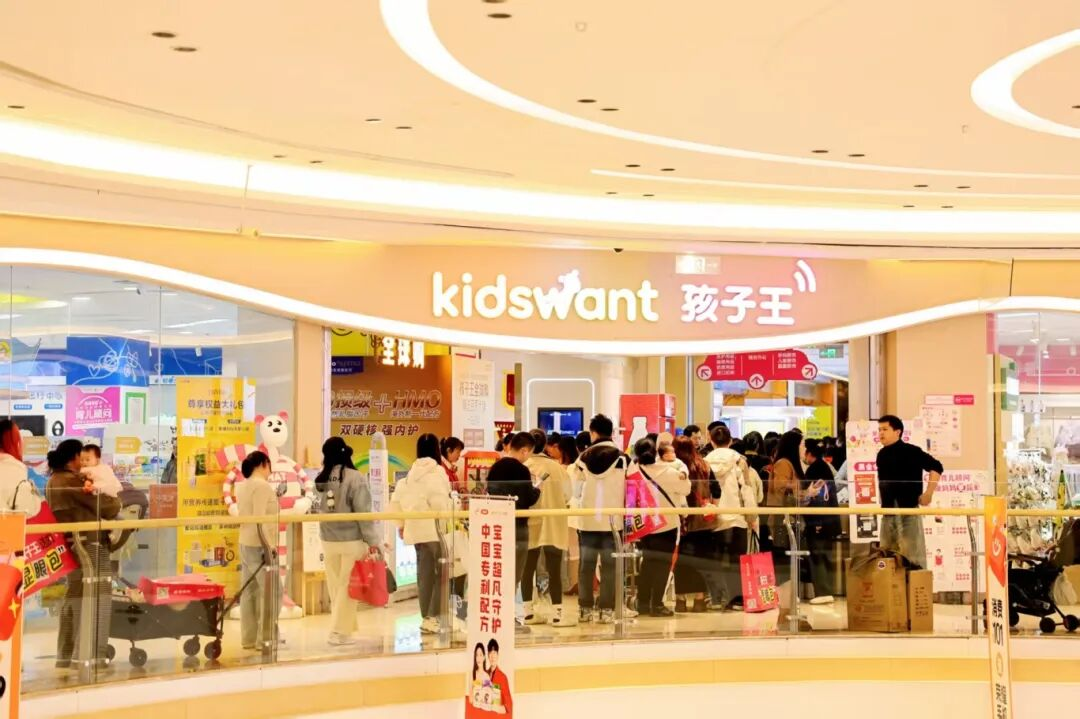
经济大省挑大梁│立足南京,全国母婴童赛道“孩子王”再出发
Nan Jing Ri Bao· 2025-12-26 05:00
Core Viewpoint - The company aims to transition from being an industry leader to a "chain master enterprise" that integrates research, production, supply, sales, and services, emphasizing collaboration with brand partners and factories to strengthen the industry as a whole [1][4]. Group 1: Company Development - The company was founded in 2009 in Nanjing, entering the maternal and infant consumption sector with a large store that garnered significant attention [3]. - It launched its online shopping mall in 2015, marking the beginning of its online integration [3]. - By 2018, the company was recognized as a "unicorn" with a sales scale exceeding 10 billion, achieving a compound annual growth rate of over 100% for ten consecutive years [3]. - The latest financial report shows a revenue of 7.349 billion for the first three quarters of the year, an increase of 8.10%, and a net profit of 209 million, up 59.29% [3]. Group 2: Strategic Shift - The company is evolving from focusing solely on its own services to empowering the entire ecosystem, indicating a shift in competitive strategy from segment competition to supply chain competition [4][6]. - The company plans to open its data and digital tools to enhance collaboration across the industry, moving from a "push" supply chain to a "pull" supply chain [6][7]. - The introduction of AI decision-making systems for various operational processes signifies a commitment to digital transformation and industry-wide infrastructure development [7]. Group 3: Industry Collaboration - The company is part of a broader initiative in Nanjing to cultivate "chain master enterprises," which are expected to lead and enhance the competitiveness of local industries [4][9]. - Nanjing has developed a plan to support the growth of key industries, with a focus on nurturing chain master enterprises that can drive collective success among smaller firms [9]. - The collaboration with partners like Kimberly-Clark highlights the company's role in the supply chain, contributing to significant growth in production value for its partners [10]. Group 4: Market Position - Nanjing is home to 20 unicorns and 195 nurturing unicorns, indicating a vibrant entrepreneurial ecosystem that supports the company's ambitions [11]. - The company is positioned to lead in the new consumer market for parent-child families, with a projected GMV of 13.8 billion in 2024 [3].

如何锻造中国“链主”企业全球竞争力
Guo Ji Jin Rong Bao· 2025-12-22 01:44
Core Viewpoint - The article emphasizes the need for the government to play a guiding role in enhancing the leadership of "chain master" enterprises, improving the resilience and safety of industrial supply chains, and promoting industrial upgrades through collaboration with universities and research institutions [1][6]. Group 1: Current Issues in China's Industrial Chain - China's industrial chain, while complete, faces significant issues of being "large but not strong" and "broad but not deep," with high dependence on foreign core technologies and key components [2]. - The self-sufficiency rate of critical technologies is low, and many strategic industries still rely on imports for essential materials and equipment, weakening the control of "chain master" enterprises over the supply chain [2]. - The collaboration depth among upstream and downstream enterprises is insufficient, with "chain master" enterprises often unable to receive high-end support from small and medium-sized enterprises (SMEs) due to their low value-added roles [2]. - The relationship between "chain leader" (government) and "chain master" (enterprise) is not fully clarified, leading to inefficiencies in policy execution and a lack of effective communication between the government and enterprises [2]. Group 2: Financial Support Challenges - Financial support for "chain master" enterprises and SMEs is currently inadequate, with a heavy reliance on bank loans and low utilization of direct financing methods, resulting in high financing costs [3]. - SMEs face persistent financing difficulties due to a lack of collateral and low credit ratings, limiting their ability to innovate and expand [3]. - The development of supply chain finance is lagging, failing to effectively connect "chain master" enterprises with SMEs, which reduces the efficiency of capital flow within the industrial chain [3]. Group 3: International Experience and Recommendations - The U.S. government supports "invisible champion" enterprises through funding initiatives like the Small Business Innovation Research (SBIR) program, encouraging technological breakthroughs in niche areas [4]. - "Chain master" enterprises in the U.S. integrate SMEs into their ecosystems, enhancing their control over critical supply chain segments [4]. - Recommendations for strengthening China's "chain master" enterprises include establishing collaboration platforms between enterprises and research institutions, creating a cross-regional coordination mechanism, and promoting supply chain finance services [6][7]. - Encouraging "chain master" enterprises to globally allocate resources can lower costs and enhance efficiency, supported by government policies such as tax incentives and financial subsidies for overseas investments [7].

链主领航集群攻坚 湖南构建国产替代产业生态
Zheng Quan Shi Bao· 2025-11-30 17:24
Core Insights - The article highlights the significant advancements in production efficiency within the construction machinery sector, particularly by Zoomlion, which produces various machinery at impressive rates [1] - Hunan Province is emerging as a hub for industrial clusters, focusing on key sectors such as construction machinery, rail transportation, aerospace, chips, basic software, and medical devices, aiming for domestic substitution [1] Group 1: Leading Enterprises - Leading enterprises play a crucial role in driving technological breakthroughs and facilitating industry collaboration, exemplified by Zhuhai Hard Alloy Group, which has made significant advancements in high-end hard materials [2] - The development of Zhuhai Hard Alloy Group has led to the establishment of over 300 related enterprises in Zhuzhou, with a total industrial cluster scale exceeding 40 billion [2] Group 2: Industry Clusters - Industry clusters are essential for supporting domestic substitution, with Hunan Province having developed five trillion-level industries and 17 hundred-billion-level industries, including advanced manufacturing clusters in various sectors [4] - The new generation of autonomous safety computing system cluster in Changsha stands out as the only one in the country focusing on computing systems, becoming a core force in breaking foreign monopolies [4][5] Group 3: Industrial Parks - Industrial parks serve as vital incubators for domestic substitution, with the establishment of the Beidou Industrial Park in Zhuzhou, which has attracted over 170 related enterprises [6] - The Hunan Medical Device Industrial Park has successfully introduced over 290 enterprises in just six years, with a focus on optimizing approval processes to accelerate product registration and market entry [7]
英威腾:公司目前暂未被认定为链主企业
Mei Ri Jing Ji Xin Wen· 2025-11-19 01:06
Core Viewpoint - The company, Yingweitong (002334.SZ), is not currently recognized as a chain leader enterprise but emphasizes its strong market position and collaborative relationships within the industry chain [1]. Group 1: Company Positioning - The company has a leading market share in products such as inverters, UPS, and electric control systems for new energy vehicles in the domestic market [1]. - The company maintains close cooperation with numerous upstream and downstream enterprises in the industry chain, indicating a robust resource integration foundation [1]. Group 2: Future Outlook - The company is focused on enhancing the resilience and competitiveness of the industry chain, suggesting a commitment to collaborative development within the sector [1].

智库 | 产业链“链主”:政策实践、运行逻辑与现实困境研究
Sou Hu Cai Jing· 2025-10-08 05:17
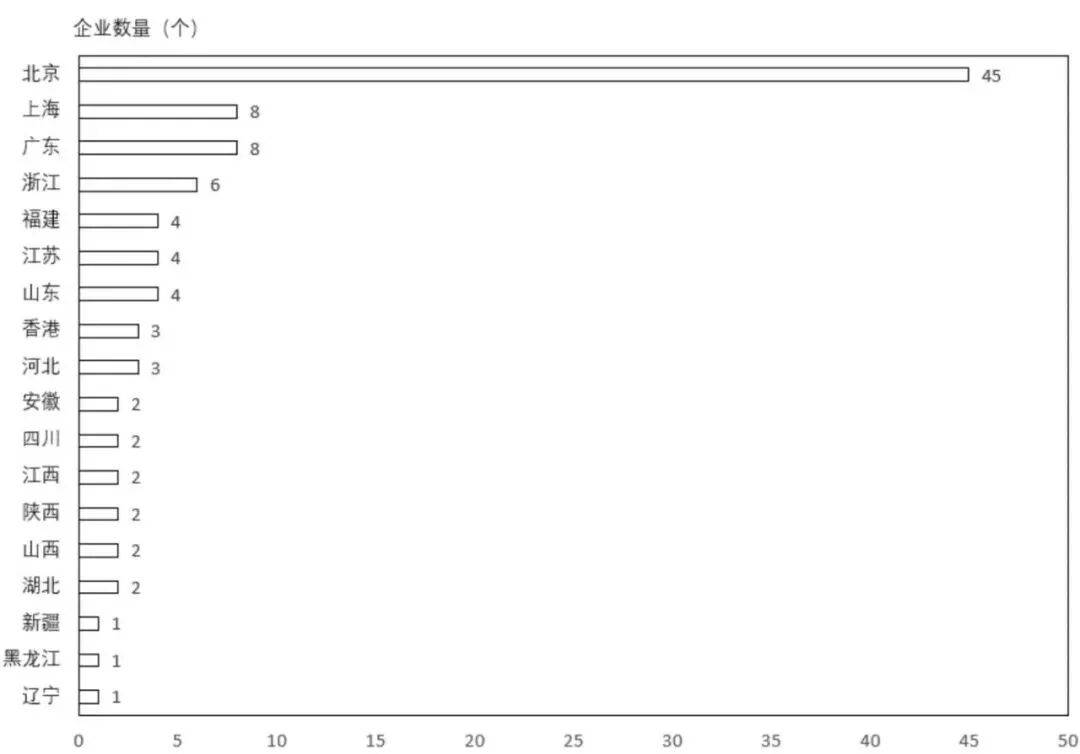
Core Viewpoint - The article discusses the strategic importance of enhancing the resilience and security of industrial chains in the context of global supply chain restructuring and de-globalization, highlighting the implementation of "chain master" policies to support leading enterprises in driving collaborative development across the entire industrial chain [1]. Group 1: Current Development and Policy Practices of "Chain Master" Enterprises - The central government has initiated various foundational works to cultivate "chain master" enterprises, including the selection of "single champion" and "small giant" enterprises, with a total of 596 single champions and 1,832 small giants identified by 2021 [2][3]. - Local governments have accelerated the cultivation of distinctive "chain master" enterprises, with over 300 identified across various provinces by 2022, including significant numbers in Beijing, Shanghai, and Guangdong [3]. Group 2: Policy Analysis and Implementation - The design logic of the "chain master" policy is transitioning from selective intervention to systematic empowerment, focusing on enhancing the market governance capabilities of "chain master" enterprises [7][8]. - Local governments have tailored their policies to foster "chain master" enterprises, emphasizing ecological transformation, industrial internet empowerment, and precise service matching [8][10]. Group 3: Theoretical Framework and Policy Logic - The "chain master" theory encompasses the core position of enterprises within the industrial chain, their role in promoting industrial chain security, and their influence on modernization [16][17]. - The relationship between "chain master" and "chain leader" is characterized by mutual interaction, where "chain masters" drive market dynamics while "chain leaders" provide necessary governmental support [29][30]. Group 4: Challenges and Recommendations - The international environment is increasingly complex, with technological nationalism and trade protectionism posing challenges to "chain master" enterprises, leading to issues such as reliance on foreign technology [30][31]. - Recommendations include enhancing the overall top-level design of the "chain master" policy, establishing a collaborative mechanism between "chain leaders" and "chain masters," and leveraging digital technologies to improve the overall safety of industrial chains [34][36][38].
我们的目标是做中国制造业的链主企业——《财富》专访中科时代创始人、CEO马君
财富FORTUNE· 2025-08-18 13:04
Core Viewpoint - The article highlights the ambition of Zhongke Times to become a leading enterprise in China's manufacturing industry, particularly in the field of industrial automation, aiming to achieve a status comparable to global giants like Siemens and Mitsubishi Heavy Industries [1][8][15]. Group 1: Company Background and Vision - Zhongke Times was founded with the goal of becoming a "chain master" enterprise in the manufacturing sector, which is a key component of the "chain leader system" initiated in China [6]. - The company aims to address the technological gaps in industrial automation, particularly in the context of being "choked" by Western technologies in critical areas like chips and automation [7][10]. - Zhongke Times aspires to be recognized as China's "God's hand" in the industrial market, similar to how Siemens is referred to as "God's left hand" [8]. Group 2: Product Development and Market Position - The company has developed a comprehensive product matrix in industrial automation, including automation systems and intelligent machines, which are essential for the functioning of robotic assembly lines [9][10]. - Zhongke Times has achieved rapid growth, claiming to have reached the first position in China's primary market within four years, outpacing the growth rates of Siemens and Beckhoff during their entry into the Chinese market [14]. - The company emphasizes a product-driven and culture-driven approach, aiming to create top-tier products that can dominate niche markets [13]. Group 3: Strategic Goals and Future Plans - Zhongke Times is in the process of transitioning to its 2.0 phase, focusing on demonstrating strong revenue, net profit margins, and PE growth potential before pursuing an IPO [15]. - The company has already begun its international expansion, establishing a presence in Germany and other markets, indicating a commitment to global growth [14]. - The long-term vision includes becoming a key player in the modernization of China's industrial system, with a focus on self-sufficiency in critical technology areas [10][15].

推进“地等项目”,助力“链主”项目早落地
Nan Jing Ri Bao· 2025-08-11 02:34
Group 1 - Nanjing Guoxuan has invested over 10 billion yuan in its production base, covering nearly 1000 acres with an annual production capacity of 28GWh for power and energy storage batteries [1] - The company achieved a production value exceeding 10 billion yuan for the first time in 2023 and entered the top 100 manufacturing enterprises in Jiangsu Province [1] - Major clients of Nanjing Guoxuan include well-known domestic and international companies such as Huawei, Geely, and Leap Motor [1] Group 2 - The city’s planning and resource bureau is focused on supporting "chain leader" enterprises to facilitate project implementation and effectiveness [2] - "Chain leader" enterprises are defined as dominant companies in the industry with the ability to drive the entire supply chain [2] - The planning resource department has implemented new policies to expedite land use, resulting in over 7500 acres of new construction land being utilized this year [2]
江苏南京:推进“地等项目”,助力“链主”项目早落地
Nan Jing Ri Bao· 2025-08-10 23:05
Group 1 - The core viewpoint of the article emphasizes the support from planning and resource departments in facilitating the early landing and production of "chain master" projects, particularly highlighting the case of Nanjing Guoxuan New Energy Technology Co., Ltd. [1][2] - Nanjing Guoxuan has invested over 10 billion yuan in its facility, covering nearly 1,000 acres, with a designed annual production capacity of 28 GWh, becoming a comprehensive production park for power and energy storage batteries [2] - In 2023, Nanjing Guoxuan's output value surpassed 10 billion yuan for the first time, and the company entered the top 100 manufacturing enterprises in Jiangsu Province [2] Group 2 - The planning and resource department has prioritized serving "chain master" enterprises, actively optimizing industrial space planning to meet development needs [2] - The department has implemented new policies such as "first come, first served" for land use plans and "immediate enjoyment" of exemptions, resulting in the use of over 7,500 acres of newly added construction land this year [2] - The optimization of approval processes has led to significant time savings, exemplified by the Hua Tian testing project, which reduced land acquisition time by 70% compared to similar projects [3]

200亿,苏州开抢了
投资界· 2025-07-11 07:32
Core Viewpoint - Suzhou has launched two major funds, each with a scale of 100 billion yuan, to attract talent and projects, emphasizing the development of "chain master" enterprises within its industrial ecosystem [3][9][10]. Fund Details - The Suzhou Major Industrial Development Fund, led by Suzhou Guotou Group, focuses on "chain master" projects with a minimum investment of 500 million yuan per project, targeting the "1030" industrial system development [6][7]. - The Suzhou Talent No. 1 Fund, initiated by Suzhou Chuangtou Group, also has a total scale of 100 billion yuan, with an initial phase of 25 billion yuan, and aims to support leading talents and startups in various sectors [7][8]. Investment Strategy - The funds will primarily invest in strategic emerging industries and future industries, enhancing capital operation professionalism and project cultivation efficiency [7][11]. - The investment direction includes focusing on terminal chain master enterprises and key projects with scarce resources and core technologies [7][12]. Talent Attraction - The establishment of the 100 billion yuan talent fund is part of Suzhou's broader strategy to attract talent, offering subsidies for transportation, accommodation, and living expenses to eligible young talents [13]. - The talent fund will support four main areas: leading talents, competition winners, startups, and hard technology [8][13]. Industrial Ecosystem - Suzhou is actively cultivating "chain master" enterprises to drive the development of related businesses, aiming to form a robust industrial cluster [11][12]. - The city has established a "1030" industrial system, which includes three trillion-level industries and eleven hundred-billion-level industries, enhancing its position in the national investment landscape [13][14].