半导体国产替代

Search documents
华虹半导体(01347):长期看好大华虹“一体化”战略布局
HTSC· 2025-10-09 12:07
Investment Rating - The report maintains a "Buy" rating for Huahong Semiconductor with a target price raised to HKD 119 from HKD 53 [1][5]. Core Views - The report expresses a long-term positive outlook on Huahong's "integrated" strategic layout, emphasizing the rapid maturation of the domestic AI chip ecosystem and its impact on wafer foundry demand [2][3]. - The report highlights the potential benefits of the BIS regulations, which may accelerate supply chain localization and enhance Huahong's technological capabilities [3][4]. Summary by Sections Demand Side - The report estimates that the advanced process foundry demand from Chinese design companies will reach USD 9.5 billion in 2024, with 70% of this demand currently met by TSMC [1]. - The acceleration of AI chip iterations, particularly from Huawei's Ascend series, is expected to significantly expand domestic foundry demand [1][2]. Supply Side - The new BIS regulations will extend restrictions to subsidiaries with over 50% ownership, which may lead to tighter policies and further localization of the supply chain [3]. - Huahong's acquisition of Huali Microelectronics is projected to enhance its core business and add 38,000 wafers per month of 65/55nm and 40nm process capacity [2]. Financial Projections - The report forecasts a 3% increase in net profit for 2025, reaching USD 60 million, followed by a 48% increase in 2026 to USD 89 million, and a 16% increase in 2027 to USD 103 million [4][8]. - Revenue is expected to decline by 12.34% in 2024 but rebound with a growth of 20.81% in 2025 and 20.98% in 2026 [8][22]. Valuation - The target price adjustment to HKD 119 corresponds to a 4.2x 2025E price-to-book ratio, compared to a peer average of 3.86x [4][10]. - The report emphasizes Huahong's unique position as a leader in domestic specialty processes amid the accelerating trend of semiconductor localization in China [10][11].
港股主题基金年内最高已赚155%
Bei Jing Shang Bao· 2025-10-08 15:41
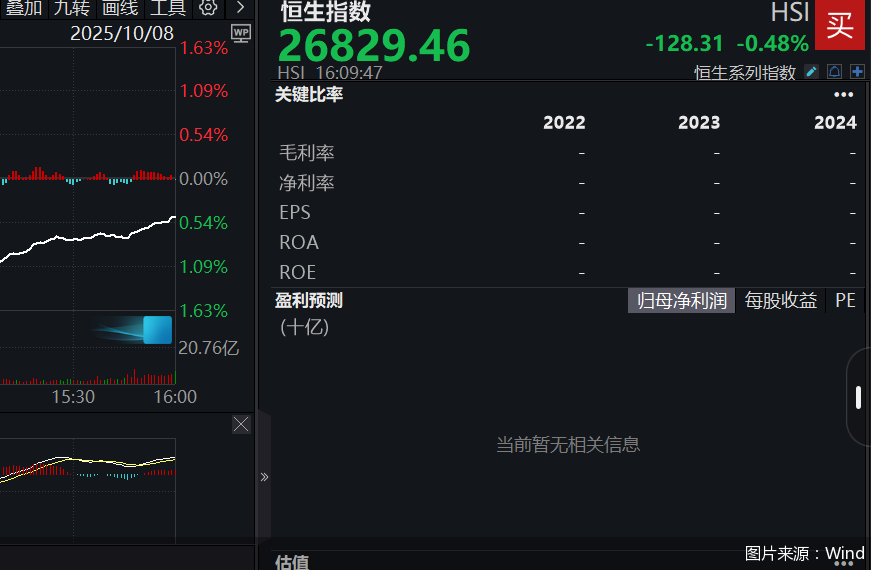
Core Viewpoint - The Hong Kong stock market experienced a pullback after reaching new highs, with the Hang Seng Index and Hang Seng Tech Index both declining. Despite this, there are still optimistic projections for future growth, particularly in the technology sector, which is expected to attract investor interest [1][2]. Market Performance - As of October 8, the Hang Seng Index fell by 0.48% to 26,829.46 points, while the Hang Seng Tech Index decreased by 0.55% to 6,514.19 points. The indices had previously reached new highs on October 2, with the Hang Seng Index peaking at 27,381.84 points [1][2]. - Year-to-date, the Hang Seng Index and Hang Seng Tech Index have increased by 33.75% and 45.79%, respectively [2]. Fund Performance - Several Hong Kong-themed funds have shown outstanding performance, with some achieving returns as high as 155% in the first three quarters of the year. Notable funds include the Huatai-PineBridge Hong Kong Advantage Selected Mixed Fund and the Bank of China Hong Kong Stock Connect Pharmaceutical Mixed Fund, which reported returns of 155.14% and 126.55%, respectively [3][2]. Sector Focus - The innovative pharmaceutical sector has gained significant attention, with the China Securities Index tracking the Hong Kong Stock Connect Innovative Pharmaceutical Index showing a year-to-date increase of 118.52% [3]. - The long-term outlook for the Hong Kong market remains positive, particularly in core areas such as the internet, innovative pharmaceuticals, and medical biotechnology, which are expected to attract capital inflows [3][4]. Investment Strategy - Future investment opportunities in Hong Kong-themed funds are anticipated, especially those focusing on new economy, technology, and innovation sectors. Investors are advised to prioritize reasonably valued assets with clear growth potential and consider a systematic investment approach [4].
国庆港股走势先扬后抑 主题基金年内最高已赚155% 止盈还是加仓?
Bei Jing Shang Bao· 2025-10-08 11:50
Core Viewpoint - The Hong Kong stock market experienced a pullback after reaching new highs, with the Hang Seng Index and Hang Seng Tech Index both declining, but there remains potential for upward movement, particularly in the technology sector [1][2][3]. Market Performance - As of October 8, the Hang Seng Index fell by 0.48% to 26,829.46 points, while the Hang Seng Tech Index decreased by 0.55% to 6,514.19 points [2]. - The Hang Seng Index had previously reached a year-to-date high of 27,381.84 points on October 2, marking a 1.61% increase on that day [2]. - Year-to-date, the Hang Seng Index and Hang Seng Tech Index have risen by 33.75% and 45.79%, respectively [4]. Fund Performance - Several Hong Kong-themed funds have shown outstanding performance, with some achieving returns of up to 155% in the first three quarters of the year [1][4]. - Specific funds, such as the Huatai-PineBridge Hong Kong Advantage Selected Mixed Fund, reported returns of 155.14% and 155.09% for different share classes, ranking third and fourth in the market [4]. Sector Focus - The technology sector, particularly in areas like AI and semiconductor industries, is expected to remain a focal point for investors, with a potential "volatile upward" trend led by industry leaders [1][5][6]. - The innovative pharmaceutical sector has also seen significant gains, with the China Securities Index tracking the Hong Kong Innovative Drug Index showing a year-to-date increase of 118.52% [4]. Future Outlook - Analysts suggest that the Hong Kong market still holds attractiveness due to its focus on core sectors like internet, innovative drugs, and medical biotechnology, with expectations for valuation recovery and capital inflow in the fourth quarter [5][6]. - The Hang Seng Index faces resistance above the 30,000-point mark, which historically has led to significant corrections, necessitating close monitoring of market movements [5].
国庆港股走势先扬后抑,主题基金年内最高已赚155%,止盈还是加仓?
Bei Jing Shang Bao· 2025-10-08 11:41
Core Viewpoint - The Hong Kong stock market experienced a pullback after reaching new highs, with the Hang Seng Index and Hang Seng Tech Index both declining, but there remains potential for upward movement, particularly in the technology sector [1][3][4]. Market Performance - As of October 8, the Hang Seng Index fell by 0.48% to 26,829.46 points, while the Hang Seng Tech Index decreased by 0.55% to 6,514.19 points [3]. - The Hang Seng Index had previously reached a year-to-date high of 27,381.84 points on October 2, marking a 1.61% increase on that day [3]. - Year-to-date performance shows the Hang Seng Index and Hang Seng Tech Index have risen by 33.75% and 45.79%, respectively [5]. Fund Performance - Several Hong Kong-themed funds have performed exceptionally well, with some achieving returns of up to 155% in the first three quarters of the year [5]. - Specific funds, such as the Huatai-PineBridge Hong Kong Advantage Selected Mixed Fund, reported returns of 155.14% and 155.09% for different share classes [5]. Sector Focus - The technology sector, particularly in areas like AI, semiconductors, and innovative pharmaceuticals, is expected to remain a focal point for investors [4][6]. - The China A-share market's performance during the holiday period contributed to capital inflows into the Hong Kong market, leading to short-term gains [4]. Future Outlook - Analysts suggest that the Hong Kong market still has upward potential, especially if the Federal Reserve maintains a low-interest-rate environment and if Chinese assets remain relatively undervalued [4][6]. - The market is anticipated to continue its valuation recovery, with the technology sector being a key area of interest for future investments [6][7].

越亚半导体创业板IPO获受理 拟募资12.24亿元
Zheng Quan Shi Bao Wang· 2025-10-02 05:48
Core Viewpoint - Yuya Semiconductor has initiated its IPO application on the Shenzhen Stock Exchange, aiming to raise 1.224 billion yuan for projects related to AI and operational funding [1] Company Overview - Yuya Semiconductor specializes in the research, production, and sales of advanced packaging materials and products, being one of the earliest domestic companies to produce IC packaging substrates [1] - The company's main products include IC packaging substrates and embedded packaging modules, with applications in RF front-end, high-performance computing, and power management [1][2] Financial Performance - The company's projected revenues from 2022 to the first half of 2025 are 1.667 billion yuan, 1.705 billion yuan, 1.796 billion yuan, and 811.73 million yuan, respectively [2] - Net profits for the same periods are expected to be 415 million yuan, 188 million yuan, 215 million yuan, and 91.47 million yuan [2] Industry Context - The global IC packaging substrate market is dominated by manufacturers from Taiwan, Japan, and South Korea, with the top ten companies holding over 80% market share [2] - Domestic companies, including Yuya Semiconductor, are experiencing growth in sales, but their global market share remains low, indicating significant development potential [2] Technological Position - Yuya Semiconductor's embedded packaging technology is considered advanced, with the company being one of the few globally to achieve mass production of embedded packaging products since 2017 [3] - The company aims to leverage opportunities in AI and communication technology revolutions, focusing on domestic substitution of semiconductor materials and enhancing the localization of mid-to-high-end IC packaging substrates [3]

集成电路ETF(159546)涨超3%,消费电子创新与算力需求成焦点
Mei Ri Jing Ji Xin Wen· 2025-09-30 08:46
Group 1 - The electronic industry is entering a peak season with the launch of innovative products such as AI smartphones, AI PCs, and AI glasses, leading to a potential recovery in demand due to seasonal factors and government subsidies [1] - The semiconductor sector is experiencing strong demand for computing infrastructure, benefiting advanced semiconductors, with high capital expenditure in cloud AI driving the demand for high-end GPUs, HBM storage, and advanced packaging [1] - The domestic substitution in the semiconductor industry is deepening, with sustained demand for computing power, indicating a high level of industry prosperity [1] Group 2 - The integrated circuit ETF (159546) tracks the integrated circuit index (932087), which selects listed companies involved in semiconductor design, manufacturing, packaging, testing, and related materials and equipment to reflect the overall performance of the integrated circuit industry [1] - The constituent stocks of the index are characterized by high technological content and growth potential, representing the development level and trends of China's integrated circuit industry, with a focus on electronic and information technology sectors [1] - Investors without stock accounts can consider the Guotai CSI All-Share Integrated Circuit ETF Initiator Link C (020227) and Guotai CSI All-Share Integrated Circuit ETF Initiator Link A (020226) [1]
每日市场观察-20250930
Caida Securities· 2025-09-30 02:24
Market Performance - On September 29, the market showed strong performance with the Shanghai Composite Index rising by 0.90%, the Shenzhen Component increasing by 2.05%, and the ChiNext Index up by 2.74%[3] - The total trading volume reached 2.18 trillion yuan, a slight increase of approximately 10 billion yuan compared to the previous trading day[1] Sector Analysis - Non-bank, non-ferrous metals, and electric equipment sectors led the gains, while coal, banking, social services, and oil sectors experienced slight declines[1] - The semiconductor equipment sector maintained strength, showing limited decline with significant gains near the market close, indicating strong stability in investor sentiment[2] Capital Flow - On September 29, net inflows into the Shanghai Stock Exchange were 35.651 billion yuan, while the Shenzhen Stock Exchange saw net inflows of 46.963 billion yuan[4] - The top three sectors for capital inflow were securities, batteries, and consumer electronics, while the sectors with the highest outflows were chemical pharmaceuticals, coal mining, and white goods[4] Economic Indicators - From January to August, state-owned enterprises reported total profits of 27,937.2 billion yuan, with total operating revenue of 539,620.1 billion yuan, reflecting a year-on-year growth of 0.2%[8] - The asset-liability ratio for state-owned enterprises was 65.2% at the end of August, an increase of 0.3 percentage points year-on-year[8] Industry Developments - China has built the world's largest and most comprehensive water conservancy infrastructure system, with 95,000 reservoirs and over 200 major water diversion projects completed by the end of 2024[5][9] - The automotive sector saw an import and export total of 25.81 billion USD in August, with a month-on-month increase of 3.3% but a year-on-year decrease of 0.3%[10]
四季度,把握这些主线!
Ge Long Hui· 2025-09-29 10:00
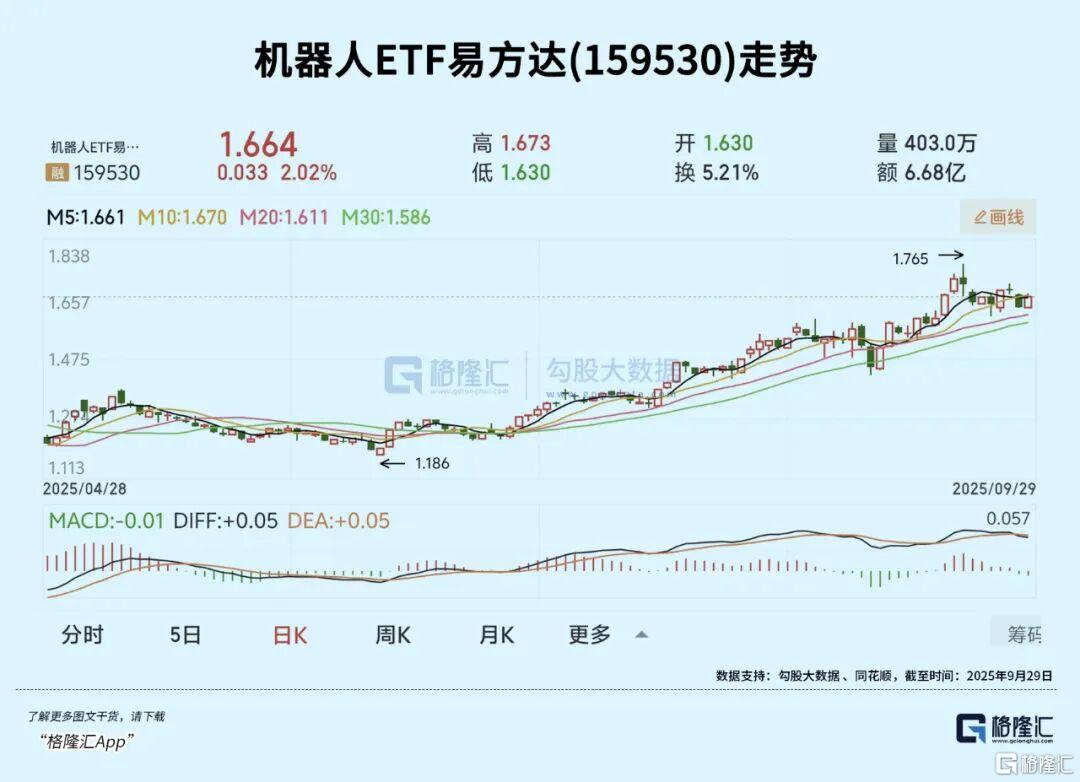
Market Overview - The three major indices collectively rose, with the Shanghai Composite Index up 0.9%, Shenzhen Component Index up 2.05%, and ChiNext Index up 2.74% on the second-to-last trading day before the holiday [1] - The securities sector surged, leading the indices higher, indicating a bullish sentiment in the market [1] Robotics Sector - The humanoid robot sector is expected to see a mainline market trend officially begin in the fourth quarter, following significant changes in the industry logic during the past three quarters [3][5] - Major contracts have been awarded, including a record procurement contract of 250 million yuan by UBTECH, marking a milestone in humanoid robot commercialization [5] - Domestic leading companies are increasingly securing large-scale orders, indicating a clearer outlook for mass production in the coming year [5] Investment Opportunities - The recent surge in the humanoid robot sector is supported by a positive cycle of technological breakthroughs, order confirmations, and capital catalysts [8] - The robot ETF (159530) has seen significant net inflows, with 8.85 billion yuan entering the fund despite a slight decline in the index [8][10] - The robot industry index has outperformed the broader robot index, with a year-to-date increase of 41.11% compared to 3.73% for the latter [8][11] Semiconductor Sector - The semiconductor industry is experiencing a positive outlook driven by AI demand, with significant capital expenditures benefiting equipment and materials companies [17] - Domestic semiconductor companies are seeing increased orders and market share, particularly in key areas like AI GPUs and semiconductor equipment [19] - The semiconductor materials and equipment index has a high weight of 82.48%, indicating a strong focus on these segments within the industry [20] Future Catalysts - Key events in the upcoming months, including Tesla's shareholder meeting and various robotics conferences, are expected to act as catalysts for the humanoid robot sector [4] - The market is likely to shift focus towards sectors with structural growth, such as semiconductors, new energy, humanoid robots, and innovative pharmaceuticals, as liquidity remains ample [23]

深圳半导体新王诞生
3 6 Ke· 2025-09-29 08:29
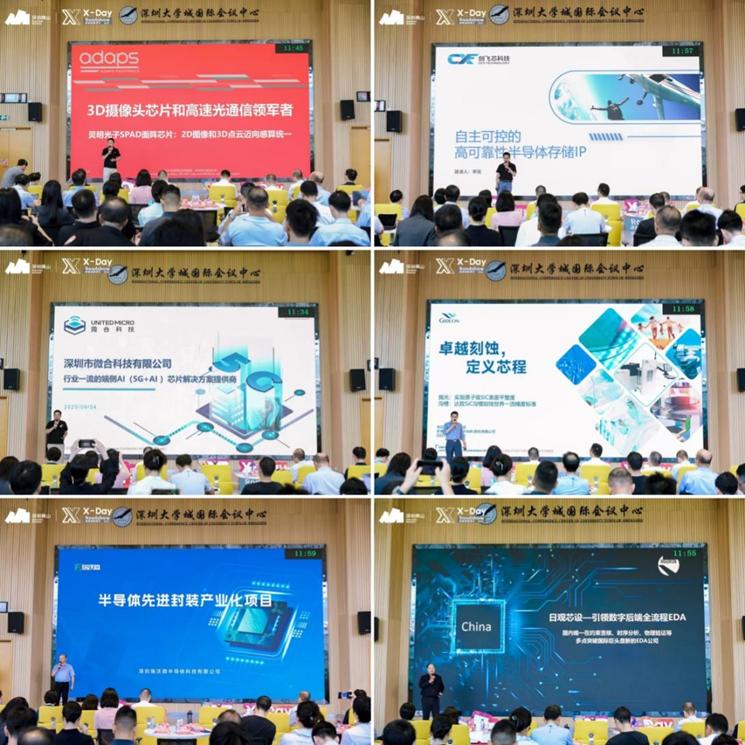
Core Insights - The surge in stock prices of Cambrian has ignited expectations for China's semiconductor industry, with a particular focus on a Shenzhen-based company, Xinkailai, which has recently gained attention after its debut at the SEMICON China 2025 event [1][2]. Company Overview - Xinkailai, established in 2021, is fully owned by Shenzhen Deep Investment Group, which aims to address continuity issues in domestic semiconductor manufacturing and support the industry's development [3][10]. - The core team of Xinkailai has over 20 years of experience in electronic and communication equipment technology development, collaborating with various domestic semiconductor manufacturing equipment and component partners [3]. Investment Landscape - Following Cambrian's market capitalization exceeding 600 billion, venture capital and private equity firms have intensified their search for semiconductor projects, with Xinkailai emerging as a highly sought-after target [1][4]. - Recent roadshows in Shenzhen showcased multiple semiconductor startups, indicating a robust interest in the sector, with companies focusing on key areas such as chip design, EDA tools, advanced packaging, and third-generation semiconductors [4][6]. Market Dynamics - Shenzhen's semiconductor industry has seen significant growth, with over 77,000 registered semiconductor-related companies and a scale exceeding 140 billion in the integrated circuit industry by 2025 [11]. - The city has established a comprehensive industrial chain covering upstream support industries, midstream production, and downstream application scenarios, with a strategic focus on AI hardware development [10][11]. Future Outlook - Shenzhen aims to achieve an industry revenue target of over 250 billion by 2025, with a strategic goal of becoming a global hub for "AI + chips + scenario-based" innovations [10][11]. - The rise of numerous semiconductor companies in Shenzhen reflects the city's ambition to capitalize on the growing demand for consumer electronics and related semiconductor technologies [12].
深圳半导体新王诞生
投资界· 2025-09-29 08:07
Core Viewpoint - The article highlights the rising interest and investment in China's semiconductor industry, particularly focusing on the company Xinkailai, which has gained attention following the success of Cambrian's stock performance [2][3]. Company Overview - Xinkailai, a Shenzhen-based semiconductor company, was established in 2021 and is fully owned by Shenzhen Deep Investment Group. It aims to address continuity issues in domestic semiconductor manufacturing and support the industry's growth [5][6]. - The company recently gained visibility by showcasing over 30 semiconductor equipment products at the SEMICON China 2025 exhibition, marking its first major public appearance [5]. Investment Trends - Following Cambrian's market capitalization surpassing 600 billion, venture capital and private equity firms have intensified their search for semiconductor projects, with Xinkailai emerging as a highly sought-after investment target [3][4]. - A recent roadshow in Shenzhen featured multiple semiconductor startups, indicating a robust interest in the sector, with companies focusing on chip design, EDA tools, advanced packaging, and third-generation semiconductors [7][9]. Industry Growth - Shenzhen's semiconductor industry has seen significant growth, with over 77,000 registered semiconductor-related companies and a scale exceeding 1,400 billion in the integrated circuit industry by 2025 [14]. - The city has established a comprehensive industrial chain covering upstream support industries, midstream production, and downstream application scenarios, with various districts specializing in different aspects of semiconductor technology [13]. Future Prospects - The article emphasizes the potential for Shenzhen to become a global hub for AI and semiconductor integration, driven by the demand from the consumer electronics sector [13]. - The strategic goal is to create a closed-loop ecosystem from raw materials to final consumer products, leveraging Shenzhen's unique advantages in the semiconductor landscape [13].