
双碳

Search documents
中国人民银行兴安盟分行推进做好金融“五篇大文章”工作走深走实
Jin Rong Shi Bao· 2026-02-05 06:24
围绕银发经济发展,构建"产业支持+产品供给+服务保障"全链条体系。在产业支持上,对接民 政、人社部门梳理养老企业需求清单,2025年,全盟累计投放养老产业贷款686.29万元,支持养老企业 9户。在产品供给上,推广个人养老存款、理财等产品,如工商银行"如意人生"养老理财产品销售额达 2018.32万元,同比增长797%。截至12月末,全盟个人养老金余额1642.53万元,同比增长169.4%。在服 务保障上,实现金融机构网点适老化改造全覆盖,提供社保卡激活等7类上门服务3356次;优化ATM 机、手机银行老年版界面,字体放大150%、信息量精简68%;构建"监测—拦截—宣教"反诈体系,开 展宣传培训215场,覆盖1.3万余人次,成功阻断老年人诈骗案件2起,守护老年人财产安全。 推动金融数字化转型与数字经济发展同频共振。一是助力数字产业融资。推动中征应收账款融资服 务平台、全国中小微企业资金流信用信息共享平台、动产融资统一登记公示系统应用模式创新,打造数 字征信服务矩阵,激发产业链、供应链活力,推动地方实体经济高质量发展。今年以来,累计通过"两 平台一系统"为辖内企业促成融资13.58亿元,截至2025年12月 ...
黑色建材日报-20260205
Wu Kuang Qi Huo· 2026-02-05 05:10
黑色建材日报 2026-02-05 黑色建材组 陈张滢 从业资格号:F03098415 交易咨询号:Z0020771 0755-23375161 chenzy@wkqh.cn 郎志杰 从业资格号:F3030112 交易咨询号:Z0023202 0755-23375125 langzj@wkqh.cn 万林新 从业资格号:F03133967 0755-23375162 wanlx@wkqh.cn 赵 航 从业资格号:F03133652 0755-23375155 zhao3@wkqh.cn 螺纹钢主力合约下午收盘价为 3110 元/吨, 较上一交易日涨 11 元/吨(0.354%)。当日注册仓单 16931 吨, 环比减少 0 吨。主力合约持仓量为 179.82 万手,环比减少 6899 手。现货市场方面, 螺纹钢天津汇总价格 为 3160 元/吨, 环比减少 0/吨; 上海汇总价格为 3230 元/吨, 环比减少 0 元/吨。 热轧板卷主力合约收盘 价为 3274 元/吨, 较上一交易日涨 9 元/吨(0.275%)。 当日注册仓单 199447 吨, 环比减少 0 吨。主力合 约持仓量为 148.27 万手 ...
暴涨超215%,太空光伏龙头钧达股份,被马斯克带上“天”
3 6 Ke· 2026-02-05 04:39
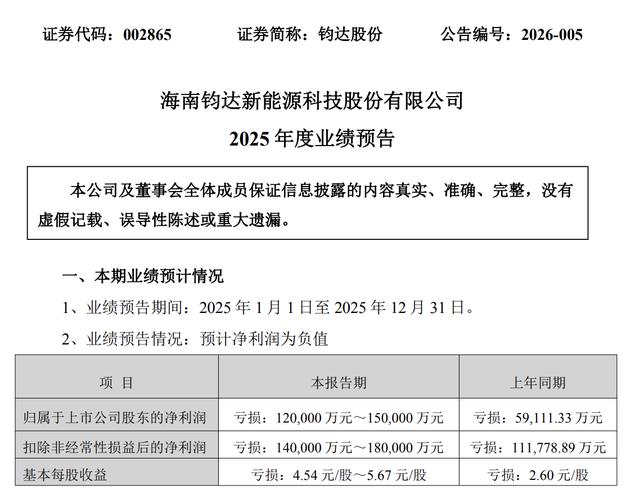
Core Viewpoint - The narrative of space photovoltaics is being validated by Elon Musk, providing a potential solution to the challenges faced by the photovoltaic industry, with practical applications becoming more feasible as Musk's vision unfolds [1][2]. Group 1: Space Photovoltaics Concept - Space photovoltaics aims to establish solar power stations in Earth's orbit for uninterrupted clean energy collection, with reduced launch costs from companies like SpaceX accelerating this "sci-fi" concept towards reality [3]. - The photovoltaic equipment sector has seen a nearly 30% increase in stock prices this year, with leading companies like Junda Co. experiencing over 100% growth, and Junda's market capitalization surpassing 35 billion yuan [3]. Group 2: Junda Co. Financial Performance - Junda Co. is projected to incur a net loss of 1.2 billion to 1.5 billion yuan in 2025, worsening from a loss of 591 million yuan in 2024, with non-recurring losses expected to reach 1.4 billion to 1.8 billion yuan [4][6]. - Despite the stock price surge, Junda Co. has acknowledged that its recent ventures are still in the exploratory phase, with significant uncertainties regarding market expansion and competition [6]. Group 3: Junda Co.'s Transformation and Market Position - Junda Co. transitioned from manufacturing automotive parts to the photovoltaic sector, acquiring Jietai Technology for over 1.4 billion yuan to facilitate this shift, which has been described as a gamble [14]. - After completing its transformation in 2022, Junda Co. reported a revenue of 11.595 billion yuan, a 304.95% increase from the previous year, and turned a profit of 711.69 million yuan, reversing a prior loss [15]. Group 4: Technological Advancements and Market Share - Junda Co. has established a leading position in the N-type TOPCon battery market, achieving a global market share of approximately 46.5% by 2023, with plans to reach a production capacity of 44 GW by the end of 2024 [16]. - The company is betting on perovskite technology, which is seen as a disruptive next-generation photovoltaic technology, offering higher efficiency and lower production costs compared to traditional silicon batteries [19]. Group 5: Future Prospects and Challenges - The narrative of space photovoltaics is gaining traction, with Musk announcing plans for 200 GW of solar capacity in the U.S. within three years, which could benefit Junda Co. [17]. - However, the actual conversion of space photovoltaic orders into revenue remains uncertain, as large-scale procurement is still in the early stages of technological exploration [20].


宏观金融类:文字早评2026/02/05星期四-20260205
Wu Kuang Qi Huo· 2026-02-05 03:22
Report Summary 1. Investment Rating The provided document does not mention the industry investment rating. 2. Core Viewpoints - **Stock Index**: In the short - term, the market rotation is accelerating, hot - plate persistence is poor, and trading volume is falling before the Spring Festival. In the long - term, policy support for the capital market remains unchanged. The strategy is to buy on dips [4]. - **Treasury Bonds**: The economic recovery foundation is not solid, and there is still room for RRR and interest rate cuts. The central bank maintains an attitude of protecting funds, and bond market trading is expected to be stable. However, it is necessary to pay attention to the suppression of the stock market, government bond supply, and inflation expectations, and the market is expected to fluctuate [8]. - **Precious Metals**: The market is in a cautious short - covering and position - rebuilding stage after a technical oversold. It is recommended to wait and see, with the Shanghai gold main contract in the range of 1050 - 1300 yuan/gram and Shanghai silver in the range of 22000 - 25000 yuan/kilogram [11]. - **Non - ferrous Metals**: Most non - ferrous metals are expected to fluctuate, with some having upward or downward trends based on supply - demand, policy, and cost factors [14][16][21]. - **Black Building Materials**: The black - building materials sector is in a bottom - game stage with multiple factors at play. It is expected to fluctuate in the short - term, and it is necessary to track inventory changes, demand recovery, and policy adjustments [34]. - **Energy Chemicals**: Different energy - chemical products have different trends. For example, crude oil is recommended to take profits on rallies, and some products are affected by supply - demand, cost, and geopolitical factors [64][66]. - **Agricultural Products**: Different agricultural products have different trends. For example, the short - term outlook for live pigs is pessimistic, while the long - term outlook for cotton is positive [87][102]. 3. Summary by Category Macro - financial - **Stock Index** - **Market Information**: The President of China had a phone call with the US President; a new satellite testing and launching technology plant was established; the Ministry of Industry and Information Technology aims to break through key technologies; the central bank focuses on credit market work [2]. - **Basis Annualized Ratio**: Different contracts of IF, IC, IM, and IH have corresponding basis annualized ratios [3]. - **Strategy**: Buy on dips in the short - term [4]. - **Treasury Bonds** - **Market Information**: Contract prices changed on Wednesday; the central bank held a credit market meeting; the Reserve Bank of Australia raised interest rates [5]. - **Liquidity**: The central bank conducted 750 billion yuan of 7 - day reverse repurchase operations, with a net withdrawal of 302.5 billion yuan [6][7]. - **Strategy**: The bond market is expected to fluctuate, and it is necessary to pay attention to multiple factors [8]. - **Precious Metals** - **Market Information**: Gold and silver prices rose; the US ADP data indicated a slowdown in the labor market; the US Treasury's refinancing statement affected the bond market [9][10]. - **Strategy**: Wait and see, with reference price ranges for Shanghai gold and silver [11]. Non - ferrous Metals - **Copper** - **Market Information**: Copper prices fluctuated, LME copper inventory increased, and domestic spot was at a discount [13]. - **Strategy**: The price is expected to fluctuate strongly, with reference price ranges for Shanghai and LME copper [14]. - **Aluminum** - **Market Information**: Aluminum prices declined, and inventory and trading conditions changed [15]. - **Strategy**: If concerns about the US AI narrative ease, prices are expected to stabilize and rise, with reference price ranges [16]. - **Zinc** - **Market Information**: Zinc prices fluctuated, and inventory and basis data changed [17][18]. - **Strategy**: The price is following the sector to make up for the macro - attribute. The trading center may return to the industrial logic [18]. - **Lead** - **Market Information**: Lead prices declined, and inventory and basis data changed [19]. - **Strategy**: The industry situation is weak, and the panic sentiment has eased to some extent [19]. - **Nickel** - **Market Information**: Nickel prices rebounded, and cost and supply - demand factors changed [20]. - **Strategy**: It is expected to fluctuate widely in the short - term, with reference price ranges [21]. - **Tin** - **Market Information**: Tin prices fluctuated, and supply, demand, and inventory factors changed [22]. - **Strategy**: It is expected to fluctuate widely in the short - term, and it is recommended to wait and see [23]. - **Lithium Carbonate** - **Market Information**: The spot index rose, and the futures contract price declined [24]. - **Strategy**: It is recommended to wait and see or take a small - position attempt, with a reference price range for the futures contract [25]. - **Alumina** - **Market Information**: The index rose, and inventory and basis data changed [26][27]. - **Strategy**: It is recommended to wait and see, with a reference price range and key factors to watch [28]. - **Stainless Steel** - **Market Information**: The futures price rose, and spot and inventory data changed [29]. - **Strategy**: Maintain a bullish view, with a reference price range [29]. - **Cast Aluminum Alloy** - **Market Information**: The price rebounded, and inventory and trading volume data changed [30]. - **Strategy**: The price is supported in the short - term [31]. Black Building Materials - **Steel** - **Market Information**: Rebar and hot - rolled coil prices rose slightly, and inventory and trading volume data changed [33]. - **Strategy**: It is expected to fluctuate in the short - term, and it is necessary to track multiple factors [34]. - **Iron Ore** - **Market Information**: The futures price rose, and spot and inventory data changed [35]. - **Strategy**: It is expected to fluctuate weakly in the short - term, and it is necessary to pay attention to steel mill restocking and iron - making rhythms [36][37]. - **Coking Coal and Coke** - **Market Information**: Prices rose, and spot and basis data changed [38]. - **Strategy**: It is expected to fluctuate in the short - term, and it is necessary to pay attention to market sentiment and high - volatility risks [40][42]. - **Glass and Soda Ash** - **Glass** - **Market Information**: The futures price rose, and inventory and trading volume data changed [43]. - **Strategy**: It is expected to fluctuate strongly in the short - term, with a reference price range [44]. - **Soda Ash** - **Market Information**: The futures price rose, and inventory and trading volume data changed [45]. - **Strategy**: It is expected to fluctuate weakly and stably in the short - term, with a reference price range [46]. - **Manganese Silicon and Ferrosilicon** - **Market Information**: Prices rose slightly, and spot and basis data changed [47]. - **Strategy**: The market is affected by overall sentiment and cost factors. It is recommended to pay attention to manganese ore and "dual - carbon" policies [49][50]. - **Industrial Silicon and Polysilicon** - **Industrial Silicon** - **Market Information**: The futures price rose, and spot and inventory data changed [51]. - **Strategy**: The price is expected to fluctuate, and it is necessary to pay attention to production cuts and downstream adjustments [54]. - **Polysilicon** - **Market Information**: The futures price rose, and spot and inventory data changed [55]. - **Strategy**: The price is expected to fluctuate, and it is necessary to pay attention to meetings and spot transactions [56]. Energy Chemicals - **Rubber** - **Market Information**: The price is determined by funds, and there are different views on supply and demand [58]. - **Strategy**: Trade short - term on the disk, set stop - losses, and consider a spread trading strategy [62]. - **Crude Oil** - **Market Information**: Futures prices rose [63]. - **Strategy**: Take profits on rallies and focus on medium - term layout [64]. - **Methanol** - **Market Information**: Spot and futures prices changed [65]. - **Strategy**: The price has priced in most geopolitical premiums, and there is pressure on the upside [66]. - **Urea** - **Market Information**: Spot and futures prices changed [68]. - **Strategy**: Short - sell on rallies due to expected negative fundamentals [69]. - **Pure Benzene and Styrene** - **Market Information**: Prices rose, and supply - demand and inventory data changed [70]. - **Strategy**: The non - integrated profit of styrene has been repaired, and it is advisable to take profits gradually [70]. - **PVC** - **Market Information**: The futures price rose, and supply - demand, cost, and inventory data changed [71]. - **Strategy**: The domestic supply is strong and demand is weak. Pay attention to production capacity and start - up changes [72][73]. - **Ethylene Glycol** - **Market Information**: The futures price rose, and supply - demand, cost, and inventory data changed [74]. - **Strategy**: There is an expectation of further profit compression and load reduction in the medium - term, but there is a risk of rebound in the short - term [75]. - **PTA** - **Market Information**: The futures price rose, and supply - demand, cost, and inventory data changed [76]. - **Strategy**: It enters the Spring Festival inventory - accumulation stage. Be cautious of processing - fee corrections in the short - term and look for long - entry opportunities after the Spring Festival [77]. - **Para - xylene** - **Market Information**: The futures price rose, and supply - demand, cost, and inventory data changed [78]. - **Strategy**: It is expected to accumulate inventory before the maintenance season. Look for long - entry opportunities following crude oil in the medium - term [79]. - **Polyethylene (PE)** - **Market Information**: The futures price rose, and supply - demand and inventory data changed [80]. - **Strategy**: The oil price may have bottomed out. The price is supported by reduced inventory, but the demand is in the off - season [81]. - **Polypropylene (PP)** - **Market Information**: The futures price rose, and supply - demand and inventory data changed [82]. - **Strategy**: The supply pressure is relieved, and the price may bottom out in the first quarter of next year. Consider going long on the PP5 - 9 spread on dips [84]. Agricultural Products - **Live Pigs** - **Market Information**: Pig prices fell, and supply - demand factors changed [86]. - **Strategy**: Short on rallies in the short - term, and pay attention to long - term support [87]. - **Eggs** - **Market Information**: Egg prices mostly fell, and supply - demand factors changed [88]. - **Strategy**: Short - sell in the near - term and long - term, with different logics [89]. - **Soybean and Rapeseed Meal** - **Market Information**: Futures prices fell slightly, and supply - demand data changed [90][91]. - **Strategy**: The short - term fundamentals are improving, and the price may be bottoming out [92]. - **Oils and Fats** - **Market Information**: Futures prices fluctuated, and supply - demand data changed [93][94]. - **Strategy**: The price may have bottomed out. Wait for a pull - back to go long [94]. - **Sugar** - **Market Information**: The futures price rebounded slightly, and supply - demand data changed [95][98]. - **Strategy**: Wait for the northern hemisphere to finish the harvest in February. The domestic price may have limited downside, and it is advisable to wait and see [99]. - **Cotton** - **Market Information**: The futures price fluctuated, and supply - demand data changed [100][101]. - **Strategy**: It fluctuates widely in the short - term and may rise in the long - term. Look for low - entry opportunities before the Spring Festival [102].
太空光伏龙头钧达股份,被马斯克带上“天”
投中网· 2026-02-05 02:33
以下文章来源于侃见财经 ,作者侃见财经 侃见财经 . 看见不一样的财经! 将投中网设为"星标⭐",第一时间收获最新推送 光伏行业的景气度正在逐渐提升。 来源丨 侃见财经 太空光伏的叙事逻辑,正在被马斯克验证。 作为未来太空能源的延伸,光伏行业的窘境,正在被"太空光伏"概念所拯救。且随着马斯克太空光伏能源的设想逐步落地,太空光伏的实操性正在增 强。 在马斯克的加持下,光伏行业的景气度正在逐渐提升。 那么,究竟什么是太空光伏? 其核心构想是在地球轨道上建立太阳能电站,实现全天候、无遮挡的清洁能源收集。且随着SpaceX等公司大幅降低发射成本,这一"科幻级"设想正加 速走向现实。 更为重要的是,随着太空光伏的设想逐步进入实际操作阶段,低迷的光伏行业也找到了新的突围方向,龙头也开始逐渐复苏。根据统计,截至最新收 盘,年内光伏设备板块涨幅接近30%,而钧达股份等行业龙头涨幅更是超过了100%。 若从2025年12月初算起,"太空光伏"光伏龙头钧达股份涨幅更是超过了215%,市值突破350亿元,也就是说,仅两个月时间钧达股份市值增长就超 过了240亿元。 据此前披露的业绩预告显示,预计2025年净利润亏损12亿元至15亿 ...

北京举办AI+能源发展大会 共探产业融合路
Zhong Guo Neng Yuan Wang· 2026-02-05 02:00
Core Viewpoint - The integration of energy transition and digital intelligence is crucial for building a strong energy nation and promoting high-quality development in the energy industry, especially in the context of the "14th Five-Year Plan" [1] Group 1: Event Overview - The AI + Energy Development Conference was held in Beijing on January 30-31, focusing on the deep integration of AI and the energy industry [1] - The conference gathered over 300 representatives from government departments, energy companies, innovative enterprises in the industry chain, and academic experts to discuss development consensus and practical paths [1] Group 2: Organizers and Collaborators - The event was co-hosted by several organizations, including China Energy News, China Energy Conservation Association, and others, highlighting a collaborative effort in the energy sector [1] - Various supporting organizations participated, such as the China Energy Conservation Association's Energy Saving and Carbon Reduction Technology Promotion Committee and others, indicating a broad coalition for energy transformation [1] Group 3: Initiatives Launched - The conference initiated several activities, including the AI + Energy Green Industry Tour and the unveiling of the Zhongguancun (Haidian) AI Digital Energy Industrial Park [1] - The establishment of the National Zero Carbon Park Creation Expert Guidance Committee by the Zhongguancun Guolian Green Industry Service Innovation Alliance was also announced, aiming to gather collective efforts for achieving carbon neutrality [1]
我研究团队破解节能制绿氢难题
Huan Qiu Wang Zi Xun· 2026-02-05 01:45
来源:光明日报 本报呼和浩特2月4日电(记者高平、王潇) 据介绍,绿氢(指使用风能、太阳能等可再生能源电解水生产的氢能)是实现碳中和目标的重要能源形 式,但其规模化生产面临一个主要障碍:电解水制氢过程中的高能耗问题,其中析氧反应占据了近90% 的电能消耗。长期以来,科研人员致力于探索可替代析氧反应的低耗能阳极反应,以期通过"开源节 流"的方式提升制氢效率。尿素氧化反应被认为是一个具有前景的替代方向,同时亚硝酸盐作为尿素选 择性氧化的产物之一,在食品、农业和医药等行业应用广泛。因此,利用尿素废水作为阳极原料合成亚 硝酸盐,有望同时实现绿氢的节能制备与高附加值亚硝酸盐的联合生产。然而,传统的尿素氧化反应倾 向于生成氮气,这为目标产物亚硝酸盐的选择性调控带来了显著困难。 研究团队提出了一种创新的催化剂设计策略,成功构建出高效多功能电催化剂,将反应路径导向高附加 值亚硝酸盐的生成与协同产氢,同时显著抑制了氮气副反应的发生,实现了尿素向亚硝酸盐的高效转 化,且具有经济可行性。 该研究实现了反应路径的有效调控,为超低能耗制氢与废水资源化耦合提供了新思路,有望推动绿氢工 业化生产的发展。 该研究服务"双碳"目标,开发尿素节 ...
聚星科技乘势“双碳”东风 智能电表驱动低压电器新蓝海
Quan Jing Wang· 2026-02-05 01:38
Core Insights - Smart meters are essential devices for building smart cities under the "dual carbon" goals, with explosive growth providing significant opportunities for 聚星科技 in the low-voltage electrical components market [1] - 聚星科技 specializes in the research, production, and sales of electrical contact products, which are crucial for controlling low-voltage electrical devices [1] - The company has established strong partnerships with major low-voltage electrical manufacturers, enhancing its customer resource advantages [2] Industry Overview - The global smart meter market is projected to reach nearly $26 billion by 2024, with the residential market accounting for 86% of this, particularly driven by the Asia-Pacific region [2] - By 2030, the smart meter market in China is expected to exceed 80 billion yuan, driven by technological advancements and cost reductions [2] - The demand for smart grids and smart meters is increasing due to the ongoing "dual carbon" goals and the rising proportion of green consumption [3] Company Performance - In the first three quarters of 2025, the company achieved revenue of 836 million yuan, a year-on-year increase of 18.82%, with a net profit of 83 million yuan [2] - In the third quarter, revenue reached 299 million yuan, reflecting an 11.50% year-on-year growth, indicating strong business resilience [2] Market Trends - The State Grid is expected to tender approximately 46.52 million smart meters in 2024, a year-on-year increase of 86.43%, indicating robust market demand [3] - The implementation of the IR46 standard for smart meters is anticipated to accelerate in 2026, further driving the smart meter upgrade [3]
暴涨超215%!太空光伏龙头钧达股份,被马斯克带上“天”
Sou Hu Cai Jing· 2026-02-05 00:17
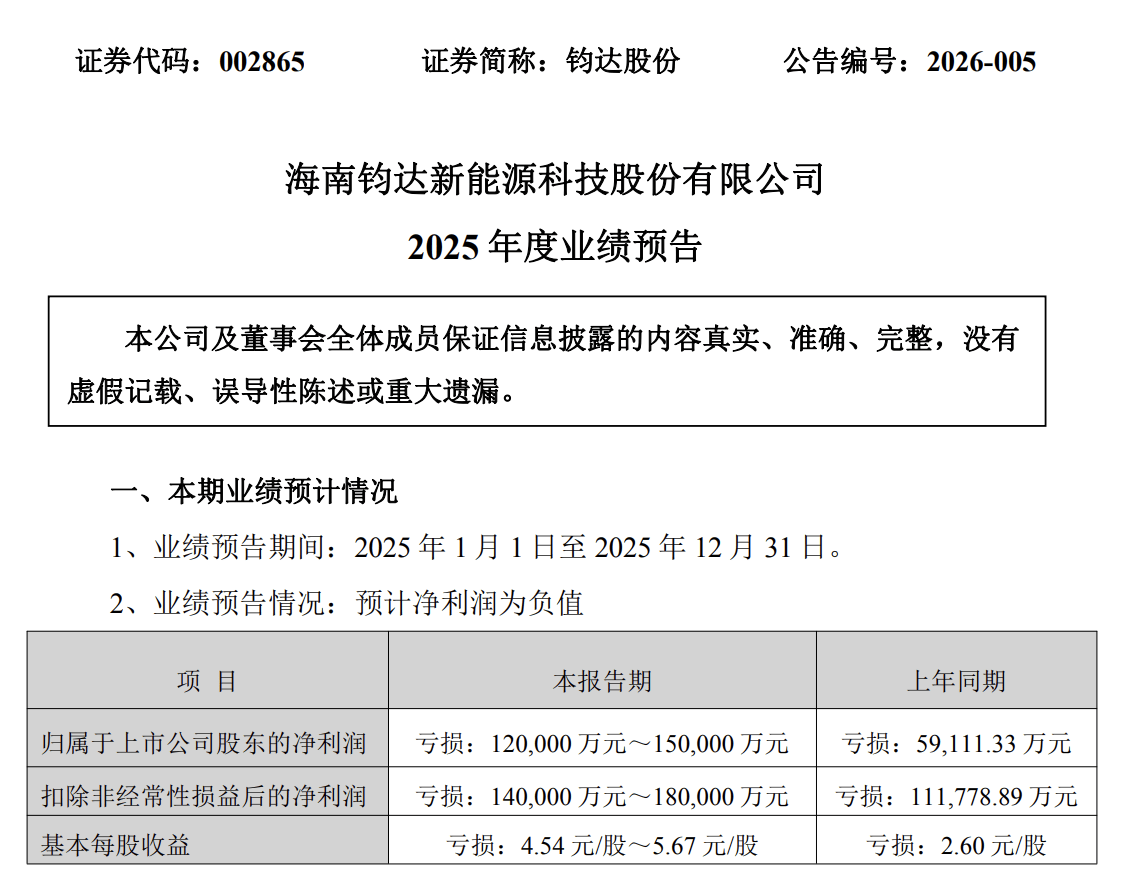
太空光伏的叙事逻辑,正在被马斯克验证。 作为未来太空能源的延伸,光伏行业的窘境,正在被"太空光伏"概念所拯救。且随着马斯克太空光伏能源的设想逐步落地,太空光伏的实操性正在增强。 在马斯克的加持下,光伏行业的景气度正在逐渐提升。 那么,究竟什么是太空光伏? 其核心构想是在地球轨道上建立太阳能电站,实现全天候、无遮挡的清洁能源收集。且随着SpaceX等公司大幅降低发射成本,这一"科幻级"设想正加速走向 现实。 更为重要的是,随着太空光伏的设想逐步进入实际操作阶段,低迷的光伏行业也找到了新的突围方向,龙头也开始逐渐复苏。根据统计,截至最新收盘,年 内光伏设备板块涨幅接近30%,而钧达股份等行业龙头涨幅更是超过了100%。 若从2025年12月初算起,"太空光伏"光伏龙头钧达股份涨幅更是超过了215%,市值突破350亿元,也就是说,仅两个月时间钧达股份市值增长就超过了240 亿元。 当然,从基本面来看,钧达股份并不优秀。 据此前披露的业绩预告显示,预计2025年净利润亏损12亿元至15亿元,较2024年亏损5.91亿元进一步扩大;预计扣非净利润亏损14亿元至18亿元,上年同期 为亏损11.18亿元。 | 项目 | 本 ...
全面贯彻落实省委决策部署 确保交出“十五五”开局首张高分报表
Xin Lang Cai Jing· 2026-02-04 17:28
Group 1 - The meeting emphasized the importance of aligning thoughts and actions with provincial decisions to ensure high-quality and rapid development in Quzhou [2][3] - A focus on achieving annual goals and effectively utilizing mechanisms to enhance the implementation of the first quarter's work was highlighted [2] - The strategy of "strengthening industry and promoting projects" was reiterated, with an emphasis on integrating various industrial chains and seizing opportunities in artificial intelligence [2] Group 2 - The need for a strong atmosphere of integrity and proactive action among party members and officials was stressed, promoting a performance-oriented culture [3] - The importance of ensuring public safety and stability during the New Year period was underscored, with a commitment to managing various social and safety issues [3] - The city aims to address challenges posed by external environments and demographic changes while focusing on green transformation and service industry enhancement [3]