品牌营销

Search documents
制裁不断、缺货“阴云”,大疆为何仍能牢牢占领美国市场?
3 6 Ke· 2025-07-09 06:19
Core Insights - DJI has captured approximately 80% of the global consumer drone market and reported revenue exceeding 30 billion RMB in 2022, showcasing its rapid growth since its inception in 2006 [1][5] - The company has successfully penetrated the U.S. market, achieving a market share of 47% by 2020 and 58% of U.S. drone operators using DJI equipment by mid-2024 [3][13] - DJI's marketing strategy includes leveraging social media, partnerships with influencers, and engaging with mainstream media to elevate its brand presence in the U.S. [6][12] Market Position - DJI's sales reached 400,000 units with a revenue of $500 million in 2014, with 40% of its overseas revenue coming from North America by 2016 [2] - By 2024, DJI's market share in the U.S. drone market is estimated to be between 70% to 90%, particularly among government and commercial users [3][13] Product Development - The launch of the Phantom 1 drone in 2012 marked a turning point for DJI, transitioning from a parts supplier to a consumer-focused brand [4] - Revenue growth from 2013 to 2017 saw DJI's sales increase from 820 million RMB to 17.57 billion RMB, with net profits rising significantly during the same period [4][5] Marketing Strategy - DJI's marketing efforts have included collaborations with high-profile influencers on platforms like YouTube and TikTok, enhancing brand visibility and consumer engagement [6][7] - The company has utilized traditional media coverage to position itself as a leading technology brand, receiving extensive coverage from major publications [12] Distribution Channels - Initially, DJI sold products through niche forums, but expanded to major e-commerce platforms like eBay and Amazon, significantly increasing its market reach [14][15] - The partnership with Apple in 2016 allowed DJI to leverage Apple's retail presence, further solidifying its brand in the consumer market [15] Brand Image - DJI has cultivated a high-end brand image through strategic placements in popular media and collaborations with celebrities, enhancing its appeal to a broader audience [12][10] - The company has built a strong community of over 10 million followers across various social media platforms, contributing to its brand loyalty and consumer trust [7]
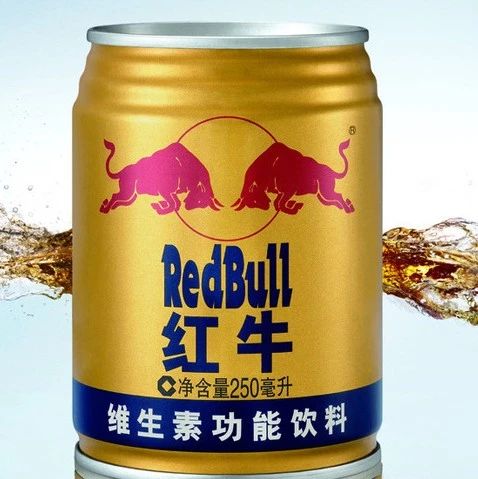
红牛什么都干,除了生产红牛
36氪· 2025-07-09 00:02
Core Viewpoint - Red Bull operates more like a marketing and media company than a traditional beverage manufacturer, focusing on brand image and marketing efficiency to create value beyond the product itself [4][18][40]. Group 1: Company Overview - Red Bull was founded in 1984 by Dietrich Mateschitz and Chaleo Yoovidhya, who adapted a Thai energy drink for the European market [10][13]. - The company has outsourced its production entirely to the Austrian manufacturer Rauch, selling 12.67 billion cans globally in 2024 without producing any in-house [7][27]. - Red Bull has established itself as a major player in sports marketing, owning two Formula 1 teams and several football clubs, leveraging these assets for brand exposure [32][36]. Group 2: Marketing Strategy - Red Bull's marketing strategy focuses on extreme sports sponsorship, allowing the company to gain significant brand visibility at a lower cost compared to mainstream sports [14][16]. - The company has created a media house that produces content related to its sponsored events, enhancing its brand presence and engagement with consumers [18][22]. - Red Bull's pricing strategy positions its product as a premium offering, with a can priced approximately 14 times higher than Coca-Cola in Austria [38][39]. Group 3: Financial Insights - The production cost of a can of Red Bull is significantly lower than its retail price, with estimates suggesting a markup of nearly 40 times the production cost in Western markets [39]. - Red Bull's investment in sports teams has yielded substantial returns in brand exposure, with an estimated annual value of $300 million from its F1 team investments [36][37]. - The company's revenue from the Chinese market was reported at 21.09 billion yuan in 2024, indicating strong market performance [40].

红牛什么都干,除了生产红牛
远川研究所· 2025-07-07 12:36
Core Viewpoint - Red Bull operates more like a marketing and media company than a traditional beverage manufacturer, leveraging extreme sports and media production to build its brand and drive sales. Group 1: Company Overview - Red Bull was founded in 1984 by Dietrich Mateschitz and Chaleo Yoovidhya, who combined their resources to establish Red Bull GmbH and gained global distribution rights outside Asia [16] - The company has shifted its focus from beverage production to marketing and media, outsourcing production to a third-party manufacturer, Rauch [11][34] - Red Bull's marketing strategy emphasizes extreme sports sponsorship, which allows the brand to gain significant visibility at a lower cost compared to mainstream sports [18][20] Group 2: Marketing and Media Strategy - Red Bull Media House, established in 2007, produces and distributes sports content, capitalizing on the brand's sponsorship of over 1,200 events annually [21] - The Red Bull Stratos project, where Felix Baumgartner jumped from 39,000 meters, exemplifies the company's ability to create high-impact media content that generates massive brand exposure [22][27] - Red Bull's marketing approach has allowed it to charge premium prices for its products, with a single can priced at approximately 40 times its production cost in Western markets [55] Group 3: Financial Performance and Market Position - In 2024, Red Bull's global sales reached 12.67 billion cans, with significant revenue generated from its marketing and media ventures [11][56] - The company has invested heavily in sports teams, including two F1 teams and multiple football clubs, which enhances its brand visibility and market presence [45][50] - Red Bull's pricing strategy positions it as a premium product, with its drinks priced significantly higher than competitors like Coca-Cola, reflecting its brand value and marketing success [54][56]

夏日营销的温度计:品牌如何在梗文化、人物共鸣与场景体验中赢得年轻人
Jing Ji Guan Cha Bao· 2025-07-07 09:52
Core Insights - The marketing landscape in the first week of summer 2025 showcases a diverse and dynamic approach, with brands like Meituan, Lululemon, Xianyu, and Proya engaging users through empathetic and relatable strategies [2][5][6][12][15] Group 1: Innovative Marketing Strategies - Meituan's new advertisement creatively uses "small lobsters as tools," effectively compressing and communicating the core value of the product as "sufficient, full, and cost-effective" through humor and metaphor [5] - Xianyu's appointment of Liu Yuning as its first brand ambassador emphasizes a "immersive identity binding," where the celebrity actively engages with the community rather than merely serving as a symbolic face [8][10] - Lululemon's "Summer Fun Challenge" promotes participation over performance, encouraging users to find their own movement style rather than adhering to traditional fitness standards [10][11] Group 2: Emotional Connection and Brand Identity - Proya's collaboration with actress Kwang Lingling focuses on the theme of "the secret of youth," redefining anti-aging and self-worth through storytelling and emotional resonance rather than just product promotion [14] - The overarching trend in marketing is shifting towards rebuilding relationships, where emotional engagement, rhythm, and participation are prioritized over mere technical execution or budget allocation [15][16] - Brands are increasingly striving to become entities that users want to connect with, share, and remember, reflecting a collective identity rather than a singular brand image [18]



LV巨轮“撞飞”星巴克?引发一场商业风水战
首席商业评论· 2025-07-01 14:20
Core Viewpoint - The opening of LV's "giant ship" in Shanghai has generated significant attention, showcasing a blend of luxury retail and immersive experience, while also creating a unique marketing dynamic with Starbucks nearby [1][3][32]. Group 1: LV's Giant Ship - LV's giant ship is the only one of its kind globally, located in Shanghai, with a total area of 1,600 square meters across three floors [1]. - The structure features a combination of exhibition space, retail store, and restaurant, offering a luxurious experience that contrasts with traditional luxury retail environments [3]. - The immersive design reflects LV's brand identity and aligns with Shanghai's historical significance as an international shipping center, enhancing its luxury positioning [8]. Group 2: Interaction with Starbucks - The proximity of LV's giant ship to Starbucks' first Asian roasting workshop has sparked discussions about potential brand rivalry and marketing strategies [10][15]. - Starbucks has leveraged the situation to boost its visibility, with increased foot traffic and sales as customers visit to take photos with the LV ship [26][32]. - The interaction between the two brands has been framed as a mutually beneficial marketing opportunity, akin to historical rivalries that have led to greater market engagement [34].


交流速递|小菜园(0999.HK)基本面继续优化,短中长期均具价值催化剂
Ge Long Hui· 2025-06-27 11:21
Core Viewpoint - The restaurant industry continues to face intense competition entering 2025, but leading companies like Xiaocaiyuan demonstrate resilience, presenting structural investment opportunities [1] Short-term Summary - Xiaocaiyuan has shown a positive same-store sales recovery in May, with expectations for stability or slight growth in the second half of the year. Profit growth remains strong, with net profit projected to exceed previous guidance [1] - The company is enhancing its bargaining power with malls, optimizing single-store efficiency, and reducing costs in the delivery channel. The average cash recovery period for stores has improved, and monthly net profit per store is on the rise [1][2] Expansion Strategy - Xiaocaiyuan is adjusting its store opening strategy, focusing on fine-tuning in Q1 and anticipating a peak in openings in Q3, with a target of slightly over 120 new stores this year, bringing the total to around 800 by year-end [2] - The company aims to improve both single-store efficiency and the number of stores, with plans to enhance brand marketing and strengthen supply chain advantages through a new processing plant expected to be operational by November [3] Long-term Outlook - Xiaocaiyuan has significant room for expansion, with conservative estimates suggesting the potential to open 2,000 to 3,000 additional stores, indicating further market share growth [4] - The company plans to focus on international expansion after reaching 3,000 domestic stores, with initial steps to enter the Hong Kong market this year [4] - Xiaocaiyuan emphasizes long-term value creation for shareholders through a robust internal incentive system, consistent dividend payouts, and employee engagement strategies [5] Investment Potential - Xiaocaiyuan is viewed as a high-value, growth-oriented chain in the Hong Kong stock market, with potential as a resilient leader in the Chinese restaurant sector. The company is in a phase of brand momentum, with unique organizational mechanisms and ongoing optimization capabilities [5]
从爆款到长红,品牌营销要平衡好六个维度
3 6 Ke· 2025-06-25 00:52
Core Insights - The article discusses the evolution of viral marketing, highlighting a shift from positive, entertaining content to content that often gains attention through controversy or negative reactions [1] - The SPREAD framework is introduced as a tool for brands to navigate the complexities of modern viral marketing, allowing for critical assessment and optimization of content before release [2] SPREAD Framework Dimensions - **Socially Useful and Sensitive**: Successful marketing campaigns today often provide value or meaningful actions, as seen in Duolingo's language equality advocacy and Dove's "Cost of Beauty" campaign, which resonated deeply with audiences [3][4] - **Provocative**: Effective campaigns challenge norms and provoke thought, such as Patagonia's "Don't Buy This Jacket" and Elf Beauty's "So Many Dicks," which raised awareness on diversity issues [5][6] - **Replicable**: Content that encourages participation and user-generated versions, like TikTok's "Roman Empire" trend, can significantly amplify brand exposure [7][8] - **Emotional**: Content that triggers emotional responses is crucial, with Airbnb's campaign successfully tapping into nostalgia and connection, while Peloton's ad failed due to a lack of empathy [9][10] - **Ambiguous**: Ambiguity can spark curiosity and sharing, as demonstrated by LEGO's "Rebuild the World" campaign, which encouraged personal interpretation [11][12] - **Distributive**: Content must be adaptable across various platforms to maximize reach, as seen in campaigns like the "DollyPartonChallenge" and Disney's "ShareYourEars" [13][14] Conclusion - The SPREAD framework provides brands with a structured approach to create impactful content that resonates with audiences while maintaining their core values, essential in a landscape where consumer behavior is increasingly selective and fragmented [2][14]
伯希和销售费用狂飙近10亿:研发费用杯水车薪,屡屡违规被罚
Xin Lang Cai Jing· 2025-06-24 00:52
Core Viewpoint - The company, 伯希和, is preparing for an IPO on the Hong Kong Stock Exchange, positioning itself as a competitor to high-end outdoor brands like 始祖鸟, with a focus on affordable outdoor apparel and equipment [1] Group 1: Company Overview - 伯希和 was founded in 2012 and offers a range of outdoor apparel and equipment, with an average price range of 500-2000 RMB [1] - The company has launched 417 clothing SKUs, with 26 SKUs achieving annual sales exceeding 10 million RMB [1] - By 2024, 伯希和 is projected to capture 5.2% of the domestic high-performance outdoor apparel market [1] Group 2: Financial Performance - Revenue from clothing products has significantly increased, contributing 80.7%, 87.8%, and 91.1% of total revenue from 2022 to 2024 [2] - Total revenue for 伯希和 has grown from 378 million RMB in 2022 to 1.766 billion RMB in 2024, with gross profit increasing from 205 million RMB to 1.053 billion RMB [3] - The company reported a net profit of 24.31 million RMB in 2022, increasing to 283 million RMB in 2024, with adjusted net profit margins remaining around 17.2% [5] Group 3: Marketing and Sales Strategy - 伯希和 has significantly increased its advertising and promotional expenses, totaling nearly 600 million RMB over the reporting period [6] - The company has expanded its offline retail presence from 30 stores in 2022 to 146 stores by 2024 [3] - A marketing campaign featuring actor 成毅 generated approximately 1 billion views and 600 million RMB in online GMV within 14 hours [3] Group 4: Operational Challenges - The company faces challenges with rising accounts receivable and inventory levels, with inventory increasing from 154 million RMB in 2022 to 595 million RMB in 2024 [9] - Cash flow from operating activities turned negative in 2024, primarily due to increased inventory and accounts receivable [10] - The company has a high advertising spend relative to its R&D investment, which raises concerns about long-term sustainability [8] Group 5: Quality and Reputation Issues - 伯希和 has faced criticism regarding product quality, with multiple instances of product non-compliance reported [12][14] - Consumer complaints have been noted, particularly regarding refund issues and product quality, with 116 complaints recorded on a consumer complaint platform [14] - The brand's association with historical controversies has led to negative public perception, impacting its reputation [12]
艾瑞消费观察 | 消费市场的100种可能,我们用洞察力为你解码!
艾瑞咨询· 2025-06-22 02:15
Core Viewpoint - The article emphasizes the role of iResearch's Consumer Division as a strategic tool for businesses to capture trends and unlock growth in the rapidly evolving consumer market [1]. Group 1: Who We Are - iResearch's Consumer Division is a specialized team focused on the consumer sector, leveraging deep industry research to provide customized business insights [2]. - The division positions itself as a practical entity that combines research with actionable solutions, rather than merely producing reports [3]. - It operates within the iResearch ecosystem, sharing data technology resources while concentrating on vertical scenarios in the consumer industry, having served over a thousand consumer enterprises and produced thousands of industry reports across various sectors [4]. Group 2: What We Focus On - The division analyzes seven core consumer areas to dissect growth equations, including fast-moving consumer goods (FMCG) and retail, fashion, toys and cultural products, home appliances, and automotive [5]. - Specific examples of their analysis include using big data to reveal unusual search keywords by young consumers when purchasing appliances and dissecting successful strategies of new tea brands in lower-tier markets [6]. Group 3: What We Can Help You Do - The division offers four main solutions to transform insights into business value: 1. Brand Marketing Accelerator: Provides comprehensive support from exposure to conversion, including brand diagnostics and marketing optimization [7]. 2. Market Position Certifier: Uses authoritative data to validate brand market positions and consumer trend endorsements [8]. 3. Overseas Navigation Tool: Assists businesses in understanding target markets and competitors, helping to avoid pitfalls in international expansion [9][10]. 4. Decision Database: Offers self-researched reports and customized studies to provide insights into specific consumer behaviors and trends [11]. Group 4: Benefits of Following Us - By following the iResearch Consumer Observation account, users can gain insights into consumer trends, access case studies of successful companies, and receive weekly free industry reports to alleviate data anxiety [12][13].

AI智能体上线,营销人下线? | AI无悖论
虎嗅APP· 2025-06-19 14:42
Core Viewpoint - The article discusses whether AI will fundamentally reconstruct the operational rules of industries or merely amplify their existing essence, emphasizing the need for a deep transformation in brand management through AI integration [1][2]. Group 1: Impact of AI on Marketing - The explosion of generative AI represents a significant shift in marketing, particularly in user insights and content generation, with a complete closed-loop system expected to emerge in the next two to three years [3][4]. - Despite the increased content production efficiency brought by AI, the essence of brand communication and consumer needs remains unchanged, focusing on value, experience, and social recognition [5][8]. - Companies must avoid "tool illusion" and instead focus on building a brand data and cognitive system that leverages AI for deeper insights and engagement [4][5]. Group 2: Brand Strategy in the AI Era - Brands need to communicate their AI capabilities effectively, ensuring that data is internalized and AI systems are continuously learning to enhance brand understanding [7][9]. - The essence of brand building should not be lost in the pursuit of technology; instead, traditional brand values should be preserved while integrating AI capabilities [9][12]. - Future brand narratives will likely shift towards more immersive and real-time interactions, changing how brands communicate with consumers [12][13]. Group 3: Implementation of AI and Intelligent Agents - Intelligent agents are seen as a practical way for companies to embrace AI, especially for those lacking the resources for a full AI paradigm shift [15][16]. - The deployment of intelligent agents should focus on vertical integration and differentiation in data, which is crucial for achieving competitive advantage in the AI era [17][19]. - A successful AI marketing strategy requires a holistic approach that combines high-quality consumer insights, real-time content generation, and continuous optimization [20][21]. Group 4: Challenges and Organizational Change - A significant portion of companies express willingness to adapt their strategies for AI, but many remain at the tool level without addressing deeper organizational changes [22][24]. - The key challenge lies in strategic decision-making, where short-term profits must be balanced against long-term investments in AI transformation [24][25]. - The learning curve for organizations is steep, as the ease of knowledge acquisition may lead to a widening gap in learning capabilities among employees [25][26].