
场景创新

Search documents
海南:多元文旅业态带动假日经济热潮涌动
Xin Hua Wang· 2025-10-08 12:28
Group 1 - The integration of night economy, "first store economy," and intangible cultural heritage with Hainan's tourism has created vibrant experiences for visitors, driving a surge in local holiday economic activity [1] - According to Fliggy's report, Hainan's tourism booking volume increased by nearly 30% year-on-year during the holiday, with car rental bookings seeing a remarkable 90% growth [1] - The launch of the "driverless" tourism route along Hainan's ring road has connected popular tourist spots, enhancing the travel experience [1] Group 2 - The "first store economy" and "scene innovation" are fostering new consumption formats, with Haikou's shopping centers creating immersive themed consumption environments and promotional activities [2] - The "Elastic Dream Factory Sports Park," which opened on the first day of the holiday, is Hainan's first comprehensive sports park, attracting over 10,000 visitors since its opening [2] - The "ecology + culture" approach is enhancing the long-term appeal of Hainan's tourism, with events that blend ecological sightseeing with cultural experiences [2] Group 3 - Non-material cultural heritage activities, such as the Li ethnic dance performances, have added vibrancy to Hainan's holiday tourism market, allowing visitors to engage with traditional crafts [3] - The Sanya Cultural Center has introduced various public cultural products during the holiday, promoting traditional culture and enhancing community engagement [3]
“双节”驱动成都中秋消费升温 文旅新体验引流消费潮
Sou Hu Cai Jing· 2025-10-07 10:56
Core Insights - Chengdu's consumption market is experiencing a "super golden week" during the overlapping Mid-Autumn Festival and National Day, with significant increases in both domestic and inbound tourist numbers, leading to a boost in consumer spending [1][8] Mooncake Market - Traditional mooncakes remain popular, with consumers favoring smaller, less oily options, while innovative mooncakes are gaining traction, exemplified by the locally produced "ugly mooncake" that has attracted attention for its unique flavor and quality [3][4] - Health-conscious mooncakes, such as those developed by Chengdu University of Traditional Chinese Medicine, are also trending, combining traditional recipes with health ingredients like donkey-hide gelatin and ginseng [4] Pet Market - The pet mooncake market is emerging as a new highlight, with sales of pet mooncakes increasing by approximately 10% compared to the previous year, reflecting a growing trend in pet-related consumer goods [4] Dining and Cultural Experiences - The dining sector is leveraging new scenarios and experiences, such as the combination of camping and hotpot at Hai Di Lao, which is particularly appealing to younger consumers [5] - Cultural events, like the World Line Animation Exhibition and the integration of local heritage with modern festivities, are enhancing consumer engagement and driving foot traffic [7] Promotional Activities - Chengdu is actively promoting consumption through various platforms, distributing dining coupons and hosting over 600 promotional events, which are significantly boosting sales across multiple sectors [8]

提振消费进行时 | 假期前四天广西交出亮眼消费成绩单
Guang Xi Ri Bao· 2025-10-06 02:06
Core Insights - The consumer market in Guangxi has shown a strong recovery during the first four days of the National Day and Mid-Autumn Festival holiday, with retail and catering sales increasing by 11.3% year-on-year [1][2] - Various promotional activities, including the distribution of consumption vouchers and trade-in policies, have effectively stimulated consumer spending [1] Group 1: Retail and Catering Performance - Sales from nearly 200 key monitored retail and catering enterprises increased by 11.3% year-on-year, with retail enterprises growing by 11% and catering enterprises by 23% [1] - Specific categories such as automotive, petroleum products, communication equipment, and furniture saw sales growth of 2.5%, 16.6%, 10.2%, and 11.4% respectively [1] Group 2: Consumer Activities and Events - The "Shopping in China · AI Shining Guangxi - 2025 Golden Autumn International Consumption Season" initiative has been launched, promoting multi-theme and multi-level consumption activities [1] - The trade-in activities have led to significant sales, with over 187,000 new cars, 3.724 million home appliances, 1.77 million 3C digital products, and 250,000 electric bicycles sold, generating over 41.9 billion yuan in sales [1] Group 3: Tourism and Local Consumption - The number of external tourists visiting Guangxi increased by 58.5% compared to the same period last year, with local service consumption rising by 21.7% [2] - The accommodation and catering sectors experienced significant growth, with platform revenues increasing by 9.1% and 52% respectively, and nighttime consumption rising by 38.6% [2] Group 4: Digital and Online Retail Growth - Online retail sales in Guangxi grew by 10.2% year-on-year, with non-physical goods sales increasing by 21.2% [2] - Categories such as online dining and tourism saw substantial growth, with sales increasing by 11% and 21.1% respectively, while agricultural product online sales surged by 21% [2] Group 5: Market Supply and Stability - Local business departments ensured sufficient inventory of essential goods such as grains, cooking oil, meat, and vegetables, maintaining overall price stability during the holiday [2]
商文旅深度融合 国庆假期广西消费市场活力迸发
Zhong Guo Xin Wen Wang· 2025-10-05 09:08
Group 1 - The core viewpoint of the article highlights the significant recovery and growth of the consumer market in Guangxi during the first four days of the National Day holiday in 2025, with a year-on-year sales increase of 11.3% among nearly 200 key retail and catering enterprises [1][3][4] Group 2 - To stimulate consumer spending, Guangxi has implemented measures such as distributing consumption vouchers and promoting trade-in policies, leading to substantial sales growth in automotive, petroleum products, and furniture categories compared to the same period last year [3] - As of October 4, 2025, the trade-in activities in Guangxi have driven new car sales exceeding 187,000 units, home appliance sales of 3.724 million units, 3C digital product sales of 1.77 million units, electric bicycle sales of 250,000 units, and home renovation sales of 438,000 units, resulting in a direct sales boost of over 41.9 billion yuan [3] - The integration of cultural and tourism services has enhanced service consumption and night economy, with a 58.5% increase in the number of visitors to Guangxi and a 38.6% rise in night-time consumption during the holiday [3] Group 3 - Guangxi has leveraged digital empowerment and innovative scenarios to activate all-channel consumption and foster the growth of new business formats, with online retail sales increasing by 10.2% during the holiday [4] - Notably, sales of electric vehicles, washing machines, and mobile phones saw remarkable year-on-year growth rates of 307.8%, 116.9%, and 116.9% respectively [4]
山东城市观察|家国同庆,月圆琴岛 解码青岛双节消费新场景
Xin Lang Cai Jing· 2025-10-04 08:55
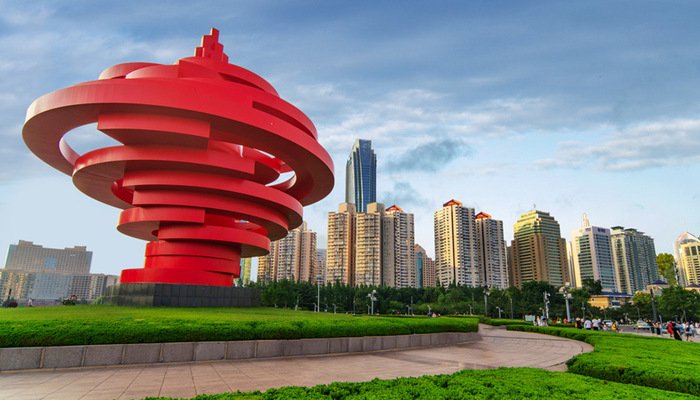
Core Insights - The article highlights the vibrant consumer atmosphere in Qingdao during the Mid-Autumn Festival and National Day, showcasing a blend of traditional and modern cultural experiences that attract visitors [1] Group 1: Commercial Innovations - Qingdao's commercial spaces are undergoing a scene revolution, moving beyond traditional promotions to create immersive experiences that deeply connect with consumers [3][6] - The "City Micro-Buzz Festival" at MixC integrates craft beer, cultural markets, and traditional games, attracting over 50 local craft brands and cultural teams, becoming a highlight of the "Gift to Golden Autumn" theme consumption season [3][6] - HaiTian Mall's "City Meetup" theme combines art experiences and fan interactions, featuring activities like Citywalk stamp collection and flash events, enhancing consumer engagement [3][6] Group 2: Cultural Integration - The "National Style Concert" merges traditional instruments with modern music, appealing to younger audiences, while the "Old Goods Exchange Market" promotes green consumption and urban memory [6][8] - Interactive activities like the "Express Love for the Motherland" event in Laoshan District enhance customer participation and patriotism, while traditional performances and outdoor movie screenings in Dongbu New World Commercial Street enrich the festive atmosphere [6][8] Group 3: Street Culture Revival - Old streets in Qingdao are revitalized, becoming a fusion point for traditional culture and modern aesthetics, with themed exhibitions showcasing local crafts and art [8][9] - The "A+ Research Institute" dessert shop, launched on October 1, creates a buzz with its unique combination of desserts and experiences, attracting a young consumer base [9][11] - The "Qingdao Comedy Festival" features performances from top comedians, enhancing social media engagement and drawing crowds to the area [11][12] Group 4: City Narrative Reconstruction - Qingdao is transforming its urban narrative into an interactive cultural text, inviting visitors to engage with history through innovative experiences at scenic spots like Langya Terrace [14][16] - The Qingdao Forest Wild Animal World showcases the integration of ecological themes with visual arts, enhancing the cultural tourism experience [16][17] - Financial services in Qingdao are also adapting to consumer needs, offering tailored products that reflect cultural values and enhance the overall shopping experience [18]
国庆去哪玩?Suning Max开启“吃喝玩乐”新体验
Sou Hu Cai Jing· 2025-10-02 08:00
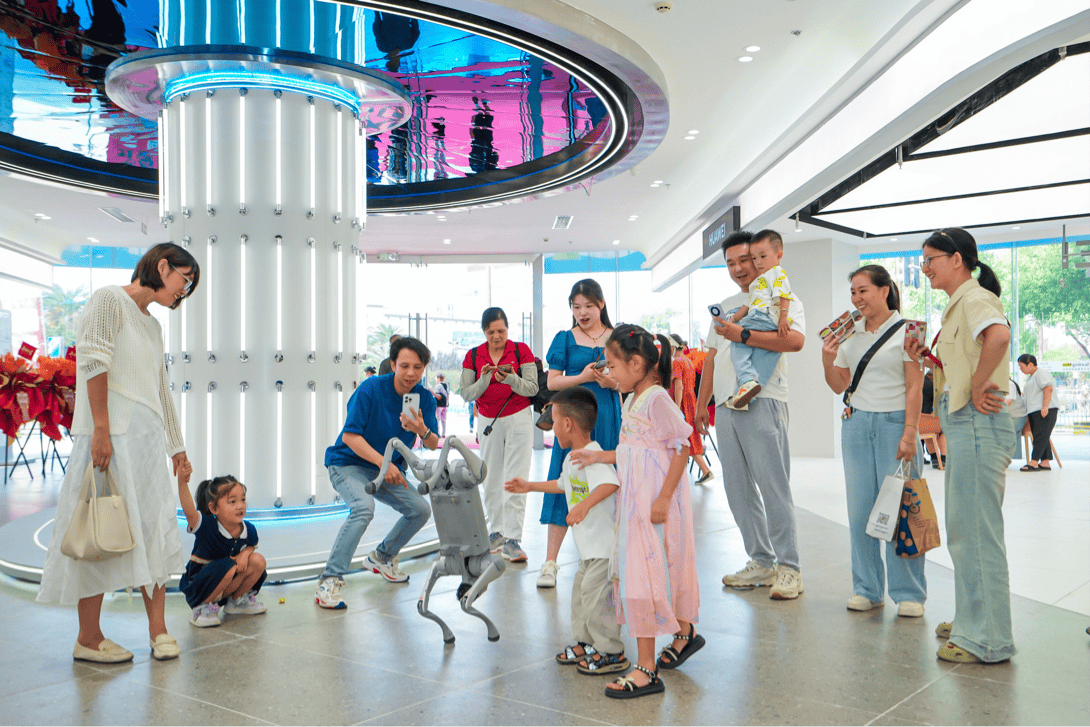
Group 1 - The upcoming National Day and Mid-Autumn Festival holidays are expected to boost offline consumption, prompting Suning to accelerate the upgrade of its offline stores and expand its business formats [1] - Suning is transforming its stores into urban landmarks that are "walkable, playable, and social," with various experiential activities aimed at younger consumers [1][3] - The launch of the "Suning Friend Zone" in Suning Max stores focuses on e-sports and social interactions, enhancing customer engagement through events like the "Suning Cup" e-sports league [3] Group 2 - Suning is integrating local culture into its store experiences, such as the nationwide culinary competition "I Am the Chef," which features events in 26 cities and over 260 tasting activities [5] - The company is leveraging the upcoming Double 11 shopping festival by initiating promotional activities early, including the "Home Appliance Benefit Day" starting September 30 [7] - Suning aims to transform retail spaces from mere shopping venues to lifestyle spaces, positioning Suning Max as a new hub for young consumers during holidays [7]

国庆Suning Max再添新地标!落子合肥、上海、杭州
Zhong Jin Zai Xian· 2025-09-29 10:43
Core Insights - The upcoming National Day and Mid-Autumn Festival holidays are expected to boost offline consumer activity, prompting Suning to enhance its physical store experiences and expand its business formats [1][3][5] Group 1: Store Upgrades and Events - Suning is upgrading its stores, including Suning Max and Suning Pro locations, to create engaging urban landmarks that combine shopping, entertainment, and social interaction [1][3] - During the National Day period, various immersive activities will be held at Suning Max stores, such as art life journeys, music festivals, and cultural events, integrating home appliance consumption with culture and entertainment [1][5] - The "Su Ning Friend Zone" has been introduced to focus on e-sports and social interactions, enhancing customer engagement through events like the "Su Ning Cup" e-sports league [3][5] Group 2: Local Culture Integration - Suning is incorporating local cultural elements into its store experiences, launching a national cooking competition that features regional cuisines and various tasting events across multiple cities [5] - Specific stores will host unique cultural activities, such as traditional crafts and DIY workshops, to create a more localized shopping experience [5] Group 3: Promotional Strategies - Suning has initiated its Double 11 promotional activities early, starting with the "Home Appliance Benefit Day" to attract consumers and establish a price advantage ahead of the main event [7] - The company aims to transform retail spaces from mere shopping venues to lifestyle hubs, enhancing the overall consumer experience and positioning itself as a key player in the home appliance market [7]
场景驱动叙事 国际时尚品牌引爆成都双节消费热潮
Sou Hu Cai Jing· 2025-09-28 10:00
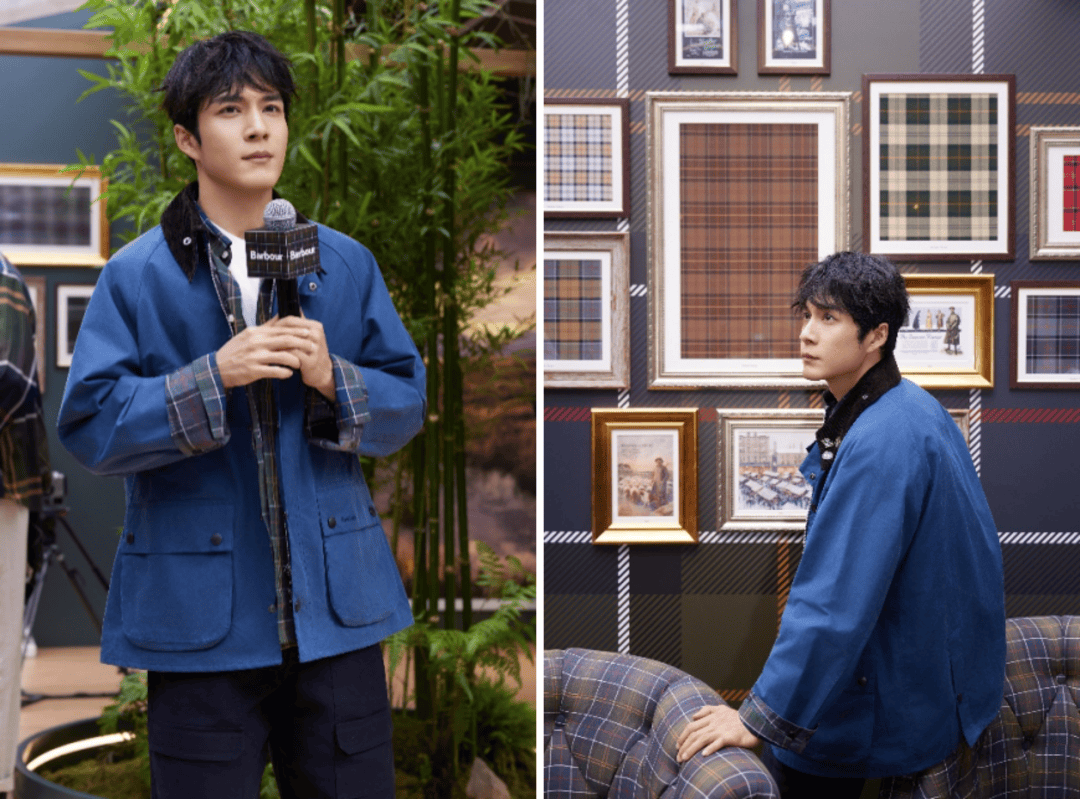
Core Insights - The event at Chengdu Taikoo Li highlights the city's emerging role as a fashion hub in Southwest China and nationally, showcasing a blend of British tradition and ancient Shu architectural elements [1][3] - The pop-up store emphasizes "scene innovation" to redefine the relationship between people, products, and spaces, transforming consumer behavior into content experiences [3] Group 1 - The pop-up store features interactive elements such as Tartan fabric storytelling and plaid DIY activities, catering to the growing demand for cultural depth and participation among Chengdu consumers [3] - Chengdu's fashion landscape is evolving from a "traffic entry" to a "content platform," connecting brand narratives with local culture and enhancing emotional recognition among consumers [3] - The Barbour brand showcased an exclusive plaid pattern, Barbour Tartan, inspired by traditional designs from 13th-century Scotland, reflecting a rich historical legacy and the fusion of classic and innovative elements [3]
主播说联播丨国庆长假,各地打开方式很“新”!
Yang Shi Xin Wen Ke Hu Duan· 2025-09-28 07:19
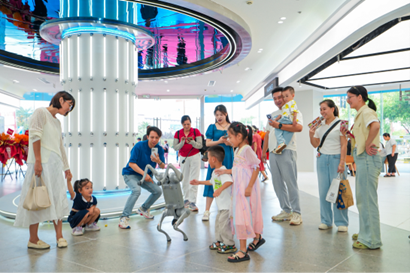
Group 1 - The article highlights the upcoming National Day and Mid-Autumn Festival as a peak period for domestic tourism, with increased market activity expected [4] - A total of over 330 million yuan in consumption subsidies will be distributed during the National Day cultural tourism consumption month, enhancing the value of the holiday [4] - Various regions are innovating tourism experiences by integrating ticketing with services and cultural experiences, allowing tourists to enjoy exclusive benefits [4] Group 2 - The article emphasizes the use of technology in enhancing tourist experiences, with examples such as robotic interactions and exoskeletons aiding in activities like mountain climbing [4] - The shift in tourist behavior is noted, moving from merely sightseeing to engaging in diverse and immersive experiences [4] - The National Day film schedule has been released, offering a variety of genres to cater to different audience preferences, indicating a vibrant entertainment sector during the holiday [4]
强化关键核心技术攻坚 加快建设西部科技创新中心 成都用未来产业点亮城市未来
Si Chuan Ri Bao· 2025-09-27 01:11
Core Viewpoint - The Sichuan Provincial Government is actively promoting Chengdu as a hub for high-quality development and innovation, particularly in artificial intelligence and advanced manufacturing, aiming to strengthen its role as a key center in Western China [1][2]. Group 1: Government Initiatives - The Sichuan Provincial Government has issued opinions to support Chengdu in enhancing its core functions and accelerating high-quality development, focusing on building three centers and one base: Western Economic Center, Western Science and Technology Innovation Center, Western Foreign Exchange Center, and a National Advanced Manufacturing Base [1]. - Chengdu is designated as a regional technology innovation center, alongside cities like Beijing, Shanghai, and the Guangdong-Hong Kong-Macau Greater Bay Area, as part of the national strategy [2]. Group 2: Innovation and Research Capacity - Chengdu ranks 8th in the national technology innovation competitiveness, with approximately 70% of the province's innovation platforms and 60% of its research institutions located in the city [3]. - The city has established a high-energy innovation system, including 1 national laboratory, 4 national innovation centers, and 10 large scientific devices, contributing to significant breakthroughs in various scientific fields [4]. Group 3: Future Industry Development - Chengdu is focusing on nurturing future industries, particularly in low-altitude economy, satellite internet, and biomedicine, with a strategic plan to develop 24 sub-sectors [8][9]. - The city has launched a future industry fund with an initial scale of 112 billion yuan, targeting key areas such as humanoid robots, flying cars, and quantum technology [9]. Group 4: Support for Technology Enterprises - Chengdu has established a comprehensive service system for technology enterprises, including an online platform for project and funding matching, and a physical innovation hub for technology transfer [7]. - The city promotes a scene innovation center to provide diverse scenarios for technology companies, facilitating rapid iteration of new products and business models [6].