数字化管理

Search documents
聆听一株甘蔗的“心跳”
Guang Xi Ri Bao· 2025-07-06 01:59
Core Insights - The article highlights the advancements in smart agriculture through the use of drones and AI technology in sugarcane farming, particularly in Guangxi, China [4][5][10] Company Overview - The smart sugarcane farm, operated by COFCO Guangxi Yixing Modern Agricultural Technology Development Co., covers over 2,700 acres and utilizes multi-spectral drones for precise fertilization [5][9] - The farm employs a digital management platform that monitors 28 indicators related to soil moisture, crop growth, and pest conditions, allowing for real-time adjustments in water and fertilizer supply [6][9] Technological Innovations - The use of multi-spectral drones has improved land utilization to 95% and reduced water and fertilizer usage by 15% to 25% compared to traditional farming methods [7][9] - The farm is currently in the modeling phase for a fully automated water and fertilizer integration system, aiming to expand operations to 8,000 acres once successful [8] Industry Impact - The smart farm is expected to increase revenue by over 20 million yuan within three years and aims to expand its influence to 50,000 acres [9] - Guangxi is recognized as a major sugar-producing region, with the sugarcane planting area projected to reach 11.35 million acres in the 2024/25 season, marking an increase of 110,000 acres year-on-year [9]


浙江舟山首次成功签发保税燃油电子交付单
Zhong Guo Xin Wen Wang· 2025-07-04 08:26
Core Points - Zhejiang Zhoushan has become the first port in China and the third globally to implement a fully digital process for the transfer of bonded fuel oil, enhancing operational efficiency in the shipping fuel sector [1][2] - The e-BDN system allows for online signing and confirmation of fuel supply documents, streamlining the fuel supply process for international vessels [1] - The successful implementation of the e-BDN system serves as a model for the national bonded fuel oil industry, showcasing the advantages of the Zhejiang Free Trade Zone's pilot policies [2] Industry Summary - The global shipping fuel supply industry still relies heavily on manual measurement and paper-based transactions, which can lead to inaccuracies and inefficiencies [1] - Zhoushan has developed a digital management platform tailored for bonded fuel oil operations, facilitating the entire process from fuel supply companies to port regulatory units [1] - The introduction of 62 reform and innovation measures in Zhoushan highlights its role as a pioneer in the ship refueling sector [2]

库存混乱、利润模糊?校服企业专属ERP解决方案,精准管控全流程
Sou Hu Cai Jing· 2025-07-04 07:55
Core Insights - The traditional operational model in the school uniform industry faces challenges such as inventory backlog and production disruptions due to sudden orders, leading to financial reporting issues that resemble a "mysterious code" [1] - The integration of ERP systems is essential for school uniform companies to address these operational pain points and enhance efficiency through data-driven management [3][7] Industry Challenges - The school uniform industry struggles with inefficiencies and errors in transaction and production processes, which hinder development [3] - Key issues include reliance on manual processes for size statistics, low sorting efficiency, fragmented inventory management across online and offline channels, and slow response times in after-sales service [3][5] - Production processes are often disconnected, leading to challenges in material management, cost control, and customer satisfaction [5][12] ERP System Benefits - The implementation of an ERP system can effectively resolve issues related to inventory management, procurement, and sales, making business operations more efficient and transparent [10][12] - The system allows for real-time updates on inventory data, automated procurement plans, and full-process tracking of sales orders, enhancing customer satisfaction [12][14] - Financial management becomes more integrated, improving the accuracy and efficiency of financial reporting and cost management [14] Strategic Collaboration - The partnership between Qinjia and Baisheng Software aims to create a comprehensive ERP solution tailored for school uniform companies, facilitating a shift from traditional management to intelligent and refined management [7][9] - This collaboration is expected to drive the digital transformation of the school uniform industry, enhancing operational efficiency and creating value [18][21] Future Outlook - The adoption of standardized ERP applications is anticipated to promote the industry's transition towards standardization and intelligence, improving overall operational efficiency and product quality [21] - The ongoing development and implementation of these solutions will enable school uniform companies to achieve significant growth and provide better services to students and schools [21]

给农特产品装上科技芯
Jing Ji Ri Bao· 2025-07-03 22:07
Group 1 - The core viewpoint emphasizes the importance of technology in enhancing the quality and competitiveness of agricultural specialty products, as evidenced by successful examples from various regions in China [1][2] - The 2024 Central Rural Work Conference highlights the need to improve rural industries, focusing on local specialties and fostering new industries and business models to increase farmers' income [1] - The application of modern biotechnology in seed improvement is crucial for developing high-quality agricultural products that are better suited to local environments [1] Group 2 - Efficient supply chain systems are essential for agricultural products from farm to table, with technology playing a key role in storage, logistics, and preservation to reduce losses and extend shelf life [2] - Data analysis can optimize supply chain layouts and enhance logistics efficiency, as demonstrated by the successful distribution of lychees in northern regions [2] - Digital tools can enrich agricultural products with cultural significance and added value, as seen in initiatives like the "cloud tour of apple orchards" in Shaanxi, which boosts sales and brand value [2]
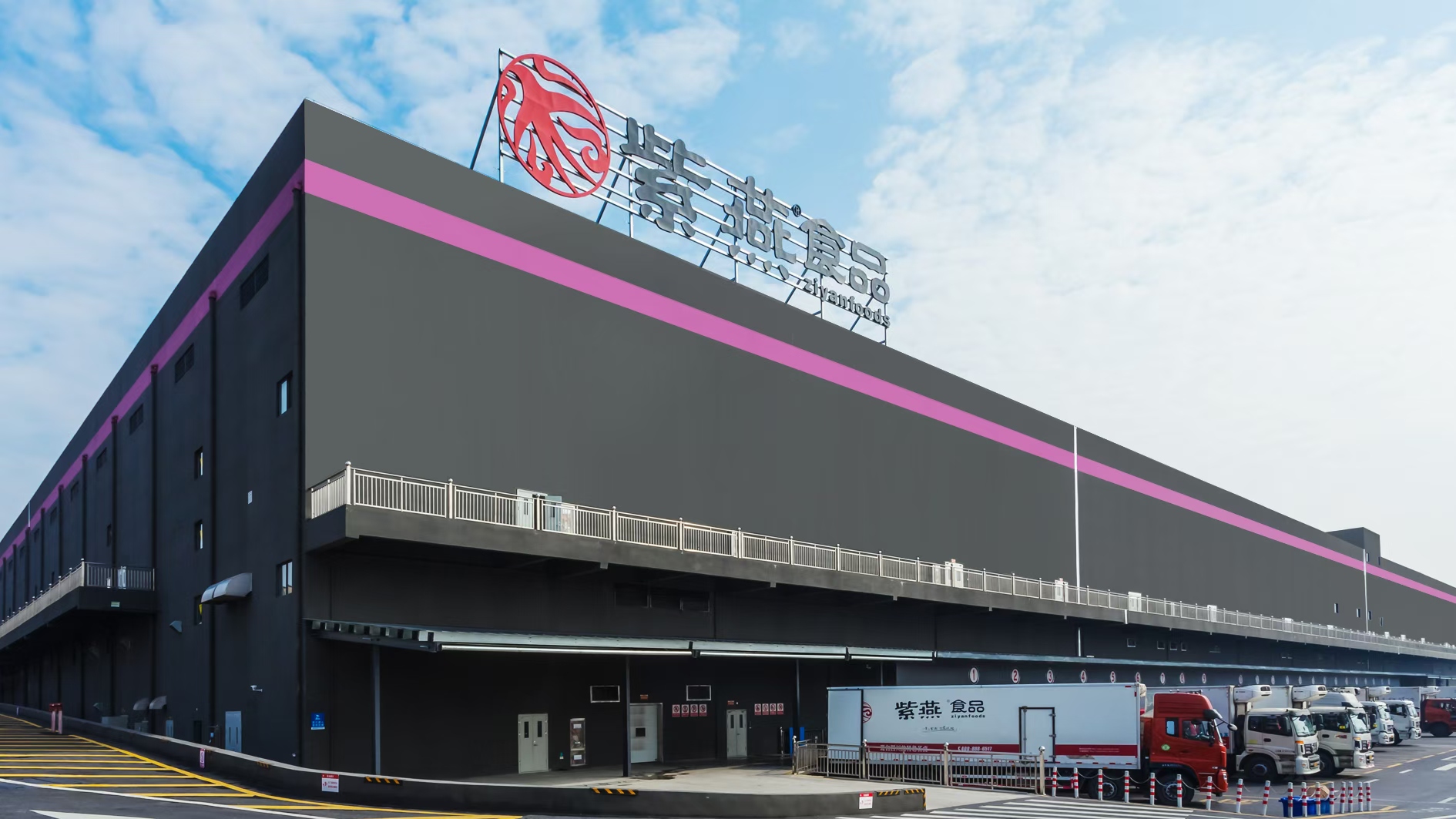
9亿元大单品背后,紫燕食品全链路严把品控守护卤味安全
Bei Ke Cai Jing· 2025-06-30 08:24
Core Insights - The article highlights the comprehensive quality control measures implemented by Ziyan Food, which ensure food safety and product quality from raw material selection to consumer feedback [1][9][14] - Ziyan Food's successful product offerings, particularly the popular "Husband and Wife Lung Slices," contribute significantly to its revenue, showcasing the effectiveness of its quality management practices [7][14] Group 1: Quality Control Measures - Ziyan Food has established a closed-loop quality control system that encompasses raw material selection, production processes, cold chain logistics, and store management [1][9] - The company collaborates with major suppliers like Wens Foodstuffs Group and COFCO to secure high-quality raw materials through long-term agreements [7][9] - A rigorous three-party acceptance system is in place for raw materials, ensuring only those that meet strict quality standards enter the production phase [7][9] Group 2: Production and Innovation - Ziyan Food combines traditional techniques with modern technology to optimize its production processes, ensuring consistent taste and quality [8][10] - The company is expanding its product range beyond traditional flavors to cater to diverse regional preferences across China [8][14] - The establishment of high-standard production bases enhances operational efficiency and product consistency [10][11] Group 3: Logistics and Distribution - Ziyan Food employs a self-built cold chain logistics fleet to ensure efficient and safe delivery of products from factories to stores [10][11] - Advanced technologies such as IoT and GPS tracking are utilized to monitor product conditions during transportation, maintaining freshness and safety [10][12] - The company has developed a supply chain system that allows for rapid order fulfillment, enhancing customer satisfaction [11][12] Group 4: Consumer Engagement and Feedback - Ziyan Food has implemented a digital management ecosystem that integrates various systems for real-time data analysis and operational efficiency [12][14] - The company actively collects consumer feedback through in-store evaluation machines, allowing for quick responses to customer needs [14] - A comprehensive food safety training program has been initiated to reinforce safety standards across all operational levels [14]

圣贝拉上市后其创始人向华发家书:致走窄门的同路人
财联社· 2025-06-26 09:34
Core Viewpoint - Saint Bella's listing on the Hong Kong Stock Exchange marks a significant milestone, establishing it as the first stock in the family quality care sector in Hong Kong, with a market performance that saw its stock price rise by 46.5% to HKD 9.64, resulting in a market capitalization of HKD 5.74 billion [1][2]. Company Development - The founder, Xiang Hua, reflects on the company's journey, emphasizing a commitment to long-termism and a focus on customer needs, which has allowed the company to expand its business segments and achieve independent growth [1][3][7]. - Saint Bella has adopted a full-cycle service strategy (LTV), acquired Guanghetang, and developed home service offerings, which have contributed to its growth trajectory [1][7]. Service Quality and Innovation - The company prides itself on its high-quality services, having established the industry's first SaaS system and over 1,000 standard operating procedures (SOPs) to enhance service delivery [1][10]. - Saint Bella has innovated its care model from 1.0 to 3.0, introducing 24-hour nurse care, environment iterations, and proprietary product development, thus creating a unique market position [1][11]. Future Strategy - The company aims to maintain a focus on women and families, creating a closed-loop service model while expanding globally into major cities and introducing the "Bella Doctor" maternal and infant language model to address parenting challenges [2][12][17]. - Saint Bella's strategy includes deepening its understanding of women's long-term needs and expanding its service radius through partnerships and product offerings [16][19]. Cultural Mission - The company is committed to promoting Eastern postpartum care culture globally, aiming to connect with diverse cultures and enhance the appeal of traditional Chinese care practices [14][15][17]. - Saint Bella emphasizes humility and a customer-centric approach, valuing partnerships and competition while striving to solve real problems for its clients [18][19].

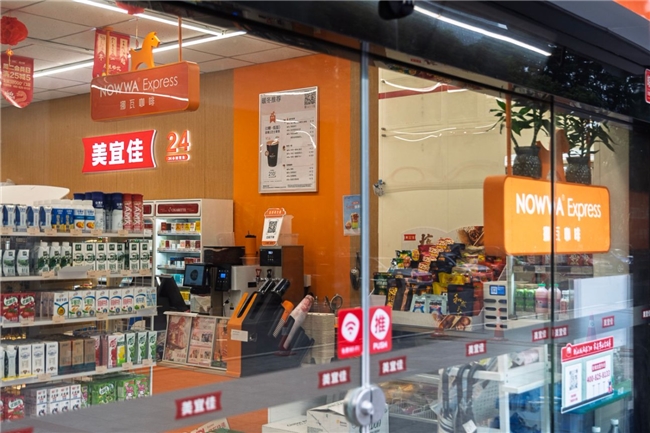
​单店日销破1000杯!挪瓦果蔬咖啡引爆Z世代消费潮
Sou Hu Wang· 2025-06-24 09:19
Core Insights - The Chinese fresh coffee market is experiencing significant growth, with Nowwa Coffee achieving a daily sales peak of over 1,000 cups per store by 2025, marking a remarkable performance [1] - Partnering convenience stores have also seen explosive growth, with revenue increasing tenfold, foot traffic up by 20%, and new store franchise conversion rates soaring by 50%, making coffee a core revenue driver for these stores [1] Group 1: Product Innovation and Marketing - Nowwa Coffee is breaking through traditional flavors with its "fruit and vegetable coffee" and leveraging high-frequency co-branding marketing to effectively reach Generation Z [3] - Collaborations with popular games, such as the limited edition product with "War of the Dual Worlds," resulted in a 460% sales increase on the first day in Guangzhou and a 220% increase in Shanghai [3] - The combination of "game IP + coffee + merchandise" has made Nowwa a hot topic on social media, with over ten million views on platforms like Xiaohongshu and Douyin, directly driving foot traffic to partner convenience stores [3] Group 2: Sales Performance and Impact - Data shows that a certain chain convenience store in Guangdong saw its average daily coffee sales increase from fewer than 10 cups to 470 cups after partnering with Nowwa [5] - In Shandong, a convenience store that introduced the Nowwa co-branded store project experienced an average revenue increase of 25% [5] - A store in Fujian reported that coffee sales contributed to nearly a 50% increase in daily revenue, with Nowwa accounting for 20%-25% of gross profit, second only to tobacco products [5] Group 3: Digital Empowerment and Efficiency - Nowwa Coffee has integrated online and offline traffic, helping convenience stores achieve significant sales on delivery platforms, with average daily coffee sales reaching 700-1,000 cups [6] - The top-performing stores have seen weekly revenue growth exceeding 50% [6] - Nowwa's digital management system provides real-time sales analysis, inventory alerts, and consumer profiling, enhancing competitive differentiation [7] Group 4: Supply Chain and Long-term Strategy - Facing potential fluctuations in global coffee bean prices by 2025, Nowwa maintains a "no price increase" strategy, ensuring high-quality raw materials for partners through its supply chain advantages [9] - The "direct sourcing + regional warehousing" system is a key support for convenience stores, alleviating their concerns [9] - Nowwa Coffee is redefining the value boundaries of convenience stores, positioning them not just as sales channels but as gathering places for young consumers, with a focus on product innovation, digitalization, and supply chain as its three pillars for future growth [9]
如何高效运营租房管理系统?
Sou Hu Cai Jing· 2025-06-23 06:26
Core Insights - The article emphasizes the importance of integrating key functions within a rental management system to enhance operational efficiency and reduce manual errors [1][5][9] Group 1: Asset Management - A well-designed rental management system provides clear and transparent asset information, allowing for easy tracking of property status, maintenance records, and updates [3][9] - The system automates the recording of maintenance activities, helping to prevent equipment damage and ensuring timely updates of asset information [3][7] Group 2: Leasing Process Optimization - The use of a rental management system streamlines the leasing process, enabling tenants to view properties online and apply with a single click, which accelerates the approval and signing process [5][7] - Automation in the leasing workflow allows teams to manage multiple requests efficiently, ensuring quick turnover of available properties [5][9] Group 3: Contract Management - Electronic contract management through the rental system reduces time spent on contract processing and minimizes human errors by using preset templates and automatic reminders [7][9] - Regular audits of the contract library are recommended to keep terms updated and relevant to market changes [7] Group 4: Real-time Data Analysis - Real-time data analysis capabilities of the rental management system provide insights into occupancy rates and revenue trends, allowing for timely strategy adjustments [1][8] - The system generates visual reports that help in monitoring key metrics such as vacancy rates and cash flow, facilitating better financial planning [8][9] Group 5: Team Collaboration - The rental management system enhances team collaboration by allowing members to share tenant information and task statuses seamlessly, reducing communication delays [8][9] - Automated task assignments and updates ensure that team members can respond quickly to tenant needs, improving overall operational efficiency [8][9]
2025中餐供应链出海必看!这场重磅大会解码最新动向
Nan Fang Nong Cun Bao· 2025-06-23 04:31
Core Viewpoint - The 2025 Chinese Cuisine Supply Chain Overseas Conference held in Guangzhou highlights the unprecedented opportunities and challenges for Chinese cuisine to expand globally, emphasizing the importance of supply chain stability and adaptability [3][6][19]. Group 1: Market Opportunities - The overseas Chinese cuisine market is projected to reach 3 trillion RMB by 2024, with the global Chinese restaurant market growing at an annual rate of 11% over the past three years, expected to exceed 1.2 trillion USD this year [17][18][19]. - Currently, there are approximately 700,000 Chinese restaurants overseas, with over 6,000 new openings in the first half of 2025, indicating a significant growth trend [19]. Group 2: Challenges in Expansion - Key challenges for Chinese cuisine's internationalization include insufficient supply chain integration, high costs, and significant differences in food standards and regulations across countries [11][12][30]. - The need for long-term strategies and foundational skills in supply chain management is emphasized for successful overseas expansion [17][29]. Group 3: Trends in the Industry - Four major trends in the Chinese cuisine export industry are identified: localization integration, standardized management, international marketing, and digital management [76][81]. - The integration of local resources and the establishment of overseas warehouses are crucial for overcoming supply chain localization challenges [81]. Group 4: Innovations and Solutions - Companies are exploring standardization in food safety and quality to address challenges in supply chain management, with examples of successful practices in high soup production [45][46]. - Digital supply chain management is being adopted to enhance operational efficiency and reduce costs, with companies utilizing big data for risk control and innovative design [100][102].

经销商是什么?如何有效管理?
Sou Hu Cai Jing· 2025-06-20 08:08
Core Viewpoint - The relationship between manufacturers and distributors is often fraught with challenges, including lack of trust and communication issues, which can hinder effective market expansion and product distribution [1][5]. Group 1: Role of Distributors - Distributors act as essential partners in the commercial ecosystem, facilitating the movement of products from manufacturers to various markets, thus saving costs and providing localized services [3]. - They help manufacturers reduce expenses associated with direct retail operations, such as rent and labor costs, by leveraging local resources for distribution [3]. - Distributors possess localized knowledge that enables them to effectively market products to regional consumers, which manufacturers may struggle to replicate [3]. Group 2: Pain Points in Managing Distributors - Manufacturers often face challenges in monitoring distributor inventory, leading to issues such as excess stock and product wastage [5][7]. - There is a lack of transparency in sales data, with distributors sometimes providing misleading information about inventory levels and sales performance [7]. - Conflicts can arise between distributors in different regions, leading to pricing inconsistencies and market confusion [7]. Group 3: Solutions for Effective Distributor Management - Implementing digital tools can break down information barriers, allowing for real-time data sharing and inventory management, which can significantly reduce stockouts [8]. - Standardizing processes through digital systems can minimize errors in order management, leading to improved efficiency and reduced complaints from distributors [10]. - Utilizing data analytics can help identify market trends and adjust strategies accordingly, enhancing sales performance [12]. Group 4: Building Collaborative Relationships - Establishing a scoring system for distributors can incentivize performance and encourage them to expand their market reach, benefiting both parties [14]. - Smart management systems can track logistics and prevent unauthorized sales across regions, reducing conflicts and fostering a more cooperative environment [14]. - Transparency in data sharing can rebuild trust between manufacturers and distributors, leading to a more collaborative approach to achieving mutual goals [17].