消费品以旧换新

Search documents
七部门部署消费品以旧换新
Mei Ri Jing Ji Xin Wen· 2026-01-05 05:05
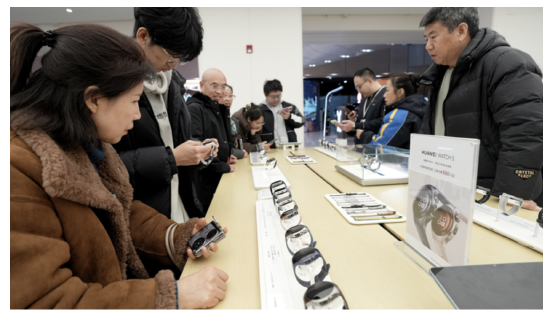
近日,商务部消费促进司负责人就《关于提质增效实施2026年消费品以旧换新政策的通知》(以下简称 《通知》)进行解读。 该负责人表示,2026年继续实施汽车、家电、手机等数码产品等传统领域补贴政策,在保持政策总体延 续稳定基础上,适当优化补贴品类和标准。同时,将补贴范围扩大至智能终端等新兴领域,培育壮大消 费新动能,带动新技术、新装备、新产业发展。 每经记者 张怀水 每经编辑 陈星 补贴标准为上述产品扣除各环节优惠后最终销售价格的15%,每人每类可补贴1件,其中,家电产品每 件补贴不超过1500元,数码和智能产品每件补贴不超过500元。 张建平向《每日经济新闻》记者表示,家电属于耐用品,在经过前几年以旧换新之后会有一定的使用周 期,所以产品类别也需要适时调整。"平板、智能手表、智能眼镜等产品都是当前消费热点,市场需求 大、消费动力强,将这些产品补充进来,能够更好地激发消费潜力。" 给予地方更多自主空间 《每日经济新闻》记者注意到,《通知》要求,给予地方更多自主空间。对地方安排的配套资金,若用 于支持全国统一的四个领域,补贴品类、补贴标准、组织实施方式等需按照全国统一要求执行。 《每日经济新闻》记者梳理发现,近期 ...
华西证券:国补政策收紧推动行业产品升级 品类补贴范围更加聚焦
智通财经网· 2026-01-05 03:00
Core Viewpoint - The current round of national subsidies is more focused compared to 2025, with stricter energy efficiency standards, which will help promote product structure upgrades in the industry, benefiting leading companies with a more complete layout of mid-to-high-end products [1]. Group 1: Policy Announcement - On December 29, 2025, the National Development and Reform Commission (NDRC) announced the implementation of a large-scale equipment update and consumer goods replacement policy for 2026, explicitly supporting the replacement of old home appliances [2]. - On December 30, 2025, the NDRC announced that the first batch of 625 billion yuan in ultra-long-term special government bonds to support consumer goods replacement has been allocated in advance [2]. Group 2: Funding and Subsidy Details - The first batch of 625 billion yuan in support funds for the replacement program has been allocated, with the subsidy categories being more focused compared to 2025. The scale is slightly reduced from the 810 billion yuan allocated in the first batch for 2025 [3]. - The total scale of special government bonds for consumer goods replacement in 2025 was 3000 billion yuan, distributed in four batches, with the first batch accounting for approximately 27%. The estimated total subsidy scale for 2026 is around 2300 billion yuan [3]. Group 3: Subsidy Categories and Standards - The subsidy categories for 2026 have been narrowed from 12 categories in 2025 to 6 categories, focusing on essential appliances such as refrigerators, washing machines, televisions, air conditioners, computers, and water heaters [3]. - The subsidy for 2026 is limited to first-level energy efficiency products, with a uniform subsidy rate of 15%. Each consumer can receive a subsidy for one unit of each product category, with a maximum subsidy of 1500 yuan per unit [4]. - In comparison, the 2025 subsidy standards allowed for second-level energy efficiency products with a subsidy of 15% of the sales price, and first-level products with a 20% subsidy, capped at 2000 yuan per unit [4]. Group 4: Investment Recommendations - Recommendations include leading white goods companies such as Midea Group, Hisense Home Appliances, and Haier Smart Home; and leading black goods companies such as Hisense Home Appliances and TCL Electronics [4].



中经评论:把“国补”资金用在刀刃上
Jing Ji Ri Bao· 2026-01-04 23:59
Core Viewpoint - The government is optimizing the policy design and implementation of the "Two New" policy for 2026, focusing on boosting consumer spending and enhancing domestic demand through effective fiscal measures [1]. Group 1: Policy Implementation and Impact - In 2025, the "old-for-new" consumption policy led to sales exceeding 2.6 trillion yuan, benefiting over 360 million people, demonstrating significant market recovery and consumer satisfaction [1]. - The retail sales of consumer goods increased by 4% year-on-year in the first eleven months of 2025, with the "old-for-new" policy contributing over 1 percentage point to this growth [1]. - The central economic work conference emphasized the continuation of proactive fiscal policies in 2026, with a focus on domestic demand and market strength [1]. Group 2: Policy Optimization - The "old-for-new" policy has been refined in 2026, focusing on key consumer goods such as refrigerators, washing machines, televisions, air conditioners, computers, and water heaters, while expanding subsidies for digital and smart products [2]. - The optimization aims to enhance the effectiveness of fiscal spending by targeting high-impact consumer goods and improving the overall implementation mechanism [2]. - Measures are in place to combat fraudulent claims and ensure that subsidies are effectively distributed [2]. Group 3: Financial Coordination and Support - The government plans to ensure balanced and orderly use of funds, with 62.5 billion yuan allocated for the first batch of 2026 to support the "old-for-new" policy during peak consumption periods [3]. - A coordinated approach between fiscal and monetary policies is emphasized to enhance the effectiveness of consumption-boosting measures [3]. - The collaboration between fiscal and financial policies aims to lower credit costs and increase the coverage of support measures, thereby stimulating consumer demand [3].
2026年河北接续开展消费品以旧换新工作
Xin Lang Cai Jing· 2026-01-04 23:12
Group 1 - The core viewpoint of the article is that Hebei Province will continue its old-for-new consumption policy in 2026, covering four main areas: automobile scrapping and replacement, home appliance upgrades, and the purchase of digital and smart products, with subsidies to promote green consumption and industrial upgrades [1] Group 2 - In the automotive sector, consumers who scrap eligible old vehicles and purchase new energy passenger cars or fuel passenger cars with an engine size of 2.0 liters or less can receive a one-time subsidy of up to 20,000 yuan. Those who sell old cars and buy new ones can receive a maximum subsidy of 15,000 yuan. Each consumer is limited to one subsidy for either scrapping or replacing a vehicle [1] Group 3 - For home appliances and digital products, consumers purchasing energy-efficient appliances such as refrigerators and washing machines can receive a subsidy of 15% of the sales price, with a maximum of 1,500 yuan per item. For mobile phones and tablets priced under 6,000 yuan, a similar 15% subsidy applies, with a maximum of 500 yuan per item [1] Group 4 - To ensure the orderly implementation of the old-for-new policy, the subsidy funds will be managed according to an annual total control and monthly allocation principle. The subsidies will operate on a "first come, first served" basis, and consumers who do not claim their subsidies in a given month can apply in subsequent months [1] Group 5 - Relevant departments will establish a collaborative regulatory mechanism to strengthen oversight of subsidy fund usage and market behavior, with strict measures against fraudulent claims and violations to maintain a fair and orderly market environment [2]
安徽消费品以旧换新1月1日启动
Xin Lang Cai Jing· 2026-01-04 18:00
Group 1 - The 2026 Anhui Province consumer goods trade-in program officially started on January 1, 2026, focusing on vehicle scrappage and replacement subsidies [1] - For scrapping gasoline passenger cars registered before June 30, 2013, and diesel or other fuel passenger cars registered before June 30, 2015, a one-time subsidy of up to 20,000 yuan is available when purchasing qualifying new energy or fuel vehicles [1] - The subsidy for scrapping eligible fuel passenger cars and purchasing vehicles with an engine size of 2.0 liters or less is set at 10% of the new vehicle sales price, with a maximum of 15,000 yuan [2] Group 2 - Each individual consumer can only receive either a scrappage subsidy or a replacement subsidy once during the program [2][3] - The new vehicle must be registered in the applicant's name during the subsidy application review period, and the old vehicle must have been held until January 8, 2025 [2][3] - The household appliance and digital product trade-in program will follow national standards, providing a 15% subsidy on the final sales price for eligible products, with specific caps on the subsidy amounts for each category [3]
七部门部署消费品以旧换新 商务部:今年补贴范围扩至智能终端等新兴领域
Mei Ri Jing Ji Xin Wen· 2026-01-04 14:22
近日,商务部消费促进司负责人就《关于提质增效实施2026年消费品以旧换新政策的通知》(以下简称 《通知》)进行解读。 该负责人表示,2026年继续实施汽车、家电、手机等数码产品等传统领域补贴政策,在保持政策总体延 续稳定基础上,适当优化补贴品类和标准。同时,将补贴范围扩大至智能终端等新兴领域,培育壮大消 费新动能,带动新技术、新装备、新产业(300832)发展。 《每日经济新闻》记者梳理发现,近期,多部门密集出台促消费政策文件。国家发展改革委、财政部发 布《关于2026年实施大规模设备更新和消费品以旧换新政策的通知》;商务部等七部门印发《关于提质 增效实施2026年消费品以旧换新政策的通知》等。 商务部国际贸易经济合作研究院学术委员会副主任张建平接受《每日经济新闻》记者电话采访时表示, 消费品以旧换新政策从前两年一直延续至今,实践证明是有效的,各部门在实施过程中积累了丰富的经 验。"2026年继续实施消费品以旧换新政策,是在贯彻落实扩大内需国家战略。" 补贴范围扩至智能终端等 根据《关于做好2026年家电以旧换新、数码和智能产品购新补贴工作的通知》,2026年1月1日起,按照 全国统一的品类和标准,对个人消费 ...
【策略周报】跨年波动或有上升,不改高景气主线
华宝财富魔方· 2026-01-04 12:25
Key Points - The article discusses significant policy announcements from the Chinese government aimed at stimulating consumer spending and economic growth, including a large-scale equipment update and trade-in policy for consumer goods set to be implemented in 2026, with an initial allocation of 62.5 billion yuan in special bonds to support this initiative [2] - It highlights the exemption of value-added tax for individuals selling homes held for over two years, while those selling within two years will face a 3% tax rate [2] - The article notes that China's official manufacturing PMI rose to 50.1 in December, marking the first expansion since April, indicating a recovery in both production and demand, with large enterprises also returning to expansion [2] Market Overview - The bond market is experiencing a weak and volatile trend, influenced by concerns over long-term debt supply due to fiscal stimulus in 2026 and stronger-than-expected December PMI data, leading to a rise in long-term bond yields [4] - The A-share market is showing mixed performance, with a slight increase in the Shanghai Composite Index as year-end trading continues [5]


消费者在京东如何领国补?一图读懂领取攻略
Sou Hu Cai Jing· 2026-01-04 07:13
Core Viewpoint - The National Development and Reform Commission and the Ministry of Finance have issued a notice regarding the implementation of a large-scale equipment update and consumer goods replacement policy starting January 1, 2026, which includes subsidies for specific household appliances and digital products. Group 1: Subsidy Details - The policy supports subsidies for six categories of household appliances: refrigerators, washing machines, televisions, air conditioners, water heaters, and computers, as well as four categories of digital products: smartphones, tablets, smartwatches (bands), and smart glasses, with a maximum subsidy of 1,500 yuan for appliances and 500 yuan for digital products [1][6]. - The subsidy standard is set at 15% of the final sales price after discounts, with each individual eligible for one subsidy per category [1][6]. Group 2: Implementation Process - Consumers can access the subsidy through a simple three-step process on the JD app, which includes searching for "National Subsidy," selecting their city, and browsing eligible products [1][3]. - In addition to online channels, JD will also provide support through various offline stores, allowing consumers to consult with staff for subsidy redemption and purchases [6]. Group 3: Additional Services and Coverage - JD will offer additional services such as old appliance recycling subsidies, integrated services for delivery, installation, and removal, as well as free on-site activation for digital products [6]. - The company aims to enhance its subsidy experience in rural areas, ensuring that logistics services cover both county and administrative village levels, allowing rural consumers to benefit from the subsidy program [6]. Group 4: Security Measures - JD has implemented a fully digital approach to ensure the compliance and traceability of subsidy funds, optimizing measures to prevent fraud and ensure that subsidies reach consumers safely [6].


2026年国补落地,关注政策接续效果:家用电器
Huafu Securities· 2026-01-04 06:05
Group 1 - The core viewpoint of the report emphasizes the implementation of the 2026 national subsidy policy for large-scale equipment updates and the trade-in of consumer goods, which is expected to stabilize the domestic consumption market and stimulate demand, particularly in offline channels and rural areas [2][3][5][14]. - The 2026 subsidy policy introduces changes compared to 2025, including a more concentrated subsidy range, with the number of household appliance categories reduced from 12 to 6, retaining only core categories such as refrigerators, washing machines, televisions, air conditioners, computers, and water heaters [4][15]. - The subsidy standards have been optimized, with a 15% subsidy on the sales price for energy-efficient or water-efficient products, and a maximum subsidy of 1,500 yuan per item for household appliances [4][15]. Group 2 - The report indicates that the 2026 policy aims to enhance the efficiency of fund utilization by focusing on core categories and avoiding imbalances in funding distribution, which is expected to positively impact leading companies in the household appliance sector such as Midea Group, Haier Smart Home, Hisense, and TCL Electronics [5][14]. - The report highlights the recent performance of the home appliance sector, noting a weekly increase of 0.7%, while specific segments like white goods and small appliances experienced declines [6][17]. - The report provides insights into raw material prices, indicating a week-on-week increase in LME copper and aluminum prices by 2.05% and 1.23%, respectively, which may impact the cost structure of household appliance manufacturers [6][17].
新一轮“国补”政策落地!多地掀起“焕新”热潮
Xin Lang Cai Jing· 2026-01-04 04:09
记者 辛圆 新一轮国家补贴已于1月1日正式开启,各地消费市场的热度也在持续攀升。 据央视新闻报道,柳州、贵港是广西今年首批启动消费品以旧换新补贴活动的城市,消费者在指定商家 购买家电、数码和智能产品可享受补贴直接减免。 央视在报道中援引柳州某家电家居旗舰店负责人的话称,消费着购买一台1万元的电视,"国补"最高补 贴1500元,商家在此基础上会追加补贴接近15%,也会补贴1500元,综合起来有30个点。 炒股就看金麒麟分析师研报,权威,专业,及时,全面,助您挖掘潜力主题机会! 四川省商务厅日前发布2026年家电以旧换新及数码智能产品购新补贴政策公告,明确6类家电、4类数码 和智能产品购新换新可享15%补贴,全省统一采用"补贴立减"模式。根据央视的报道,新政实施后,消 费者热情高涨。在成都多家大型家电卖场,咨询选购的人络绎不绝,不少消费者趁假期与新政叠加,集 中升级家中电器。 不只是广西、四川,智通财经查询发现,广州、南京等地,随着"国补"新政的落地,家电数码、汽车市 场掀起新一轮"焕新"热潮。 据广州日报报道,2026年全国首单线下"国补"在广州落地。2026年1月1日0时,广州京东Mall有不少消 费者早早来 ...