
粉丝经济

Search documents
人均100元,新晋餐饮排队“四大天王”挤占商场
3 6 Ke· 2025-07-31 03:18
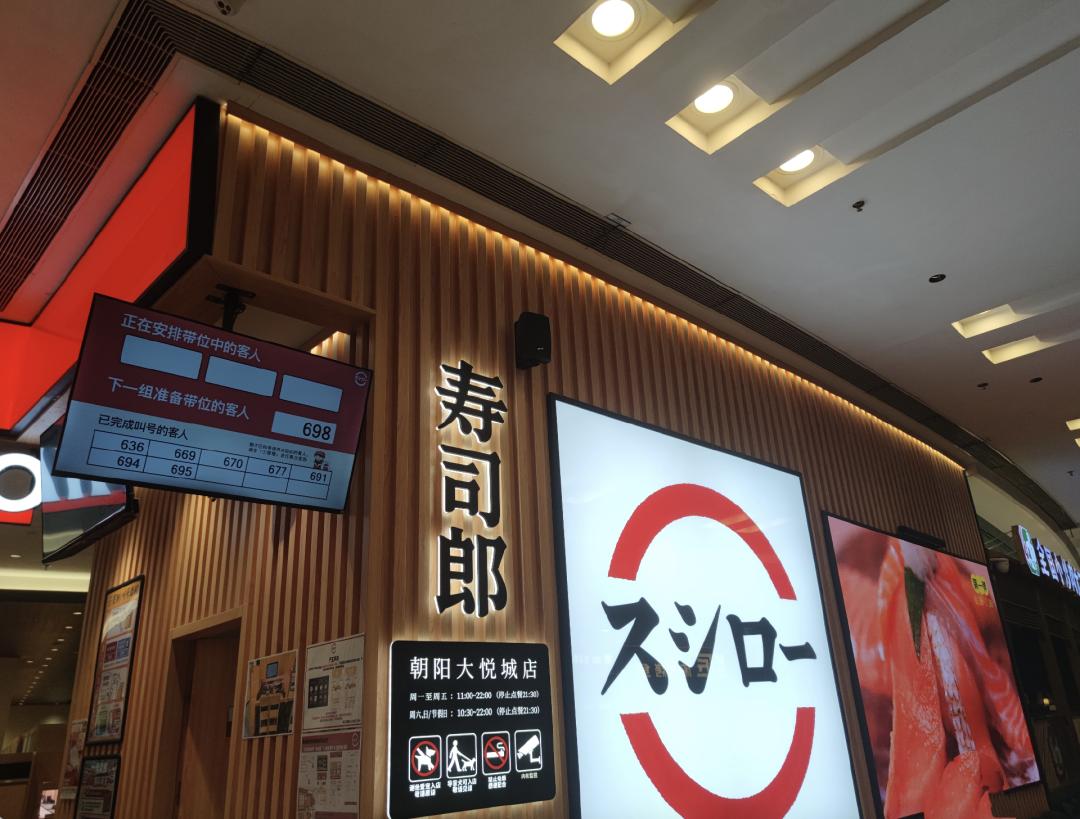
Core Insights - The article discusses the rise of new dining establishments in China's first and second-tier cities, particularly focusing on the long wait times and popularity of brands like Kǎo Jiàng and Shòu Sī Láng, which have recorded wait times exceeding 10 hours since their opening in Beijing [1][2][3] - The overall restaurant industry is facing challenges such as slowing revenue growth, declining profits, and intensified competition, as reported by the China Cuisine Association [1][2] - The success of these new dining brands is attributed to their marketing strategies, operational efficiency, and appeal to younger consumers, particularly the post-2000 generation [6][7][11] Industry Trends - The restaurant industry is experiencing a shift with brands like Kǎo Jiàng and Shòu Sī Láng emerging as "queue kings" amidst a backdrop of declining popularity for previously successful establishments [1][2][3] - The competition in the dining sector is fierce, with numerous brands vying for market share in similar price ranges and categories, such as grilled fish and Japanese cuisine [2][3][16] - The market for grilled fish has shown volatility, with the market size fluctuating from 1,131 billion yuan in 2019 to 1,134 billion yuan in 2023, indicating a need for differentiation among brands [16] Company Strategies - Kǎo Jiàng employs a unique marketing approach, utilizing high-frequency advertising in public transport and strategic locations to attract customers, while also leveraging social media influencers [3][5] - Shòu Sī Láng focuses on operational efficiency through standardized processes and technology, such as automated sushi production, to reduce labor costs and enhance service speed [2][3] - Both brands are capitalizing on the "fan economy" and IP collaborations to engage younger consumers, with Kǎo Jiàng particularly emphasizing celebrity endorsements and themed events to drive traffic [11][12][13] Consumer Behavior - The primary customer demographic for Kǎo Jiàng consists of individuals aged 19 to 25, indicating a strong appeal to younger consumers who are willing to wait for a dining experience [6][7] - The dining experience is enhanced through interactive elements and themed promotions, which resonate well with the younger audience, contributing to their willingness to endure long wait times [8][10][11] - The trend of "one-person dining" is also being catered to by Shòu Sī Láng, with seating arrangements designed for solo diners, reflecting changing consumer preferences [7][11] Future Outlook - The long-term sustainability of these new dining brands remains uncertain, as the industry has seen many brands rise and fall quickly due to changing consumer preferences and market saturation [13][16] - The ability of Kǎo Jiàng and Shòu Sī Láng to replicate their success through rapid expansion and consistent quality will be critical in determining their future in the competitive dining landscape [16]

易烊千玺演唱会带动上海文旅消费热潮
Sou Hu Cai Jing· 2025-07-29 01:27
Core Insights - The concert of popular artist Yi Yangqianxi in Shanghai significantly boosted local consumption, with 65% of attendees coming from outside the city, contributing to various sectors including transportation, accommodation, dining, and retail [1][2] Group 1: Economic Impact - The concert led to a 40% increase in hotel bookings in Shanghai, with overall cultural and tourism consumption exceeding 100 million yuan during the event [2] - Daily passenger flow at Shanghai's Hongqiao and Pudong airports increased by 18% compared to regular days [1] - Hotel occupancy rates within 3 kilometers of the concert venue reached 95%, with some budget hotels doubling their prices due to high demand [1] Group 2: Consumer Behavior - The "fan economy" exhibited a dual characteristic of "online excitement + offline experience," with social media discussions about the concert reaching over 200 million views [4] - Dining orders around the concert venue surged by 55%, with popular items including trendy milk tea and local snacks [4] - Limited edition merchandise related to the concert sold out on the first day, with some items on resale platforms priced at over three times their original value, indicating strong consumer spending potential [4] Group 3: Cultural and Tourism Integration - The success of the concert was attributed to the collaboration between the Shanghai cultural and tourism sectors, which offered bundled ticket products that included concert tickets and local attractions [5] - Local attraction ticket bookings increased by 30% during the concert, with night-time economy projects like "Night Cruise on the Huangpu River" gaining popularity [5] - The concert's high production quality, incorporating local cultural elements and advanced technology, enhanced Shanghai's cultural brand and showcased a "star + culture + technology" model [5] Group 4: Urban Management - Shanghai demonstrated effective urban management capabilities during the concert, with coordinated efforts from public security, transportation, and tourism departments ensuring safety and convenience for attendees [6] - Temporary traffic measures and fan service stations were established, receiving positive feedback from the audience [6] - Future plans include exploring pathways for "traffic monetization" and enhancing local IP development to convert short-term visitor influx into long-term tourism growth [6]

2025情绪价值系列报告之音乐:版权拓展有望驱动音乐行业从付费增长转向流量、付费双增
Orient Securities· 2025-07-28 05:11
Investment Rating - The report maintains a "Positive" outlook for the media industry as of July 28, 2025 [6] Core Insights - The music industry is expected to transition from a paid growth model to a dual growth model of traffic and payment, driven by the expansion of audio content and refined operations of fan economy [4][10] - The resilience of streaming music against macroeconomic headwinds is highlighted, with a projected CAGR of 22% for China's streaming music industry from 2021 to 2024, significantly outpacing retail sales growth [9][20] - The report emphasizes the importance of expanding content pools to shift the music market from a stock game to a growth game, with Tencent Music and NetEase Cloud Music both enhancing their content offerings [9][10] Summary by Sections 1. Emotional Value Driving High Growth in Online Music Platforms - China's online music platforms are projected to reach revenues of 27.1 billion in 2024, reflecting a 25% year-on-year growth [18][19] - The emotional value derived from music consumption is increasingly recognized, with a shift towards subscription models providing significant psychological benefits to users [20] 2. Traffic: Copyright Expansion Expected to Drive Growth - The overall DAU for the music industry is expected to reach 183.73 million in 2024, with a 2% year-on-year increase [22] - Tencent Music's DAU has been declining, but the acquisition of Himalaya is anticipated to reverse this trend by introducing long audio users [24][41] - ByteDance's platforms have seen significant DAU growth, with a 100% increase in the first half of 2025 [26] 3. Payment: Expansion of Rights Driving Payment Increases - The report notes a significant increase in the proportion of songs available to VIP members, with QQ Music's share rising from 38% to 95% and NetEase Cloud Music's from 4% to 48% [48][49] - The introduction of SVIP memberships is expected to enhance ARPPU, with Tencent Music's acquisition of SM Entertainment and Himalaya providing additional content [50][51] 4. Cost: Operational Leverage and AI Expected to Optimize Margins - The report discusses how the management of top-tier copyrights is improving, leading to increased gross margins for music platforms [9] - AI is expected to decentralize music production, further optimizing margins [9] 5. Investment Recommendations and Targets - The report suggests focusing on Tencent Music and NetEase Cloud Music due to their strategic acquisitions and content expansions, which are expected to drive user growth and payment increases [4][13]
马斯克开饭店,麦当劳哭了
3 6 Ke· 2025-07-24 09:37
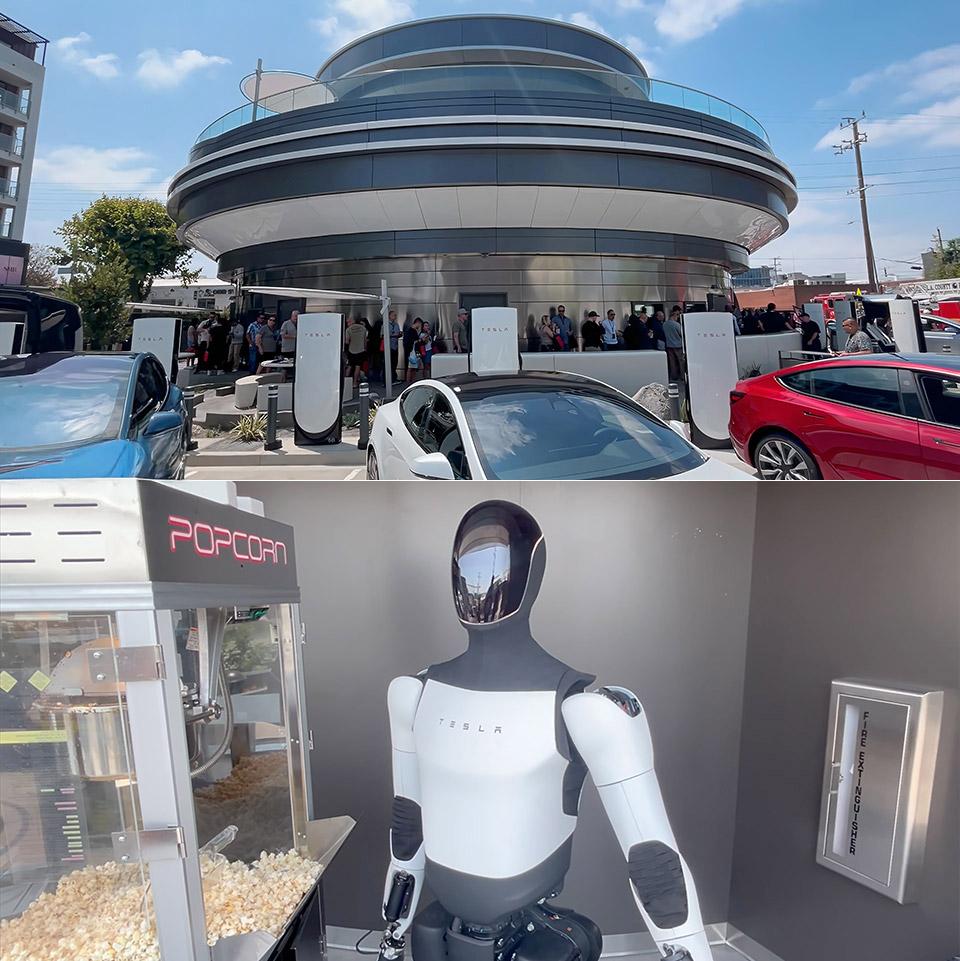
Group 1 - Tesla's restaurant in Hollywood has opened, attracting global attention with its futuristic design and unique dining experience [1] - The restaurant features a charging station on the first floor, seating for over 250 people on the second floor, and large LED screens displaying classic movie clips, creating an outdoor cinema atmosphere [1] - On its opening day, the restaurant generated $47,000 in revenue within just six hours [1] Group 2 - Tesla's cross-industry ventures serve as an effective marketing strategy, leveraging its strong brand presence to create buzz without significant traditional advertising costs [3][8] - Previous successful cross-promotional products include a children's version of the Model S and a limited edition tequila, both of which sold out quickly [3][5] Group 3 - The restaurant represents a long-term investment for Tesla, with plans for a second location in Shanghai, indicating a commitment to this new business model [8] - The concept of "waiting economy" is utilized, transforming the typical charging wait time into an active consumer experience by combining dining and entertainment [9][10] Group 4 - The restaurant aims to increase customer engagement and brand loyalty by extending the time users spend at charging stations, potentially increasing their overall spending [11][12] - This strategy could divert consumer spending from competitors like McDonald's, effectively creating a closed-loop consumption ecosystem [12] Group 5 - The restaurant's opening generates significant media attention and social media buzz, enhancing Tesla's brand visibility [13][22] - By integrating high-frequency dining experiences with low-frequency car purchases, Tesla strengthens its connection with consumers and enhances brand loyalty [16][18] Group 6 - Tesla's strong fan base plays a crucial role in the success of its cross-industry products, as loyal customers eagerly promote and share their experiences [20][22] - The restaurant not only serves food but also embodies a lifestyle and brand philosophy, positioning Tesla as more than just a car manufacturer [24][25] Group 7 - The restaurant serves as a platform for Elon Musk to enhance his personal brand, showcasing his multifaceted persona beyond just technology [26] - Tesla's restaurant is described as a "future lifestyle experience center," integrating various elements of energy, AI, and consumer behavior into a cohesive brand experience [27][30]

腾讯音乐20250721
2025-07-21 14:26
Tencent Music Research Summary Industry and Company Overview - Tencent Music operates in the online music and social entertainment industry, having established itself as a leading player in China since its inception in 2016 through a merger with China Music Corporation [2][3]. Core Insights and Arguments - **Copyright Strategy**: Tencent Music initially secured a large number of exclusive copyrights through strategic partnerships, maintaining over 90% of core copyright resources even after the market opened up [2][3]. - **Revenue Growth**: Online music services are projected to account for 75% of total revenue by 2024, with subscription revenue increasing by 26% year-on-year to reach 15.2 billion yuan, and gross margin improving to 42% [2][7]. - **User Engagement**: The company is expanding its fan economy by launching subscription products like Bubble, enhancing interaction between artists and fans, and leveraging social media platforms like WeChat and QQ [2][6]. - **User Metrics**: By the end of 2024, Tencent Music expects to have 556 million monthly active users and a music library of 260 million songs, with 121 million paying users and a payment rate of 21.8% [2][8][9]. - **Market Position**: Tencent Music holds a 14% share of the global market, compared to Spotify's 32%, indicating significant growth potential [9]. Additional Important Insights - **Long Audio Market Expansion**: Tencent Music is expanding into the long audio market through the acquisition of Ximalaya and leveraging IP resources from the Reading Group [10]. - **Hardware Ecosystem**: The company collaborates with hardware manufacturers to create a "music + social + UGC" ecosystem, enhancing user experience through smart device integration [11][12]. - **ARPU Growth**: The average revenue per user (ARPU) is expected to increase to 11.4 yuan in Q1 2025, with plans to reach 13-15 yuan in the next two to three years [13][14]. - **Technological Innovations**: Tencent Music is investing in AIGC technologies to reduce music production costs and enhance user experience, including virtual idol concerts and AI-driven music recommendations [4][15]. - **Financial Projections**: For 2025, Tencent Music anticipates total revenue of 31 billion yuan, with a gross margin of 45% and a net profit of 8.9 billion yuan, indicating a healthy financial outlook [4][16]. Investment Considerations - **Future Outlook**: Investors are encouraged to monitor Tencent Music's developments, particularly in fan economy initiatives and collaborations in the Korean entertainment sector, as these are expected to drive significant growth [17].

周杰伦,隐形的商业大佬
创业家· 2025-07-20 10:35
Core Viewpoint - Jay Chou has transformed from a singer to a business mogul, creating a vast commercial ecosystem centered around his personal IP, which spans music copyrights, concert economics, brand endorsements, and capital operations [2][4]. Group 1: Foundation of the Empire - The foundation of Jay Chou's commercial empire is his music works, which continue to generate significant revenue despite a decrease in new album releases [4]. - After leaving Alpha Music in 2007, he founded JVR Music and took valuable music copyrights with him, leading to a lucrative partnership with Sony Music [4]. - In 2018, Tencent Music acquired exclusive rights to Jay Chou's music for 570 million yuan over three years, setting a record in Chinese music copyright transactions [5]. - His 2022 album "The Greatest Works of Art" sold nearly 3 million copies on QQ Music on its first day, generating approximately 90 million yuan in revenue [5]. Group 2: Concerts as Revenue Generators - Jay Chou's concerts are described as his "printing machine," with projected total revenue of 2.3 billion yuan from 42 shows in 2024 [10]. - His concerts sell out quickly, with a secondary market price increase of 400%-1000%, demonstrating his dominance in the ticketing market [13]. - The integration of concert planning and merchandise through affiliated companies enhances profitability and creates a comprehensive consumer experience [15][16]. Group 3: IP Securitization - Jay Chou's business model exemplifies "IP securitization," with his company, Giant Star Legend, listed on the Hong Kong Stock Exchange, serving as a core vehicle for his brand [18]. - The company reported a revenue of 584 million yuan in 2024, with a 65% year-on-year growth in IP-related business [18]. - The "Jay Chou effect" illustrates his ability to influence market valuations significantly, as seen with a 94% stock price surge for Giant Star Legend following his Douyin debut [19]. Group 4: Fan Economy - Jay Chou's fan base spans three generations, creating a unique emotional connection that translates into substantial consumer spending [22]. - His entry into live streaming attracted 68 million viewers in 2020, showcasing the immense engagement of his fan base [23]. - The emotional consumption behavior of his fans leads to a closed-loop purchasing cycle, contributing to the financial resilience of his brand [25]. Group 5: Unique Business Model - Jay Chou's model is difficult to replicate due to his accumulation of classic works during the peak of Chinese pop music and his team's ability to seize commercial opportunities from technological changes [26]. - His transition into a programmable IP system through digital avatars and AI indicates a shift towards virtual space, expanding his commercial value beyond physical limitations [27].

LABUBU买家众生相
Zhong Guo Jing Ying Bao· 2025-07-18 19:26
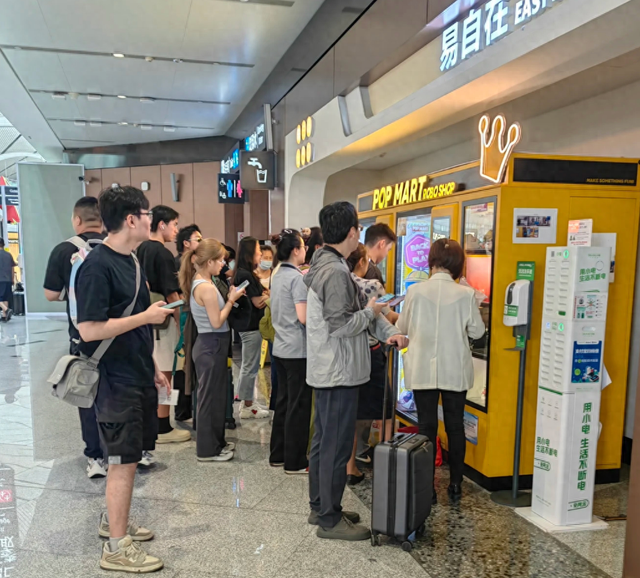
Core Viewpoint - The article discusses the phenomenon of the LABUBU blind box craze in China, highlighting the intense consumer demand, the role of social media influencers, and the complexities of the secondary market for these collectibles [3][6][12]. Group 1: Consumer Behavior - Consumers are actively participating in the purchase of LABUBU blind boxes, often queuing early to secure limited editions, indicating a strong demand for these products [3][4]. - The motivations for purchasing LABUBU vary among consumers, including genuine affection for the product, social comparison, and the potential for profit through resale [7][12]. - The popularity of LABUBU has been significantly influenced by endorsements from celebrities, leading to a surge in online searches and social media discussions [6][12]. Group 2: Market Dynamics - LABUBU has seen a dramatic increase in revenue, with projections of 13 billion yuan in 2024 and a 1.6 times year-on-year growth in Q1 2025, alongside a nearly fivefold increase in overseas market revenue [6][12]. - The blind box market operates on a dual-channel sales model, with both online and offline purchasing options, but the tactile experience of in-store shopping remains crucial for serious collectors [10][11]. - The secondary market for LABUBU collectibles is thriving, with resellers often marking up prices significantly, although the market can be volatile and subject to rapid changes in consumer interest [15][17]. Group 3: Brand and Product Strategy - The success of LABUBU is attributed to its unique design and the effective marketing strategies employed by Pop Mart, which include collaborations with artists and leveraging social media for brand visibility [6][12]. - Pop Mart's business model focuses on acquiring IP rights and creating a community around its products, which has fostered a dedicated fan base [12][15]. - The company has introduced various product lines and limited editions, which keeps consumer interest high and encourages repeat purchases [6][12].

900亿青岛啤酒卖水,征召张艺兴代言
21世纪经济报道· 2025-07-18 14:12
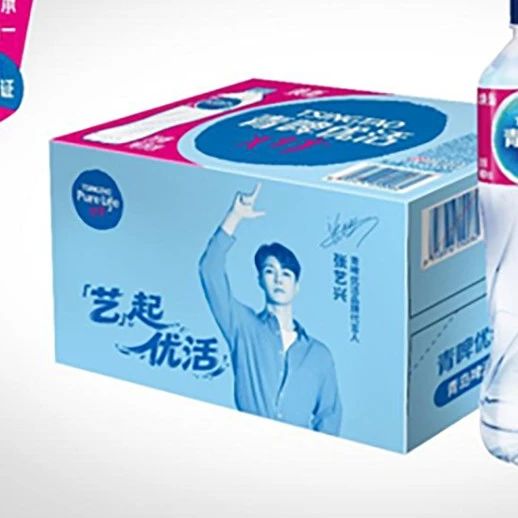
Core Viewpoint - Qingdao Beer is actively entering the bottled water market with its brand "Qingpi Youhuo," leveraging celebrity endorsement to boost sales and brand recognition [2][22]. Group 1: Market Entry and Strategy - Qingdao Beer announced the appointment of artist Zhang Yixing as the first spokesperson for its water brand "Qingpi Youhuo," which has garnered over 1 million shares on social media shortly after the announcement [2][5]. - The company has entered the competitive bottled water market, which is valued at over 900 billion [6]. - Qingpi Youhuo is positioned as a continuation of the quality established by Nestlé's water products, following Qingdao Beer's acquisition of Nestlé's water business in mainland China in August 2020 [9]. Group 2: Financial Performance and Business Diversification - The company reported a revenue of 32.138 billion yuan for 2024, reflecting a 5% decline year-on-year, with decreases in beer production, sales, and revenue [17]. - In the first quarter of this year, Qingdao Beer achieved a revenue of 10.446 billion yuan and a net profit of 1.71 billion yuan, indicating modest growth and signs of operational recovery [18]. - The company is focusing on diversifying its business by integrating beverage operations and expanding into non-beer sectors, including the acquisition of a yellow wine company [17][19].

城市传媒20250716
2025-07-16 15:25
Summary of City Media Conference Call Company Overview - **Company**: City Media - **Industry**: Education and Publishing Key Points and Arguments Financial Performance - City Media reported a net profit attributable to shareholders of between 38 million to 46 million in the first half of 2025, indicating a significant year-on-year decline due to several factors [4] - The decline was attributed to tightened regulations affecting supplementary educational materials, a loss of approximately 35 million from the West Coast Cultural Building's suspension last year, and a decrease in the fair value of financial assets following the acquisition of Himalaya by Tencent Music [4] Market Dynamics and Strategic Response - The tightening of regulations in the supplementary education market has shifted the subscription model from a unified school-based approach to a more market-oriented strategy [5] - City Media is enhancing its offline marketing system and developing the Tsinghua Assistance Service Platform to increase market share and adapt to the new competitive landscape [5] - The company aims to optimize internal efficiency through digital content production and operational mechanisms [5] Emerging Business Ventures - City Media is investing in new business areas, particularly in VR education, where it has made significant progress with multiple projects [6] - The company plans to expand its educational services by covering more schools and integrating various services such as AI assistance and research learning [7] Competitive Advantages - State-owned publishing companies like City Media have an inherent advantage due to their close ties with educational departments and schools, enhancing their credibility and trustworthiness in a regulated environment [8][9] Tsinghua Assistance Platform - The Tsinghua Assistance Platform has evolved to include research learning information, free educational resources, and AI assistance, aiming for high-frequency interaction with users [10] - The platform has already covered over 100 schools and is expected to expand further [10] Market Expansion - City Media's supplementary educational business covers 26 provinces, with high market share in products like the "Add Points Treasure" series and "Top Student Classroom Notes" [3][14] - In Shandong Province, the company holds over 90% market share in science textbooks and nearly 60% in mathematics textbooks [13] Product Development and Innovation - The company is launching new titles in children's literature and thematic publishing, aiming to create a billion-yuan product group and several ten-million-yuan product lines in 2025 [15] - City Media has seen rapid growth in its "two-dimensional" product line, collaborating with well-known IPs and gaming companies [16] AI and VR Integration - City Media has developed an AI reading platform and an AI essay grading system, with over 100,000 users benefiting from these services [19] - The company is also exploring VR experiences, with plans to establish 20 to 30 VR experience locations nationwide by the end of the year [21] Investment Strategy - City Media is actively seeking investment opportunities in cultural technology and digital culture, with a focus on high-quality targets [23][24] Shareholder Returns - The company has consistently paid cash dividends, totaling over 1.1 billion since its listing, and aims to maintain a stable dividend policy despite fluctuations in earnings [25] Inventory Management - The decline in inventory turnover is attributed to decreased consumer purchasing and increased inventory for new educational products [26] Long-term Strategy - City Media is adapting to new policy environments while expanding its general book sector and exploring new business areas like AI and VR education [27] Additional Important Insights - The company is learning from private sector strategies while leveraging its state-owned advantages to navigate regulatory challenges [9] - The focus on integrating various educational services aims to enhance user engagement and drive growth in a competitive market [10][19]

邓紫棋跨界写小说,热卖背后的出版营销新密码
Di Yi Cai Jing· 2025-07-15 06:36
Core Insights - The core viewpoint of the article highlights the remarkable success of G.E.M. Tang's debut science fiction novel "The Road of Revelation," which achieved over 200,000 copies sold and generated sales exceeding 40 million yuan on its first day of pre-sale, showcasing the power of fan economy and effective marketing strategies in the publishing industry [1][3][11] Group 1: Sales Performance - "The Road of Revelation" sold over 200,000 copies and generated sales of more than 40 million yuan on its first day of pre-sale [1] - The book's pricing includes versions at 89 yuan and 298 yuan, with the latter being perceived as a collectible item by fans [1][6] - Fans are purchasing multiple copies, with some buying up to 42 books to obtain signed editions, indicating strong fan engagement [2][5] Group 2: Marketing Strategies - The pre-sale date coincided with G.E.M. Tang's 17th debut anniversary, creating a sense of emotional connection and community among fans [4] - The collaboration between various publishers and digital platforms, such as Tomato Novel and Guomai Culture, has been crucial in leveraging internet marketing strategies [4][6] - The marketing approach transformed the purchase of the book into a communal experience, enhancing emotional ties between fans and the author [4][5] Group 3: Fan Economy - The phenomenon of celebrity authorship is driven by fan economy, where emotional connections and community identity significantly influence purchasing behavior [5][6] - The average purchase quantity per user for "The Road of Revelation" is estimated at 2.3 copies, surpassing the industry average of 1.1 copies [4] - Fans view the purchase of the book similarly to buying a magazine featuring their idol, indicating a shift in consumer behavior influenced by celebrity culture [4][5] Group 4: Publishing Industry Trends - The rise of soft science fiction as a mainstream genre reflects a broader trend in the publishing industry, moving away from niche markets [8][9] - The integration of science fiction elements in popular culture is becoming more prevalent, as seen in G.E.M. Tang's work, which combines music, philosophy, and science fiction [9][10] - The publishing cycle for "The Road of Revelation" was notably rapid, taking only 45 days from manuscript completion to pre-sale, highlighting a shift in traditional publishing timelines [7][11] Group 5: Future Implications - The success of "The Road of Revelation" raises questions about the sustainability of such marketing models and the potential for replicating this success in future publications [11] - The publishing industry is increasingly focusing on metrics beyond sales figures, such as reading completion rates and resale rates, to assess the true impact of a book [11]