价值投资

Search documents
二十年只管一只基金,朱少醒的“马拉松”为何突然掉队?
Sou Hu Cai Jing· 2025-08-19 01:13
Core Viewpoint - Zhu Shaoxing, a prominent fund manager, has faced significant challenges in recent years, with his fund, Fuqun Tianhui, experiencing a substantial decline in net value and underperforming its benchmark since 2021 [2][4]. Group 1: Fund Performance - Zhu Shaoxing has managed Fuqun Tianhui since 2005, achieving an annualized return of 15.14% over nearly 20 years, significantly outperforming the benchmark [2][3]. - Since 2021, the fund's net value has seen a maximum drawdown of nearly 50%, leading to a reduction in assets under management from a peak of 44.5 billion yuan to 23.5 billion yuan [4][6]. - The fund's top ten holdings have decreased in concentration from 50% to 34.98% of the fund's net value in recent years, indicating a shift in strategy to mitigate risk [6][8]. Group 2: Investment Philosophy - Zhu's investment philosophy centers on "selecting individual stocks and holding them long-term," with a focus on finding companies with strong growth potential [3][9]. - The fund maintains a high stock position, typically around 90%, and diversifies across sectors, ensuring no single industry exceeds 30% of the portfolio [3][9]. Group 3: Key Holdings and Adjustments - Zhu has consistently held a significant position in Kweichow Moutai since 2006, viewing it as a company with a strong brand and pricing power, despite its recent underperformance [8][9]. - In 2025, the fund re-entered a position in Guangdong Hongda, a company involved in military and civilian explosives, which has shown strong revenue and profit growth [10][11]. - The fund's strategy has evolved from aggressive accumulation of Kweichow Moutai to a more cautious approach, reflecting changing market conditions and pressures on the liquor sector [9][10].




公募权重级基金经理被骂了!徐彦新基,成立半年,仍在水下...
Sou Hu Cai Jing· 2025-08-19 00:22
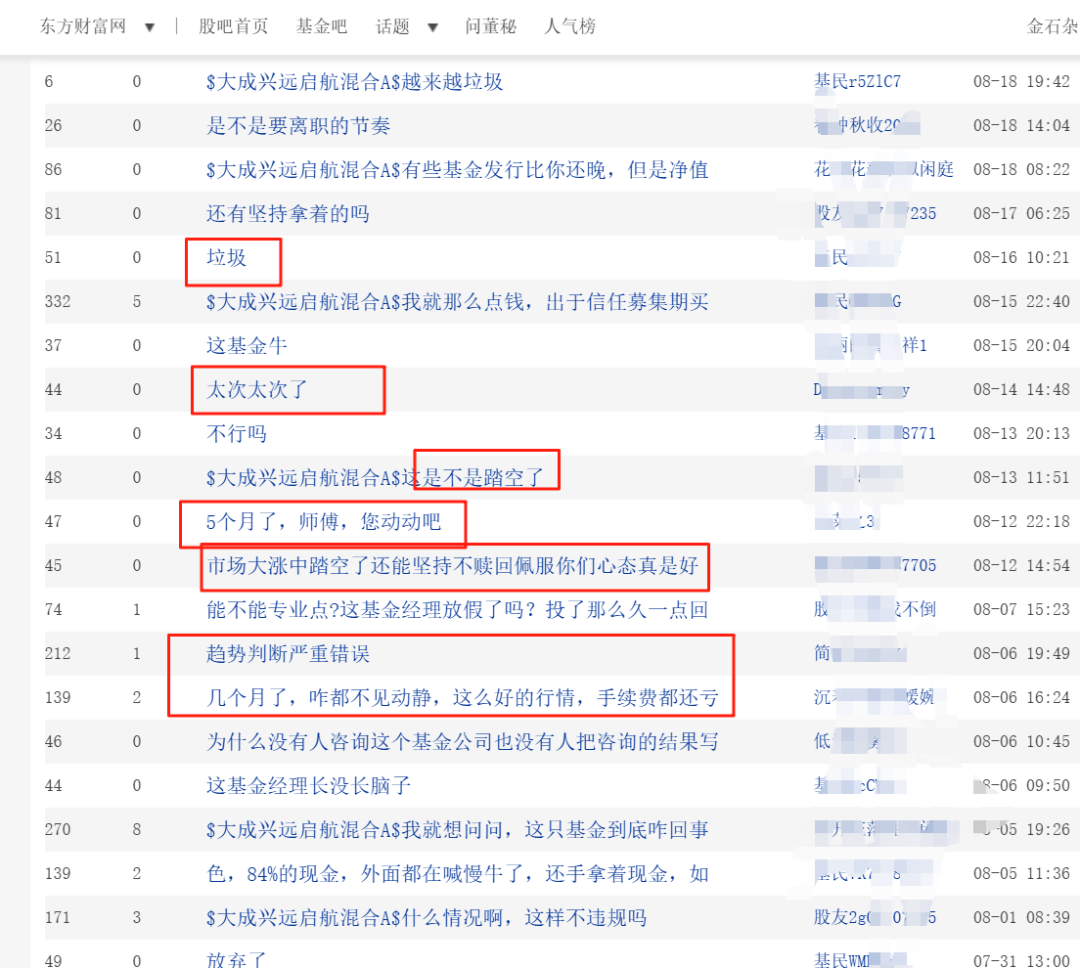
Core Viewpoint - The article highlights the struggles of Xu Yan, a prominent fund manager at Dacheng Fund, whose recent performance has drawn criticism from investors due to a lack of significant returns and a high cash allocation in his fund [2][11][15]. Fund Performance - Xu Yan manages the Dacheng Xingyuan Qihang Mixed Fund, which has a current net value of 0.9995, indicating it is barely above break-even after six months since its establishment on March 11, 2025 [2][10]. - The fund's initial fundraising was 757 million, but it has since shrunk to 627 million, reflecting a 17% decrease in size primarily due to investor redemptions rather than direct losses [2][10]. - Investors have expressed dissatisfaction, with comments indicating frustration over missed opportunities in a rising market, as the fund has not made significant moves to invest [2][3][15]. Investment Strategy - Xu Yan has not initiated large-scale investments, stating that the fund is still in the accumulation phase and has maintained 84% of its assets in cash, with only 0.72% allocated to equities [11][14]. - The rationale behind this strategy is attributed to the current market conditions, where many stocks are perceived as overvalued, making it challenging to find undervalued opportunities [11][15]. - Xu Yan's cautious approach contrasts sharply with the broader market, which has seen significant gains, leading to perceptions of him as missing out on the bull market [15][16]. Historical Context - Prior to the recent downturn, Xu Yan was recognized for his strong performance, achieving an annualized return of 12.66% and positive returns over three years [6][8]. - His management of other funds has yielded returns of around 20% for those launched in 2023 or 2024, but his current fund's performance has lagged behind peers that have seen returns of 30% in the same period [8][9]. Investor Sentiment - Investor sentiment has turned negative, with many expressing doubts about Xu Yan's decision-making and the fund's lack of action in a favorable market environment [3][4][15]. - Comments from investors reflect a desire for more proactive management, questioning why the fund has not begun to build positions despite the favorable market conditions [3][4][15].
百万亿时代开启!帮主深扒:慢牛行情下必须死磕的三大“黄金赛道”!
Sou Hu Cai Jing· 2025-08-19 00:21
Market Overview - The A-share market has officially reached a market capitalization of 100 trillion yuan, marking a historical shift from a "policy market" to a "value market" [1] - The Shanghai Composite Index is firmly positioned at 3728 points, indicating stability in the market [1] Market Activity - Trading volume has exceeded 2 trillion yuan over four days, averaging approximately 1500 yuan per person entering the market [3] - The margin financing balance has surged past 2.06 trillion yuan, reflecting increased leverage in the market [3] Market Drivers - The "slow bull" market is driven by three main factors: 1. Policy support: New policies such as the "National Nine Articles" and an increase in insurance capital investment ratios to 70% are expected to inject long-term capital into the market [3] 2. Strong capital inflow: Both domestic and foreign capital are working together to provide liquidity and long-term investment [3] 3. Industrial innovation: AI computing power is likened to "oil" in the new era, while innovative pharmaceuticals and consumer sectors are showing resilience and growth [3] Investment Strategies - Long-term investment strategies should focus on three main themes: 1. Hard technology breakthroughs: Companies like Cambrian are making strides in GPU compatibility, while Zhongji Xuchuang has seen a 45% increase in 800G optical module shipments [3] 2. Consumer resilience: Observations on inventory cycles of brands like Moutai and user growth on platforms like Pinduoduo indicate strong consumer demand [3] 3. Policy benefits: Subsidies for semiconductor equipment and tax exemptions for new energy vehicles are fostering growth in targeted industries [3] Cautionary Notes - There is a warning regarding the increasing proportion of margin financing, which has exceeded 10% for seven consecutive days, nearing a cautionary threshold of 12% [3] - The potential volatility from external factors, such as the Federal Reserve's interest rate decisions, should be monitored closely [3] - Investors are advised to be wary of "pseudo-leaders" in the market that may not sustain their value [3]

万泰华瑞投资:16年深耕,把重投资者回报落到实处 | 打卡100家小而美私募
私募排排网· 2025-08-19 00:06
Company Overview - Hunan Wantai Huari Investment Management Co., Ltd. was established in March 2009, with a registered capital of 10 million yuan and a current management scale exceeding 1.4 billion yuan [4][6] - The company combines value investing and trend investing tailored to the Chinese capital market, focusing on risk control and sustainable long-term returns, with over 90% of clients achieving positive returns [4][13] Development History - The company launched its first trust asset management product in 2009 and became a member of the China Securities Association in 2013 [5] - It obtained private securities fund management qualifications in 2014 and became a member of the Asset Management Association of China in 2017 [5][6] Core Team - The core team consists of members from leading firms such as CICC, GF Securities, and Zhuque Fund, each with over 16 years of experience in their respective research fields [6][12] - The investment and research teams work closely together, ensuring efficient transformation of research into actionable investment strategies [10][12] Investment Philosophy & Strategies - The investment philosophy emphasizes risk control, with a focus on macroeconomic and policy analysis to identify growth sectors while maintaining a balanced approach to risk and return [9][10] - Key strategies include careful stock selection based on growth trajectories and intrinsic value assessments, with a focus on long-term sustainable growth [9][10] Market Outlook - The company is optimistic about a slow bull market characterized by a decline in domestic risk-free rates and a favorable environment for equities [12][14] - The anticipated return of capital to A-shares due to U.S. interest rate cuts and a weaker dollar is expected to drive market growth [12][14] - The economic landscape is shifting from a "negative beta" to a "zero beta" environment, indicating potential for structural market growth despite overall economic weakness [14][15] Core Advantages - The company prioritizes client interests and adopts a long-term investment approach, ensuring a high degree of alignment between management and investor interests [13] - A stable team structure and effective internal collaboration enhance research capabilities and investment decision-making efficiency [13][12]

实探营业部两融咨询开户——“我今天键盘都快敲出火星子了”
Shang Hai Zheng Quan Bao· 2025-08-18 19:17
Group 1 - The core viewpoint is that the recent surge in the A-share market has led to a significant increase in the popularity of margin trading, with many investors showing heightened interest in financing tools [1][2] - The margin trading balance in the A-share market has reached a new high, surpassing 2 trillion yuan, indicating a robust market recovery [2] - The number of investors participating in margin trading has also hit record levels, with over 520,000 participants on August 13, marking a year-to-date high [2] Group 2 - The current margin trading activity is characterized by an optimized leverage structure and a more mature market ecosystem compared to previous years, driven by improved regulations and stable funding [3] - The financing rates offered by brokerage firms have decreased, with new clients typically receiving rates around 4%, which is significantly lower than in the past [3] - There is a noticeable shift in investor behavior, with both short-term traders and long-term value investors actively using margin trading to enhance their portfolios [2][3]
侃股:普涨行情最忌讳频繁换股
Bei Jing Shang Bao· 2025-08-18 13:00
Group 1 - The core viewpoint emphasizes that frequent stock trading during a bull market can lead to reduced investment returns and potential losses, as the market tends to see a general rise in stock prices [1][2] - In a rising market, holding onto well-performing stocks is more beneficial than attempting to time the market through frequent trading, which can lead to emotional decision-making and poor outcomes [2][3] - Investors should focus on long-term holding of quality stocks with stable growth and reasonable valuations, rather than being swayed by short-term market fluctuations [2][3] Group 2 - Frequent trading incurs significant transaction costs, which can exceed 30% of returns if investors trade daily, thereby reducing the probability of making a profit [2] - Long-term holding requires patience and the ability to withstand short-term market volatility, ensuring that the fundamental value of the stocks is realized over time [2][3] - Adjustments to the investment portfolio should be based on thorough research and rational judgment rather than emotional reactions, allowing for a dynamic approach to long-term holding [3]
上证指数创十年新高,A股一天成交额超2.8万亿元
Hua Xia Shi Bao· 2025-08-18 11:27
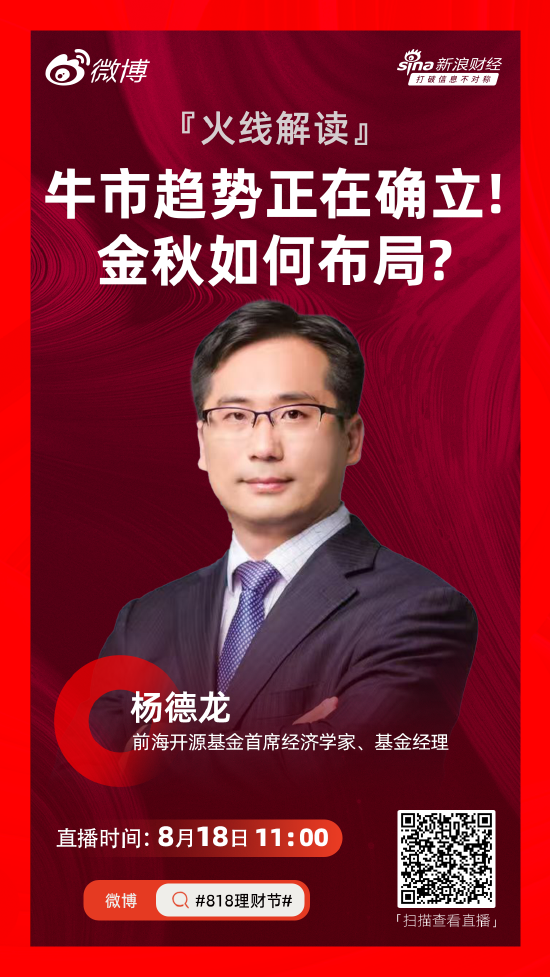
本报(chinatimes.net.cn)记者帅可聪 北京报道 2025年8月18日,A股三大指数震荡走强,上证指数盘中突破2021年高点3731点,创下近十年新高。逾 4000只个股收盘上涨,A股沪、深、北三市全天总成交额达2.8万亿元。 前海开源基金首席经济学家杨德龙向《华夏时报》记者分析指出,这轮行情目前正在从局部牛市逐步转 向全面牛市,从之前少数板块的上涨逐步扩散到更多板块跟进,赚钱效应也将更加明显。 "从持续时间来看,这轮牛市有望持续两三年以上,并非短期行情。因此建议投资者坚定信心、保持耐 心,通过坚持价值投资理念,配置优质股票或优质公募、私募基金,抓住这轮行情机会,真正实现财富 增长。"杨德龙表示。 单日成交额创十个月新高 8月18日,A股三大指数小幅高开,盘初震荡走强,上证指数成功突破2021年高点3731点,盘中最高触 及3745点,创下2015年8月下旬以来新高;创业板指突破2024年10月高点2576点,盘中最高触及2633 点,创下2023年2月以来新高。 截至当天收盘,上证指数涨0.85%,报3728.03点;深证成指涨1.73%,报11835.57点;创业板指涨 2.84%,报260 ...

高瓴、景林等机构,曝光“投资成绩单”
3 6 Ke· 2025-08-18 07:49
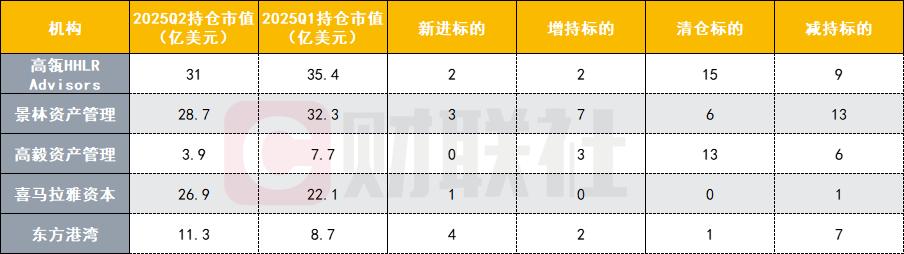
Group 1 - Pinduoduo, Futu, and Huazhu Group remain heavily favored by Chinese private equity firms, while tech giants like Nvidia, Meta, and Microsoft are increasingly appearing in their portfolios [1][3] - In Q2, Hillhouse and Jinglin significantly reduced or completely sold off some Chinese concept stocks, while Li Lu re-entered Pinduoduo after a three-year hiatus, indicating differing views on the prospects of Chinese stocks among funds [1][3][6] - Hillhouse's total market value in US stocks reached $3.105 billion, with Pinduoduo as the largest holding at $730 million, accounting for 23.52% of its portfolio [3][5] Group 2 - Hillhouse's major reductions included 1 million shares of NetEase (down 37.66%), 4.5 million shares of Beike (down 37.64%), and 2.76 million shares of Alibaba (down 70.58%) [6][10] - Gao Yi's holdings decreased from $770 million to $397 million, with a significant sell-off of 13 stocks, leaving only 9 stocks in its portfolio [7][8] - Gao Yi's largest holding became Huazhu Group, which accounted for 42.19% of its portfolio after reductions in Pinduoduo and Yum China [10] Group 3 - Jinglin's total market value in US stocks was $2.874 billion, with Meta as the largest holding at 25.46%, marking the third consecutive quarter of increased investment in Meta [11][13] - Jinglin also made significant investments in Nvidia, becoming its seventh-largest holding, and reduced positions in companies like NetEase and TSMC [11][13] - Himalaya Capital, led by Li Lu, made a notable return to Pinduoduo, purchasing 4.608 million shares, making it the second-largest holding at 17.93% [14][15] Group 4 - Dongfang Hongwan's total market value reached $1.126 billion, with Nvidia as the top holding, and it also entered the cryptocurrency space by purchasing Coinbase [17][20] - The fund increased its holdings in Google, making it the second-largest position, while also investing in Tesla and Netflix [19][20] - Duan Yongping's H&H International Investment reported a total market value of $11.5 billion, with significant increases in holdings of Apple and Nvidia [21][22]





美股正转向“令人担忧”!霍华德·马克斯最新备忘录谈当下的市场及应对,以及36句金玉良言
聪明投资者· 2025-08-18 07:17
Core Viewpoint - The current state of the U.S. stock market has shifted from "high valuations" to "concerning" levels, particularly regarding the S&P 500 index, which remains significantly overvalued compared to historical averages [5][6]. Market Analysis - The S&P 500 index's forward P/E ratio was approximately 23 times at the end of last year, well above its long-term average [6]. - Since the low point on April 8, the S&P 500 has risen by 29% as of August 12, with a year-to-date increase of 9% [7]. - Concerns about the economic outlook and corporate profitability have increased, with inflation risks dampening expectations for early interest rate cuts [8]. Valuation Metrics - The ratio of total U.S. stock market capitalization to GDP has reached a historical high, indicating overvaluation [9]. - The "Big Seven" companies have an average P/E ratio of about 33 times, which, while high, is justified by their strong market positions and profitability [9][35]. Investment Strategy - The current investment stance is at level 5, suggesting a reduction in aggressive holdings and an increase in defensive positions [10][12]. - The memo emphasizes the importance of understanding the relationship between value and price, highlighting that successful investing relies on accurately assessing value and buying at reasonable prices [19][26]. Understanding Value and Price - Value is subjective and derived from a company's fundamentals, while price is the amount paid for an asset [15][20]. - The relationship between price and value is crucial for investment success, as price fluctuations often reflect investor psychology rather than fundamental changes [30][31].
杨德龙:3700点确认这轮牛市走势 三季度看好消费、金融等三大领域机会
Xin Lang Zheng Quan· 2025-08-18 04:20
Group 1 - The current bull market trend has been confirmed with the Shanghai Composite Index breaking the 3700-point mark, validating previous predictions of a market recovery [1][2][3] - The market is experiencing a gradual rise, contrasting with the rapid and volatile bull market of 2015, due to stricter controls on margin financing and a more stable economic environment [2][3] - There has been a significant shift of funds from the real estate market to the capital market, with a notable increase in non-bank deposits by 2.14 trillion yuan in July, indicating a trend of residents moving savings to brokerage accounts [3] Group 2 - The ongoing bull market is expected to last for two to three years, with a focus on value investing in high-quality stocks or funds to capitalize on market opportunities [4] - Key sectors anticipated to grow include consumption, finance, and technology, with banks and brokerages showing strong performance [3][4] - Innovations in technology, such as humanoid robots and advancements in semiconductor chips, are expected to attract investment, while brand consumer goods may see valuation recovery in the third quarter [3]