
产业转型升级

Search documents
先进制造业表现抢眼 数字经济异军突起 绵阳经济发展走出上扬线
Si Chuan Ri Bao· 2026-01-04 06:14
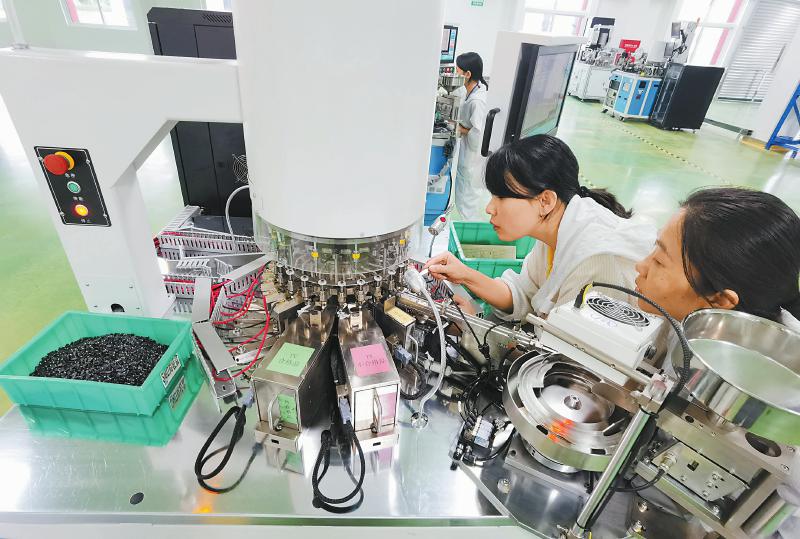
Core Insights - Mianyang's economy has recovered from a low point earlier in the year, with key economic indicators showing positive changes and some data reaching new highs [4][10] Group 1: Company Performance - Sichuan Teruixiang Technology Co., Ltd. has expanded its production capacity tenfold with the completion of a new factory, increasing expected orders from 80 million to 200 million yuan [1] - The company has established direct or indirect cooperation with nearly all of the Fortune 500 electronic enterprises [1] Group 2: Economic Indicators - Mianyang's electricity consumption has shown a strong upward trend, with a 12.85% year-on-year increase in the first half of the year, reaching 6.219 billion kilowatt-hours [4] - The second industry accounts for approximately 53.9% of the electricity consumption, indicating stable growth [4] - The information transmission and software services sector saw a remarkable 36.14% increase in electricity consumption, with a 51.25% increase in June alone [4] Group 3: Trade and Financial Growth - Mianyang's foreign trade and exports have experienced rapid growth, with total foreign trade reaching 13.38 billion yuan in the first seven months, a 17.4% increase year-on-year [5] - Exports of electromechanical products grew by 57.7%, accounting for 71.3% of total exports [5] - Financial institutions in Mianyang reported a loan balance of 273.823 billion yuan, a 16.02% increase from the previous year [5] Group 4: Technological Advancements - The Longhong Intelligent Manufacturing Industrial Park has improved production efficiency significantly, with a 20%-30% reduction in workforce and a 65% increase in per capita efficiency [6] - Automation in logistics has reached 95%, enhancing overall production efficiency [6] - The glass utilization rate at Huike Optoelectronics has reached over 98%, indicating significant cost savings and economic benefits [6] Group 5: Industrial Transformation and Investment - Mianyang has introduced 83 industrial projects with investments exceeding 500 million yuan, including six projects worth over 10 billion yuan [7] - The city has a total of 4,683 projects in reserve for the 14th Five-Year Plan, with a total investment of 2.23 trillion yuan [8] - The focus on advanced manufacturing and digital economy sectors, such as 5G and IoT, is expected to drive further growth [8][9]


攀枝花公布“十四五”规划和2035年远景目标建议
Si Chuan Ri Bao· 2026-01-04 05:50
Group 1: Economic Development and Industrial Strategy - The core focus of Panzhihua's "14th Five-Year Plan" is on enhancing the "vanadium-titanium" and "sunshine" industries, aiming to accelerate technological innovation and open up to the south [1] - During the "13th Five-Year Plan" period, Panzhihua has emphasized industrial transformation and upgrading, with a commitment to becoming a strong industrial and technological city, which is crucial for high-quality development [1] - In 2020, Panzhihua's industrial electricity consumption reached a historical high of over 12 billion kilowatt-hours, maintaining growth for seven consecutive months [1] - The city plans to improve infrastructure in industrial parks and natural gas storage facilities, enhance the business environment, and implement major industrial projects during the "14th Five-Year Plan" [1] - Panzhihua aims to integrate into the new development pattern, focusing on resource utilization and deep processing, and transitioning from a world-class vanadium-titanium resource base to a world-class vanadium-titanium industry base [1] Group 2: Cultural and Tourism Development - The "14th Five-Year Plan" for Panzhihua's cultural and tourism development will focus on becoming a regional cultural highland and an international sunshine health tourism destination [2] - The city will leverage its climate resources and unique industrial advantages to promote cultural and tourism integration, developing various tourism routes and brands [2] - Panzhihua aims to enhance urban planning and improve the living environment, striving to create a high-quality city that is suitable for work, living, health, and leisure [2]
内蒙古首家!呼和浩特经开区推行研发准备金制度
Xin Lang Cai Jing· 2026-01-03 01:44
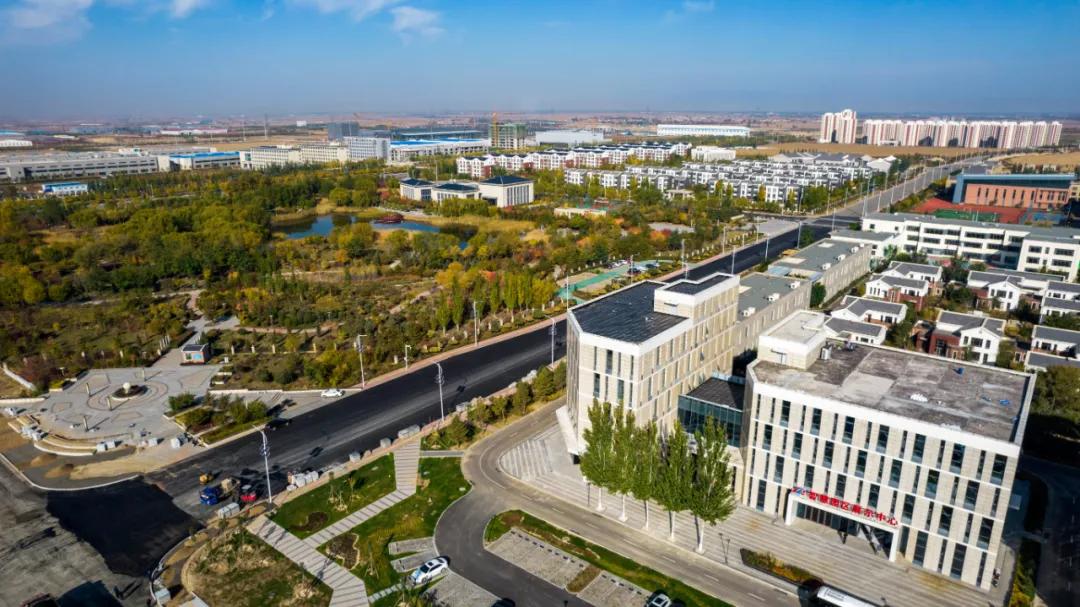
登录新浪财经APP 搜索【信披】查看更多考评等级 转自:呼和浩特发布 近日 据呼和浩特经济技术开发区科技人才局消息 呼和浩特经济技术开发区 (以下简称经开区) 立足区域产业实际 聚焦企业研发投入关键环节 在内蒙古自治区率先部署并推动建立 企业研发准备金制度 引导企业"被动应对"转向"主动规划" 近年来,经开区大力推进产业转型升级与科技创新,企业研发投入积极性显著提升,但科技型中小企业和部分规上企业研发投入存在规划性不足、资金来 源不稳定、管理相对粗放等问题。为系统破解上述难题,引导企业从"被动应对"转向"主动规划",经开区建立研发准备金制度,全面降低企业创新成本与 风险。 研发准备金是企业为保障研发项目的资金需要,在开展研发活动前或研发活动过程中提前储备的专门用于研发项目、单独核算的资金。 研发准备金制度是规范研发准备金的形成、使用、核算、信息披露等相关事项的管理措施。该制度鼓励企业实现研发资金提前规划、专项储备、规范管 理,确保研发投入的稳定性和可持续性,与既有政策形成互补,系统性强化区域科技创新支持生态,为经开区高质量发展注入强劲科技动能。 经开区坚持"政府引导、企业主体、规范运作、注重实效"的原则,从政 ...
因地制宜发展新质生产力 扎实推动高质量发展
Xin Lang Cai Jing· 2026-01-01 22:54
董卫民强调,要准确把握发展模式之变,坚持内需主导,围绕以县城为重要载体的新型城镇化挖 掘内需潜力、释放内需空间,积极谋划一批打基础、利长远的好项目,推动形成消费、生产、投 资良性循环。要深化强县扩权赋能改革,推动形成强县引领、竞相争先、协同共进的县域经济高 质量发展新格局。要结合实际发展优势产业,扎实推动产业转型升级,立足本地现有产业基础, 集中资源深耕细作,通过科技创新和技术改造推动产业向高端化迈进,形成具有竞争力的产业集 群。要处理好政府与市场关系,将营造一流营商环境作为政府工作的重中之重,提高土地、资金 等要素配置效率,激发和保护民营企业活力。要瞄准全年目标任务加力加劲,统筹做好元旦、春 节期间各项工作,坚决守牢安全生产红线,切实保障和改善民生,维护社会大局稳定,确保"十四 五"圆满收官,为"十五五"良好开局奠定坚实基础。 董卫民先后前往江安县下长镇长兴社区、阳春镇长乐村和江安县两江公园、丽雅成悦广场商业综 合体、宜宾天原海丰和泰公司等地,调研基层落实消防和安全生产隐患排查治理"冬春行动"、消 费新场景培育、产业转型升级等工作,开展巡河、巡林,向基层干部群众和企业宣讲全会精神。 本报讯(四川日报全媒体记 ...
并购贷款新规落地:可用于参股型并购,最长期限延长至10年
证券时报· 2025-12-31 15:40
Core Viewpoint - The new regulations issued by the Financial Regulatory Bureau on December 31, 2023, expand the scope of merger loans, allowing them to be used for equity mergers and optimizing loan conditions, which is expected to enhance the support for mergers and acquisitions in the market [1][3]. Group 1: Expansion of Merger Loan Scope - The new regulations allow merger loans to be used for equity mergers, with specific conditions such as acquiring at least 20% of the target company's shares in a single transaction [2][3]. - The maximum proportion of controlling merger loans to the total transaction price has been increased from 60% to 70% [6]. - The maximum loan term for controlling merger loans has been extended from 7 years to 10 years [5][6]. Group 2: Market Context and Implications - The adjustments to the merger loan management guidelines are in response to the evolving needs of the merger market, driven by policies like the "National Nine Articles" and "Merger Six Articles," which promote industrial integration and upgrading [3][4]. - The new regulations aim to facilitate the transformation and upgrading of traditional industries while fostering the growth of emerging industries, thereby enhancing the quality of financial services to the real economy [4][6]. - The implementation of these regulations is expected to increase the supply of merger funds, optimize resource allocation, and support the smooth transition between old and new development drivers [6].

12月PMI数据点评:景气重返扩张区间
Mai Gao Zheng Quan· 2025-12-31 07:29
Group 1: Manufacturing Sector - December Manufacturing PMI recorded at 50.1%, up 0.9 percentage points from the previous month, marking the first entry into the expansion zone since April 2025[2] - Production index rose to 51.7%, an increase of 1.7 percentage points, while new orders index reached 50.8%, up 1.6 percentage points, indicating improved production and demand[12] - Large enterprises' PMI increased to 50.8%, up 1.5 percentage points, supporting the manufacturing recovery, while small enterprises' PMI fell to 48.6%, reflecting ongoing challenges[18] Group 2: Non-Manufacturing Sector - December Non-Manufacturing Business Activity Index rose to 50.2%, returning to the expansion zone, showing improvement from November[3] - Construction PMI recorded at 52.8%, up 3.2 percentage points, driven by favorable weather and accelerated project progress[25] - Service sector Business Activity Index increased to 49.7%, still in contraction, with significant variation across industries, indicating a slow recovery[25] Group 3: Economic Outlook - Overall PMI data for December reflects a phase of economic recovery, confirming the effectiveness of growth stabilization policies[5] - Anticipated economic expansion supported by upcoming consumption peaks and infrastructure projects, alongside a special bond issuance plan of 62.5 billion yuan to stimulate consumption[5] - Risks include potential delays in policy implementation, slow global economic recovery, and insufficient domestic demand[6]
【银行业展望系列】产业金融,破茧成蝶:融入现代化产业体系建设
Sou Hu Cai Jing· 2025-12-31 02:24
Core Viewpoint - The article discusses the transformation of industrial finance in China, emphasizing the shift from being a passive "fund provider" to an active "resource integrator" and "ecosystem builder" in response to the demands of high-quality economic development [2][7]. Group 1: Challenges in Industrial Finance - Challenge 1: There is a disconnect in understanding and integrating industrial policies, leading to misalignment between financial resource allocation and policy direction [3]. - Challenge 2: Banks lack a deep understanding of the intrinsic rules of industrial development, resulting in a mismatch between financial services and actual industrial needs [4]. - Challenge 3: Banks generally provide standardized credit products without considering the lifecycle and specific needs of enterprises, limiting their ability to support growth effectively [5]. Group 2: New Positioning and Capabilities - New Positioning: Banks must evolve to become integrators of national policies and financial resources, facilitating efficient allocation to support industrial upgrades [7]. - New Capability 1: Establish a comprehensive view of the industrial chain to understand upstream and downstream needs, promoting collaborative financial ecosystems [8]. - New Capability 2: Develop a lifecycle service system for enterprises, offering tailored financial solutions based on their specific stages and characteristics [9]. - New Capability 3: Implement proactive risk management systems that utilize technology for real-time risk identification and monitoring [10]. Group 3: Strategies for Financial Service Optimization - Strategy 1: Create differentiated financial service systems based on the development characteristics of various industries to optimize resource allocation [14]. - Strategy 2: Support traditional industries in upgrading through specialized loans and innovative financial tools [15]. - Strategy 3: Empower emerging industries by developing financing services based on intellectual property and technology patents [16]. - Strategy 4: Engage in future industry cultivation through dedicated funds and collaborative innovation mechanisms [17]. Group 4: Tailored Services for Enterprises - Service for Chain Leaders: Develop financial solutions that support the integration of supply chains and enhance overall innovation [19]. - Service for Mature Chain Enterprises: Provide standardized financial services to support stable operations and sustainable growth [20]. - Service for Early-Stage Innovative Enterprises: Create specialized evaluation systems and products to support their growth and risk-sharing [21]. Group 5: Enhancing Industry-Finance Integration - Focus on regional characteristics to build a comprehensive financial service system that strengthens the depth and breadth of industry-finance integration [26]. - Implement vertical integration within regions to provide tailored financial services while promoting cross-regional collaboration [27]. - National banks should leverage their resources to support key industries, while regional banks should focus on local core industries [28].

人民币升值破7!欧美阴谋得逞?中国将计就计反杀:他们不得不买
Sou Hu Cai Jing· 2025-12-30 15:39
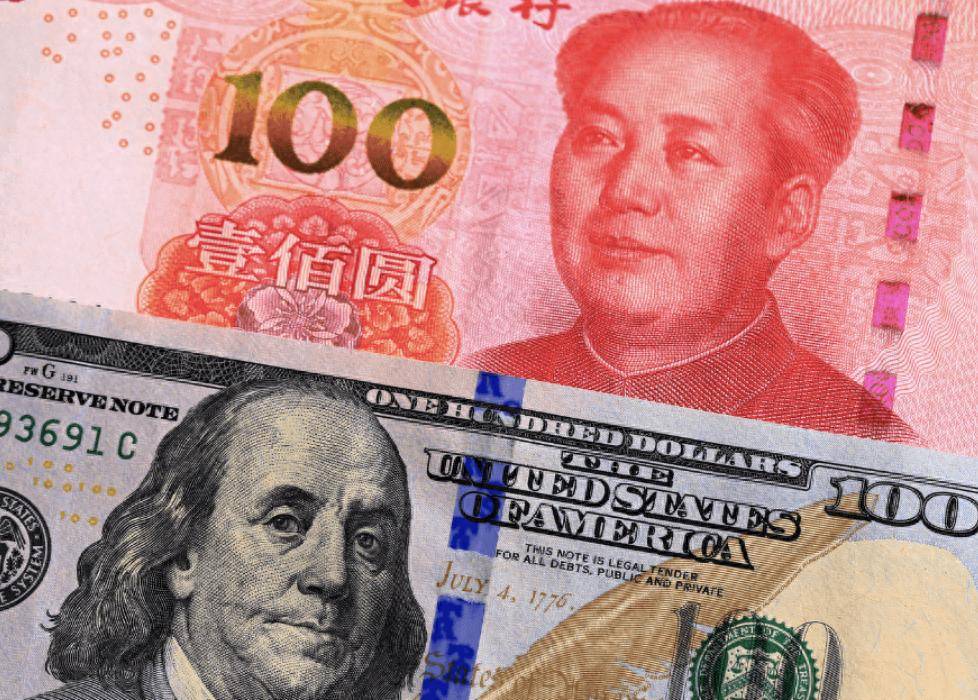
Core Viewpoint - The recent appreciation of the Chinese yuan against foreign currencies, particularly the US dollar, is perceived as a potential threat to China's manufacturing sector and overall economic stability, despite common beliefs that currency appreciation is beneficial [1][3]. Group 1: Economic Impact of Yuan Appreciation - The appreciation of the yuan increases production costs for Chinese manufacturers, compressing profit margins and forcing them to raise prices, which diminishes the competitiveness of Chinese exports [3][6]. - Western countries are allegedly using competitive devaluation of their currencies to undermine Chinese exports, leading to a situation where consumers may prefer domestically produced goods over Chinese products [6][10]. Group 2: Strategic Responses from China - In response to the challenges posed by currency appreciation, China is implementing minimum price standards for various goods to stabilize the market and ensure quality, thereby preventing inferior products from driving out superior ones [8][10]. - China's long-term economic strategy focuses on maintaining competitiveness in the international market through innovation and upgrading manufacturing capabilities, particularly in high-tech sectors like artificial intelligence and renewable energy [8][10][12]. Group 3: Broader Implications and Global Context - The situation reflects the intense competition in the global market, where countries are engaged in non-traditional forms of economic warfare, and China aims to navigate these challenges without escalating conflicts [12][13]. - China's proactive approach to economic challenges, including the yuan's appreciation, is expected to strengthen its position in the global market rather than weaken it, countering Western strategies aimed at economic decoupling [12][13].
我市一民营企业在深交所成功上市
Sou Hu Cai Jing· 2025-12-30 13:37
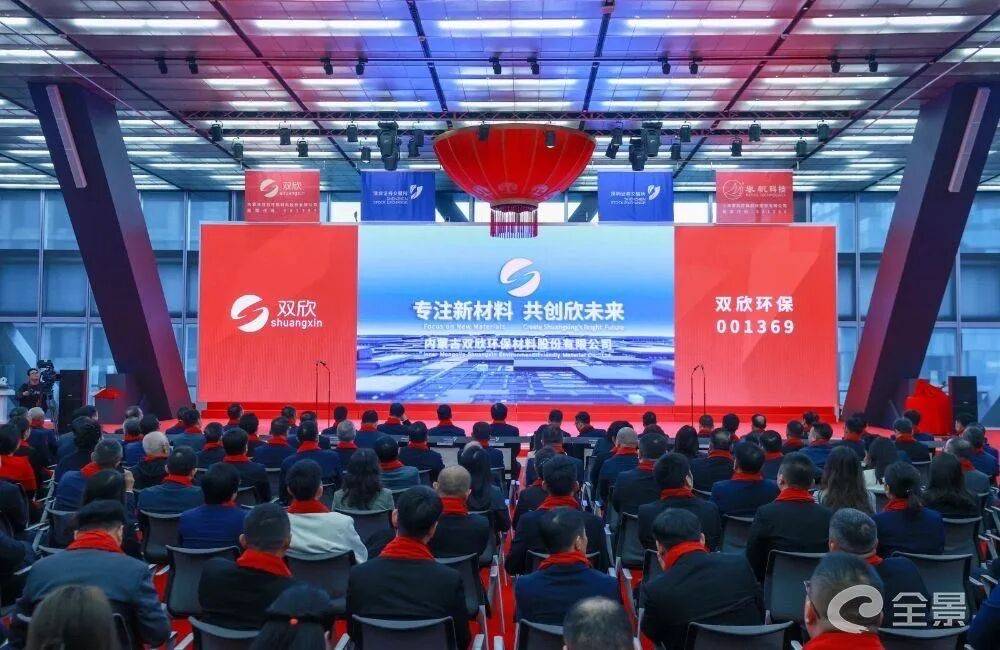
12月30日,内蒙古双欣环保材料股份有限公司首次公开发行股票上市仪式在深圳证券交易所隆重举行。双欣环保正式登陆A股市场,标志着这 家从鄂尔多斯高原成长起来的高新技术企业,迈入了产业运营与资本驱动双轮发展的崭新阶段。鄂尔多斯市工商联对此表示最热烈的祝贺,并 为企业发展的这一里程碑式成就倍感自豪。 双欣环保长期深耕环保新材料领域,始终坚持技术创新与绿色发展,其核心产品与技术在国内同行业中居于领先地位,是鄂尔多斯市推动产业 转型升级、践行生态优先绿色发展理念的杰出代表企业之一。成功上市既是企业自身实力与发展前景获得资本市场高度认可的直接体现,也是 鄂尔多斯市持续优化营商环境、大力支持民营经济和制造业高质量发展的丰硕成果。 供稿、编辑:杜小凤 三审:韩磊 一审:姬敏 市工商联将继续深入贯彻落实各级党委政府关于促进民营经济发展壮大的决策部署,强化引导服务,支持更多符合条件的优质民营企业完善公 司治理、加快上市步伐,为鄂尔多斯市经济社会发展注入更强劲的民营经济动能,书写新时代"暖城"民营经济更加辉煌的篇章! 二审:杜琼 ...
“北方第二城”或将易主,北方经济格局正经历深层演变?
Xin Jing Bao· 2025-12-30 02:00
Core Viewpoint - The competition between Qingdao and Tianjin for the title of "Northern Second City" is intensifying, with Qingdao poised to surpass Tianjin in GDP by the end of 2025, reflecting deeper changes in the economic landscape of Northern China [1][3]. Economic Data Comparison - In the first three quarters of 2025, Qingdao's GDP reached 1.337347 trillion yuan, growing by 5.4%, while Tianjin's GDP was 1.341608 trillion yuan, with a growth of 4.7%, resulting in a narrow gap of 42.61 billion yuan [1]. - Qingdao's economic increment for the first three quarters was 97.437 billion yuan, compared to Tianjin's 74.221 billion yuan, highlighting a key factor in Qingdao's rapid catch-up [2]. Historical Context - Qingdao became the "Northern Third City" in 2000 by surpassing Dalian and Shenyang, but faced significant gaps with Tianjin in 2015, where Tianjin's GDP was 1.83 times that of Qingdao [2]. - The gap between Qingdao and Tianjin narrowed to approximately 1.3 trillion yuan by 2024, indicating Qingdao's sustained economic growth [2]. Industrial Development Paths - Qingdao's growth is driven by the integration of emerging industries and traditional strengths, with a 7.7% increase in industrial output, particularly in high-end manufacturing sectors like new energy vehicles and optical electronics [4]. - Tianjin, while facing challenges in industrial transformation, maintains a strong industrial base and is focusing on developing new industries such as biomedicine and vehicle networking [5]. Strategic Planning - Both cities have outlined their "14th Five-Year" plans, with Qingdao aiming for a GDP of over 2 trillion yuan and emphasizing its role as a leader in the Shandong Peninsula urban cluster [7]. - Tianjin's strategy focuses on high-quality development and enhancing its role within the Beijing-Tianjin-Hebei region [7]. Regional Economic Dynamics - The competition between Qingdao and Tianjin is fostering a "salmon effect," encouraging both cities to optimize their industrial structures and enhance urban capabilities [8]. - The close economic performance of these cities reflects an increase in internal economic vitality in Northern China and a trend towards more balanced regional development [8].