
十五五

Search documents
沧海横流,中国攻坚克难一往无前
Xin Lang Cai Jing· 2025-12-28 19:26
Core Viewpoint - The year 2025 is seen as a pivotal moment in history, with significant challenges and opportunities for China, as it aims to achieve socialist modernization and navigate through complex global dynamics [1][2]. Economic Resilience - Despite initial pessimism from Western media regarding China's economic prospects, recent analyses highlight China's strong economic fundamentals, resilience, and potential for long-term growth, countering narratives of stagnation [2][3]. - Key terms such as "stability" and "resilience" have become prevalent in international discussions about China's economic performance, emphasizing its role as a source of stability and growth in the global economy [2]. Achievements and Progress - Over the past five years, China has made significant advancements and transformative changes, establishing itself as a stable and reliable force in global development [3][4]. - The country has demonstrated remarkable resilience and vitality in its economic performance, even amidst external pressures and uncertainties [3][4]. Policy and Innovation - China is focusing on high-quality economic development through technological innovation and industrial upgrades, which are seen as essential drivers for future growth [4]. - The government is implementing various policies to enhance consumer spending and support economic transformation, including cash subsidies and consumption vouchers [4]. Future Outlook - The next five years are critical for consolidating the achievements of the past and addressing emerging challenges, with a strong emphasis on collective effort and determination among the Chinese populace [1][5]. - The commitment to overcoming obstacles and striving for a better future is a central theme for China as it moves forward [5].
财经战略年会暨第二届财经智库论坛在京举办
Zhong Guo Jing Ji Wang· 2025-12-28 06:19
Core Viewpoint - The "15th Five-Year Plan" period is identified as a critical phase for China's economic development, emphasizing the need for comprehensive strategies to achieve modernization by 2035, with a focus on expectation management, income distribution reform, and the integration of investment in goods and people [3][4]. Group 1: Economic Development Strategies - The "15th Five-Year Plan" should reflect the transitional characteristics of the economy, aiming for a solid foundation and comprehensive efforts to meet the 2035 modernization goal [3]. - Emphasis on expectation management mechanisms, integrating them into macroeconomic analysis and policy frameworks [3]. - The need for reform in income distribution systems to establish a fair and just social security and transfer payment system [3]. Group 2: Macroeconomic Policies - The period will see peak levels in population, real estate demand, heavy industry scale, export volume, and carbon emissions, necessitating a combination of counter-cyclical and cross-cyclical macroeconomic policies for smooth transitions [4]. - High-quality development requires both qualitative improvements and reasonable quantitative growth, with a focus on maintaining economic growth while adjusting structures [4]. Group 3: Financial and Resource Management - The "debt-asset-resource" framework is proposed to revitalize existing economic structures, emphasizing the importance of resource liquidity and value creation [4]. - The need for financial theory innovation to support the development of a strong financial nation, addressing practical issues and enhancing core competitiveness [5]. Group 4: Fiscal Policy and Governance - Fiscal reforms are essential for national governance, requiring coordination between fiscal policies and other policy areas, while addressing structural issues in the medium to long term [5]. - The establishment of a budget system and tax system that aligns with responsibilities and powers is crucial for effective governance [5]. Group 5: Consumer-Focused Financial Systems - A consumer-friendly financial system is necessary to address the challenges in financial services and consumer behavior, promoting supply-side financial reforms and enhancing financial inclusivity [6]. - The significance of building a consumer-friendly financial system lies in guiding financial reforms and advancing inclusive finance [6]. Group 6: Forum Discussions - The conference featured six sub-forums discussing topics such as AI empowerment in think tank construction, economic growth and macroeconomic policies, fiscal policies and tax reforms, and the dual circulation development pattern [6].

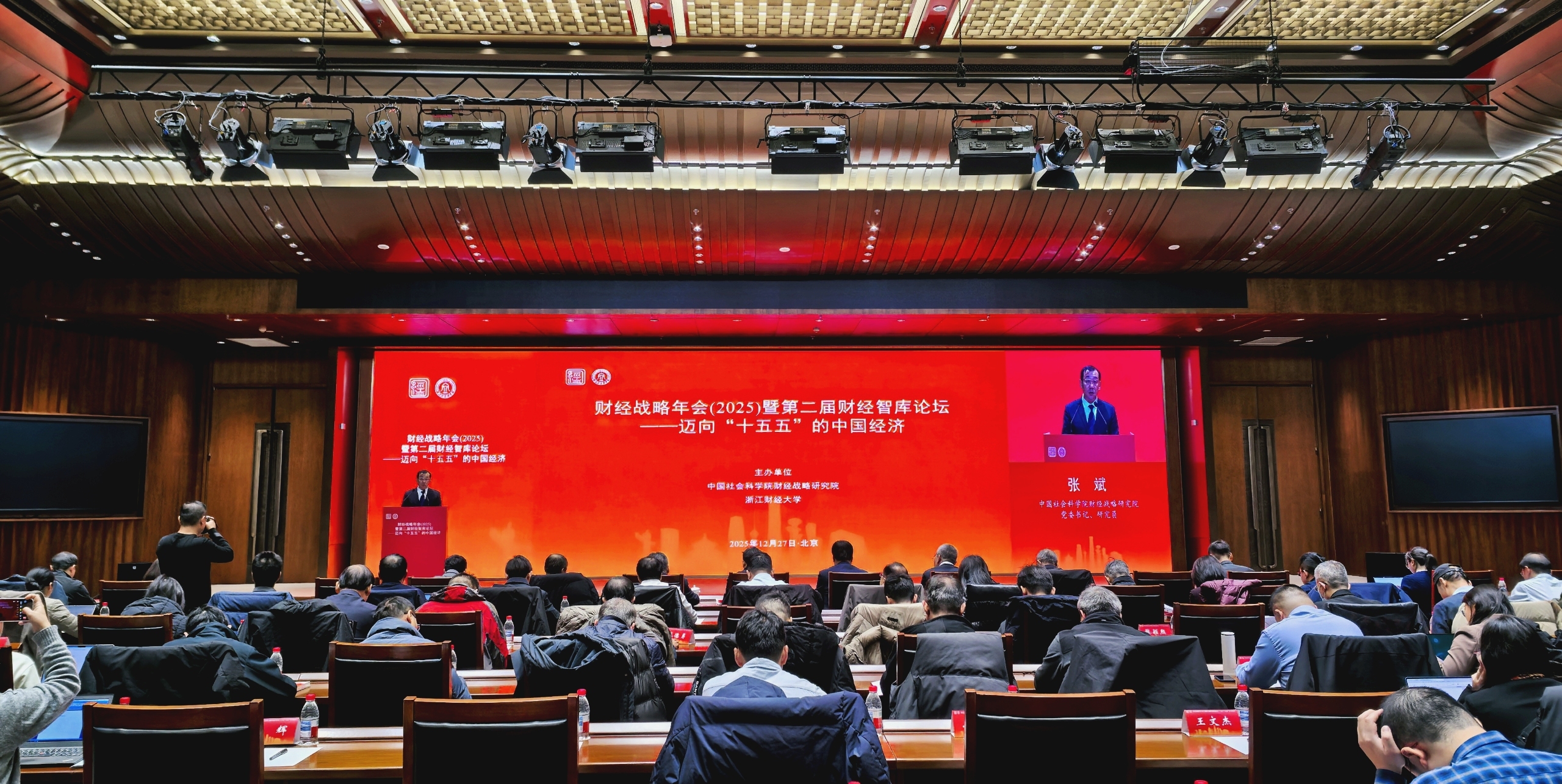
彭琨:低利率环境下 理财机构需多维发力应对市场挑战
Xin Lang Cai Jing· 2025-12-28 03:49
Core Viewpoint - The China Wealth Management 50 Forum 2025 Annual Meeting emphasizes the challenges and opportunities in the wealth management industry amid a low-interest-rate environment, focusing on strategies for institutions to adapt and thrive [1][10]. Group 1: Challenges in the Wealth Management Industry - Investment returns are significantly declining due to the low-interest-rate environment, which is the most direct impact [3][12]. - Market volatility is rising, with low bond yields leading to a decrease in the Sharpe ratio and extreme compression of credit spreads, increasing the risk of market rebounds [3][12]. - There is a high demand for asset allocation, as macro liquidity remains ample, but corporate financing needs are insufficient, leading to a strong demand for fund allocation [3][12]. - Institutional operational models are facing transformation challenges, with the net value transition deepening but client return expectations adjusting slowly [3][12]. Group 2: Positive Factors and Opportunities - On a macro level, the upcoming "14th Five-Year Plan" emphasizes expanding domestic demand and stabilizing investment, which may lead to a recovery in the economy and profits [4][12]. - On a market level, continued government support for long-term capital entering the market and the potential recovery in certain sectors provide upward space for the stock market [4][12]. - The effect of deposit rate cuts is becoming more pronounced, with many fixed-term deposits maturing, leading to increased risk appetite among residents, which presents opportunities for banks to expand wealth management scale and product systems [4][13]. Group 3: Strategic Responses for Wealth Management Institutions - Institutions should prioritize customer-centric approaches, ensuring that product performance is predictable and manageable for clients [5][13]. - Compliance is essential for long-term survival and sustainability, requiring rigorous disclosures and prudent asset management [5][13]. - Transitioning from reliance on single-asset yields to multi-asset management is crucial, focusing on proactive management of volatility and strategic management of assets [5][13]. Group 4: Product Layout and Asset Allocation - Product layout should focus on understanding customer needs while optimizing product efficiency and experience [7][14]. - In asset allocation, institutions need to stabilize their fixed-income base while exploring market depth and broadening their asset classes [8][15]. - Institutions should enhance their unique offerings by advancing from simple low-volatility strategies to a balanced approach that includes moderate volatility and appropriate returns [8][15]. Group 5: Enhancing Capabilities - The research and investment system should shift from a traditional fixed-income focus to a core asset allocation model, emphasizing macro trends and risk management [9][16]. - Customer relationships should be strengthened by expanding the customer base, particularly among younger clients, and enhancing trust through better communication [9][16]. - Collaborative optimization with peer institutions is necessary to share strategies and enhance asset allocation capabilities [9][16].
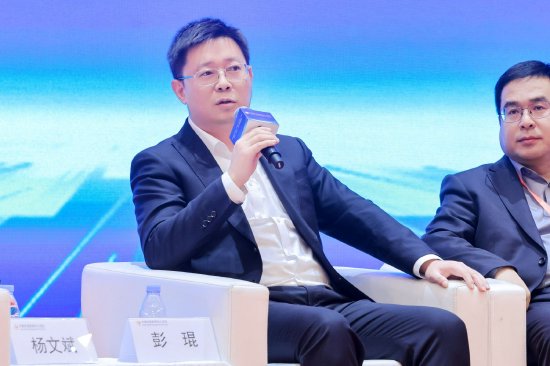
尚福林:“十五五”时期金融发展面临结构性和机制性挑战
Guo Ji Jin Rong Bao· 2025-12-27 16:13
Core Viewpoint - The 2025 Annual Meeting of the China Wealth Management 50 Forum emphasizes the importance of accelerating the construction of a financial power during the "14th Five-Year Plan" period, highlighting the need for both qualitative improvements and quantitative growth in the financial sector [1] Group 1: Challenges in Financial Development - Structural and institutional challenges will persist during the "14th Five-Year Plan" period, including imbalances in social capital allocation and difficulties in asset allocation due to low interest rates and low spreads [3] - The traditional financing and risk control models are not adequately aligned with the needs of the new economy and new business formats, leading to ongoing issues with financing difficulties and high costs for private and small enterprises [3] - The proportion of direct financing needs to be increased, and the coordination between investment and financing functions in the capital market requires further enhancement [3] Group 2: Recommendations for Financial Reform - There is a need to focus more on the fundamental purpose of financial services for the real economy and to effectively address the "five major articles" of finance [3] - Continuous deepening of financial system reform is essential to accelerate the improvement of a modern financial system with Chinese characteristics [3] - Better coordination between development and security is necessary to strengthen the financial stability defense line [3] - Steady progress towards high-level opening up is required to enhance global financial governance and discourse power [3]
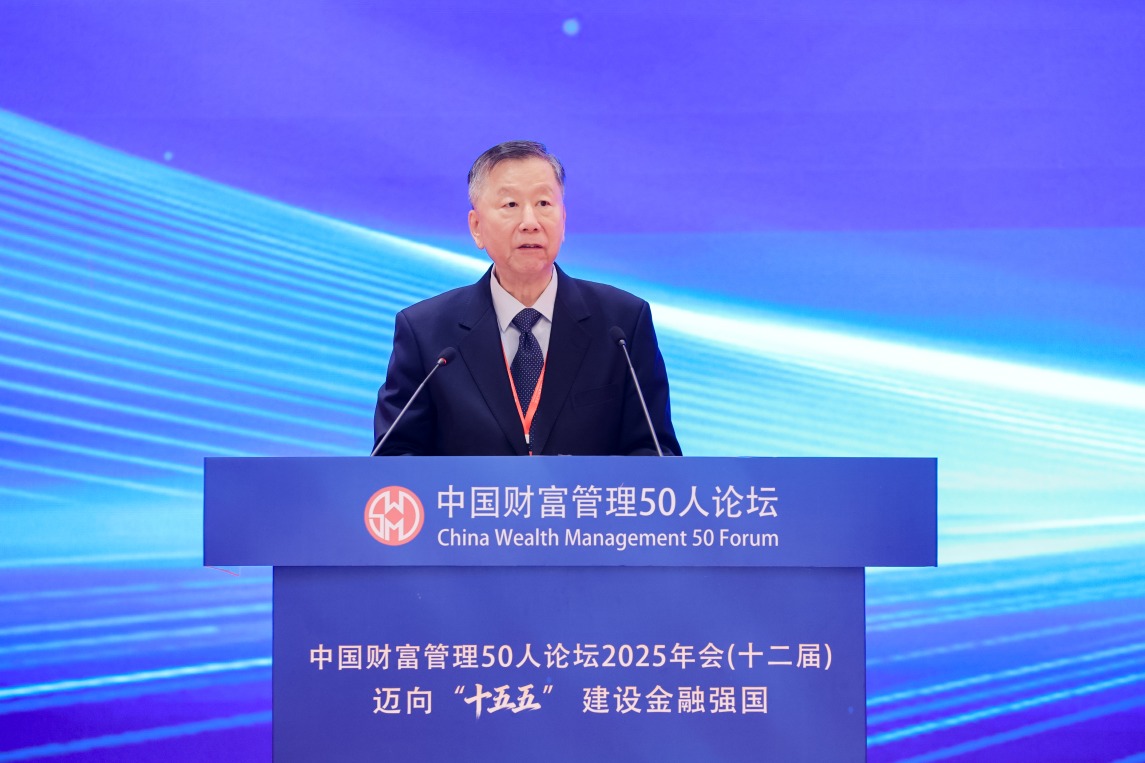
聚焦两会丨政协委员分组协商讨论政府工作报告和其他报告
Xin Lang Cai Jing· 2025-12-27 14:35
Group Discussion - The members of the CPPCC (Chinese People's Political Consultative Conference) in Changde City engaged in discussions focusing on the government work report and other related reports, emphasizing clarity in thought, clear objectives, and prominent key points [7] - The government work report and other reports were praised for their objective and realistic summaries of the "14th Five-Year" period and the work planned for 2025, as well as for their precise and pragmatic deployment for the "15th Five-Year" period and 2026 [7] Key Themes - The discussions highlighted the importance of agriculture and rural development, with a focus on modernizing agricultural practices and enhancing the industrialization of agriculture [8] - The government aims to integrate industrial thinking into agriculture and promote deep processing of agricultural products, leveraging technology for industry upgrades and product value enhancement [8] - The "14th Five-Year" period was recognized as a crucial time for Changde's development, with significant achievements attributed to the support and involvement of CPPCC members [9] Future Planning - The upcoming "15th Five-Year" plan is seen as a critical opportunity for Changde, requiring collective effort and commitment from all stakeholders to realize the city's development potential [9] - Suggestions from CPPCC members will be systematically reviewed and incorporated into actionable plans to drive high-quality development in Changde [9]
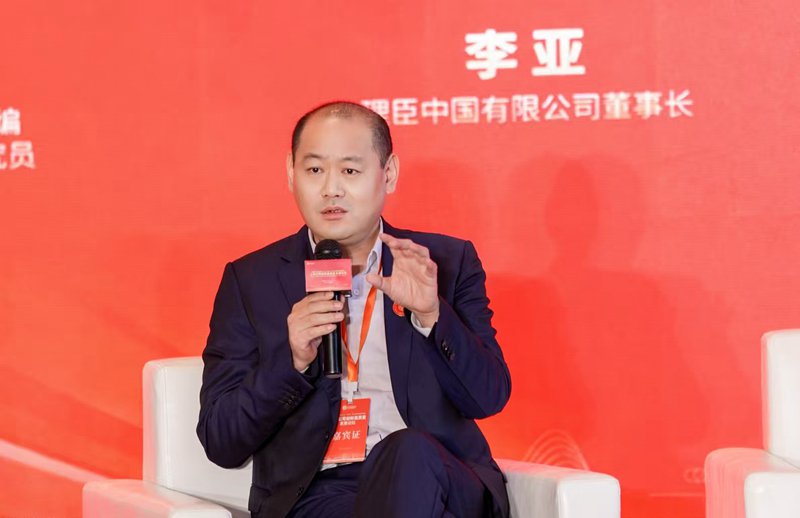
李亚:要有发现企业价值的慧眼,更要有共担风险的勇气
Xin Hua Wang· 2025-12-26 13:42
Group 1 - The core viewpoint emphasizes the necessity for companies to align their innovation development with the logic of the capital market and the strategic direction of the national "14th Five-Year Plan" [2] - The relationship between capital and innovation is analyzed, highlighting that innovation is a process of value creation, while capital serves as a bridge for value realization [2] - Companies are encouraged to actively plan and integrate capital tools into their overall innovation and growth strategies during the "14th Five-Year Plan" period [3] Group 2 - Companies should leverage diverse capital tools, including pre-IPO equity financing and post-IPO refinancing and mergers and acquisitions, as important levers for seizing opportunities and accelerating development [3] - The importance of having foresight and strategic determination in capital investment is stressed, along with the need for capital to share risks with companies to form genuine strategic alliances [2]
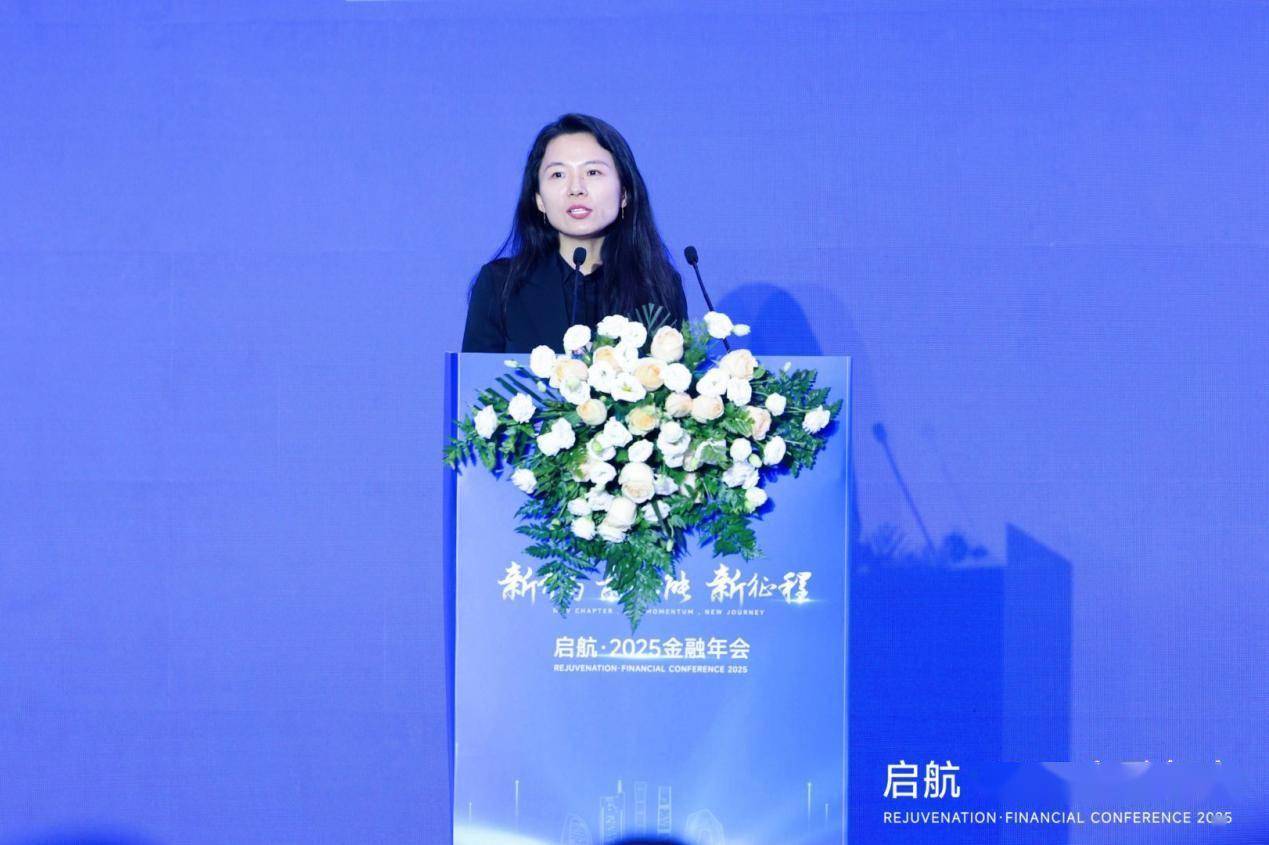
招商证券宏观首席张静静:“十五五”不仅是中国经济的黄金时代,也是资本市场黄金时代,资本市场增量资金主要来自外资
Sou Hu Cai Jing· 2025-12-26 07:40
Group 1: Economic Outlook - The "14th Five-Year Plan" period is expected to be a golden era for both the Chinese economy and capital markets, with foreign capital being a major source of incremental funds [1][5] - CPI is projected to stabilize around 0.5% next year, while PPI is expected to turn positive in the second half of the year [3][4] - The rise in overall factor productivity is crucial, with breakthroughs in various sectors such as DeepSeek, lithography machines, and chips [3] Group 2: Commodity Prices and Inflation - A potential "pig oil resonance" economic phenomenon may impact CPI and PPI significantly, with oil prices influenced by U.S. factors, OPEC+ production capacity, and geopolitical risks [3] - Pork prices are expected to rebound in the second quarter of next year, with a projected year-on-year increase in the second half of the year [3] - The timing for expanding domestic demand is critical, particularly as external demand slows down [4] Group 3: Capital Market Dynamics - The capital market will be influenced by a shift back to demand-side pricing, with improved leverage willingness from the private sector [4] - The "Belt and Road" initiative is likened to an investment phase, which may lead to short-term downward pressure on exports [4] - The upcoming period is seen as a window for observing large-scale domestic demand expansion policies, which could lead to sustained inflation [4] Group 4: U.S. Economic Impact - The long economic expansion cycle in the U.S. since the 2009 financial crisis may face a turning point between 2027 and 2028, with potential impacts following the mid-term elections next year [5] - The wealth effect from the U.S. stock market currently supports the service industry and employment, but a market adjustment could trigger negative feedback loops [5] - A depreciation cycle of the U.S. dollar is anticipated, which may reduce the attractiveness of U.S. assets and provide opportunities for Chinese markets [5]

“十五五”首席观察|鲁政委:结构性货币政策工具有望“加量降价”
Sou Hu Cai Jing· 2025-12-25 14:48
Economic Outlook - In 2026, China's economic development will focus on using domestic circulation stability to counter international circulation uncertainties, emphasizing the need for coordinated efforts in both supply and demand to solidify consumption growth [1][12][13] - The transition from "incremental stimulation" to "structural optimization" in consumption policies is necessary to better align supply with the evolving demand for upgraded consumption [3] Monetary Policy - Traditional and innovative monetary policy tools will have ample room for action in 2026, with expectations for continued reductions in reserve requirements and interest rates to lower financing costs for the real economy [5] - Structural monetary policy tools may see enhancements, including increasing the scale and reducing the cost of effective tools, to better stimulate credit growth and avoid idle funds [5] Currency Exchange - The RMB is expected to experience a "strong first, weak later" trend against the USD in 2026, with fluctuations influenced by both domestic monetary policy and international economic conditions [6] Financial Services - The "Five Major Articles" will guide financial services towards key areas such as technology finance, green finance, inclusive finance, pension finance, and digital finance, with potential breakthroughs anticipated in 2026 [7][8][9][10] Housing and Consumer Policies - To alleviate preventive savings pressure on residents, policies such as increasing the supply of affordable housing and introducing home purchase interest subsidies are recommended [4] - Enhancing public education services and optimizing healthcare support for vulnerable groups are also crucial for boosting consumer confidence and spending [4] Gold Market - The gold market is expected to maintain upward momentum in 2026, driven by factors such as expanding debt among major economies and geopolitical tensions, alongside the People's Bank of China's renewed interest in gold reserves [11]
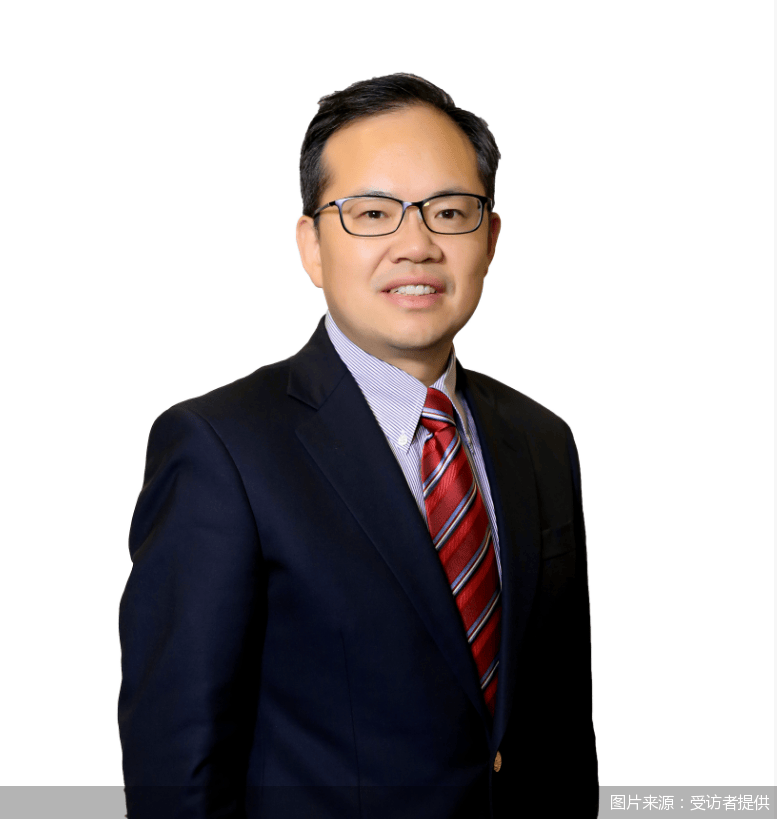
“十五五”首席观察|专访鲁政委:结构性货币政策工具有望“加量降价”
Bei Jing Shang Bao· 2025-12-25 14:41
2025年,站在"十四五"收官与"十五五"规划谋篇的历史衔接点上,中国经济在多重变局中展现出韧性,金融市 场在政策合力下保持稳健运行。 步入2026年,"十五五"启幕之际,如何进一步释放消费潜能?货币政策如何从总量宽松转向结构优化?人民币 汇率如何在内外挑战中保持基本稳定?债市供需结构将如何演化?"内循环"与"高水平对外开放"又该如何协同 发力? 针对多个热点话题,北京商报记者专访了兴业银行首席经济学家,兴业研究学术评审委员会主席鲁政委,在他 看来,2026年"以国内循环的稳定性对冲国际循环的不确定性"将成为我国经济发展的必然选择,应从供需两端 协同发力稳固消费增长根基;步入"十五五"后,传统货币政策工具与创新货币政策工具均有发力空间,预计人 民银行将继续降准降息;在结构性货币政策工具方面,可对当前效果较好的工具进行"加量降价";同时,金融 服务实体经济的"五篇大文章"有望在基于全国碳排放权交易市场的碳金融相关业务等领域迎来进展;而"内循 环"提质升级与"高水平对外开放"的双向赋能,将进一步筑牢中国经济韧性。 加大消费补贴与信贷支持力度 北京商报:2025年内,一系列消费补贴政策陆续出台,各项促消费政策也呈现 ...

业界展望“十五五”时期家电服务业发展形势
Zhong Guo Xin Wen Wang· 2025-12-24 13:29
Group 1 - The core viewpoint of the article emphasizes the need to boost consumption and enhance the interaction between supply and demand during the "14th Five-Year Plan" period for the home appliance service industry [1] - Experts suggest that policies will be implemented to increase consumer capacity and confidence, with the optimization of the "two new" policies expected to create new development opportunities for the home appliance service industry [1] - The industry is encouraged to follow technological trends and deepen technology applications, while also developing personalized customization and expanding service-oriented business models in response to market demand changes [1] Group 2 - The current consumer market in China faces challenges such as insufficient demand, necessitating the removal of market blockages and promoting upgrades towards service-oriented and intelligent consumption [1] - The industry is presented with opportunities due to the enhanced foundational role of consumption, deepening digital integration, and the rise of new consumption patterns [1] - Companies are advised to embrace artificial intelligence, explore new consumption scenarios, and focus on the "silver economy" and the "one old one young" sectors for future development [1] Group 3 - Haier Service has focused on digital transformation during the "13th Five-Year Plan" period, launching multiple innovative measures to achieve breakthroughs in service quality and reputation [2] - In the future, Haier will deepen the application of digital and intelligent technologies to meet diverse needs and support the upgrade of services in the home appliance industry [2]